
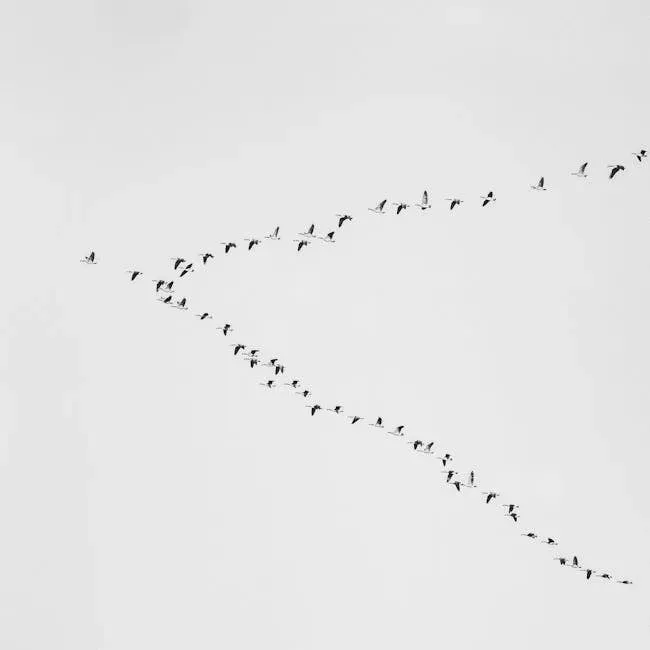
Look up on an autumn afternoon and you may spot a long, shifting line of geese cutting across the sky. The shape looks almost too tidy to be natural. For a long time, people assumed there was a practical reason behind it, but proving that was harder than it sounds.
Birds don’t carry flight computers, and they don’t fly in neat lanes just for show. Researchers have spent decades trying to work out what each bird gains from its place in the line. The answer turns out to be both simpler and stranger than most of us expected.
The Basic Idea: Borrowing Lift From the Bird in Front
🔥 Would you like to save this?
We'll email this post to you, so you can come back to it later!
When a bird flaps, its wings push air downward to stay aloft. At the wingtips, that air also curls into swirling vortices that trail behind the bird. Outside each wingtip, this swirling air moves upward.
A bird that flies just behind and off to the side of another can catch that rising air. The extra lift means it doesn’t have to work quite as hard to hold its height. That’s the core of the updraft explanation, and it’s why ornithologists and aerodynamics researchers have talked about V formations for so long.
What the Physics Predicted Long Before the Data Arrived
🔥 Would you like to save this?
We'll email this post to you, so you can come back to it later!
Aerodynamic theory suggested the benefit well before anyone could measure it in the wild. Models built on how wings shed vortices pointed to real energy savings for birds trailing in a group. Some of these estimates were large, though they assumed ideal conditions that live birds rarely hold.
That gap mattered. A model can describe a perfect formation, but real flocks wobble, drift and rearrange themselves. For years, the theory was widely accepted while direct proof stayed thin.
Evidence From Real Birds in Real Flight
🔥 Would you like to save this?
We'll email this post to you, so you can come back to it later!
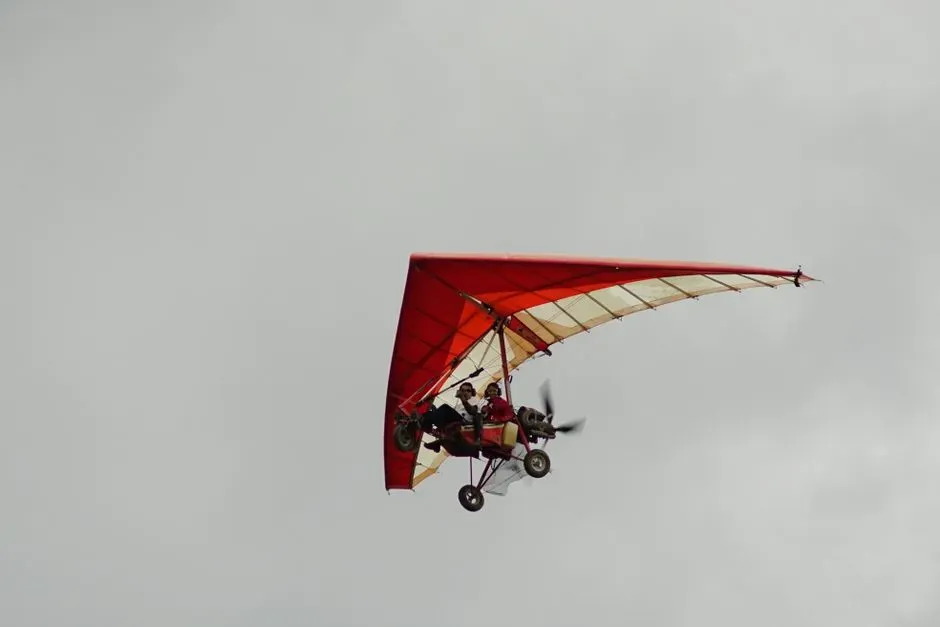
A well-known 2014 study in the journal Nature tracked northern bald ibises flying behind a microlight aircraft. Researchers fitted the birds with devices that recorded their position and wing movements. They found that the birds tended to place themselves in spots where they could catch upwash.
The birds also appeared to time their wingbeats to match the air movement left by the bird ahead. That detail is easy to overlook, but it suggests more than luck. Flying in the right place is one thing, and flapping in sync with the air is another.

2 Pcs Halloween Pet Hat Bandana Set, Witch Pumpkin Costumes for Dogs
Check Price on AmazonAs an Amazon Associate, we earn from qualifying purchases.
10/9/2026 2:45 pm GMTi

Smart Bird Feeder with Camera Solar Powered, 2K HD Live Video, 10,000+ Bird Species AI Identification
Check Price on AmazonAs an Amazon Associate, we earn from qualifying purchases.
10/7/2026 1:22 pm GMTi

PetSafe Oasys Pet Fountain, 1/2 Gallon (64 oz), Small Dogs & Cats
Check Price on AmazonAs an Amazon Associate, we earn from qualifying purchases.
10/8/2026 8:14 am GMTi

Halloween Cat Costume Cloak Witch Hat Pet Accessories
Check Price on AmazonAs an Amazon Associate, we earn from qualifying purchases.
10/9/2026 2:44 pm GMTi

Orthopedic Extra Large Dog Bed, Waterproof Washable XL Pet Bed 44"
Check Price on AmazonAs an Amazon Associate, we earn from qualifying purchases.
10/7/2026 1:32 pm GMTi
Why Timing and Position Matter So Much
🔥 Would you like to save this?
We'll email this post to you, so you can come back to it later!
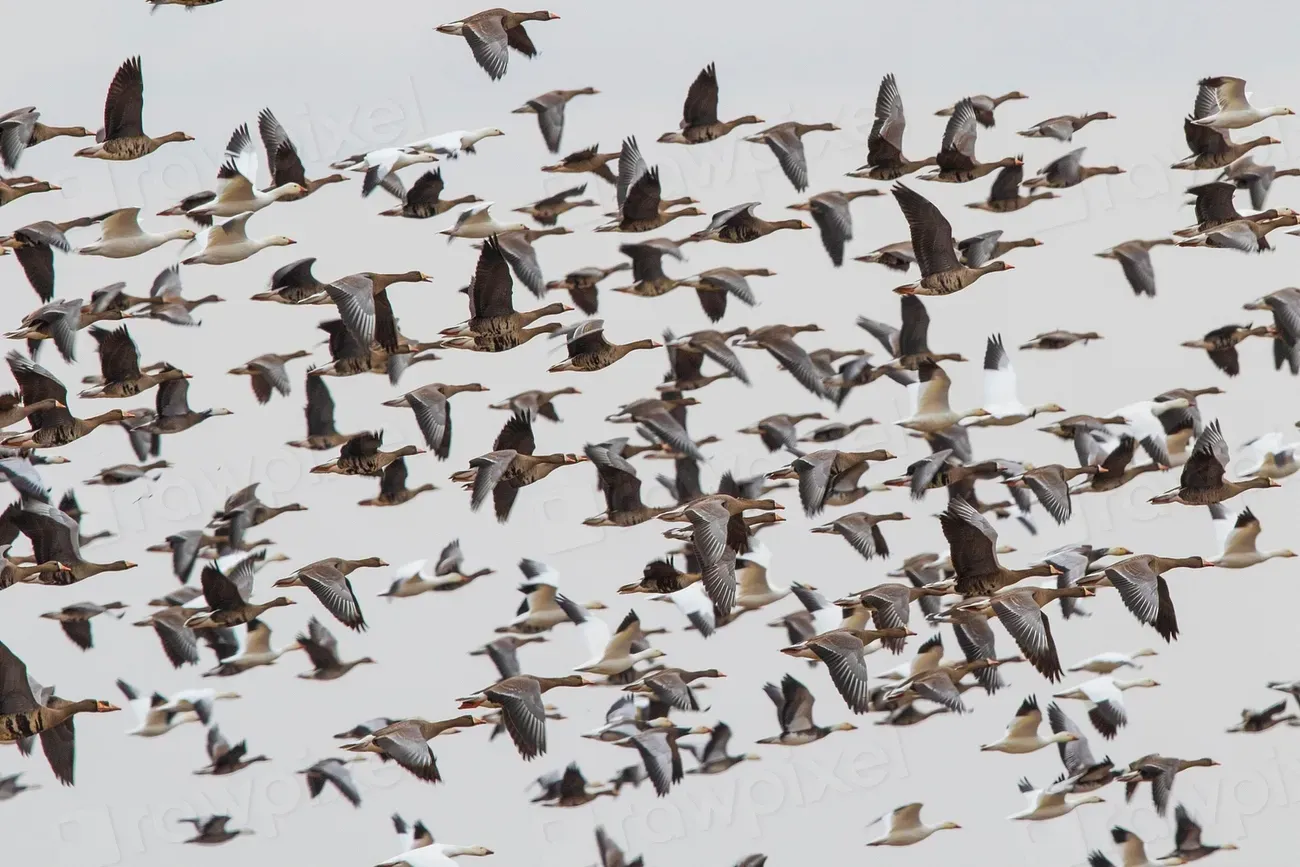
The air behind a flapping bird isn’t a steady current. It rises and falls with each wingbeat, so a follower in the wrong spot could actually hit downwash and lose lift. Staying in the helpful zone takes constant small corrections.
That explains why a V is rarely perfect. Birds shift forward and back, and nudge sideways, hunting for the best pocket of air. The ragged shapes you see overhead are often the sign of birds doing exactly that.
Is Energy the Whole Story?
🔥 Would you like to save this?
We'll email this post to you, so you can come back to it later!
Not necessarily. Some researchers have suggested that formations may also help birds keep track of each other and navigate as a group. Flying in a line gives followers a clear view of the others, which could make travel easier to coordinate.
The evidence on these extra benefits is more mixed than the evidence on aerodynamics. It’s also worth remembering that results from one species, like the ibis, don’t automatically apply to every bird that flies in a V. Geese, ducks, cranes and pelicans may each get different advantages.

Halloween Dog Collar with Bow, Orange Cute Ghost Collar,
Check Price on AmazonAs an Amazon Associate, we earn from qualifying purchases.
10/9/2026 2:43 pm GMTi

Professional 7 in 1 Dog Paw Cleaner for Dogs & Cats - Includes 1 Portable Paw Washer, 1 Bath Brush
Check Price on AmazonAs an Amazon Associate, we earn from qualifying purchases.
10/7/2026 1:26 pm GMTi

Dog Stairs for Bed 18" H, 4-Step Dog Steps for High Bed
Check Price on AmazonAs an Amazon Associate, we earn from qualifying purchases.
10/9/2026 2:42 pm GMTi

Earth Rated XL Dog & Puppy Pee Pads, Discreet Top, Max Absorbency
Check Price on AmazonAs an Amazon Associate, we earn from qualifying purchases.
10/7/2026 1:28 pm GMTi

Hand Blown Glass Hummingbird Feeders for Outdoors Hanging, 24oz Wild Bird Nectar Feeder
Check Price on AmazonAs an Amazon Associate, we earn from qualifying purchases.
10/7/2026 1:23 pm GMTi
What Happens to the Leader?
🔥 Would you like to save this?
We'll email this post to you, so you can come back to it later!
The bird at the front has no one to draw lift from, so it seems to carry the hardest load. Observations of migrating flocks suggest that birds often swap positions, which would spread that cost around the group. Later research on ibises found that they appeared to take turns at the front, in a way that looked fair over time.
If that holds more broadly, V formations are a quiet example of cooperation in nature. Each bird pays a price at the front and then gets repaid further back. That’s a tidy bargain, even if nobody planned it.

Air Purifiers for Home Pets Large Room Up to 3000 Ft²,HEPA Air Cleaner with Washable Double-Side Filter, PM2.5 Air Quality Monitor,15dB Sleep Mode for Bedroom Odor Dust Pollen,White
Check Price on AmazonAs an Amazon Associate, we earn from qualifying purchases.
10/8/2026 8:23 am GMTi

Glass Hummingbird Feeder for Outdoors Hanging
Check Price on AmazonAs an Amazon Associate, we earn from qualifying purchases.
10/7/2026 1:21 pm GMTi

Glass Hummingbird Feeder for Outdoors Hanging, 16 oz Leak-Proof Nectar Feeder with Bee Guards & Ant Moat
Check Price on AmazonAs an Amazon Associate, we earn from qualifying purchases.
10/7/2026 1:22 pm GMTi

Portable Dog Water Bottle Foldable Dog Travel Water Bottle
Check Price on AmazonAs an Amazon Associate, we earn from qualifying purchases.
10/7/2026 1:29 pm GMTi
Final Thoughts
🔥 Would you like to save this?
We'll email this post to you, so you can come back to it later!
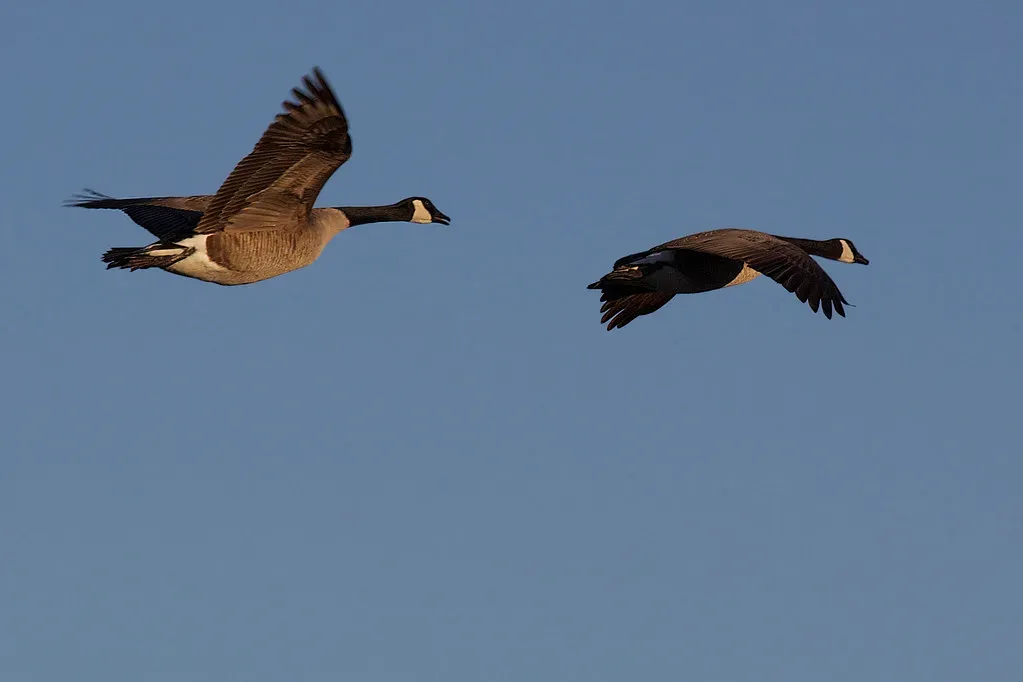
I find the V formation more impressive for being messy than I would if it were perfect. It isn’t a rigid pattern, it’s a running negotiation with moving air, carried out by animals with brains the size of a walnut or smaller. The energy saving is well supported, at least for the birds studied so far, but the full picture is still being filled in.
My view is that this deserves more credit than the usual line about geese being good at teamwork. They’re skilled flyers who’ve worked out how to share a hard job. Next time a skein passes overhead, it’s worth a longer look.

- Ornithology Says Birds Flying in a V Formation Save Energy by Riding the Updraft From the Bird Ahead - November 7, 2026
- Feline Psychology Says Cats Behave More Positively Toward Their Owners When Their Owners Are Smiling - November 7, 2026
- What It Means When a Mourning Dove Visits Your Yard According to Old American Folklore - November 7, 2026