
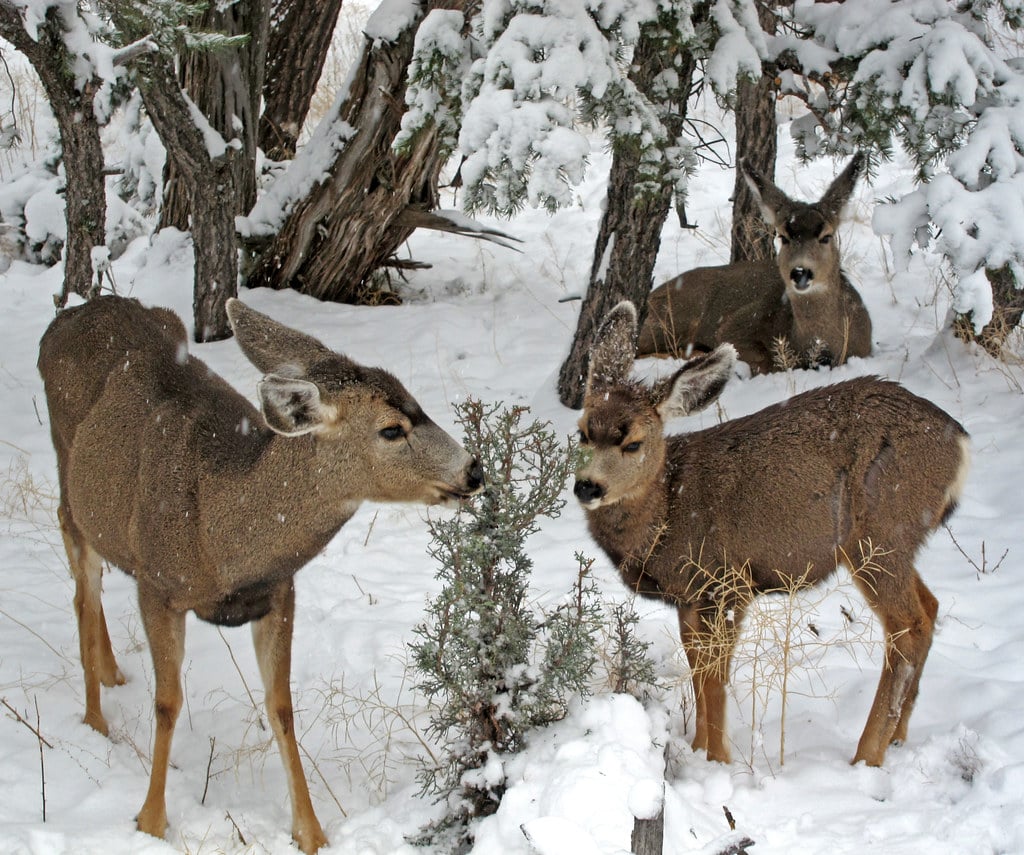
You’re walking along a quiet trail at dusk, and somewhere ahead a sharp, wheezy blast cuts through the trees. A white-tailed deer is staring straight at you, one front leg lifted, and then it slams that hoof into the ground. It feels personal, almost like being scolded by something that weighs less than you do.
That behavior isn’t random, and it isn’t really aimed at you the way it feels. Deer are communicating, and they’re doing it with a surprisingly deliberate toolkit. Once you know what the stamp and snort are doing, the encounter gets a lot less mysterious.
The Snort Is an Alarm Call
🔥 Would you like to save this?
We'll email this post to you, so you can come back to it later!
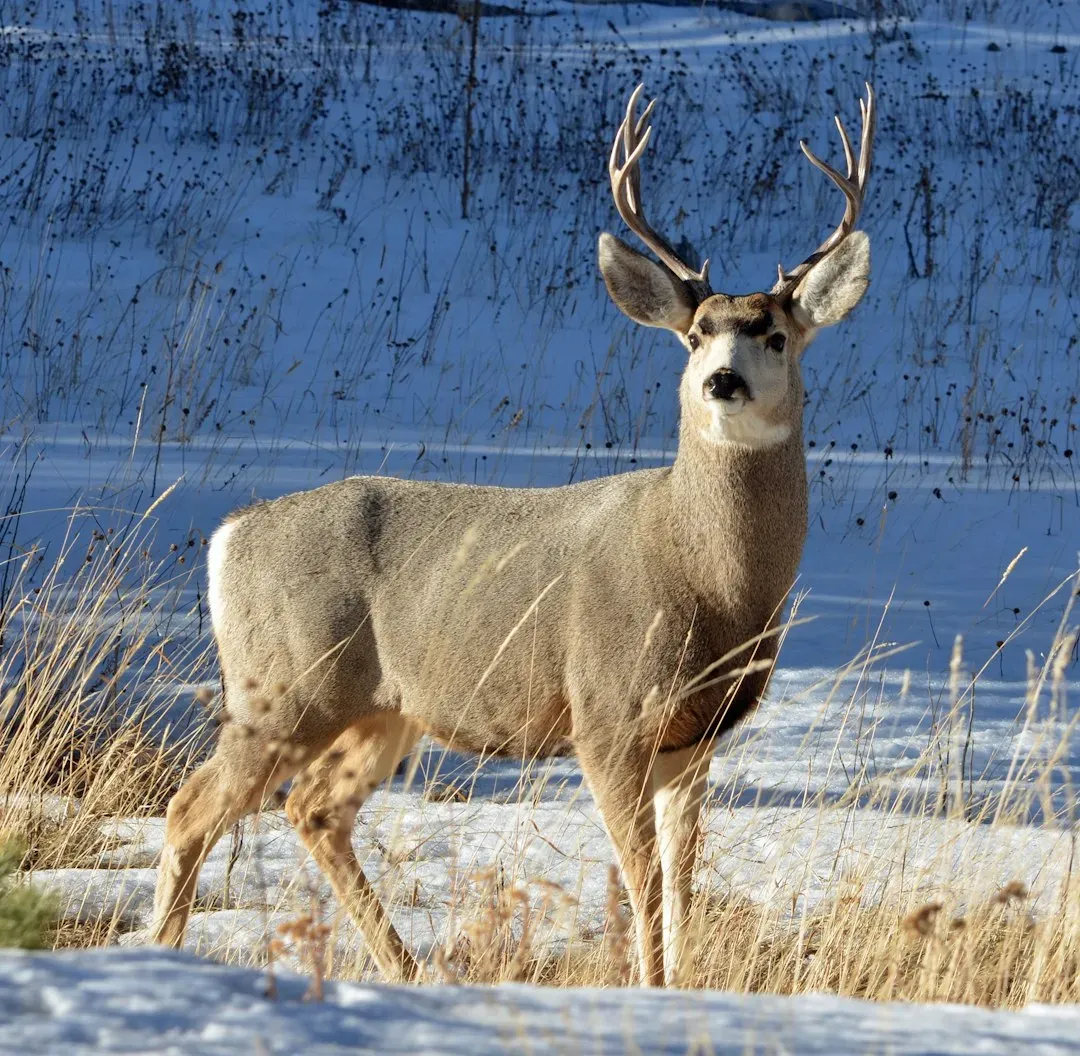
The loud, forceful exhale is often called a snort-wheeze or a blow, and it works as an alarm. The deer has noticed something that doesn’t fit, and it’s announcing that fact to anything nearby. Other deer in earshot tend to take it seriously.
It’s a sound that carries well through woods and fields, which is the point. A deer that spots possible danger can warn relatives without having to run first. In many cases the warning comes before the animal has even decided whether you’re a real threat.
Why the Hoof Stamp Comes With It
🔥 Would you like to save this?
We'll email this post to you, so you can come back to it later!
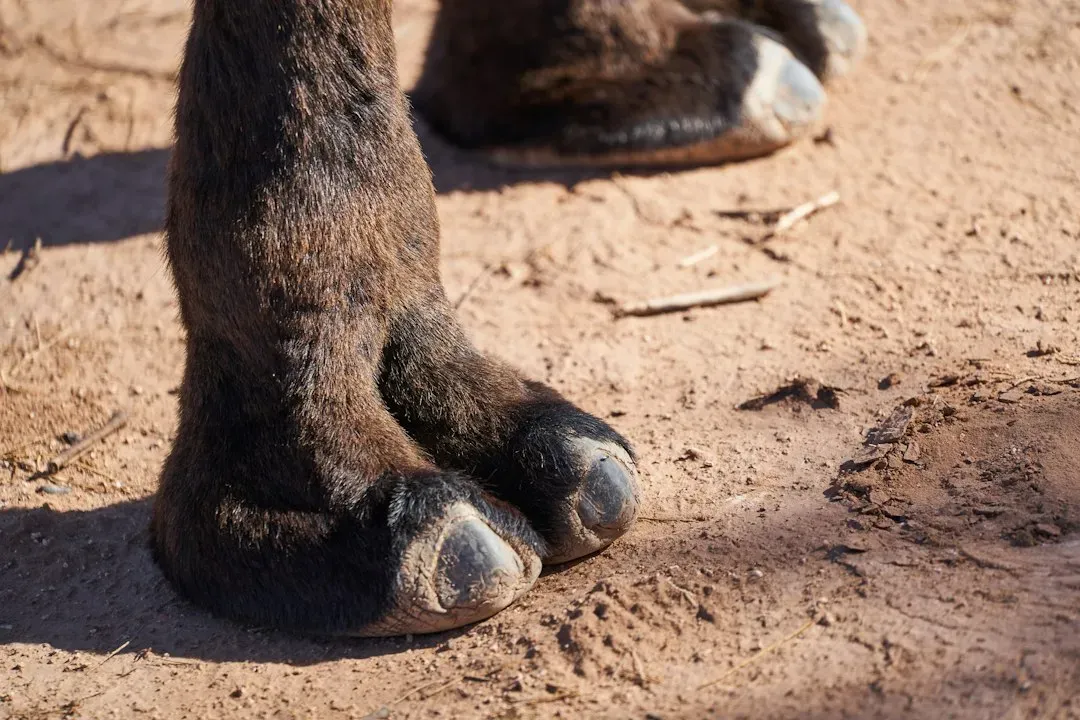
Stamping is generally understood as a companion to the snort, a way to add emphasis. Deer often do it when they’ve seen or smelled something unusual but can’t quite identify it. Foot stamping may also send vibrations through the ground and, in some accounts, may help spread scent from glands in the lower legs, though how much each effect matters is less settled.
What’s clear is that it’s a behavior tied to uncertainty and alertness. The deer is essentially saying it knows something is there. If you’ve ever frozen mid-step when you heard a strange noise in your house, the instinct is not so different.

Earth Rated XL Dog & Puppy Pee Pads, Discreet Top, Max Absorbency
Check Price on AmazonAs an Amazon Associate, we earn from qualifying purchases.
10/7/2026 1:28 pm GMTi

Orthopedic Extra Large Dog Bed, Waterproof Washable XL Pet Bed 44"
Check Price on AmazonAs an Amazon Associate, we earn from qualifying purchases.
10/7/2026 1:32 pm GMTi

Hand Blown Glass Hummingbird Feeders for Outdoors Hanging, 24oz Wild Bird Nectar Feeder
Check Price on AmazonAs an Amazon Associate, we earn from qualifying purchases.
10/7/2026 1:23 pm GMTi

Smart Bird Feeder with Camera Solar Powered, 2K HD Live Video, 10,000+ Bird Species AI Identification
Check Price on AmazonAs an Amazon Associate, we earn from qualifying purchases.
10/7/2026 1:22 pm GMTi

Halloween Cat Costume Cloak Witch Hat Pet Accessories
Check Price on AmazonAs an Amazon Associate, we earn from qualifying purchases.
10/9/2026 2:44 pm GMTi
Are You Being Challenged?
🔥 Would you like to save this?
We'll email this post to you, so you can come back to it later!
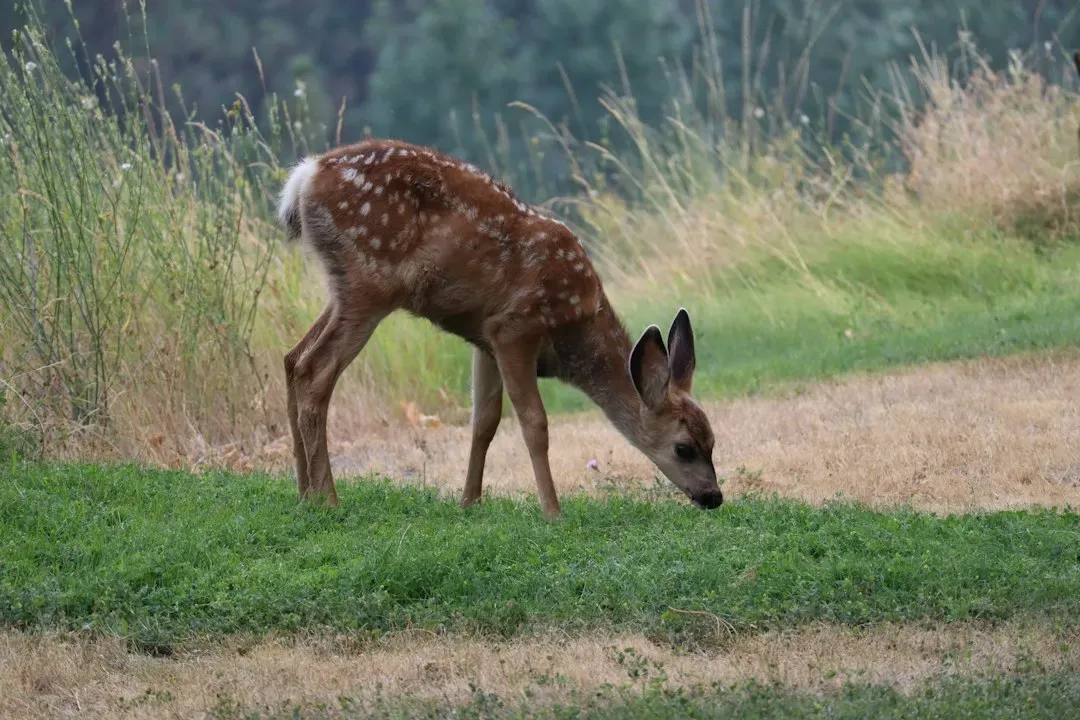
Most of the time, no. The display is about suspicion and warning, not a plan to attack. Deer are prey animals, and their first strategy for survival is noticing trouble early and getting away from it.
That said, deer are not harmless in every situation. Does protecting fawns, and bucks during the autumn rut, can behave more boldly, and a cornered or habituated animal may act unpredictably. If a deer keeps stamping, lowers its head, or won’t back off, treat it as a signal to give it more space.
What the Deer Is Trying to Figure Out
🔥 Would you like to save this?
We'll email this post to you, so you can come back to it later!
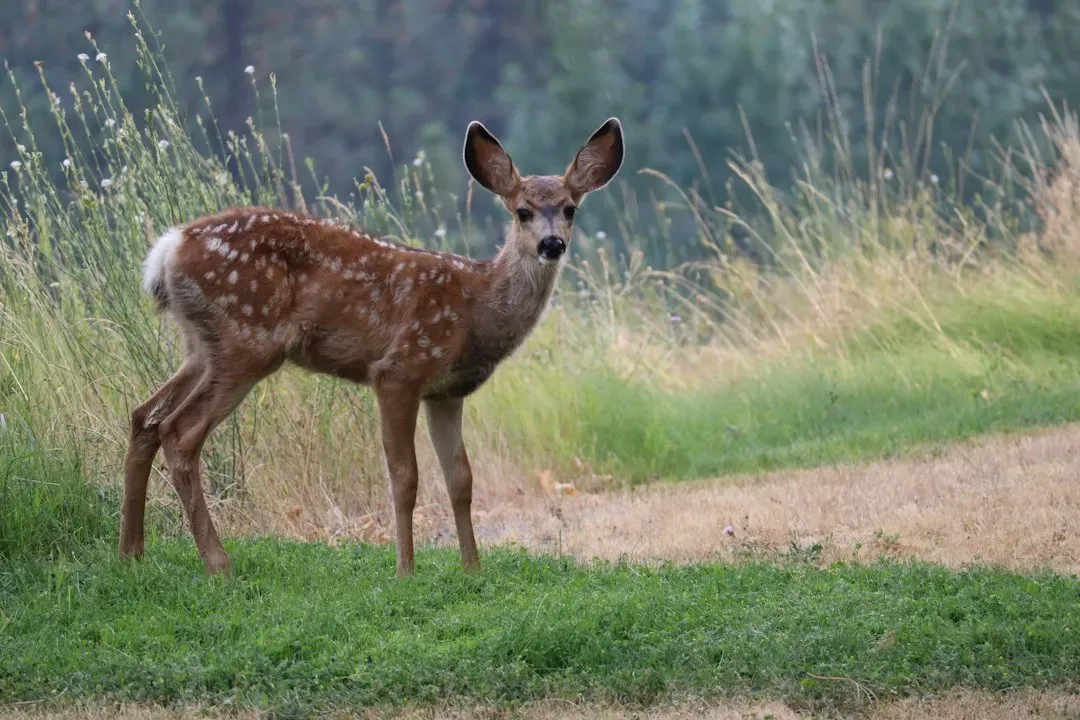
When a deer stamps and snorts, it’s often trying to get you to reveal yourself. Standing still and upright, you can be hard to read, because a person doesn’t look or smell like a typical predator or a typical harmless animal. The deer may bob its head, shift side to side, or circle to catch your scent or see you move.
Deer rely heavily on smell and sensitive hearing, and they notice motion more than shape. That’s why a still person in a hat and jacket can confuse them. Many wildlife guides note that the display often ends once the animal decides what you are, usually by bounding away with its tail raised.

Glass Hummingbird Feeder for Outdoors Hanging, 16 oz Leak-Proof Nectar Feeder with Bee Guards & Ant Moat
Check Price on AmazonAs an Amazon Associate, we earn from qualifying purchases.
10/7/2026 1:22 pm GMTi

Glass Hummingbird Feeder for Outdoors Hanging
Check Price on AmazonAs an Amazon Associate, we earn from qualifying purchases.
10/7/2026 1:21 pm GMTi

Portable Dog Water Bottle Foldable Dog Travel Water Bottle
Check Price on AmazonAs an Amazon Associate, we earn from qualifying purchases.
10/7/2026 1:29 pm GMTi

Professional 7 in 1 Dog Paw Cleaner for Dogs & Cats - Includes 1 Portable Paw Washer, 1 Bath Brush
Check Price on AmazonAs an Amazon Associate, we earn from qualifying purchases.
10/7/2026 1:26 pm GMTi

Halloween Dog Collar with Bow, Orange Cute Ghost Collar,
Check Price on AmazonAs an Amazon Associate, we earn from qualifying purchases.
10/9/2026 2:43 pm GMTi
How to React When It Happens
🔥 Would you like to save this?
We'll email this post to you, so you can come back to it later!
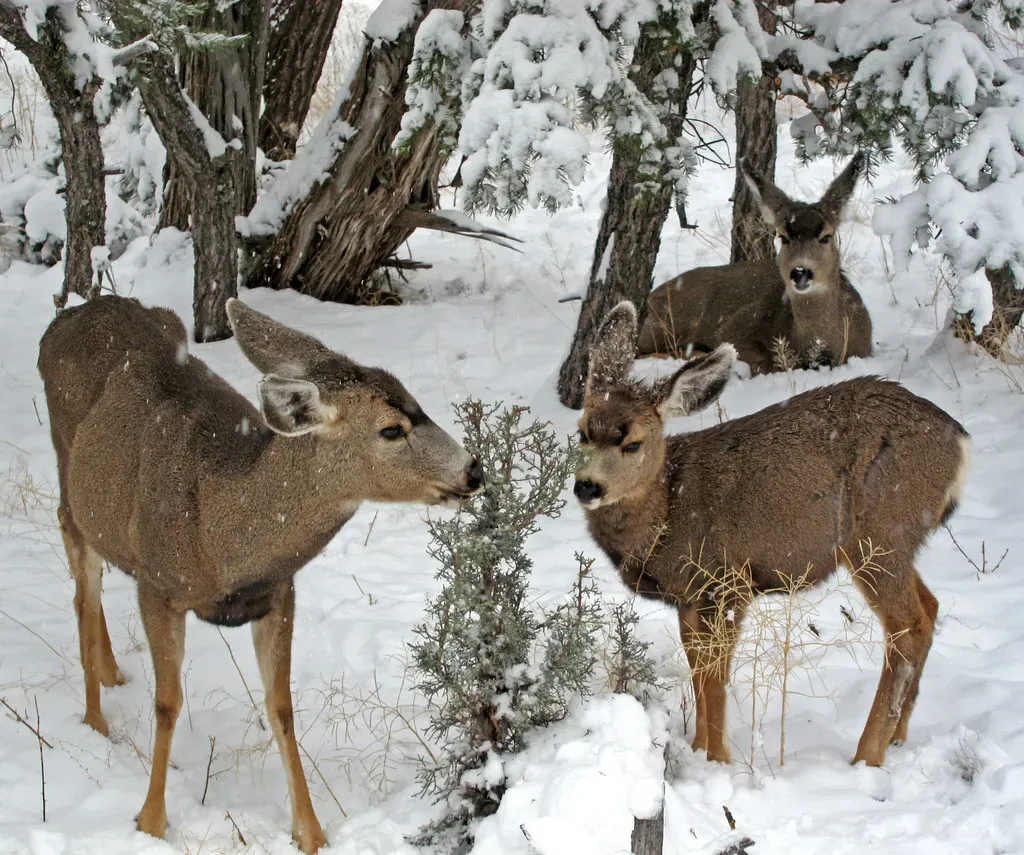
The best response is also the simplest. Stay calm, keep your distance, and avoid approaching, since moving closer only prolongs the animal’s stress. Speaking in a normal voice can actually help, because it lets the deer identify you as human.
Don’t try to chase it, feed it, or take a photo from a few feet away. If you have a dog, keep it leashed, since dogs are a common trigger for more intense reactions. Backing away slowly usually lets the situation resolve itself in a minute or two.

2 Pcs Halloween Pet Hat Bandana Set, Witch Pumpkin Costumes for Dogs
Check Price on AmazonAs an Amazon Associate, we earn from qualifying purchases.
10/9/2026 2:45 pm GMTi

PetSafe Oasys Pet Fountain, 1/2 Gallon (64 oz), Small Dogs & Cats
Check Price on AmazonAs an Amazon Associate, we earn from qualifying purchases.
10/8/2026 8:14 am GMTi

Dog Stairs for Bed 18" H, 4-Step Dog Steps for High Bed
Check Price on AmazonAs an Amazon Associate, we earn from qualifying purchases.
10/9/2026 2:42 pm GMTi

Air Purifiers for Home Pets Large Room Up to 3000 Ft²,HEPA Air Cleaner with Washable Double-Side Filter, PM2.5 Air Quality Monitor,15dB Sleep Mode for Bedroom Odor Dust Pollen,White
Check Price on AmazonAs an Amazon Associate, we earn from qualifying purchases.
10/8/2026 8:23 am GMTi
Final Thoughts
🔥 Would you like to save this?
We'll email this post to you, so you can come back to it later!
I think this is one of the more underrated wild encounters. Being snorted at by a deer is a small moment of being noticed by an animal that’s doing exactly what it evolved to do, and honestly, it deserves a bit of respect rather than a laugh or a selfie.
My view is that we tend to treat wildlife as scenery until it reacts to us. The stamp and snort are a polite, loud request for space, and the right answer is to give it. Walk away quietly, and you’ve had a better wildlife moment than any close-up photo would have given you.

- What It Means When a Deer Stamps Its Hoof and Snorts at You - November 7, 2026
- Animal Behavior Says New Caledonian Crows Make Hooked Tools and Can Solve Puzzles That Take Several Steps - November 7, 2026
- Astronomy Says Olympus Mons on Mars Is About Two and a Half Times Taller Than Mount Everest - November 7, 2026