


Owls, with their silent flight and enigmatic presence, have long fascinated birdwatchers and nature enthusiasts across the globe. Recently, however, these nocturnal raptors have been observed nesting in some of the most unconventional locations, sparking curiosity and a deeper examination into what this might signify for both the species and the environments they inhabit. From abandoned buildings to bustling urban landscapes, let’s delve into this fascinating phenomenon and uncover what it could mean for these mysterious birds and perhaps even for us.
The Rising Trend of Unusual Nesting Sites

In recent years, an increasing number of reports have highlighted owls setting up home in unusual places. Traditionally, many owl species prefer secluded areas, away from human interference, such as tree hollows or isolated barns. However, in a shift from the ordinary, they are now being found nesting in urbanized settings such as city parks, rooftops, and even industrial warehouses.
Why Are Owls Choosing These New Locations?

Several factors might be driving owls to choose unexpected nesting sites. Urbanization and habitat destruction could be limiting their traditional nesting grounds, forcing them to adapt to new environments. Additionally, these locations may offer some conveniences such as protection from predators or abundant food supplies, like rodents attracted to human settlements.
Adaptation and Survival in Urban Environments

Owls are known for their adaptability, a trait that’s proving crucial as they navigate human-dominated landscapes. Urban environments can present both challenges and opportunities for survival. While cities may pose risks such as increased human activity and pollution, they also offer plentiful prey and diverse nesting niches that owls are beginning to exploit effectively.
The Impact on Owl Behavior and Ecology

Owls nesting in such atypical settings can have ripple effects on their behavior and local ecosystems. For instance, the shift may alter their hunting habits and dietary patterns, potentially influencing prey populations. Additionally, these nesting choices can affect local biodiversity, as owls often play a role in controlling rodent and insect populations.
Challenges Posed by Urban Nesting

While some owls have successfully adapted to city life, urban environments pose significant threats. Collisions with vehicles, exposure to pollutants, and human-related disturbances are persistent concerns. Moreover, the lack of natural camouflage and nesting materials can hinder their reproductive success.
Human Interactions: A Blessing or a Curse?

Interactions with humans present a dichotomy for urban-nesting owls. On one hand, some individuals benefit from human activities, such as food scraps and artificial nesting boxes. On the other hand, increased human presence can lead to disturbances, disrupting their natural behaviors and potentially leading to conflicts.
The Role of Conservation Efforts

Conservation organizations are recognizing the implications of this nesting trend and are taking steps to support owl populations. Initiatives include providing artificial nests, monitoring urban populations, and educating the public on coexisting with wildlife. Such efforts aim to balance the needs of both owls and humans in shared environments.
Scientific Interest and Research Opportunities

The unusual nesting habits of owls present intriguing opportunities for scientific research. Studies into urban ecology and species adaptation are being invigorated by these new behaviors, offering insights into how animals cope with rapidly changing environments. Researchers are keen to understand the long-term effects of urban living on owl populations.
How Communities Are Responding

Communities are increasingly embracing their feathery neighbors, with many residents taking an active interest in observing and protecting these remarkable birds. Citizen science projects and local wildlife groups often engage people in owl monitoring, fostering a sense of stewardship and appreciation for urban biodiversity.
Case Studies: Unique Nesting Instances

Around the world, individual cases of peculiar owl nesting have captured headlines and hearts. In Italy, barn owls have been found nesting in abandoned castles, while in California, a family of great horned owls took up residence in a busy warehouse. These instances provide valuable insights into the adaptability and resilience of owl species.
The Importance of Owl Habitats
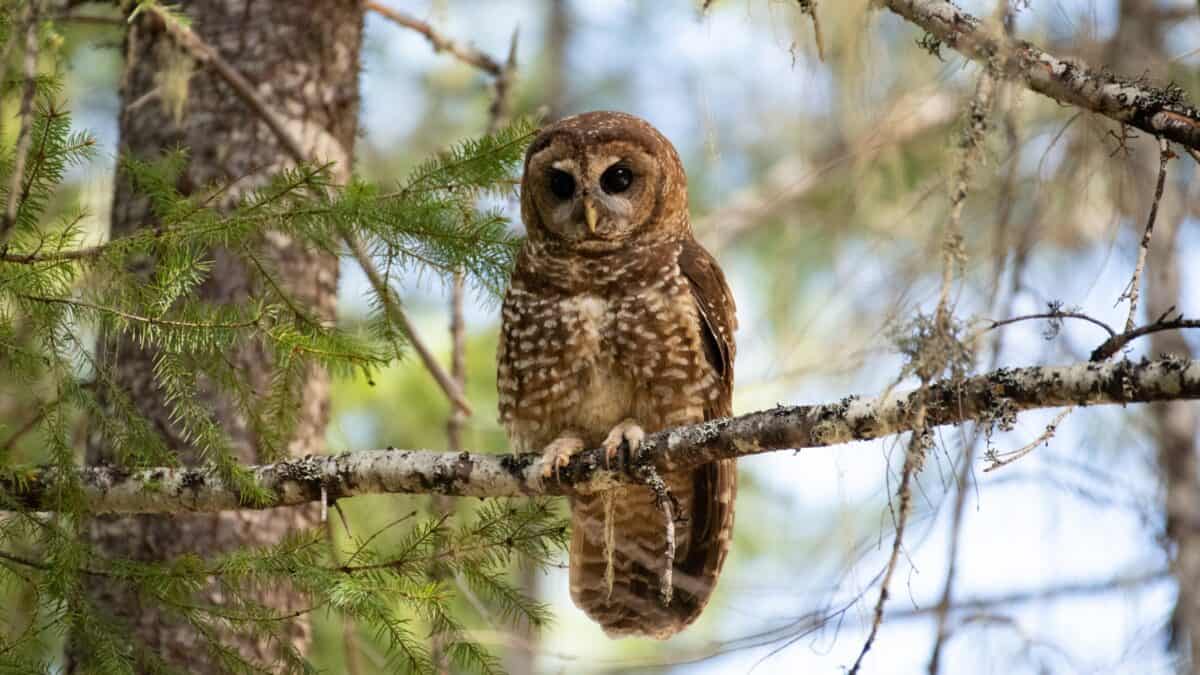
Understanding owl habitats is critical for conservation. As they continue to nest in unexpected places, the protection of both urban and rural nesting sites becomes paramount. By ensuring these environments remain conducive to owl life, we can help preserve the vital ecological roles these birds play.
The Future of Owls in Urban Areas

As cities expand, the future of owls in urban areas will depend significantly on how robustly we integrate conservation practices into urban planning. Proactive strategies that include preserving natural spaces within city landscapes and implementing wildlife-friendly building codes can ensure that owls continue to thrive even in the most unusual settings.
Owls nesting in the strangest places serve as a powerful reminder of nature’s resilience and adaptability. Their ability to thrive despite the odds provides an optimistic outlook on the coexistence of wildlife within urban sprawl. As we recognize the importance of these enigmatic birds in our ecosystems, we can foster a greater appreciation for the interconnectedness of all life, encouraging more compassionate and informed interactions with the natural world.

From exploring the marine wonders in the Azores and witnessing the vast savannas of Kenya, to delving deep into the rich biodiversity of South Africa and traversing iconic landscapes in Australia and the US like Yellowstone, Chris's experiences are vast.
With a penchant for diving alongside sharks, the ocean holds a special place in his heart.
Through his academic insights, he champions wildlife conservation, striving with 'Animals Around The Globe' to cultivate a profound connection between humans and animals, enhancing our mutual appreciation.
Connect with him at Feedback@animalsaroundtheglobe.com.