


In the frigid expanses of Antarctica and other southern regions, a remarkable courtship ritual unfolds among penguin colonies. Male penguins search tirelessly for the perfect pebble—not to skip across icy waters, but as a token of affection for their prospective mates. This endearing behavior, often termed “pebble gifting,” represents one of nature’s most charming displays of courtship and pair bonding. The carefully selected stones serve multiple purposes: as romantic offerings, nest-building materials, and symbols of commitment in the penguins’ monogamous relationships. As we explore this fascinating aspect of penguin behavior, we’ll discover how these small gestures of devotion help sustain penguin partnerships through the harsh realities of their environments, and what these rituals might tell us about the emotional lives of these remarkable birds.
The Biology Behind Penguin Courtship

Penguins belong to the family Spheniscidae, comprising 18 species distributed primarily across the Southern Hemisphere. These flightless birds have evolved complex social structures and mating systems that help ensure reproductive success in challenging environments. Most penguin species are socially monogamous, forming pair bonds that may last multiple breeding seasons or even a lifetime.
This monogamy is adaptive in their harsh habitats, as raising penguin chicks requires substantial parental investment from both partners. Raising healthy offspring demands cooperation in incubating eggs, protecting nestlings, and foraging for food—tasks that become nearly impossible for a single parent. The courtship rituals, including pebble gifting, help establish and reinforce these crucial pair bonds that ultimately contribute to the species’ survival.
Pebbles as Tokens of Affection

The practice of pebble gifting is most pronounced among Adélie, gentoo, and chinstrap penguins. Male penguins will spend hours searching for the perfect pebble—smooth, round, and of just the right size—to present to their prospective mate. This behavior represents a significant investment of time and energy, as suitable pebbles can be scarce in their environments.
The male approaches the female with the pebble held carefully in his beak, placing it before her in a gesture that appears remarkably similar to human gift-giving traditions. If the female accepts the stone, she’ll add it to their nest and often respond with a courtship display that involves mutual bowing, calling, and flipper waving. This exchange of pebbles often continues throughout the courtship period, strengthening the pair bond before egg-laying begins.
The Functional Role of Pebble Nests
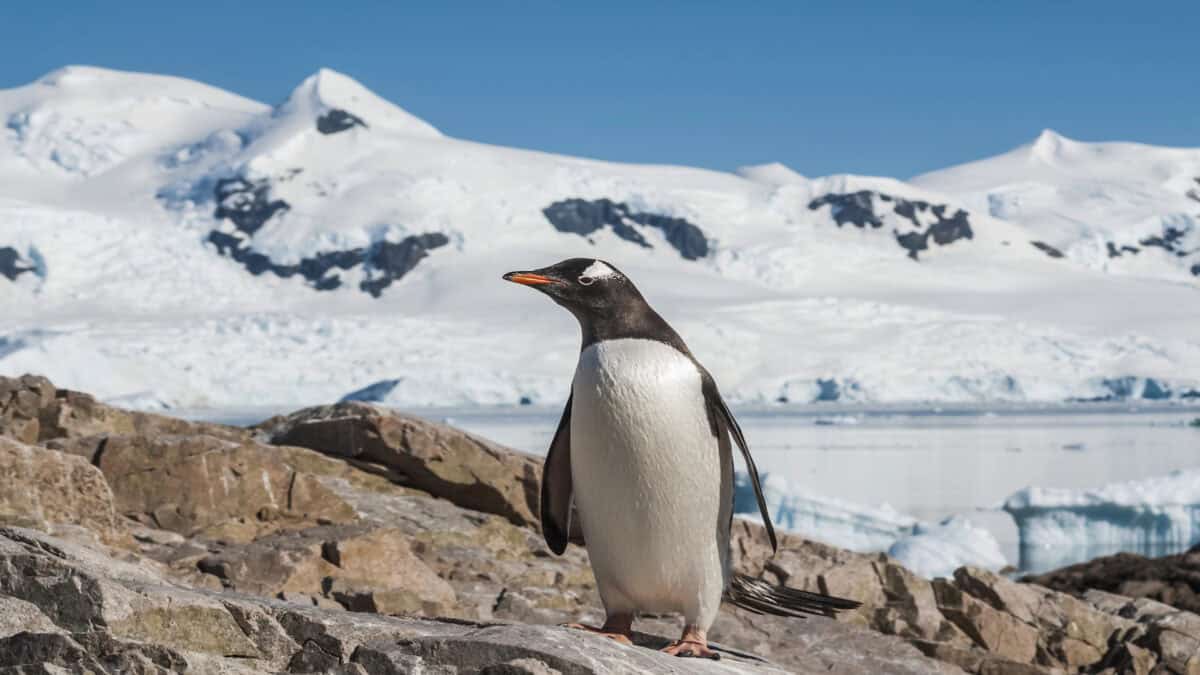
While the romantic aspects of pebble gifting capture human imagination, these stones serve critical practical purposes as well. Pebble nests elevate eggs above the cold, wet ground, providing crucial insulation that protects developing embryos from freezing temperatures and meltwater. The stones also help drain away moisture that could otherwise chill the eggs and reduce hatching success.
In species like the Adélie penguin, nests may contain hundreds of carefully arranged pebbles, creating a protective platform that can be up to 30 centimeters high. The quality of a nest—determined by the number and type of pebbles—can directly impact reproductive success, making the male’s ability to gather suitable stones an honest signal of his parental potential and resource-gathering abilities.
Pebble Theft and Competition

The value placed on quality pebbles has led to fascinating behavioral adaptations within penguin colonies. Pebble theft is relatively common, with some penguins engaging in strategic “stone stealing” from neighboring nests when their owners are away. Researchers have documented elaborate distraction techniques where one partner may create a diversion while the other quickly snatches a desirable stone from an unattended nest.
This competition for limited resources demonstrates the significant value penguins place on these stones. In some colonies, particularly those of Adélie penguins, studies have shown that up to 62% of all stones are acquired through theft rather than collection from surrounding areas. These dynamics create a complex social environment where vigilance and strategic behavior become important for reproductive success.
The Science of Penguin Pair Bonding

Research into penguin neurobiology has revealed fascinating insights into the physiological underpinnings of their pair bonds. Studies have detected elevated levels of oxytocin—often called the “love hormone”—in paired penguins during courtship and nest-building activities. This hormone, which also plays a role in human bonding, helps create attachments between individual penguins.
Additionally, researchers have observed changes in dopamine pathways similar to those seen in other species during pair bonding, suggesting that penguin partnerships involve neurological reward systems. These biological mechanisms help explain the dedication penguins show to their mates, with some species maintaining pair recognition even after months of separation during foraging trips. The pebble-gifting ritual likely stimulates these neurological pathways, reinforcing the connection between partners.
Pebble Selection: A Matter of Taste
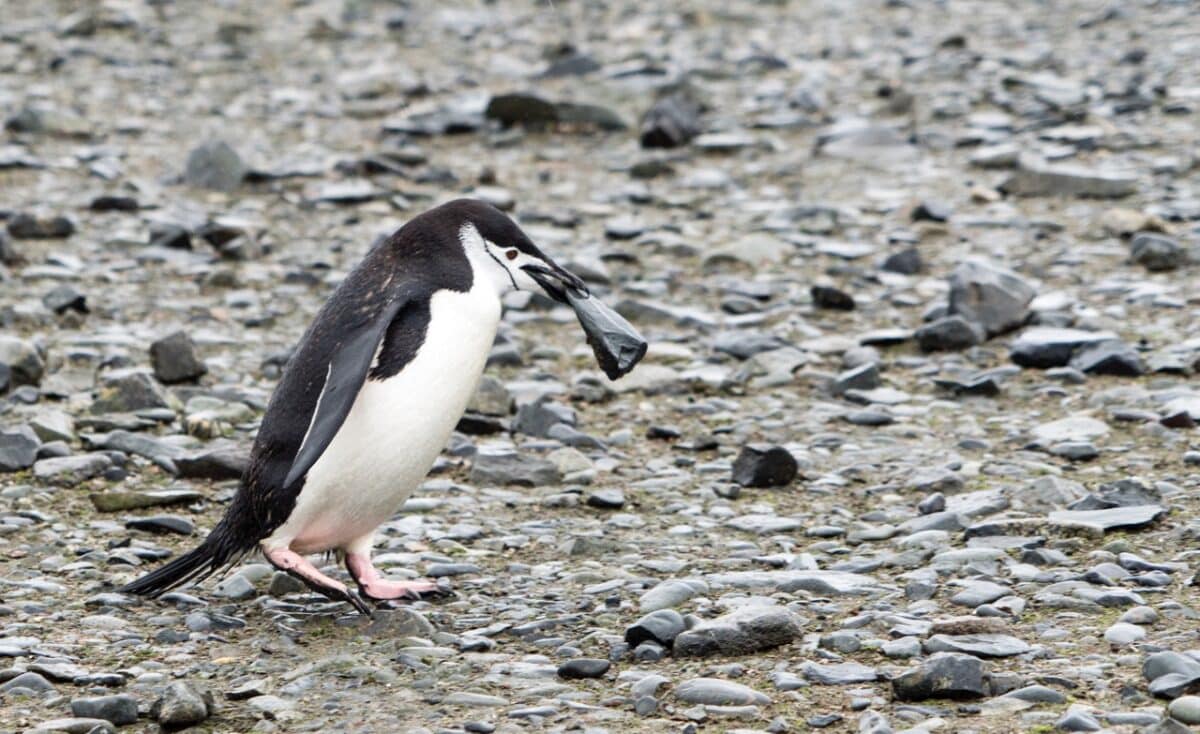
Penguin pebble preferences reveal surprising selectivity. Males typically choose smooth, rounded stones that won’t damage eggs and can be arranged tightly in the nest. Some studies suggest that certain penguin species may prefer pebbles of specific colors, with gentoo penguins sometimes selecting stones with reddish hues when available. Size matters as well—pebbles must be large enough to provide effective nest elevation but small enough for efficient arrangement and transport.
Researchers studying Adélie penguins at Antarctic research stations have noted that some individuals seem particularly attracted to unusual objects that resemble pebbles, including screws, bottle caps, and small debris. This has led to concerns about microplastic ingestion and nest contamination in areas with human activity. The selective nature of pebble gathering demonstrates cognitive assessment abilities that allow penguins to evaluate and categorize objects based on multiple criteria.
The Geography of Pebble Gifting

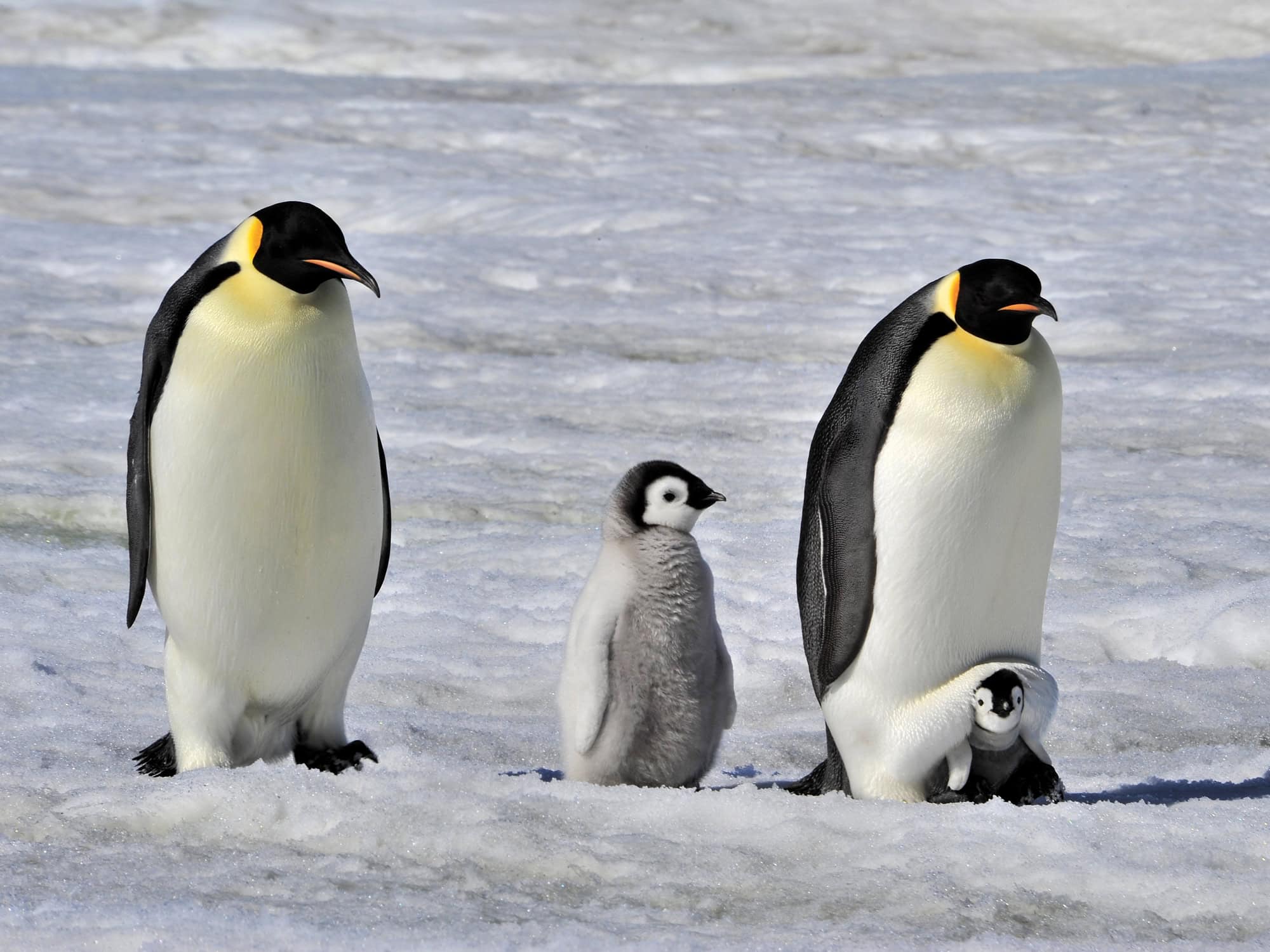
Pebble gifting behaviors vary across penguin species and geographic regions. The most elaborate pebble courtship rituals occur among species nesting in rocky Antarctic and sub-Antarctic environments, including Adélie, gentoo, and chinstrap penguins. Emperor and king penguins, which incubate their eggs on their feet rather than in stone nests, don’t engage in pebble gifting. The behavior is also less pronounced or absent in burrowing species like the African penguin or those nesting in vegetation like the yellow-eyed penguin of New Zealand.
This geographic and species-specific variation illustrates how environmental conditions shape evolutionary adaptations in courtship behaviors. In regions where suitable pebbles are scarce, competition for these resources intensifies, and penguins may travel considerable distances—sometimes over a kilometer—to find appropriate stones for their nests and courtship gifts.
Lifelong Bonds and Fidelity
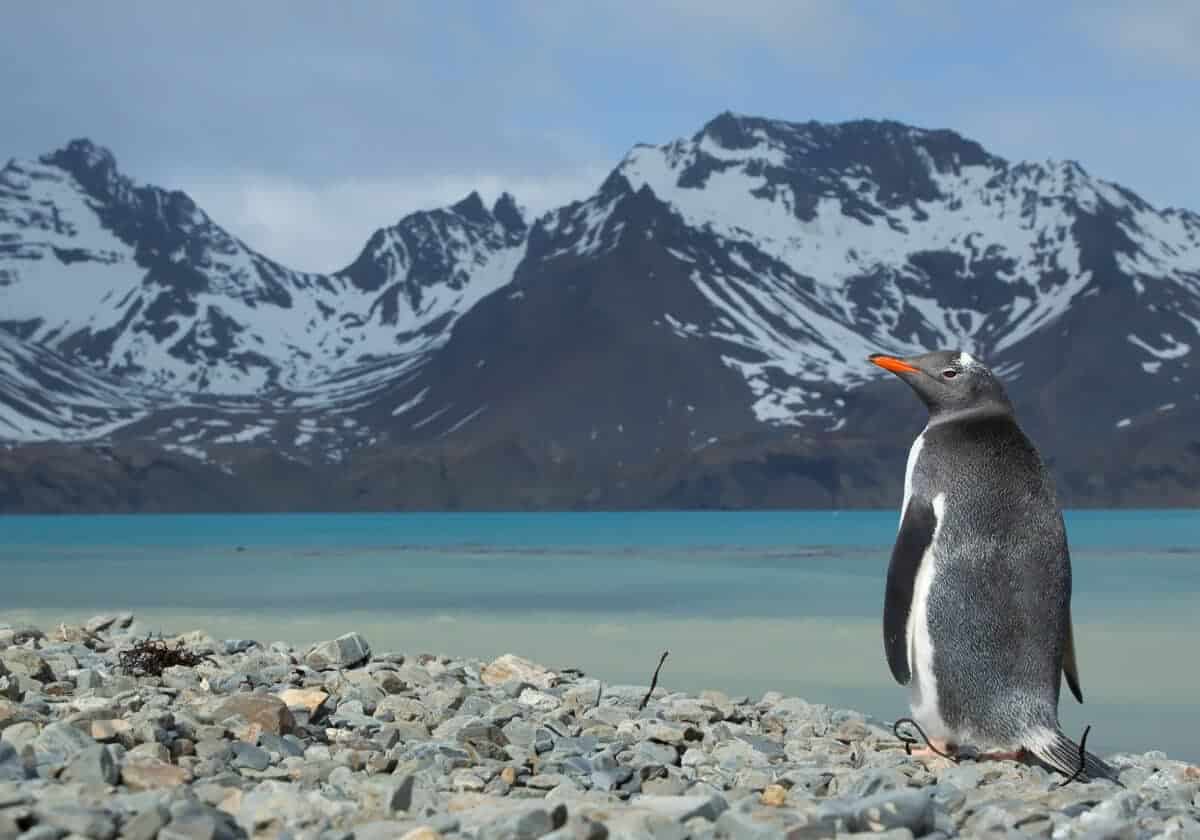
Many penguin species that engage in pebble gifting display remarkable fidelity to their partners. Gentoo penguins, for example, have divorce rates as low as 15% in some colonies, with pairs remaining together for multiple breeding seasons. While not all penguin partnerships are truly lifelong, the strong bonds formed through courtship rituals like pebble gifting create stable relationships that benefit both partners and their offspring.
This fidelity extends beyond the breeding season in many cases. Even during months of separation while foraging at sea, penguins return to the same nesting sites and recognize their partners through individualized calls and displays. In species where partners separate during the non-breeding season, the reunion often involves renewed courtship behaviors, including fresh pebble gifts that reaffirm the pair bond before the next breeding cycle begins.
Pebble Gifting Through the Breeding Cycle
The exchange of pebbles continues throughout various stages of the breeding cycle, not just during initial courtship. During nest construction, both partners contribute stones, though males typically gather more. Even after egg-laying, males may continue to present pebbles to their mates during nest relief ceremonies when partners exchange incubation duties. These ongoing gifts serve as reinforcement of the pair bond during the stressful breeding period.
Interestingly, researchers have observed that the quality and frequency of pebble gifts may decline in established pairs compared to newly formed partnerships, suggesting that once the bond is secured, partners may invest less energy in courtship displays. However, if nest pebbles are lost to theft or storms, the male quickly resumes pebble gathering to repair the nest structure, demonstrating the behavior’s adaptability to changing circumstances.
Parallels with Human Gift-Giving

The penguin practice of presenting pebbles as gifts bears striking resemblances to human courtship traditions. Anthropologists note that gift-giving during courtship appears across virtually all human cultures, suggesting deep evolutionary roots for this behavior. Just as human gifts often symbolize resource provision abilities and commitment, penguin pebbles demonstrate a male’s capacity to gather resources and invest in offspring.
The emotional impact of gift exchange—creating mutual obligation and strengthening social bonds—may operate similarly in both species despite our vastly different evolutionary pathways. Some evolutionary psychologists suggest that the universal nature of gift-giving in courtship reflects fundamental aspects of mate selection that transcend species boundaries. This parallel offers a compelling window into how similar behavioral adaptations can emerge in response to the challenges of forming and maintaining reproductive partnerships, even in vastly different species.
Conservation Implications

The pebble gifting behavior of penguins faces threats from human activities and climate change. In areas with human presence, penguins sometimes incorporate human-made objects into their nests, including potentially harmful materials like plastics. More significantly, climate change impacts penguin breeding habitats through altered precipitation patterns, increased flooding, and changing ice conditions, all of which can affect the availability and utility of pebble nests.
Conservation efforts must consider these specialized behaviors when designing protected areas and management plans. Some research stations in Antarctica have implemented “pebble banks”—designated areas with suitable stones—to reduce penguin incursions into human facilities in search of nest materials. Understanding the importance of pebble availability for successful breeding can inform habitat protection strategies that preserve not just penguin populations but also their remarkable behavioral adaptations.
Documenting Pebble Gifting Through Research

Scientific understanding of penguin pebble gifting has evolved through decades of careful observation and technological advances. Early Antarctic explorers like Edward Wilson, who accompanied Robert Scott’s expeditions, documented penguin nesting behaviors in the early 20th century. Modern research employs time-lapse photography, RFID tracking of individual birds, and even drone monitoring to observe courtship behaviors without human disturbance.
These technologies have revealed previously unknown aspects of pebble gifting, including the timing patterns of stone presentation and the decision-making processes involved in pebble selection. Citizen science has also contributed valuable data, with tourism operations in the Antarctic Peninsula region collecting standardized observations of penguin behavior that complement formal research programs. These combined approaches have transformed our understanding of penguin social behavior from anecdotal observations to data-rich scientific analyses that reveal the complexity of their courtship rituals.
The Enduring Charm of Penguin Romance

The pebble gifting behavior of penguins has captured human imagination and continues to inspire scientific curiosity and conservation concern. This remarkable adaptation demonstrates how even simple materials can acquire profound significance in the context of courtship and pair bonding. From the practical functions of nest construction to the social implications of resource investment, penguin pebble gifts embody the intricate connections between behavior, ecology, and reproduction. As climate change and human activities increasingly impact penguin habitats, understanding and preserving these behavioral traditions becomes ever more important.
The story of penguin pebble gifting reminds us that romance takes many forms across the animal kingdom, and that the fundamental drive to form bonds and care for offspring finds expression in ways both uniquely adapted to each species and surprisingly familiar to our own experience. In the harsh Antarctic landscape, these small tokens of affection represent not just a charming ritual but a crucial adaptation that has helped penguins survive and thrive in one of Earth’s most challenging environments.

From exploring the marine wonders in the Azores and witnessing the vast savannas of Kenya, to delving deep into the rich biodiversity of South Africa and traversing iconic landscapes in Australia and the US like Yellowstone, Chris's experiences are vast.
With a penchant for diving alongside sharks, the ocean holds a special place in his heart.
Through his academic insights, he champions wildlife conservation, striving with 'Animals Around The Globe' to cultivate a profound connection between humans and animals, enhancing our mutual appreciation.
Connect with him at Feedback@animalsaroundtheglobe.com.
- Top 10 Dinosaur Relatives Still Roaming Earth Today - July 19, 2026
- Why Reintroducing Lions Might Save the Savannah - July 19, 2026
- 11 Creatures That Ambush Their Prey - July 19, 2026