


American alligators are often considered icons of the southeastern United States, lurking in swamps, rivers, and marshes. Despite their somewhat menacing appearance, these fascinating reptiles play a crucial role in their ecosystems. This article will delve into 13 surprising facts about American alligators, revealing their incredible adaptability, unique behaviors, and ecological importance. Whether you’re a wildlife enthusiast or simply curious about these ancient creatures, you’ll find these facts both informative and captivating.
Native to the Southeastern United States
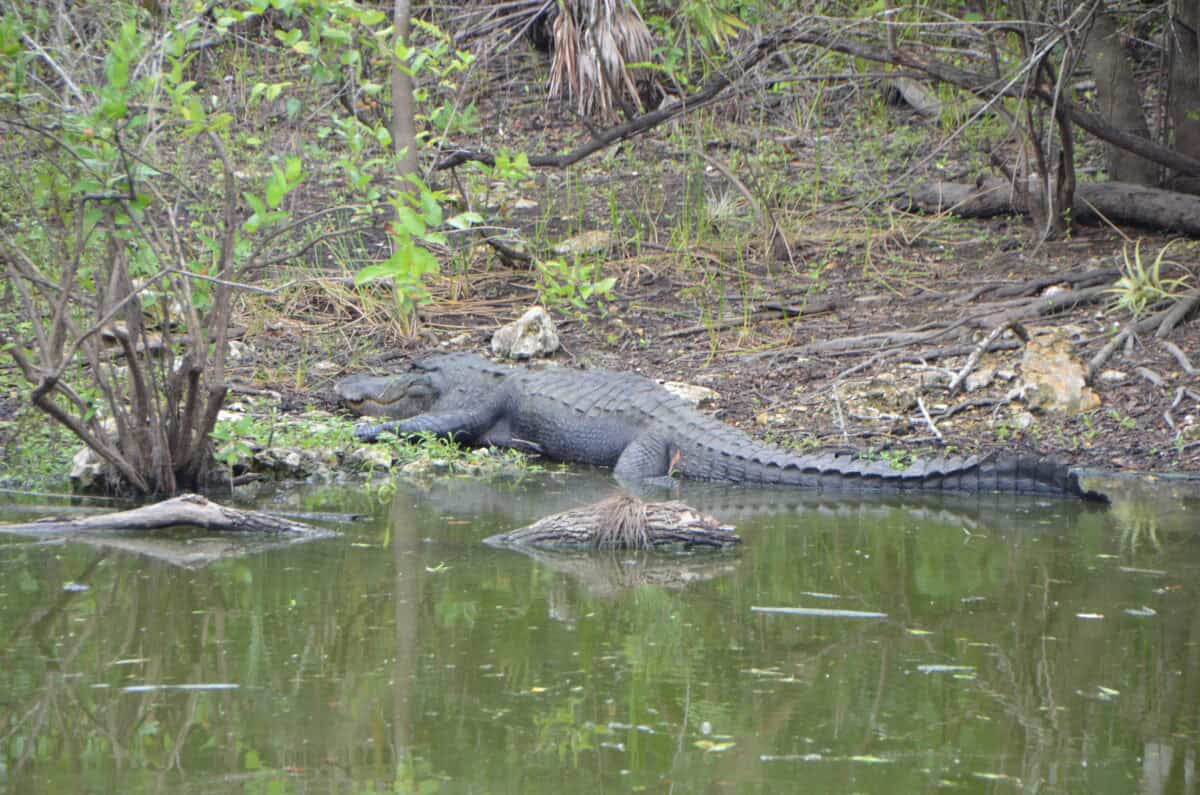
American alligators (Alligator mississippiensis) are endemic to the southeastern United States, thriving in freshwater environments like marshes, swamps, rivers, and lakes. Florida and Louisiana boast the highest populations, with hundreds of thousands of alligators each. These habitats provide the ideal conditions for alligator breeding and hunting, underscoring their importance to the local ecosystems.
Survivors of the Dinosaur Age

Alligators are often referred to as living fossils, belonging to a lineage that dates back over 200 million years. They emerged from a common ancestor with dinosaurs, and though the dinosaurs went extinct some 65 million years ago, alligators survived and thrived. Their continued existence speaks to their incredible adaptability and resilience against changing climatic and environmental conditions.
Astoundingly Powerful Bite

One of the most impressive features of the American alligator is its powerful bite, which is among the most forceful in the animal kingdom. Alligators can exert a bite force of nearly 3,000 pounds per square inch, capable of crushing shells and breaking bones with ease. This formidable power allows them to subdue prey and defend themselves against threats.
Social Yet Territorial

Contrary to the popular belief that these reptiles are solitary, American alligators display complex social behaviors. They are known to bask in groups and communicate through vocalizations and body movements. However, they are also territorial and will aggressively defend their space, particularly during the mating season, showing a balance of social and solitary tendencies.
Unique Parental Care

Female alligators are known for their attentive parenting, a trait not commonly associated with reptiles. After constructing a nest for her eggs, a mother alligator remains nearby to guard them from predators. Once the eggs hatch, she will often assist the young by gently carrying them to water. Her protective care continues until the juveniles are capable of fending for themselves.
Temperature-Dependent Sex Determination
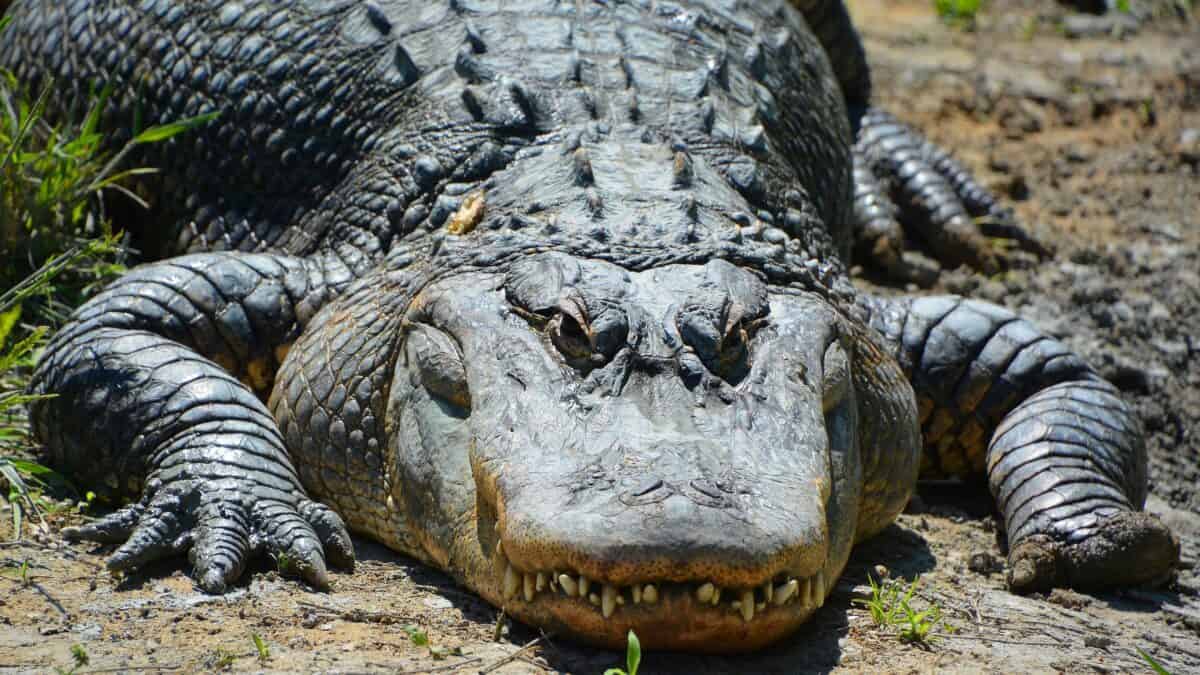
The sex of an American alligator is not determined genetically but by the temperature of the nest during a critical period of incubation. Warmer temperatures generally produce more males, while cooler ones result in more females. This temperature-dependent sex determination highlights their unique adaptation to environmental conditions.
Ecological Engineers
Alligators are crucial for maintaining the health and balance of their ecosystems. By digging holes that hold water during dry spells, they create refuges that support numerous other species, including fish, turtles, and birds. Their predatory behavior also helps regulate populations of prey species, preventing overpopulation and fostering biodiversity.
Capable of Rapid Bursts of Speed

Though often perceived as slow-moving, American alligators are capable of swift movements, both in water and on land. They can achieve bursts of speed reaching up to 20 miles per hour on land over short distances. In the water, their strong tails allow them to propel themselves quickly, making them adept predators.
Remarkable Lifespan
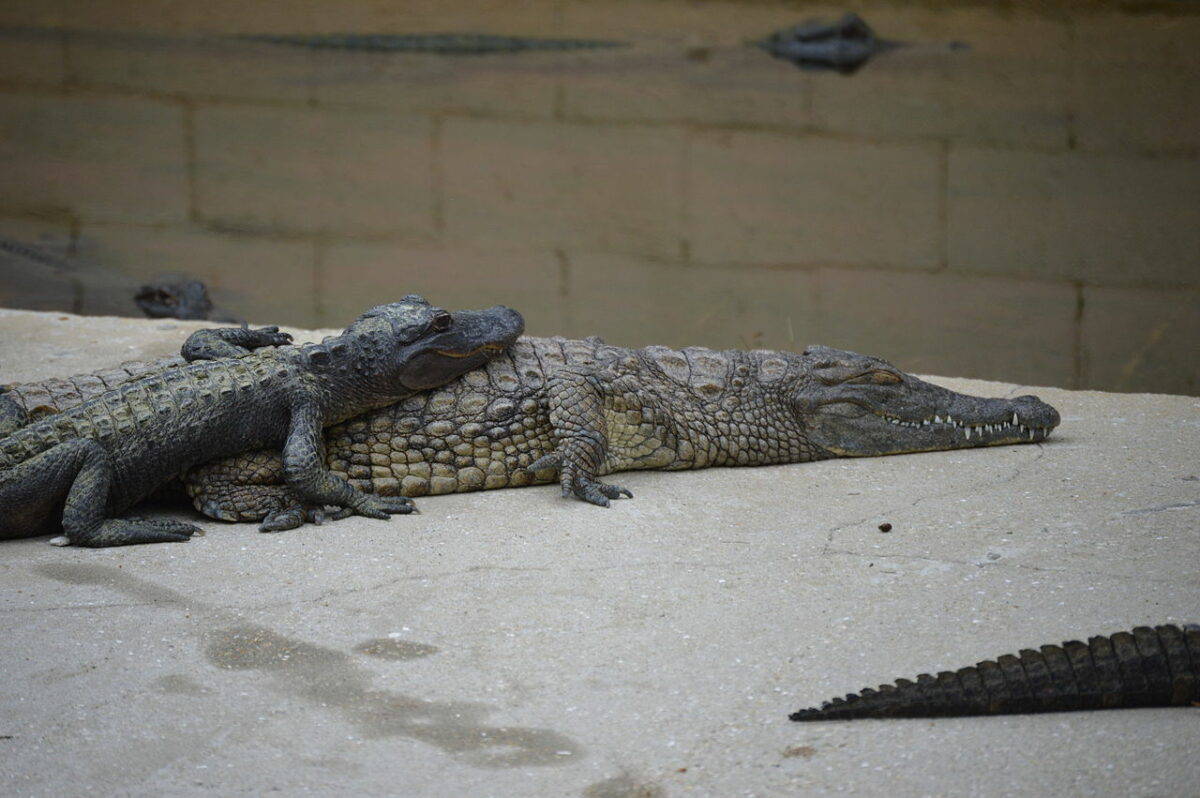
American alligators are long-lived animals, with some individuals reaching over 50 years of age in the wild. In captivity, these reptiles can live even longer due to controlled environments and consistent food supply, with the oldest recorded American alligator living to be well over 80 years old.
Dietary Opportunists
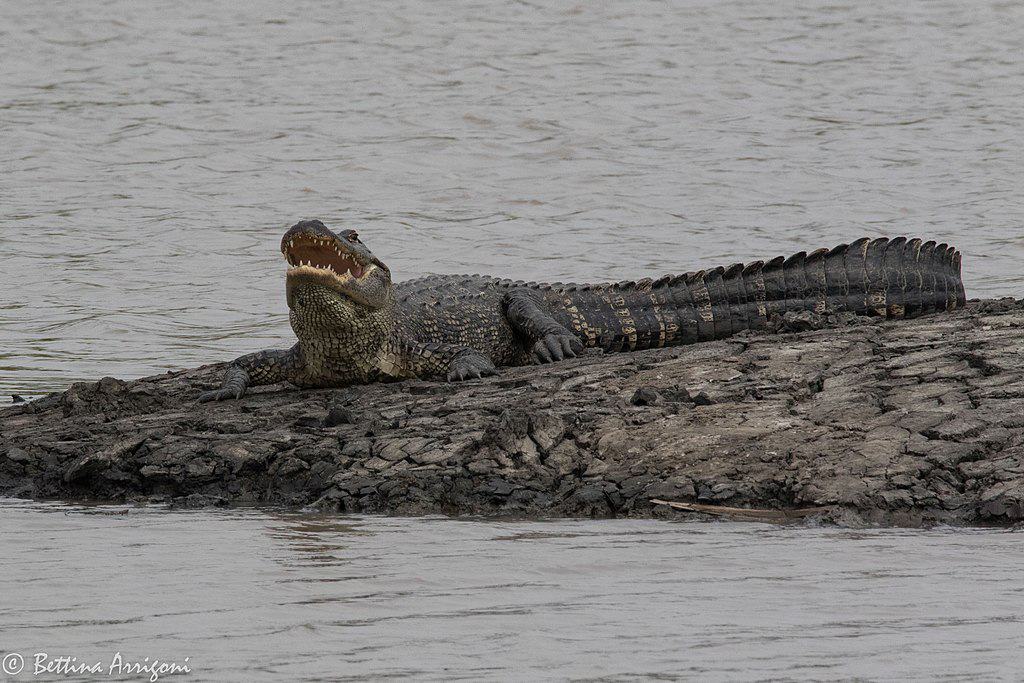
The diet of an American alligator varies with its size and age, ranging from small insects and fish to larger mammals as they grow. They are opportunistic feeders, adjusting their diet based on availability and ecosystem changes. This omnivorous feeding behavior aids in their survival across diverse habitats.
Impressive Vocal Communicators
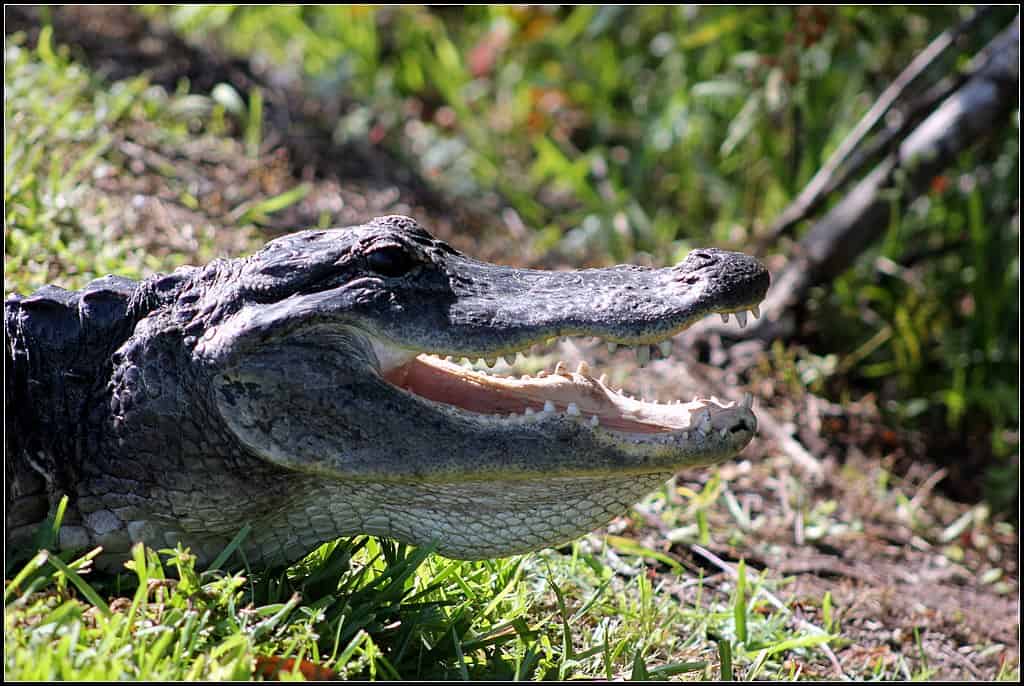
American alligators are one of the few reptile species capable of producing a wide range of vocalizations. They use bellows, roars, and grunts to communicate during mating season or to express alarm. These sounds, often resonating across swampy landscapes, are integral to their social interactions and territorial disputes.
Conservation Success Story
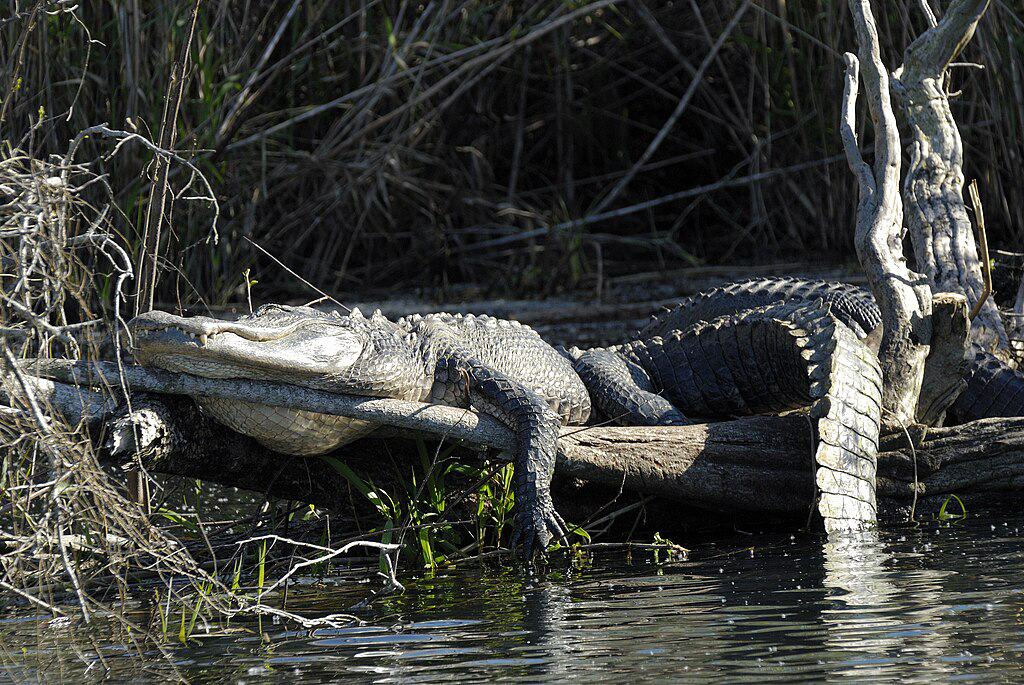
Once endangered due to overhunting and habitat loss, American alligators have made a remarkable recovery, thanks to conservation efforts and regulated hunting practices. Now listed as “Least Concern” by the International Union for Conservation of Nature (IUCN), they serve as a testament to successful wildlife management and habitat preservation initiatives.
Thriving in Human-Altered Landscapes
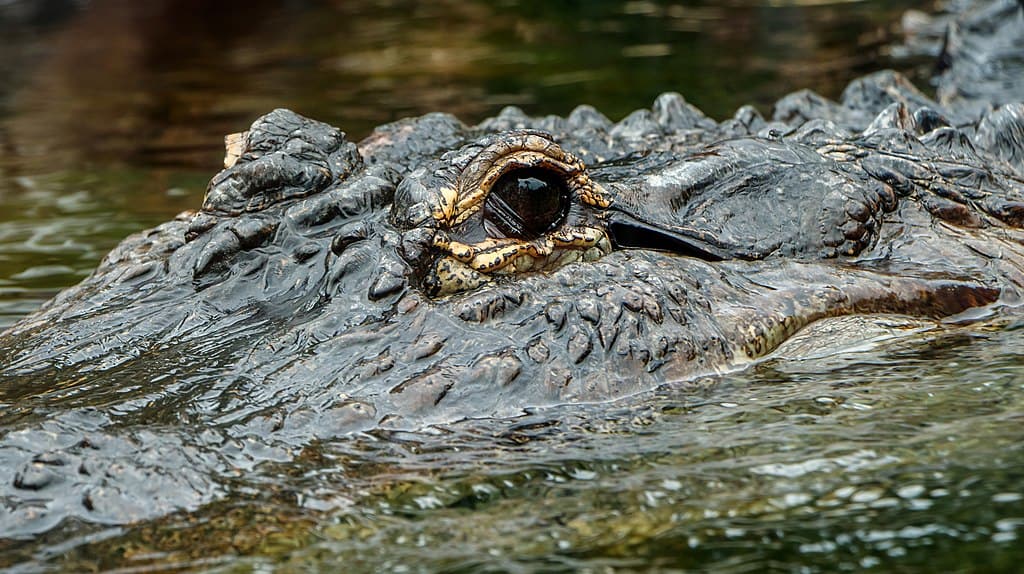
Despite ongoing urbanization in their native regions, American alligators have shown remarkable adaptability by thriving in human-altered landscapes. They can often be found in canals, ponds, and even golf courses in suburban areas, sometimes leading to human- alligator encounters. Awareness and careful management of these encounters are crucial for coexistence.
Conclusion
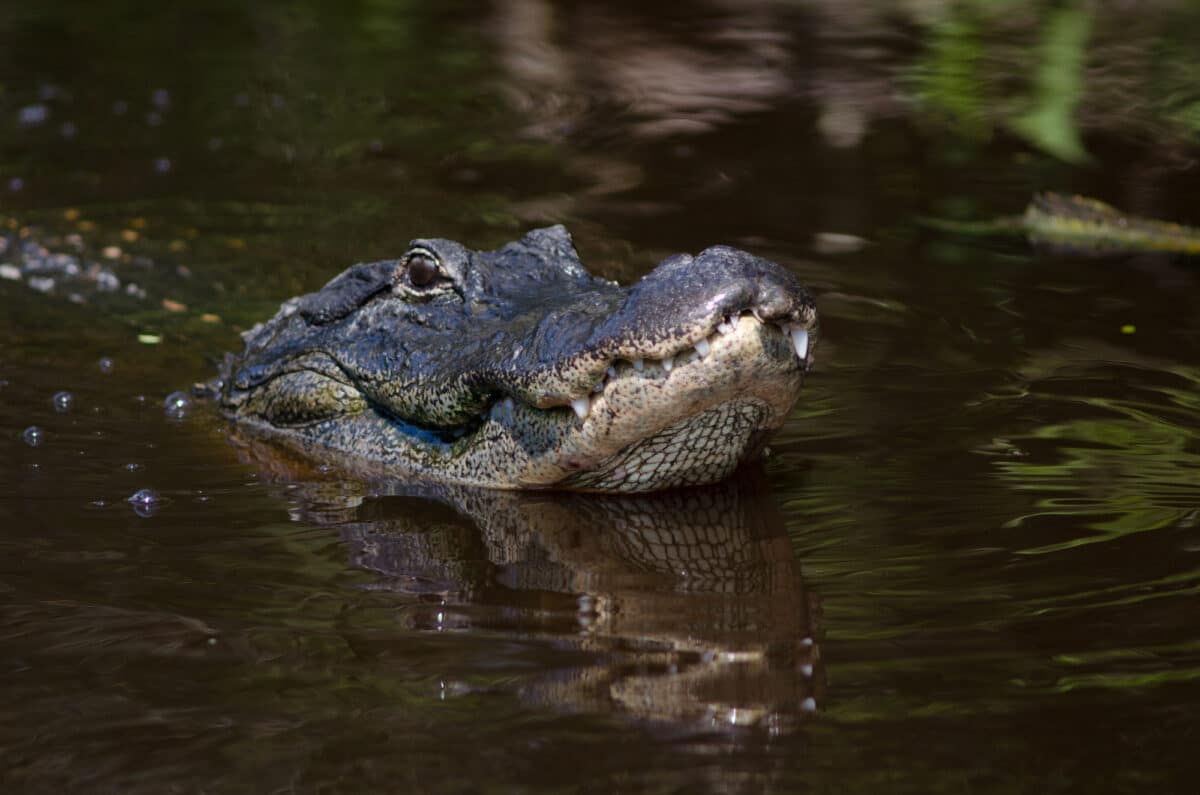
As these 13 surprising facts reveal, American alligators are more than just formidable predators; they are resilient, adaptable, and vital components of their ecosystems. Their story of survival and ecological importance makes them a true success tale of wildlife conservation. As stewards of the planet, it is our responsibility to understand and protect these magnificent creatures for future generations to admire and study.

As a little kid, I fell in love with nature, wildlife, and animals. Living in the USA, South Africa, Italy, China and Germany gave me the opportunity to discover the world's Wildlife. My favorite animals are Mountain Gorillas, Siberian Tigers, and Great White Sharks.
I'm a certified PADI Open Water Diver, went to Everest Base Camp and Trekked Gorillas in Uganda. I hold a Master of Science in Economics and Finance.
Please send any feedback to feedback@animalsaroundtheglobe.com
- How Yellowstone Elk Survive Winters That Would Break Most Animals - June 22, 2026
- 13 Reasons Dolphins Are Considered One of the Smartest Animals - June 22, 2026
- 14 Bizarre Animal Adaptations That Actually Work - June 22, 2026