

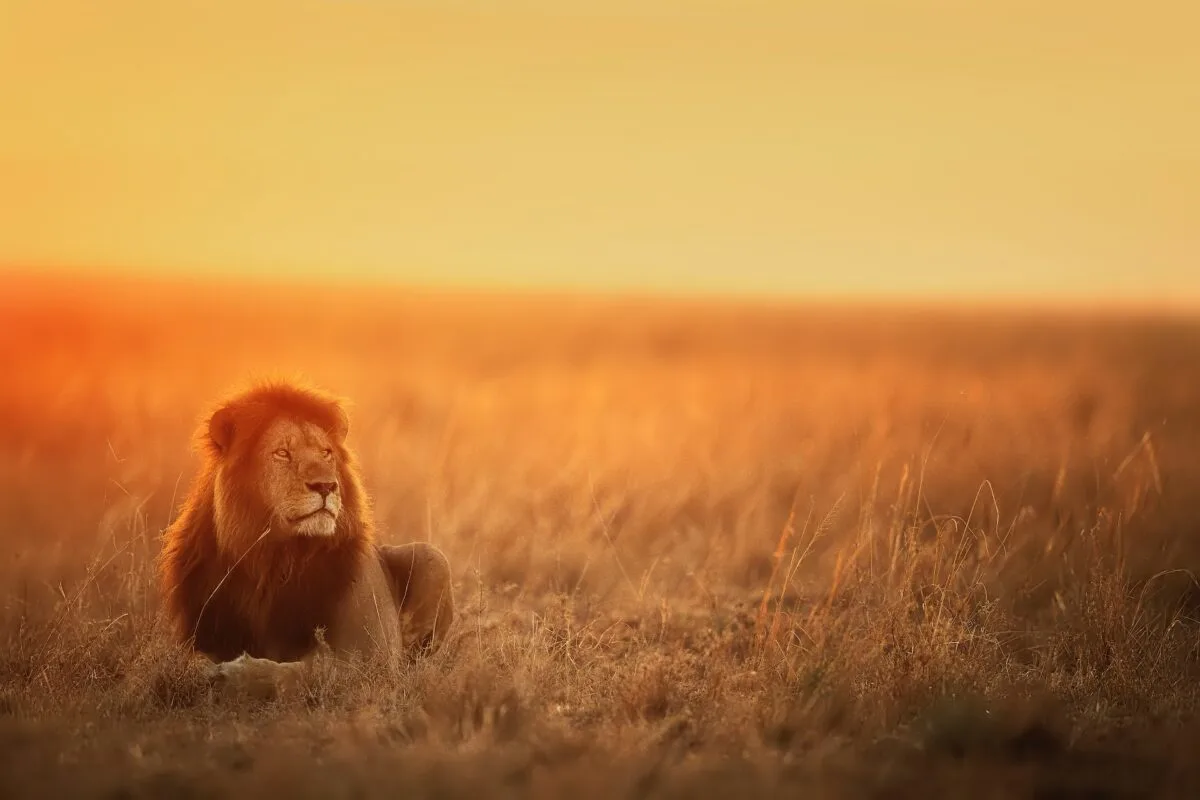
Animal trafficking is a grave issue that threatens wildlife globally. Behind every rescued animal lies a story of survival and triumph against odds. This article delves into the journey of these animals, from the horrors of trafficking to the promise of rehabilitation and eventual release or rehoming. Through understanding this journey, we can better appreciate the resilient spirit of these creatures and the dedication of those who work tirelessly to save them.
The Dark World of Animal Trafficking

Animal trafficking is the fourth largest illegal trade globally, following drugs, arms, and human trafficking. It encompasses a wide range of activities including poaching, smuggling, and selling protected species. The demand for animals and their byproducts, whether for pets, traditional medicine, or fashion, drives a multibillion-dollar industry that devastates wildlife populations. Animals caught in this trade experience dire conditions; they are often housed in cramped, unsanitary cages and suffer from stress, malnutrition, and diseases.
Commonly Trafficked Animals

Wildlife trafficking affects a vast spectrum of animal species. Among the most trafficked are elephants, rhinos, tigers, and pangolins. Elephants are poached for their ivory, rhinos for their horns, tigers for their bones and pelts, and pangolins for their scales. Exotic birds, reptiles, and marine life such as sea turtles are also frequently traded. Each species faces specific threats and demands within various markets.
The Impact on Ecosystems

Animal trafficking not only endangers individual species but also disrupts entire ecosystems. Removing species from their natural habitats can lead to imbalances, affecting plant life, other animals, and even human communities. Predators may lack prey, and certain plants may not be pollinated or dispersed appropriately, altering the ecosystem’s structure and health.
Rescue Operations: How Animals Are Saved

Rescue operations for trafficked animals often involve coordinated efforts between government agencies, non-governmental organizations (NGOs), and local communities. Initiatives range from intelligence-driven anti-poaching efforts to sting operations aimed at dismantling trafficking networks. These operations can be risky, requiring patience, expertise, and international cooperation to effectively dismantle trafficking networks and save animals from these dire situations.
Initial Care and Stabilization

Once rescued, animals often require immediate medical attention. They may be dehydrated, malnourished, and suffering from injuries or diseases contracted in captivity. Veterinarians and wildlife carers work diligently to stabilize these animals, addressing urgent health issues and gradually improving their condition. This initial care is critical to ensure their survival and sets the foundation for their long-term rehabilitation.
The Role of Rehabilitation Centers

Rehabilitation centers play a pivotal role in the recovery of trafficked animals. These facilities offer specialized care tailored to each species’ unique needs. Rehabilitation involves restoring physical health as well as mental well-being, as many animals experience trauma and stress. Centers provide a safe environment where animals can heal, often employing enrichment activities to stimulate natural behaviors crucial for eventual release or adoption.
The Importance of Socialization

Socialization is a critical component of rehabilitation for many animals. Social species, such as primates and elephants, thrive in groups. Rehabilitation centers focus on reintroducing these animals to conspecifics, facilitating social interactions that are essential for emotional and psychological recovery. This process helps ensure that once released, animals can successfully integrate into wild populations.
Preparing for Release: Rewilding Processes

For animals destined for release, rewilding is the ultimate goal. This involves acclimatizing animals to natural environments, teaching them critical survival skills, and reinforcing hunting, foraging, or nesting behaviors. Rewilding programs are carefully designed to mimic the animals’ natural environments and provide them with opportunities to practice skills they will need in the wild, ensuring they have the best chance of survival upon release.
Challenges in Releasing Rescued Wildlife
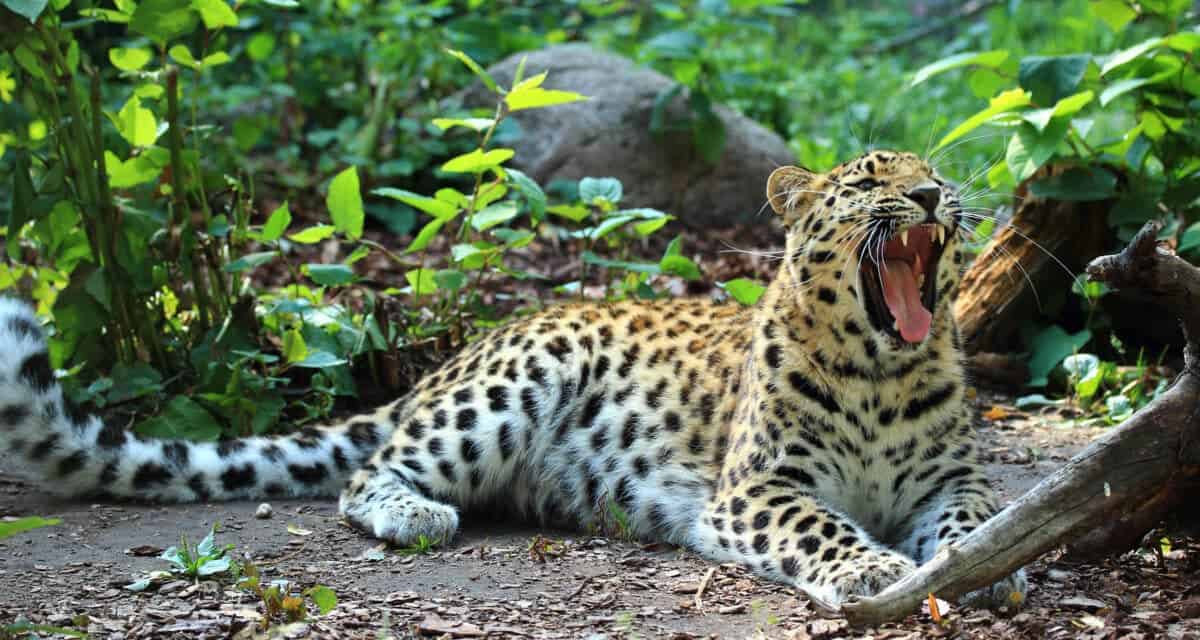
While release is ideal, it comes with significant challenges. Some animals have been so affected by captivity that they may never be able to live fully independent lives. Moreover, suitable habitats must be identified, considering factors like population density, food availability, and threat levels from human activity and predators. Logistical and bureaucratic hurdles can also complicate the release process, requiring careful planning and coordination.
Success Stories: Animals Thriving in the Wild

Despite the challenges, there are many success stories of trafficked animals thriving post-release. Projects globally have seen rehabilitated animals integrating successfully back into their natural environments, contributing to biodiversity. These success stories serve as a testament to the effectiveness of well-conceived conservation efforts and inspire continued dedication to wildlife rescue and protection.
Adoption and Permanent Care

For animals unable to be released, adoption or long-term sanctuary care offers a life of dignity and safety. Sanctuaries provide environments where animals can live with a sense of security and comfort. Adoption programs for certain species, often exotics or companion animals, allow individuals to provide homes equipped to meet the animals’ specialized needs, with organizations overseeing the process to ensure animal welfare standards are upheld.
The Global Effort Against Trafficking
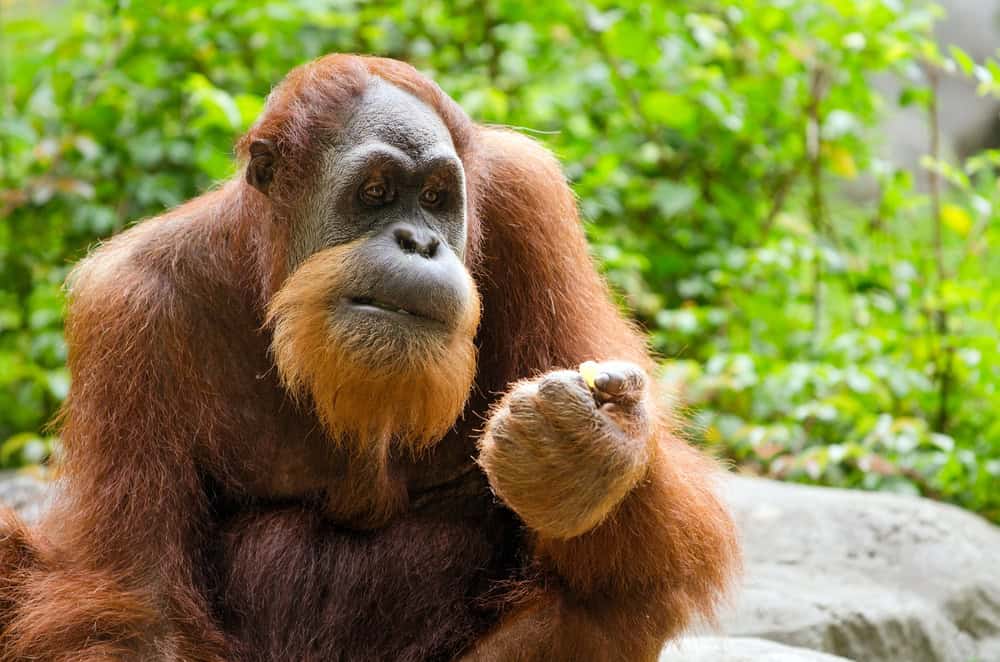
Combating animal trafficking is a global endeavor requiring the collaboration of nations, organizations, and individuals. International treaties such as CITES (the Convention on International Trade in Endangered Species) regulate the trade of wildlife, while awareness campaigns educate the public on the plight of trafficked animals. Strengthening local communities, enforcing stringent laws, and promoting sustainable livelihood alternatives to poaching are critical in curbing this illicit trade.
Conclusion
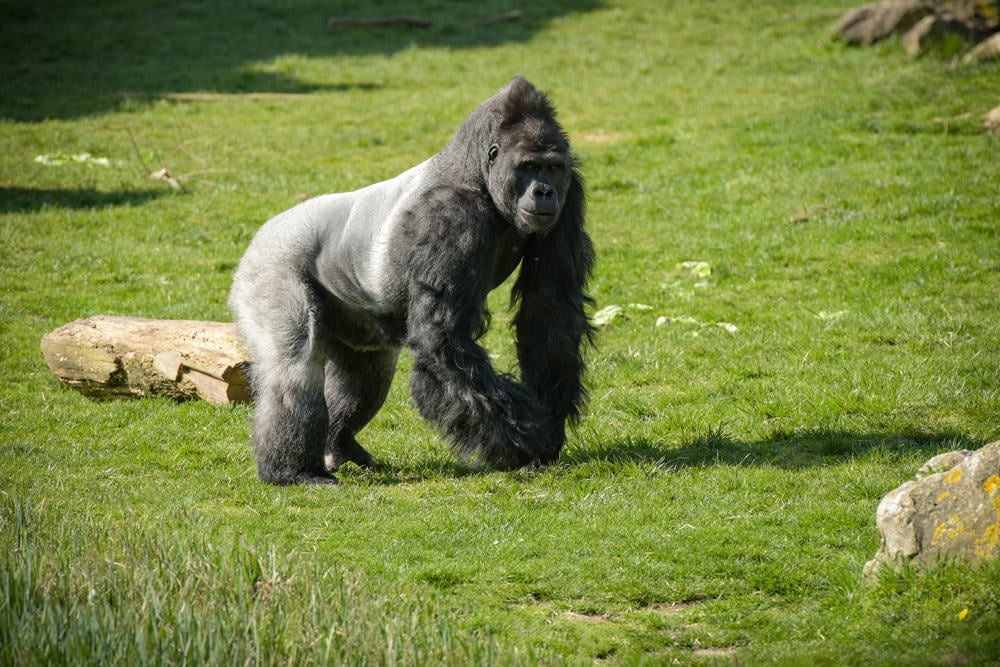
The journey from trafficking to rehabilitation is a challenging, costly, and lengthy process, yet the outcomes for rescued animals are invaluable. These efforts not only restore individual lives but also contribute to broader conservation goals, helping stabilize and rejuvenate global wildlife populations. By supporting anti-trafficking measures, raising awareness, and participating in conservation initiatives, we contribute to a world where animals can thrive without the threat of trafficking.

From exploring the marine wonders in the Azores and witnessing the vast savannas of Kenya, to delving deep into the rich biodiversity of South Africa and traversing iconic landscapes in Australia and the US like Yellowstone, Chris's experiences are vast.
With a penchant for diving alongside sharks, the ocean holds a special place in his heart.
Through his academic insights, he champions wildlife conservation, striving with 'Animals Around The Globe' to cultivate a profound connection between humans and animals, enhancing our mutual appreciation.
Connect with him at Feedback@animalsaroundtheglobe.com.
- Why Spiders Don’t Get Stuck in Their Own Webs - July 20, 2026
- What Scientists Found in a 10,000-Year-Old Beehive - July 20, 2026
- This Spider Builds Fake Decoys of Itself - July 20, 2026