
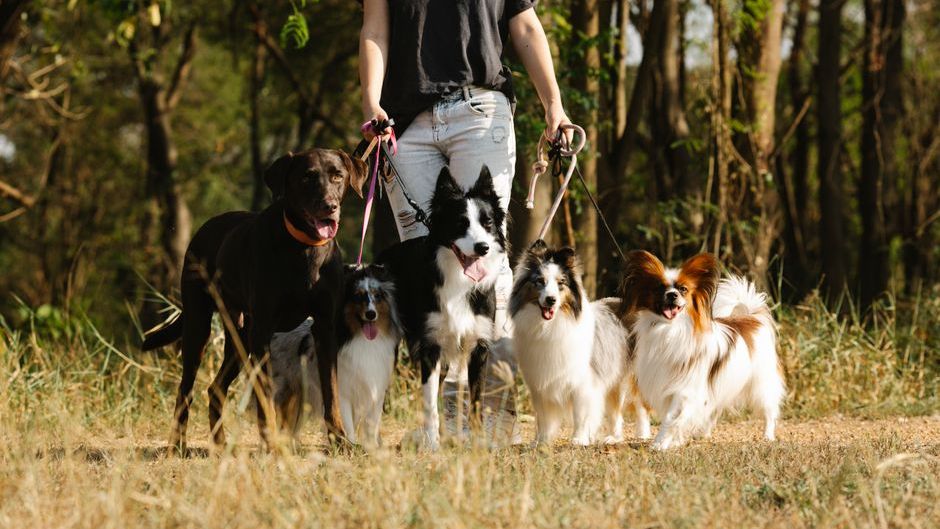
Most dog owners have felt that small pang when their pup gets up and pads off to another room without a backward glance. It can feel like a quiet rejection, especially after a long day when you were hoping for some company on the couch. Yet what looks like distance often turns out to be something gentler and more instinctive.
Dogs live in a world of constant sensory input that humans rarely notice. Their choice to slip away can reflect a need for calm rather than any lack of affection. Understanding this shift changes how we read those moments and how we respond to them.
Reading the Subtle Signals Dogs Give

Dogs communicate through small movements that owners sometimes overlook. A quiet exit from the room often follows a period of heightened activity or noise around the house. These departures tend to happen without dramatic signs like whining or pacing.
Paying attention to timing helps. Many dogs choose to leave after visitors arrive or during busy household routines. The action itself stays low key because the dog is simply following an internal cue for relief.
Why Personal Space Matters to Canines
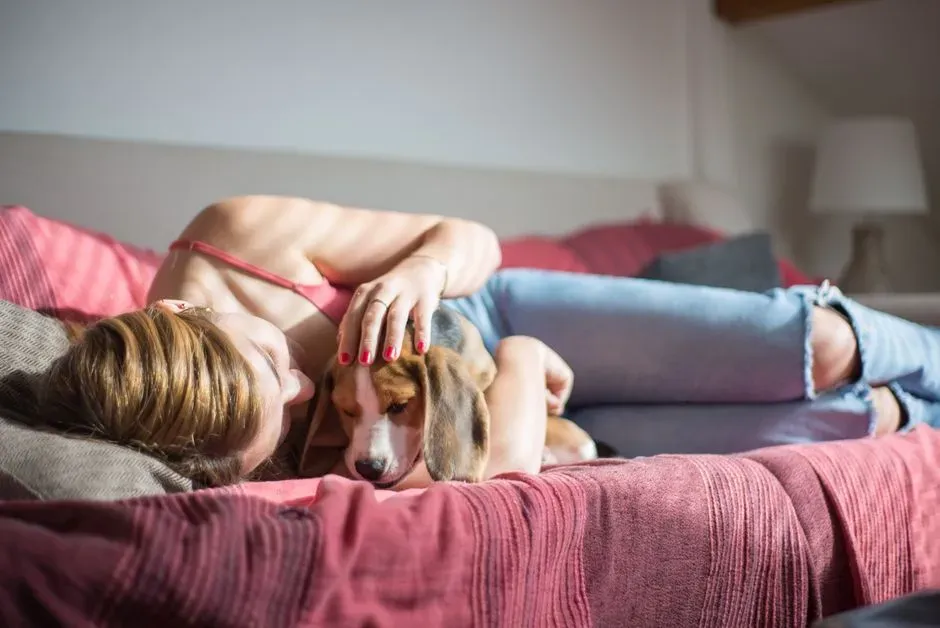
Every dog carries an individual threshold for social contact. Some breeds lean toward independence while others stay close by nature. Either way, a short break in another room lets them reset without pressure.
Owners who respect this choice often notice their dogs return more relaxed. The space functions like a brief recharge rather than a permanent withdrawal. Over time this pattern builds trust because the dog learns its needs are understood.
How Overstimulation Shows Up in Daily Life
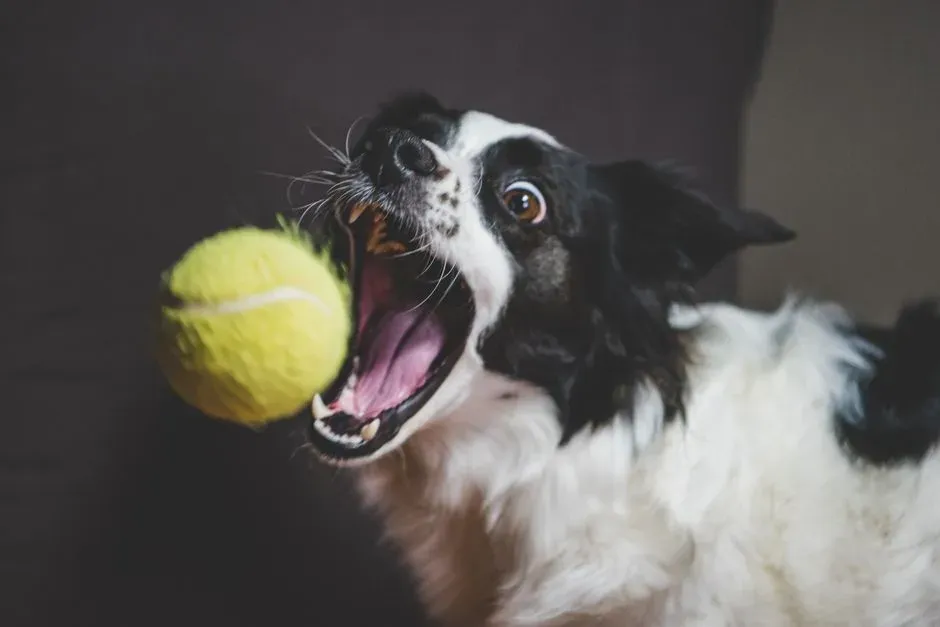
Modern homes contain layers of sound and movement that dogs process differently than people do. Televisions, phones, and overlapping conversations create a steady stream of stimulation. A dog that steps away is often managing that load in the simplest way available.
Younger dogs and those new to a household may need these pauses more frequently. The behavior appears across many breeds and ages once the environment grows busy. It serves as a built in coping tool rather than a problem to fix.
Recognizing Comfort Seeking Instead of Rejection
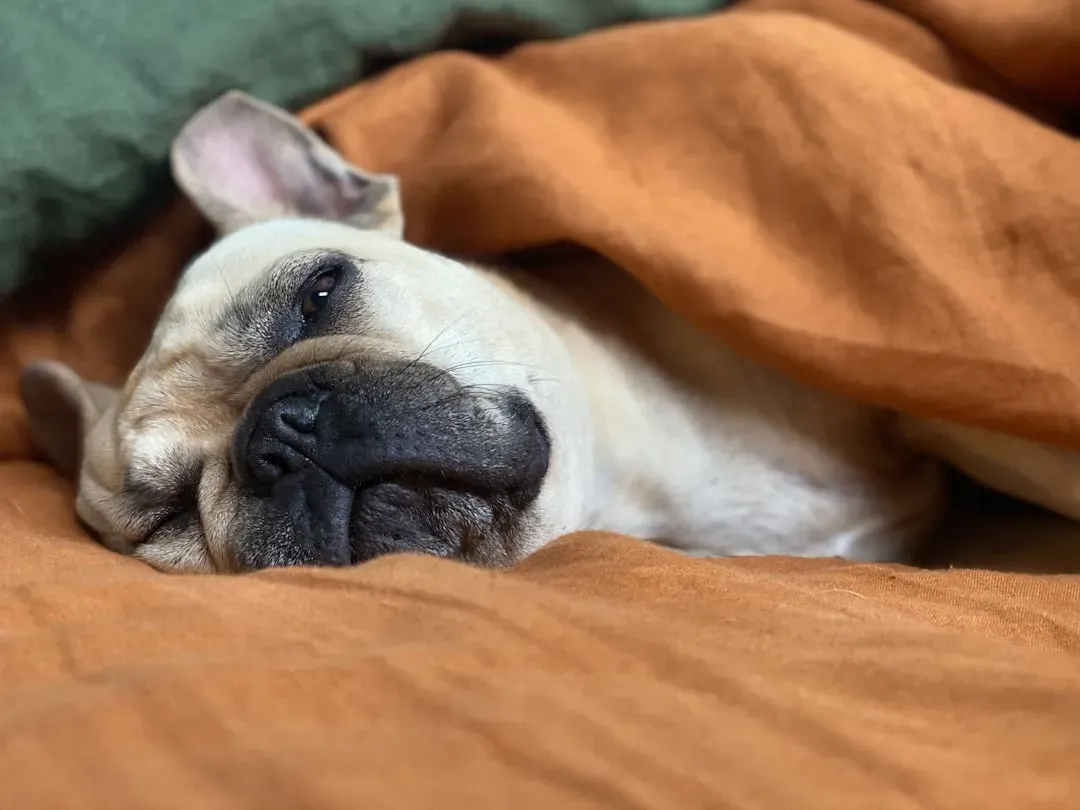
The same movement that feels distant can actually signal trust. A dog that feels safe will choose its own quiet spot instead of freezing or hiding in fear. That choice reflects confidence in the home environment.
Body language during the exit usually stays neutral. Ears remain soft, tail position stays relaxed, and the pace looks unhurried. These details separate comfort seeking from stress responses that would look more tense or abrupt.
Common Ways Owners Misread the Behavior
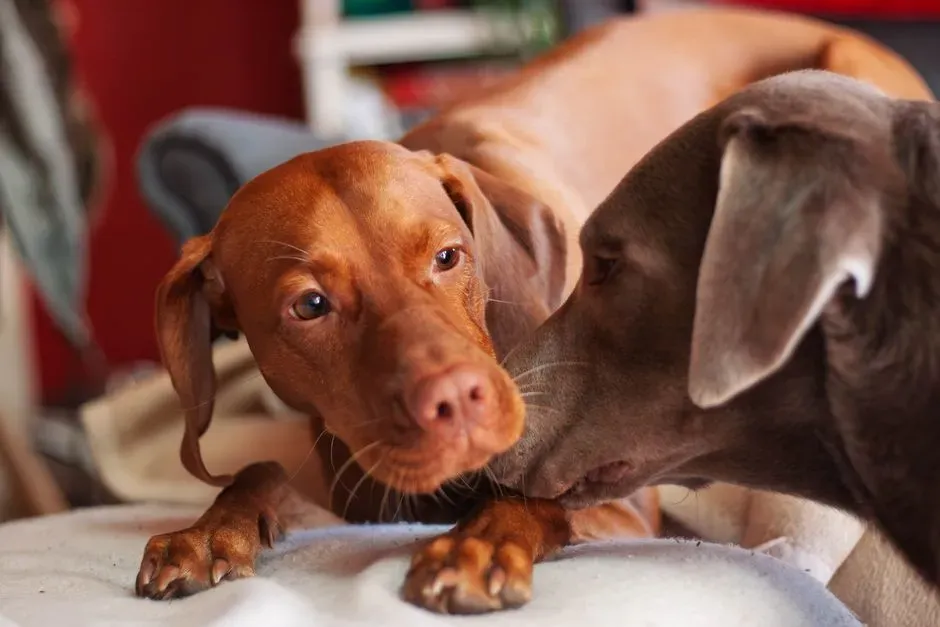
Many people assume the dog wants nothing to do with them after such a move. This reading comes from human expectations around closeness and affection. Dogs simply do not measure connection through constant physical presence.
Another frequent mix up involves linking the action to recent scolding or changes in routine. In most cases the timing connects more to sensory buildup than to any specific event. Adjusting the lens helps owners respond with patience instead of worry.
Supporting Your Dog Without Forcing Interaction
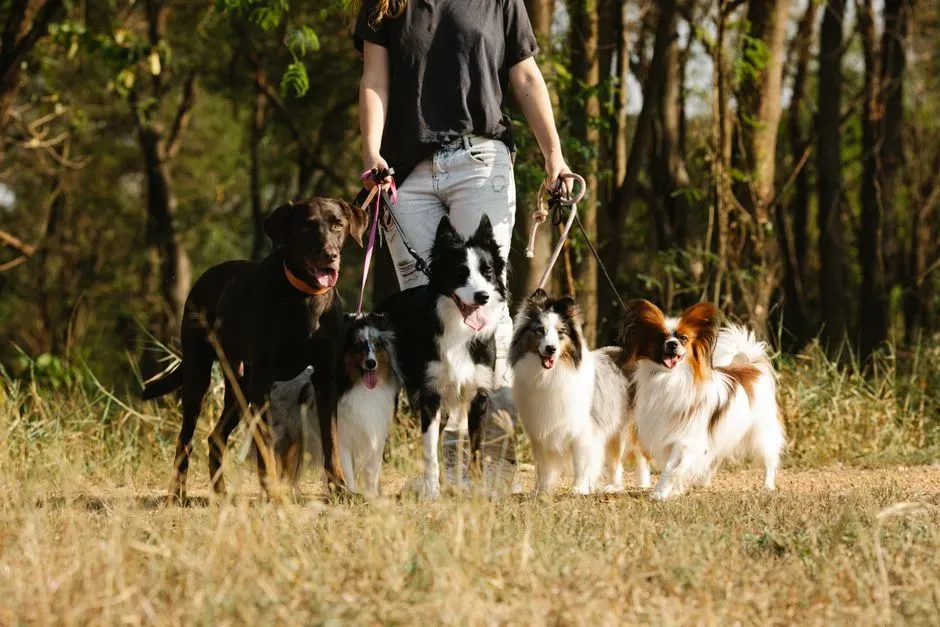
Small adjustments make a difference. Leaving a familiar bed or blanket in the quieter room gives the dog a ready retreat. Keeping noise levels lower during peak hours also reduces the need for frequent exits.
Inviting the dog back later with calm energy works better than calling repeatedly. The goal stays simple: show that both together time and alone time are acceptable. This balance often leads to more voluntary closeness overall.
Final Thoughts on Trust and Canine Needs
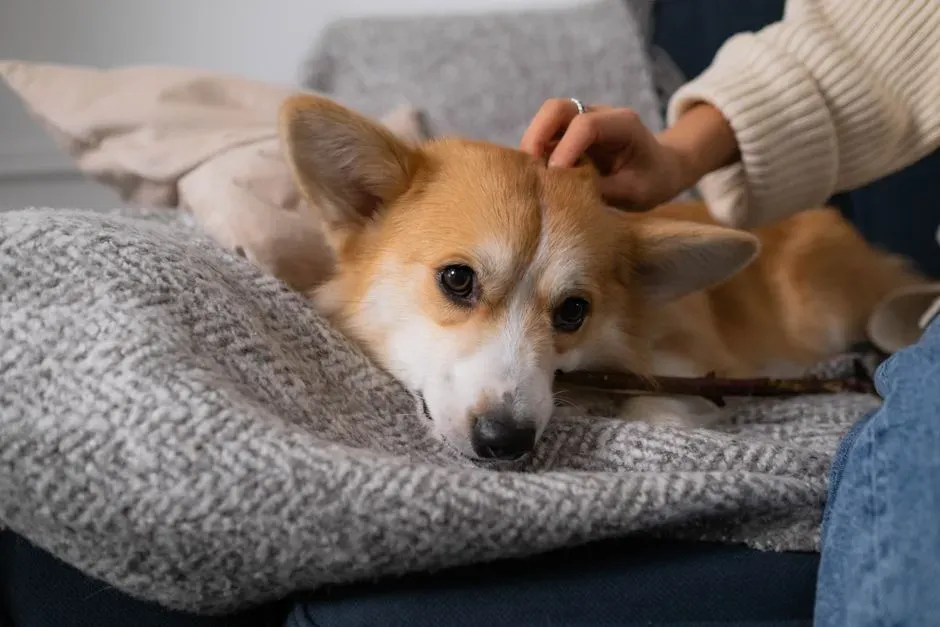
Accepting these quiet departures as normal reshapes the relationship in quiet but lasting ways. Dogs that feel free to manage their own comfort tend to stay more engaged when they choose to return. The result feels less like management and more like mutual understanding.
Every household finds its own rhythm once the behavior stops carrying emotional weight. Watching a dog settle into its chosen spot can become a small reminder that comfort looks different for each member of the family. That perspective keeps the bond steady even on days when the room feels a little emptier for a while.

- 14 Things Rescue Dogs Do on Their First Night Home That Break Everyone's Heart - August 5, 2026
- 16 Animals Vets Say Form Bonds With One Person That Rival Any Dog – Most Families Never Expect Them - August 5, 2026
- 13 Gentle Signs a Senior Dog Is Saying Something Most Owners Don't Realise Until Later - August 5, 2026