


Birdwatching has evolved dramatically in recent years, transforming from a niche hobby into a widely embraced pastime that bridges technology and nature appreciation. As we move into 2025, the world of birding offers unprecedented accessibility for beginners, thanks to advanced identification apps, affordable high-quality optics, and supportive online communities. Whether you’re drawn to the peaceful solitude of early morning observation, the thrill of spotting rare species, or simply wish to develop a deeper connection with the natural world around you, there’s never been a better time to begin your birdwatching journey. This comprehensive guide will equip you with everything you need to know to start this rewarding hobby with confidence, incorporating the latest tools and approaches available to birders in 2025.
Why Birdwatching Has Soared in Popularity

Birdwatching has experienced a remarkable surge in popularity, with participation increasing by nearly 30% since 2020. This growth stems from several factors converging at once. The COVID-19 pandemic initially drove people outdoors seeking safe recreational activities, and many discovered the joy of observing birds in their local environments. Additionally, social media platforms have transformed birding into a more connected experience, with enthusiasts sharing stunning photographs and rare sightings instantly across global communities.
Environmental awareness has also played a significant role, as people increasingly seek ways to connect with nature and participate in citizen science. Perhaps most importantly, technological advances have dramatically lowered the entry barriers, making what was once considered a hobby requiring specialized knowledge and expensive equipment accessible to virtually anyone with a smartphone.
Essential Gear for the 2025 Beginner

The birdwatching equipment landscape has evolved significantly by 2025, offering beginners more affordable and effective options than ever before. Start with a pair of binoculars – the 8×42 magnification remains the sweet spot for beginners, providing adequate zoom without sacrificing field of view or light gathering. Brands like Nikon, Vortex, and Celestron now offer exceptional entry-level models in the $120-200 range with features previously found only in premium optics. Next, consider a smartphone adapter for your binoculars (approximately $25-40), which enables digiscoping – taking photos through your binoculars.
Field guides have largely gone digital, with apps like Merlin Bird ID, eBird, and BirdNET AI offering instant identification through photos or sound recordings. For longer excursions, invest in a lightweight, collapsible walking stick ($30-60), which provides stability and can help part vegetation. Finally, weather-appropriate clothing with multiple pockets completes your essential kit, with many outdoor clothing manufacturers now producing specialized birding vests and jackets featuring silent materials and strategic pocket placement for equipment.
Leveraging AI and Technology in Bird Identification

Artificial intelligence has revolutionized bird identification for beginners in 2025. Modern birding apps now utilize sophisticated neural networks that can identify birds from partial glimpses, distant photos, or even brief sound snippets with remarkable accuracy. The Cornell Lab of Ornithology’s Merlin Bird ID has expanded its capabilities to recognize over 20,000 species worldwide with 97% accuracy, including birds in flight or partially obscured by foliage. Real-time audio recognition has become particularly impressive, with apps capable of detecting and naming birds singing in complex, multi-species environments.
Augmented reality features now overlay identification information when you point your device at a bird, highlighting key field marks and providing instant behavioral information. Even more revolutionary are the predictive features that analyze local eBird data, weather patterns, and migration models to suggest which species you’re likely to encounter on a given day in your specific location, allowing beginners to prepare for likely sightings before heading out.
Finding Birding Hotspots Near You

Locating productive birding locations has become remarkably straightforward in 2025. The eBird platform, maintained by Cornell Lab of Ornithology, has evolved into an indispensable resource with its enhanced hotspot mapping system. This tool now integrates real-time reports with historical data, allowing you to identify not only where birds are being seen but also the optimal times to visit specific locations. Emerging platforms like BirdCast provide migration forecasts using weather radar data, helping you time your outings to coincide with peak movement periods.
Many national and state parks have implemented specialized birding trails with QR codes that link to information about commonly seen species. Local Audubon chapters continue to offer guided walks, which have now expanded to include virtual options where experienced leaders can remotely assist beginners through video calls. Community-based platforms like Meetup and specialized Facebook groups have flourished, connecting new birders with experienced mentors for in-person exploration of local hotspots. When traveling, apps like BirdsEye have evolved to highlight target species in unfamiliar areas, helping you efficiently build your life list while exploring new territories.
Mastering Bird Identification Basics

Learning to identify birds remains a foundational skill, though the approach has been refined for beginners in 2025. Start by focusing on the “four keys” of identification: size and shape, color pattern, behavior, and habitat. Modern practice emphasizes observing the overall impression or “giss” (general impression, size, and shape) before focusing on specific field marks. When encountering a new bird, note its relative size (comparing to familiar species like robins or crows), then observe its silhouette and proportions. Next, identify prominent color patterns – not just plumage colors but their distribution and contrast.
Pay attention to behavior: how does it fly, feed, or interact with other birds? Finally, consider the habitat context – is it foraging on the ground, hidden in underbrush, or soaring overhead? Beginners now benefit from structured learning approaches that focus on recognizing the 20-30 most common species in their region before expanding outward. The Cornell Lab’s “Bird Academy” offers adaptive learning modules that customize lessons based on your location and season, progressively building identification skills through interactive challenges rather than overwhelming memorization.
Ethical Birdwatching Practices for 2025
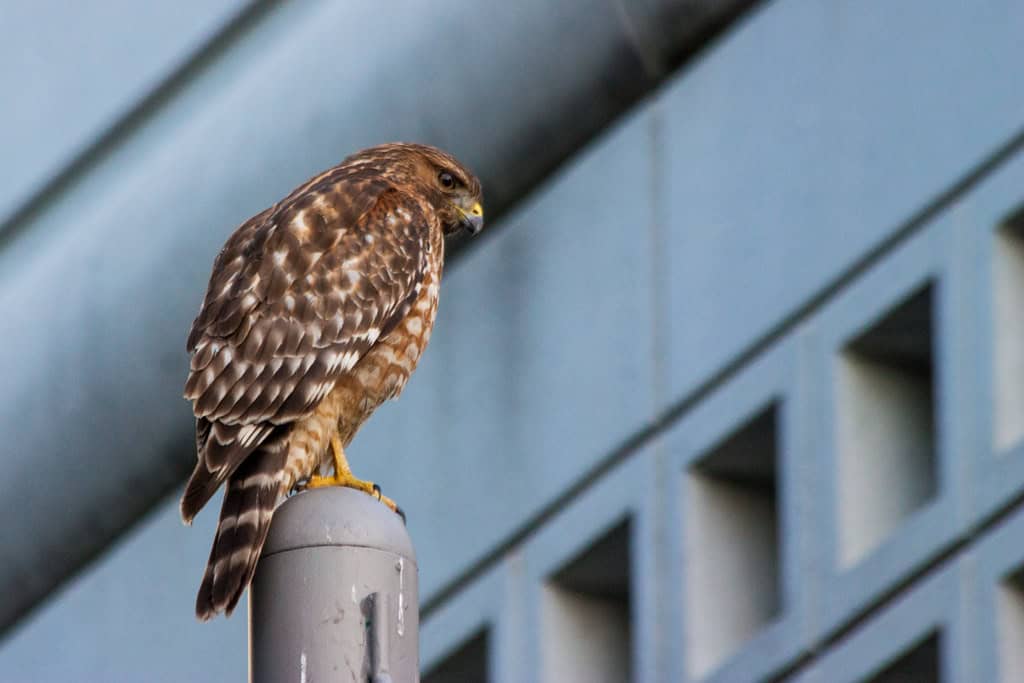
Ethical considerations in birdwatching have evolved significantly by 2025, with greater emphasis on conservation and bird welfare. The American Birding Association’s Code of Ethics has expanded to address emerging challenges, including drone usage, playback of bird calls, and social media responsibility. The consensus among serious birders is to maintain appropriate viewing distances (typically at least 15-30 meters for most species), using optics rather than proximity for better views. Use of recorded bird calls to attract species has become increasingly discouraged except in specific research contexts, as studies have confirmed this can disrupt breeding behaviors and territorial responses.
When photographing, the “photograph responsibly” movement advocates prioritizing the bird’s welfare over getting the perfect shot. This includes never flushing birds for photographs and avoiding nesting areas during sensitive periods. Carbon-conscious birding has gained traction, with many birders now offsetting travel emissions or participating in local “patch birding” to reduce their environmental impact. Finally, ethical birders in 2025 actively participate in citizen science platforms like eBird, contributing valuable data that supports conservation efforts while enjoying the hobby.
Understanding Bird Behavior and Habitats

Developing an understanding of bird behavior and habitat preferences dramatically enhances your birdwatching experience. Birds follow predictable patterns based on feeding strategies, territorial behaviors, and seasonal needs. Waterfowl typically feed actively in early morning and late afternoon, while many songbirds are most vocal at dawn during the “morning chorus.” Raptors often soar on thermal currents during midday hours. Learning these patterns helps you plan outings for maximum success.
Habitat awareness is equally important—wetlands attract herons, rails and waterfowl; woodland edges host diverse songbirds; and open fields appeal to grassland specialists like meadowlarks and sparrows. By 2025, habitat analysis tools have become remarkably sophisticated, with apps that can assess satellite imagery of your location and suggest which microhabitats might harbor specific species. Phenology—the study of seasonal natural phenomena—has also become more accessible to beginners through predictive calendars that highlight when certain behaviors (migration, breeding, molting) typically occur in your region, allowing you to anticipate dramatic seasonal events like hawk migrations or waterfowl congregations.
Seasonal Birdwatching: What to Expect Throughout the Year

Each season offers unique birdwatching opportunities that beginners should anticipate. Spring (March-May) brings the excitement of migration and breeding season, with males displaying brilliant breeding plumage and performing elaborate courtship rituals. This is prime time for song identification, as territorial males vocalize persistently. Summer (June-August) transitions to nesting season, offering chances to observe fascinating parenting behaviors and recently fledged juveniles with their distinctive immature plumages.
Fall (September-November) brings the spectacle of fall migration, often more protracted than spring movement, with large mixed-species flocks and many birds in confusing fall plumages that challenge identification skills. Winter (December-February), once considered the off-season, offers concentrated viewing opportunities at feeders and water sources, plus special winter visitors like snowy owls and northern finches that move south during irruption years. By 2025, phenology tracking apps have become remarkably precise, providing customized alerts when specific seasonal events (like the first arrival of ruby-throated hummingbirds or the peak of warbler migration) are likely in your exact location, helping beginners maximize their seasonal birdwatching experiences.
Building Your Life List: Tracking Your Sightings
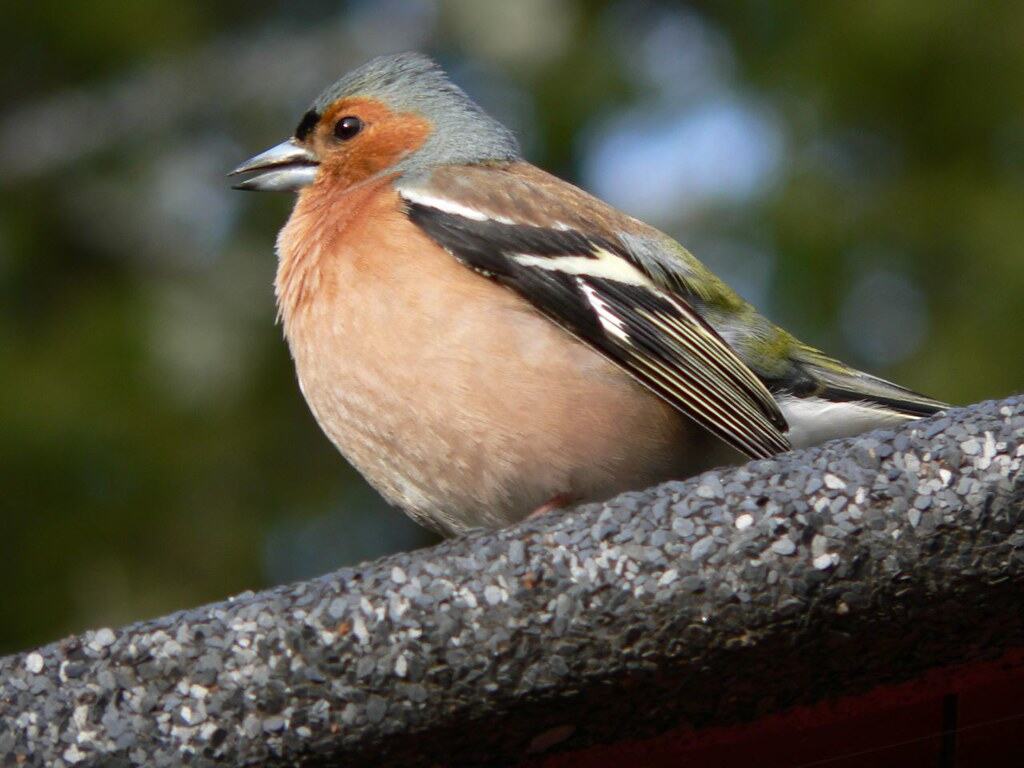
Maintaining a personal record of birds you’ve observed—commonly called a “life list”—provides structure and motivation for many birders. In 2025, digital listing has largely replaced paper journals, though some traditionalists still enjoy the tactile experience of physical checklists. The eBird platform remains the gold standard, having expanded its capabilities to include customizable lists (worldwide, country, state, county, year, and even patch-specific tallies) along with automated statistics that track your progress. Smart listing features now integrate with personal goals, suggesting target species within reasonable travel distance to help you strategically build your numbers.
Gamification elements have been refined, with achievement badges, community challenges, and friendly competition options that motivate continued participation. Beyond numbers, modern listing emphasizes quality of observations, with features that encourage documenting behavior, habitat use, and interactions. Photography integration has become seamless, with AI-assisted image organization that automatically catalogs your bird photographs by species, location, and date, building a visual complement to your numerical list. Most importantly, every observation you record contributes to global citizen science databases, giving purpose to your hobby beyond personal achievement.
Joining the Birding Community: Groups and Resources
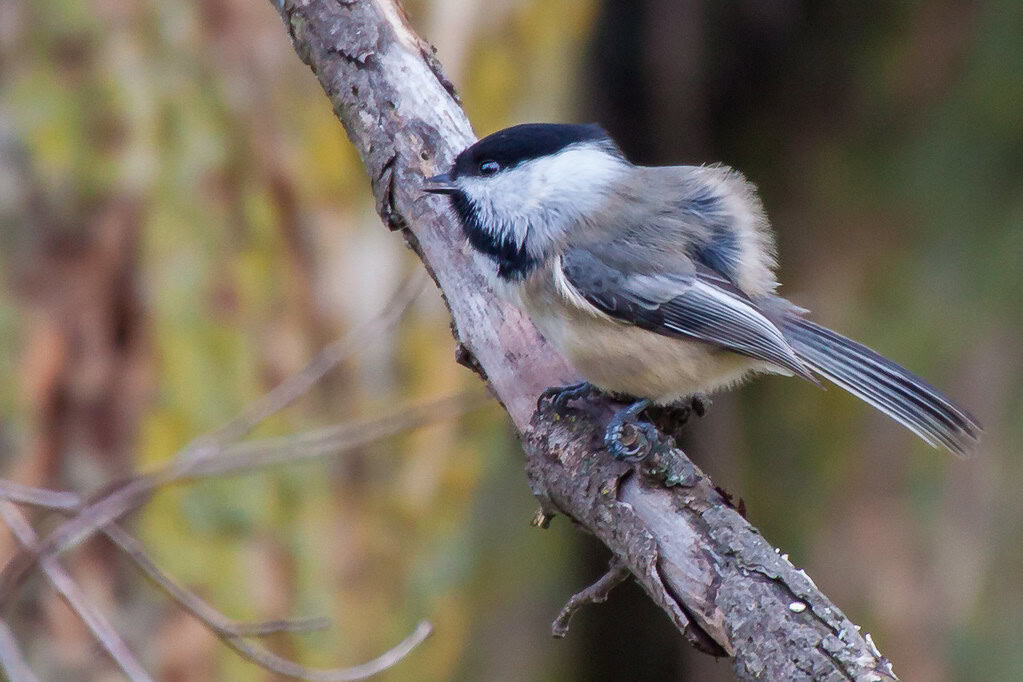
The birdwatching community has become increasingly welcoming and accessible by 2025, with multiple entry points for beginners. Local Audubon chapters remain excellent starting places, offering field trips specifically designed for newcomers that pair experienced mentors with small groups of beginners. These outings now frequently include loaner equipment and focus on building fundamental skills rather than competitive listing. Online communities have flourished, with platforms like the American Birding Association’s young birder initiatives and Facebook groups organized by geographic region and interest level. These virtual spaces offer judgment-free zones to ask questions and share experiences.
Diversity in birding has improved significantly, with organizations like Black Birders Week evolving into year-round programs that promote inclusivity and address historical barriers to participation. Specialized communities have emerged around specific interests like urban birding, bird photography, or conservation-focused birding. Birding festivals, occurring throughout the year across North America, offer immersive experiences with expert-guided field trips, workshops, and social events. These gatherings have embraced technology with mobile apps that help attendees navigate schedules, connect with fellow participants, and record sightings during organized outings.
Backyard Birding: Bringing the Birds to You

Transforming your yard or balcony into a bird sanctuary provides convenient observation opportunities and valuable habitat for local and migratory species. The science of bird attraction has evolved significantly by 2025, moving beyond simple feeding to creating comprehensive habitat. Strategic native plant selection has become central to successful backyard birding, with region-specific plant databases now linking each species to the birds it supports through food, shelter, or nesting opportunities. Feeder technology has advanced with selective designs that exclude invasive species like European starlings while accommodating native birds, and “smart feeders” that photograph visitors and track consumption patterns.
Water features remain powerful attractants, with solar-powered moving water systems that maintain year-round availability with minimal maintenance. Artificial intelligence has entered backyard birding through monitoring systems that alert you when unusual species visit and log regular visitors automatically. Certification programs like the National Wildlife Federation’s Garden for Wildlife have expanded their criteria to include climate resilience features, and neighborhood-level initiatives now coordinate habitat corridors across adjacent properties. Most importantly, backyard bird monitoring has become a critical citizen science tool, with data from home observers contributing to understanding of urban adaptation, range shifts, and population trends.
Advanced Techniques: Beyond the Basics

As your birdwatching skills develop, several advanced techniques can enhance your experience. Ear birding—identifying species by sound—has become more accessible through stepwise learning methods that group bird vocalizations by pattern types (whistles, trills, buzzes, etc.) rather than by species families.
Audio augmentation tools now isolate specific bird songs from environmental noise, helping train your ear to pick out individual species from the chorus. Field sketching has experienced a renaissance, with simplified techniques that focus on capturing diagnostic shapes and patterns rather than artistic perfection. This practice dramatically improves observation skills by forcing careful attention to proportions and distinctive features. Specialized habitat exploration—seeking out birds in challenging environments like pelagic (open ocean) trips, nocturnal outings for owls, or high-elevation expeditions—reveals species rarely encountered in typical birding. Understanding molt cycles and aging birds through plumage characteristics represents another level of identification mastery, aided by new photographic references showing birds in all plumage stages.
Conservation-focused birding, which deliberately monitors threatened species or habitats, provides purpose beyond personal enjoyment. Finally, phenological tracking—systematically documenting the timing of migration, breeding, and other seasonal behaviors—contributes valuable data to climate change research while deepening your connection to natural cycles.
Conclusion: Embracing the Joy of Birdwatching
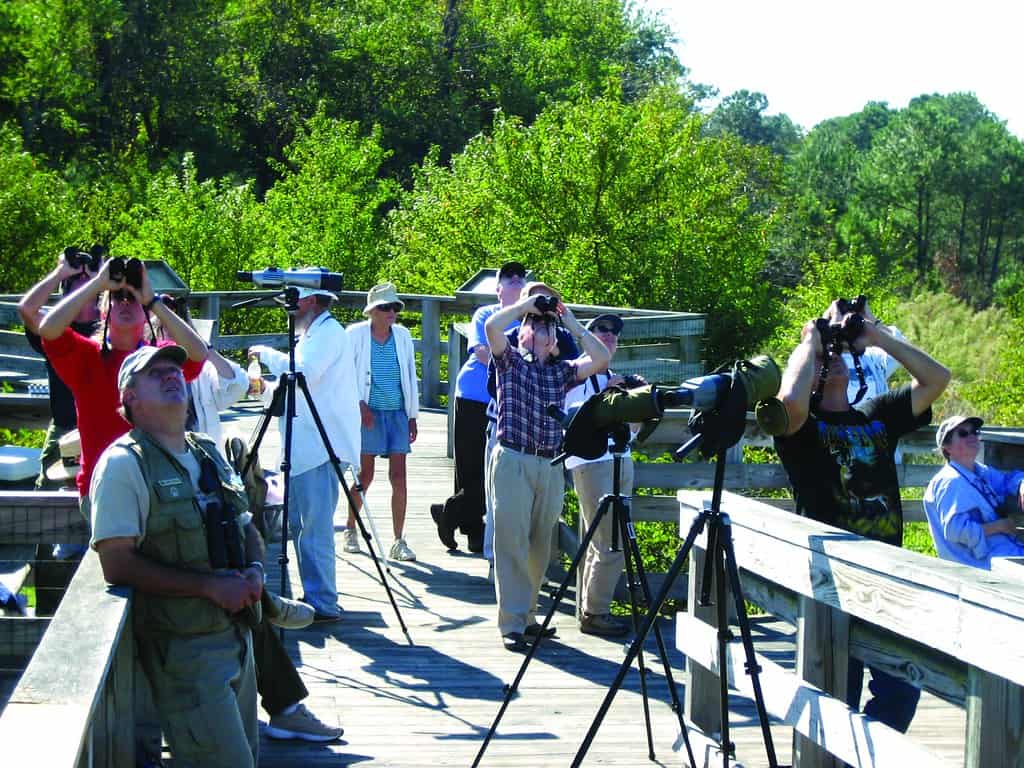
As we’ve explored throughout this guide, birdwatching in 2025 offers a uniquely accessible blend of nature connection, community engagement, and technological enhancement that appeals to people of all backgrounds and abilities. What begins as casual observation often evolves into a lifelong passion that continually rewards practitioners with new discoveries and deeper understanding. Remember that while the tools and techniques outlined here can enhance your experience, the essence of birdwatching remains simply taking time to notice, appreciate, and connect with the remarkable avian world that surrounds us daily.
Whether you’re documenting rare species for scientific databases or simply enjoying the familiar birds in your backyard, each observation adds to your personal relationship with nature and contributes to our collective knowledge about these indicator species that reflect the health of our shared environment. As you embark on your birdwatching journey, embrace both the moments of excitement when discovering something new and the peaceful intervals of patient observation—together they form the foundation of what makes this pastime so deeply satisfying and endlessly rewarding.

From exploring the marine wonders in the Azores and witnessing the vast savannas of Kenya, to delving deep into the rich biodiversity of South Africa and traversing iconic landscapes in Australia and the US like Yellowstone, Chris's experiences are vast.
With a penchant for diving alongside sharks, the ocean holds a special place in his heart.
Through his academic insights, he champions wildlife conservation, striving with 'Animals Around The Globe' to cultivate a profound connection between humans and animals, enhancing our mutual appreciation.
Connect with him at Feedback@animalsaroundtheglobe.com.
- Why Spiders Don’t Get Stuck in Their Own Webs - July 20, 2026
- What Scientists Found in a 10,000-Year-Old Beehive - July 20, 2026
- This Spider Builds Fake Decoys of Itself - July 20, 2026