

Every spring, something almost surreal happens across Texas. The skies darken, swirl, and suddenly explode with the movement of tens of thousands of wings. It’s not a storm. It’s something far more alive, and honestly, far more breathtaking.
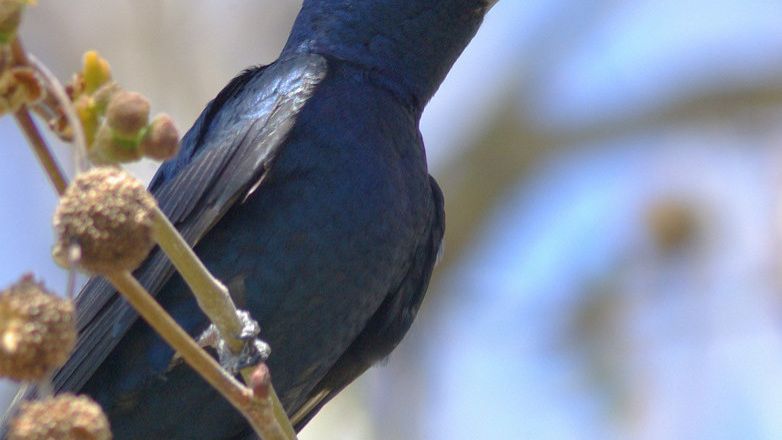
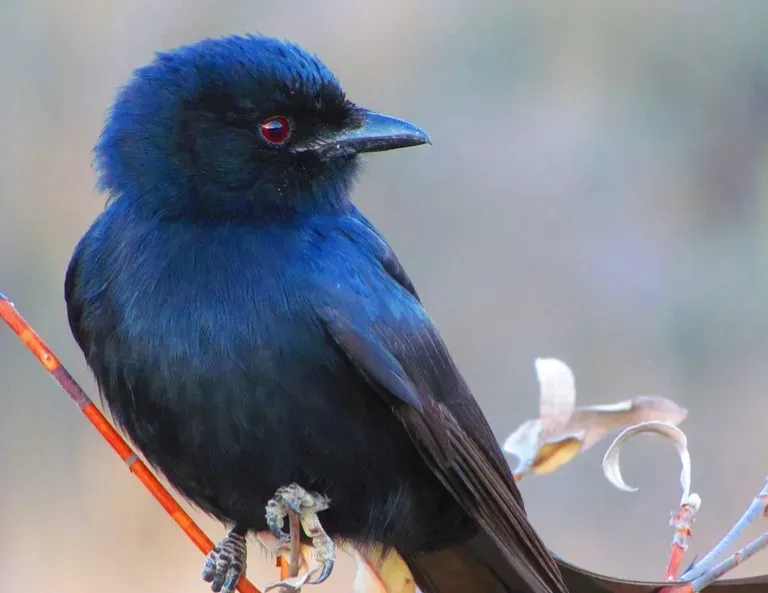
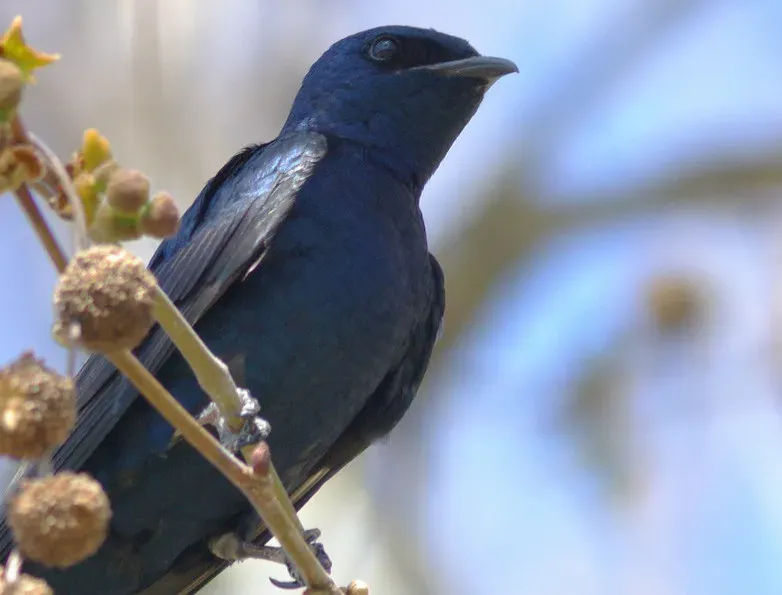
Purple martins, North America’s largest swallow species, are staging one of nature’s most dramatic seasonal performances. The sheer scale of it is hard to wrap your head around. So let’s dive in.
A Phenomenon That Stops People in Their Tracks
Imagine stepping outside in the evening and watching a living tornado of birds spiral overhead. That’s the reality for many Texans right now, as purple martins gather in massive pre-migratory roosts that can hold tens of thousands of individual birds in a single location. These gatherings, called roosts, occur as the birds prepare for their long journey back to South America.
What makes this especially striking is the timing. The roosts typically form during the late summer and early fall transition, but the scale of what’s being observed in Texas in 2026 is drawing serious attention from birding communities and casual observers alike. People are reportedly pulling off highways just to watch. Let’s be real, it’s that kind of spectacle.
Where Exactly Are These Roosts Forming?
Texas has emerged as a major congregation hub for purple martins, particularly in urban and suburban areas near large bodies of water. Trees, power lines, and even shopping center rooftops have become temporary homes for these birds. Cities like San Antonio and Austin have become unofficial hotspots for witnessing the roosts up close.
The birds choose these locations strategically. Proximity to open water means easier access to insects, which make up the entirety of their diet. Honestly, watching a purple martin hunt is like watching a tiny aerial acrobat perform at full speed. They don’t land to feed. They catch everything mid-flight.
Why Do They Gather in Such Enormous Numbers?
There’s a fascinating logic behind these mass gatherings. Purple martins roost communally for safety in numbers, a behavior scientists call anti-predator aggregation. The idea is simple: if you’re one bird in a group of fifty thousand, your individual odds of being picked off by a hawk drop dramatically. It’s basically the bird version of disappearing into a crowd.
These roosts also serve a social function, potentially allowing birds to share information about food sources. It’s hard to say for sure how much communication actually happens, but researchers believe the communal gathering plays a role beyond just survival instinct. The sheer coordination visible in their murmuration-like movements hints at something deeply intelligent happening overhead.
The Role of Human Infrastructure in Their Story
Here’s something many people don’t realize: purple martins in the eastern United States have become almost entirely dependent on human-provided housing. Specifically, gourds and martin houses installed in backyards and parks. Native populations in the West still nest in natural cavities, but eastern birds gave up that habit centuries ago.
This relationship goes back hundreds of years, with some accounts suggesting Native American communities hung hollow gourds to attract the birds long before European settlers arrived. In that sense, purple martins and humans have had a working arrangement for a very long time. Today, dedicated martin landlords, as they’re affectionately called, spend considerable time and effort managing colonies. It’s a commitment, but clearly one that pays off.
What the Roosts Mean for the Local Ecosystem
The environmental impact of a purple martin roost is surprisingly significant. Each bird can consume thousands of mosquitoes and other insects daily, making large colonies a genuinely useful form of natural pest control. Multiply that across tens of thousands of birds, and you’re looking at a staggering volume of insects removed from a local area every single day.
There’s a flip side, though. The droppings from massive roosts can create real issues for property owners and municipalities. Some cities have had to manage complaints and sanitation concerns when roosts form in high-traffic commercial areas. It’s one of those situations where nature’s abundance is both awe-inspiring and, occasionally, a logistical headache.
How Bird Enthusiasts and Scientists Are Responding
The current purple martin season has energized the birding community across Texas and beyond. Organizations dedicated to martin conservation are tracking roost locations, counting populations, and spreading awareness about where the best viewing opportunities can be found. Citizen science is playing a surprisingly big role here, with everyday observers contributing location data and flock size estimates.
Scientists are particularly interested in population trends. Purple martin numbers have faced pressures from habitat loss, competition from invasive species like European starlings for nesting sites, and fluctuations in insect populations. Monitoring these massive roosts provides valuable data on whether populations are holding steady, declining, or recovering. Every count matters.
How to See Them Without Missing Your Chance
Timing is everything with purple martin roosts. The best viewing windows tend to be in the hour before sunset, when the birds begin their spectacular aerial descent into their chosen roost site. Arriving early, finding a clear sightline, and simply being patient is the formula. Binoculars help, but honestly, the scale of these roosts means you often don’t need them.
For Texans or visitors in the area, checking local birding forums and social media groups is the fastest way to find current active roost locations. These communities update information in real time, and the enthusiasm is contagious. There’s something genuinely moving about standing beneath a sky full of birds and feeling the collective sound and movement of it all. If you’ve never experienced a purple martin roost, this season might be your best chance yet.
A Final Thought on What This All Really Means
Honestly, I think the purple martin spectacle is one of those reminders that nature is still capable of astonishing us, even in the middle of a city, even above a parking lot. These birds have adapted to share our world, and in return they offer something extraordinary: proof that wildness hasn’t entirely vanished from our everyday lives.
The fact that tens of thousands of birds can gather, swirl, communicate, and survive together in the skies over Texas says something profound about resilience. Whether you’re a serious birder or someone who just happened to look up one evening, witnessing a roost this size stays with you. What’s stopping you from looking up tonight?

- Urban Coyotes Show Remarkable Adaptability, Learning to Thrive in City Environments - July 22, 2026
- Beavers Are Nature’s Engineers, Creating Vital Habitats for Other Wildlife Species - July 21, 2026
- The Recovery of the California Condor Offers Hope for Other Critically Endangered Birds - July 21, 2026