


In the waters of New Caledonia, male humpback whales face daunting odds when it comes to reproduction. A recent 25-year study sheds light on the striking fact that fewer than 1 in 14 males ever become fathers. This rarity highlights the fierce competition and unique mating behaviors that define humpback whale reproduction, while raising concerns about the genetic diversity of these majestic creatures.
The Study Behind the Numbers

Researchers analyzed genetic data from 936 mature male humpbacks to uncover patterns in paternity over decades.
A Rare Achievement

Only 7% of males were found to have fathered offspring, highlighting the extraordinary difficulty of reproduction in this population.
A Limit of Two Offspring
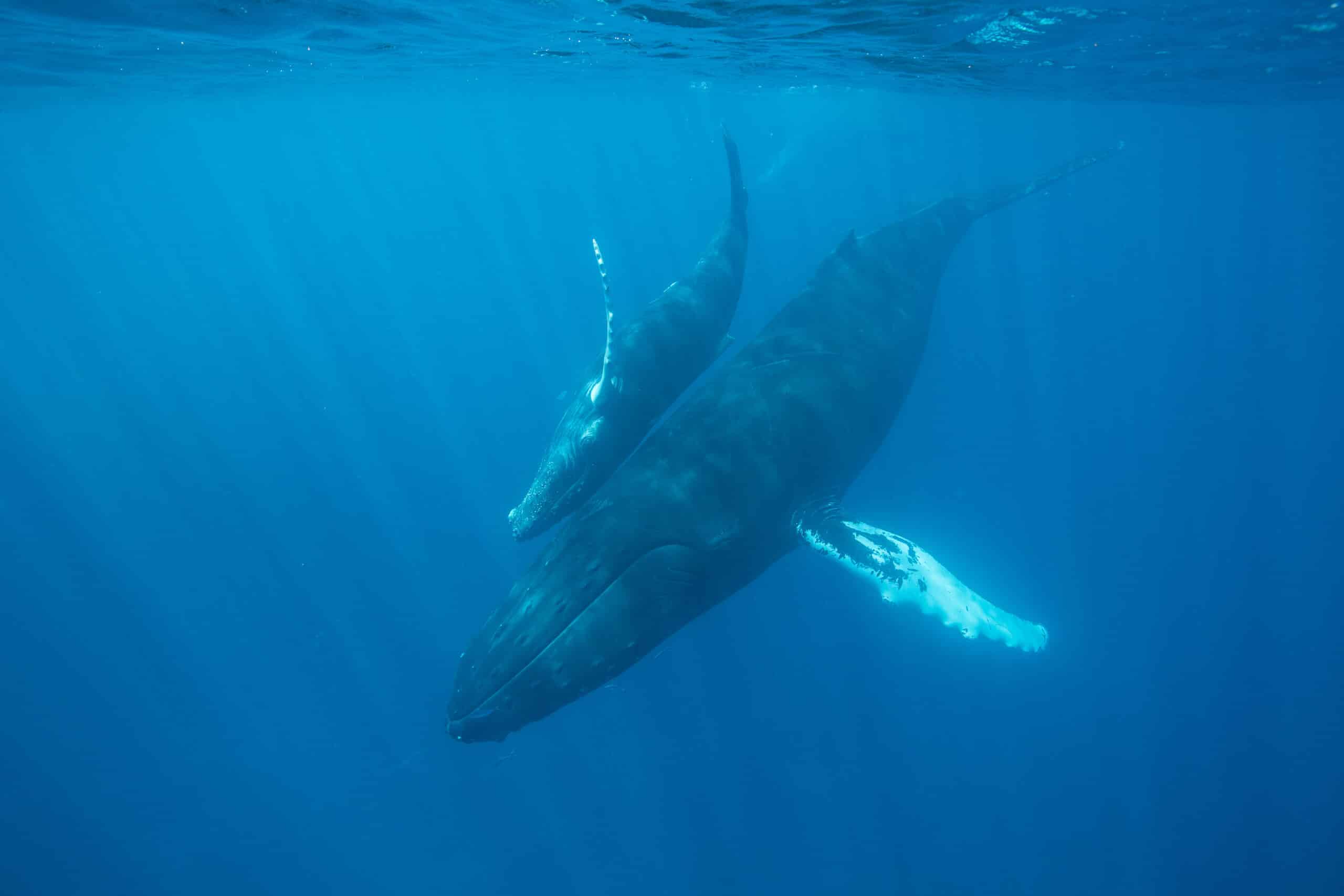
No male fathered more than two offspring, showcasing the rarity of multiple successes in humpback reproduction.
Complex Songs and Mating Displays
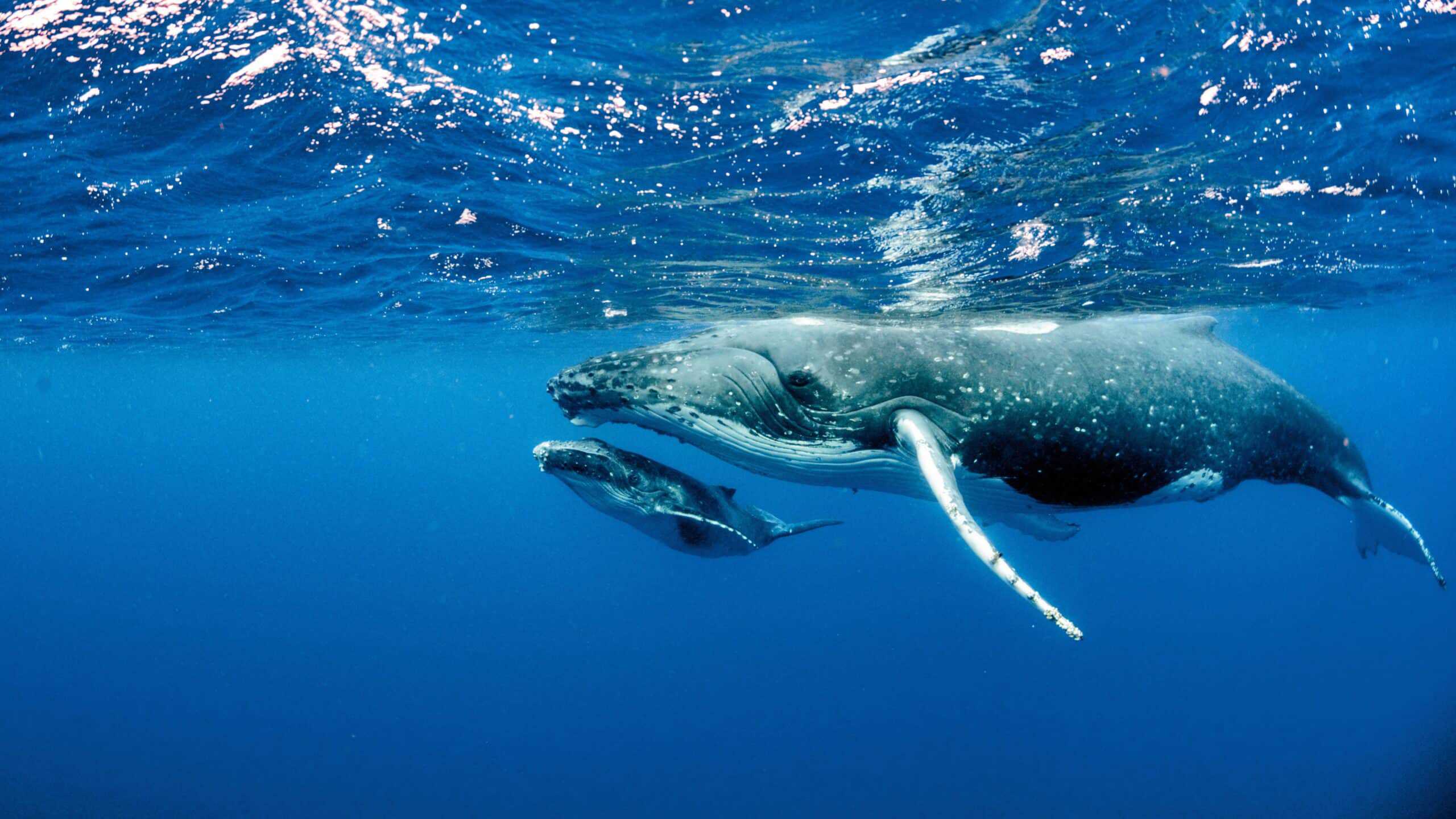
Males use intricate songs, some of the most complex in the animal kingdom, to compete for females’ attention.
Physical Competition Among Males

Along with their songs, males engage in fierce physical battles to secure breeding opportunities.
Scattered Female Populations

Females are widely dispersed during the breeding season, adding another challenge for hopeful males.
Consistent Findings Across Oceans
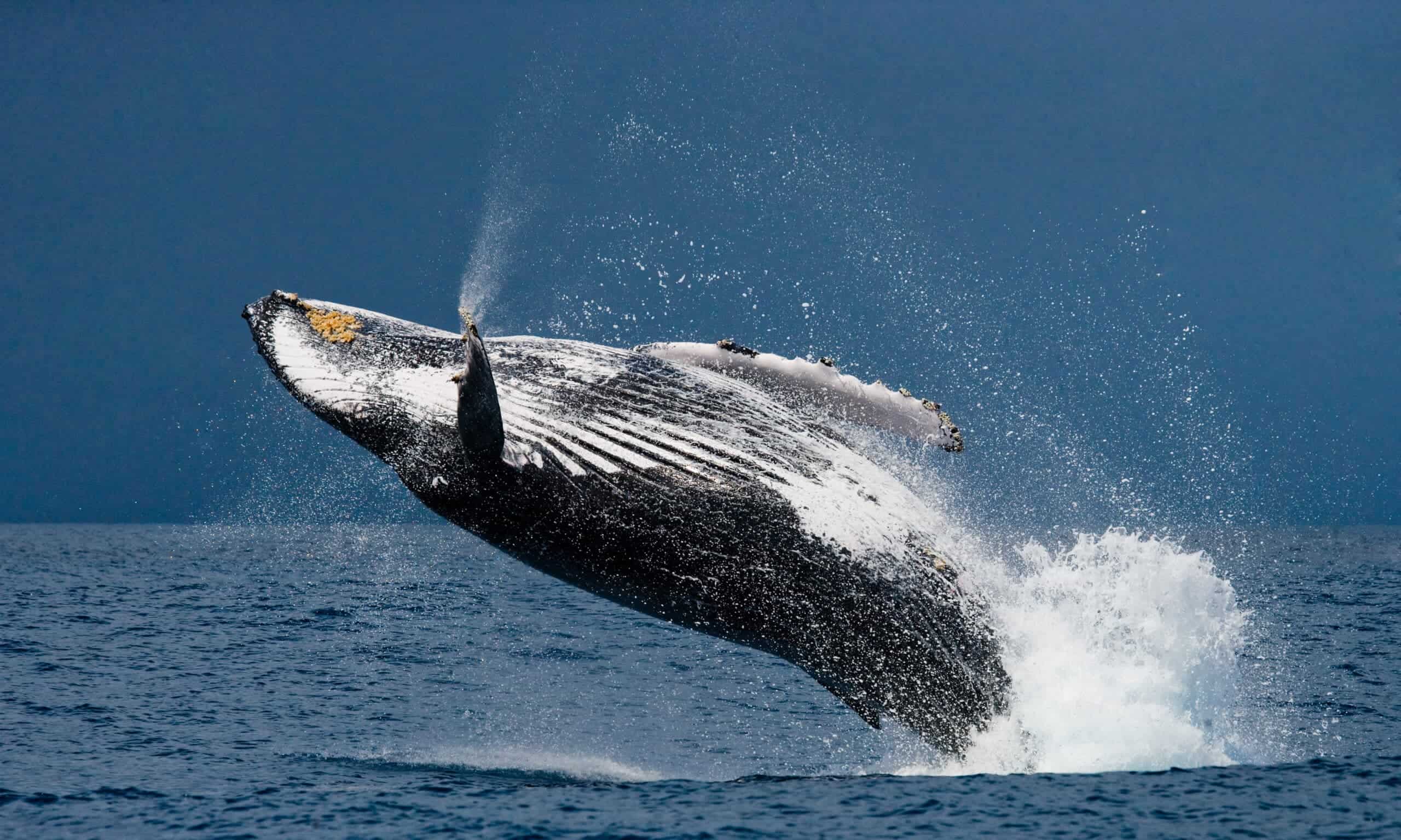
The study aligns with similar research conducted in the North Pacific, suggesting these patterns may be universal among humpbacks.
Implications for Genetic Diversity

A limited number of successful males could impact genetic diversity, potentially reducing adaptability to environmental changes.
The Role of Neighboring Populations

Interactions with neighboring whale groups may mitigate the risks of limited genetic diversity.
A Reflection of Evolutionary Strategies
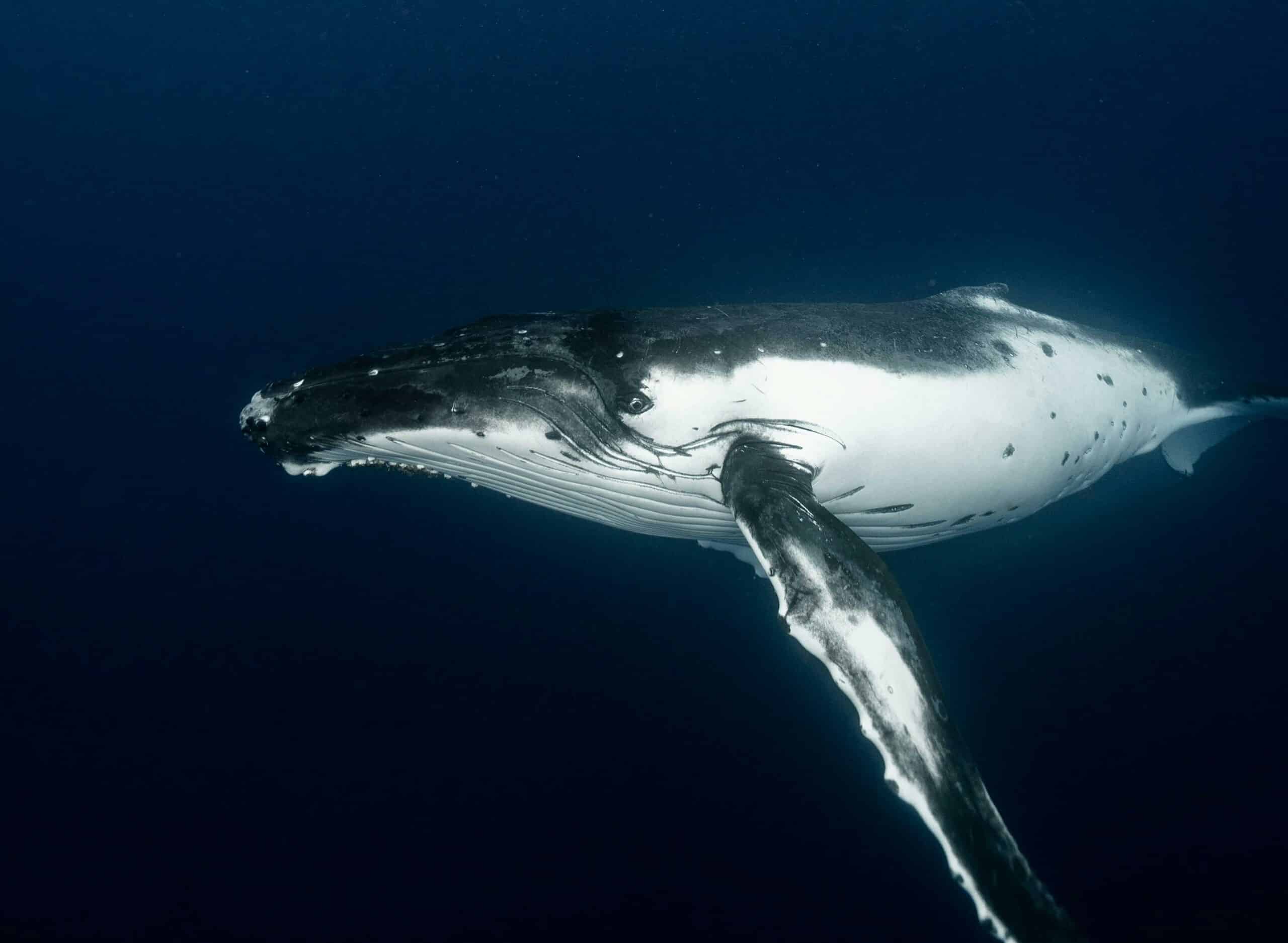
The intense competition and low reproductive success rates reflect unique evolutionary pressures on humpback males.
Why Some Males Succeed

While the study couldn’t pinpoint exact reasons, some males were 3.5 times more likely to sire offspring, hinting at key advantageous traits.
What This Means for Conservation

Understanding humpback whale reproduction is critical for preserving these incredible creatures and ensuring sustainable populations.

For any feedback please message Feedback@animalsaroundtheglobe.com
- WATCH: Orca Sucker Punch Dolphin Out of the Water - July 18, 2026
- Girlfriend Insists Her Man Gets Rid Of His Cat But He Leaves Her Speechless - July 18, 2026
- Watch: River Otter Run and Slide over Frozen Lake for Over a Mile - July 17, 2026