

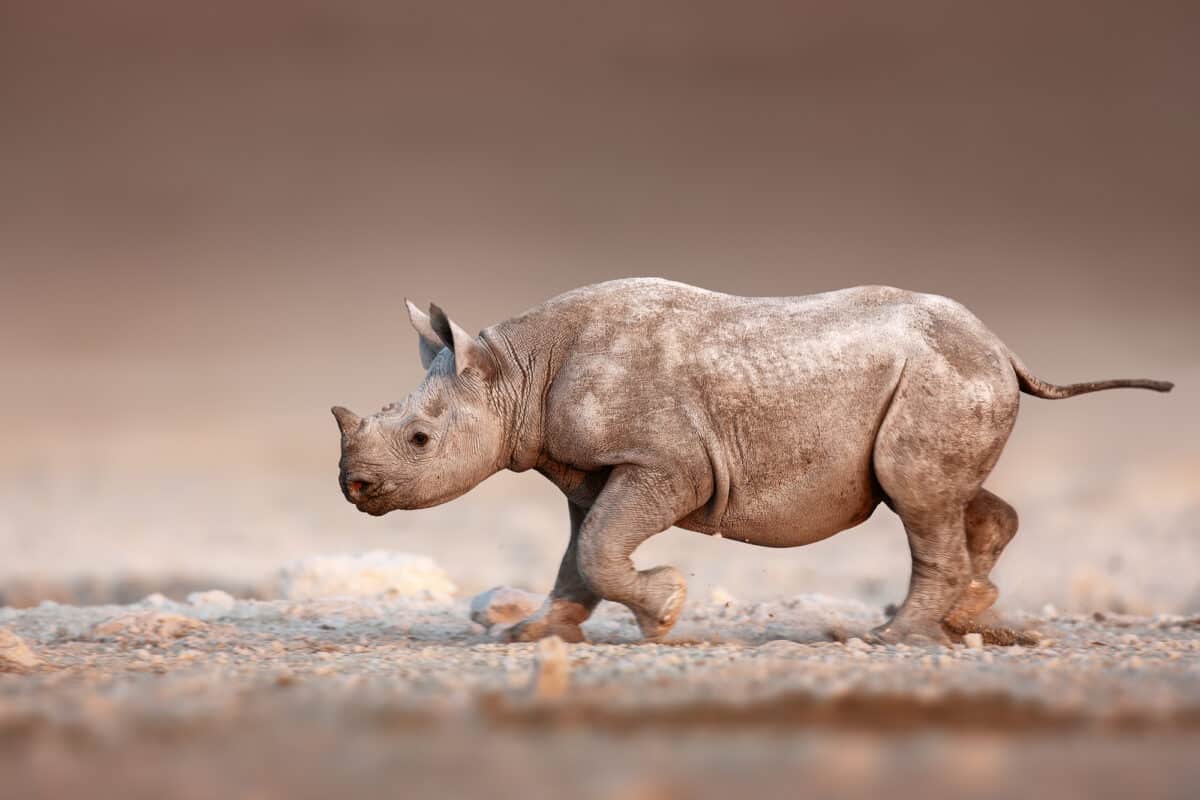
The past decade has witnessed remarkable strides in wildlife conservation efforts worldwide, offering glimmers of hope amid growing environmental challenges. From the brink of extinction, several species have rebounded thanks to dedicated conservation initiatives, innovative technologies, and increased global awareness.
These conservation milestones demonstrate what humanity can achieve when science, policy, community engagement, and international cooperation align toward a common goal of protecting our planet’s biodiversity. This article explores significant recent achievements in wildlife conservation, highlighting success stories that inspire continued commitment to preserving Earth’s precious wildlife heritage for future generations.
The California Condor’s Remarkable Recovery

The California condor’s journey back from near extinction represents one of conservation’s most inspiring success stories. In 1982, only 22 California condors remained in the wild, prompting an emergency captive breeding program. Today, thanks to decades of intensive conservation efforts, over 500 condors exist, with more than half flying free in California, Arizona, Utah, and Baja California.
The U.S. Fish and Wildlife Service reported that 2021 marked the first year that wild-born condors outnumbered captive-released birds, signaling a crucial milestone in the species’ recovery. Conservation teams continue to address threats like lead poisoning from ammunition, but the condor’s gradual return demonstrates how dedicated long-term conservation programs can reverse seemingly hopeless situations for critically endangered species.
Rewilding Success in European Ecosystems

Europe’s rewilding movement has gained significant momentum, bringing back species and restoring ecological processes across the continent. The European bison, once extinct in the wild, now roams in herds across countries including Poland, Romania, and Bulgaria, with population numbers exceeding 7,000 individuals.
Wolves have naturally recolonized regions of Germany, France, and the Netherlands after decades of absence. In Spain’s Iberian Peninsula, the Iberian lynx population has tripled since 2002, growing from fewer than 100 individuals to over 1,100 in 2021. These successes stem from habitat protection, wildlife corridors, reduced hunting pressure, and shifting public attitudes that increasingly value coexistence with wildlife. The Rewilding Europe initiative continues to expand, with ambitious projects restoring natural processes across 10 large landscapes from Lapland to the Danube Delta.
Tiger Conservation Gains in Nepal and India
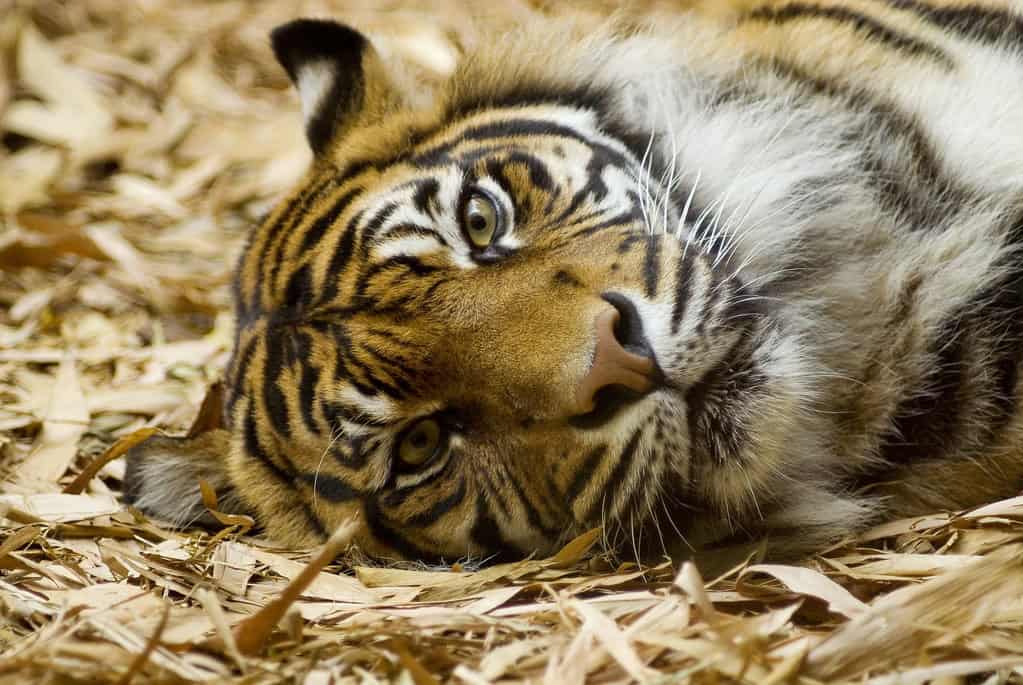
Nepal and India have achieved remarkable success in tiger conservation, offering hope for this iconic big cat. Nepal made history by nearly tripling its wild tiger population from 121 in 2009 to 355 in 2022, becoming the first country to achieve such growth. India reported a 33% increase in tiger numbers between 2014 and 2022, now hosting over 3,000 wild tigers—approximately 75% of the global population.
These achievements stem from comprehensive approaches including strict anti-poaching measures, community involvement, habitat corridor protection, and innovative monitoring technologies. The collaborative initiative between governments, conservation organizations, and local communities demonstrates how coordinated efforts can reverse declining population trends for highly threatened species. Conservation authorities are now focusing on managing human-tiger conflict as populations grow, while working to ensure these gains can be sustained long-term.
Marine Protected Areas Expansion

The global network of Marine Protected Areas (MPAs) has expanded significantly, providing crucial safeguards for ocean ecosystems. Between 2020 and 2023, the total ocean area under protection grew from 7.4% to nearly 8.2%, covering over 29 million square kilometers. Particularly noteworthy was the 2021 establishment of the North Atlantic Current and Evlanov Seamount Marine Protected Area, safeguarding 634,000 square kilometers of critical seabird feeding grounds.
The Seychelles completed its ambitious marine spatial planning initiative, protecting 30% of its territorial waters—an area larger than Germany. Evidence from established MPAs demonstrates their effectiveness: fish biomass in well-managed reserves averages 670% higher than in unprotected areas, with spillover benefits to surrounding waters. Scientific studies confirm that no-take marine reserves provide climate resilience benefits, with protected coral reefs showing 14% higher recovery rates following bleaching events compared to unprotected areas.
Technology Revolution in Anti-Poaching

Technological innovations have revolutionized anti-poaching efforts, providing new tools to combat wildlife crime. Real-time monitoring systems using AI-powered cameras, acoustic sensors, and satellite tracking have transformed protected area management. In South Africa’s Kruger National Park, the integration of thermal cameras, predictive analytics, and drone surveillance contributed to a 76% reduction in rhino poaching between 2017 and 2022.
The SMART (Spatial Monitoring and Reporting Tool) conservation software, now deployed in over 1,000 protected areas across 70 countries, has improved ranger efficiency and accountability while helping managers allocate resources strategically. DNA forensics has strengthened wildlife crime prosecution, with specialized labs now able to identify species, geographic origin, and even individual animals from confiscated products. The Earth Ranger system, developed by Vulcan Inc. and deployed across multiple African countries, aggregates data from various field sensors to provide protected area managers with comprehensive situational awareness, demonstrating how technology partnerships can enhance conservation effectiveness.
Mountain Gorilla Population Milestone
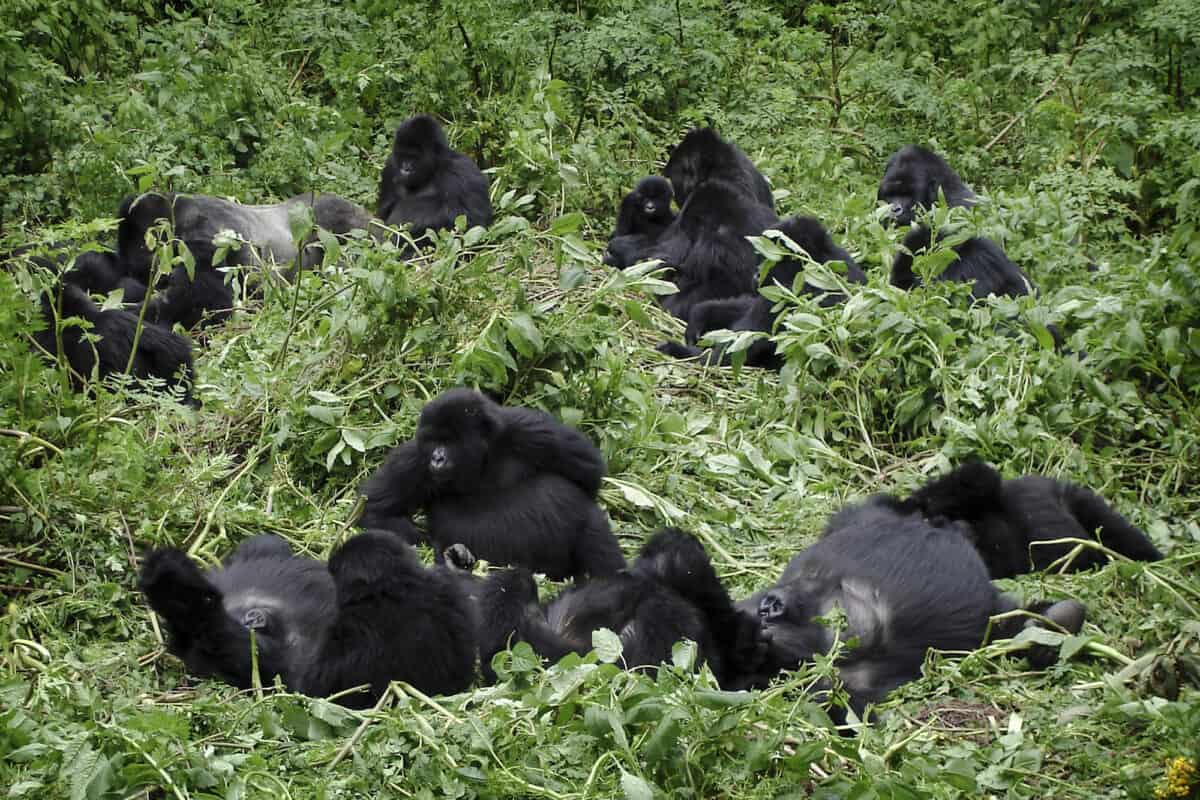
Mountain gorillas have reached a significant conservation milestone after decades of intensive protection efforts. The 2018 census confirmed more than 1,000 individuals exist in the wild—a remarkable achievement for a subspecies that once teetered on the edge of extinction with fewer than 250 animals in the 1980s. The 2022 Virunga Massif survey showed continued growth, with numbers reaching approximately 1,063 in that region alone.
This recovery stems from “extreme conservation” methods including daily monitoring of gorilla families, veterinary interventions, community engagement, and coordinated transboundary management between Rwanda, Uganda, and the Democratic Republic of Congo. Tourism centered on gorilla viewing generates substantial revenue, creating economic incentives for conservation and providing alternative livelihoods for local communities. The International Gorilla Conservation Programme has helped develop benefit-sharing mechanisms ensuring tourism revenue supports both conservation efforts and community development, demonstrating how wildlife protection can align with human prosperity.
Coral Reef Restoration Breakthroughs
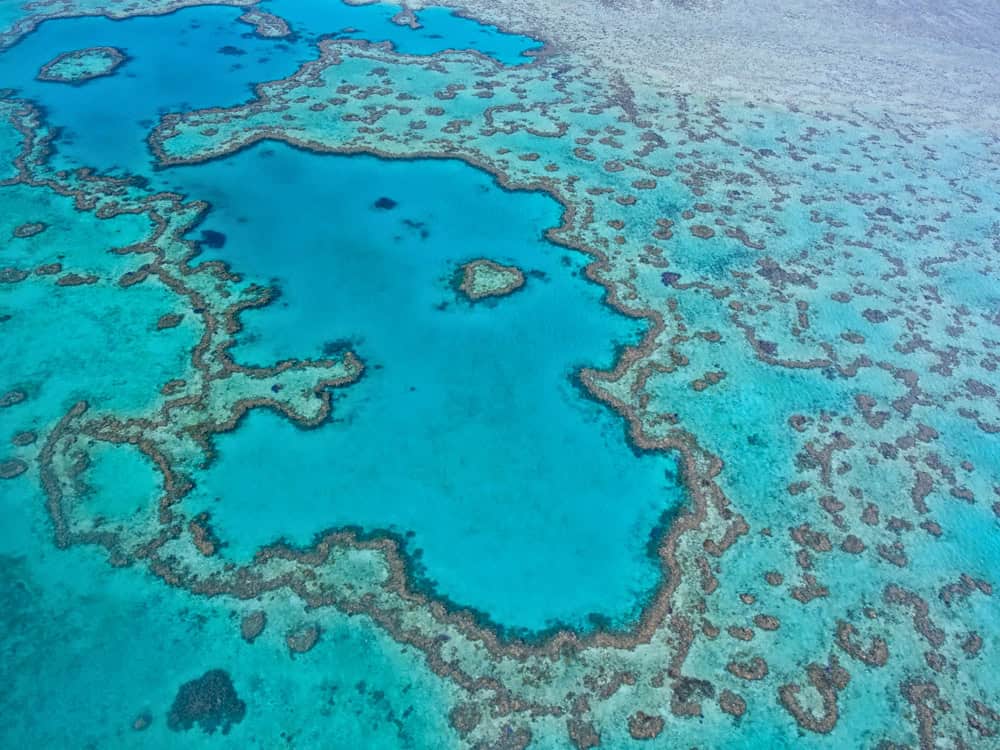
Recent breakthroughs in coral reef restoration techniques are offering new hope for these threatened marine ecosystems. The development of coral “nurseries” has revolutionized restoration efforts, with projects in Florida and the Caribbean successfully rearing and transplanting over 150,000 corals annually. Scientists at Australia’s Great Barrier Reef have pioneered “assisted evolution” approaches, selectively breeding corals for heat tolerance and developing probiotics that enhance coral resilience to warming waters.
In 2022, researchers demonstrated successful sexual reproduction of lab-cultivated corals on reef sites, a crucial breakthrough for genetic diversity in restored populations. Community-based restoration efforts in Indonesia have successfully restored over 25 hectares of damaged reef using simple, low-cost techniques that can be implemented by local fishers. The innovative “Reef Stars” system, involving coated steel structures placed on degraded reef areas, has shown 64% coral coverage after three years in Indonesia’s Sulawesi region, compared to just 10% in untreated control areas. These approaches are now being scaled up and adapted for different regions, providing new tools to combat coral decline.
Indigenous Conservation Leadership

Indigenous leadership in conservation has gained unprecedented recognition and support, yielding significant ecological benefits. Studies consistently demonstrate that Indigenous-managed lands maintain higher biodiversity and carbon storage than many conventional protected areas. The 2022 establishment of Thaidene Nëné National Park Reserve in Canada’s Northwest Territories, co-managed by the Łutsël K’é Dene First Nation and the Canadian government, protects 14,000 square kilometers of boreal forest and tundra. Australia’s Indigenous Protected Areas now cover over 85 million hectares—more than 47% of the country’s National Reserve System—combining traditional knowledge with contemporary conservation science.
In the Amazon, Indigenous territories have consistently shown deforestation rates 50-80% lower than surrounding areas, highlighting their effectiveness as conservation strategies. The emergence of Indigenous Guardians programs in countries including Brazil, Colombia, and Canada has created formal roles for community members as stewards and monitors of ancestral territories. International conservation organizations are increasingly adopting rights-based approaches that recognize Indigenous peoples’ authority over traditional territories while supporting their conservation initiatives.
Bald Eagle’s Remarkable Comeback
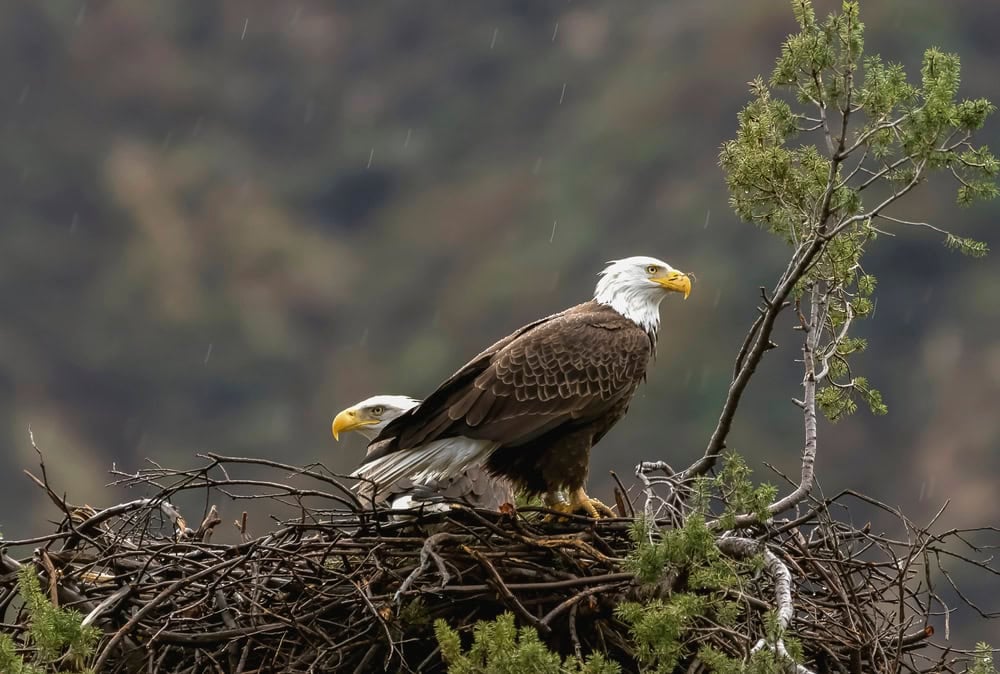
The American bald eagle represents one of North America’s most dramatic conservation successes, transitioning from endangered status to abundance. Recent surveys estimate the continental United States now hosts over 316,000 bald eagles, a more than fourfold increase since 2009 when the population was estimated at 72,000. This remarkable recovery stems from the 1972 ban on DDT pesticides, which had caused catastrophic eggshell thinning, combined with decades of strict protection under the Endangered Species Act and habitat conservation efforts.
The bald eagle was officially delisted in 2007, and monitoring shows populations continue to expand into new territories. Eagles have now recolonized watersheds in all 48 contiguous states, including urban areas previously considered unsuitable. The species’ recovery demonstrates how effective policy interventions coupled with public support can reverse severe wildlife declines. Conservation authorities now face new management challenges as eagle populations expand into human-dominated landscapes, but public enthusiasm for these majestic birds continues to drive conservation support.
Pangolin Protection Progress
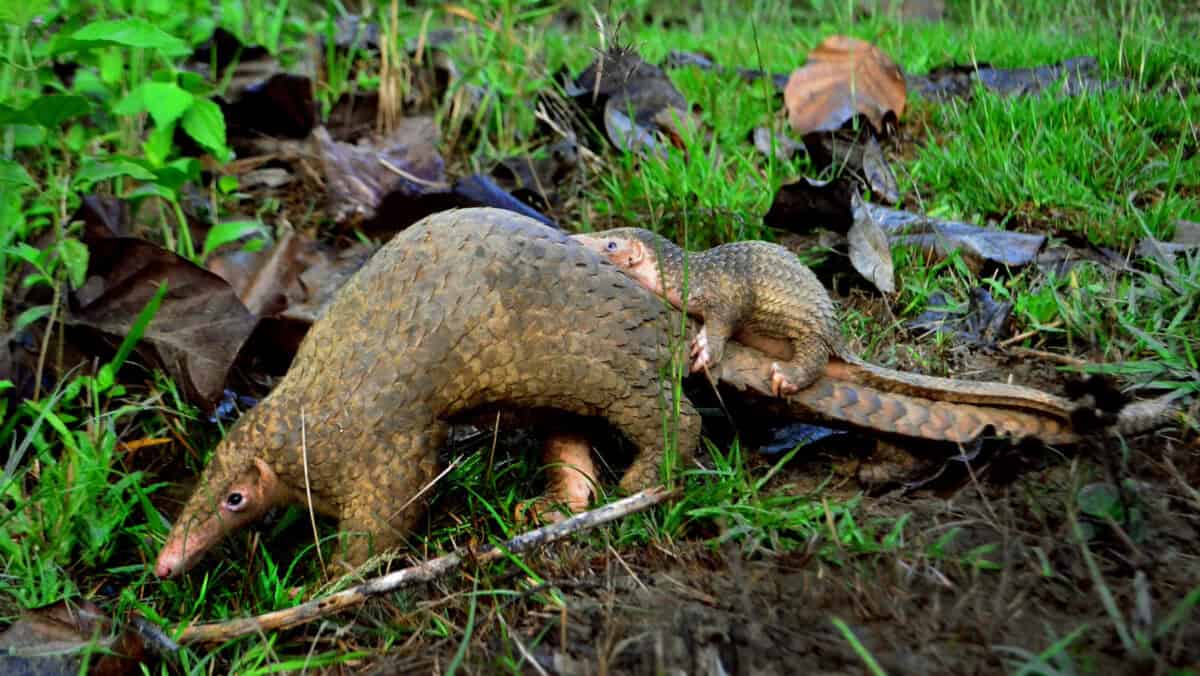
Conservation efforts for pangolins, the world’s most trafficked mammals, have gained significant momentum in recent years. China elevated all pangolin species to the highest protection level in 2020 and removed pangolin scales from its official list of approved traditional medicine ingredients—a move that reduced market demand by an estimated 80% according to monitoring reports. Vietnam strengthened its wildlife protection laws with penalties of up to 15 years imprisonment for pangolin trafficking, leading to multiple high-profile prosecutions.
Advanced detection methods at ports have improved enforcement, with specialized dogs trained to detect pangolin scales intercepting shipments worth millions of dollars. Community-based conservation programs in countries including the Philippines, Zimbabwe, and Uganda are developing alternative livelihood options for rural residents while engaging them as pangolin monitors and protectors. The scientific understanding of pangolin ecology has advanced substantially, with researchers successfully developing husbandry protocols leading to the first captive breeding programs showing consistent reproduction—crucial knowledge for potential reintroduction efforts. While pangolins remain highly endangered, these coordinated actions have improved their protection outlook significantly.
Amphibian Conservation Breakthroughs
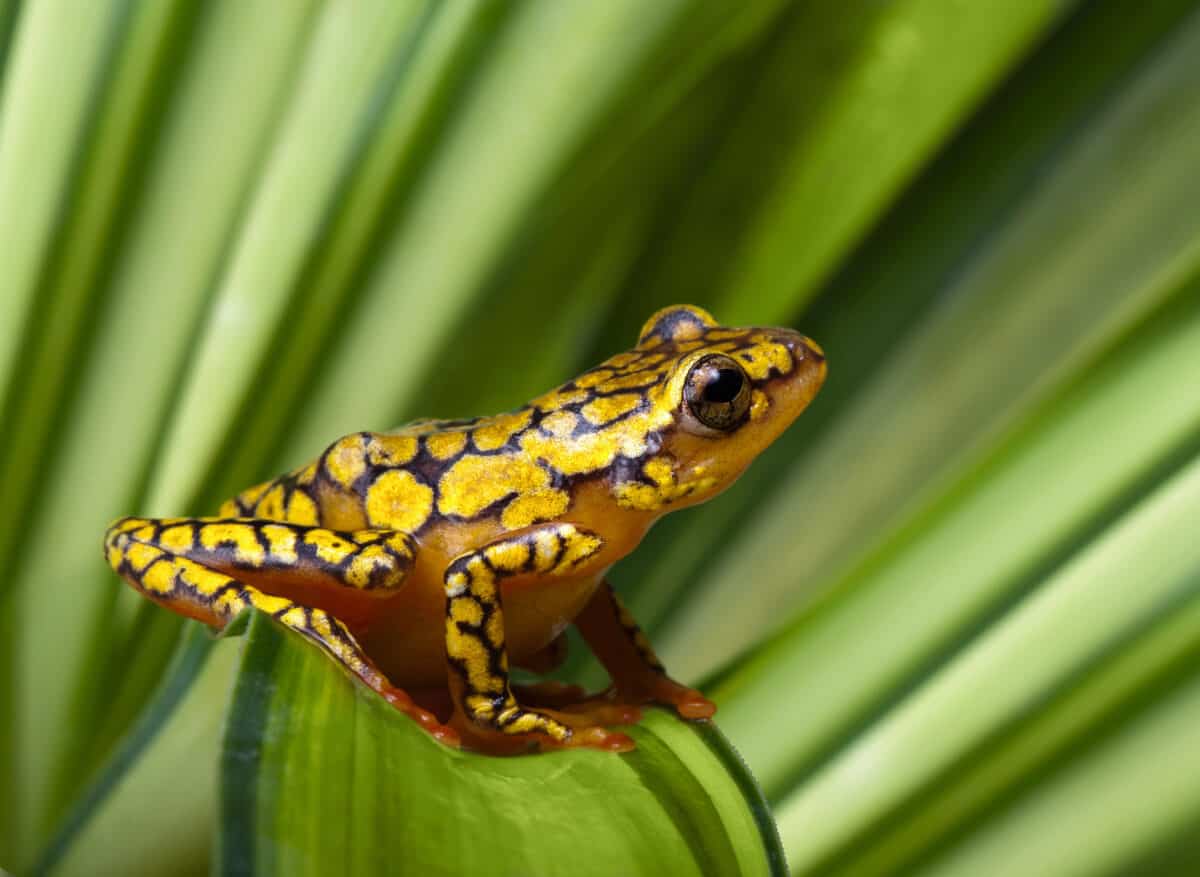
Recent breakthroughs in amphibian conservation address the global amphibian extinction crisis, where nearly 41% of species face extinction threats. Scientists successfully developed treatments for chytridiomycosis, the fungal disease devastating amphibian populations worldwide. Probiotic therapies involving beneficial bacteria applied to amphibian skin have shown 39% higher survival rates in treated populations of endangered frogs in Panama. The Amphibian Ark program has established over 120 assurance colonies of the most threatened species, preventing immediate extinctions while habitat and disease challenges are addressed.
In a remarkable success, the variable harlequin frog (Atelopus varius), believed extinct in Costa Rica for over 30 years, was successfully bred in captivity and reintroduced to protected habitats in 2021. Community watershed protection initiatives in Ecuador’s Andean region have preserved critical habitat for 15 endangered frog species while improving water security for local residents. Innovative monitoring techniques using environmental DNA (eDNA) have revolutionized amphibian surveys, allowing researchers to detect rare species from water samples without directly observing the animals, greatly improving conservation planning capabilities.
International Policy Achievements
Recent international policy developments have strengthened the global framework for wildlife conservation. The 2022 United Nations Biodiversity Conference (COP15) in Montreal achieved a landmark agreement on the Kunming-Montreal Global Biodiversity Framework, committing nations to protect 30% of Earth’s lands and waters by 2030—known as the “30×30” target. The agreement includes mechanisms for financing conservation in biodiversity-rich developing nations and requirements for regular progress reporting.
The 2022 Convention on International Trade in Endangered Species (CITES) conference provided new protections for 500+ species, including strengthened safeguards for sharks, glass frogs, and numerous turtle species. The 2023 High Seas Treaty, after decades of negotiation, established a legal framework for creating marine protected areas in international waters beyond national jurisdictions—covering nearly two-thirds of the ocean. Regional agreements have shown immediate effects: the 2021 Central African Forest Initiative (CAFI) agreement provided $500 million to protect Congo Basin forests, resulting in measurable reductions in deforestation rates within the first year. These international commitments, though requiring vigilant implementation monitoring, create essential frameworks for coordinated conservation action.
Conclusion: Building on Conservation Momentum

The conservation achievements highlighted throughout this article demonstrate that determined, science-based action can reverse wildlife declines even in seemingly hopeless situations. These success stories share common elements: long-term commitment, collaboration across borders and sectors, community involvement, adequate funding, and adaptive management approaches informed by monitoring data. While celebrating these milestones, we must acknowledge that global biodiversity continues to decline overall, with climate change, habitat loss, and exploitation threatening countless species.
Conservation success remains fragile—requiring sustained effort to maintain gains and scale solutions to match the magnitude of the challenges. Nevertheless, recent achievements provide crucial proof that extinction is not inevitable when we combine political will, scientific knowledge, technological innovation, and public support. By learning from these conservation milestones and building on their momentum, we can envision a future where humanity lives in harmony with thriving, resilient wildlife populations across the planet.

From exploring the marine wonders in the Azores and witnessing the vast savannas of Kenya, to delving deep into the rich biodiversity of South Africa and traversing iconic landscapes in Australia and the US like Yellowstone, Chris's experiences are vast.
With a penchant for diving alongside sharks, the ocean holds a special place in his heart.
Through his academic insights, he champions wildlife conservation, striving with 'Animals Around The Globe' to cultivate a profound connection between humans and animals, enhancing our mutual appreciation.
Connect with him at Feedback@animalsaroundtheglobe.com.
- The Most Towering Sand Dune Ever Found in America - August 2, 2026
- Togo vs. Balto: Who Was the Real Hero of the 1925 Serum Run? - August 1, 2026
- This Animal Can Survive Being Frozen for Weeks - August 1, 2026