

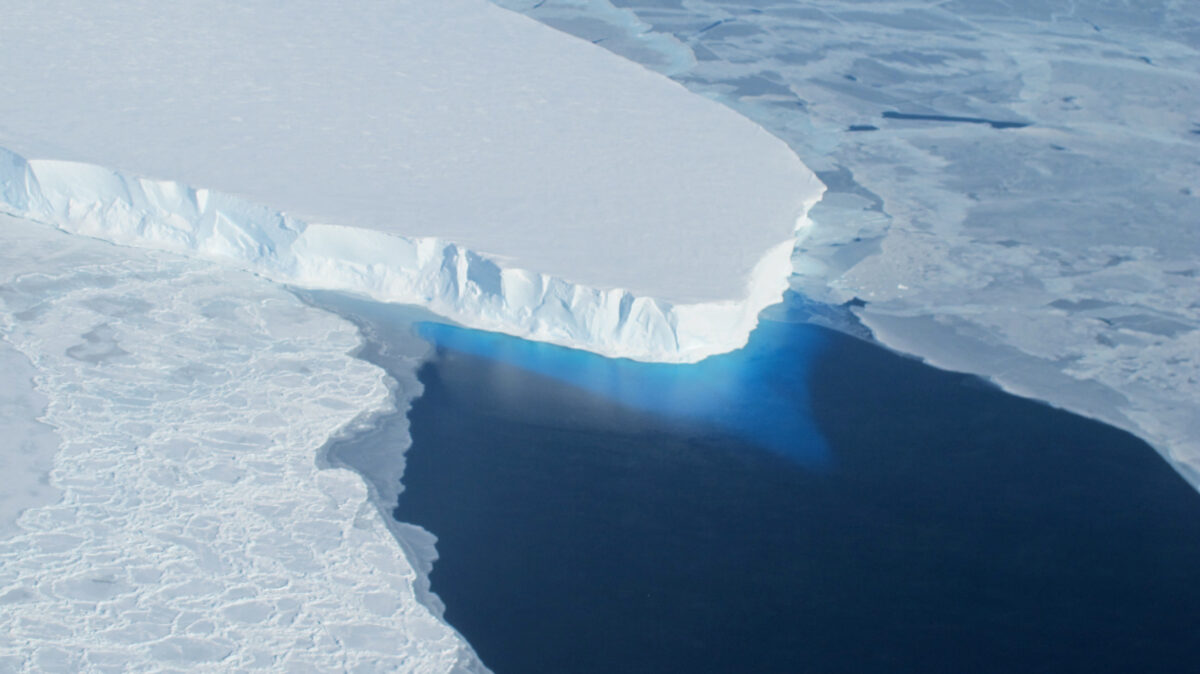
There’s something strange happening beneath one of the most dangerous glaciers on Earth. Researchers have found a hidden structure on the ocean floor near Thwaites Glacier in Antarctica, and what they’re calling an underwater “curtain” is raising urgent new questions about how fast sea levels could rise in the coming decades.
This discovery isn’t just another footnote in climate science. It’s the kind of finding that reshapes models, rewrites assumptions, and honestly, keeps glaciologists up at night. Let’s dive in.
The “Doomsday Glacier” Has a New Secret
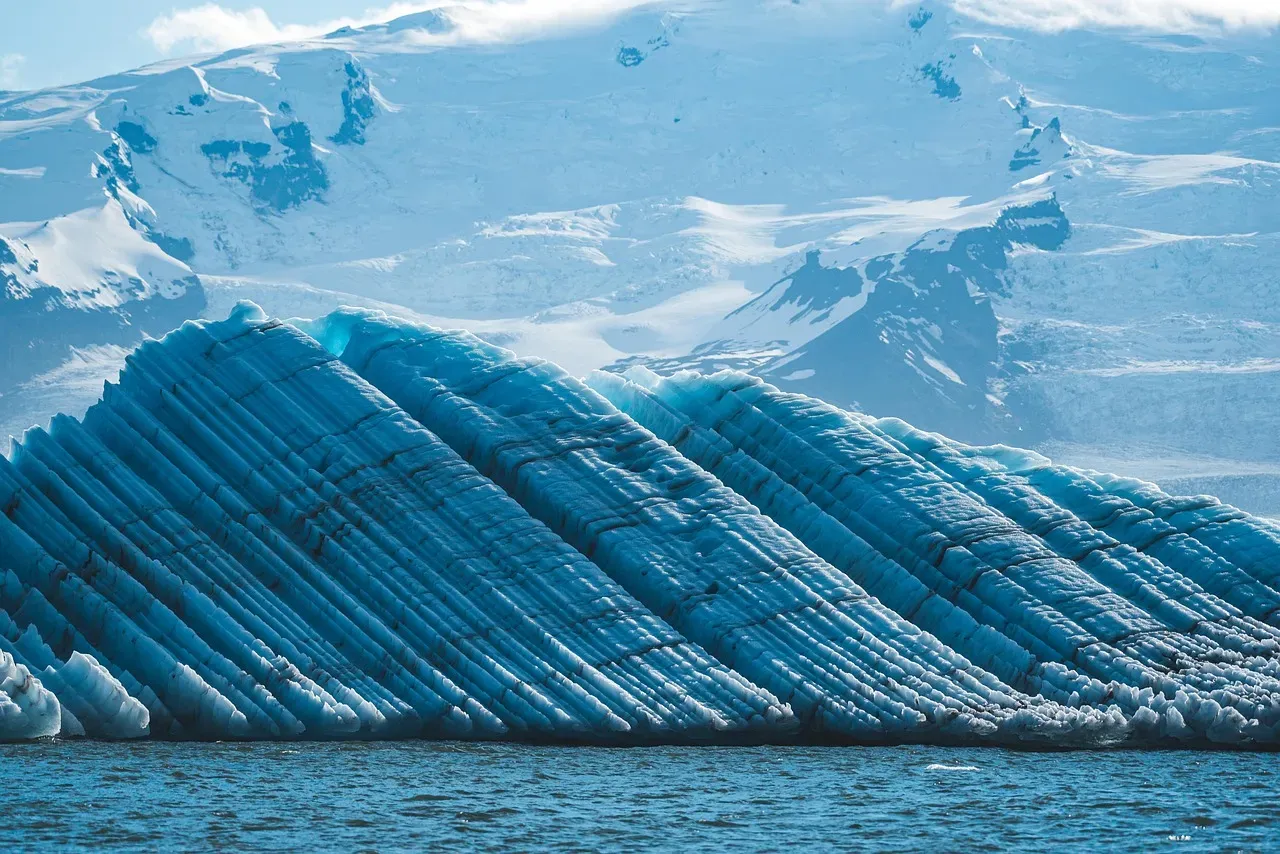
Thwaites Glacier already had a pretty alarming nickname before any of this came to light. Scientists have called it the “Doomsday Glacier” for years, and for good reason. It holds enough ice to raise global sea levels by roughly two feet on its own, and its collapse could destabilize surrounding ice sheets that would push that number far higher.
Now, researchers have identified a ridge on the seabed directly beneath the glacier that appears to act like a natural underwater curtain or barrier. This submerged ridge is holding back the flow of warm ocean water from reaching the glacier’s base, essentially slowing the melting process from below. That sounds like good news, but the story gets more complicated the deeper you look.
What Exactly Is This Underwater Ridge?
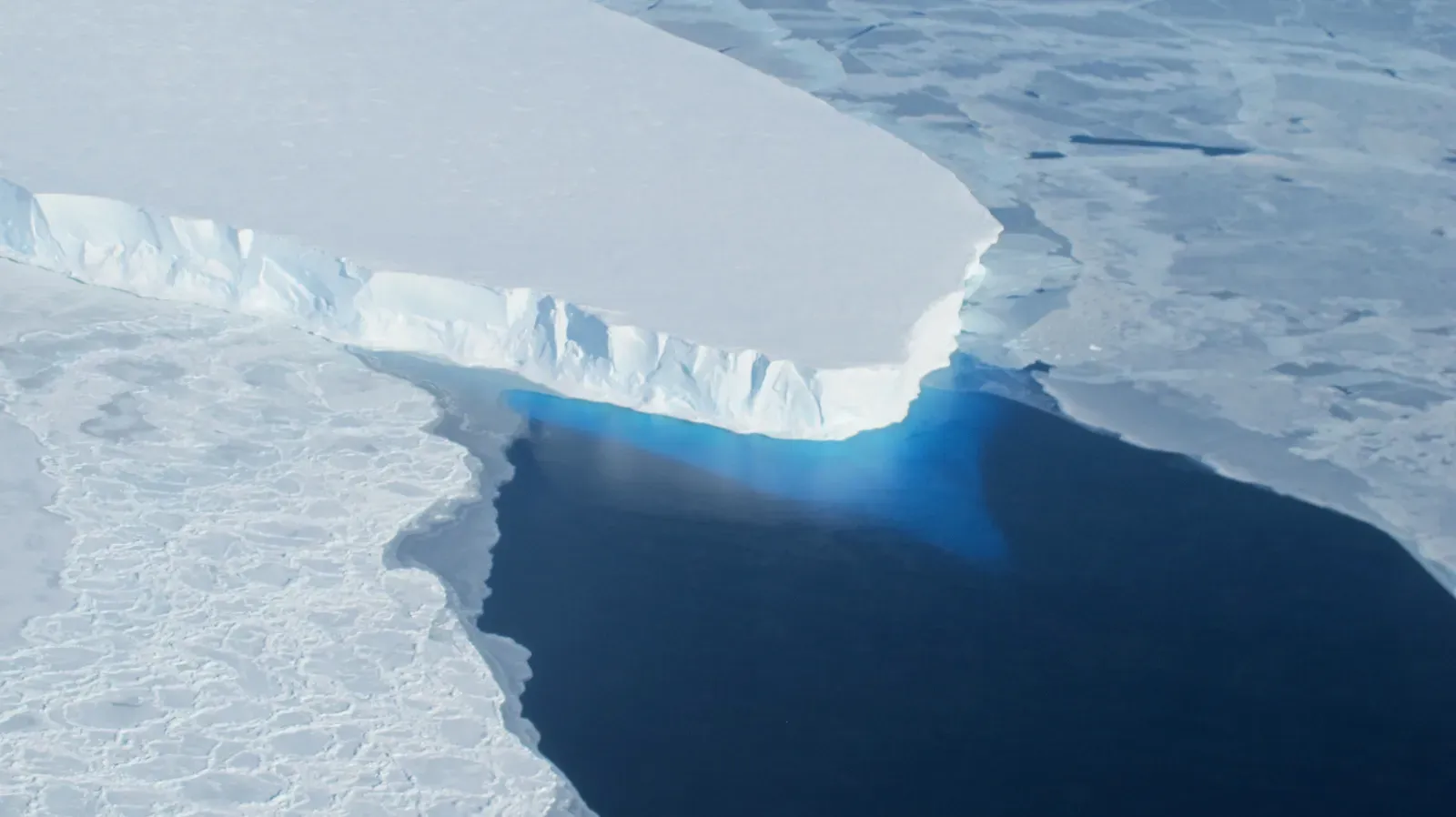
Think of it like a low wall at the bottom of a bathtub. If you place something across the floor of the tub, it slows the flow of warm water toward whatever you’re trying to protect on the other side. That’s roughly what this seabed ridge is doing beneath Thwaites, acting as a physical obstruction between the glacier’s ice shelf and the warmer Circumpolar Deep Water that circulates in the region.
The ridge was mapped using advanced seafloor imaging and sonar technology during research expeditions to one of the most remote and logistically brutal environments on the planet. Scientists didn’t stumble onto this by accident. It took years of painstaking data collection in conditions that are genuinely hostile to human presence. The level of effort involved in just getting to this data is staggering when you think about it.
How Warm Ocean Water Threatens Ice From Below
Here’s the thing most people don’t fully grasp about glacier melt. It isn’t just about warm air temperatures melting ice from the top down. A significant and often more dangerous threat comes from below, where warm ocean currents eat away at the underside of floating ice shelves. This is called basal melting, and it’s particularly nasty because it’s hidden and hard to monitor directly.
Warm water sneaks under the ice shelf and carves it away from beneath, weakening the structural integrity of the entire glacier. Once that ice shelf thins or breaks apart, it no longer acts as a natural brake on the ice behind it. The glacier can then accelerate toward the ocean much faster than surface-level warming alone would cause. This is why the seabed ridge matters so much. It’s currently blocking some of that warm water intrusion.
The Double-Edged Nature of the Discovery
At first glance, finding a natural barrier that slows glacier melt sounds like a relief. But scientists are careful not to frame this as purely good news. The ridge is doing protective work right now, yes. The bigger question is how long it can continue to do so as ocean temperatures rise and the dynamics around Thwaites continue shifting.
Honestly, it’s a bit like discovering that a dam is holding back a flood, but the dam is aging and the water level is rising. The barrier gives temporary breathing room, but it doesn’t solve the underlying problem. If conditions change and warm water finds a way around or over that ridge, the effect on Thwaites could be sudden and significant rather than gradual. That unpredictability is what makes this discovery both fascinating and unsettling at the same time.
What This Means for Sea Level Rise Projections
Understanding the role of this underwater ridge is now becoming a priority for researchers working on long-range sea level rise models. Current projections vary quite a bit depending on the assumptions baked into the models, and a feature like this seabed curtain introduces new variables that weren’t fully accounted for before.
If the ridge is providing more protection than previously understood, some models may have overestimated short-term melt rates in certain scenarios. Conversely, if scientists determine that this barrier is more fragile or temporary than hoped, it could mean that the timeline for dangerous sea level rise gets compressed. The range of outcomes tied to Thwaites is already wide. This discovery makes that range even harder to pin down with precision.
The Role of Advanced Technology in Unlocking Antarctica’s Secrets
Getting accurate data from beneath Thwaites Glacier is an extraordinary technical challenge. The Southern Ocean surrounding Antarctica is among the most dangerous waters on the planet, and the glacier itself is remote even by Antarctic standards. Researchers have relied on autonomous underwater vehicles, sophisticated sonar systems, and satellite data to build a clearer picture of what’s happening below the surface.
These technological tools are genuinely transforming what’s possible in polar science. A decade ago, mapping this kind of seafloor feature with the detail needed to understand its role in glacier dynamics would have been nearly impossible. The ability to send robotic submersibles into narrow, dangerous spaces beneath ice shelves is opening up an entirely new chapter in how we study and understand ice sheet behavior. It’s one of those rare moments where engineering breakthroughs and scientific urgency meet at exactly the right time.
Why Thwaites Continues to Command Global Attention
There’s a reason scientists from dozens of countries continue pouring resources into studying this single glacier. Thwaites is not just a regional concern. The potential consequences of its collapse are global in scale, affecting coastlines from Miami to Mumbai, from Tokyo to London. Even a partial destabilization would be enough to create serious challenges for hundreds of millions of people living in low-lying coastal areas.
The discovery of this underwater seabed ridge adds another layer of complexity to an already deeply complex system. It’s a reminder that nature often has features we haven’t yet mapped, and that our models are only as good as the data feeding them. The more we learn about Thwaites, the more we realize how much we still don’t know. And in a system this consequential, those knowledge gaps carry real-world weight.
Conclusion: A Discovery That Demands Attention
The identification of this natural underwater curtain beneath Thwaites Glacier is genuinely one of the more important glaciological findings in recent years. It doesn’t simplify the picture. If anything, it complicates it in ways that researchers are still working through. That complexity, though, is exactly what serious science looks like.
I’ll be direct: the instinct to look for silver linings here is understandable, but this discovery shouldn’t breed complacency. A natural barrier is not a solution. It’s a feature in an already fragile and accelerating system. The hard work of understanding what this ridge really means for Thwaites, and for all of us, is only just beginning.
What do you make of a natural underwater barrier being the thin line between stability and collapse? Does it change how you think about our relationship with these distant, frozen systems? Share your thoughts in the comments.

- Urban Coyotes Show Remarkable Adaptability, Learning to Thrive in City Environments - July 22, 2026
- Beavers Are Nature’s Engineers, Creating Vital Habitats for Other Wildlife Species - July 21, 2026
- The Recovery of the California Condor Offers Hope for Other Critically Endangered Birds - July 21, 2026