


In the realm of scientific discovery, the ocean remains one of the final frontiers. It is a vast, mysterious expanse that holds more secrets than we currently understand. Recently, scientists have uncovered one of these secrets—the discovery of the deepest-dwelling fish on Earth. This stunning find not only sheds light on the astonishing adaptability of life in extreme environments but also reshapes our understanding of the depths of the sea. Join us as we dive into the fascinating world of the deep ocean and uncover the details of this remarkable discovery.
The Record-Breaking Discovery
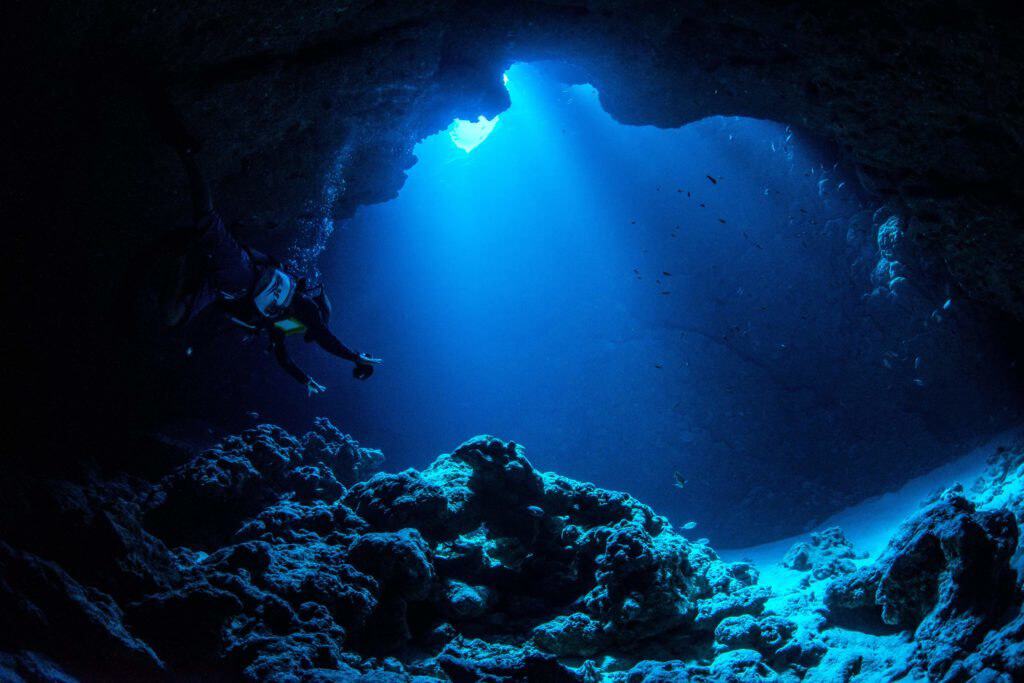
In one of the most exciting marine biology discoveries to date, researchers have located a fish species at the deepest point ever recorded. This discovery was made during an expedition in the Mariana Trench, the deepest part of the world’s oceans. The species, a snailfish, was captured on film at an astounding depth, highlighting its incredible ability to thrive in one of the harshest environments on Earth.
Exploring the Mariana Trench

The Mariana Trench is located in the western Pacific Ocean and is renowned for its daunting depth. It stretches nearly 36,000 feet below the surface, far deeper than Mount Everest is tall. This trench is characterized by extreme pressures and temperatures, making it an inhospitable place for most forms of life. The discovery of the snailfish at such depths provides a unique glimpse into the resilience of life in these extreme conditions.
Meet the Snailfish

Snailfish belong to the family Liparidae and are known for their gelatinous bodies that allow them to endure high-pressure environments. The newly discovered species, observed in the Mariana Trench, pushes the boundaries of what scientists believed possible in terms of adaptation to extreme depths. Their discovery at such record-breaking depths emphasizes the incredible diversity of life and its ability to adapt to the most unlikely of habitats.
Adaptations to Extreme Pressure

The enormous pressure in the ocean’s depths poses a significant challenge to organisms. To survive in the Mariana Trench, snailfish have developed specialized physiological features. Their bodies are soft and flexible, preventing them from being crushed by the intense pressure. Furthermore, their cells contain unique proteins that help stabilize their membranes and prevent them from collapsing under pressure.
Surviving in Darkness

The darkness of the deep ocean is almost absolute, with sunlight unable to penetrate such depths. Snailfish, like many other deep-sea creatures, have adapted to this lack of light. Their sensory adaptations, including heightened sensitivity to pressure changes and movements, help them navigate and survive in this pitch-black world, where sight is of little use.
Feeding in the Deep Ocean

Food is scarce in the deep ocean, and organisms must adapt to find sustenance. Snailfish have developed a highly specialized diet, relying on small invertebrates and other organic materials that drift down from above. Their unique feeding mechanisms allow them to capitalize on scarce resources, underlining their remarkable survival skills.
The Importance of Preservation

The discovery of this deep-dwelling fish species highlights the importance of preserving our oceans. The depths of the sea are home to unique ecosystems that provide a wealth of knowledge and resources. Protecting these environments ensures that they can continue to be studied and appreciated by future generations, revealing the secrets they hold.
Implications for Future Research

This groundbreaking discovery opens the door for further research into the biology and ecology of deep-sea creatures. Understanding how these organisms have adapted could provide valuable insights into biotechnology and medicine. The study of these extremophiles might lead to developments in pharmaceuticals and other areas that hinge on understanding life in extreme conditions.
The Role of Technology in Ocean Exploration

The success of this discovery can be attributed to advancements in technology that have allowed researchers to explore previously inaccessible depths. Innovative submersibles, advanced robotics, and remote-operated vehicles are increasingly crucial in unlocking the mysteries of the ocean floor. These technologies have expanded the horizon of what’s possible in oceanographic research.
Challenges of Deep-Sea Exploration
Exploring the deep ocean is fraught with challenges, from overcoming high pressures to navigating through extreme darkness. Communicating findings in such remote locations also poses difficulties. Despite these obstacles, scientists continue to push boundaries, driven by the intrigue of what the ocean depths might reveal.
The Mystery of Unseen Life
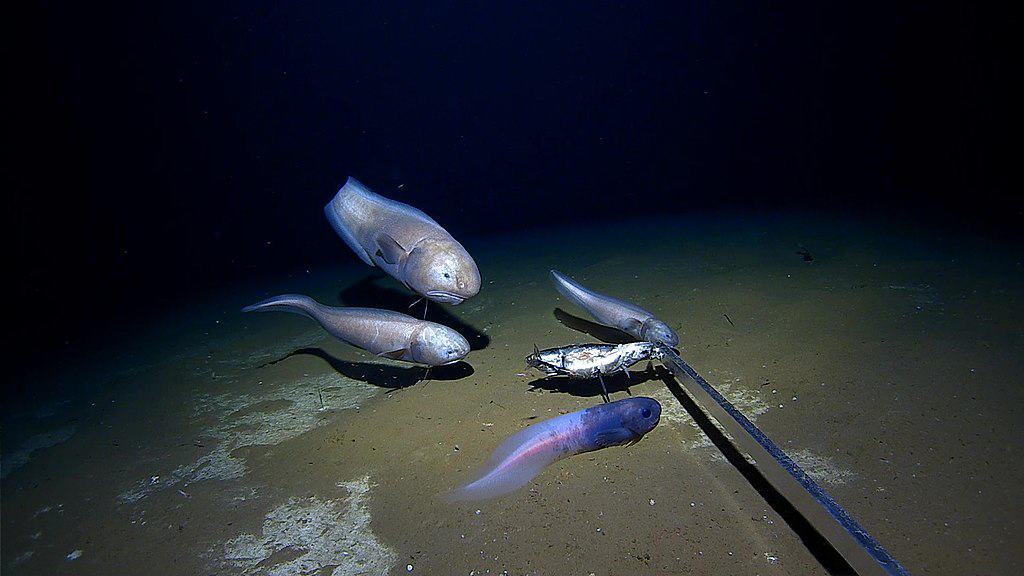
The ocean is teeming with life forms that remain unseen and unstudied. Each new discovery emphasizes how much we have yet to learn about our planet. The Mariana Trench snailfish is a testament to the rich biodiversity that lies beneath the surface, encouraging scientists to continue uncovering the mysteries of the deep.
Conclusion: The Ever-Expanding Frontier

The discovery of the deepest-dwelling fish on Earth is more than just a scientific achievement; it is a profound reminder of the resilience of life and the endless possibilities of exploration. As we continue to delve into the hidden depths of our oceans, each new discovery enriches our understanding of the natural world, reminding us of the infinite wonders that await beneath the waves. The challenges are great, but the rewards—the unveiling of our planet’s most incredible secrets—are greater still.

From exploring the marine wonders in the Azores and witnessing the vast savannas of Kenya, to delving deep into the rich biodiversity of South Africa and traversing iconic landscapes in Australia and the US like Yellowstone, Chris's experiences are vast.
With a penchant for diving alongside sharks, the ocean holds a special place in his heart.
Through his academic insights, he champions wildlife conservation, striving with 'Animals Around The Globe' to cultivate a profound connection between humans and animals, enhancing our mutual appreciation.
Connect with him at Feedback@animalsaroundtheglobe.com.
- This Turtle Can Breathe Through Its Butt - July 19, 2026
- The Great Lakes Are Now Home to Tropical Fish — Here’s Why - July 19, 2026
- Red Pandas Use Their Tails Like Blankets - July 19, 2026