
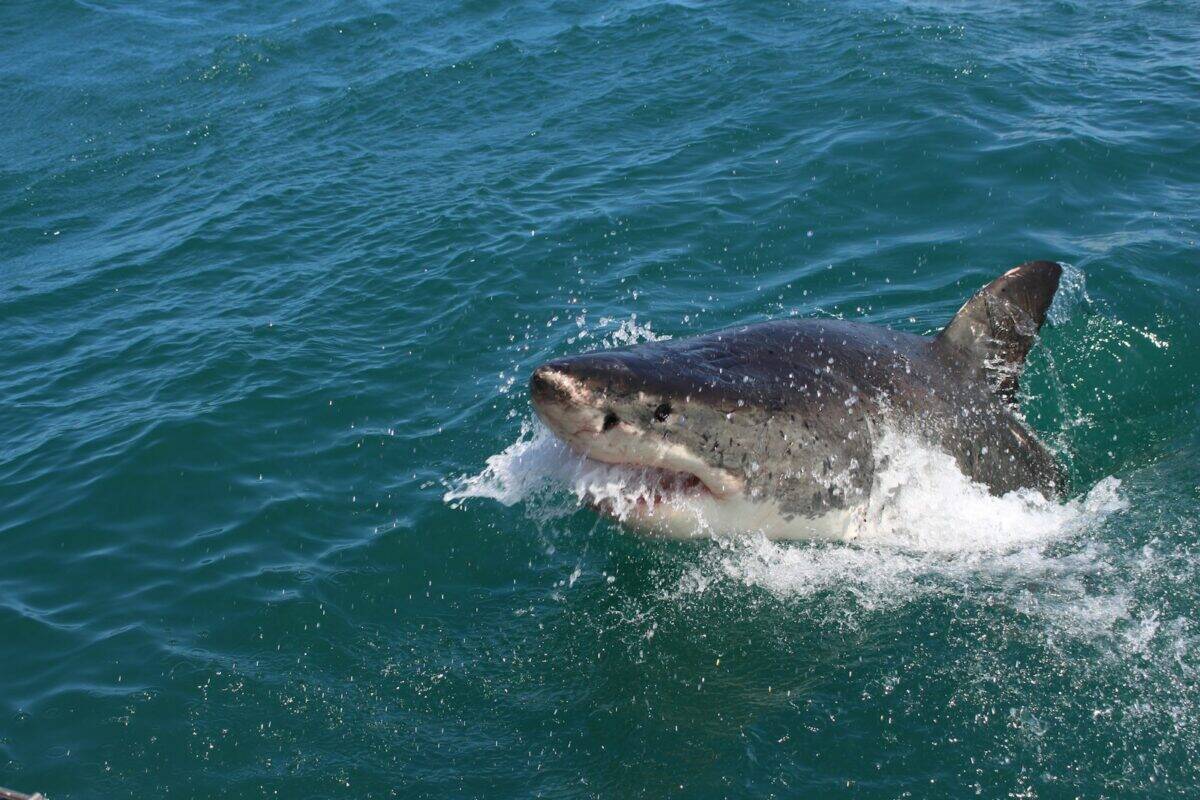
Sharks have long fascinated and terrified people in equal measure. These apex predators of the ocean are often portrayed as ruthless killers in the media. However, the reality is far more nuanced. This article delves into the complex relationship between humans and sharks, exploring whether these marine creatures should be feared by us or if they are the ones who truly have more to fear.
The Myth of the Man-Eater

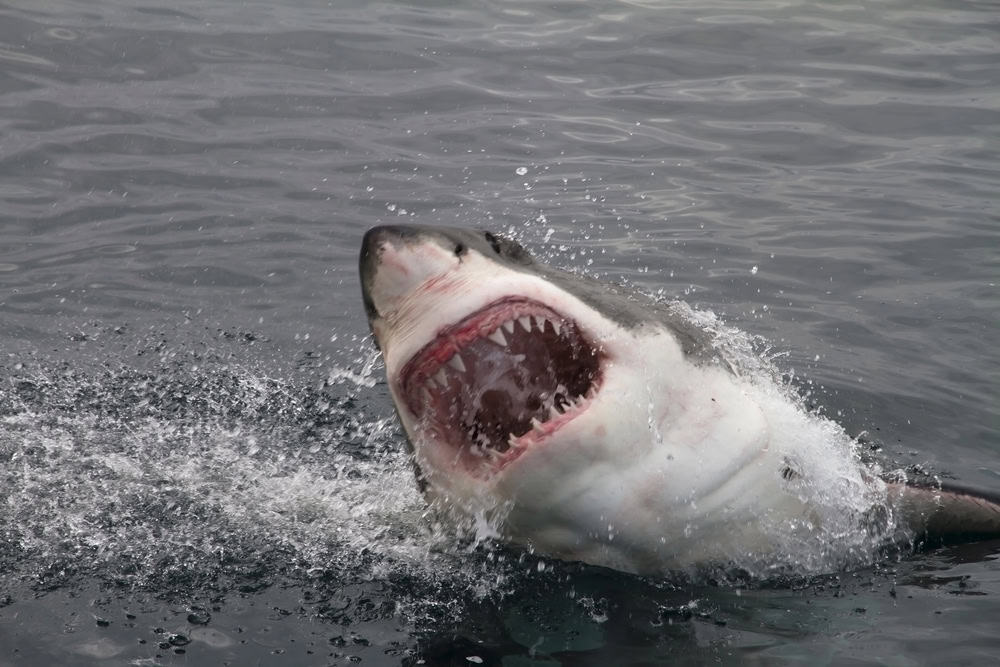
Hollywood has perpetuated the image of sharks as man-eaters primarily through sensational movies like “Jaws.” These portrayals often depict sharks as hunting humans with a penchant for bloodlust. However, scientific evidence indicates that sharks rarely attack humans, and when they do, it is often a case of mistaken identity. Annually, less than ten human fatalities are attributed to shark attacks worldwide, underscoring how unlikely these incidents truly are.
Understanding Shark Behavior

Sharks are generally more curious than aggressive when it comes to encounters with humans. They rely on their keen senses to explore and understand their environment. Oftentimes, a bite might be an investigative act rather than a predatory one. Sharks use their mouths to gather sensory information, and many times they release humans after a single exploratory bite.
The Species at Risk

Out of the 540 known shark species, only a handful are considered dangerous to humans. The great white, tiger shark, and bull shark are among the few that have been involved in unprovoked attacks. Most other species are either too small to cause harm or inhabit depths far from human interaction.
Human Impact on Shark Populations

Human activities present a more significant threat to sharks than vice versa. Overfishing, bycatch, habitat destruction, and the demand for shark fin soup have severely depleted shark populations. An estimated 100 million sharks are killed annually, pushing many species to the brink of extinction.
Sharks’ Role in Marine Ecosystems

Sharks play a crucial role in maintaining the health of marine ecosystems. As apex predators, they help regulate the populations of other marine species, ensuring ecological balance. The decline of shark populations can lead to the overpopulation of certain fish species, which could have detrimental effects on coral reefs and seagrasses.
Conservation Efforts and Challenges

Global initiatives have been undertaken to protect sharks, including marine protected areas and international treaties like the Convention on International Trade in Endangered Species (CITES). Despite these efforts, enforcement remains challenging due to illegal fishing practices and insufficient resources in many regions.
Innovations in Shark Research
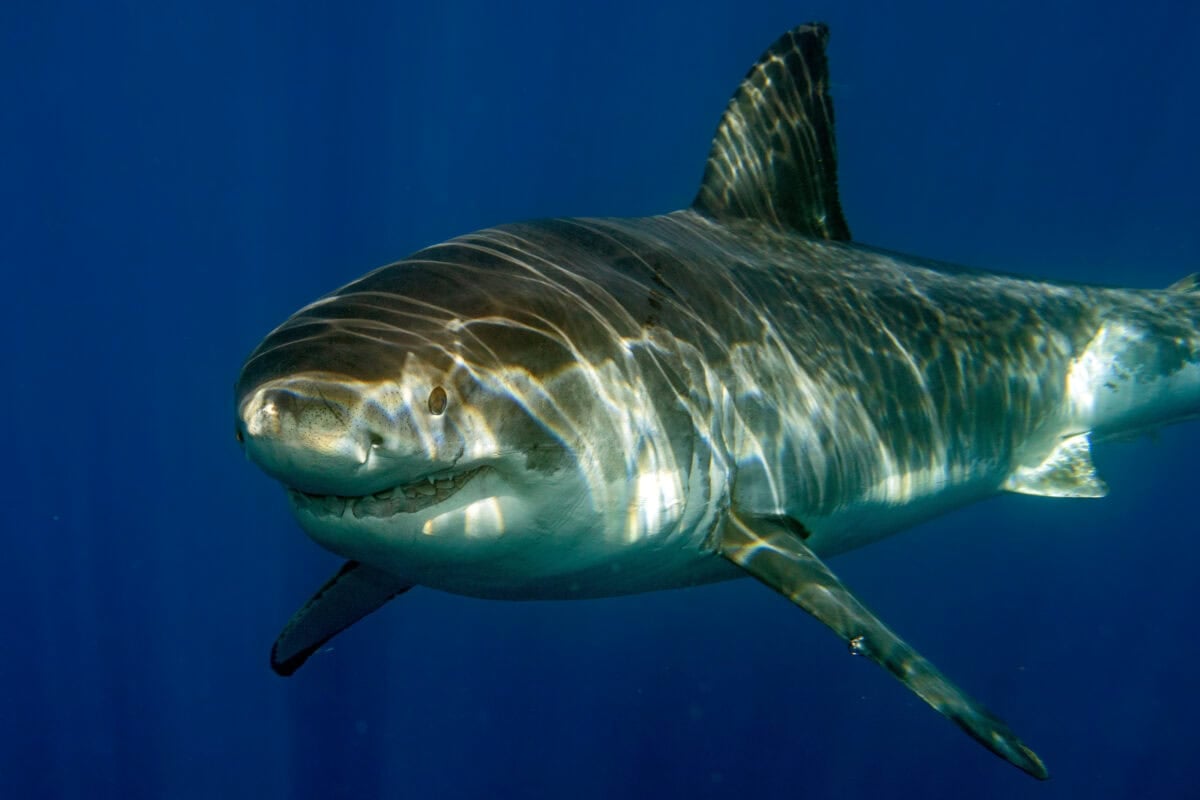
Advancements in technology have greatly enhanced our understanding of sharks. Researchers now use satellite tags and DNA analysis to track shark migrations, understand their breeding habits, and assess their population dynamics. Such knowledge is vital for developing effective conservation strategies.
The Economic Value of Sharks

Sharks have an economic value beyond commercial fishing. They are a major draw for eco-tourism, particularly in regions like the Maldives and the Bahamas, where shark diving is a popular activity. This form of tourism provides significant economic benefits and promotes conservation awareness.
Cultural Significance of Sharks

Sharks hold a significant place in the cultural practices and mythologies of various coastal communities around the world. They are often revered and respected, representing both a source of food and a spiritual symbol. Respect for these creatures is integral in fostering a sustainable relationship with them.
Dispelling Misconceptions

Education plays a crucial role in changing public perceptions of sharks. By dispelling myths and presenting factual information, conservationists aim to inspire a sense of stewardship towards these misunderstood creatures. Programs that promote shark education in schools and communities have been pivotal in this respect.
The Ethical Debate

The ethical considerations surrounding shark culling programs implemented in some regions, aimed at reducing shark attacks, have sparked debate. Critics argue that these methods are both cruel and ineffective, advocating instead for non-lethal measures such as shark nets and drone surveillance.
Sharing the Ocean: Coexistence Strategies

Efforts towards fostering a harmonious coexistence between humans and sharks involve innovative strategies such as personal shark deterrent devices and public education on ocean safety. Additionally, respecting marine guidelines and avoiding disrupting shark habitats are crucial steps in minimizing negative interactions.
Conclusion
The relationship between humans and sharks is complex and laden with misconceptions. While sharks have a somewhat fearsome reputation, the evidence overwhelmingly shows that humans pose a far greater threat to them than they do to us. Protecting these vital creatures is essential not only for preserving marine biodiversity but also for maintaining the balance within our oceans. As we continue to learn about sharks, it becomes evident that rather than fearing them, we should strive toward understanding, respecting, and safeguarding these incredible creatures of the sea.

- How Sea Otters Are Helping Restore Kelp Forests Along the Pacific Coast - July 18, 2026
- This River Delta Is a Magnet for Endangered Birds - July 17, 2026
- New Fossils in Baja California Reveal a Never-Before-Seen Grouper - July 17, 2026