

Weather manipulation and chemtrails have been topics of debate for years. Some believe governments and organizations control the weather for various purposes, while others dismiss these claims as conspiracy theories. Understanding what weather modification is and how it works can help separate fact from speculation.
What Is Weather Manipulation?

Weather manipulation refers to techniques used to alter weather patterns. Scientists have explored ways to influence rainfall, reduce droughts, and weaken storms. Some of these methods are used in agriculture and disaster prevention.
Cloud Seeding and Rain Enhancement

Cloud seeding is one of the most common forms of weather modification. It involves spraying particles like silver iodide into clouds to encourage rain formation. This method has been used in different parts of the world to combat drought and improve water supply.
Military Use of Weather Modification
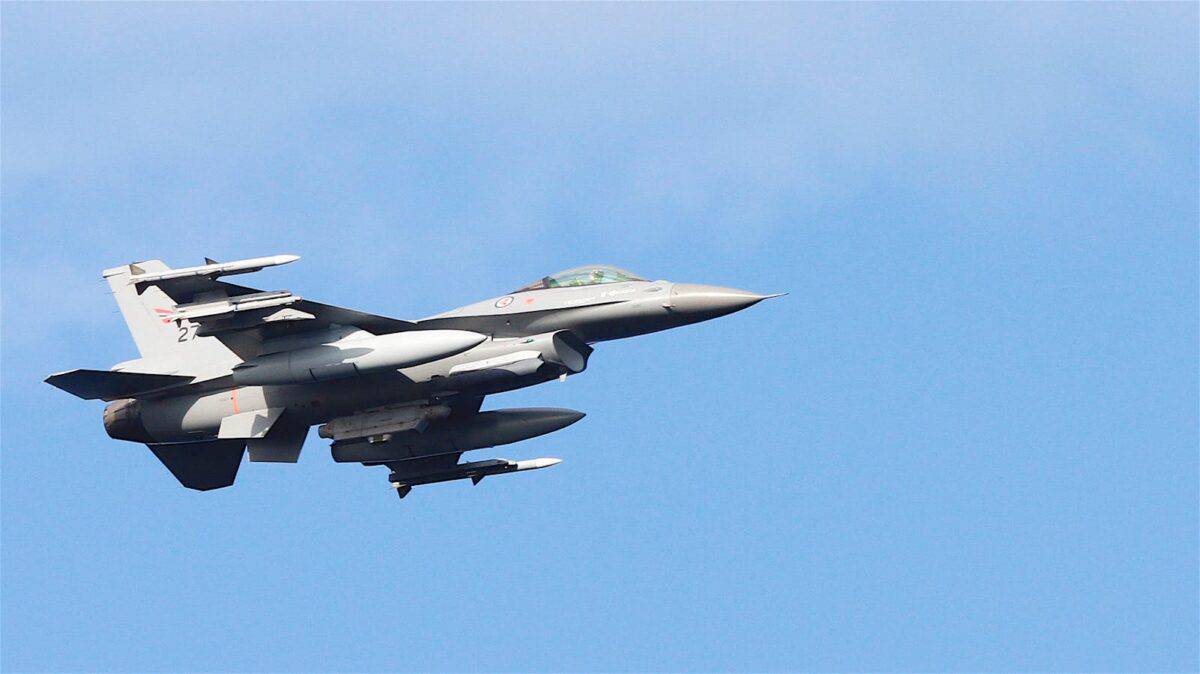
There have been concerns about using weather manipulation for military purposes. In the 1960s and 1970s, the U.S. government reportedly attempted to influence weather conditions during the Vietnam War. International agreements now prohibit using weather modification as a weapon.
The Science Behind Contrails and Chemtrails
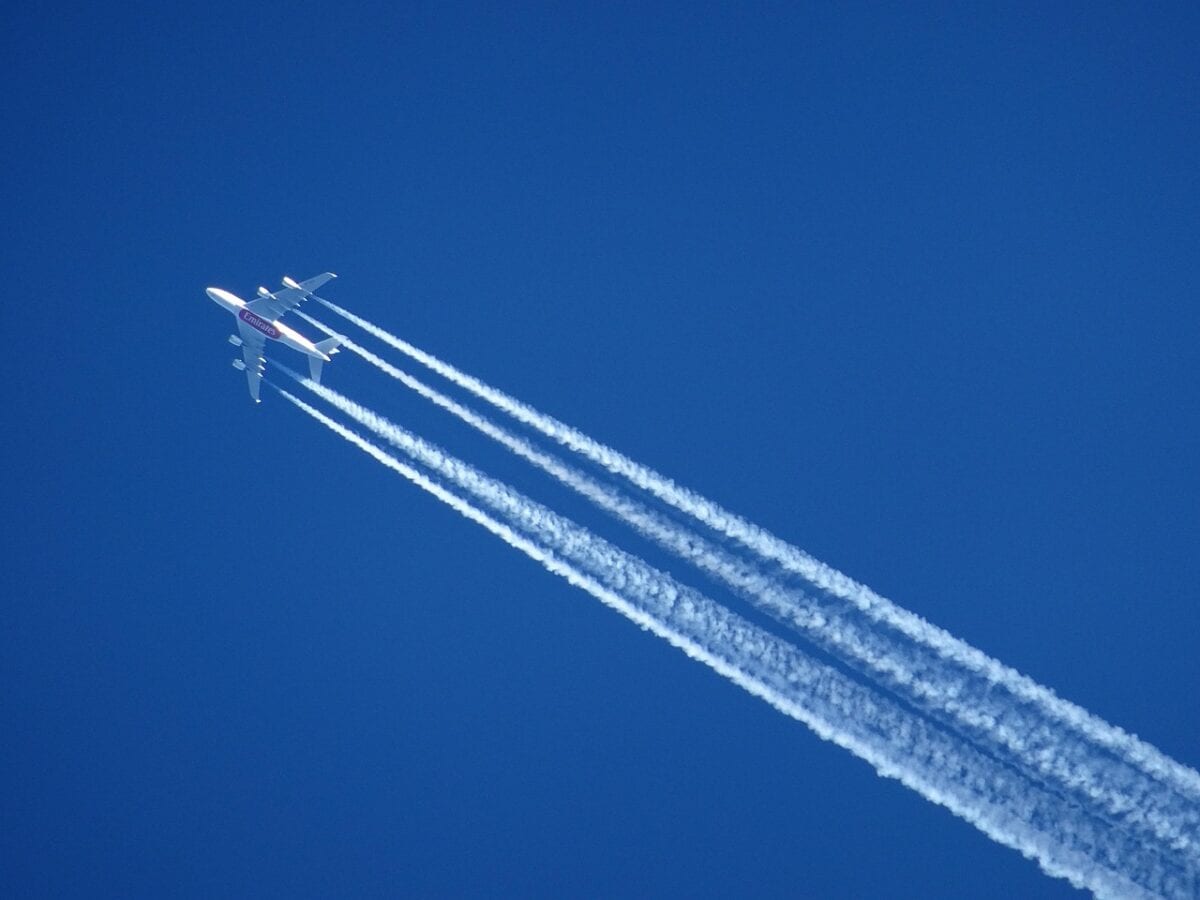
Contrails are condensation trails left behind by airplanes. They form when hot engine exhaust meets cold air, creating visible streaks in the sky. Some believe these trails contain chemicals intentionally released into the atmosphere, referring to them as chemtrails.
Are Chemtrails Real?

Scientists and aviation experts state that chemtrails are a myth. There is no credible evidence proving that airplanes are releasing harmful chemicals for weather control or population influence. Most studies show that contrails are a natural result of air travel.
Environmental Concerns of Weather Modification

Although cloud seeding and other techniques can influence weather, they also raise environmental concerns. The long-term effects of adding substances to the atmosphere are not fully understood. Scientists continue to study whether these methods can have unintended consequences.
Government Transparency and Public Trust

Skepticism around weather manipulation often comes from a lack of transparency. People want to know if governments are conducting experiments without public knowledge. Clear communication about research and policies can help build trust.
Ethical Considerations

Controlling weather raises ethical questions. Who decides when and where to modify weather? Could one region benefit at the expense of another? These concerns must be addressed before large-scale weather modification becomes widely accepted.
The Future of Weather Modification

As technology advances, weather modification may become more effective. Scientists are exploring ways to reduce hurricanes, prevent wildfires, and improve rainfall patterns. Research and regulations will determine how these techniques develop.
Conclusion

Weather manipulation and chemtrails are widely discussed, but not all claims are backed by science. While weather modification exists, it is mainly used for beneficial purposes like increasing rainfall. Understanding the science and addressing ethical concerns will be essential as research continues.
What are your thoughts? Do you think we can control the weather? What effects do you think this has on climate change? Comment below!

- The Perfect Pet for Each Zodiac Sign - July 7, 2026
- The Wild Animal That Embodies Your Zodiac Sign’s Spirit - July 6, 2026
- 7 Steps to Planting Admirably Beautiful Bluebonnets - July 6, 2026