

Most cat owners have had that moment. Your cat was perfectly calm, stretched out, half-asleep, and then suddenly they’re rigid, staring at something you can’t see, making a sound you’ve never heard before. You glance around the room. Nothing. Or so you think. Cats pick up on things long before we do, and their warning signals are precise, layered, and surprisingly easy to read once you know what to look for.
Cats have a simply incredible sense of smell, sight, and sound, all of which are far superior to a human’s. This means they are acutely aware of any potential danger long before you will be. These aren’t supernatural abilities. They’re finely tuned biological tools that have made cats both remarkable hunters and reliable early warning systems for thousands of years.
#1. Sudden, Intense Vocalizations Out of Nowhere
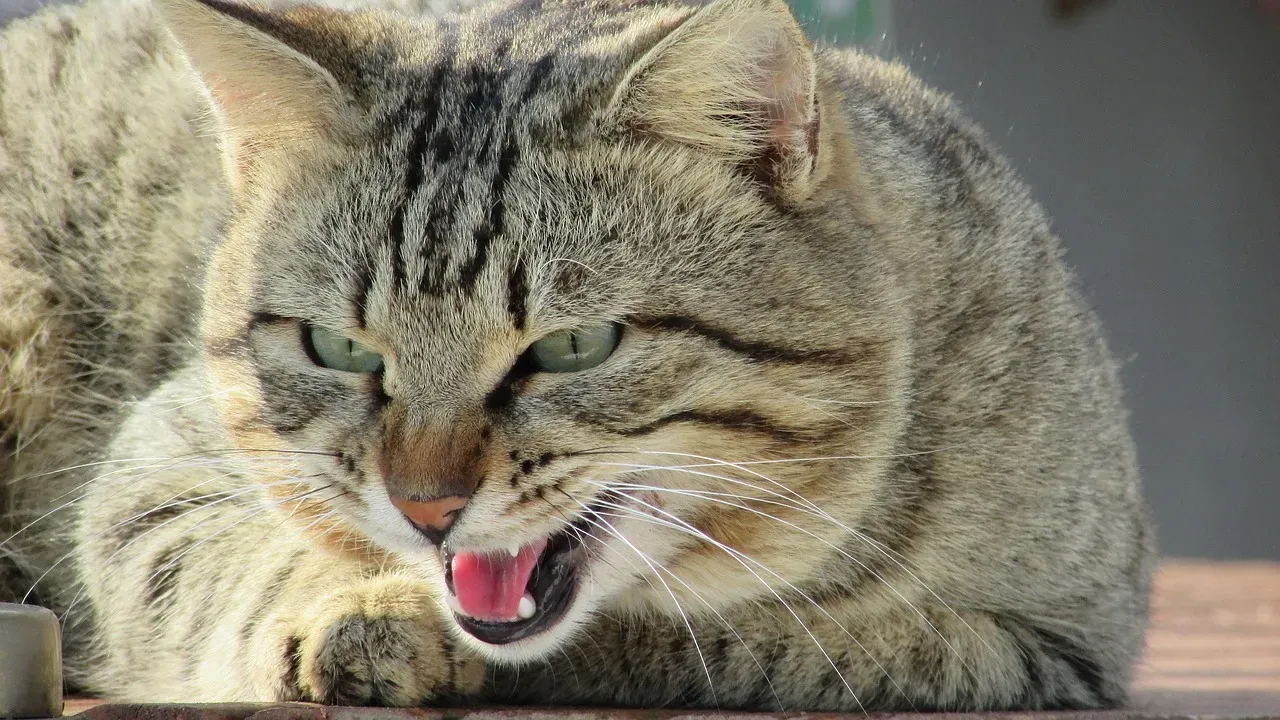
Some cats vocalize loudly or make unusual noises when they sense danger, meowing persistently or shifting to sounds you don’t normally hear. This is a clear sign that something is wrong, and it deserves your attention.
A growl is another warning sound cats use. This low rumbling sound usually signifies fear or aggression, and it’s often accompanied by other body language cues like flattened ears or a puffed-up tail. If you hear your cat growling, it’s essential to figure out what’s causing the behavior and address it promptly.
Cats may also make yowling or screeching noises when they feel threatened or are in pain. These sounds can be distressing to hear, but they are an important warning sign that something is wrong. If your usually quiet cat suddenly erupts into urgent, unfamiliar vocalizations, the instinct to dismiss it as “just cat stuff” is worth resisting.
#2. Flattened Ears, Puffed Fur, and a Changed Body Posture
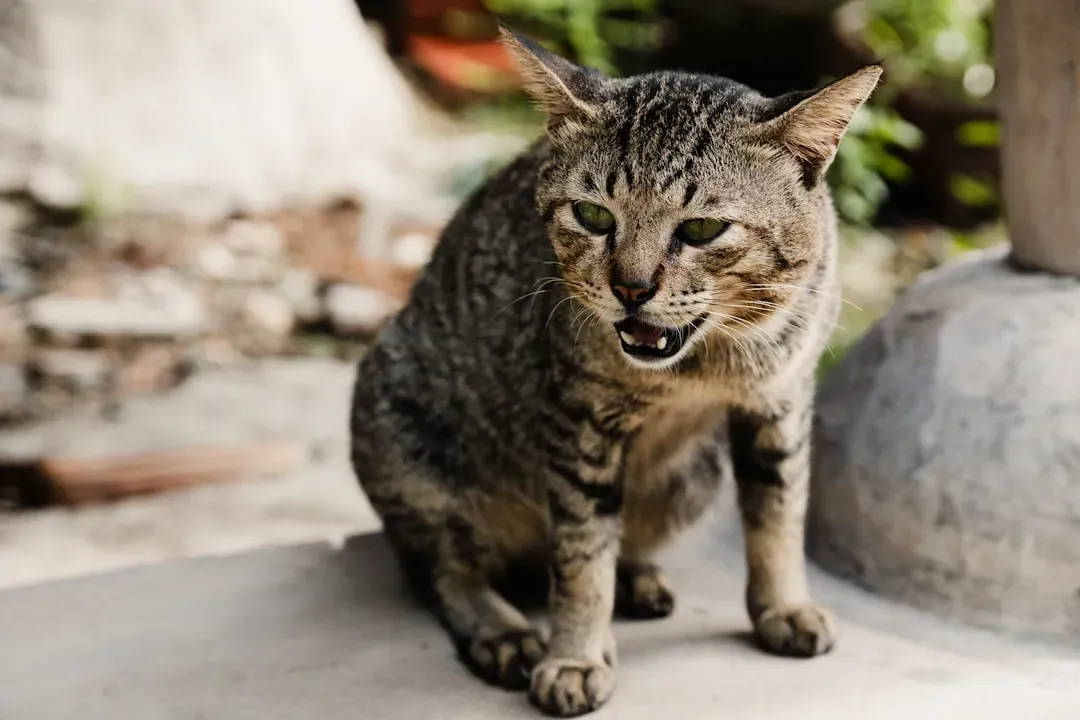
Sometimes when a cat believes they are in danger, they may try to make themselves look as large and as intimidating as possible by arching their back and letting their fur stand up, an involuntary reaction to fear called piloerection. It’s the classic Halloween cat shape, and it’s not theatrical. It’s a hardwired physical response.
Initially, a cat’s ears will be turned out and alert, potentially swiveling, enabling the cat to stay alert and listen for approaching danger. When a cat is in full attack or protection mode, their ears will usually flatten fully against their head.
If a cat senses that a dangerous predator is nearby, they might prepare themselves to fight. Their body language will change to a defensive posture, usually crouched low to the ground with their hackles raised and claws at the ready. Seeing all of these signals at once, rigid posture, flat ears, and raised fur, means your cat is communicating something serious. Don’t ignore the full picture.
#3. Intense, Unblinking Staring at Nothing You Can See

Cats have excellent vision. Their large eyes give them a wide field of view that allows them to see in low light conditions and spot potential danger from afar. They are also great at detecting movement, making them exceptional hunters. If a cat sees something out of the ordinary, they may stare intently or even hiss to warn their owner of the potential threat.
Cats have much better vision than humans and can detect even the smallest of movements. They are particularly adept at seeing in low light levels, with their vision in dim light being six times better than a human’s. That locked, unblinking gaze fixed at a wall, a corner, or an empty doorway isn’t random. It often means your cat has detected motion or a shape you simply aren’t equipped to notice.
Cats typically avoid prolonged eye contact with other cats or humans, as it can be interpreted as a challenge or threat. If a cat is staring directly at you or another animal without blinking, it may be preparing to react. When the stare is directed outward, away from you and toward a space in the room, pay close attention to what else your cat is doing with the rest of their body.
#4. Sudden Hiding or Abnormal Clinginess

Cats may display uncharacteristic behavior such as becoming unusually clingy or agitated when they sense danger around them. These two responses might seem like opposites, but they’re both rooted in the same instinct: something has shifted in the environment, and your cat is responding to it.
A cat might display “aloof” behavior, hiding under furniture or moving to a high vantage point, not out of a lack of affection, but as a deliberate survival mechanism. They are constantly monitoring their environment for potential threats, and their communication style is filtered through a need to ensure safety before they offer vulnerability.
Hiding, excessive grooming, or aggressive and defensive behavior could indicate something is amiss. While not all cats possess the same level of sensing abilities, it’s important for owners to stay vigilant and attentive to their pets’ behavior and reactions. This awareness can provide valuable insights into any potential hazards in the cat’s environment. A cat who buries themselves behind the dryer or won’t leave your side when neither behavior is normal deserves a second look at whatever is happening around them.
#5. Reacting to Smells, Sounds, or Weather Changes Before You Can
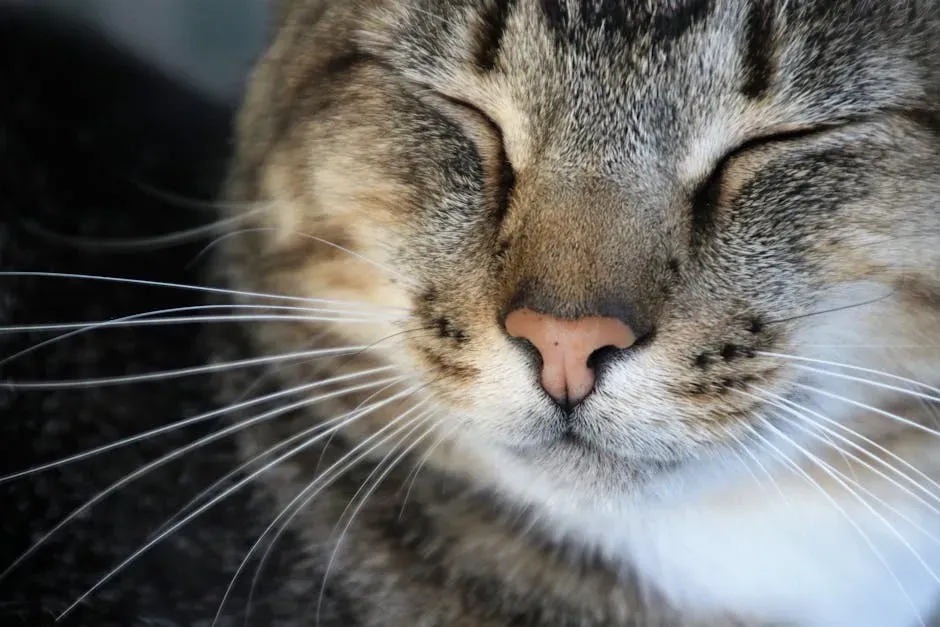
Cats’ superior sense of smell is impressive. With up to 200 million scent receptors in their nose, they can detect even the slightest changes in the air. This means that they can pick up on unusual smells that humans may not notice, such as smoke or gas. If there is a strange or unfamiliar smell in the air, a cat may become anxious or agitated, which could be a sign of danger.
Many cats display high-energy behavior, often darting around or “zooming” through the house, when they sense barometric shifts. This phenomenon, commonly observed before storms, is a sign of their heightened environmental awareness.
Cats can also sense vibrations in the ground through their paw pads and detect atmospheric pressure changes with their whiskers. There are documented cases of cats alerting families to fires or gas leaks, and while these are exceptional stories, they speak to a genuine capacity. When your cat reacts urgently to something invisible to you, whether a scent, a sound, a pressure change, or a distant vibration, it’s worth taking the signal seriously rather than waiting to understand it later.
What to Do When Your Cat Sends a Warning
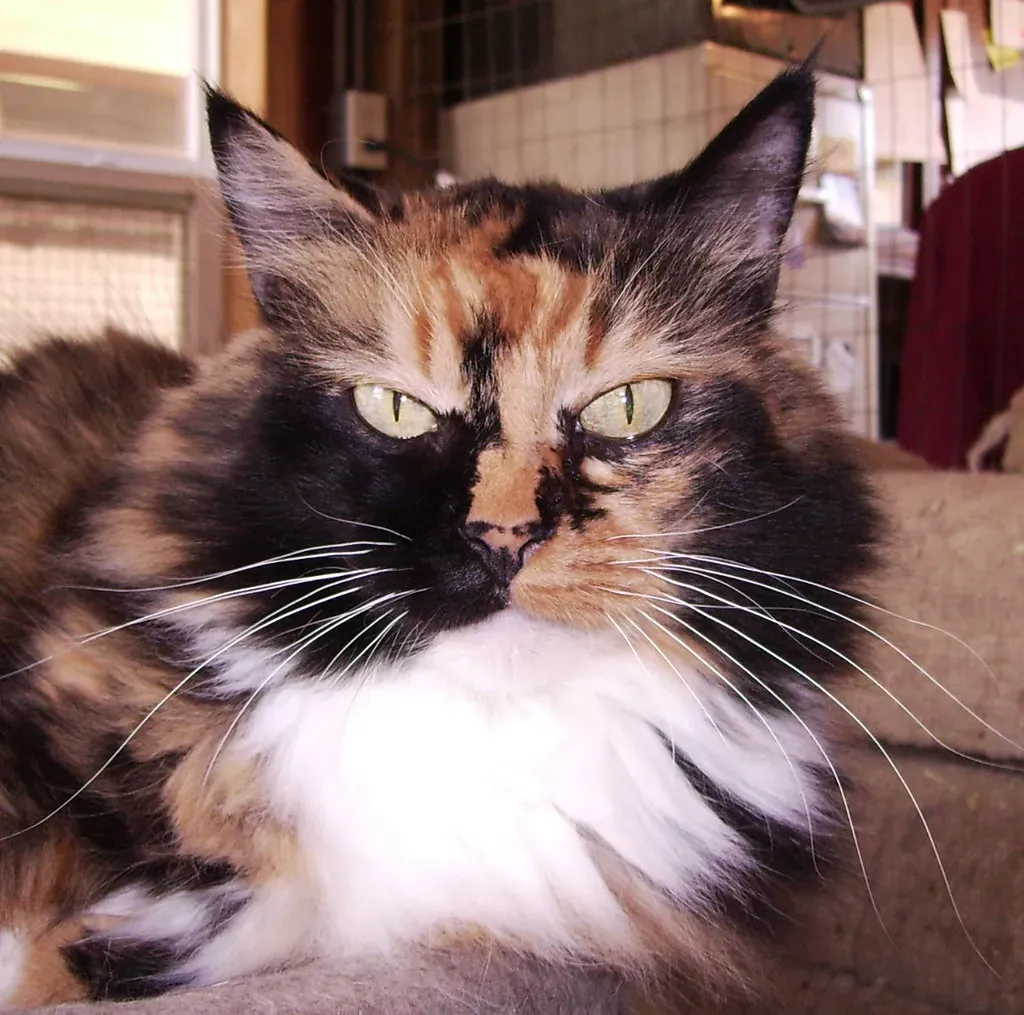
It’s essential to remain calm when responding to warning signs from your cat. Panicking could make the situation worse and put both you and your cat in danger. Taking a deep breath, assessing the situation calmly, and taking appropriate action to protect yourself and your furry friend is the right approach.
While dogs typically show obvious protective behaviors based on pack mentality, cats’ protective nature is more subtle and rooted in territorial instincts and emotional attachment. Cats tend to use vigilance and warning signals rather than direct confrontation. Understanding that subtlety is the whole point.
Many cat owners report that their pets behave differently when they’re upset, sick, or anxious. Cats are highly perceptive to changes in body language, tone of voice, and scent, all of which shift when humans experience stress or illness. In response, a cat may stay closer, purr more often, or act unusually attentive. The bond between cat and owner runs deeper than most people credit, and learning to read your cat’s signals accurately is less about decoding mystery and more about paying real attention.
Living with a cat means living with a creature whose senses are calibrated far beyond your own. The next time yours freezes mid-step, locks onto something across the room, or shifts into a posture you’ve never seen before, it’s worth pausing. They’re not performing. They’re communicating. And more often than not, they noticed something first.

- Why Wolves Were Reintroduced to Yellowstone - July 15, 2026
- The Resurgence of America’s Wild Horses: A Symbol of Freedom and Hope - July 15, 2026
- 10 Cat Breeds That Tolerate Dogs Surprisingly Well - July 15, 2026