
Worried about unexpected vet bills?
Pet insurance can cover thousands in unexpected vet costs. Get a free quote from Lemonade in under 2 minutes.
Get My Free Quote →Sponsored · Opens Lemonade.com
When we think of remarkable architecture, our minds usually jump to skyscrapers, ancient cathedrals, or the latest sleek glass towers rising over a city skyline. Rarely do we look up into a tree or down a riverbank and recognize what’s hanging there as something genuinely jaw-dropping. Yet scattered across every continent, there are birds quietly building structures that, honestly, put a lot of human craftsmanship to shame.
These are not just piles of sticks. They are engineered environments, climate-regulated, predator-proof, and in some cases, occupied by entire communities for over a century. If you’ve never stopped to really think about what a bird nest actually is, you’re in for a surprise. Let’s dive in.
The Weavers: Nature’s Master Craftsmen With a Beak
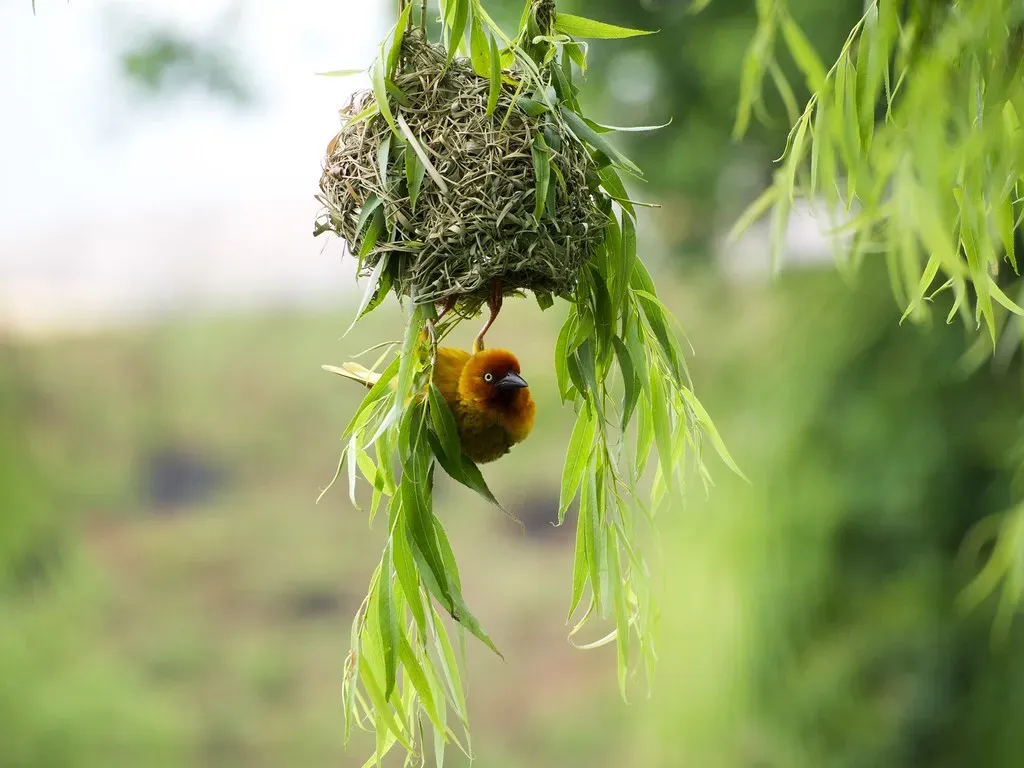
Here’s the thing about weaver birds – they don’t just build nests, they weave them. Quite literally. The weaver bird family, known as Ploceidae, stands firmly as the most architecturally complex nest-builders on Earth, with species found across Africa and Asia renowned for their incredibly intricate work. Think of them as the textile artists of the animal kingdom, except their tools are just a beak and two feet.
What makes these structures particularly impressive is the sophisticated weaving technique – males use their beaks to tie actual knots in grass stems and create complex locked stitches. A single nest can contain over a thousand individual pieces of grass and may require up to 900 separate trips to complete. I know it sounds crazy, but that is the equivalent of a human building a house by hand, one brick at a time, with no power tools.
Their beaks are specially shaped for grasping and manipulating plant fibers, acting like tiny tools. They also have highly developed motor skills and spatial awareness, allowing them to weave complex patterns precisely. Their instinctive knot-tying abilities are even passed down through generations, ensuring the continuity of these remarkable techniques. It’s skill, instinct, and something resembling tradition, all rolled into a creature that weighs less than a tennis ball.
The Sociable Weaver’s Apartment Block That Lasts a Century
If individual weaver birds are impressive, the Sociable Weaver takes things to a completely different level. We’re talking about the kind of structure that stops travelers on the roads of Namibia dead in their tracks. The largest sociable weaver nests stretch over 20 feet wide and close to 10 feet tall, with more than 100 individual nesting chambers, making the sociable weaver the builder of the largest tree nests in the world.
Each family has its own private entrance tunnel and chamber within this massive complex, making it function remarkably like a human apartment building. The birds use different materials strategically – large twigs form the protective roof, dry grasses create the separate chambers, and sharp spikes of straw guard entrance tunnels from predators like snakes. That is not random construction. That is deliberate, multi-material design.
What makes these nests even more remarkable is their longevity and climate control. Large nesting colonies can be active across many generations, sometimes over 100 years. During the extreme Kalahari temperatures, which can swing from freezing winter nights to scorching summer days, the nest’s architecture provides crucial insulation. When frost blankets the desert, birds inside where the temperature stays about 60 degrees Fahrenheit above the outside air. A built-in thermostat, no electricity required.
The Baya Weaver: Engineering a Predator-Proof Palace, One Trip at a Time
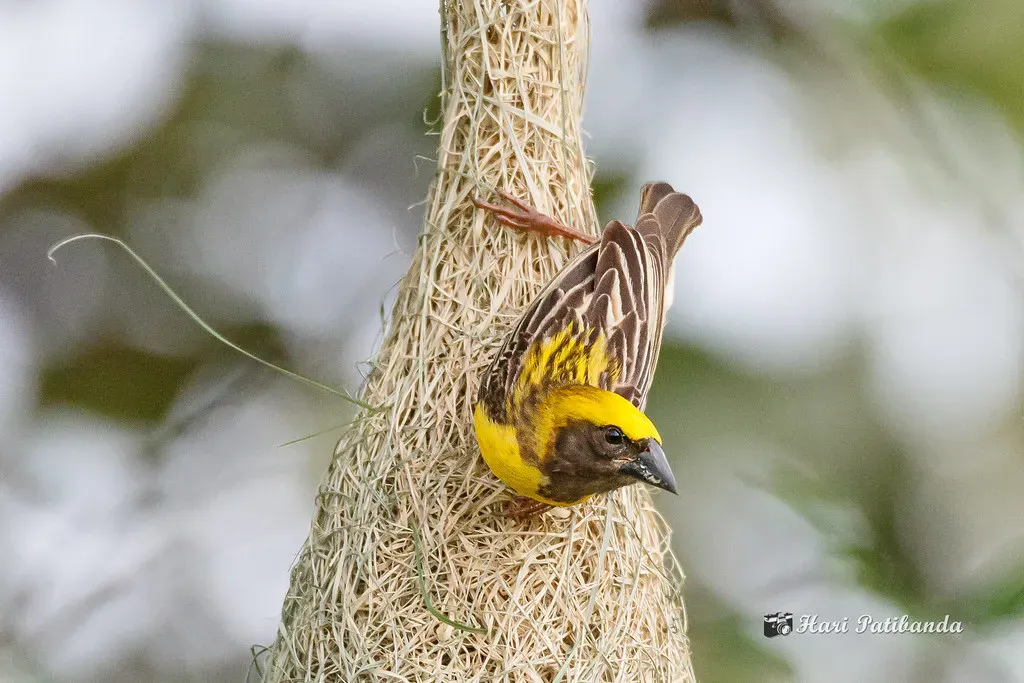
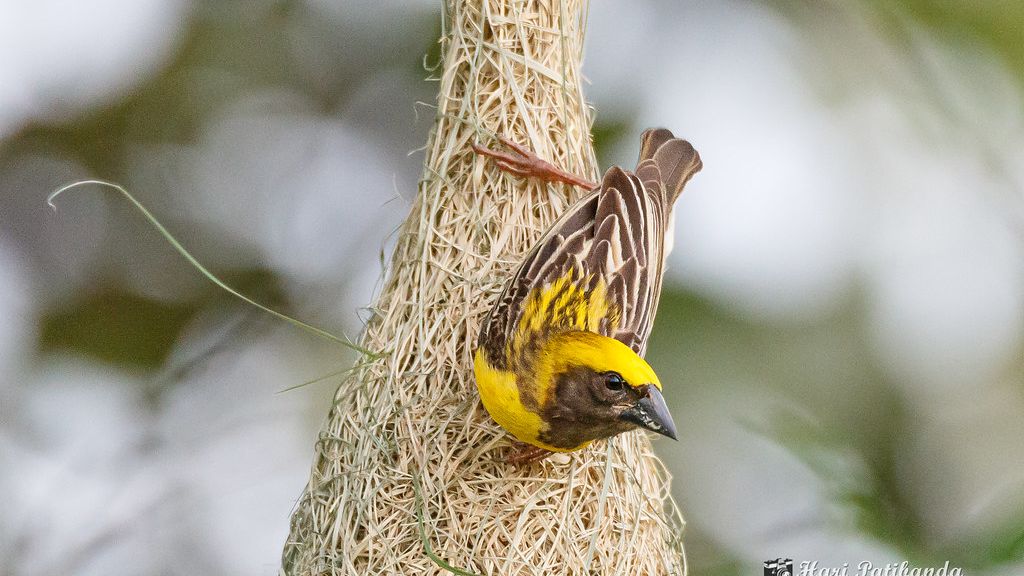
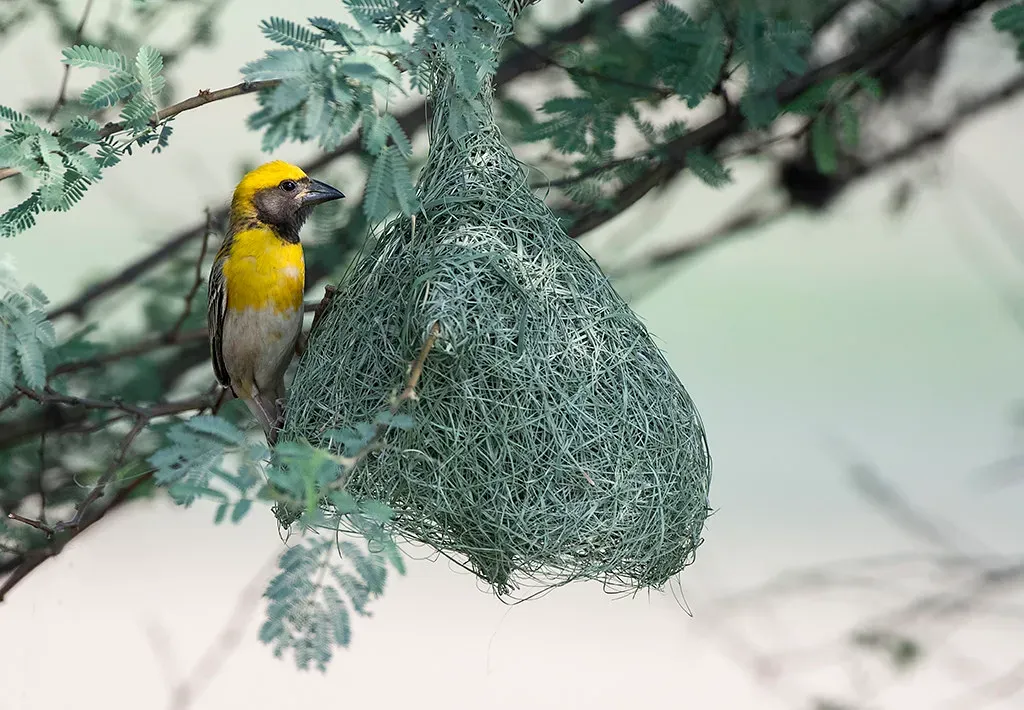
Found across the Indian subcontinent and Southeast Asia, the Baya Weaver is a bird that seems to understand defensive architecture better than most. The males construct elaborately woven, pendulous, and retort-shaped nests, with a long vertical tube leading to a side entrance to the central nesting chamber. The birds use their strong beaks to cut, collect, weave, and knot strips of between 20 and 60 centimeters from paddy leaves, rough grasses, and palm fronds, making up to 500 trips to complete a single nest.
The nest has a bulb-shaped chamber where the birds live, with a long, narrow entrance tube hanging below. This unique design helps keep predators out and protects the eggs and chicks inside. Think of it like designing a front door that’s also a tunnel at the bottom of a swaying tower. No snake is navigating that easily.
The nests are often suspended over water from thorny acacias and palm trees, and sometimes even from telephone wires in urban areas. Nests are often positioned on the eastern side of the tree, where they are believed to provide shelter from the Southwest Monsoon. That’s orientation planning. That’s thinking about weather. Remarkable, genuinely.
Bald Eagles and the Bowerbird: Two Very Different Kinds of Ambition
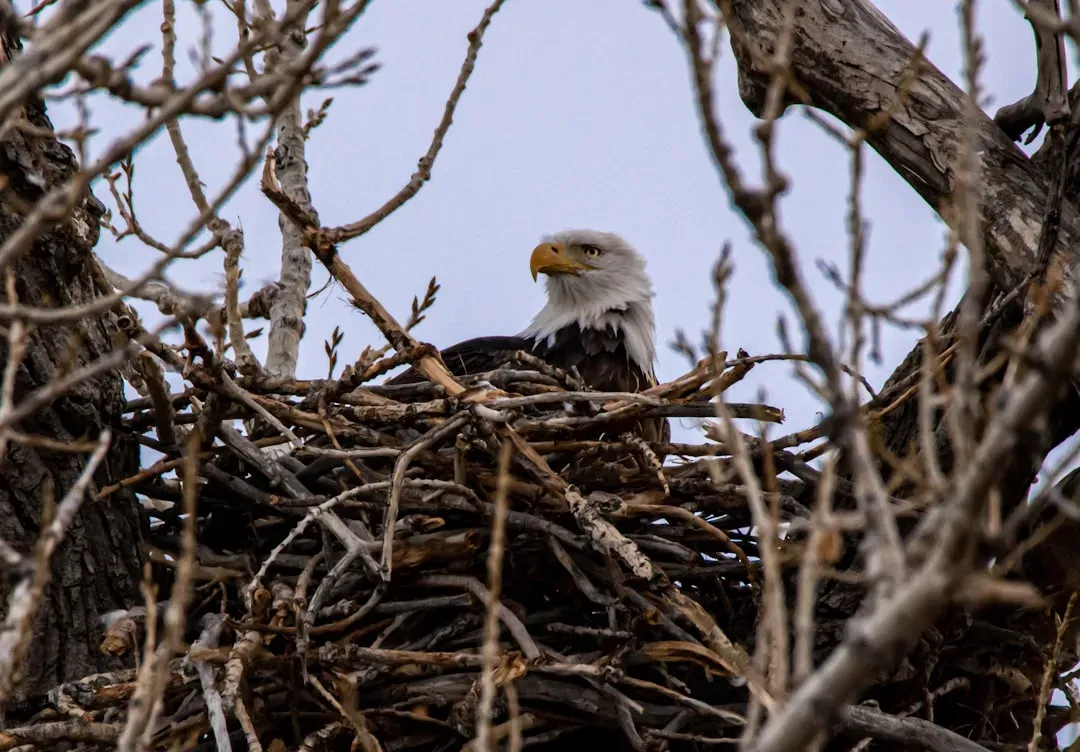
Not all extraordinary bird architecture is about weaving. Some is about sheer, almost arrogant scale. Bald Eagles build the largest nests of any bird in North America. The nests are reused and added onto for many years by the same bonded pair of adult birds, and can sometimes measure over 9 feet in diameter, weighing up to a ton. Think of it as a generational building project, a family home that grows decade after decade.
Bald eagles start their home building by carefully selecting a site that provides wide views of the surrounding landscape, seeking out the tallest trees in an area. Being close to a food source is also important, so nests are typically found close to large bodies of water. Location scouting before construction – sound familiar?
Then there’s the Bowerbird, which takes a wildly different approach. Male bowerbirds, found in Australia and New Guinea, work hard to showcase the individuality of their creations. While the structures they make are not technically nests, they are marvelous for their sculpture-like quality. These elaborate structures are built purely to impress a mate. Building techniques include piling up, molding, sticking together, interlocking, sewing, and weaving – a true portfolio of avian craftsmanship. Honestly, they’re basically curating an art installation in the forest.
Why Complexity Matters: Protection, Climate, and the Art of Attraction
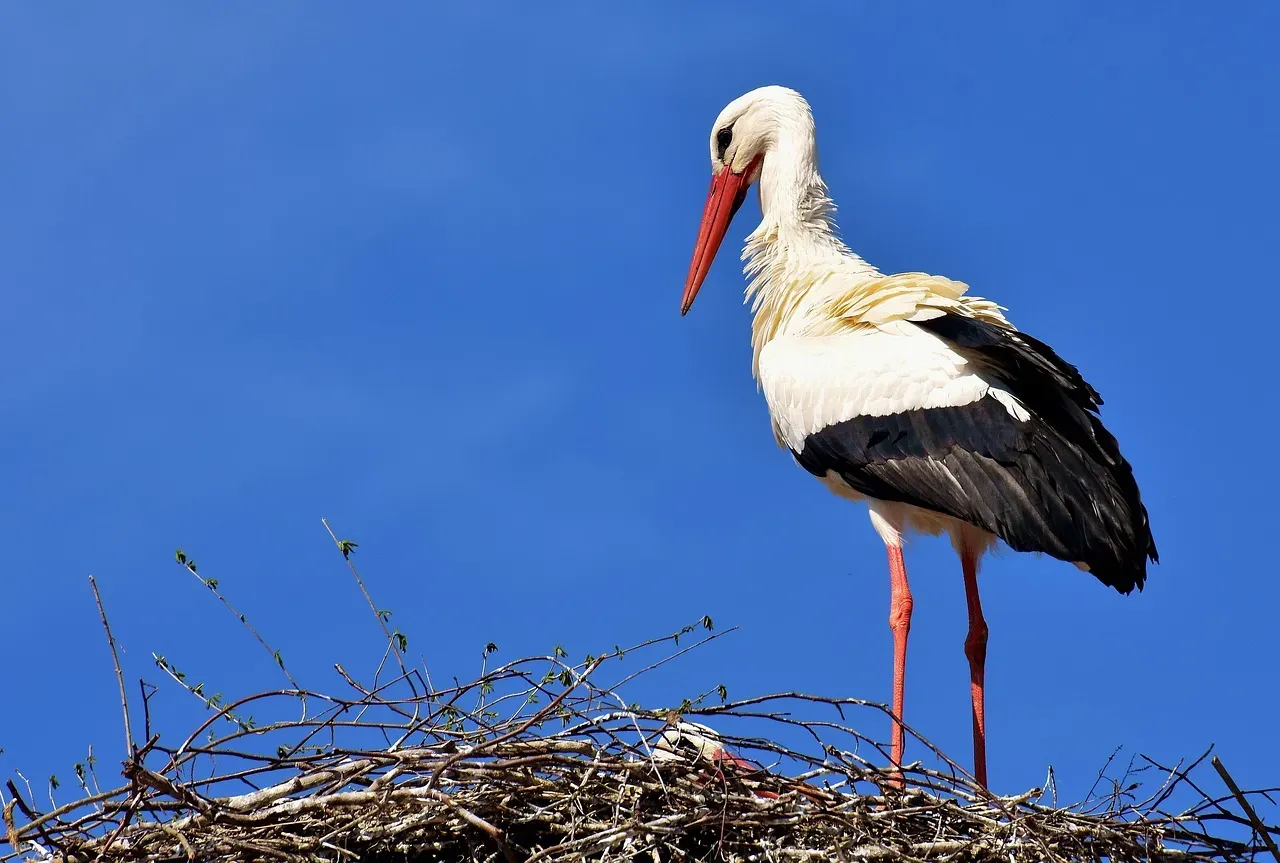
So why go to all this trouble? Let’s be real, building a simple twig platform would technically work. The answer turns out to be layered and fascinating. Ecologists have long wondered why birds would go to the trouble of building such elaborate structures, which can take hundreds of hours and grass strands to weave. One strong possibility is that complex nests protect chicks from predators, snakes in particular. It’s hard to slink along a branch to grab a baby bird when the nursery has an inaccessible, dangling entrance.
Intricate nests also provide insulation against extreme temperatures, keeping eggs and chicks warm in cold weather and cool in hot weather. Well-built nests can withstand strong winds, heavy rain, and other environmental challenges. In some species, the quality of a male’s nest-building skills directly influences his attractiveness to potential mates, showcasing his fitness and resourcefulness. It’s shelter, climate control, and a dating profile all in one.
Maze-like nest designs may also deter so-called brood parasite birds, such as cuckoos, that try to sneak in to lay eggs for other species to raise. The tunnels may simply be too long and narrow for a surreptitious parasite to dare crawling inside. The architecture becomes a biological security system. Complexity isn’t excessive, it’s essential.
Conclusion: The Original Architects Never Got Enough Credit
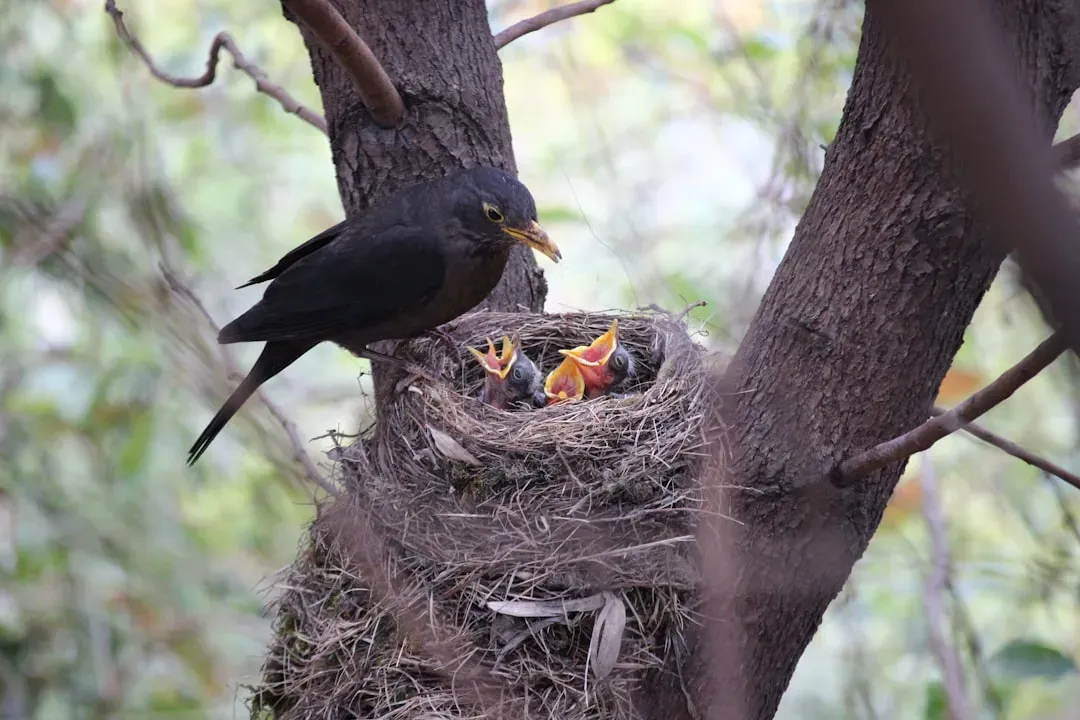
We live in an age of cranes and concrete and computer-assisted design, yet some of the most functionally sophisticated structures on the planet are built by creatures with no hands, no tools, and no blueprints. Birds are not just masters of flight – they are also skilled architects whose abilities to build nests range from the simple to the spectacularly complex. These nests serve as nurseries for their young, a safe haven from the elements and potential predators. Each species has its unique approach, with designs meticulously tailored to their specific environmental and biological needs.
There’s something genuinely humbling about learning that a sparrow-sized bird in the Kalahari has been engineering thermally regulated, multi-family housing complexes for generations longer than most human civilizations have existed. Many nests are used by multiple generations, showing the incredible durability and design passed down over time.
Next time you walk past a tree and spot something dangling from a branch, take a second look. What seems like a tangle of grass might just be one of the most sophisticated homes on Earth. What would you have guessed was hiding up there? Tell us in the comments.
Worried about unexpected vet bills?
Pet insurance can cover thousands in unexpected vet costs. Get a free quote from Lemonade in under 2 minutes.
Get My Free Quote →Sponsored · Opens Lemonade.com
