

As winter’s grip loosens across the Northeastern United States, a remarkable transformation takes place across forests, meadows, wetlands, and suburban backyards. The awakening landscape becomes host to a diverse parade of wildlife emerging from winter dormancy, migration, or simply increased activity. The arrival of these spring animals marks not just a biological transition but a cultural milestone—a true harbinger of the season that connects residents of the Northeast with the natural rhythms that have defined this region for millennia. From the smallest spring peeper frogs whose chorus announces the season to the majestic black bears emerging from their winter dens, spring brings a symphony of animal life that captivates naturalists and casual observers alike. This article explores the fascinating creatures that define springtime across the Northeast, their behaviors, and the best ways to observe them responsibly as they reclaim their place in the awakening ecosystem.
Black Bears: The Iconic Awakening

Among the most anticipated spring emergences in the Northeast is that of the American black bear (Ursus americanus). After spending months in winter dormancy—not true hibernation—these magnificent omnivores begin appearing in late March through April across forests from Pennsylvania to Maine. During their winter rest, black bears can lose up to 30% of their body weight, making spring a critical feeding period. Female bears with new cubs typically emerge last, usually by mid-April, protecting their vulnerable offspring born during the winter months.
Bear sightings increase dramatically in spring as they search urgently for early-season food sources like skunk cabbage, newly sprouted grasses, and overwintered berries. Wildlife officials across the Northeast regularly remind residents to secure potential food attractants like bird feeders, garbage cans, and outdoor pet food, as hungry bears are particularly motivated to find calorie-rich resources. For many nature enthusiasts, the first verified bear sighting of the season represents the definitive end of winter—a moment of excitement tempered with respect for these powerful animals requiring their space during this critical recovery period.
Spring Peepers: The Seasonal Chorus
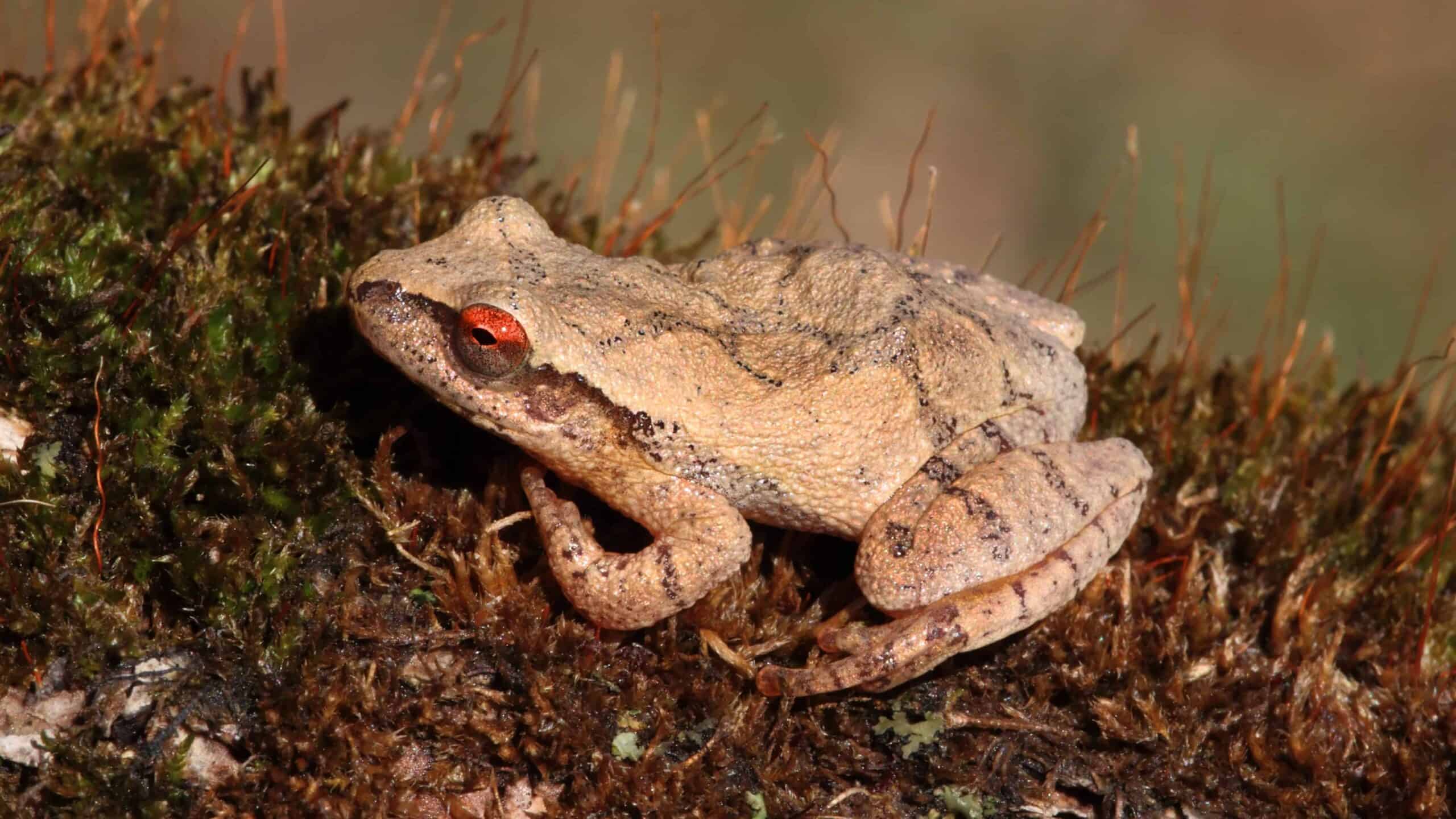
No sound better heralds the arrival of spring in the Northeast than the high-pitched peeping chorus of the aptly named spring peeper (Pseudacris crucifer). These diminutive tree frogs, measuring only about one inch long, create a sound disproportionate to their size that can be heard up to a half-mile away on still spring evenings. Their distinctive “peep” calls typically begin when evening temperatures consistently reach about 45°F, usually in March in southern parts of the Northeast and April further north.
Spring peepers emerge from hibernation in forest leaf litter and make their way to vernal pools, ponds, and wetlands for breeding season. Despite their abundance and distinctive sound, many Northeasterners have never actually seen a spring peeper due to their tiny size and excellent camouflage—their tan or brown bodies with a characteristic “X” marking on their backs blend perfectly with tree bark and forest debris. For countless residents across states like Connecticut, Massachusetts, and New York, the first evening chorus of spring peepers represents the emotional turning point of the seasons, a moment so cherished it’s often noted on calendars and shared as neighborhood news.
Eastern Chipmunks: The Bustling Foragers

Eastern chipmunks (Tamias striatus) bring animated energy to Northeastern landscapes as they emerge from their underground burrows in March and April. Unlike true hibernators, chipmunks experience torpor—a lighter form of dormancy—during winter, occasionally waking to feed on stored food caches. Their spring emergence is characterized by frantic activity as they replenish depleted fat reserves and prepare for breeding season. Males typically emerge first, with females following about two weeks later, creating a staggered pattern of activity across woodland edges.
These small striped mammals become highly visible in spring as they scurry across forest floors, stone walls, and suburban yards in search of seeds, nuts, fruits, and invertebrates. Their distinctive “chip-chip-chip” calls and elaborate chase sequences during mating season add both sound and motion to the spring landscape. Chipmunk populations fluctuate significantly from year to year in the Northeast, influenced by the previous autumn’s acorn and nut production—following a strong mast year, spring chipmunk emergence can be particularly robust, with twice the typical population density observed in some areas, creating a bustle of activity that transforms quiet winter landscapes.
Spotted Salamanders: The Mysterious Migration
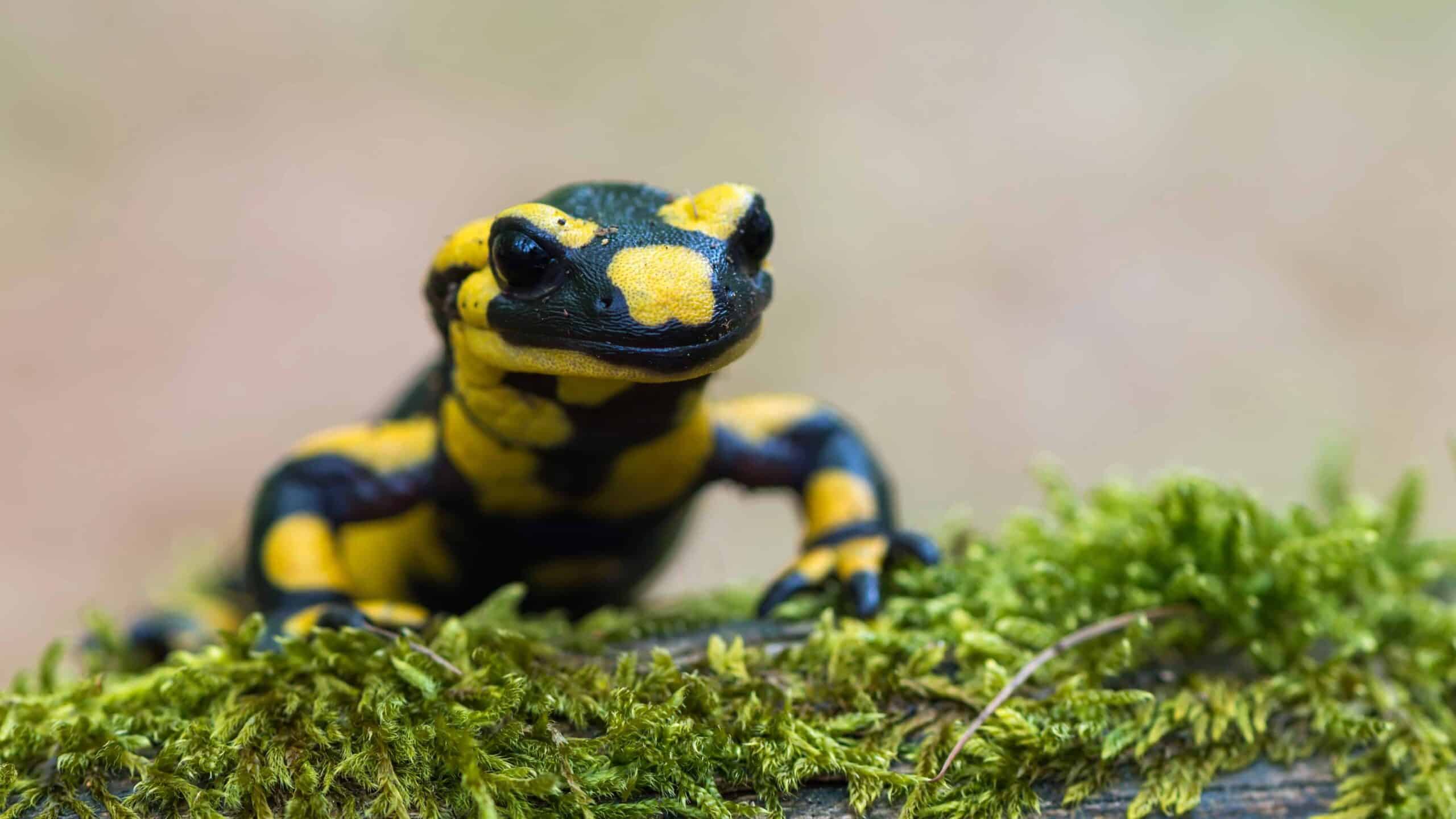
One of the Northeast’s most magical—yet often overlooked—spring phenomena is the annual breeding migration of spotted salamanders (Ambystoma maculatum). These secretive amphibians spend most of the year hidden underground in forest soils, but emerge by the thousands on the first warm, rainy nights of spring when temperatures reach about 50°F. This mass migration, often called “Big Night” by naturalists, typically occurs in March or early April across the region, when these striking black salamanders with bright yellow spots make their determined journey to vernal pools for breeding.
The spectacle is both ephemeral and vulnerable—the migrations often last just a few hours on a single night, and many salamanders must cross roads to reach their ancestral breeding pools. Conservation efforts across New England and the Mid-Atlantic have spawned volunteer “salamander crossing guard” programs where citizens help these creatures safely cross roadways. In some communities, like Amherst, Massachusetts, and parts of Vermont, roads are temporarily closed during prime migration evenings. For those fortunate enough to witness this ancient ritual, the sight of dozens or hundreds of these normally elusive creatures moving purposefully through the forest is an unforgettable spring experience that connects observers with ecological rhythms predating human settlement in the region.
Red-Winged Blackbirds: Heralds of Wetland Spring
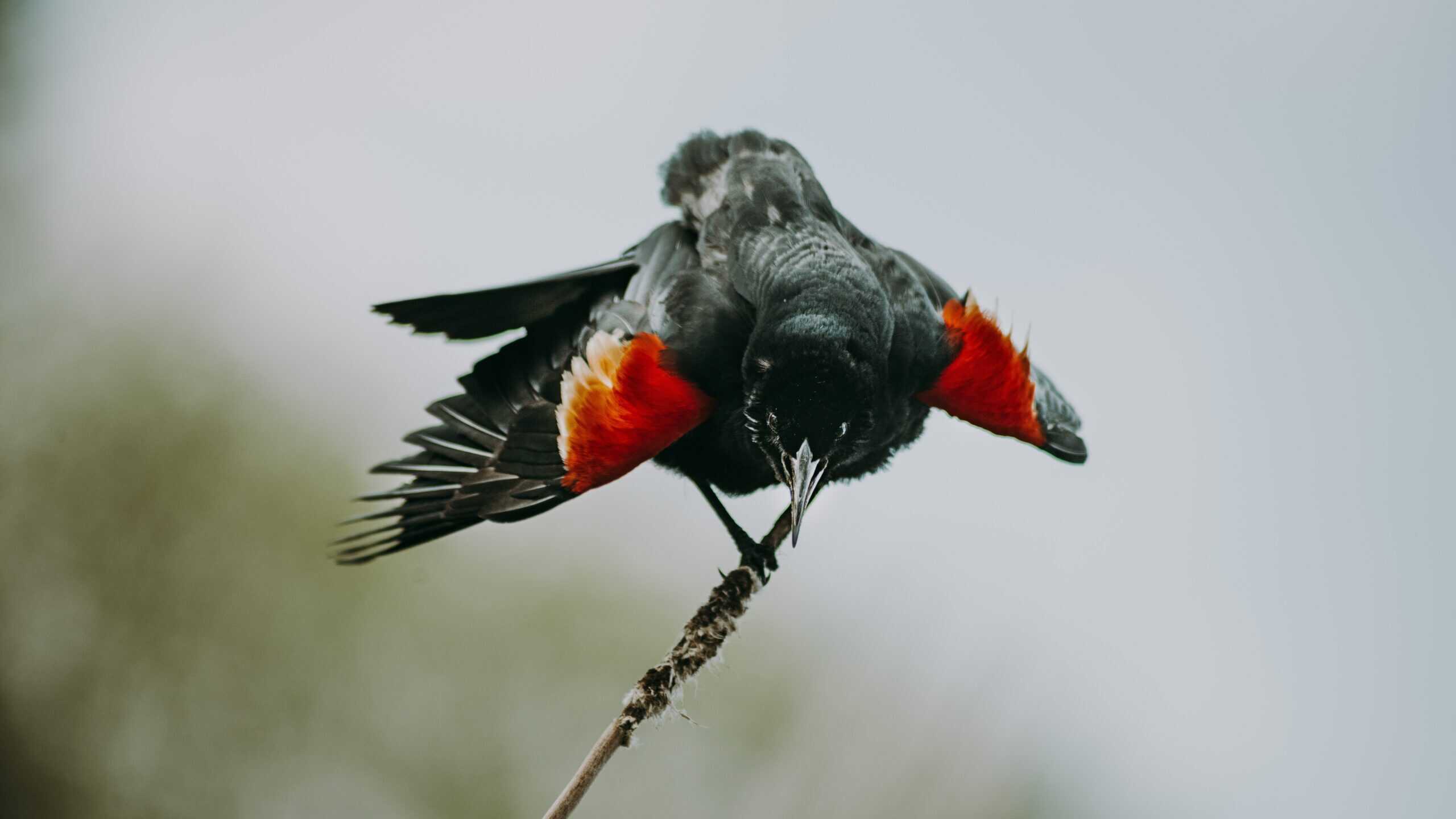
For many Northeasterners, the true first sign of spring isn’t visual but auditory: the distinctive “conk-la-ree” call of male red-winged blackbirds (Agelaius phoeniceus) staking claim to wetland territories. These striking birds, with their glossy black plumage and brilliant red shoulder patches edged in yellow, typically begin returning to the Northeast in late February through March, often when snow still covers the ground. Males arrive first, establishing territories in marshes, wet meadows, and along pond edges before females arrive several weeks later.
Red-winged blackbirds display fascinating territorial behavior during spring, with males perching conspicuously atop cattails, reeds, or shrubs, flaring their scarlet epaulets while calling to warn off rivals and attract mates. A single male may defend territory against dozens of competitors while ultimately attracting multiple females to nest within his domain. These birds represent one of the Northeast’s most successful native species, adapting well to human-altered landscapes provided wetland habitat remains. Their populations serve as indicators of wetland health, with recent research showing concerning declines in some areas that may reflect broader environmental changes. For countless residents across states from Pennsylvania to Maine, spotting the season’s first red-winged blackbird represents a reliable biological calendar event marking winter’s retreat.
Eastern Bluebirds: The Colorful Return
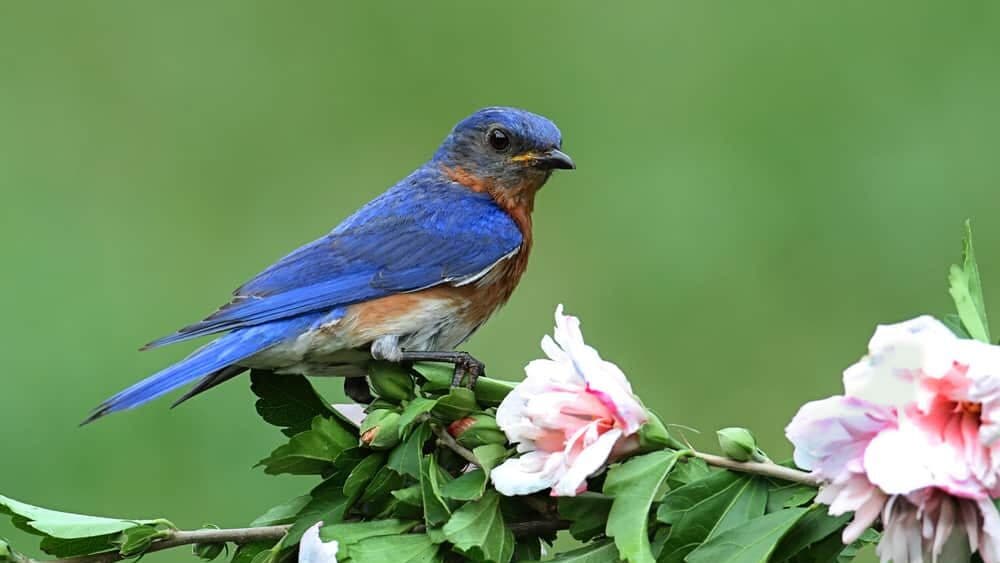
The eastern bluebird (Sialia sialis) brings an unmistakable splash of color to the Northeastern spring landscape as they return to breeding territories or become more visible after wintering locally. These medium-sized thrushes—with males displaying brilliant azure-blue upperparts contrasting with rusty orange breasts—begin their courtship behaviors in March and April across meadows, orchards, and open woodlands. After experiencing devastating population declines in the mid-20th century, eastern bluebirds have made a remarkable recovery thanks largely to citizen-led nestbox programs across the region.
Spring is the optimal time to observe bluebird courtship rituals, including the male’s “wing-wave” display where he perches near a potential nest site, spreading and fluttering his wings to showcase his vivid coloration. By April, breeding pairs are typically investigating nest cavities or boxes, with females constructing neat grass-lined nests while males sing their melodious warbling songs from nearby perches. Bluebird monitoring has become a cherished spring tradition for thousands of Northeastern residents who maintain nestbox trails, with organizations like the North American Bluebird Society providing guidance on proper placement and protection from predators. The species’ recovery represents one of conservation’s great success stories, transforming these birds from a rare sight to a regular spring delight across much of their historic range.
Garter Snakes: First Reptiles of Spring
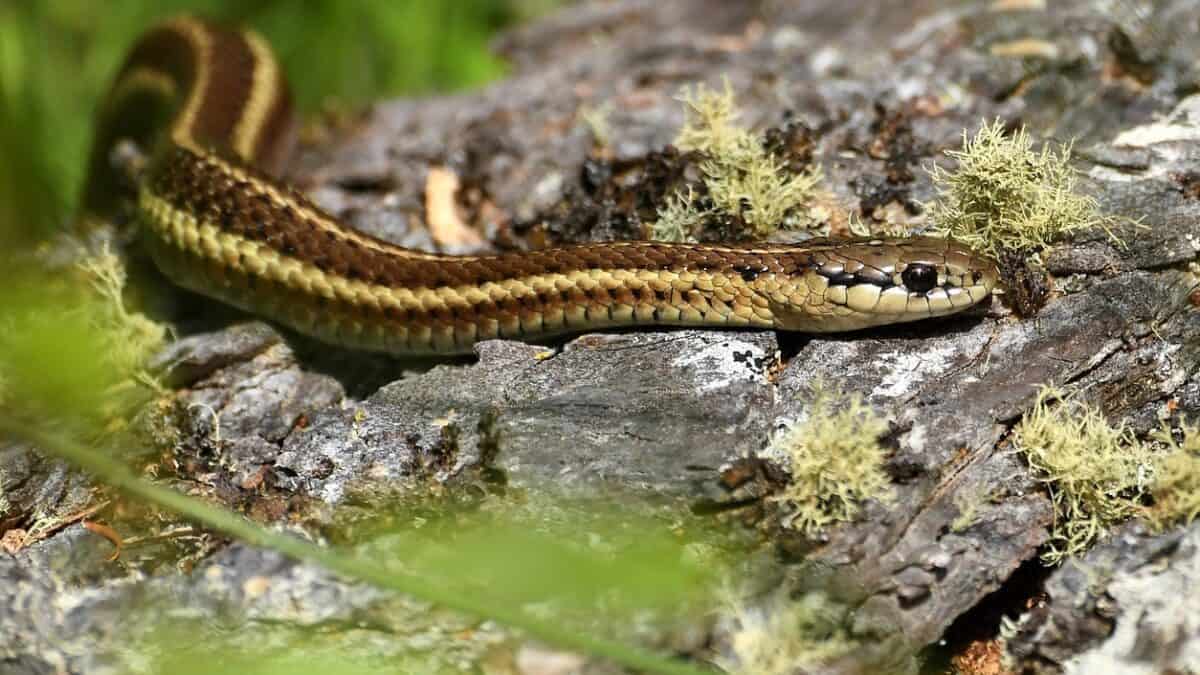
As northeast soils begin to warm in March and April, the common garter snake (Thamnophis sirtalis) emerges as one of the first reptiles to appear after winter dormancy. These adaptable snakes, which can be recognized by their distinctive lengthwise stripes, survive northern winters by entering a state of brumation—a reptilian equivalent of hibernation—in underground dens, often communally. Their spring emergence creates one of the more unusual wildlife spectacles in the region, as dozens or even hundreds of snakes may appear simultaneously from a single hibernaculum, particularly in rocky areas of New England and upstate New York.
Spring is also mating season for garter snakes, leading to another remarkable phenomenon: mating balls, where multiple males may surround a single female in competition for breeding opportunities. These harmless snakes play crucial ecological roles as predators of garden pests and as prey for many larger wildlife species. Despite being beneficial and non-venomous, garter snakes often trigger unnecessary fear reactions. Conservation educators across the Northeast use spring snake emergence as an opportunity for public education programs that help residents appreciate these important reptiles. Their ability to thrive in diverse habitats from wilderness to suburban gardens makes them one of the most accessible spring wildlife experiences for Northeasterners of all ages.
Woodcocks: The Sky Dancers
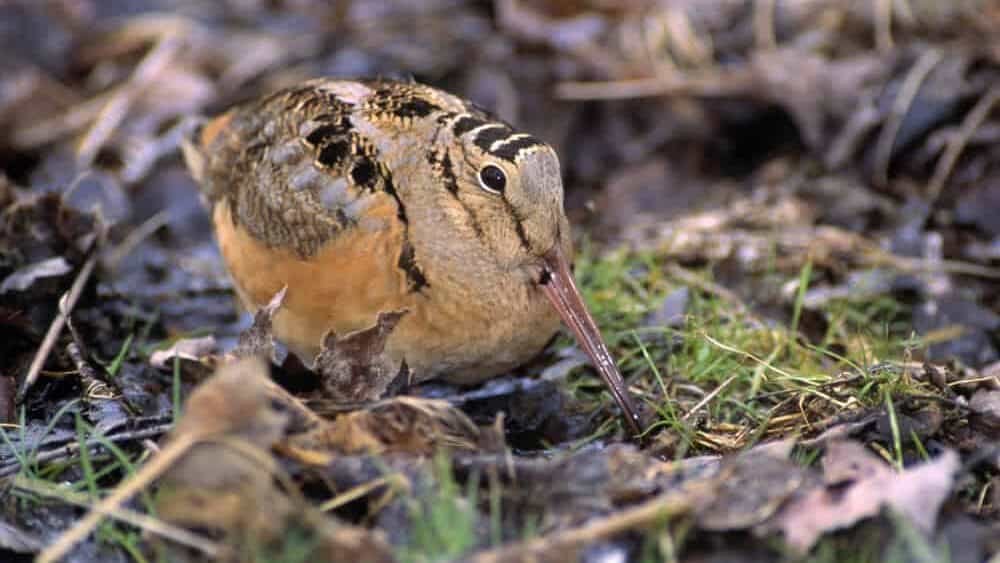
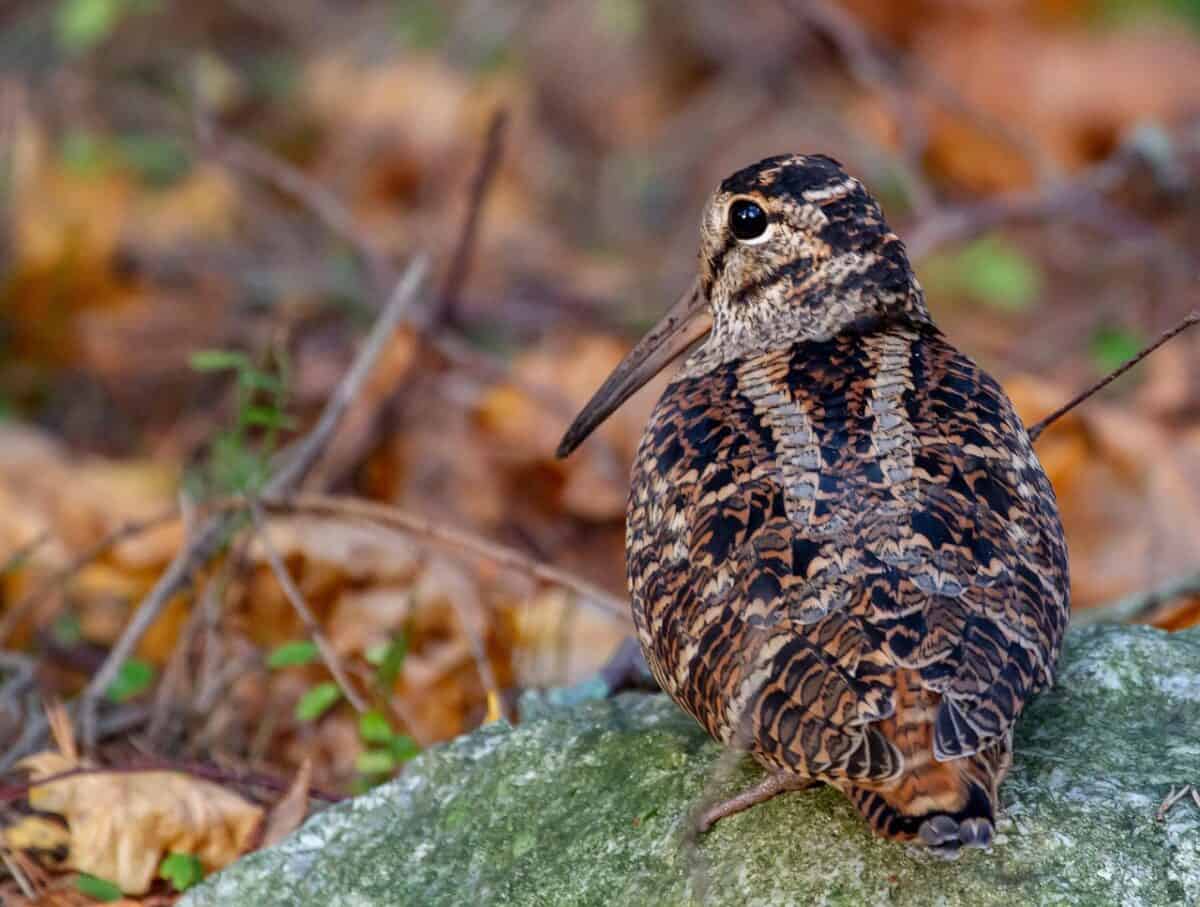
The American woodcock (Scolopax minor) performs one of spring’s most extraordinary courtship displays across fields and forest openings throughout the Northeast. This plump, long-billed shorebird that evolved to live in upland forests begins its remarkable “sky dance” in late February or March, often when patches of snow still cover the ground. At dusk and dawn, male woodcocks initiate their performance from small clearings called “singing grounds,” first announcing themselves with a distinctive nasal “peent” call repeated every few seconds.
The true spectacle begins when the woodcock launches himself skyward in a wide spiral, climbing up to 300 feet while making a twittering sound created by air rushing through his specialized wing feathers. At the apex, he begins a zigzagging descent accompanied by vocal chirping, finally dropping silently back to nearly the exact spot where he began. This performance may be repeated dozens of times each evening for several weeks. Wildlife enthusiasts across the Northeast organize “woodcock walks” as beloved spring traditions, gathering quietly at suitable habitat near wetland edges and young forests to witness this remarkable display. The woodcock’s presence indicates healthy early successional habitat—a vanishing ecosystem in much of the region—making their spring performances both a cherished wildlife experience and an important conservation indicator.
Spring Butterflies: Winged Harbingers
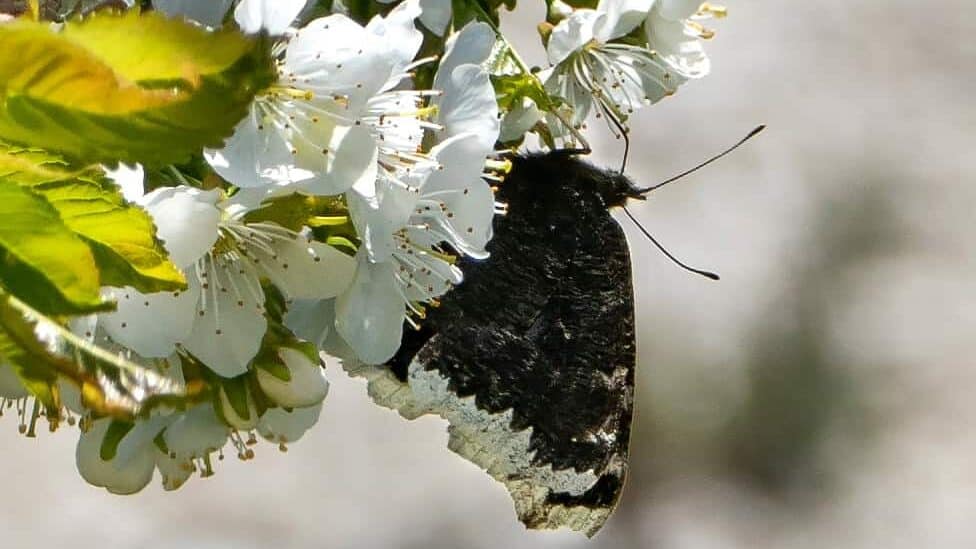
The appearance of the season’s first butterflies represents a cherished spring milestone across the Northeast. Among the earliest species to emerge is the mourning cloak (Nymphalis antiopa), distinctive with its rich maroon-brown wings bordered by creamy yellow edges. Unlike many butterflies, mourning cloaks overwinter as adults in tree cavities or under loose bark, allowing them to appear on the first warm days of March or even late February, sometimes fluttering over lingering snow patches. Their early emergence is possible because they feed initially on tree sap rather than flower nectar, which isn’t yet available.
Following closely behind are spring azures (Celastrina ladon), small blue butterflies that appear in April, and eastern tiger swallowtails (Papilio glaucus), whose large yellow and black forms become common by May. The Northeast also hosts the remarkable phenomenon of butterfly migration, with the first monarch butterflies (Danaus plexippus) typically returning from Mexico by late May after a multi-generational journey. Butterfly watching has grown increasingly popular as a spring activity, with many conservation organizations across New England and the Mid-Atlantic states offering specialized walks and identification workshops. Citizen science projects like the North American Butterfly Association’s spring counts engage thousands of Northeasterners in documenting these important pollinators whose populations serve as indicators of ecosystem health.
Beavers: Engineers of Spring Waterways

North American beavers (Castor canadensis) dramatically transform Northeastern waterways during spring as they emerge from their winter routine confined largely to their lodges and underwater food caches. March and April mark a period of intense activity as these remarkable rodents—North America’s largest at up to 60 pounds—begin repairing winter damage to their dams and lodges while feeding voraciously on newly emerging aquatic vegetation and tree bark. Beaver activity becomes highly visible as they create and maintain wetlands that serve as critical habitat for countless other spring-emerging species.
Spring also represents beaver dispersal season, when two-year-old juveniles leave their family groups to establish new territories, sometimes traveling considerable distances. This period of movement makes beaver sightings more common along streams and rivers throughout the Northeast. After being nearly extirpated from the region by the early 1900s due to unregulated trapping, beavers have made a remarkable recovery, now present in every Northeastern state. Their ecosystem engineering—creating wetlands through dam-building—has been increasingly recognized for its ecological benefits, including improved water quality, flood mitigation, and habitat creation. Many conservation organizations now offer spring “beaver walks” as educational opportunities, allowing residents to witness these industrious animals during their most active season.
Toads and Frogs: The Amphibian Chorus
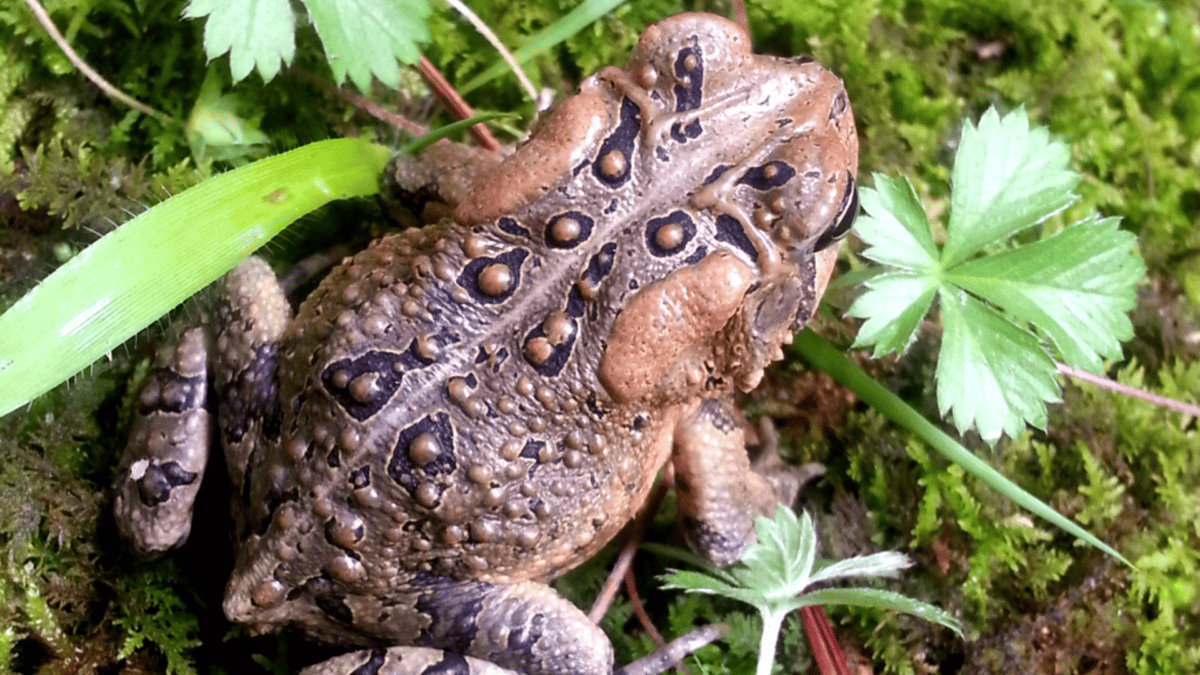
Beyond the familiar spring peepers, the Northeast experiences a progressive symphony of amphibian emergence and breeding calls as temperatures rise. American toads (Anaxyrus americanus) typically begin their distinctive high, trilling calls in April, gathering at shallow ponds and wetlands where their long, gelatinous egg strings—containing thousands of eggs—can be observed floating in the water. Wood frogs (Lithobates sylvaticus) are among the earliest to emerge, sometimes calling from vernal pools surrounded by snow, their duck-like quacking calls creating a surprising chorus in late March through April.
As spring progresses into May, the amphibian chorus diversifies with the addition of gray treefrogs (Hyla versicolor) with their melodic, bird-like trills, green frogs (Lithobates clamitans) producing calls resembling loose banjo strings, and the deep, resonant “jug-o-rum” bellowing of bullfrogs (Lithobates catesbeianus). Each species has evolved specific timing and habitat preferences that reduce competition and hybridization. Monitoring these amphibian breeding cycles has become an important citizen science activity across the Northeast, with programs like FrogWatch USA engaging volunteers to document arrival times and population trends. These observations have proven valuable for tracking climate change impacts, as shifting emergence patterns provide measurable evidence of warming spring temperatures across the region.
The emergence of spring animals across the Northeast represents far more than a collection of isolated biological events—it forms an interconnected tapestry of ecological awakening that has defined this region for thousands of years. From the soil-dwelling salamanders to the sky-dancing woodcocks, each species responds to specific environmental cues while simultaneously affecting the habitats and opportunities for others in the complex web of spring awakening. This seasonal transformation provides residents of the Northeast with unique opportunities to witness and appreciate the natural heritage that defines their region, even in increasingly urbanized landscapes.
Understanding these spring emergence patterns allows for deeper connection with natural cycles and fosters a conservation ethic grounded in direct experience with wildlife. It also offers a moving baseline against which to measure environmental changes, as shifting emergence times increasingly reflect climate alterations affecting the Northeast more rapidly than many other regions. For countless families across states from Pennsylvania to Maine, these spring wildlife encounters—whether as organized nature walks or chance backyard observations—create traditions and memories that connect generations while fostering appreciation for the remarkable biological diversity that thrives alongside human communities. As each spring unfolds, the ancient patterns continue, inviting everyone to witness, document, and protect the remarkable creatures that make this season of renewal so extraordinary.

- 21 Scary Creatures You Might Run Into While Hiking In The U.S - June 3, 2026
- The Difference Between Turtles and Tortoises—Explained - June 3, 2026
- What Makes Owls the Silent Predators of the Night? - June 3, 2026