

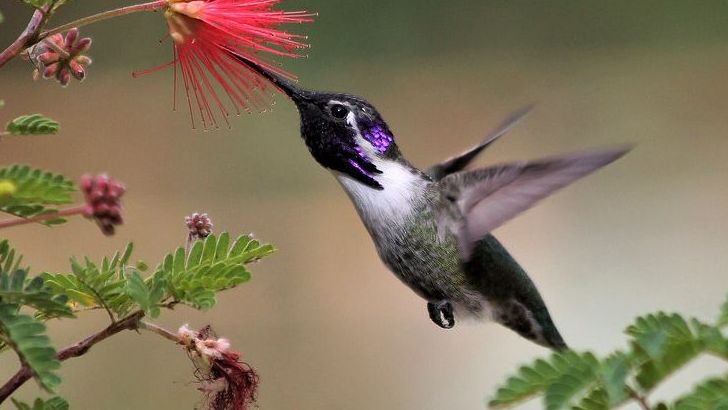
Picture this: a flash of emerald green zipping past your window, wings beating so fast they’re just a blur. You catch a glimpse of ruby red at the throat, and there it is – a hummingbird hovering at your neighbor’s flower garden while your own yard sits empty. A single hummingbird can drink approximately half its body weight in nectar every day – fuel it augments with up to 2,000 tiny insects for protein. These tiny aerial acrobats are constantly searching for the perfect nectar source, and believe it or not, some flowers are absolute magnets for them while others get completely ignored.
The secret isn’t just about having flowers – it’s about having the RIGHT flowers. Brightly-colored flowers that are tubular tend to produce the most nectar. Hummingbirds do not have a keen sense of smell and rely on bright colors to find their food. They are particularly fond of red and are often observed investigating feeders with red parts. We’re about to countdown the seventeen most irresistible flowers that will transform your garden into a hummingbird haven, saving the absolute best for last.
#17 Agastache (Hummingbird Mint)
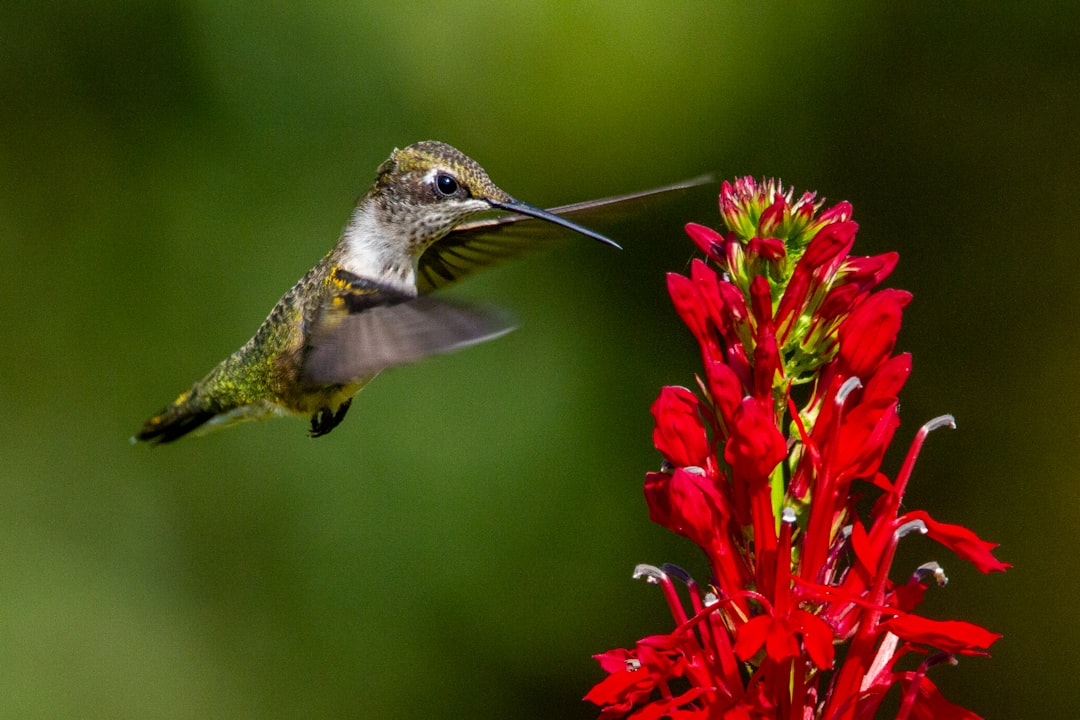
Like Bee Balm, agastache is another non-invasive beautiful member of the mint family. Agastache produces long-blooming tubular flowers that attract hummingbirds from far and wide. This drought-tolerant perennial earns its nickname honestly – hummingbirds genuinely can’t resist its nectar-rich spikes.
What makes agastache special is its incredibly long blooming season. Also known as Hummingbird Mint or Anise Hyssop, this plant has fragrant, spiky blooms that last all summer. It’s drought-tolerant and easy to maintain. Once established, it requires minimal water and keeps producing flowers from early summer through fall, making it perfect for gardeners in drier climates.
#16 Columbine
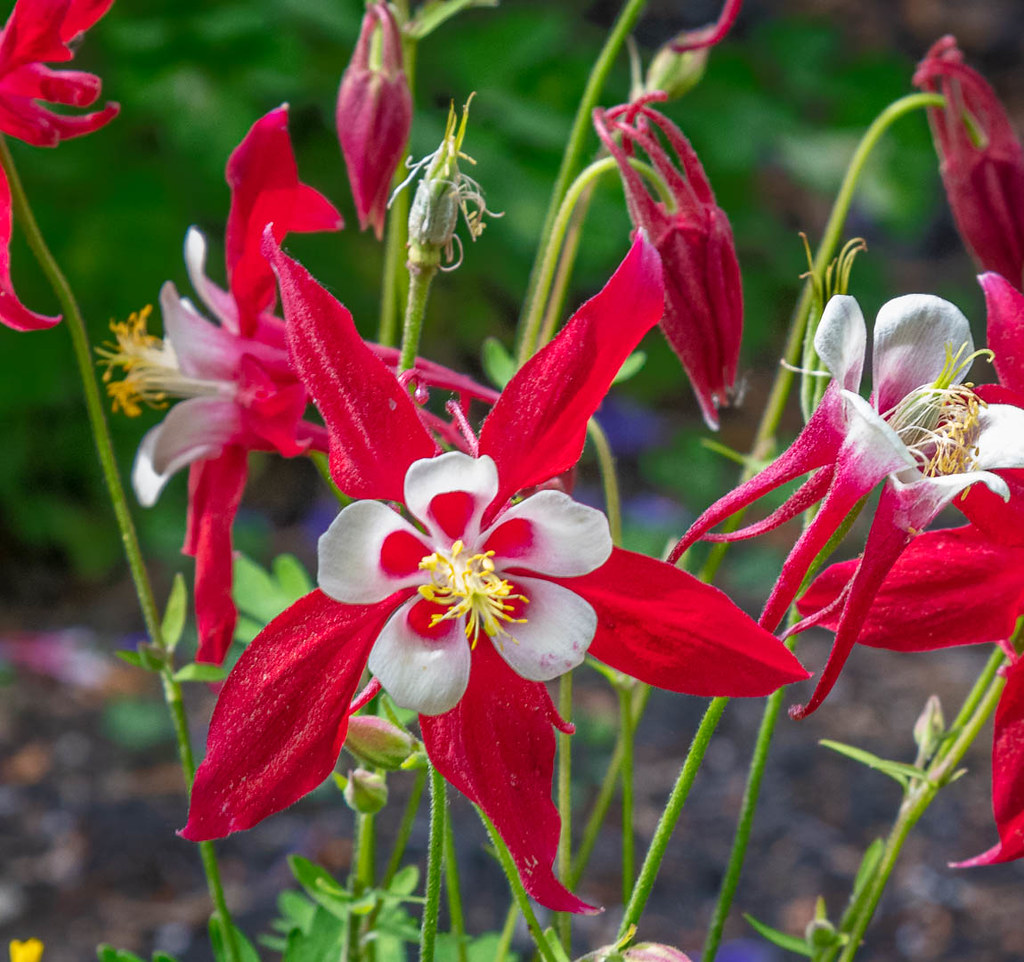
Columbine is a spring-blooming perennial that will provide nectar when other plants have not yet flowered. Their tubular shaped flowers provide nectar for the hummingbirds, and they come in multiple colors that will fit in any garden. These delicate-looking flowers are actually hummingbird powerhouses, especially valuable because they bloom early in the season.
The unique spurred petals of columbine flowers create perfect little nectar chambers that hummingbirds can easily access with their long beaks. Columbines are early bloomers arriving in the spring, providing critical nectar for hummingbirds returning from migration (bees and butterflies love it too). They’re essentially the welcome wagon for hungry hummingbirds arriving from their long winter journey south.
#15 Fuchsia
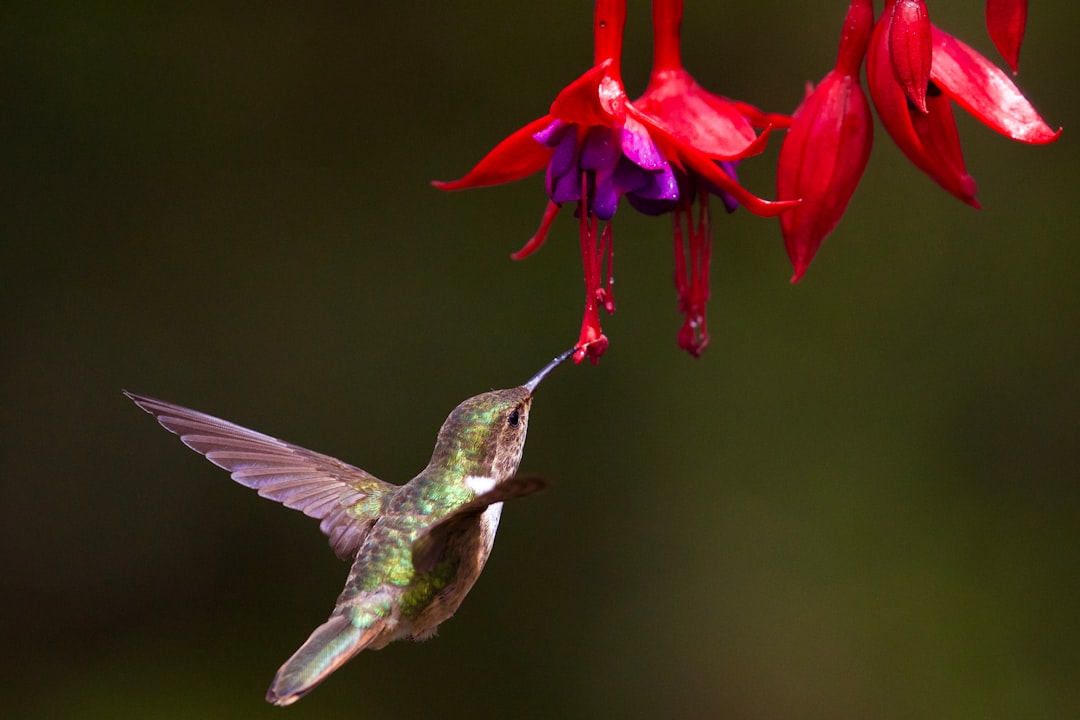
This flowering shrub is an easy-care addition to your hummingbird garden. Most are frost hardy and add a bold splash of color to a woodland garden or shady courtyard. Fuchsias are perfect for gardeners who want to attract hummingbirds to shadier spots where many other hummingbird flowers won’t thrive.
The pendant, teardrop-shaped blooms dangle like natural hummingbird feeders, making them incredibly easy for the birds to access. The amazing, summer-blooming fuchsia is a must-have. The dangling, teardrop-shaped flowers in shades of pink, purple, and red are hummingbird-approved! Fuchsia loves to grow in partial shade with consistently moist soil. Their unique drooping form means hummingbirds can hover underneath and feed comfortably without competing with other pollinators.
#14 Zinnia
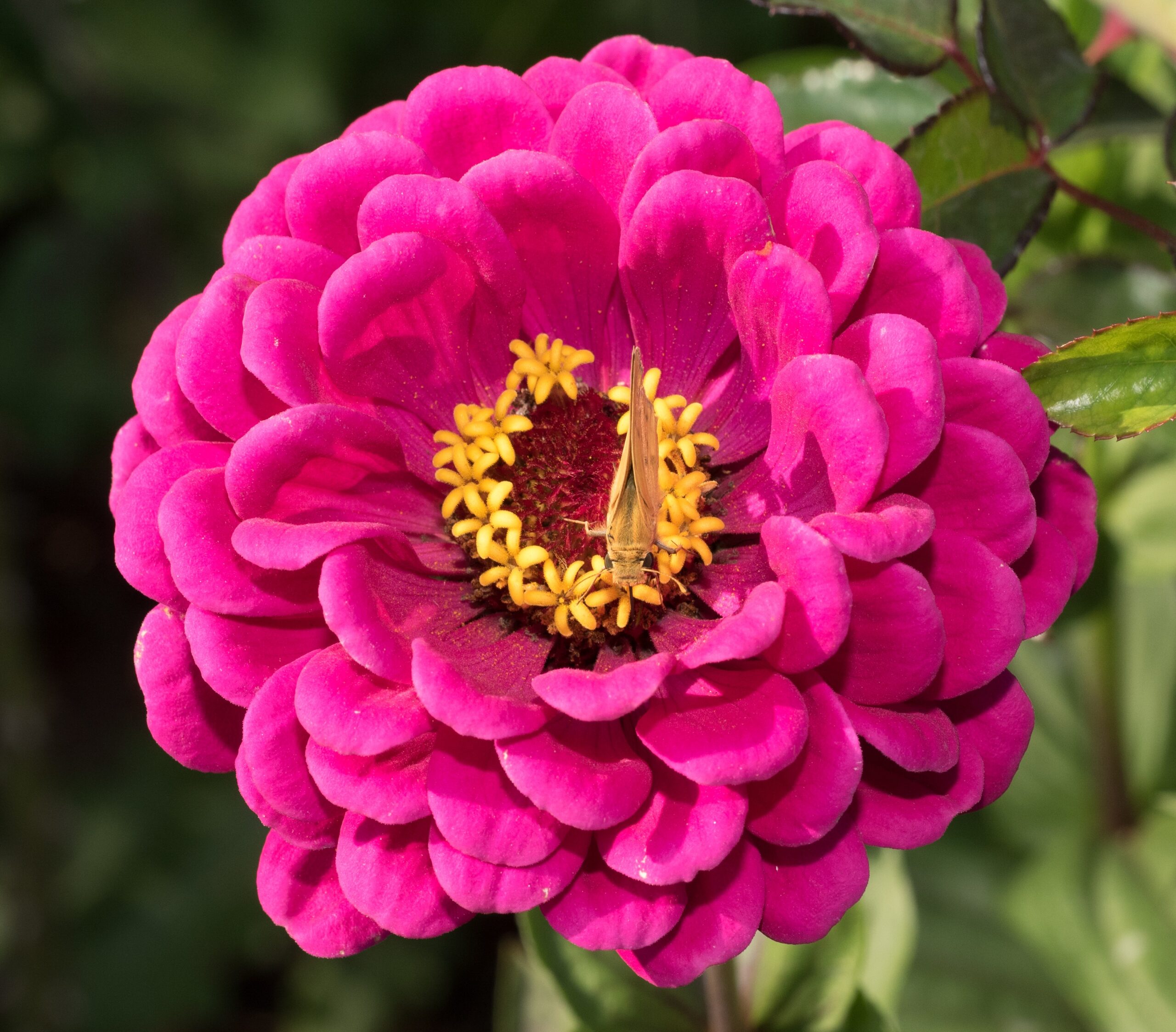
Humans and hummingbirds like zinnia flowers for several reasons. They’re easy to grow from seed. The birds sip from the central florets, and you can snip the blooms to create indoor bouquets. These cheerful annuals are beloved by beginning gardeners because they’re nearly foolproof to grow and bloom all season long.
What’s fascinating about zinnias is that they serve double duty in a hummingbird garden. Zinnias are among the most straightforward annuals to cultivate, and their vibrant blooms are particularly appealing to hummingbirds. Once the nectar is consumed by hummingbirds, seeds are produced, rendering them an ideal source of food for birds such as finches. They attract hummingbirds with their nectar and then later provide seeds for other backyard birds, making them a true wildlife garden superstar.
#13 Petunias
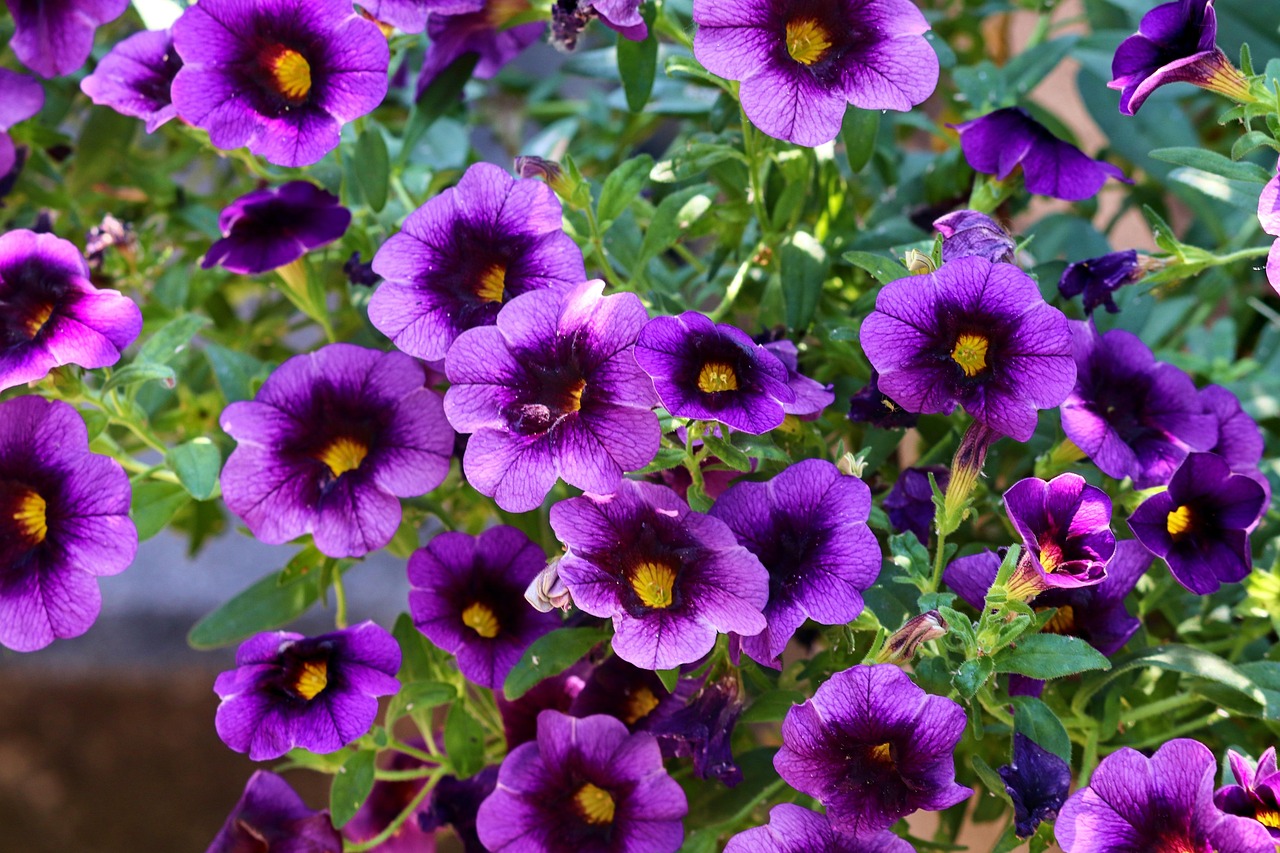
Petunias are old favorites in the garden because they work everywhere: In planters, window boxes, baskets, and landscape beds. And their tubular-shaped flowers in every color you can imagine are appealing to hummingbirds. These versatile annuals are the workhorses of the hummingbird garden, thriving in almost any sunny location.
The trumpet-shaped blooms of petunias are perfectly sized for hummingbird beaks, and they produce nectar continuously throughout the growing season. Common yet effective, petunias are a great choice for hanging baskets and window boxes. Their trumpet-like flowers are a great nectar source for hummingbirds. Water these consistently and remove faded blooms for the best results. Regular deadheading keeps them blooming until frost, providing a reliable nectar source through the entire hummingbird season.
#12 Butterfly Bush
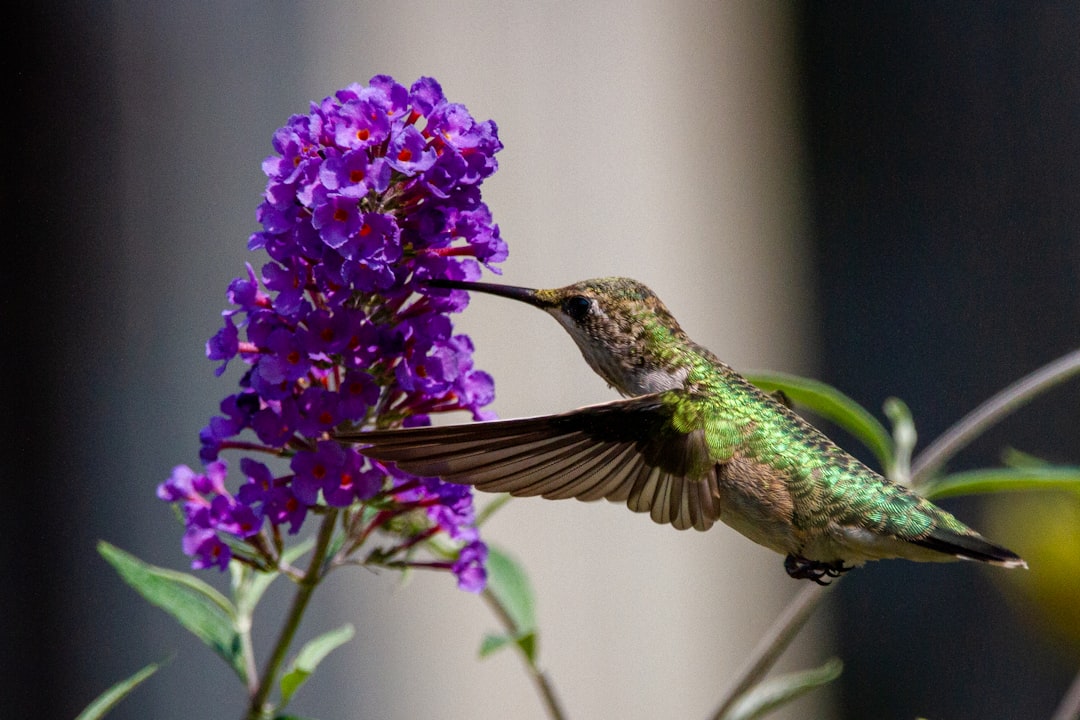
This easy-to-grow flowering shrub is attractive to butterflies, but hummingbirds love the elongated clusters of nectar-rich blooms, too. “I have noticed at my property, the butterfly bushes get the most hummingbird visitors of all of my plants and they bloom until first frost”. Despite its name suggesting it’s only for butterflies, this shrub is actually a hummingbird magnet.
The long, cone-shaped flower clusters provide landing platforms for butterflies but are equally perfect for hovering hummingbirds. Though named for butterflies, this shrub is also a hummingbird favorite. Its fragrant, cone-shaped flower clusters are irresistible to pollinators. The sweet fragrance combined with abundant nectar makes butterfly bush irresistible to both types of winged visitors, creating a buzzing hub of activity in your garden.
#11 Lantana
Lantana is a sturdy plant that doesn’t mind heat and drought once it’s established. In most of the country, it is an annual, though it can become a perennial shrub in warm climates. This tough customer laughs at summer heat waves and keeps blooming when other flowers have given up.
The small, clustered flowers of lantana create perfect landing pads for hummingbirds, and the plants bloom continuously in hot weather when many other nectar sources have faded. The bright colors – typically combinations of yellow, orange, red, and pink – act like beacons for hungry hummingbirds flying overhead. Plus, lantana’s heat tolerance means it’ll keep producing nectar even during scorching summer days when hummingbirds need it most.
#10 Morning Glory
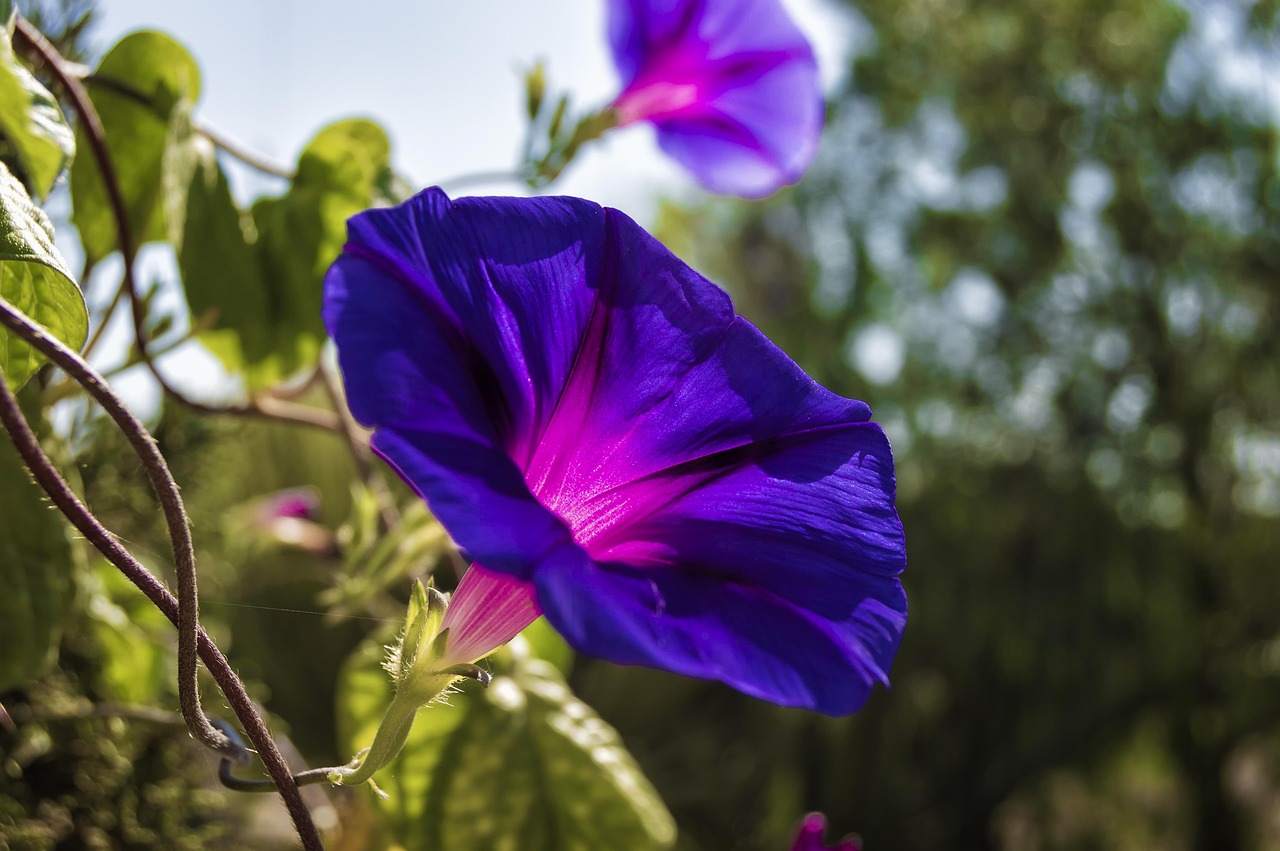
Morning glories are vining flowers that have been a favorite for decades. Used to cover fences, buildings and walls, these are one of the easiest vines to grow. They love the sun and will tolerate dry soils. These classic climbing vines offer vertical nectar sources that hummingbirds love to visit throughout the day.
Most gardeners think of the traditional blue morning glories, but they now come in multiple colors–even red! The tubular shaped flowers cover the vines that attract hummingbirds and butterflies. The funnel-shaped blooms open fresh each morning, providing a daily feast of nectar. What’s particularly clever about morning glories is how they maximize garden space – they climb up instead of out, giving you more hummingbird-attracting power in a smaller footprint.
#9 Penstemon
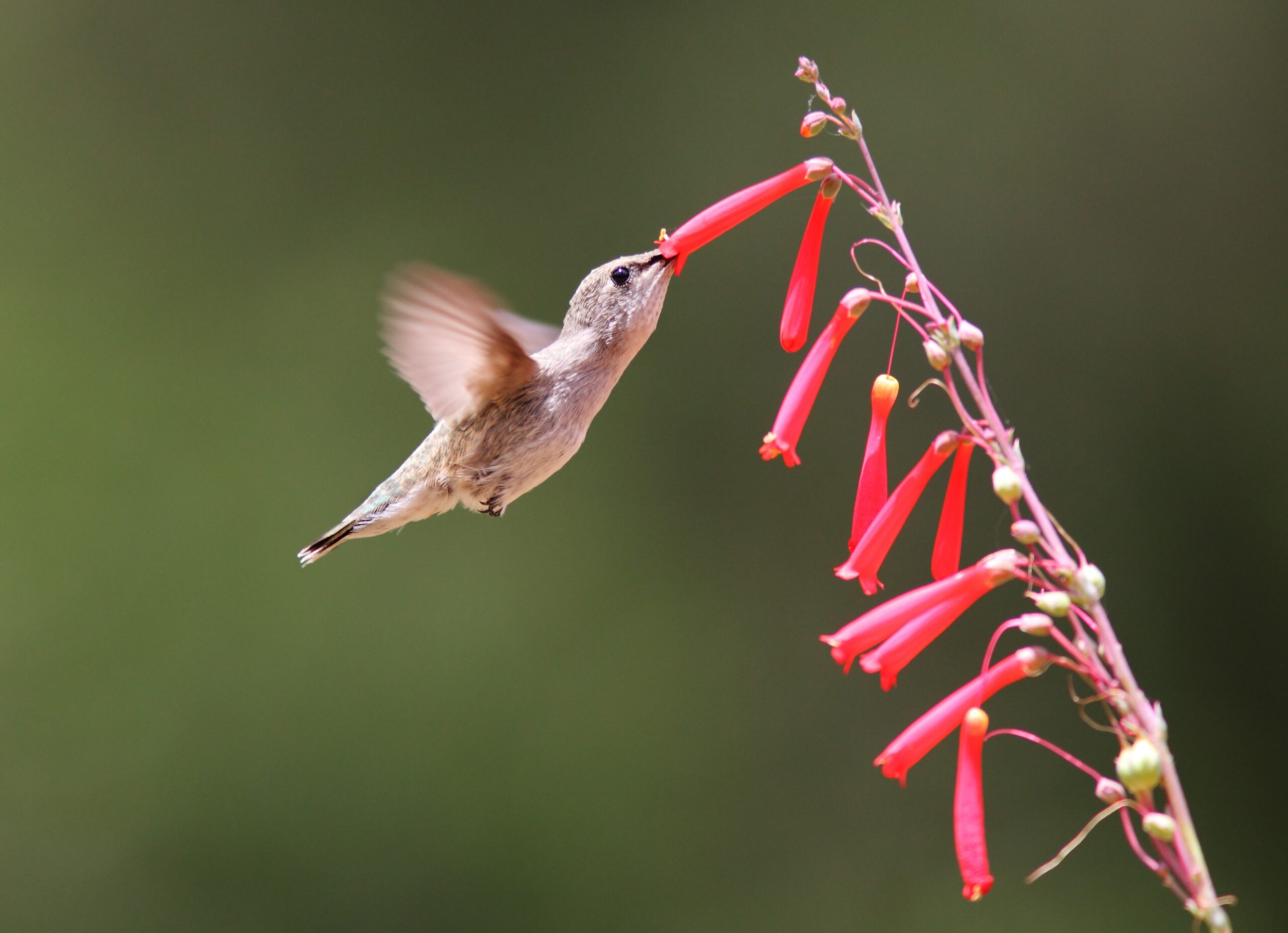
Thriving in sunny conditions, penstemons have tube-shaped flowers that are jam-packed with nectar, making them attractive to hummingbirds and other pollinators. These North American natives are perfectly adapted to attract our native hummingbird species, having evolved together over thousands of years.
Penstemons are North American natives that come in many forms. It’s best to plant those that are native to your area. The beauty of penstemons lies in their diversity – there’s likely a native species perfect for your specific region and growing conditions. Their tubular flowers come in shades that hummingbirds find irresistible, from deep purple to bright red, and they’re incredibly drought-tolerant once established.
#8 Cuphea
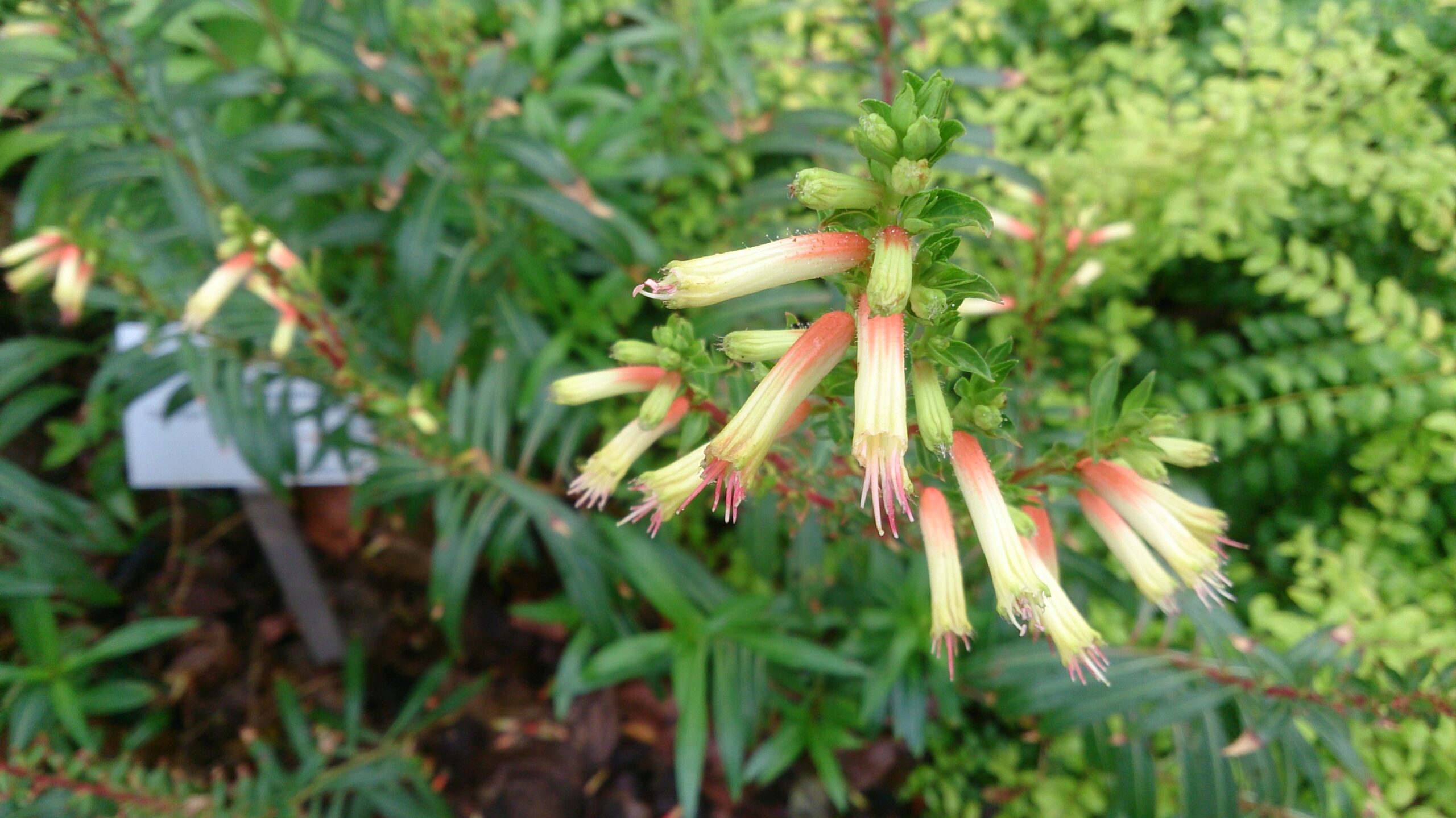
If you plant only one flower for your hummingbirds, make it cuphea! This pretty flower loves, loves, loves the heat. It will keep blooming well into fall, as long as you keep it fertilized and watered. It’s one of the absolute best for attracting hummingbirds. This recommendation comes with serious enthusiasm, and for good reason.
Cuphea’s tiny, tubular flowers are perfectly sized for hummingbird beaks, and the plants are blooming machines that just don’t quit. The heat tolerance is remarkable – while other flowers wilt in summer sun, cuphea thrives and actually blooms more prolifically in hot weather. Many varieties have interesting flower shapes that look like tiny cigars or mouse faces, adding whimsy to your garden while providing serious hummingbird appeal.
#7 Catmint
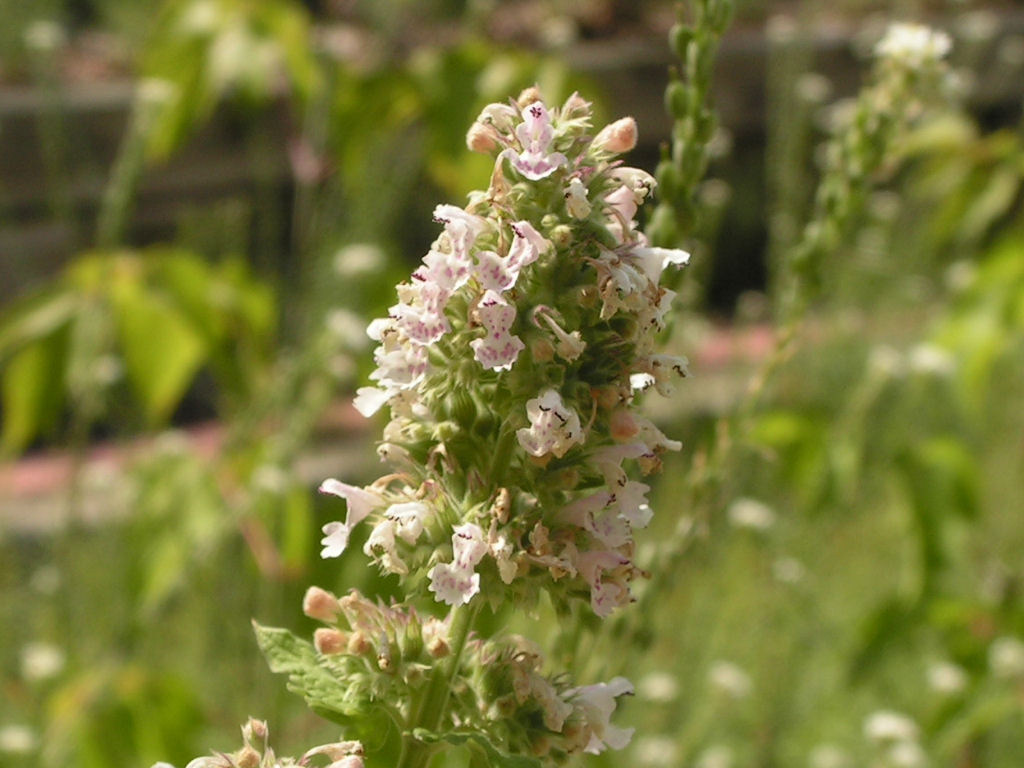
Catmint (Nepeta spp.) has much to offer the gardener including long-lasting blooms, drought tolerance, and deer resistance, as well as aromatic foliage. Hummingbirds are also attracted to the tiny tubular lavender-blue flowers and enjoy the sheer abundance of blooms on each long flower spike. This perennial is a garden multitasker that solves several problems at once.
The soft blue-purple flower spikes create a cottage garden look while providing abundant nectar sources for hummingbirds. What makes catmint particularly valuable is its incredible drought tolerance and deer resistance – you get beautiful, hummingbird-attracting flowers without the constant watering or pest problems. The aromatic foliage releases a pleasant scent when brushed against, adding another sensory dimension to your garden experience.
#6 Honeysuckle (Native Varieties)
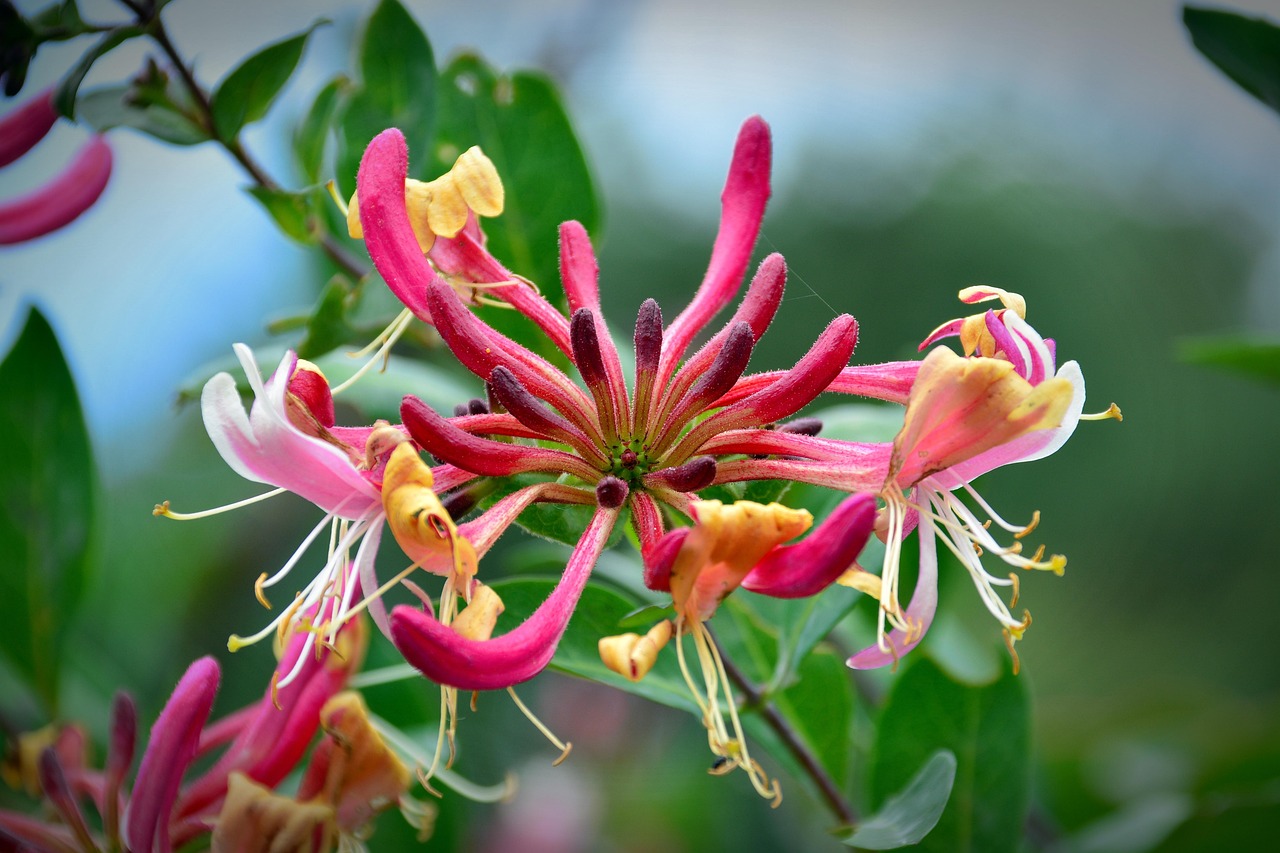
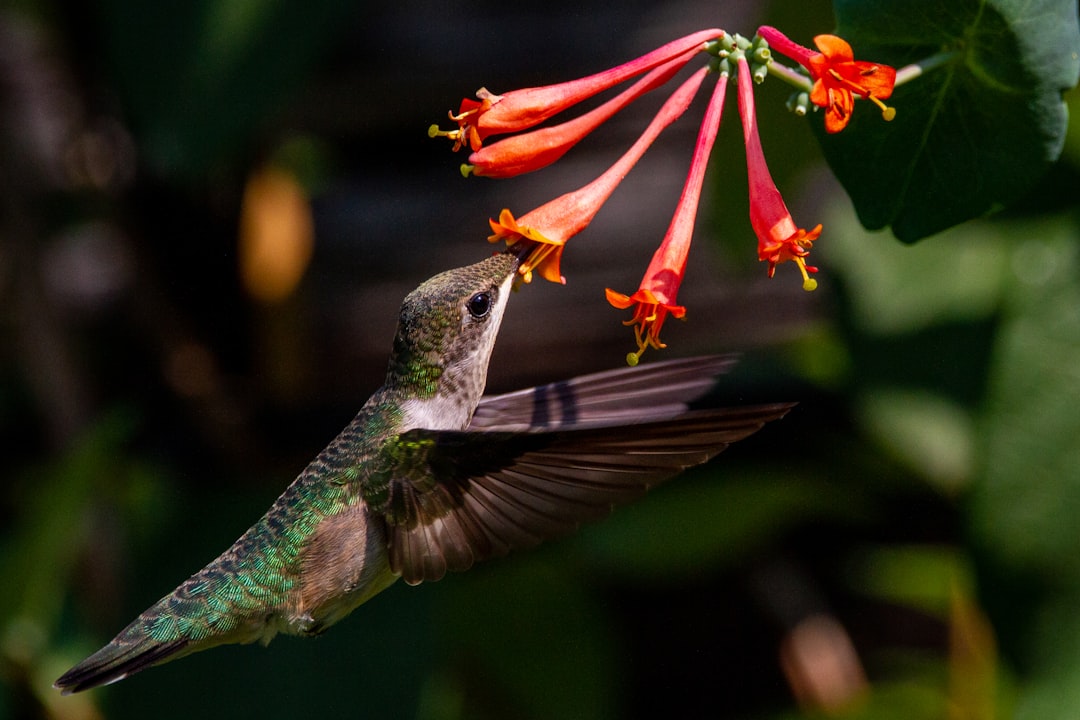
Hummingbirds go absolutely wild for this climber. We don’t always recommend honeysuckle – many types are invasive – but this one is an exception worth considering. It’s native to many areas, and hummingbirds will visit all summer for its nectar. The key here is choosing native varieties like coral honeysuckle, which provide all the benefits without the invasive problems.
Hummingbirds, butterflies and bees love native honeysuckle. Planting it in full sun or partial shade and moist soil will encourage the best flowering. The orange-red, trumpet-shaped flowers appear in clusters amongst the blue-green leaves. Native honeysuckle creates a sweet-smelling hummingbird highway, with clusters of perfectly shaped flowers that seem designed specifically for hovering birds. The vine habit means you get maximum flower power from minimal garden space.
#5 Delphinium
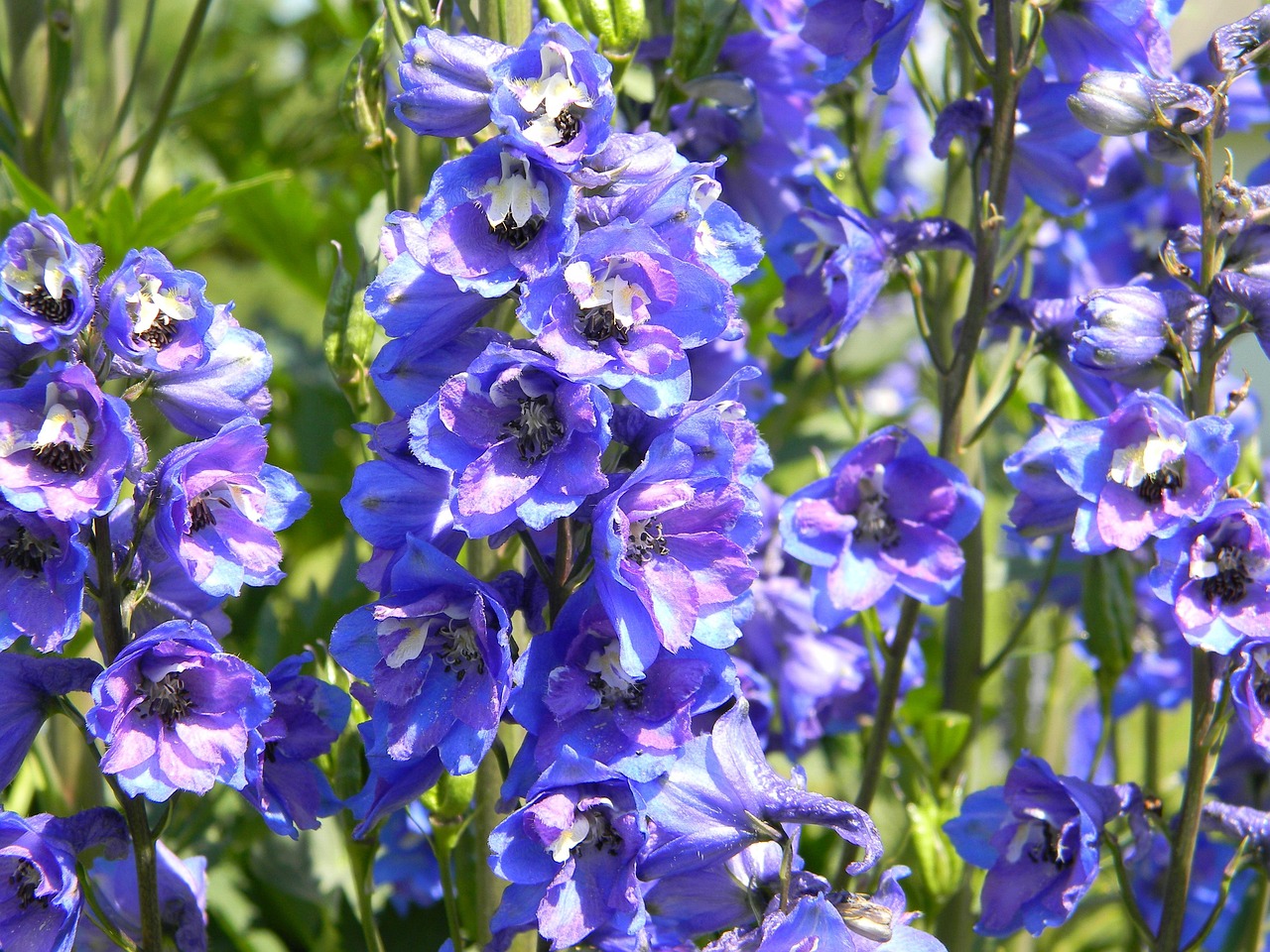
These stunning cottage garden flowers are a must-have for garden borders. Of course, hummingbirds love them, but you will, too, with their striking upright form and intense pink, purple or blue hues. Delphiniums add dramatic vertical elements to garden design while serving as hummingbird magnets.
The tall flower spikes packed with densely arranged blooms create vertical feeding stations that hummingbirds can work from top to bottom. Each individual flower on the spike has the perfect tubular shape for hummingbird feeding, and the height of the plants makes them visible from long distances – essentially acting as hummingbird landing beacons. The cool blue and purple colors provide a nice contrast to the warmer reds and oranges of other hummingbird flowers.
#4 Cardinal Flower
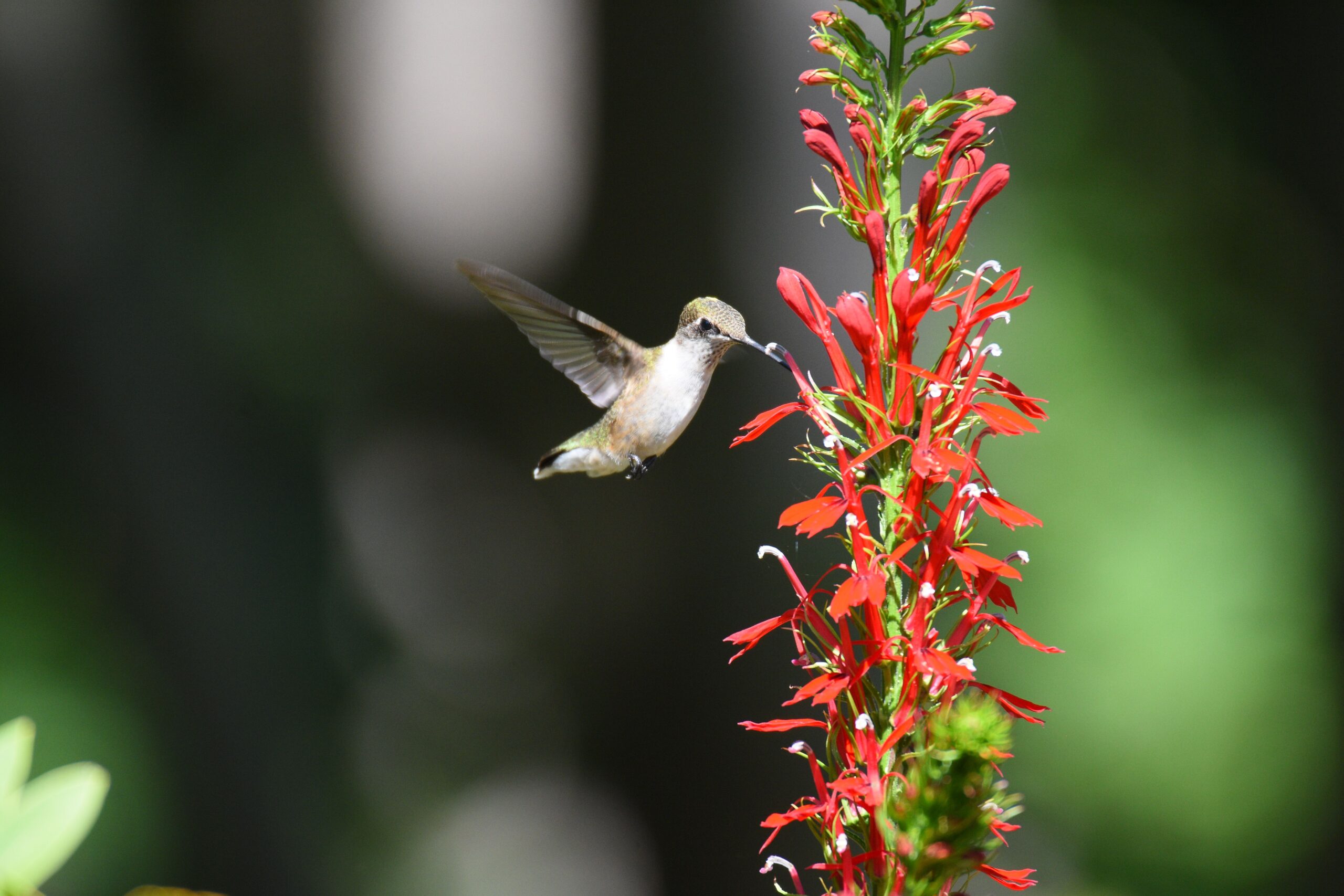
Cardinal flowers are a bright, brilliant shade of red; hummingbirds can’t miss them! Hummingbirds can drink nectar from their slender tube-like flowers with ease. These flowers are so bird-friendly that The Audubon Society has dubbed cardinal flowers “a hummingbird magnet”! When the Audubon Society gives a plant that kind of endorsement, you know it’s special.
Cardinal flower, named for the red robes worn by Roman Catholic cardinals, needs mulch to retain moisture during summer and protect its root system during cold northern winters. It’s one of the top hummingbirds flowers you should grow. The brilliant red color is like a stop sign for hummingbirds – they simply cannot ignore it. Native to North America, this flower has co-evolved with our hummingbird species, making it perfectly adapted to provide exactly what they need.
#3 Bee Balm
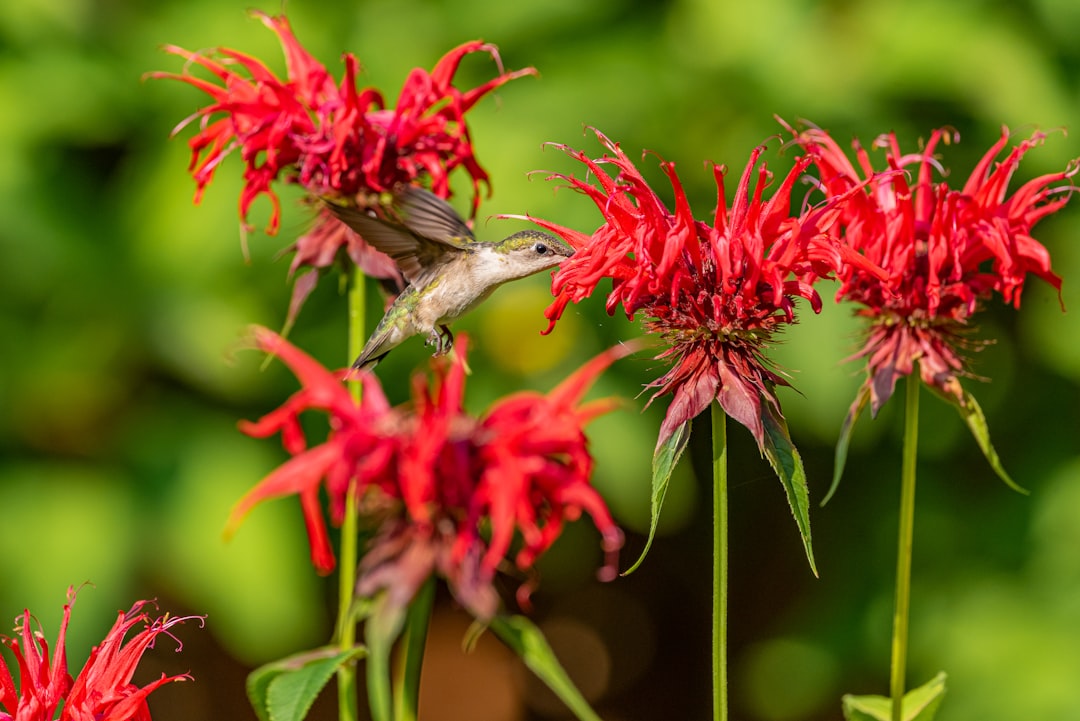
For a surefire way to attract hummingbirds with flowers, grow bee balm. This beauty grows up to 4 feet tall in full sun and starts flowering in midsummer. Whether you choose natives or cultivated varieties, the birds can’t resist the nectar-rich blooms. Bee balm has earned its reputation as one of the most reliable hummingbird attractors you can plant.
Hummingbirds, butterflies, and – of course – bees are all attracted to bee balm, also known as wild bergamot. Native to North America, scarlet bee balm is a special favorite of hummingbirds. The unique circular clusters of tubular flowers create multiple feeding opportunities on each bloom, and the minty fragrance adds another layer of attraction. What’s remarkable is how bee balm creates a pollinator party – you’ll often see hummingbirds, butterflies, and bees all working the same plant at different levels.
#2 Salvia
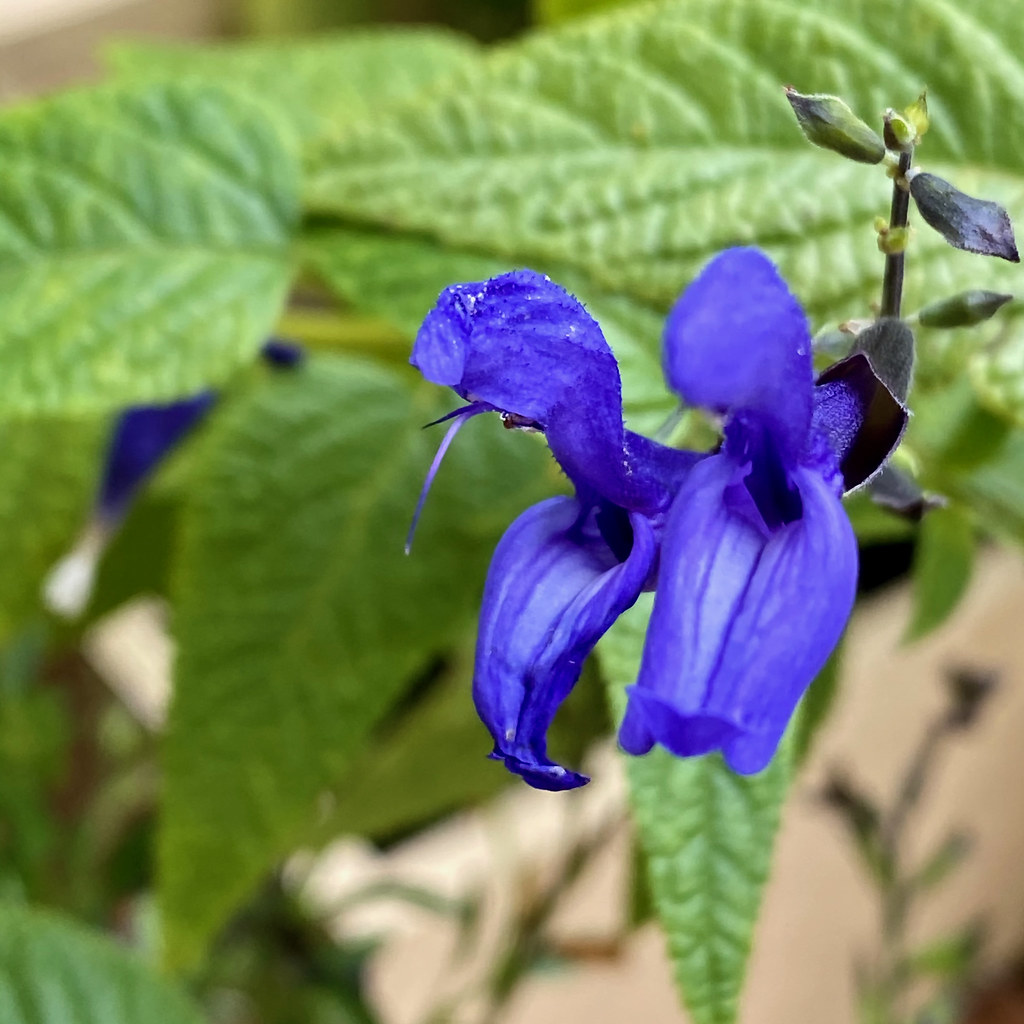
Pick a salvia, any type of salvia – hummingbirds like them all. The tubular blooms are just right for dipping a beak into. This massive plant family offers something for every garden situation, and hummingbirds adore every single variety. Yet one thing most salvia species have in common is: hummingbirds adore them. In our garden, salvia flowers attract hummingbirds more than any other plant! It is their clear favorite.
Salvias are an incredibly diverse group – an option exists for every ecosystem. Native varieties provide the most nectar for visiting hummingbirds, but hummers will also sip from cultivars, which come in a wider range of colors and sizes. A hummingbird’s long tongue, which can extend to about twice the length of its bill, is perfectly adapted to salvia’s long tubular flowers. It’s as if salvias and hummingbirds were designed for each other – the long tubular flowers are the perfect match for the birds’ specialized feeding apparatus. With hundreds of varieties available, you can have salvias blooming from spring through fall in nearly any color imaginable.
#1 Trumpet Vine
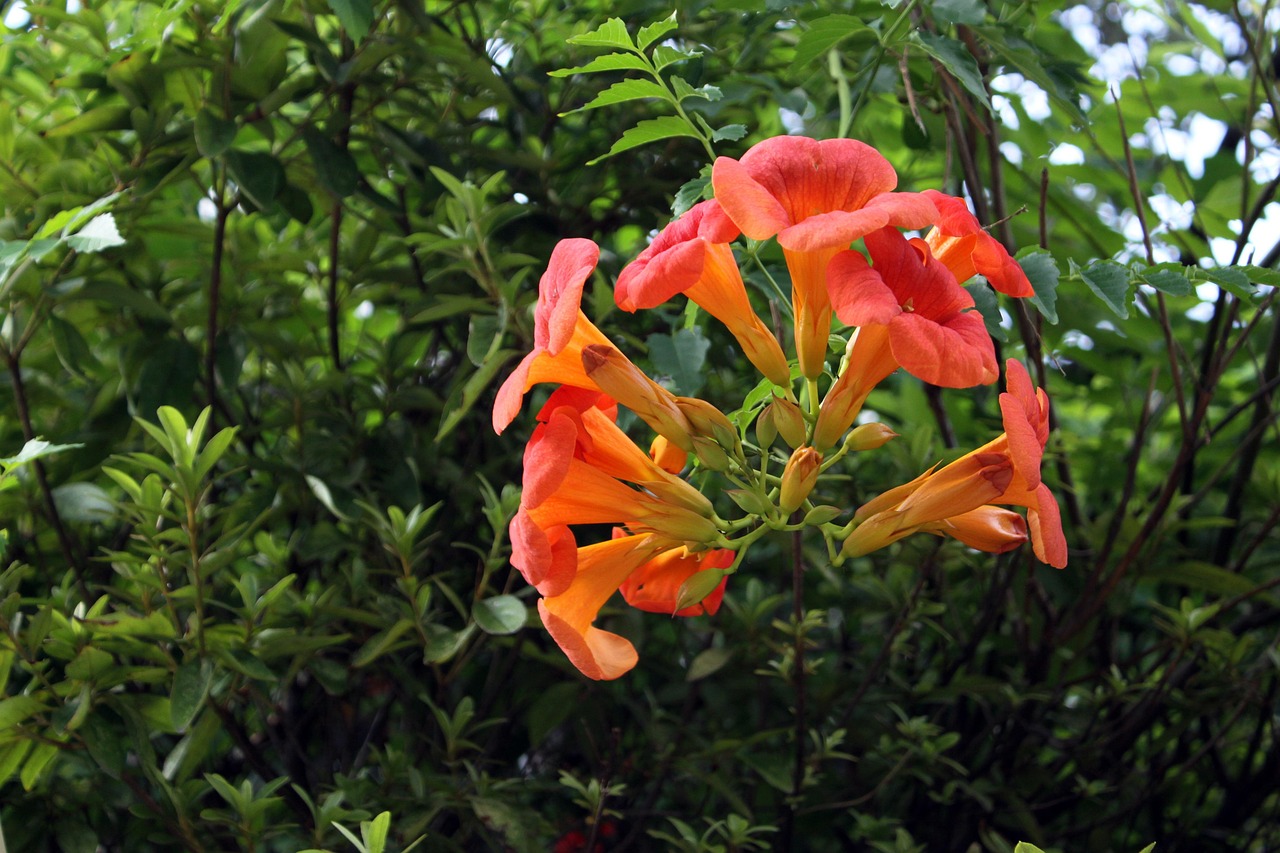
Trumpet vine is known for producing exceptionally high amounts of nectar for hummingbirds. This is the most classic and well-known hummingbird vine. Native to the eastern U.S. and Canada, trumpet vine thrives in full sun and poor soils. When hummingbird experts talk about the ultimate hummingbird plant, trumpet vine consistently tops the list.
Those deep flowers hold sweet nectar at their base, drawing hummingbirds in to feast. These birds pollinate the plant, along with bees, butterflies and ants, among others. The large, orange-red trumpet-shaped flowers are like hummingbird cafeterias, each bloom holding an incredible amount of high-quality nectar. Trumpet vines are so incredibly easy to grow that attracting hummingbirds with trumpet vines is about as easy as it gets. You might think that hummingbirds are attracted to trumpet vines because of the high nectar content and the color – generally shades of red, orange, or yellow, but you would only be partially right. The other huge reason why hummingbirds like trumpet vines is the shape of the blooms, which accommodate the birds’ long tongues. It’s the complete package – maximum nectar, perfect color, ideal shape, and bulletproof growing habits. If you could plant only one hummingbird flower, this would be it.
Creating Your Hummingbird Haven
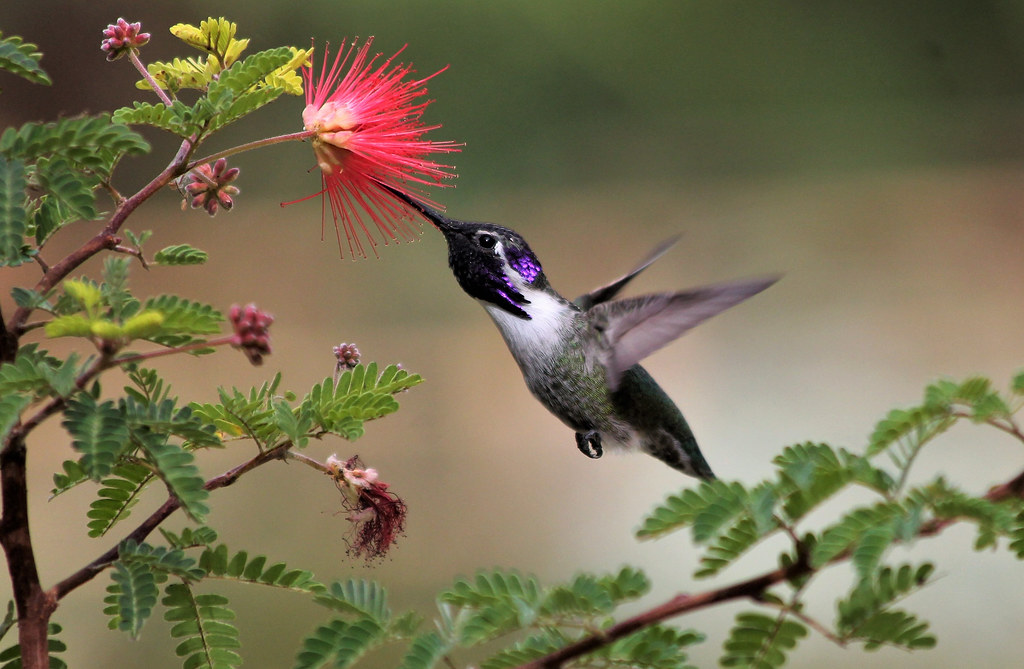
Now that you know the top seventeen hummingbird flowers, the secret to success lies in planting several varieties that bloom at different times throughout the season. Plant a variety of different flowers from this list, and space them well apart throughout your garden or yard. Hummingbirds tend to be territorial, and you’ll attract more birds – and reduce the fighting – if there are lots of places for them to feed.
Remember that creating a hummingbird garden is about more than just flowers. Hummingbirds also need a habitat that will give them food, water, shelter, and security. Provide lots of space between plants to give hummingbirds enough room to hover and navigate from flower to flower. Add a shallow water source, avoid pesticides, and plant some shrubs or small trees nearby for perching and nesting sites. While whizzing about the garden, hummingbirds expend so much energy that they must eat at least half their body weight each day to replace the calories that they burn up. This means eating almost constantly – from sunrise to sunset – and visiting over a thousand flowers every day.
With trumpet vine leading the charge and these other sixteen fantastic flowers supporting the effort, you’ll create a garden that hummingbirds simply cannot resist. So tell me – are you ready to turn your backyard into the neighborhood’s most popular hummingbird destination?

- 6 Friendliest Dogs That Love People - June 12, 2026
- How Owls See in the Dark — and What It Reveals About Evolution - June 12, 2026
- Tourists Capture Orca Launching Into Acrobatic Flip in Rare Footage - June 12, 2026