


Exploring the breathtaking landscapes of the United States’ national parks is an exhilarating adventure. These pristine environments offer visitors a chance to connect with nature and observe wildlife in their natural habitats. However, amid the grandeur and beauty, certain animals pose potential risks to those who venture near. Understanding these animals, their behaviors, and how to safely navigate their habitats is crucial for any park visitor. Dive into this comprehensive guide to uncover the ten most dangerous animals found in US national parks and learn how to stay safe while enjoying your outdoor escapades.
10. The Mighty Grizzly Bear A Force of Nature

Grizzly bears are iconic inhabitants of many national parks, especially in the western United States, including Yellowstone and Glacier National Park. These majestic creatures can weigh up to 1,500 pounds and are known for their incredible strength and speed. Grizzlies are generally solitary animals, relying on their keen senses to hunt and forage. While they typically avoid human contact, surprise encounters or mother bears protecting their cubs can lead to dangerous situations. It is essential to make noise while hiking, carry bear spray, and know how to react if you encounter one.
9. The Elusive Mountain Lion Silent Stalkers
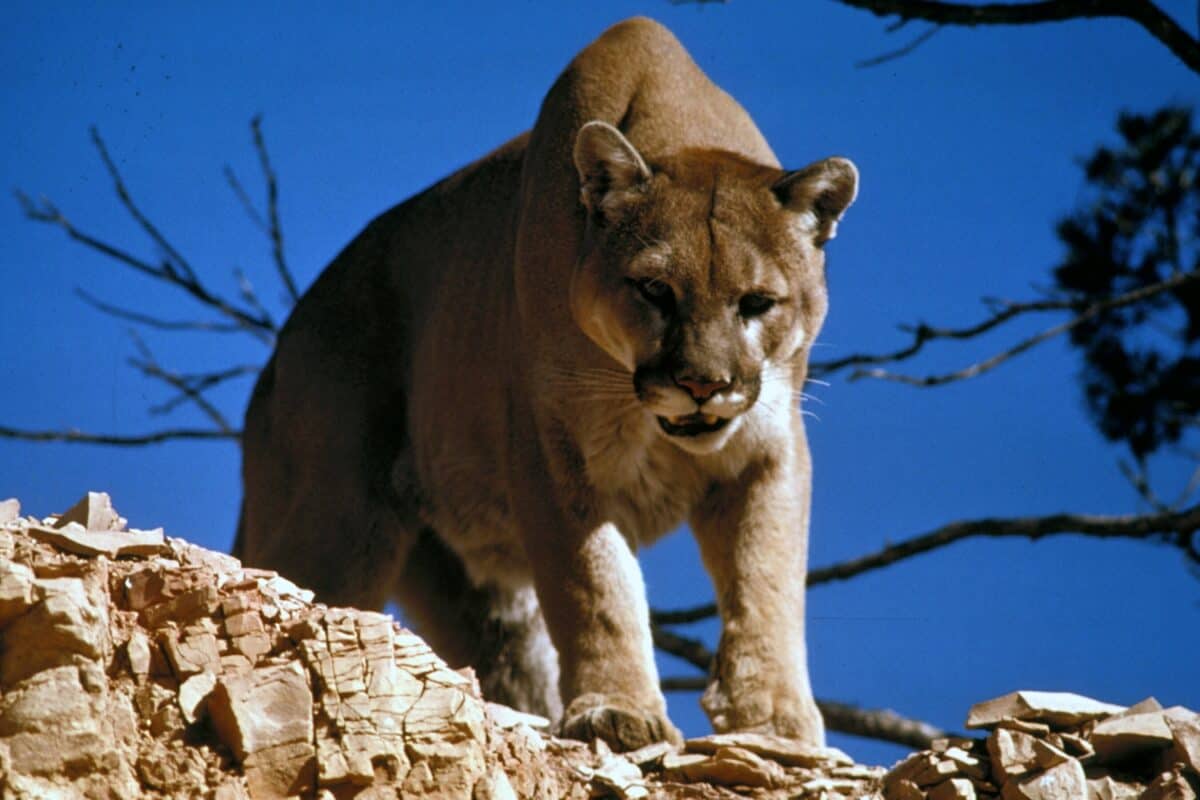
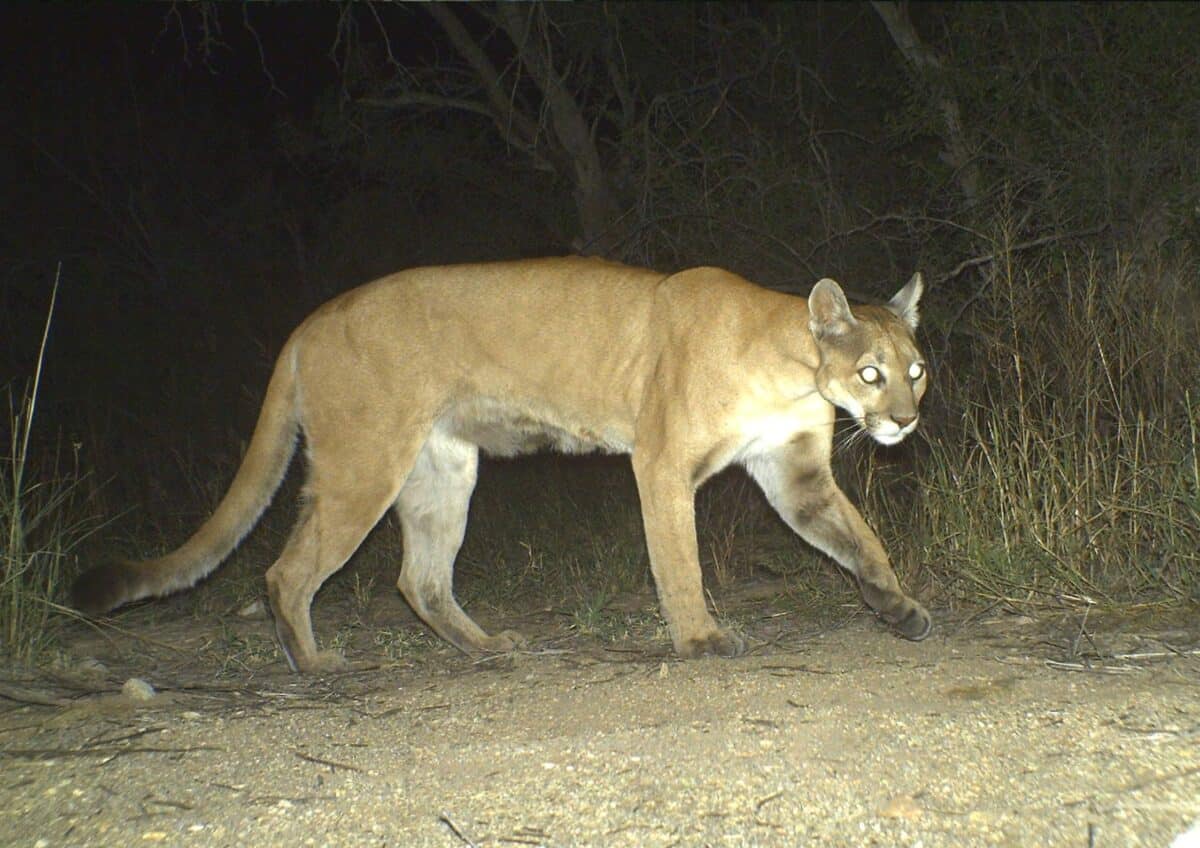
Mountain lions, also known as cougars or pumas, are adaptable predators found across various habitats, from desert regions to forests. These solitary and elusive animals are most active at dawn and dusk. While attacks on humans are rare, they have occurred in places like Yosemite and the Grand Canyon. To reduce risk, it’s advised to travel in groups, keep children close, and avoid hiking during their peak activity hours. If confronted, standing tall and making noise can often deter them.
8. The Imposing Bison Powerful and Unpredictable

Bison are synonymous with the Great Plains but are also prevalent in parks like Yellowstone. Weighing up to 2,000 pounds, these peaceful-looking giants can become aggressive if provoked. Each year, more visitors are injured by bison than bears. To keep safe, maintain a distance of at least 25 yards and avoid actions that could be perceived as threatening, such as approaching or feeding them.
7. The Venomous Rattlesnake Master of Camouflage

Rattlesnakes inhabit many national parks, especially in the arid southwest regions like the Grand Canyon and Joshua Tree. Their distinctive rattle provides a warning to potential threats. Rattlesnake bites are rarely fatal due to the availability of medical treatment, but they are dangerous and painful. Exercise caution by sticking to well-worn trails, avoiding tall grass, and wearing boots and long pants.
6. The Swift Coyote Clever Canines

Commonly found in both urban and wilderness areas, coyotes have adapted well to the presence of humans. Although generally shy, they can become bold if they associate humans with food. Parks like the Grand Canyon and Everglades see occasional coyote encounters. To prevent problems, never feed wildlife and secure your food while camping. Making loud noises can scare them away if they approach.
5. The Aggressive Wild Boar Underrated Danger

Wild boars, or feral hogs, present in several southern parks such as the Great Smoky Mountains, can be aggressive, especially when cornered or with young. These highly adaptable animals can cause injury with their sharp tusks. Maintaining a safe distance and avoiding dense vegetation where they might be hiding is advisable.
4. The Formidable Moose Gentle Giants with a Scary Side
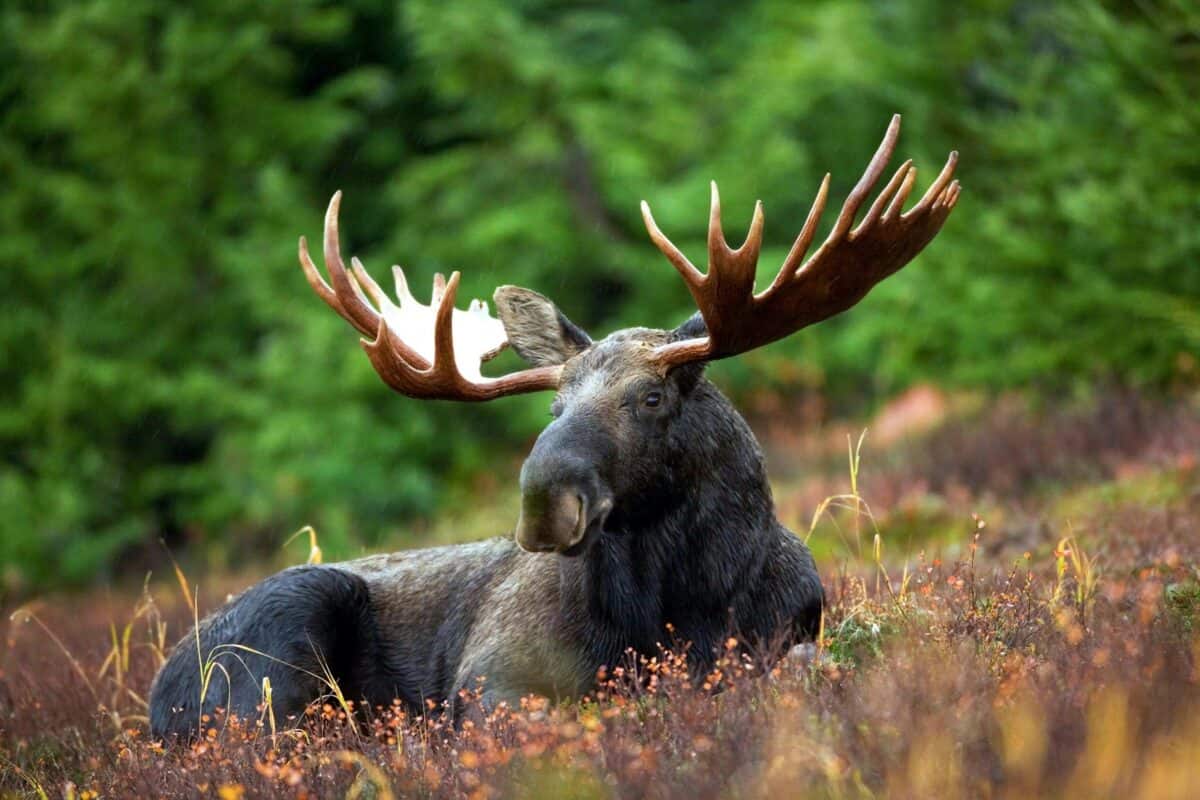
Moose are among the most dangerous animals in parks like Denali and Grand Teton due to their size and unpredictable nature. While generally peaceful, they can charge when threatened, particularly during the rutting season or when protecting calves. Observing moose from afar and paying attention to their body language is essential for safety.
3. The Stealthy Black Bear More Common Than You Think
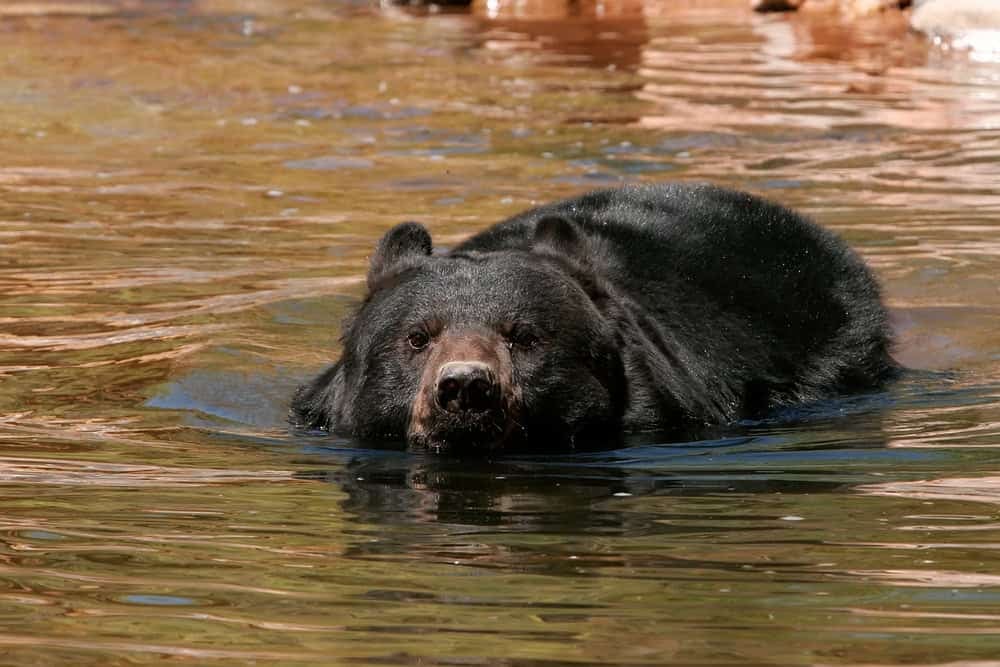
Black bears inhabit various national parks across the United States, including the Great Smoky Mountains and Shenandoah. They can be curious and might approach campsites in search of food. Educating yourself on bear behavior and securing all food and scented items can prevent unwanted bear encounters. Like with grizzlies, knowledge of bear spray use is also beneficial here.
2. The Shrewd Alligator Masters of the Swamps

Alligators are synonymous with the wetlands of the southeastern United States and are often seen in Everglades National Park. Although generally sedentary, they can move quickly in short bursts. To avoid danger, maintain a safe distance, particularly around water, and never approach or feed them. Be cautious in areas known to be alligator habitats.
1. The Persistent Deer Tick Tiny but Troublesome
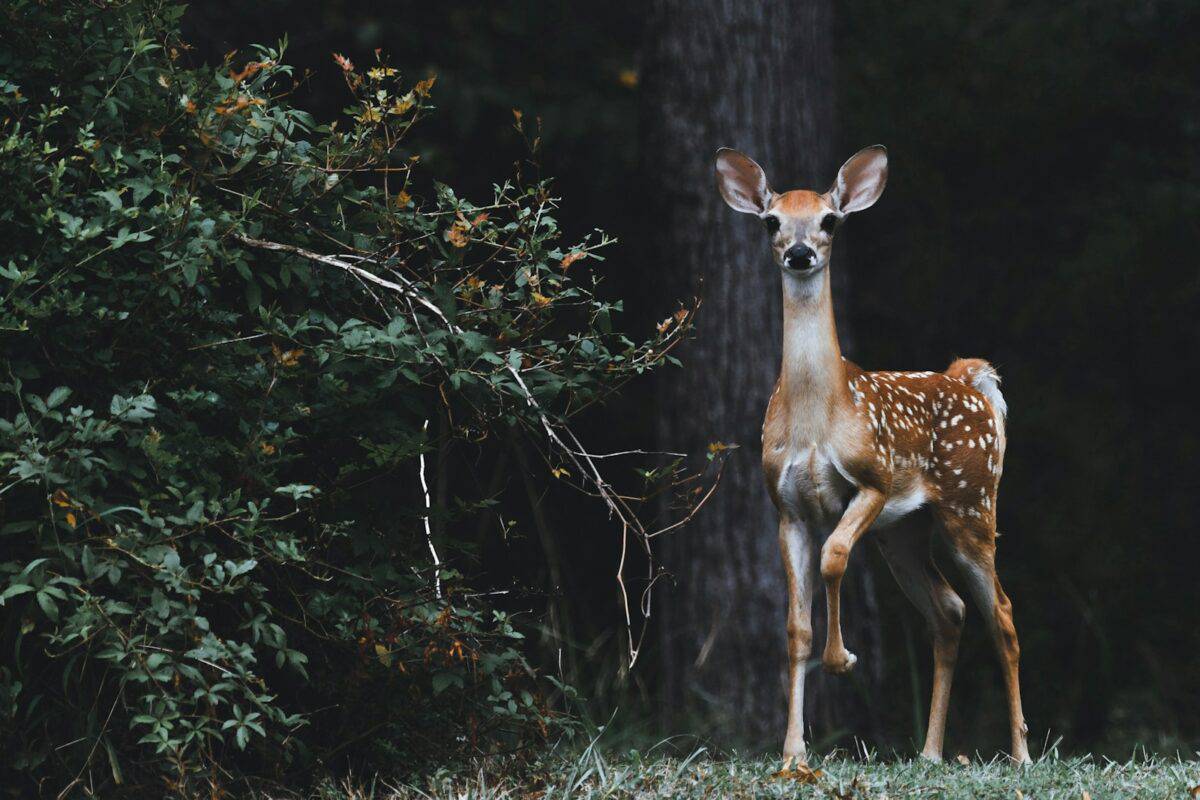
While not menacing in appearance, deer ticks are vectors for Lyme disease, affecting areas like the Northeast and Midwest. Camping and hiking in parks frequented by deer increase your chance of encountering them. To protect yourself, use insect repellent, wear long sleeves and pants, and conduct thorough tick checks after outdoor activities.
Staying Safe in the Wild
Understanding the potential dangers posed by wildlife in US national parks is a crucial part of any outdoor adventure. By being informed and prepared, you can safely enjoy the breathtaking beauty these parks have to offer. Remember that wildlife should be respected and observed from a distance, using binoculars or cameras for a closer view. While these creatures contribute to the natural charm of the parks, keeping both yourself and the animals safe is paramount.
Conclusion: Embrace Nature with Respect

Exploring US national parks provides a unique opportunity to connect with nature’s wonders. Awareness and respect for the wildlife, coupled with preventive safety measures, can help ensure your park visits are memorable for the right reasons. By adhering to park guidelines and maintaining a respectful distance, you can enjoy the diverse and magnificent ecosystems these parks have to offer while safeguarding yourself and the incredible animals within them.

As a little kid, I fell in love with nature, wildlife, and animals. Living in the USA, South Africa, Italy, China and Germany gave me the opportunity to discover the world's Wildlife. My favorite animals are Mountain Gorillas, Siberian Tigers, and Great White Sharks.
I'm a certified PADI Open Water Diver, went to Everest Base Camp and Trekked Gorillas in Uganda. I hold a Master of Science in Economics and Finance.
Please send any feedback to feedback@animalsaroundtheglobe.com
- Why the Great Barrier Reef Is the Best Place to Spot Sea Turtles - June 3, 2026
- 2 Animals With Super Sized Body Parts and What They are For - June 3, 2026
- Explore The Azores - June 3, 2026