


Efforts to protect endangered species have been ongoing for decades, and the fruits of these endeavors are beginning to show. Some remarkable species on the brink of extinction are now witnessing a glimmer of hope, rebounding thanks to robust conservation programs. This article explores eleven such species, shedding light on the conservation efforts that are enabling their recovery.
Amur Leopard Grace in the Wild
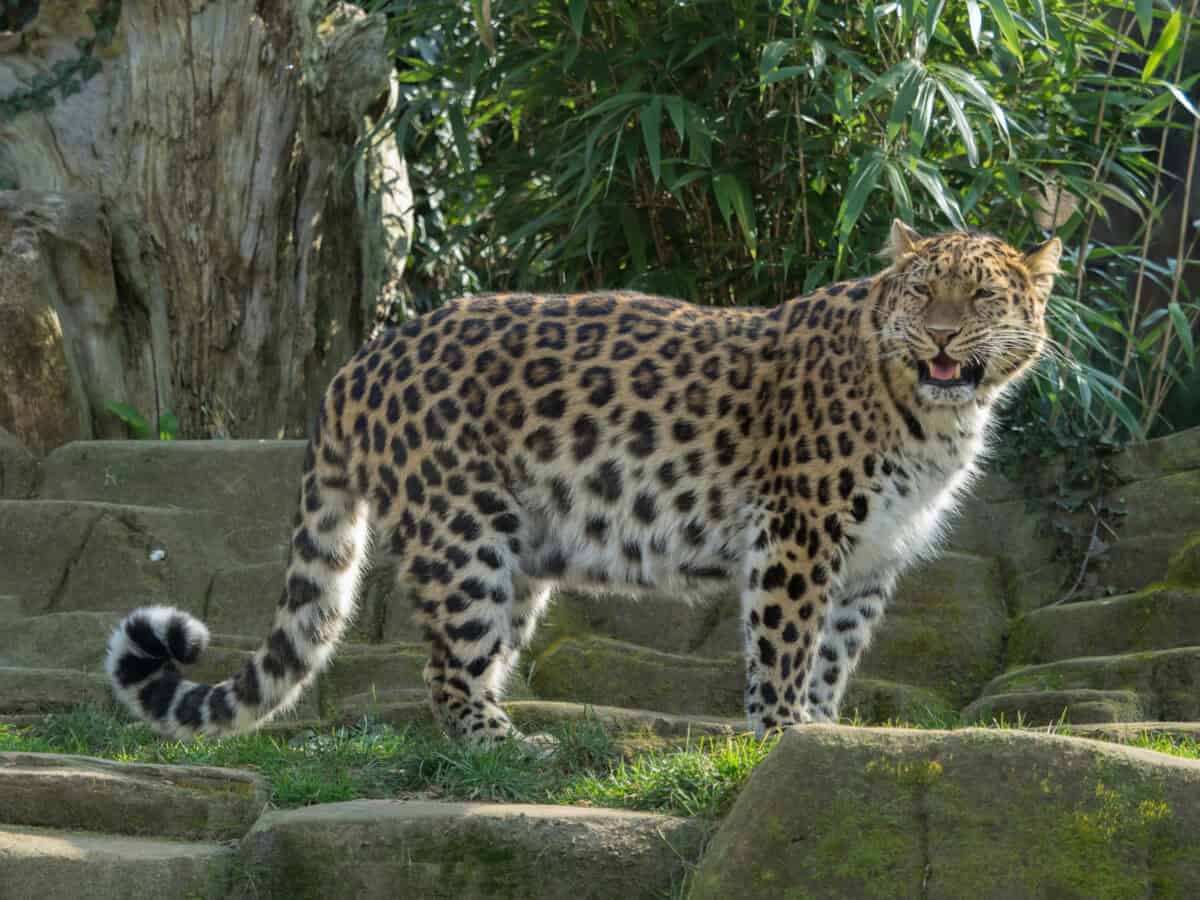
The Amur leopard, native to the forested regions of Russia and China, has long been one of the most endangered big cats in the world. With its population dwindling due to poaching and habitat destruction, conservationists have worked tirelessly to protect its habitat and enforce anti-poaching laws. Recent conservation success stories highlight a slow yet noticeable increase in their numbers, thanks to the combined efforts of international wildlife organizations and local governments.
Black Rhino The Horn of Hope
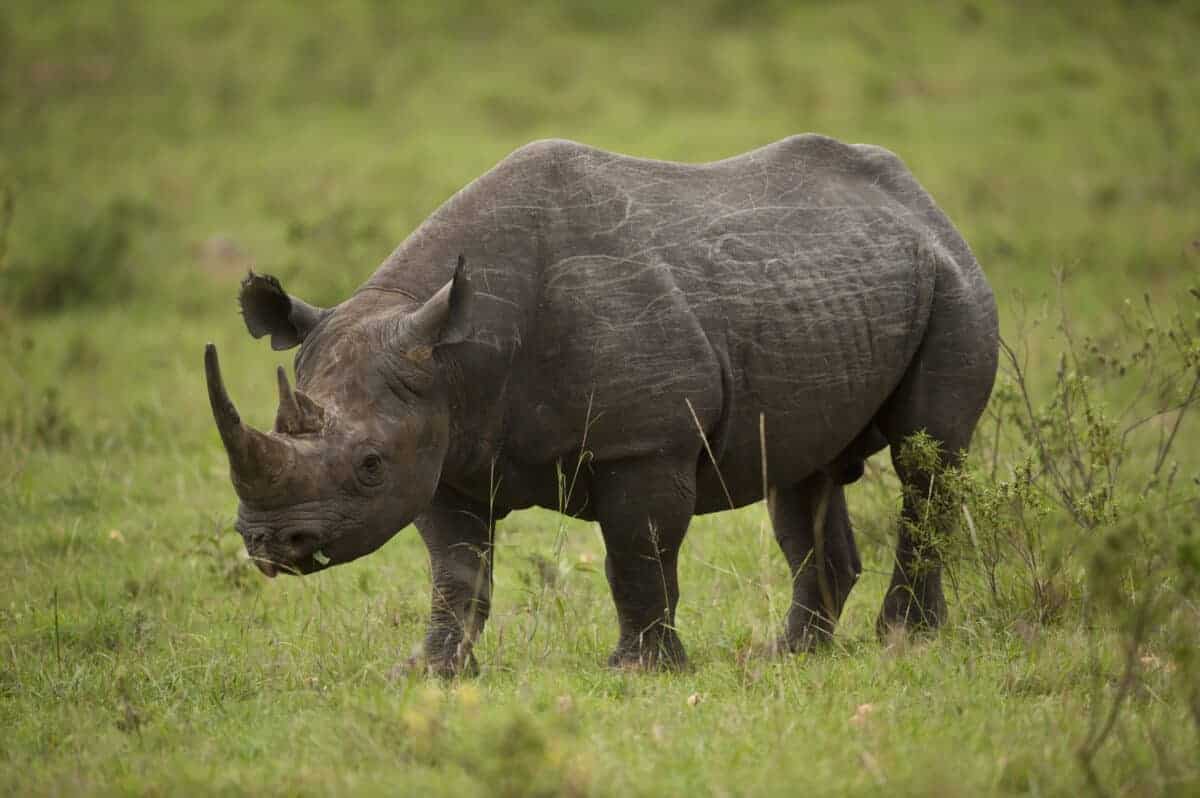
Once teetering on the brink of extinction due to rampant poaching for their horns, black rhinos are cautiously making a comeback. Efforts like translocation to safer areas and rigorous anti-poaching patrols have boosted their numbers in African game reserves. Additionally, education campaigns aimed at reducing the demand for rhino horns have begun to take effect, gradually securing a safer future for these magnificent creatures.
Mountain Gorilla A Goliath Reborn
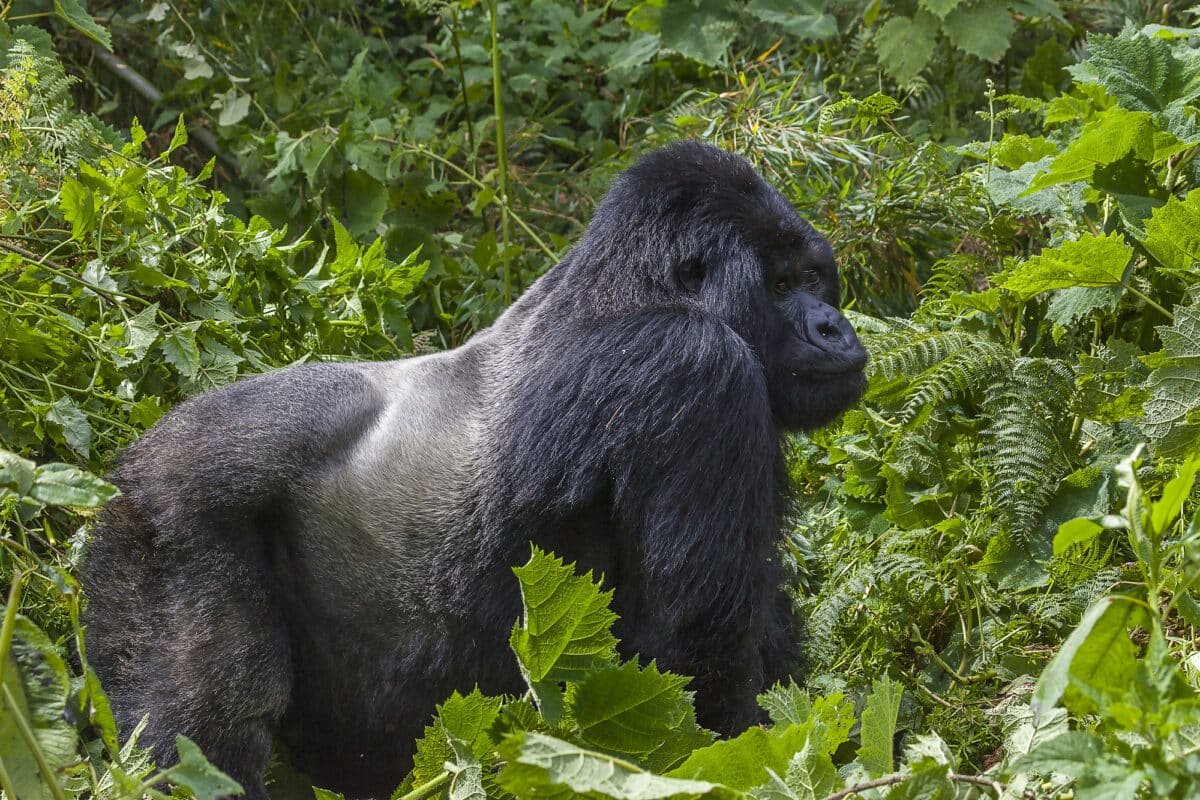
Confined to the mountainous regions of central Africa, the mountain gorilla faced threats from warfare, poaching, and disease. However, thanks to dedicated conservation work, including habitat protection and veterinary support, their population has been steadily increasing. International attention brought by ecotourism, which funds conservation efforts, also plays a key role in ensuring their continuous recovery.
Green Sea Turtle Navigating a Safer Ocean
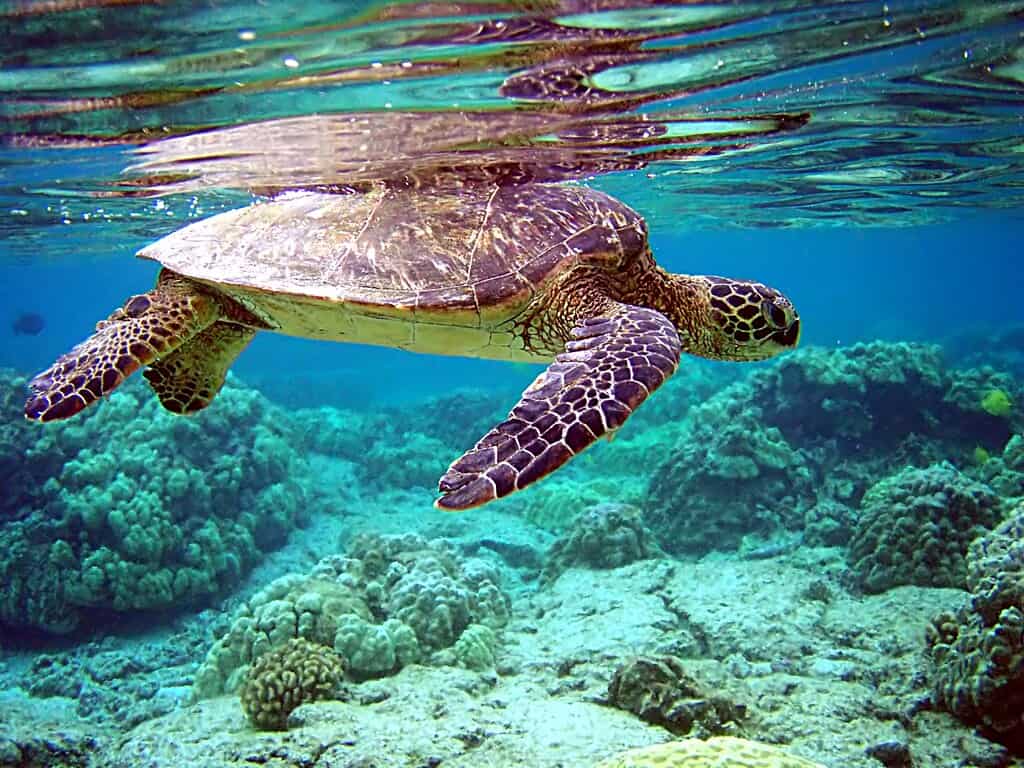
The green sea turtle, once hunted extensively for their eggs and meat, is now returning to beaches worldwide. Conservation efforts focus on protecting nesting grounds, lowering bycatch through improved fishing techniques, and cleaning up marine pollution. Awareness campaigns highlighting the importance of marine habitats have led to a significant reduction in human-induced mortality, aiding their population revival.
Giant Panda The Symbol of Success

Often regarded as the face of conservation, the giant panda has seen its numbers climb after years of intensive efforts. Habitat expansion, bamboo replenishment, and successful captive breeding programs have played critical roles in their recovery. China’s dedication to preserving its national treasure has turned the giant panda into a beacon of effective conservation, leading to its reclassification from “endangered” to “vulnerable.”
Snow Leopard The Ghost Cat Gaining Ground

Dubbed the “ghost of the mountain” for its elusive nature, the snow leopard prowls the high terrains of Central Asia. Conservation efforts focus on securing prey species, mitigating human-wildlife conflict, and combating poaching. Community-driven models that involve local people in conservation work have been particularly effective in stabilizing snow leopard populations.
California Condor Soaring to New Heights

The California condor faced near extinction in the 1980s, but a captive breeding program brought it back from the brink. Released back into the wild, these majestic birds now soar through the skies of California and Arizona. Continued efforts include monitoring their health and managing lead poisoning risks from carcasses left by hunters.
Yangtze Finless Porpoise Echoes of Improvement

The Yangtze finless porpoise, a freshwater dolphin found in China’s Yangtze River, was drastically affected by pollution and human activity. Conservation strategies focus on improving water quality, rehabilitating habitats, and educating locals about sustainable practices. The establishment of porpoise reserves has also provided safe havens for them to flourish.
Siberian Tiger Stripes on the Rise

Through stringent anti-poaching laws and habitat conservation, the Siberian tiger is making a gradual comeback in the forests of Russia. Conservation measures include expanding protected areas, enhancing prey availability, and fostering cross-border cooperation with China. These efforts are pivotal in ensuring the resilience of this magnificent apex predator.
Humpback Whale Songs of Recovery
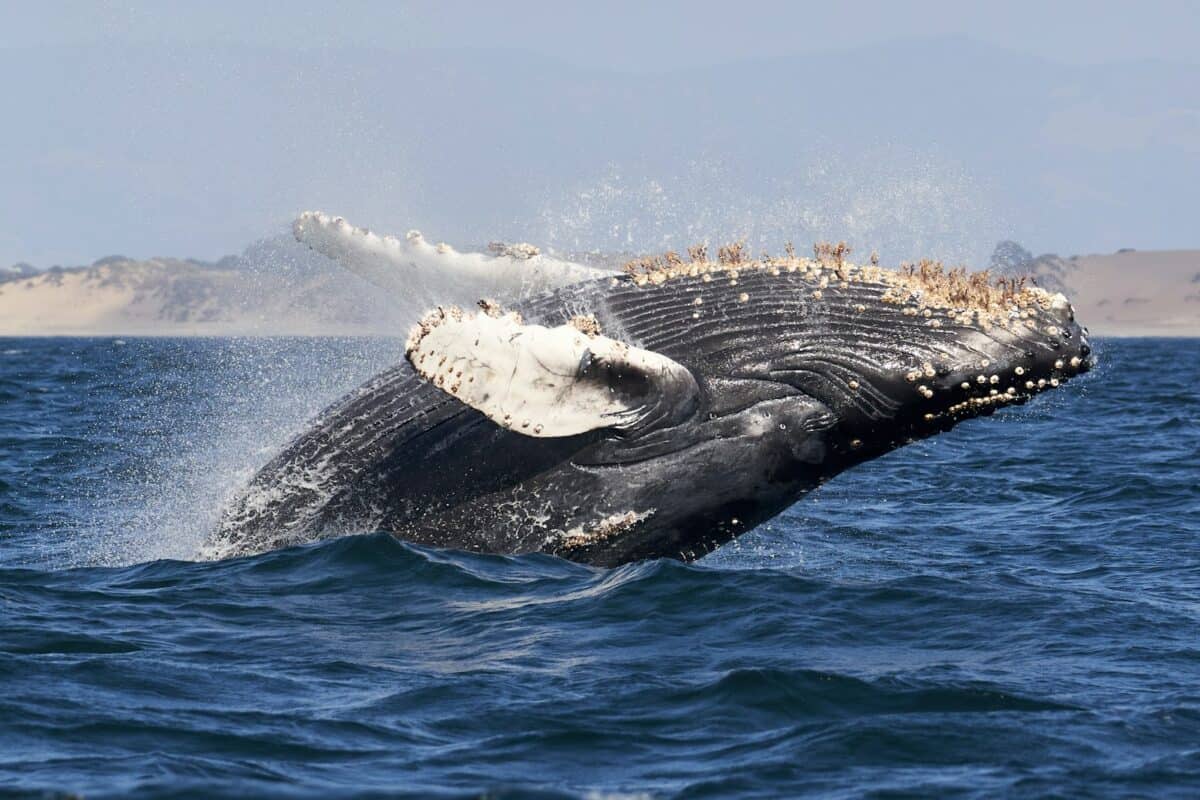
Having been hunted nearly to extinction, humpback whales are now experiencing population growth thanks to global efforts to ban commercial whaling. Marine sanctuaries and international agreements protect these ocean giants, allowing them to thrive in their natural habitat. Today, these whales are a testament to the positive impact of collective global conservation action.
Saiga Antelope A Rocky Return

Characterized by its distinctive nasal structure, the saiga antelope faced severe declines due to poaching and disease. Conservationists are employing robust anti-poaching initiatives and recovering grassland ecosystems critical for their survival. Focused efforts on community engagement and education in Kazakhstan and surrounding regions are helping this unique species rebound.
Conclusion: A Collaborative Path Forward

The inspiring stories of these 11 endangered species illustrate the power of dedicated conservation efforts. While challenges remain, the progress made thus far underscores the impact of international collaborations, innovative solutions, and community involvement in protecting our planet’s biodiversity. Continued support and adaptation of these efforts are crucial to ensure that future generations witness the rich diversity of life that our planet harbors.

As a little kid, I fell in love with nature, wildlife, and animals. Living in the USA, South Africa, Italy, China and Germany gave me the opportunity to discover the world's Wildlife. My favorite animals are Mountain Gorillas, Siberian Tigers, and Great White Sharks.
I'm a certified PADI Open Water Diver, went to Everest Base Camp and Trekked Gorillas in Uganda. I hold a Master of Science in Economics and Finance.
Please send any feedback to feedback@animalsaroundtheglobe.com
- Why the Great Barrier Reef Is the Best Place to Spot Sea Turtles - June 3, 2026
- 2 Animals With Super Sized Body Parts and What They are For - June 3, 2026
- Explore The Azores - June 3, 2026