


In the animal kingdom, sound serves as a crucial tool for communication, defense, attraction, and survival. While many creatures produce subtle sounds, others have evolved to create remarkably powerful acoustic displays that can travel for miles or even cause physical discomfort to human ears. From the depths of the ocean to the heights of the rainforest canopy, these vocal champions demonstrate nature’s incredible diversity in sound production mechanisms. This article explores the 15 loudest animals on Earth, ranked by their maximum decibel output, and examines the fascinating adaptations that allow these creatures to be heard above the natural symphony of their environments.
Understanding Decibels How Animal Sounds Are Measured

Before diving into our ranking, it’s important to understand how sound intensity is measured. The decibel (dB) scale is logarithmic, meaning that each 10 dB increase represents a tenfold increase in sound intensity. For context, normal human conversation typically registers around 60 dB, while a rock concert might reach 110 dB. Exposure to sounds above 85 dB for extended periods can cause hearing damage, and sounds exceeding 120 dB can cause immediate pain. Many of the animals on our list produce vocalizations far exceeding these thresholds, with some reaching levels comparable to jet engines or rocket launches. Scientists measure these sounds using specialized hydrophones for underwater creatures and precision microphones for terrestrial animals, often at specific distances to ensure accurate comparisons.
12. Sperm Whale – The Deep-Sea Sound Champion (230 dB)

At the top of our list stands the magnificent sperm whale (Physeter macrocephalus), producing the loudest biological sound ever recorded at an astonishing 230 decibels underwater. These massive marine mammals use their unique anatomy to generate powerful clicking sounds called “codas” that can travel for miles through the ocean depths. The sound is produced when air is forced through the whale’s massive nasal complex and spermaceti organ, creating a focused acoustic beam. These vocalizations serve multiple purposes: communication with other whales, navigation through dark waters, and most remarkably, stunning prey. Their clicking sequences can be so powerful that they can physically debilitate prey like giant squid, making hunting more efficient. For perspective, this sound is louder than a jet engine at takeoff (150 dB) and approaches the noise level of some rocket launches. If a sperm whale were to make these sounds in air rather than water (which is physically impossible due to their anatomy), the sound would be lethal to nearby animals and humans.
11. Blue Whale – The Ocean’s Bass Singer (188 dB)
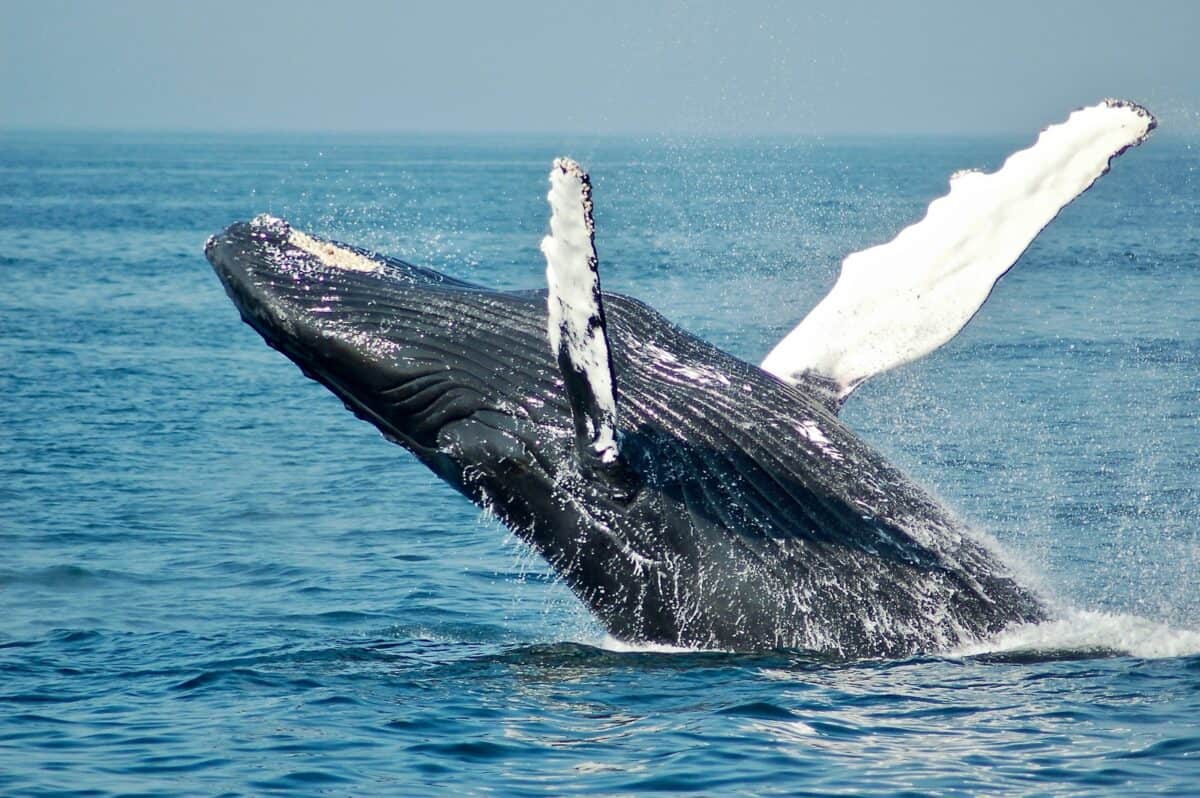
The blue whale (Balaenoptera musculus), the largest animal to have ever existed on Earth, produces the second-loudest animal sound at approximately 188 decibels underwater. These magnificent creatures generate low-frequency vocalizations that can travel hundreds of miles through the ocean, allowing them to communicate over vast distances. Blue whales produce these powerful sounds by pushing air through their massive vocal apparatus, creating resonant tones primarily below 100 Hz—often too low for human ears to detect without specialized equipment. Researchers believe these vocalizations serve crucial roles in mating, territorial displays, and maintaining social connections within the widely dispersed blue whale population. What makes these sounds particularly impressive is their efficiency: a blue whale’s call can theoretically be detected across entire ocean basins under ideal conditions, making it one of the most far-reaching natural communication systems on the planet. The energy required to produce such powerful sounds is enormous, highlighting the blue whale’s exceptional biological engineering and the evolutionary importance of long-distance communication for these ocean giants.
10. Howler Monkey – The Rainforest Roarer (140 dB)

The howler monkey earns its name by producing the loudest sound of any land mammal, with vocalizations reaching up to 140 decibels. These remarkable primates, native to the forests of Central and South America, owe their acoustic prowess to an enlarged hyoid bone—a U-shaped bone in the throat that acts as a resonating chamber, amplifying their calls to extraordinary levels. Male howler monkeys typically produce the loudest calls, which can be heard up to three miles away through dense rainforest. They begin their distinctive howling sessions at dawn, with troops often calling in coordination, creating a haunting chorus that reverberates throughout the forest canopy. These powerful vocalizations serve multiple purposes: establishing territory boundaries, warning competing troops to keep their distance, attracting mates, and maintaining group cohesion. The energy expenditure required for these calls is significant, representing an evolutionary trade-off—howler monkeys have developed this specialized vocal adaptation at the expense of other physical capabilities, moving relatively slowly and deliberately compared to other primates of similar size. Their impressive vocal displays exemplify how evolution can produce extreme specializations to solve specific ecological challenges.
9. Kakapo – The Booming Parrot (132 dB)
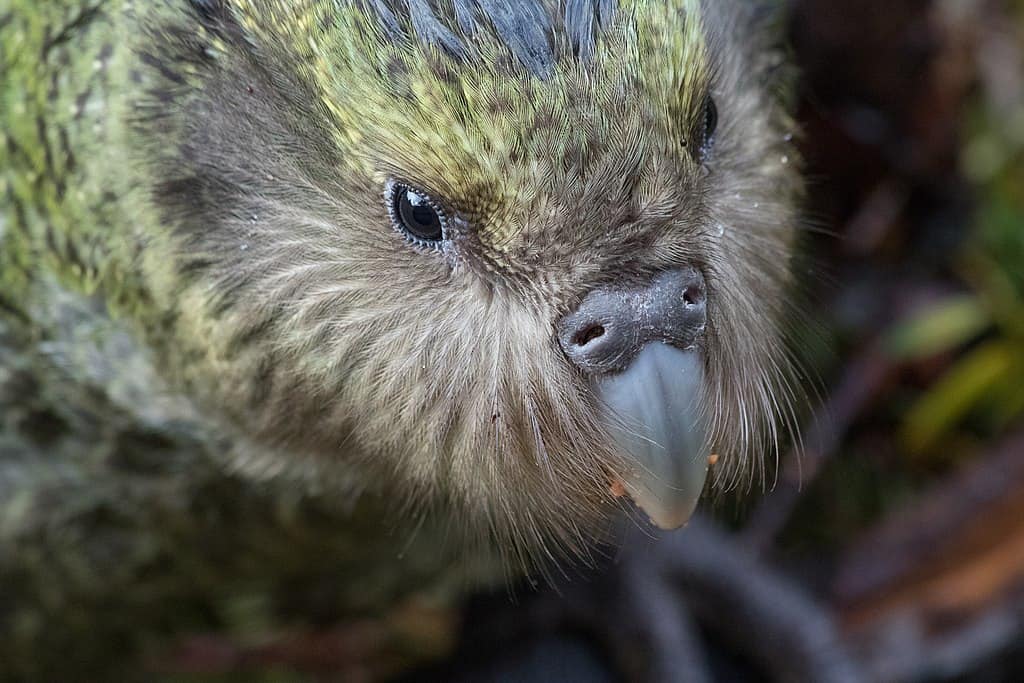
The kakapo (Strigops habroptilus), a critically endangered flightless parrot native to New Zealand, produces one of the most remarkable sounds in the avian world, reaching an impressive 132 decibels. What makes this particularly astonishing is the contrast between their gentle appearance and their thunderous “booming” calls. Male kakapos create these sounds during their elaborate courtship displays, inflating a specialized thoracic air sac and releasing the air to produce deep, resonant booms that can travel over five kilometers through forested terrain. Each male establishes a display area called a “lek” and may boom continuously for up to eight hours every night during the breeding season, repeating this exhausting performance for up to three months. The intensity and persistence of these calls allow female kakapos to assess the quality of potential mates from great distances. The booming serves as an honest signal of male fitness, as only the healthiest individuals can sustain such energetically demanding displays. With fewer than 250 kakapos remaining, conservation efforts focus on protecting these unique birds and their extraordinary vocal behaviors, which represent one of the most specialized sound-producing adaptations in the animal kingdom.
8. Bulldog Bat – The Sonic Specialist (130 dB)

The bulldog bat (genus Noctilio) ranks fifth on our list with echolocation calls reaching an astounding 130 decibels—louder than a police siren at close range. These remarkable bats, native to tropical regions of the Americas, have evolved specialized sound production mechanisms for both hunting and navigation. What makes bulldog bats particularly noteworthy is that they emit these incredibly loud sounds from a body weighing just 50-90 grams. Their echolocation calls are ultrasonic, typically between 55-60 kHz, well above the range of human hearing. However, if humans could hear these calls, they would be deafeningly loud. The bulldog bat produces these intense sounds by forcing air through its vocal folds with tremendous pressure, creating ultrasonic pulses that bounce off objects in the environment and return to the bat’s highly sensitive ears. This system allows them to detect prey as small as insects on or just below the water surface, with the fishing specialist (Noctilio leporinus) using echolocation to detect ripples made by fish fins. Their calls are so powerful and focused that they can distinguish objects as thin as a human hair in complete darkness, demonstrating one of nature’s most sophisticated sensory adaptations. The extreme loudness of their calls is necessary to ensure enough sound energy returns after reflecting off distant or small targets.
7. Tiger Pistol Shrimp – The Underwater Gunslinger (210 dB)

The tiger pistol shrimp (Alpheus bellulus) produces one of the most remarkable sounds in the animal kingdom, generating underwater shockwaves measuring up to 210 decibels. Unlike the other animals on this list, the pistol shrimp doesn’t use vocal organs to create sound but instead employs a specialized oversized claw that functions as a biological sonic weapon. When the shrimp rapidly closes this modified claw, it creates a cavitation bubble that collapses with such force that it momentarily generates temperatures nearly as hot as the sun’s surface (around 8,000°F) and produces a powerful shockwave and accompanying “snap” sound. This acoustic phenomenon is so powerful that colonies of pistol shrimp can interfere with submarine sonar and underwater communications. The shrimp uses this remarkable adaptation primarily for hunting and defense, with the shockwave stunning or killing small prey animals and deterring potential predators. While technically producing a higher decibel level than sperm whales, the pistol shrimp ranks lower on our list because the sound is extremely localized and brief, lacking the sustained power and range of larger animals’ vocalizations. Nevertheless, this tiny crustacean (typically only 1-2 inches long) demonstrates how evolution can produce extraordinary acoustic capabilities even in small packages.
6. Coqui Frog – The Tiny but Mighty Islander (108 dB)

The coqui frog (Eleutherodactylus coqui), native to Puerto Rico and now established in Hawaii, produces vocalizations that can reach an incredible 108 decibels from a body measuring less than two inches in length. This makes it, ounce for ounce, one of the loudest vertebrates on Earth. The male coqui’s distinctive two-note call—”ko-KEE” (which gives the frog its name)—is produced primarily after dusk, with the first note serving as a territorial warning to other males and the second note designed to attract females. What makes the coqui’s call particularly remarkable is its efficiency; these tiny amphibians can project their voice at a volume comparable to a chainsaw or power saw from close range. On its native island of Puerto Rico, the coqui is beloved as a cultural symbol, with its nighttime chorus considered a soothing soundscape. However, in Hawaii, where it was accidentally introduced in the 1980s, the coqui is considered an invasive pest due to its disruptive calls that can significantly reduce property values in heavily infested areas. The frog’s exceptional vocal output comes from its proportionally large vocal sac and specialized musculature that allow it to project sound with remarkable efficiency, demonstrating how evolutionary pressures can lead to extraordinary specializations even in small animals.
5. Howling Wolf – The Iconic Wilderness Caller (115 dB)
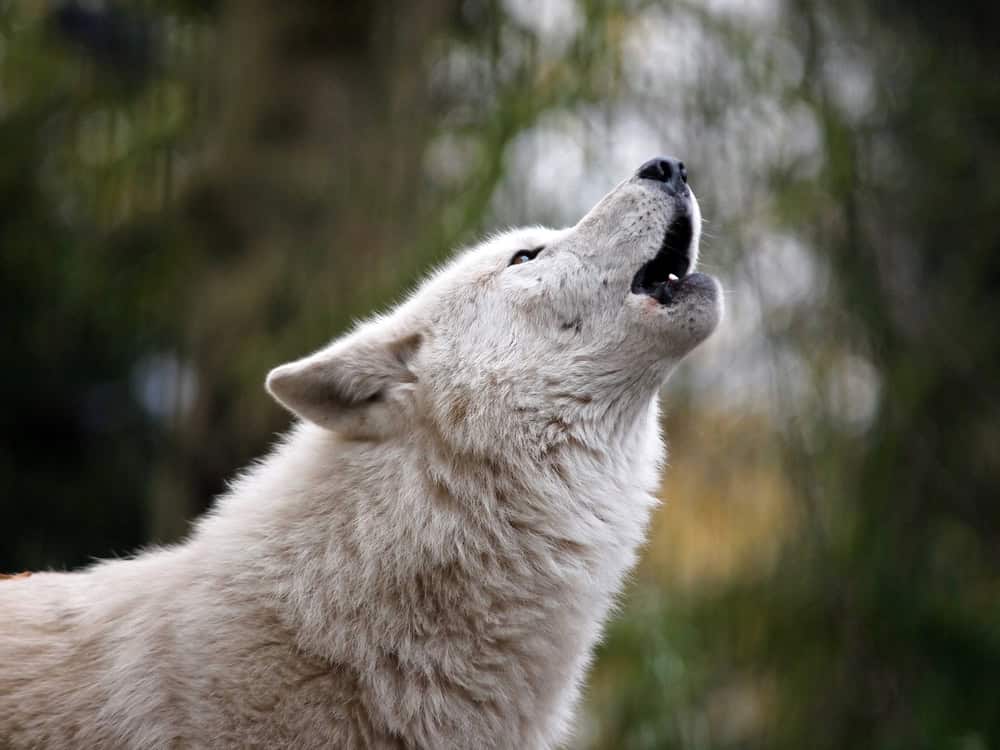
The gray wolf (Canis lupus) produces one of the most hauntingly beautiful and powerful sounds in nature, with howls reaching up to 115 decibels—comparable to a rock concert or emergency vehicle siren. Wolves’ howls can travel over six miles in forest environments and up to ten miles in open tundra, serving as long-distance communication tools for these highly social predators. The acoustic structure of wolf howls is remarkably complex, with individuals producing distinct vocal signatures that allow pack members to recognize each other’s voices. When wolves howl together, they intentionally vary their pitches to create the illusion of a larger group—an adaptation called the “Beau Geste effect” that may help small packs intimidate rivals. Howling serves multiple functions in wolf society: coordinating pack activities, reuniting separated members, defending territory, and strengthening social bonds. Researchers have identified at least ten different types of wolf howls, each associated with specific contexts such as mourning, warning, or location signaling. What makes wolf howls particularly impressive is their harmonic richness and modulation, with each howl containing multiple tones simultaneously and changing in pitch throughout the call. This acoustic complexity, combined with their cultural significance in human societies worldwide, makes the wolf’s howl one of the most iconic animal sounds on Earth.
4. Northern Elephant Seal – The Beach Battler (126 dB)

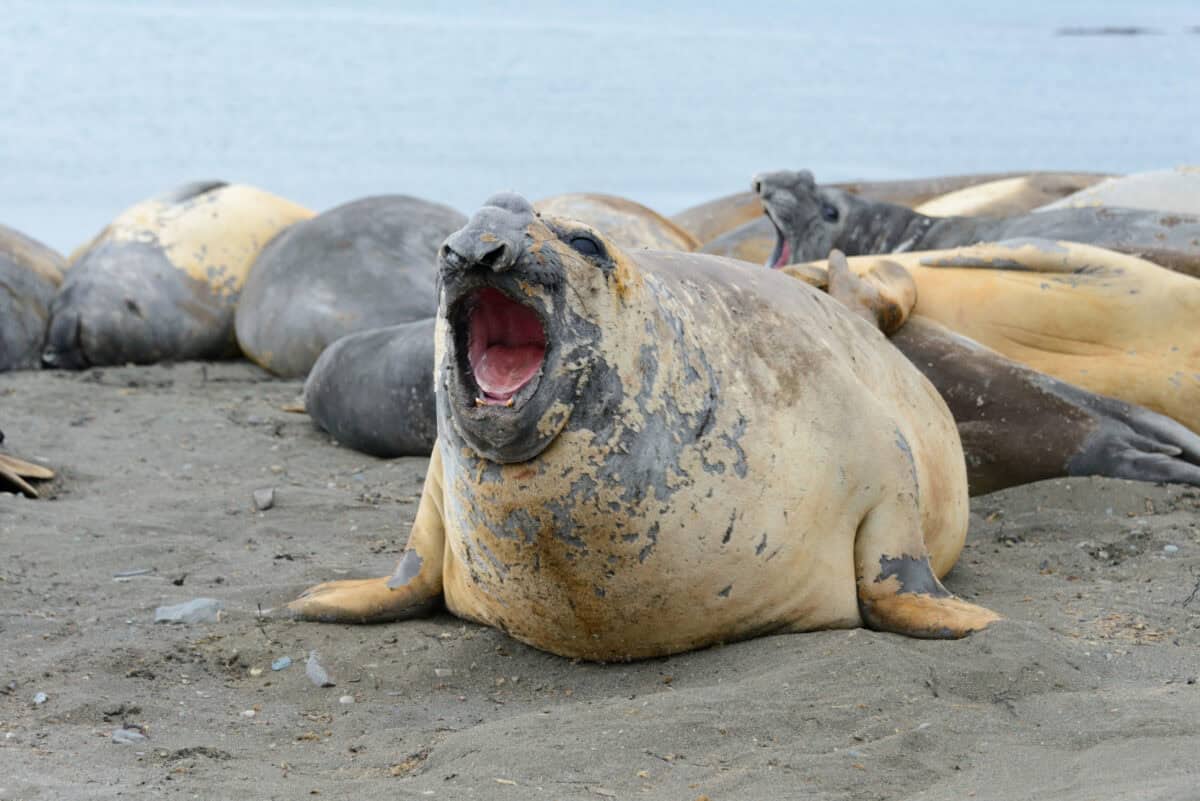
The northern elephant seal (Mirounga angustirostris) produces thunderous vocalizations reaching 126 decibels, making it one of the loudest mammals on land or sea. During breeding season, male elephant seals engage in dramatic vocal displays that resonate across beaches and can be heard over a mile away even through dense fog. These massive marine mammals, with males weighing up to 8,800 pounds, produce their distinctive sounds through a unique proboscis—the elongated, inflatable snout that gives them their name. When vocalizing, males inflate this specialized structure to amplify sounds created in their nasal passages, producing deep, resonant roars that contain individual acoustic signatures. The primary purpose of these vocalizations is establishing and maintaining dominance hierarchies during the highly competitive breeding season. A dominant “beach master” will patrol his territory, challenging rivals with threatening vocalizations before resorting to physical combat. The volume and quality of these calls honestly signal the male’s size and condition, as only the largest, healthiest individuals can produce the most impressive acoustic displays. Female elephant seals and pups also vocalize, though less powerfully, using distinct calls to maintain mother-offspring bonds in crowded rookeries where thousands of animals may congregate. The elephant seal’s vocal adaptations represent a fascinating example of how sexual selection can drive the evolution of extreme sound-producing capabilities.
3. Screaming Piha – The Rainforest Whistler (116 dB)

The screaming piha (Lipaugus vociferans) earns its place as one of the loudest birds in the world, producing calls measuring up to 116 decibels—comparable to the noise level of a chainsaw or motorcycle at close range. This unassuming, medium-sized bird native to the Amazon rainforest produces a distinctive two-part whistle that rises dramatically in pitch before dropping suddenly, often described as sounding like “PEEE-ha!” The male piha achieves this remarkable volume by expanding specialized air sacs in its throat and chest, then forcing air through its syrinx (the avian vocal organ) with exceptional force. What makes the screaming piha particularly impressive is the contrast between its vocal power and its otherwise modest appearance—this plain grayish-brown bird would be easily overlooked if not for its extraordinary voice. During courtship displays, males gather in loose groups called leks, where they compete to attract females through vocal performances, with each male calling repeatedly from a regular perch. The piha’s calls serve dual purposes: advertising the male’s fitness to potential mates and establishing territory in the dense rainforest where visual signals would be less effective. For birdwatchers and rainforest visitors, the screaming piha provides one of the iconic soundscapes of the Amazon, with its calls often being the dominant sound in the forest even though the bird itself remains difficult to spot.
2. Moluccan Cockatoo – The Ear-Splitting Pet (135 dB)
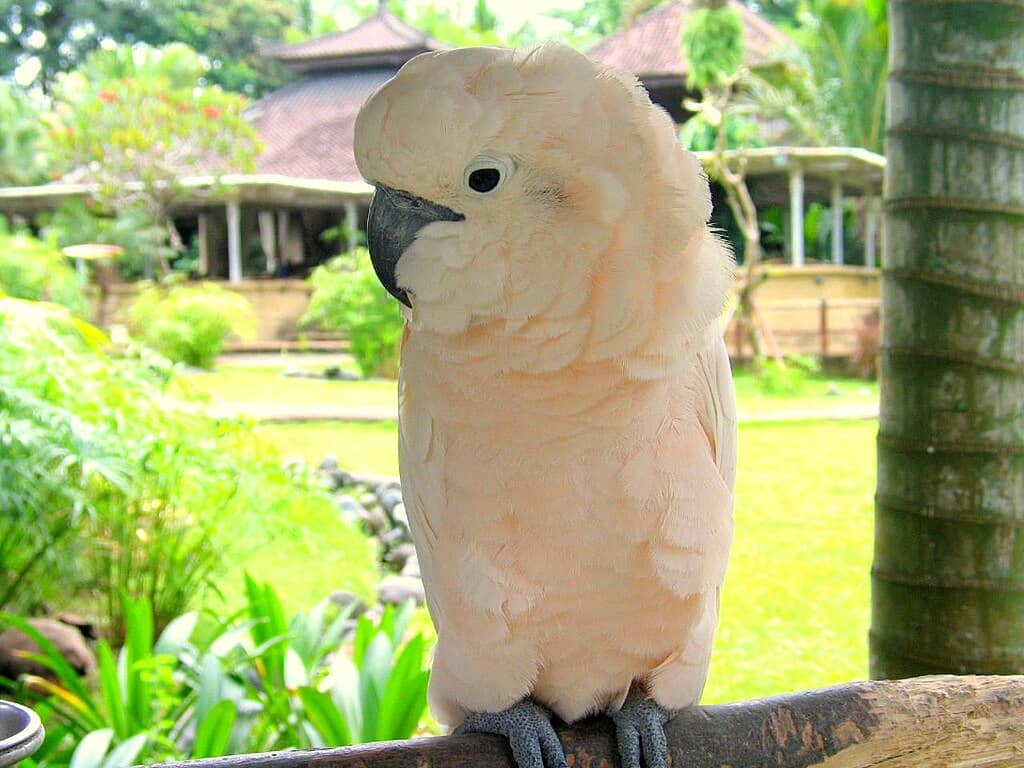
The Moluccan cockatoo (Cacatua moluccensis), also known as the salmon-crested cockatoo, produces one of the loudest sounds of any bird species, with screams reaching an astonishing 135 decibels—comparable to a jet engine at close range and well above the threshold for human pain (120 dB). Native to the Seram archipelago in Indonesia, these large parrots have evolved powerful vocalizations to communicate across dense rainforest canopies where visual signals might be obstructed. In the wild, their calls serve crucial functions like maintaining pair bonds, alerting flock members to danger, and establishing territory. The cockatoo achieves this remarkable volume through specialized vocal anatomy, including an intricate syrinx (the avian vocal organ) and powerful chest muscles that push air with tremendous force. What makes Moluccan cockatoos particularly noteworthy is that they maintain this extraordinary vocal capability even in captivity, where their ear-splitting screams can easily exceed noise ordinance limits in residential areas. Potential pet owners are often unprepared for the sheer volume these birds can produce, leading to abandonment issues that contribute to conservation concerns for this vulnerable species. Their extreme vocal ability demonstrates an evolutionary adaptation to their natural environment that has become problematic in human settings—a powerful reminder of the challenges involved in keeping highly specialized wild animals as companions.
1. Lion – The Roaring King (114 dB)
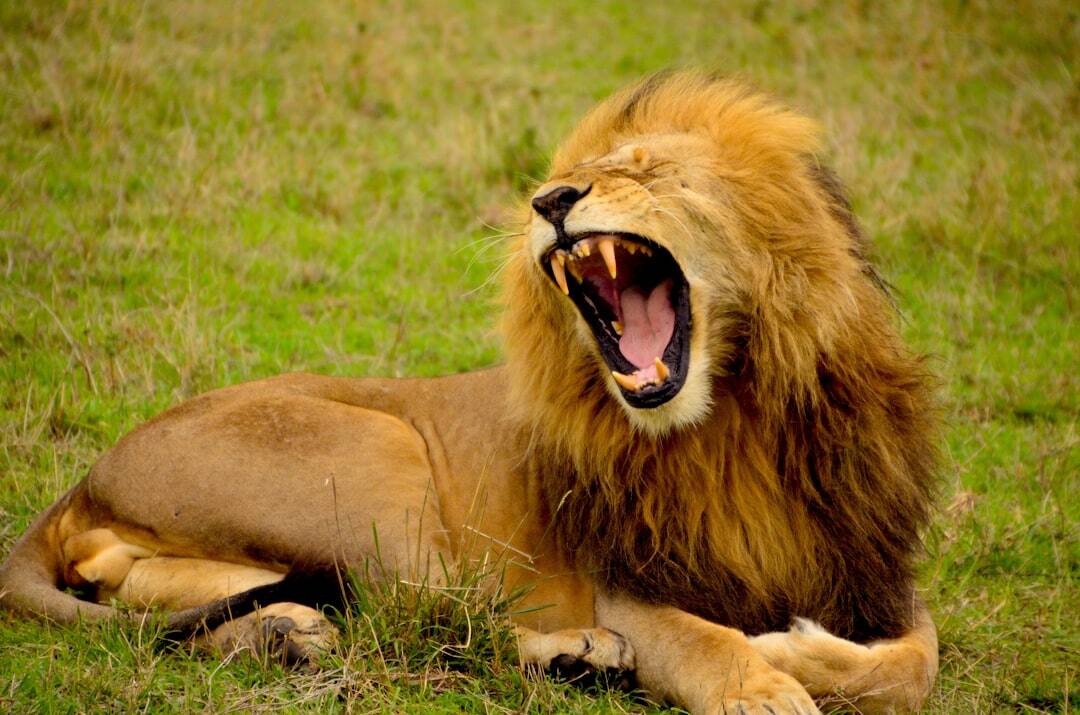
The African lion (Panthera leo) produces one of the most iconic sounds in the animal kingdom—a roar that can reach 114 decibels and travel up to five miles across the savanna. This impressive vocalization is made possible by the lion’s unique vocal anatomy, particularly a specialized hyoid apparatus (throat bones) partially made of cartilage rather than completely ossified bone as in most other cats. This adaptation allows for greater flexibility and extension of the vocal tract when roaring. Lions also possess notably long vocal cords—nearly 18 inches in adult males—surrounded by loose tissue that can vibrate independently, creating the roar’s distinctive deep, resonant quality.
Conclusion:
From the thunderous roar of a lion echoing across the savanna to the nearly ultrasonic echolocation pulses of a bulldog bat, the animal kingdom showcases an extraordinary range of sound-producing adaptations. These vocal powerhouses—whether communicating across ocean basins, dense rainforests, or nighttime deserts—highlight the vital role of sound in survival, social bonding, and reproduction. Each species featured in this list has evolved unique biological mechanisms to maximize acoustic impact, demonstrating nature’s ingenuity in overcoming environmental challenges. As we deepen our understanding of these remarkable creatures, we not only gain insight into their lives but also develop greater appreciation for the complexity and diversity of life on Earth—where even the smallest animals can leave the loudest impressions.

As a little kid, I fell in love with nature, wildlife, and animals. Living in the USA, South Africa, Italy, China and Germany gave me the opportunity to discover the world's Wildlife. My favorite animals are Mountain Gorillas, Siberian Tigers, and Great White Sharks.
I'm a certified PADI Open Water Diver, went to Everest Base Camp and Trekked Gorillas in Uganda. I hold a Master of Science in Economics and Finance.
Please send any feedback to feedback@animalsaroundtheglobe.com
- 14 Earthquakes That Altered the U.S. Landscape - July 28, 2026
- The 12 Loudest Animals in the World Ranked - July 28, 2026
- Why the Aye-Aye Is Madagascar’s Strangest Primate - July 28, 2026
Leave a comment
You must be logged in to post a comment.