

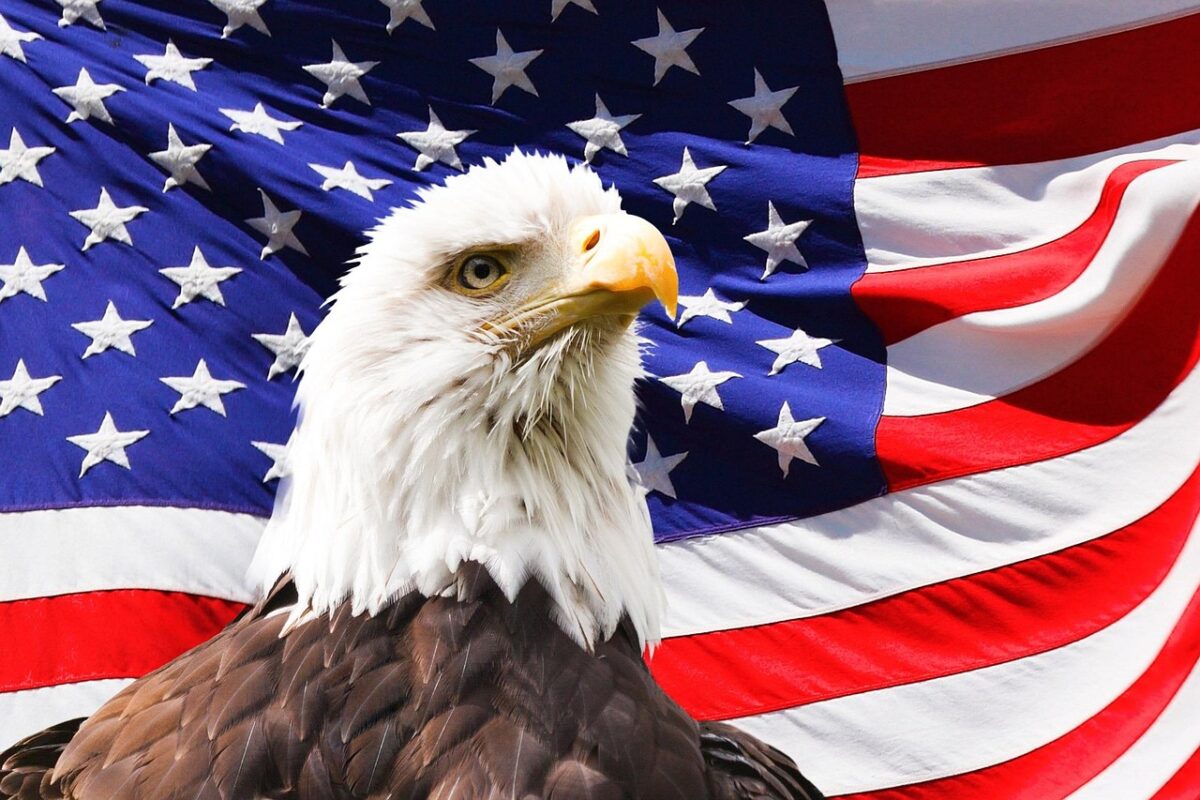
There’s something electric about spotting a bald eagle in the wild. Maybe it’s the way it commands the sky with outstretched wings, or the piercing intensity of its golden eyes. This isn’t just another bird soaring overhead. This is America’s spirit animal, a living symbol that embodies everything we hold dear about freedom and independence.
The relationship between America and its beloved bald eagle runs deeper than most realize. Though these majestic creatures have graced our national seal since 1782, their journey to becoming the official national bird took centuries. Just recently, in 2024, legislation finally made what many assumed was already true: the bald eagle became America’s official national bird, cementing a bond that has defined our national identity for generations.
The Birth of an American Icon
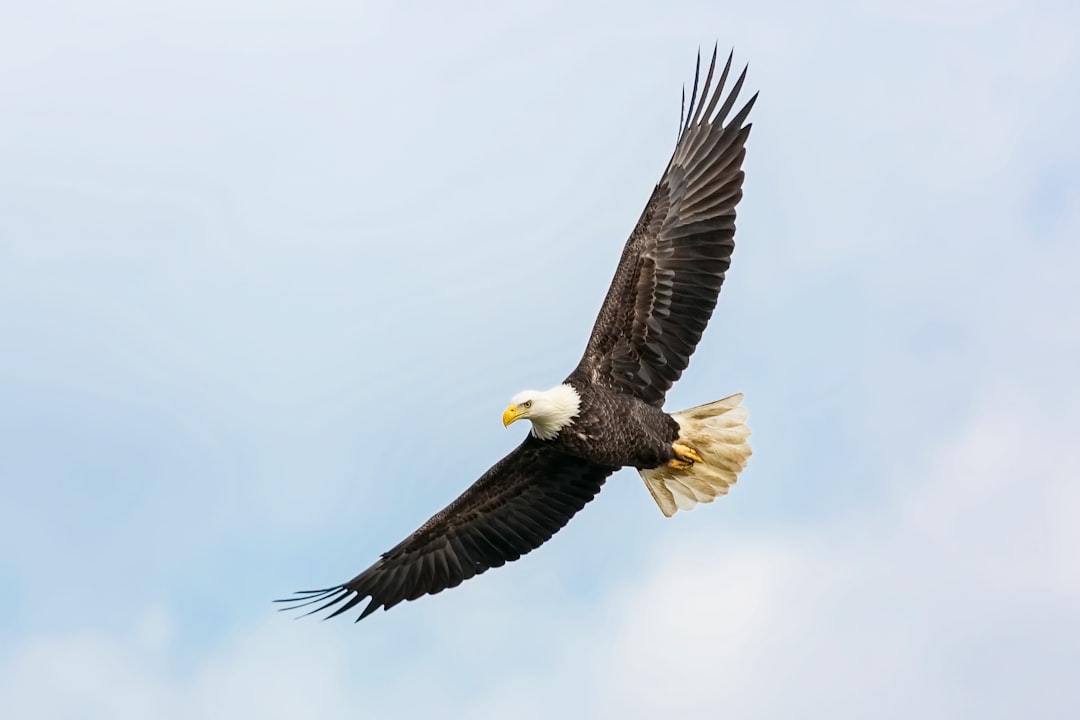
The bald eagle’s role as a national symbol goes back to 1782 when it became part of the seal of the United States. The founding fathers weren’t just picking a pretty bird; they were making a statement about the nation they envisioned. The bald eagle was chosen June 20, 1782 as the emblem of the United States of America, because of its long life, great strength and majestic looks, and also because it was then believed to exist only on this continent.
The design itself tells a story of balance and power. The image was completed with a shield of red and white stripes covering the breast of the bird; a crest above the eagle’s head, with a cluster of thirteen stars surrounded by bright rays going out to a ring of clouds; and a banner, held by the eagle in its bill, bearing the words E pluribus unum. This wasn’t accidental symbolism – every element was carefully chosen to represent the young nation’s ideals.
Benjamin Franklin’s Famous Opposition
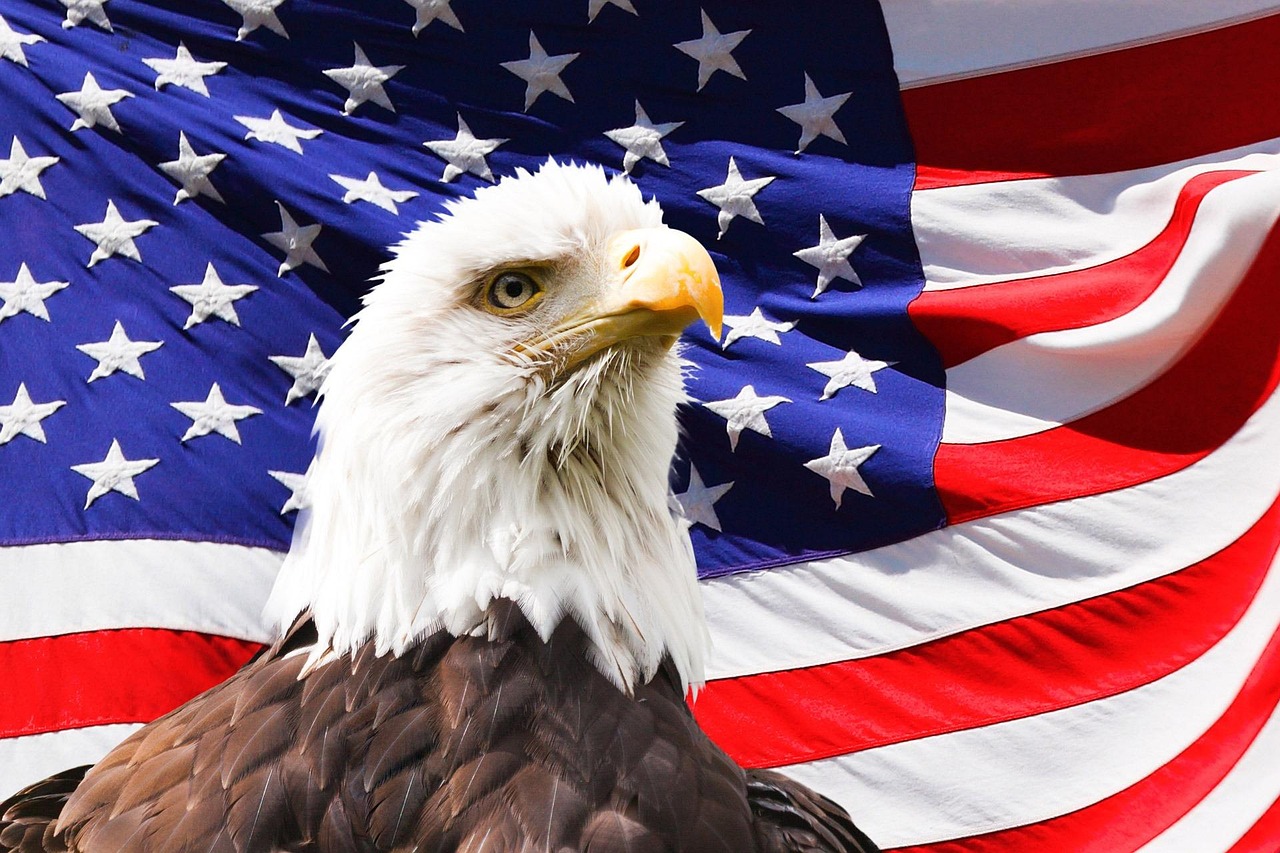
Not everyone was thrilled with the eagle selection. Ben Franklin never actually lobbied for the turkey to be America’s symbol – this is a common myth. However, Mr. Franklin didn’t like the idea of a large bird of prey known for its dominance being a symbol for the country, believing it was “a bird of bad moral character”. Franklin’s critique was harsh and memorable, calling the bald eagle lazy and cowardly.
For a truth, the turkey is in comparison a much more respectable bird, and withal a true original native of America… a bird of courage, and would not hesitate to attack a grenadier of the British guards, who should presume to invade his farmyard with a red coat on. Despite Franklin’s protests, the eagle soared to victory, and history proved the founders made the right choice.
What Eagles Represent in American Culture
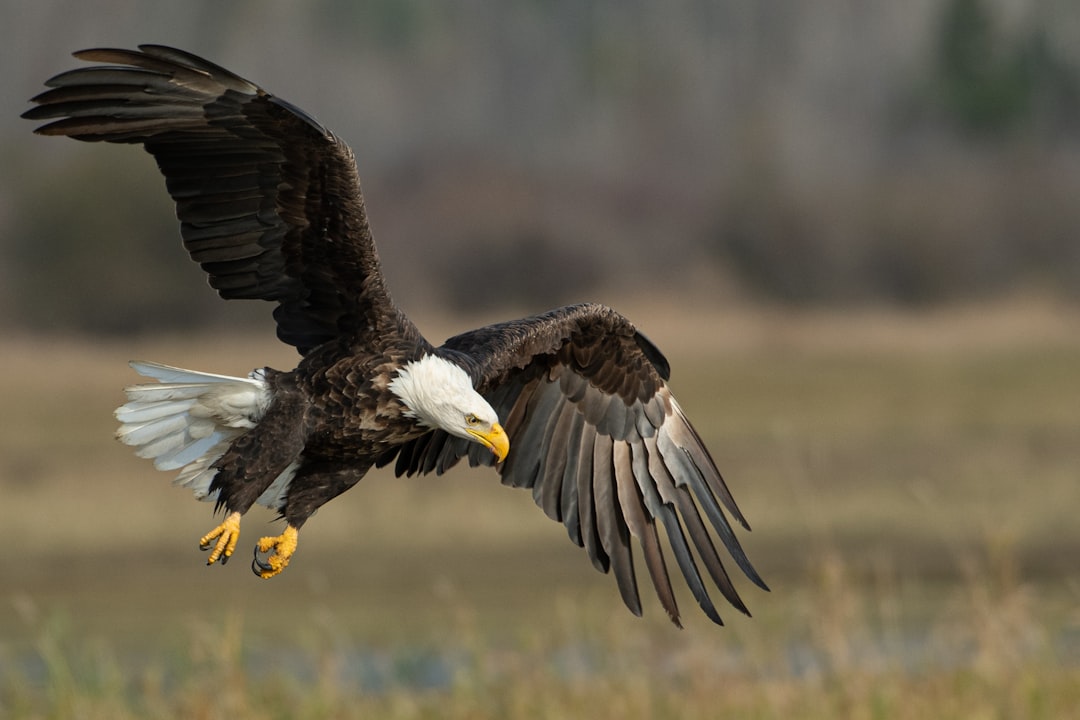
The fierce beauty and proud independence of this great bird aptly symbolizes the strength and freedom of America. When we see an eagle, we don’t just see a predator; we see everything America aspires to be. Eagles have long been known to represent courage, strength, freedom and immortality for generations.
The symbolism runs through every aspect of American life. Besides our flag, the bald eagle is perhaps the most emblematic symbol of American freedom and democracy. From currency to military insignia, from government buildings to presidential seals, the eagle’s image reinforces our national values daily.
A Bird of Sacred Significance
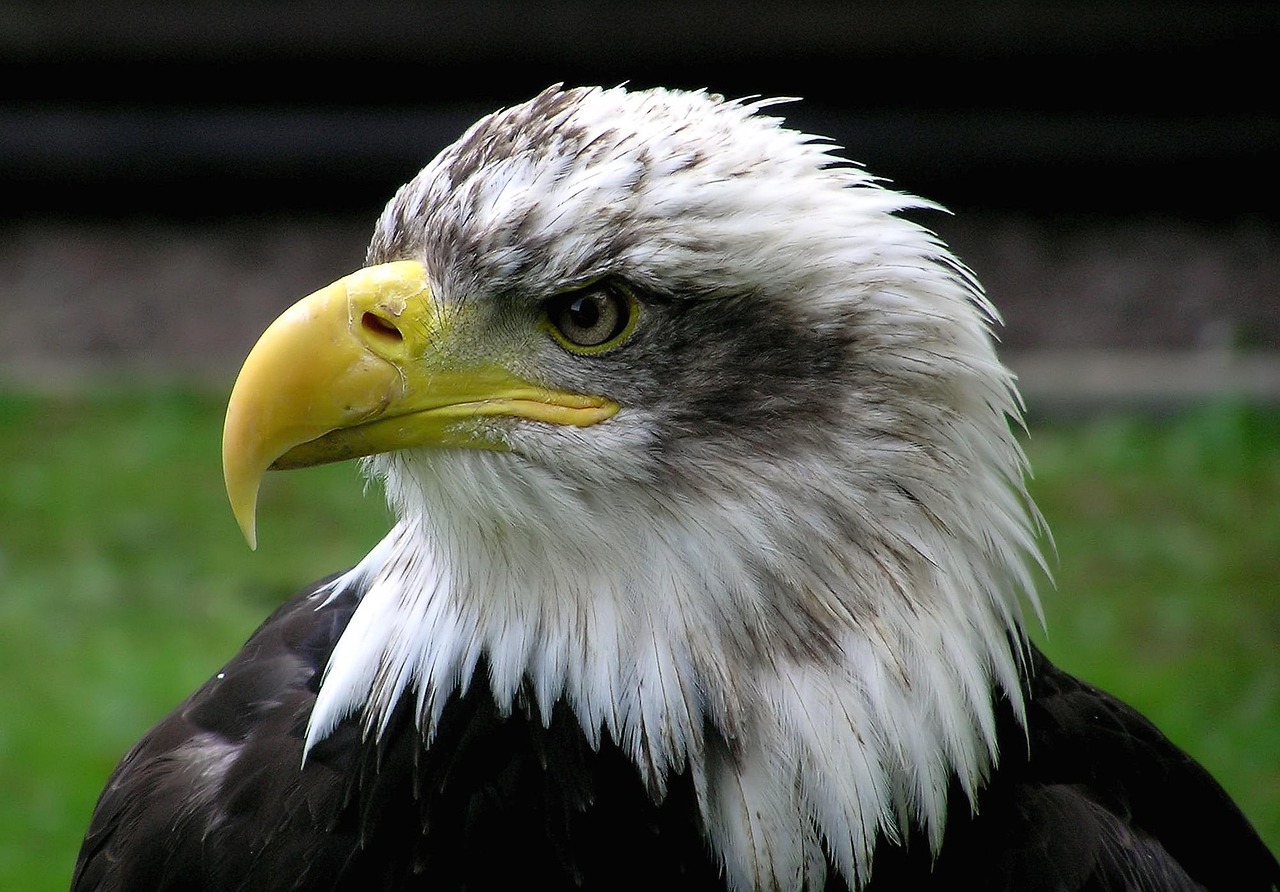
Native Americans held this bird in high regard, and incorporated it into many stories, symbols and rituals. They prized its tailfeathers and used them in everything from headdresses to jewelry, and even to fletch their arrows. This reverence predates America’s founding by centuries, showing that the eagle’s significance transcends any single culture or nation.
Of all the birds, the eagle is the greatest sacred bird among most Native American tribes. Because eagles are the highest flying birds, they were seen to be nearer to the Creator. This spiritual connection adds deeper meaning to America’s choice – we didn’t just pick a strong bird; we chose one that represents humanity’s highest aspirations.
From Glory to Near Extinction
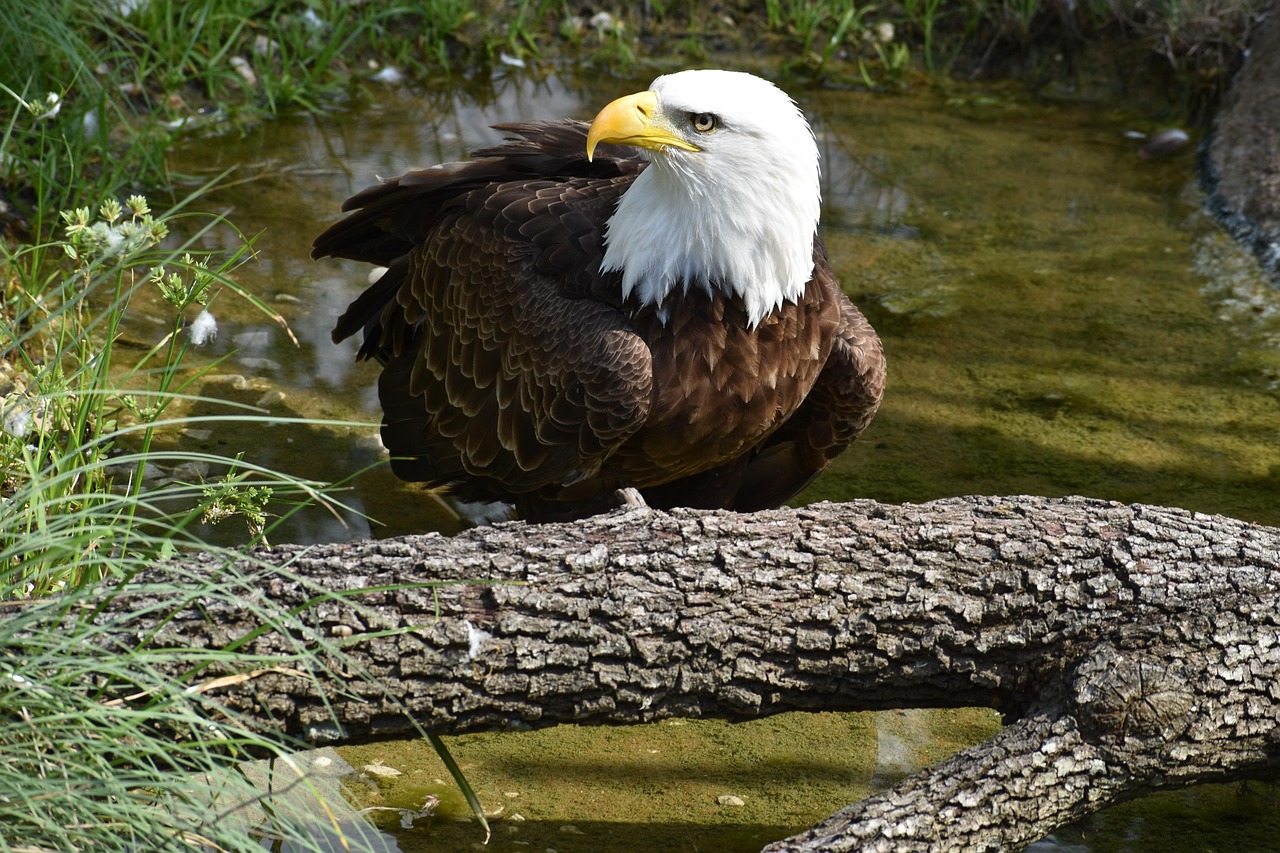
The eagle’s story took a devastating turn in the mid-20th century. In the late 1800s, it is thought that the United States had over 100,000 nesting bald eagles. But due to habitat destruction and hunting, those numbers began getting dangerously low. By the 1960s, America’s symbol was facing extinction.
By 1963, only 417 nesting pairs were found in the lower 48 states. The primary culprit was DDT, a pesticide that built up in the bodies of many birds and resulted in reproductive failure and the thinning of eggshells. Our national symbol was literally disappearing before our eyes.
The Conservation Miracle
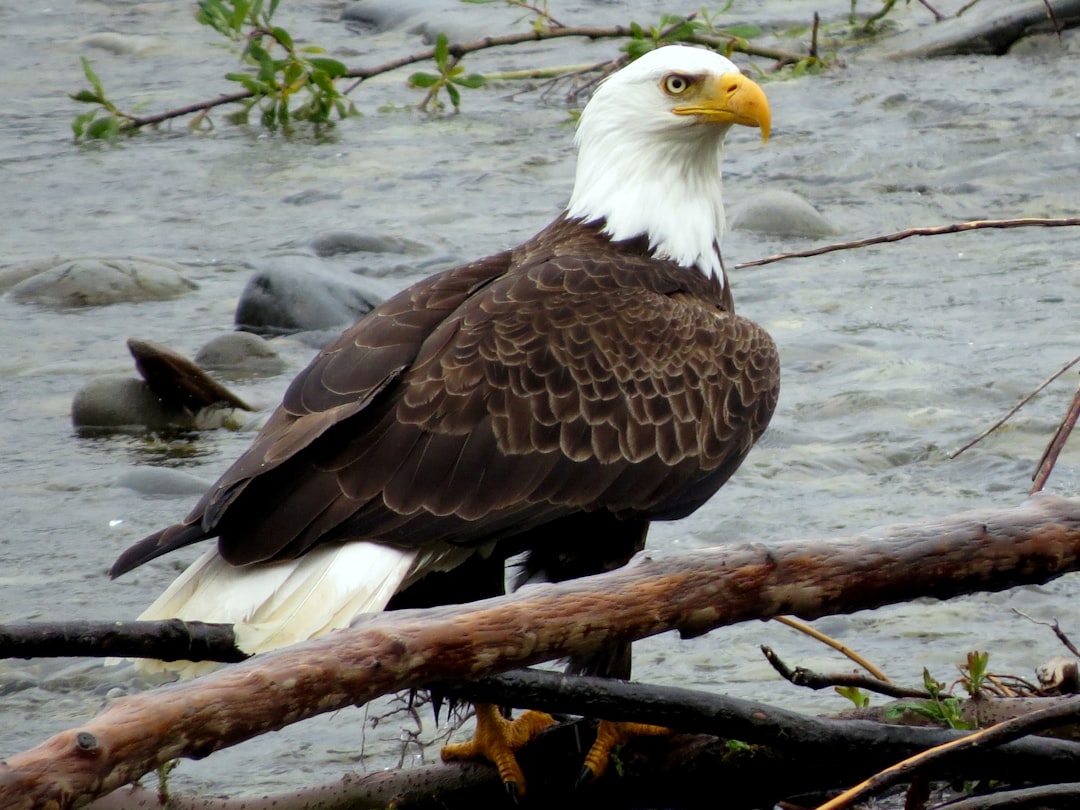
Habitat protection afforded by the Endangered Species Act, the federal government’s banning of DDT, and conservation actions taken by the American public have helped bald eagles make a remarkable recovery. In 1972, after decades of advocacy and debate, the Environmental Protection Agency banned DDT from most uses, and the populations of bald eagles, ospreys, and other birds slowly began to bounce back.
The numbers tell an incredible success story. Now, the bald eagle population has climbed to an estimated 316,700 individual bald eagles, including 71,400 nesting pairs. This estimate indicates that the bald eagle population has quadrupled since the last set of data was collected in 2009. From nearly extinct to thriving – it’s one of conservation’s greatest victories.
The Power of Public Will
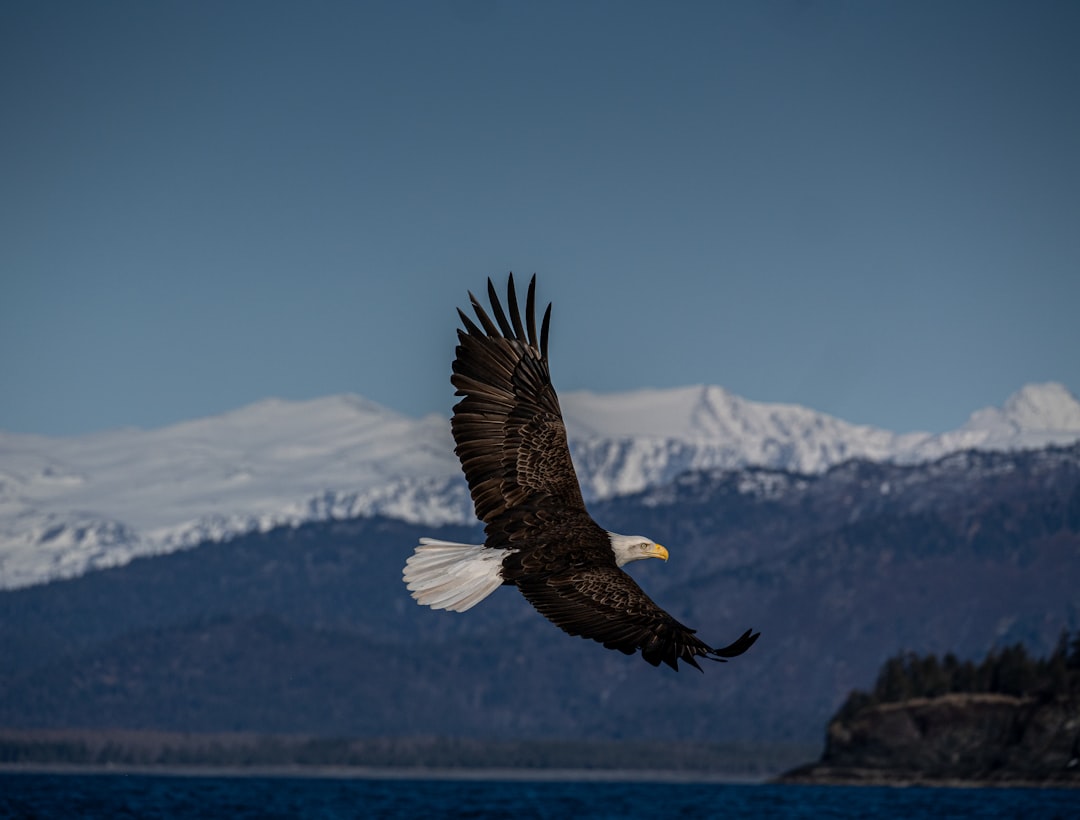
Bald Eagle recovery is one of the greatest success stories in our nation’s history. We should all be proud that we collectively made a responsible decision about the future of this species that Americans care an awful lot about. This wasn’t just government action; it was a nationwide commitment to saving our symbol.
The recovery of the bald eagle is one of the most well-known conservation success stories of all time. It’s impossible to see an adult Bald Eagle soaring overhead without feeling something – a flash of recognition, or maybe even a surge of hope. Thanks to a patchwork of environmental laws and the efforts of scientists, conservationists, and government agencies, more of us have the chance to experience that today than at any time in the past half-century.
Living Symbol of Resilience
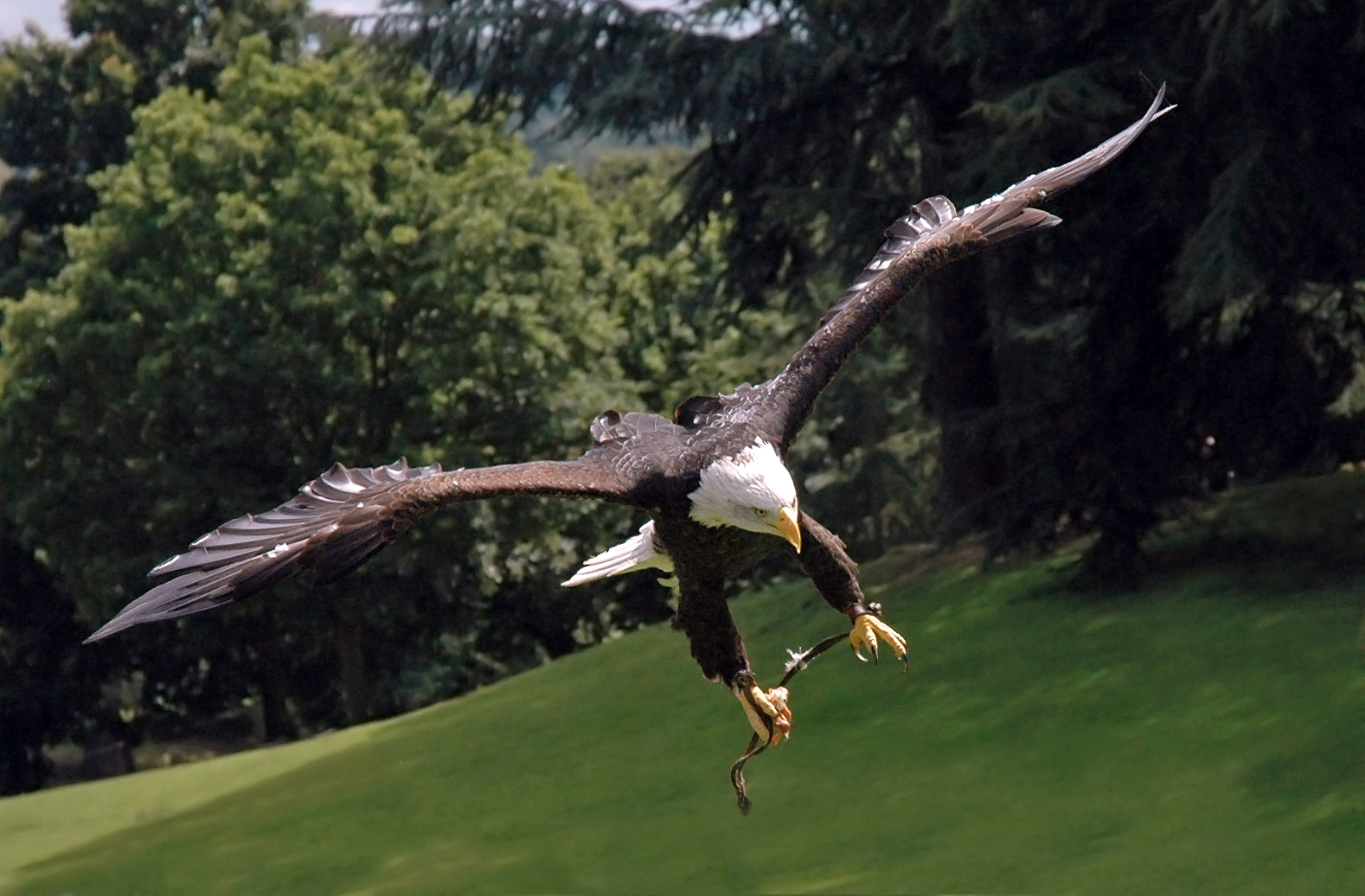
In 2007, it became official: the Bald Eagle was no longer endangered, or even threatened. Our national emblem was back. The eagle’s recovery mirrors America’s own ability to overcome seemingly impossible challenges through determination and collective action.
Protections provided by the Act have succeeded in preventing the extinction of 99 percent of the species listed, and benefitted many others that depend on the landscapes it’s helped to protect. The eagle’s comeback demonstrates what’s possible when we commit to protecting what we value most.
Sacred Traditions Continue
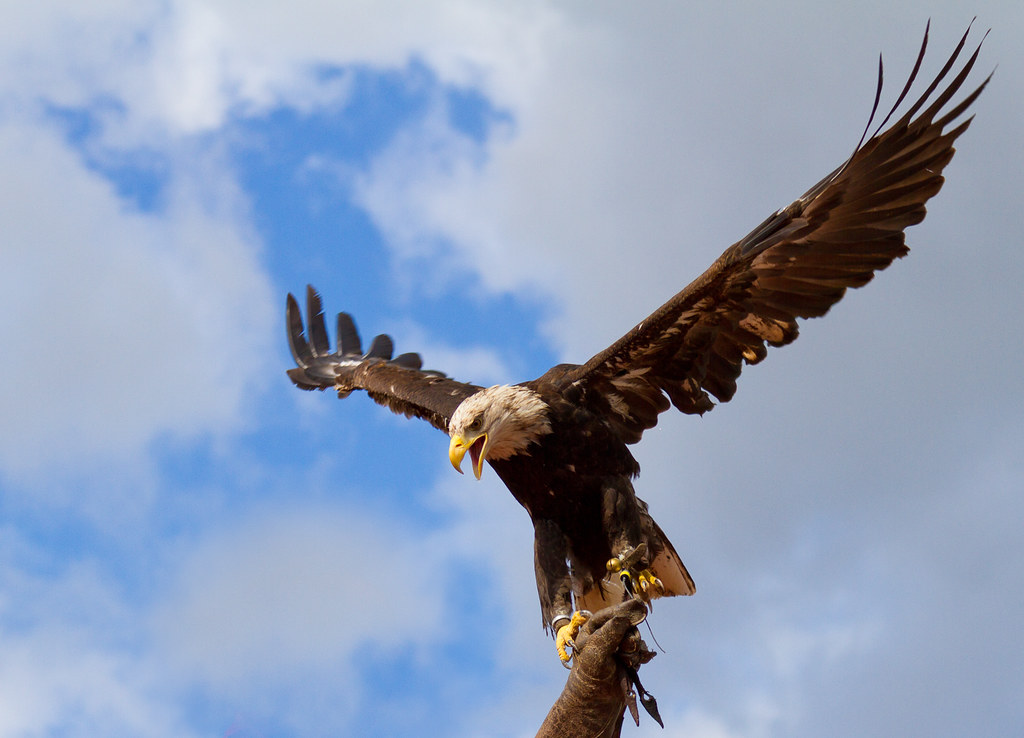
The bald eagle is a sacred bird in some North American cultures, and its feathers, like those of the golden eagle, are central to many religious and spiritual customs among Native Americans. Eagles are considered spiritual messengers between gods and humans by some cultures. This spiritual dimension adds profound depth to the eagle’s role in American culture.
Native Americans use eagle feathers because the eagle flies closer to Creator, which is the basis for the use of eagle feathers in tribes. That’s why they use the eagle feathers because he does fly that high, closer to Creator, but in our ceremonies it’s always good to have an eagle feather along with attached to your pipe when you smoke the pipe. These traditions continue today, honored and protected by federal law.
Modern Challenges and Continued Protection
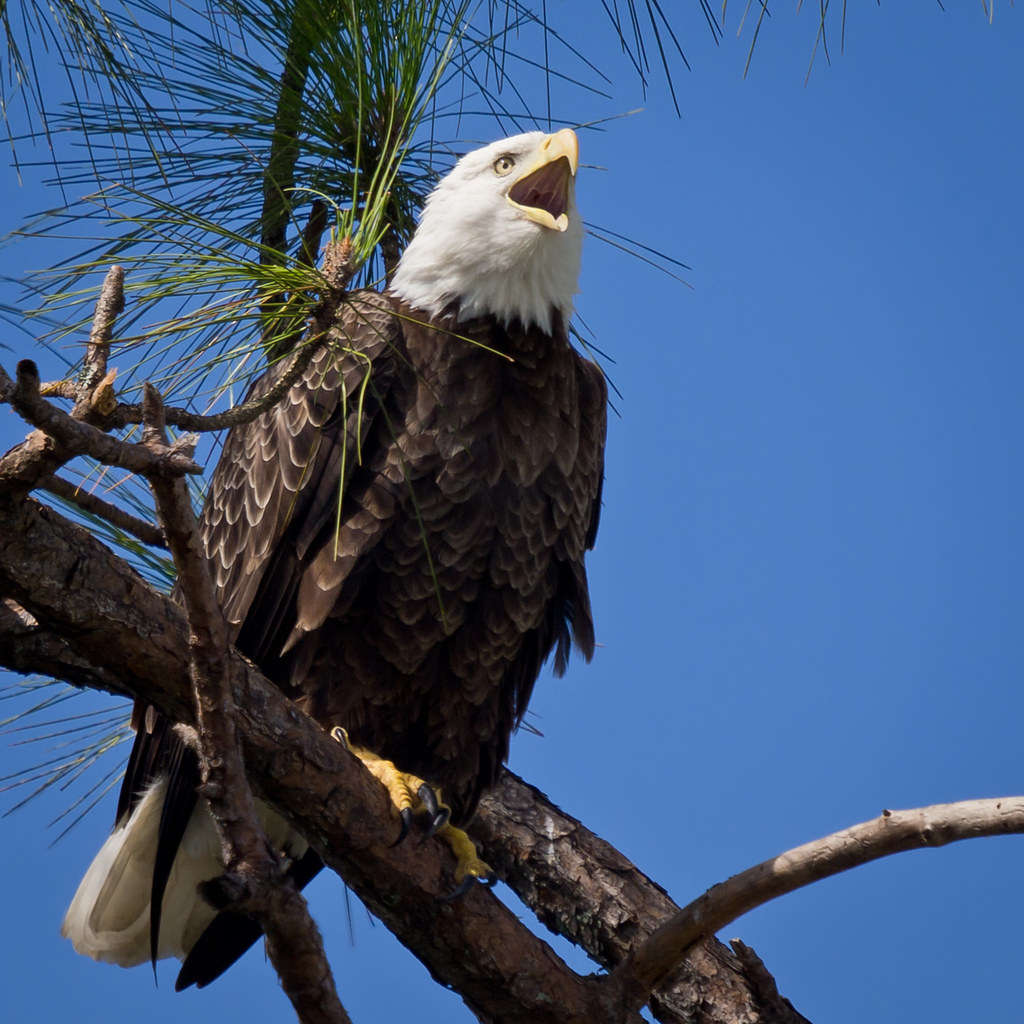
Though recovered, eagles still face modern threats. The new bill’s passage comes as bald eagles are contending with mounting risks, including climate change and habitat loss. Wind farms, power lines, and human development continue to pose challenges for these magnificent birds.
Even though bald eagles were delisted from the Endangered Species Act in August 2007, because their populations recovered sufficiently, bald eagles are still protected under the Migratory Bird Treaty Act and the Bald and Golden Eagle Protection Act. Both laws prohibit killing, selling, or otherwise harming eagles, their nests or eggs.
A Symbol That Transcends Politics
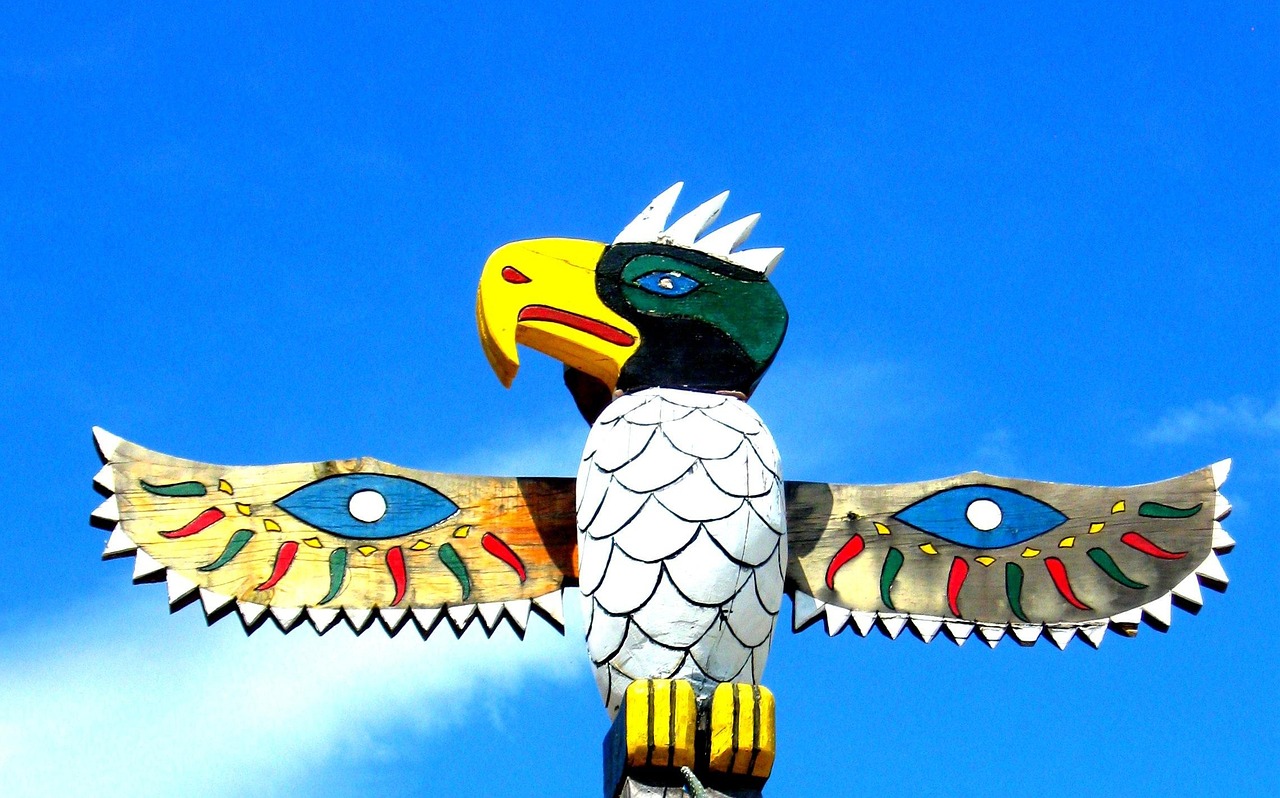
The bald eagle is painted, sculpted and carved throughout the Capitol campus. Its white head, wide wingspan and gnarled talons are ubiquitous. Republican or Democrat, liberal or conservative – the eagle represents values that unite rather than divide us. Freedom, strength, and resilience speak to all Americans regardless of political affiliation.
The eagle appears everywhere in American life: The eagle has been incorporated into many versions of both our coin and paper money and is currently on the back of the quarter and the dollar bill. Every time we handle currency, we’re reminded of our nation’s enduring ideals.
The Eagle’s Ongoing Legacy
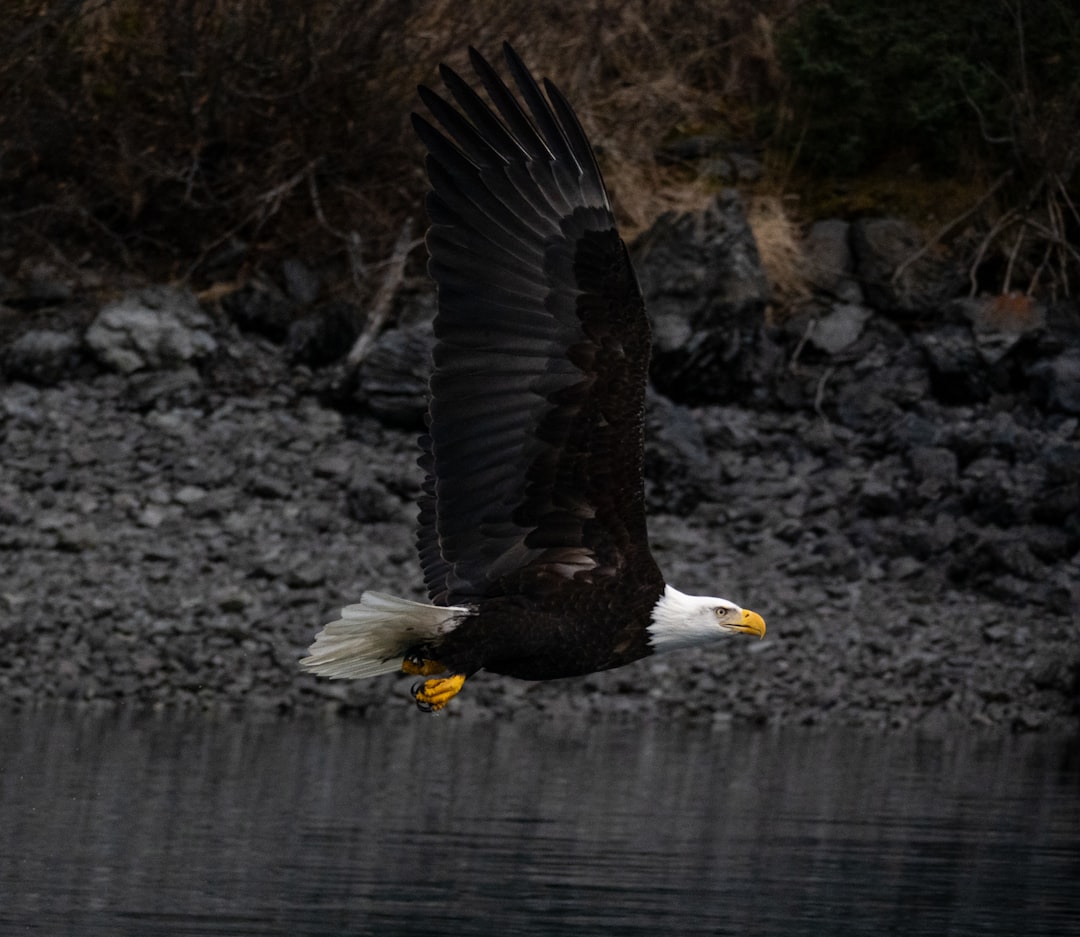
Now, every time we’re lucky enough to see a bald eagle, whether in person or on a design, we are sure to feel a strong sense of pride in our country. The eagle’s presence in our lives serves as a constant reminder of what America stands for and what we can achieve when we work together.
The new designation can also serve as a reminder of the conservation efforts that helped the eagle population thrive. When we look at some of the issues that are facing other natural resources today, we can look again at our living national symbol and now our official national bird. It shows what we are able and willing to do when we truly value something, when it’s important to us.
The bald eagle’s story is America’s story – a tale of vision, setback, determination, and ultimate triumph. From the founding fathers’ bold choice to the recent conservation miracle, this magnificent bird embodies the best of what we can be as a nation. When we see an eagle soaring free, we’re witnessing more than just a beautiful bird; we’re seeing the very essence of American spirit made manifest in the sky above us.
What do you think about this incredible journey from near extinction to recovery? Tell us in the comments about your own eagle encounters and what they meant to you.

- Which Animals Inspired the Design of Real Robots - June 3, 2026
- 12 Calm, Low-Maintenance Dogs Ideal for Retirement Years - June 3, 2026
- The Wild Cat That Best Represents Each Zodiac Sign - June 3, 2026