
In the remote landscapes of Siberia, scientists made a discovery that challenges our understanding of life’s resilience. A microscopic animal, frozen in the Arctic permafrost for 24,000 years, awakened once thawed in a laboratory setting. This bdelloid rotifer, a multicellular organism barely visible to the naked eye, not only survived its millennia-long hibernation but resumed normal functions—feeding and reproducing as if it had merely taken a brief nap. This extraordinary finding opens new windows into our understanding of cryptobiosis—the ability of some organisms to essentially pause their metabolic functions under extreme conditions—and raises profound questions about the limits of life itself. Join us as we explore this remarkable story of survival that bridges the gap between the Pleistocene era and the present day.
The Remarkable Discovery in Siberian Permafrost
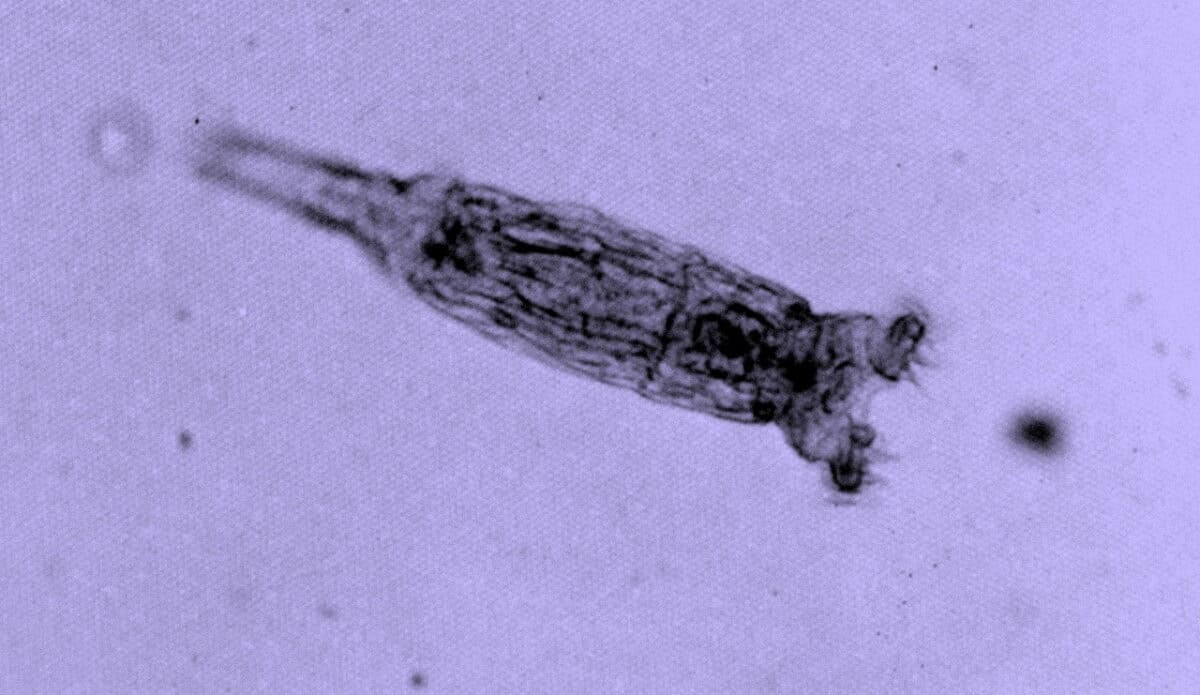
In 2021, scientists from the Soil Cryology Laboratory at the Institute of Physicochemical and Biological Problems in Soil Science in Pushchino, Russia, made a groundbreaking discovery. While studying ancient permafrost samples collected from the Alazeya River in northeastern Siberia, they found something extraordinary: living bdelloid rotifers preserved in the frozen soil. The research team, led by Stas Malavin, carefully extracted and thawed these tiny organisms from ice cores dated to approximately 24,000 years ago—during the late Pleistocene epoch. Using radiocarbon dating on the surrounding organic material, researchers confirmed the astonishing age of these specimens, making this one of the most extreme cases of cryptobiosis ever documented in a multicellular organism. The finding was particularly significant because it demonstrated survival over a timespan that far exceeded previous records for these creatures, which had only been proven to survive frozen for about a decade under laboratory conditions.
What Are Bdelloid Rotifers?

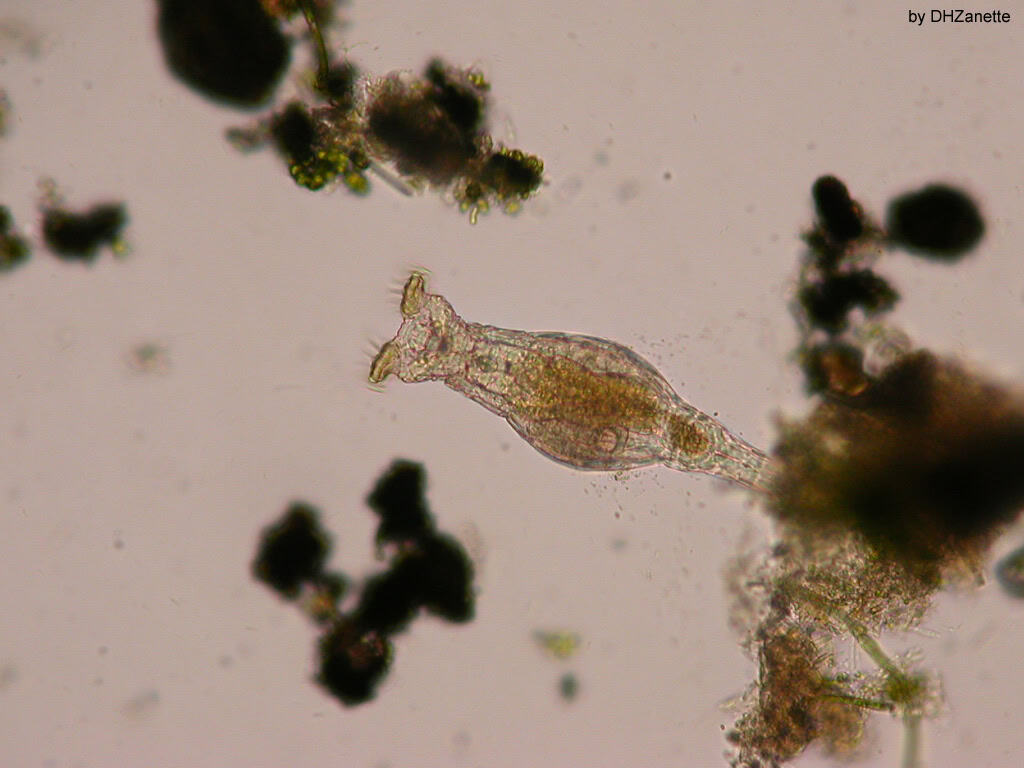
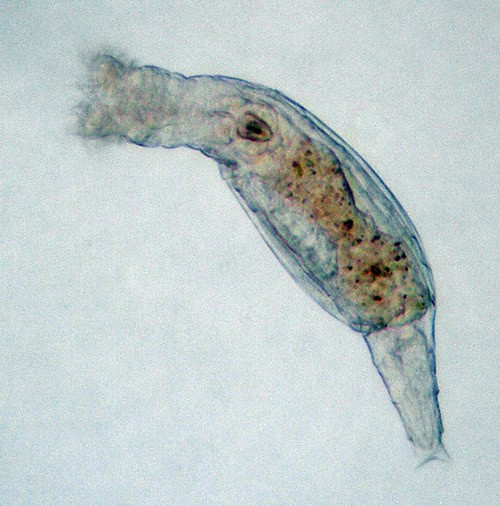
Bdelloid rotifers are microscopic aquatic animals, typically measuring between 150 and 700 micrometers in length. Despite their minuscule size, they are complex multicellular organisms with a complete digestive tract, specialized sensory organs, and a nervous system. These remarkable creatures are known for their wheel-like ciliated structures (their name derives from the Greek word for “wheel-bearer”) that create water currents to draw food particles toward their mouths. What makes bdelloid rotifers particularly fascinating to scientists is their extraordinary survival capabilities. They belong to a class of organisms that can enter a state of cryptobiosis—effectively suspending all metabolic processes when faced with unfavorable environmental conditions such as desiccation, extreme temperatures, or in this case, freezing. Additionally, bdelloid rotifers reproduce asexually through parthenogenesis, meaning females produce eggs that develop without fertilization, which may contribute to their resilience over evolutionary timescales.
The Science of Cryptobiosis
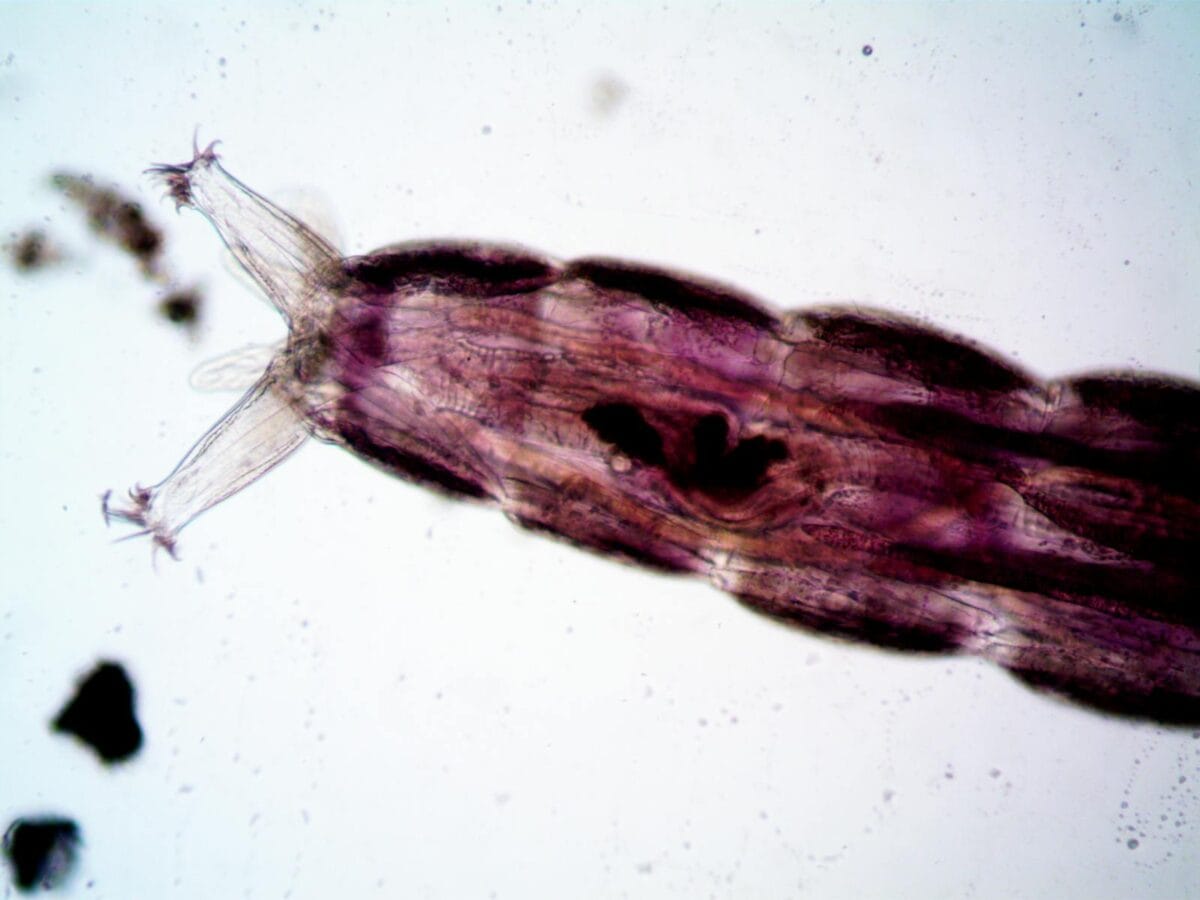
Cryptobiosis represents one of nature’s most remarkable survival strategies—a state where metabolic processes come to a near-complete standstill, allowing organisms to endure extreme conditions that would otherwise be fatal. This phenomenon occurs across various taxonomic groups, from tardigrades (water bears) to certain nematodes, yeasts, and bacterial spores. During cryptobiosis, these organisms dramatically reduce their water content, replace water with protective compounds like trehalose or glycerol, and shut down virtually all metabolic activities. What makes the rotifer discovery particularly significant is the extraordinary timespan involved. While bacterial spores have been revived after millions of years, the complexity of multicellular organisms typically makes them more vulnerable to damage from ice crystal formation, oxidative stress, and radiation damage over time. The rotifers’ survival mechanisms likely include production of protective proteins and efficient DNA repair mechanisms that maintain cellular integrity during their frozen state, as well as the ability to expel water from their cells to prevent damaging ice crystal formation. The reanimation of these creatures after 24 millennia provides scientists with living specimens that have essentially time-traveled from the Pleistocene era.
Verification and Authentication Process
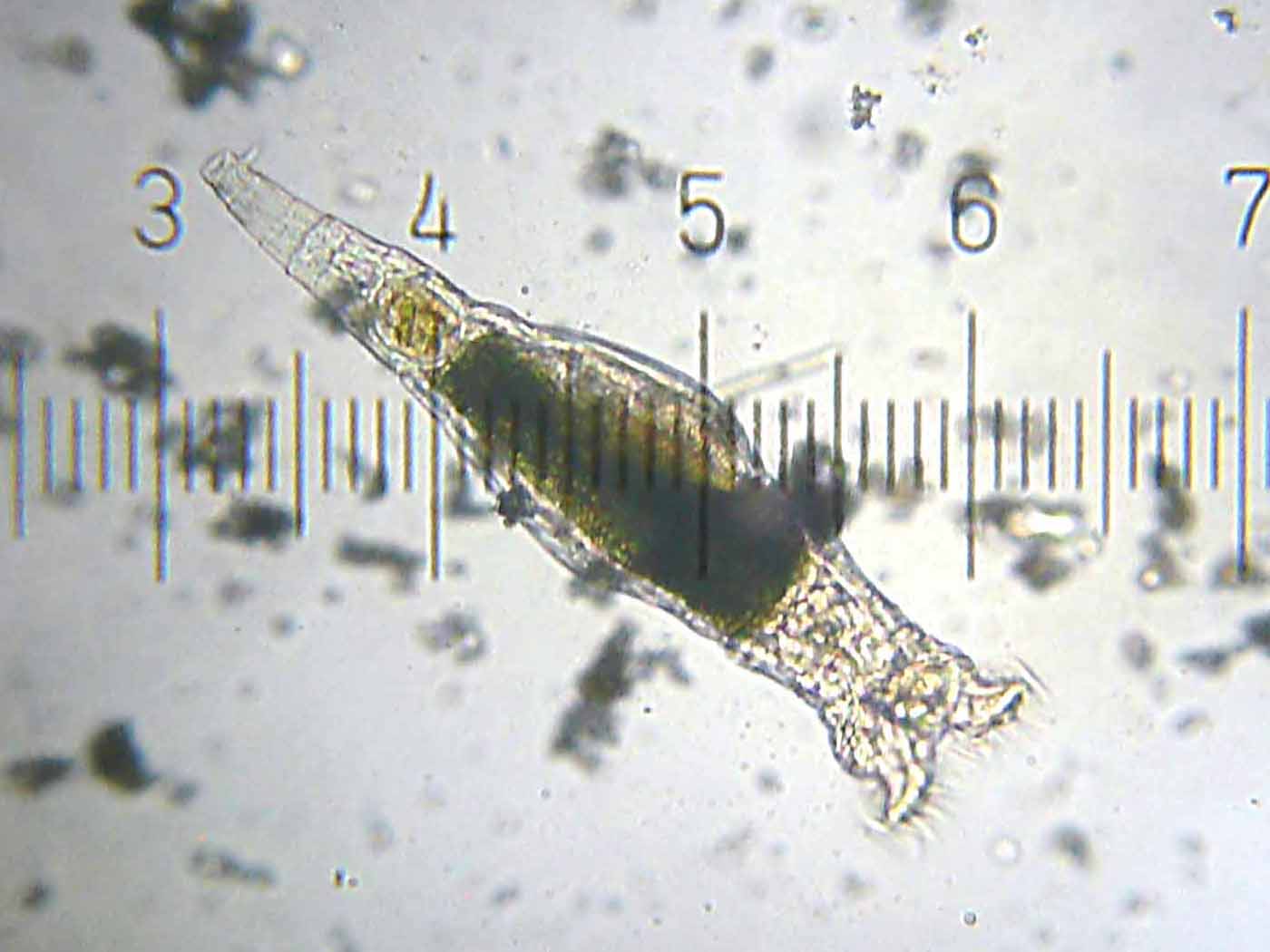
Authenticating the age of the rediscovered rotifers required rigorous scientific verification to eliminate the possibility of contamination or methodological errors. The research team employed multiple lines of evidence to confirm their findings. First, they utilized radiocarbon dating on organic material found in the same ice layers as the rotifers, establishing the age of approximately 24,000 years. Second, they implemented strict contamination controls during the extraction process, including sterile drilling techniques and laboratory protocols designed to prevent modern organisms from infiltrating the samples. To further validate their discovery, the team conducted DNA analysis on the revived specimens, comparing their genetic makeup with modern rotifer populations. The genetic data showed notable differences consistent with evolutionary divergence over thousands of years. Additionally, the specific location of the specimens within intact, undisturbed permafrost layers provided stratigraphic evidence supporting their age. Each of these verification steps was documented and subjected to peer review before the findings were published in the journal Current Biology, ensuring the scientific community could thoroughly evaluate the extraordinary claims.
Reviving the Ancient Organism
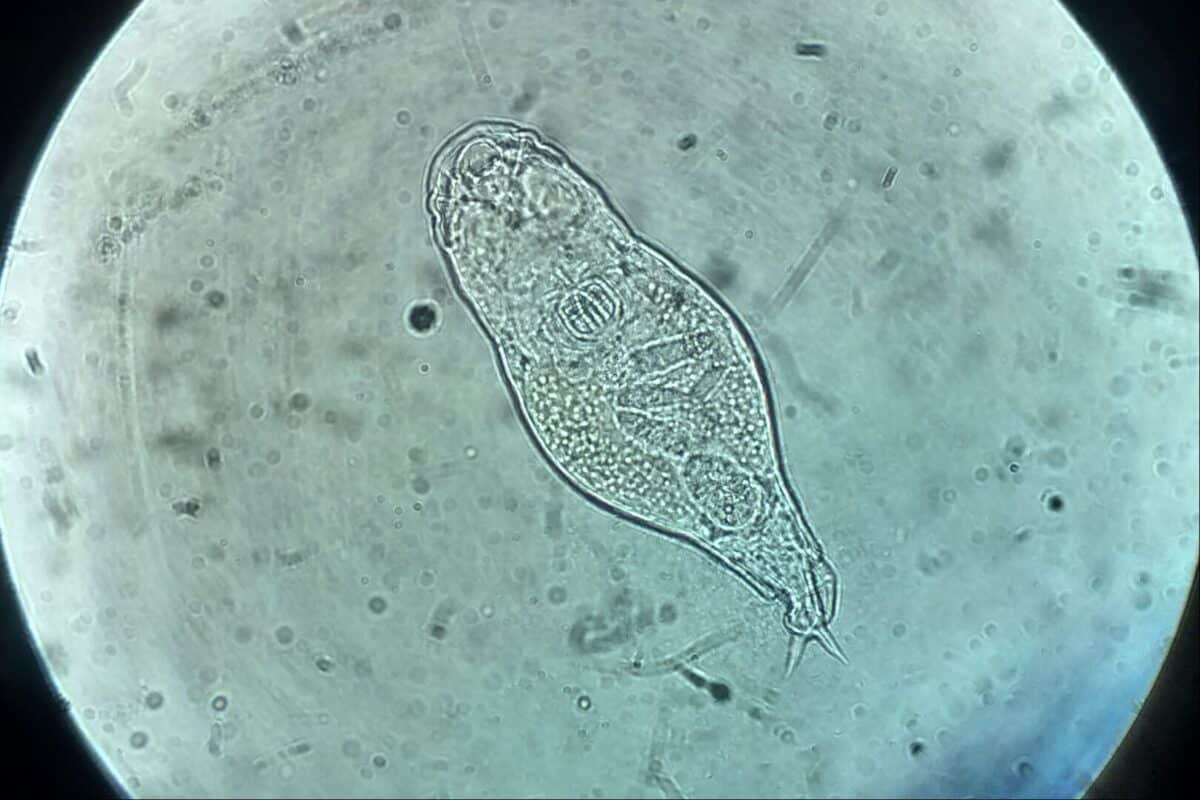
The process of reviving these ancient rotifers demanded extreme precision and patience from the research team. After carefully extracting the frozen samples from the permafrost, scientists gradually thawed them under controlled laboratory conditions. The thawing process was conducted slowly to minimize potential cellular damage from rapid temperature changes. Initially, researchers observed no movement or signs of life in the microscopic specimens. However, within hours of reaching room temperature, some of the rotifers began showing subtle signs of movement. Within days, these reanimated organisms had resumed their normal biological functions—swimming, feeding, and even reproducing. The team cultivated multiple generations from the original specimens, confirming not only their viability but also their reproductive capacity. This successful revival provided scientists with unprecedented access to living organisms from the Pleistocene epoch, offering a direct window into studying evolutionary adaptations over vast timescales. The team maintained these cultures for extended observation periods, documenting their behavior, physiology, and reproductive patterns to understand how—if at all—they differed from modern rotifer populations.
The Pleistocene Environment They Originated From

When these rotifers entered their cryptobiotic state 24,000 years ago, Earth was in the grip of the last Ice Age, and the landscape they inhabited was dramatically different from today. Northeastern Siberia was part of Beringia, the vast land bridge that connected Asia to North America, now mostly submerged beneath the Bering Strait. The environment consisted of cold, dry steppe-tundra ecosystems known as “mammoth steppe,” characterized by grasslands that supported large herbivores like woolly mammoths, woolly rhinoceroses, and bison. Average annual temperatures were approximately 10-15 degrees Celsius colder than present day. The rotifers likely inhabited small freshwater ponds or moist soil environments that eventually froze as permafrost formed. The surrounding ecosystem teemed with now-extinct megafauna and flora adapted to cold conditions. Carbon dioxide levels in the atmosphere measured around 190 parts per million—significantly lower than today’s 410+ ppm. This prehistoric frozen landscape preserved these tiny organisms in a natural cryogenic time capsule until their discovery in the 21st century, making them living witnesses to an ecosystem that vanished millennia ago.
Implications for Understanding Extreme Survival

The revival of organisms after 24,000 years of suspended animation has profound implications for our understanding of life’s resilience. This discovery significantly extends the known survival limits for complex multicellular organisms in a cryptobiotic state, challenging previous assumptions about the temporal boundaries of suspended life. From a biological perspective, these findings prompt important questions about the cellular mechanisms that enable such extraordinary preservation. Scientists are particularly interested in understanding the biochemical adaptations that protect against radiation damage, prevent destructive ice crystal formation, and maintain DNA integrity over geological timescales. The research offers potential insights into cellular repair mechanisms that might have applications in medical science, particularly in areas such as organ preservation for transplantation, cryogenic storage of biological materials, and even theoretical approaches to human tissue preservation. Additionally, this discovery provides evolutionary biologists with a rare opportunity to study organisms that have essentially time-traveled from the Pleistocene, allowing direct comparisons between ancient and modern populations of the same species to observe evolutionary changes in real time rather than through fossil records alone.
Comparisons to Other Long-Dormant Organisms

While the 24,000-year survival of bdelloid rotifers is extraordinary, it exists within a spectrum of remarkable dormancy achievements across different life forms. Bacteria hold the current record for longest revival after dormancy, with viable Bacillus spores recovered from 250-million-year-old salt crystals. Plant seeds have demonstrated impressive longevity as well, with the most famous example being Silene stenophylla, an Arctic flower successfully germinated from 32,000-year-old seeds found in Siberian permafrost. Among animals, nematode worms have been revived after 30,000-40,000 years frozen in permafrost. However, what makes the rotifer case particularly significant is that they represent a considerably more complex organism than bacteria or nematodes, with specialized tissues and organ systems. Tardigrades (water bears), another microscopic animal known for extreme survival capabilities, have been revived after decades of dormancy but haven’t yet demonstrated the millennia-scale suspension achieved by these rotifers. Each of these organisms employs different biochemical strategies for long-term survival, and comparing these mechanisms across taxonomic groups provides valuable insights into the fundamental biological processes that enable life to persist through extreme conditions.
Astrobiological Significance
The discovery of multicellular organisms surviving 24,000 years in a frozen state has significant implications for astrobiology—the study of life’s potential beyond Earth. It expands our understanding of the environmental conditions under which life might persist, particularly on cold celestial bodies in our solar system. Mars, with its freezing temperatures and evidence of past water, presents an environment not entirely dissimilar to Siberian permafrost. If relatively complex organisms like rotifers can survive extended periods in Earth’s frozen regions, similar adaptations might theoretically allow life to endure on Mars during its transitions between more habitable periods. Even more intriguing are the icy moons of Jupiter and Saturn—Europa, Enceladus, and Titan—which potentially harbor subsurface oceans beneath frozen exteriors. The rotifer discovery suggests that if life ever emerged in these environments during warmer periods, it might persist in suspended animation during colder cycles. This finding also informs discussions about planetary protection protocols for space missions, highlighting the remarkable persistence of life and the potential for cross-contamination. Furthermore, it contributes to our theoretical understanding of how life might survive interplanetary transport via meteorites—the concept of lithopanspermia—by demonstrating that complex organisms can potentially endure the freezing conditions of space for extended periods.
Research Challenges and Limitations

Despite the groundbreaking nature of this discovery, the research team faced significant challenges and acknowledged important limitations in their study. One primary challenge involved ruling out contamination with absolute certainty. While rigorous protocols were implemented, the possibility of modern rotifers infiltrating samples during extraction or processing required extensive control measures and verification steps. Dating precision presented another challenge—while radiocarbon dating provided approximate age ranges for the surrounding organic material, pinpointing the exact age of the rotifers themselves proved more difficult due to their microscopic size. The limited sample size of viable specimens also presented statistical challenges for drawing broader conclusions about survival rates and mechanisms. Additionally, researchers faced technical difficulties in maintaining optimal cultivation conditions for these ancient organisms, which may have slightly different environmental preferences than their modern counterparts. The team also acknowledged that their findings may represent exceptional cases rather than typical survival rates—they estimated that only a small fraction of the rotifers in the permafrost remained viable after thawing. Finally, questions remain about whether the observed specimens survived continuously in a cryptobiotic state for 24,000 years, or if they may have experienced brief periods of activity during temporary thaws before refreezing—a distinction difficult to prove definitively with available technology.
Ongoing Research and Future Directions
The extraordinary discovery of viable rotifers after 24,000 years has catalyzed multiple research pathways that continue to unfold. Scientists at the Soil Cryology Laboratory and collaborating institutions are conducting comprehensive genetic analysis, comparing the genomes of the ancient rotifers with modern populations to identify evolutionary changes and potential adaptive mechanisms for long-term cryptobiosis. Biochemical studies are underway to identify the specific proteins, sugars, and other compounds that enabled their cellular preservation. Research teams are also investigating the potential applications of these findings for biomedicine, particularly in cryopreservation techniques for cells, tissues, and organs. The discovery has intensified sampling efforts in other permafrost regions around the Arctic circle, with scientists searching for additional examples of ancient viable organisms that might further extend our understanding of survival limits. Collaborations between cryobiologists and astrobiologists have emerged to model how similar organisms might survive on other celestial bodies with extreme cold environments. Additionally, experiments are being designed to test the limits of rotifer cryptobiosis under controlled laboratory conditions, subjecting modern specimens to various freezing durations, radiation levels, and environmental stressors to better understand the boundaries of their remarkable survival capabilities. These ongoing research efforts promise to continue yielding insights into one of biology’s most fascinating phenomena—life’s ability to pause and resume across vast stretches of time.
Conclusion
The revival of bdelloid rotifers after 24,000 years of frozen dormancy represents one of the most remarkable demonstrations of life’s resilience ever documented. These microscopic multicellular animals, having survived in suspended animation since the Last Glacial Maximum, offer us a living connection to Earth’s prehistoric past and challenge our fundamental understanding of life’s temporal limits. Their extraordinary survival capabilities provide critical insights into evolutionary biology, cryobiology, and potentially even astrobiology, suggesting that life may persist in conditions previously thought incompatible with long-term survival. As research continues to unravel the biochemical and genetic mechanisms behind this remarkable feat of cryptobiosis, we may discover applications ranging from medical cryopreservation to theoretical models for extraterrestrial life persistence. Perhaps most profoundly, these tiny creatures remind us that life on our planet has developed extraordinary adaptations to overcome seemingly impossible challenges—a humbling lesson in resilience from organisms that have witnessed the rise and fall of entire ecosystems across a timescale that dwarfs human civilization.

- The Story of the Arctic Fox’s Incredible Seasonal Transformation - July 18, 2026
- 10 Most Venomous Snakes in US National Parks - July 18, 2026
- The Moth That Drinks Blood - July 18, 2026