


Deep within Alaska’s most untamed wilderness lies a sanctuary that seems to exist at the very edge of the world. stretches across 8.4 million acres of untouched landscape, where towering peaks pierce endless skies and ancient migrations continue as they have for millennia. This is America’s northernmost national park, a place where the very concept of remoteness takes on new meaning.
What makes this place truly extraordinary isn’t just its vast emptiness or stunning vistas. It’s the incredible community of creatures that call these harsh lands home. From massive caribou herds numbering in the hundreds of thousands to the elusive Arctic wolves that stalk them, this frozen realm hosts one of the most remarkable wildlife spectacles on Earth. Let’s explore the fascinating animals that have mastered the art of survival in this ultimate wilderness.
The Great Caribou Migration Spectacle
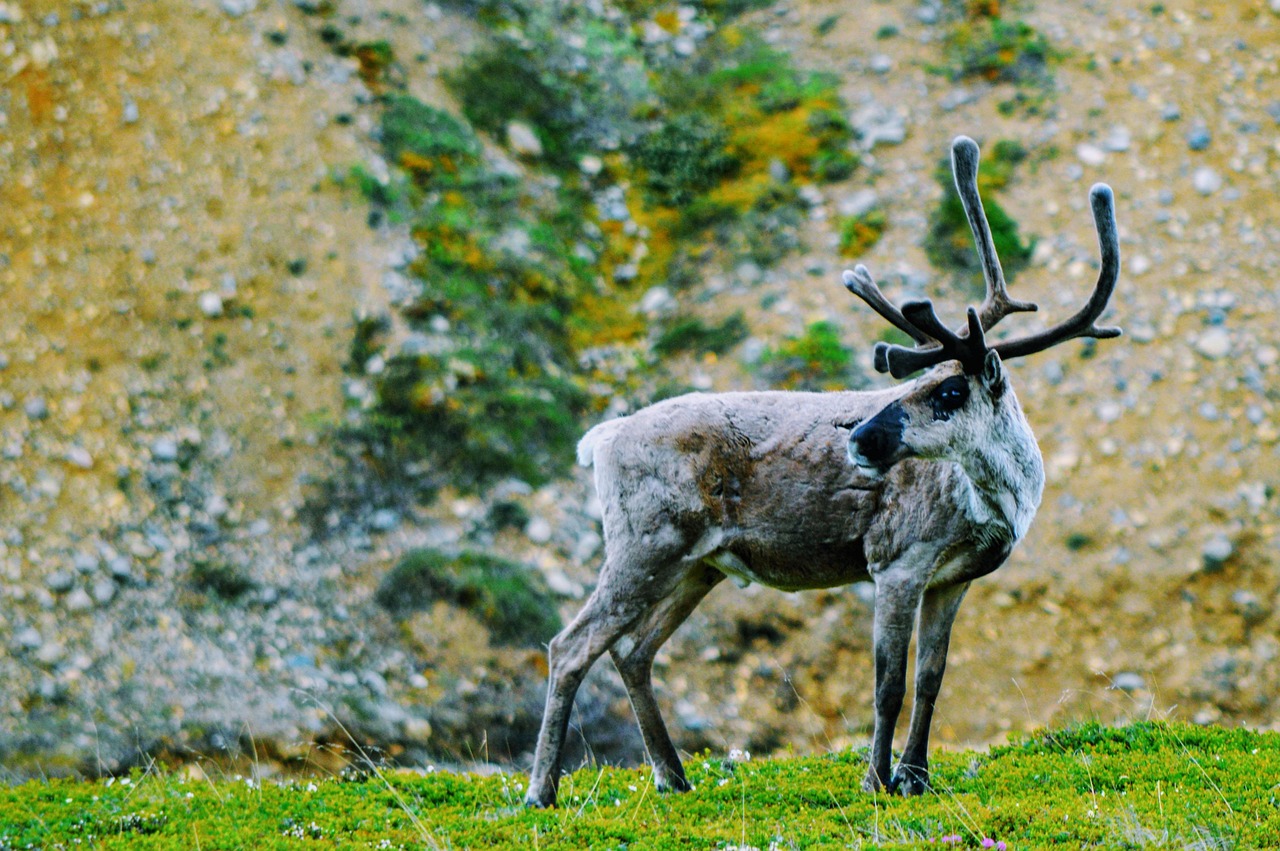
Picture this: Western Arctic caribou herd, which has declined from a historical peak of about 490,000 animals to approximately 164,000 animals in recent surveys, migrate through the park each fall. This isn’t just a casual stroll through the tundra. These remarkable animals undertake one of the most impressive journeys in the natural world, creating trails that serve as the only pathways through vast stretches of untouched wilderness.
More than half a million caribou, including the Central Arctic, Western Arctic, Teshekpuk, and Porcupine herds, migrate through the central Brooks Range twice yearly, traveling north in summer, and south in winter. Think of it like nature’s own highway system, except the roads are made by hoofprints and the traffic flows in seasonal waves. These animals have been following these ancient routes for thousands of years, creating a living connection between the past and present.
Brown and Black Bears: The Apex Survivors
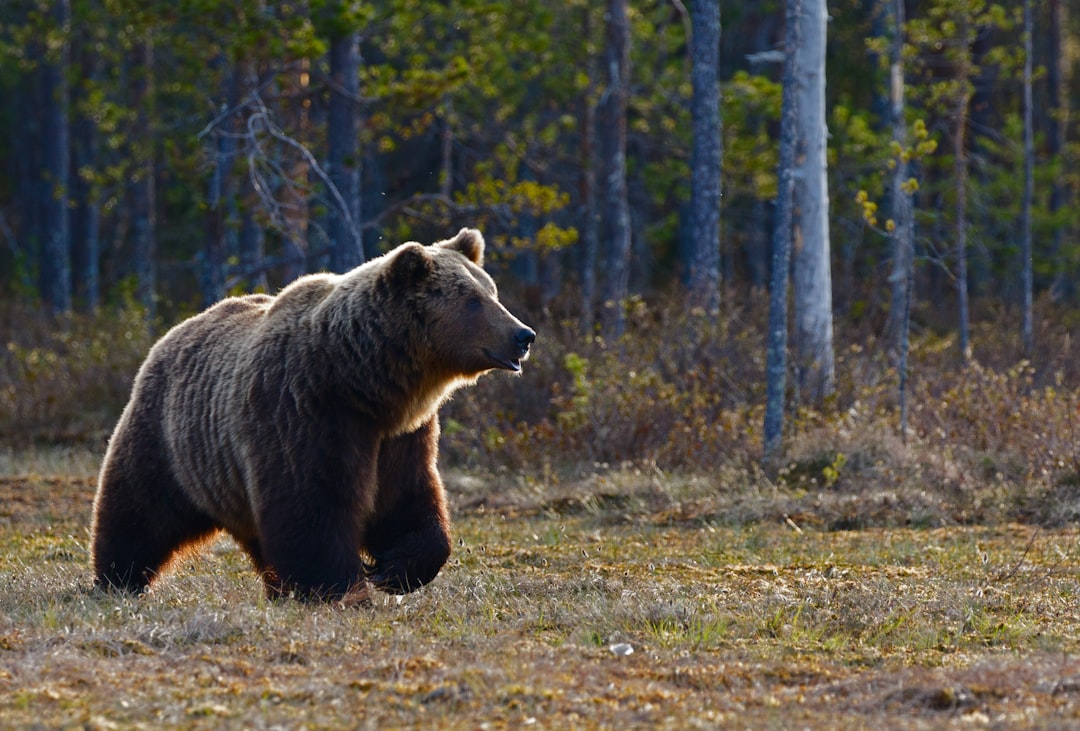
Brown bear density is estimated at approximately one bear per 100 square miles throughout the park and preserve. That might sound sparse until you realize how enormous this territory actually is. These bears are the true titans of the Arctic wilderness, each one commanding a territory larger than many cities.
Brown and black bear, wolf, Dall sheep, lynx, moose, wolverine, and red fox live here year-round. While caribou can migrate to escape the worst conditions, these bears stay put and endure everything the Arctic throws at them. They’ve mastered the art of fattening up during the brief summer bounty and then surviving the long, dark winter months when temperatures plummet to unimaginable lows.
Arctic Wolves: The Phantom Hunters
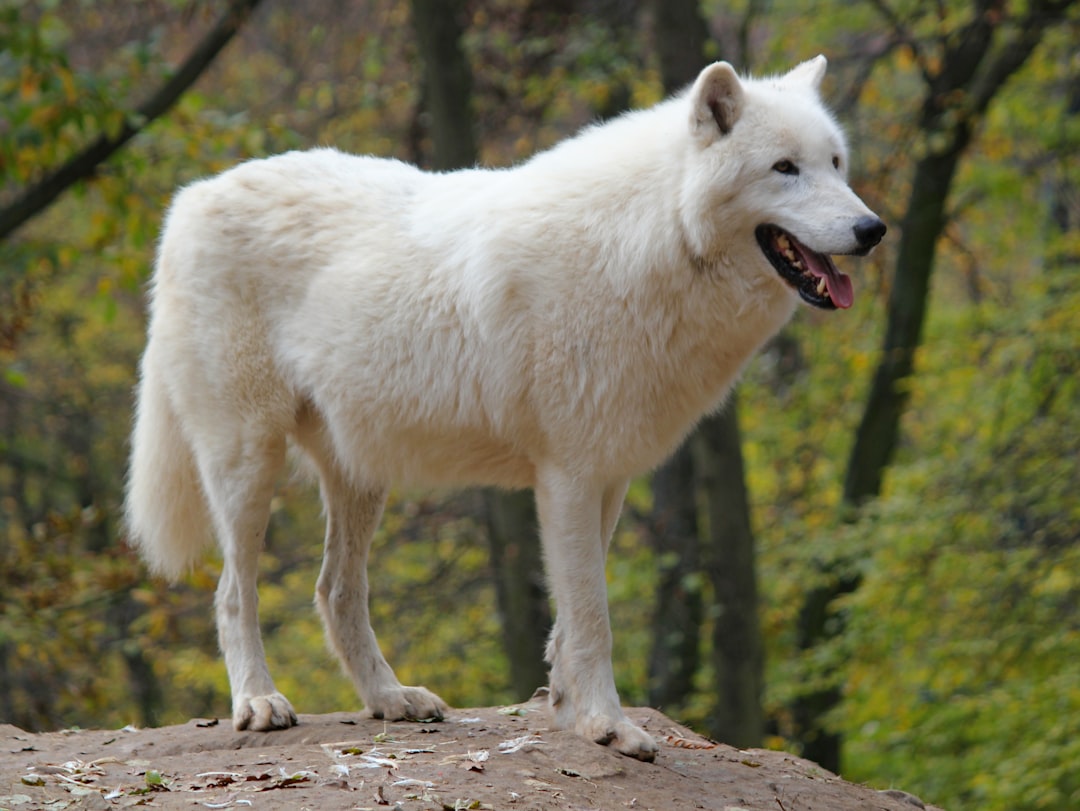
Among all the predators in Gates of the Arctic, perhaps none is more mysterious than the Arctic wolf. These ghostly hunters move through the landscape like living shadows, perfectly adapted to one of Earth’s most challenging environments. The primary predators of muskoxen are arctic wolves, which may account for up to half of all mortality for the species.
What’s truly remarkable about these wolves is their hunting strategy. Muskoxen have evolved an impressive defense strategy to protect their vulnerable young, with adults in a herd ringing themselves horns out around calves upon detecting wolves. It’s like a medieval battle formation, but the stakes are survival itself. The wolves must use intelligence, patience, and teamwork to overcome prey that can weigh several times their own body weight.
Dall Sheep: Masters of the Mountain Heights
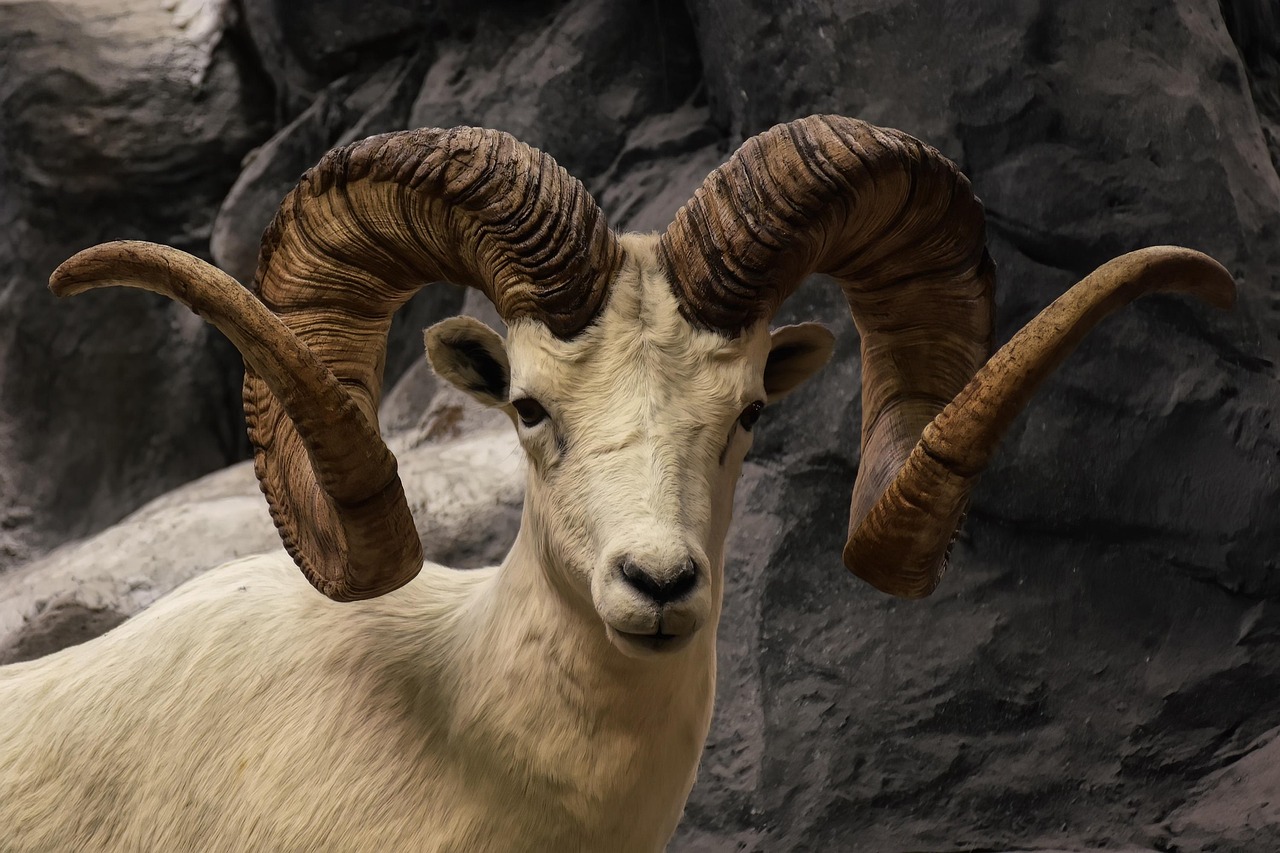
The park is the northernmost range limit for the Dall sheep. These magnificent creatures represent the absolute edge of what’s possible in terms of mountain survival. They’ve pushed the boundaries of their species to its very limits, thriving in places where most animals would perish.
These sheep have developed incredible adaptations for their precarious lifestyle. Their hooves work like natural climbing shoes, gripping onto rocky ledges that would challenge even experienced mountaineers. During the harsh winter months, they use their keen eyesight to spot predators from incredible distances, relying on the high ground as their ultimate defense strategy.
The Massive Muskoxen: Living Fortresses
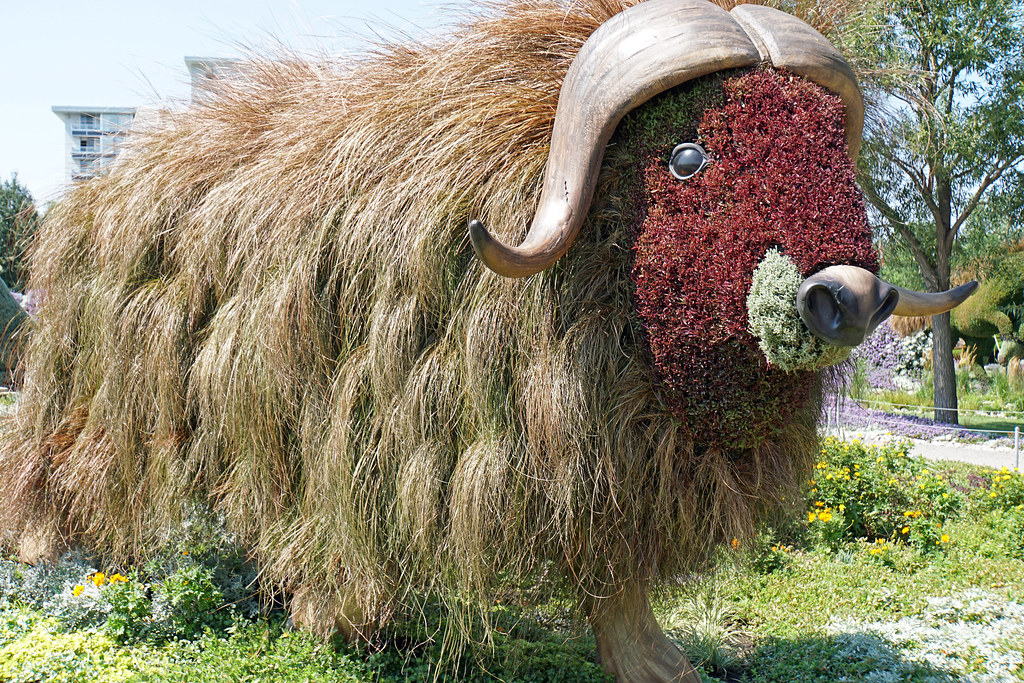
If you want to see what a creature designed purely for Arctic survival looks like, meet the muskox. These shaggy bovines have roamed the frozen Arctic for thousands of years, munching on moss and gathering in herds for protection. They’re essentially walking fortresses covered in some of the warmest fur on the planet.
Their fur is so good at retaining heat that even the area of the ground directly underneath the musk ox is kept warmer as a result. That’s not just impressive insulation; that’s creating a microenvironment wherever they go. When threatened, they form defensive circles with their young protected in the center, creating an impenetrable wall of horns and determination.
Wolverines: The Fearless Wanderers
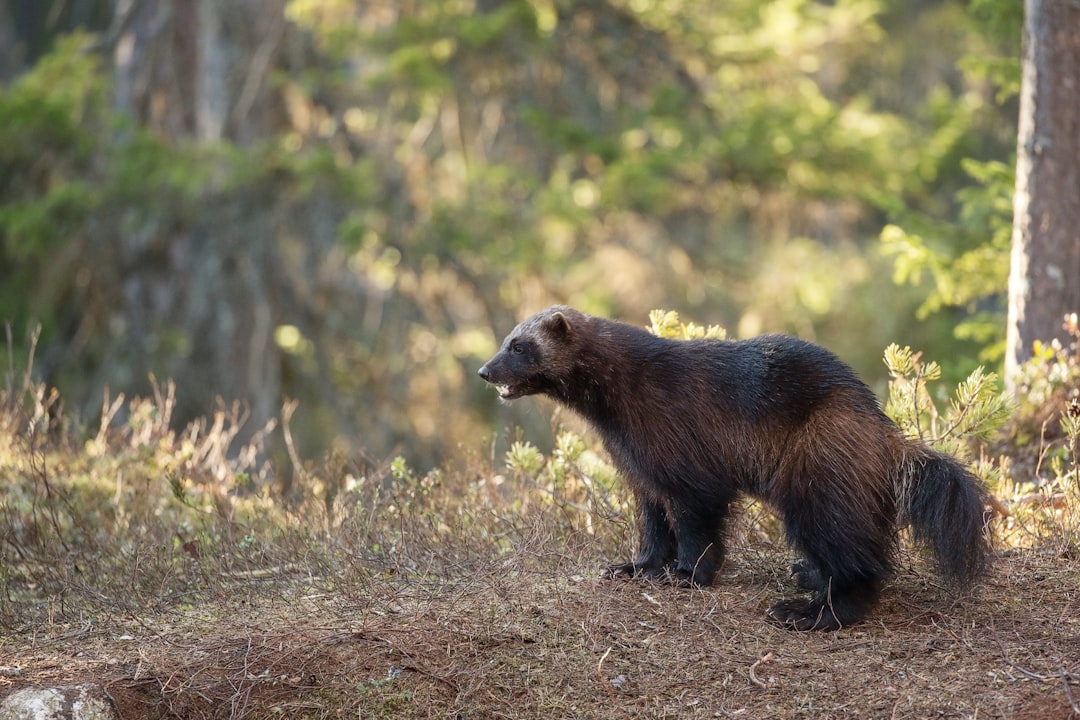
Among the year-round residents, wolverines might be the most hardcore survivors of all. These compact powerhouses fear absolutely nothing and will take on animals many times their size. Their incredible strength-to-weight ratio and fearless attitude make them legendary throughout the Arctic regions.
Wolverines have an amazing ability to travel vast distances across the most challenging terrain imaginable. They can cover hundreds of miles in their search for food, crossing frozen rivers, scaling steep mountain faces, and enduring temperatures that would stop most creatures in their tracks. Their thick fur and stocky build help them maintain body heat even in the most extreme conditions.
Moose: The Gentle Giants of the North
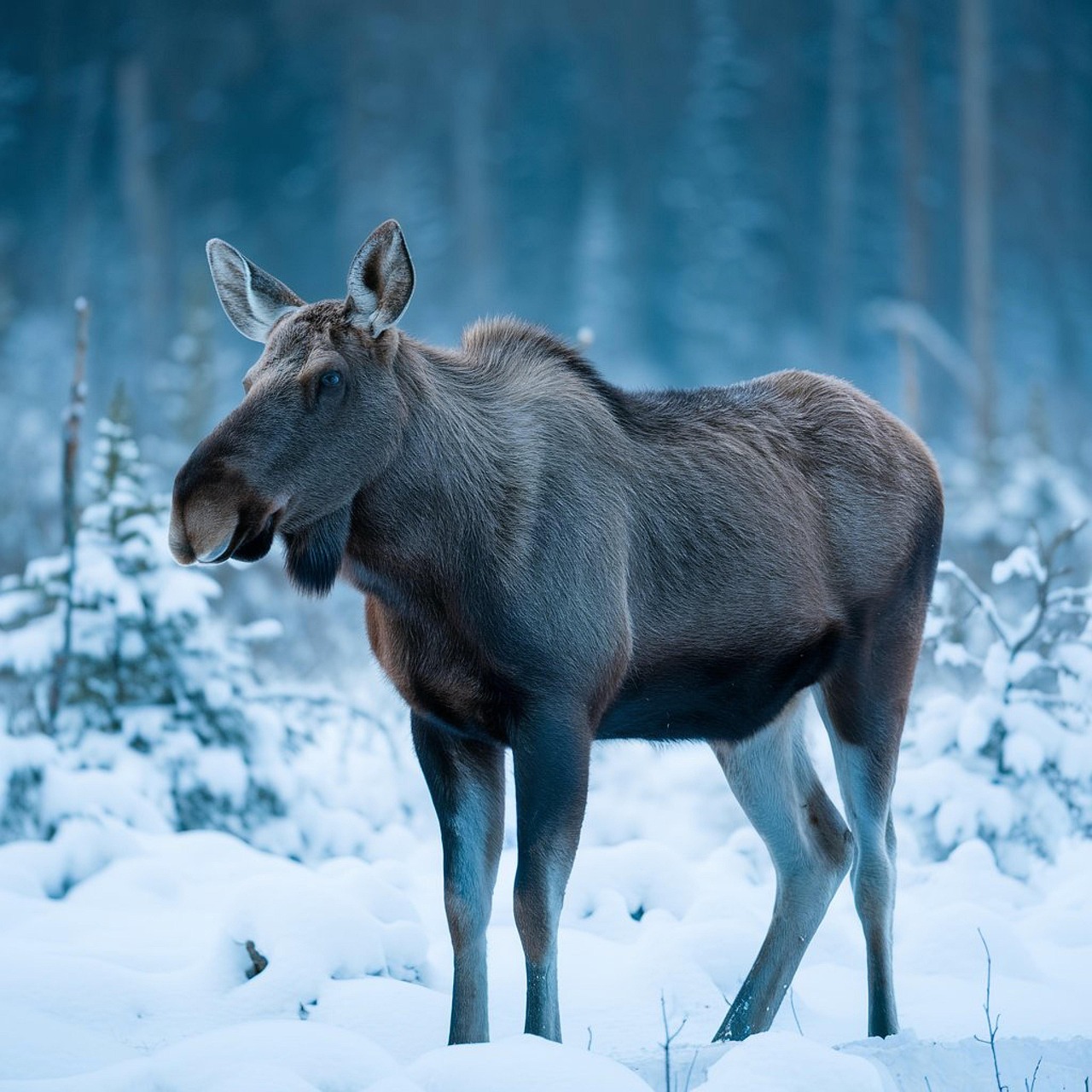
It might surprise you to learn that moose thrive this far north, but these adaptable giants have figured out how to make the Arctic work for them. Larger animals like moose, caribou, and Dall sheep grow thick fur coats to insulate them from the bitter cold. Their winter coats are so effective that they can actually overheat if temperatures rise above freezing.
These impressive animals have developed fascinating behavioral adaptations too. They also migrate south – some a few miles, others hundreds of miles – to warmer climes. Some moose become short-distance migrants, while others embark on epic journeys that rival those of the caribou. It’s a reminder that survival strategies in the Arctic are as diverse as the animals that employ them.
Lynx: The Elusive Cat of the Tundra
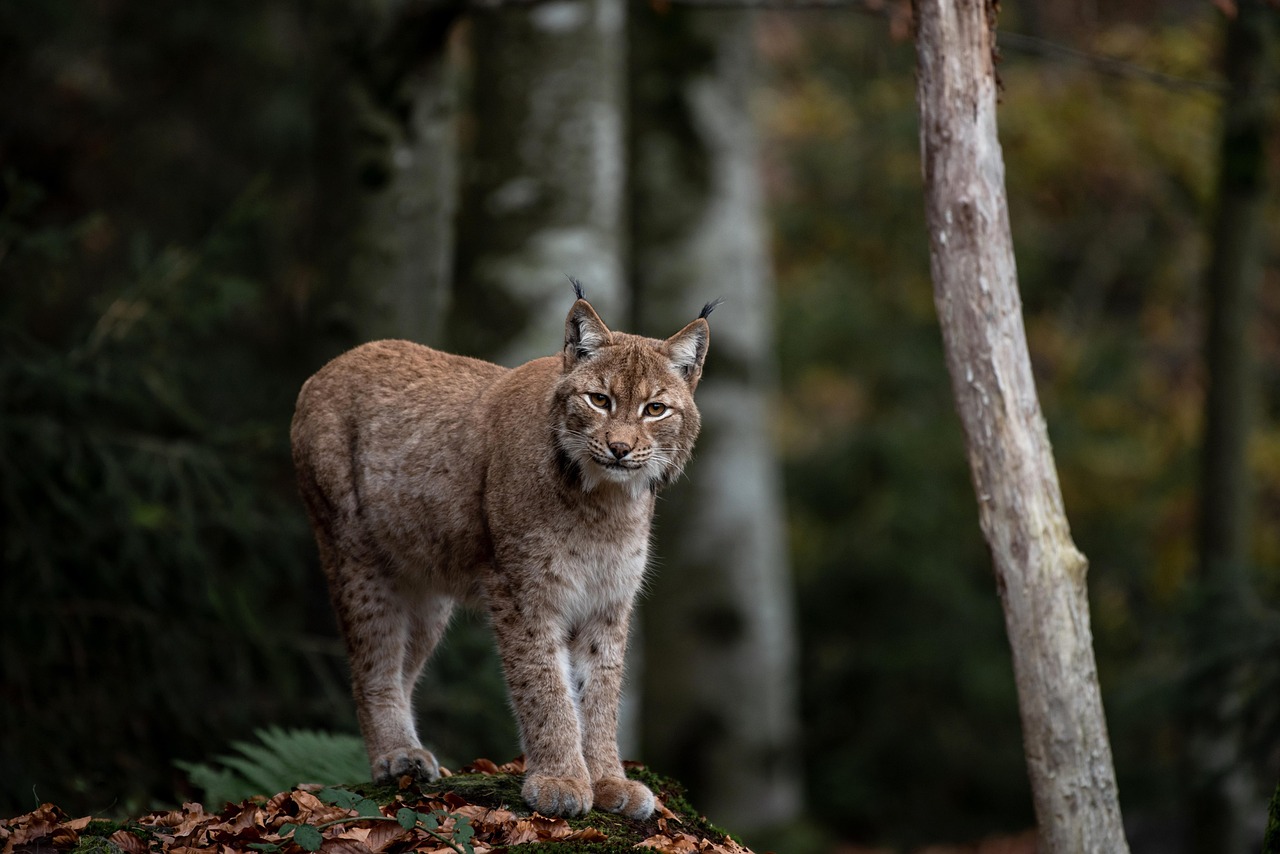
Closely related to their Lower 48 relative the bobcat, the lynx is the only member of the cat family native to Alaska. These remarkable felines have adapted to Arctic conditions in ways that would make their southern cousins jealous. Their oversized paws work like natural snowshoes, allowing them to travel across deep snow with ease.
Their favorite food is the snowshoe hare, and the lynx population density is directly tied to the snowshoe hare population. This creates one of nature’s most dramatic boom-and-bust cycles, where lynx populations can fluctuate wildly based on their primary prey species. When hares are abundant, lynx thrive. When hare populations crash, the lynx must adapt or perish.
Red Fox: The Arctic Opportunist
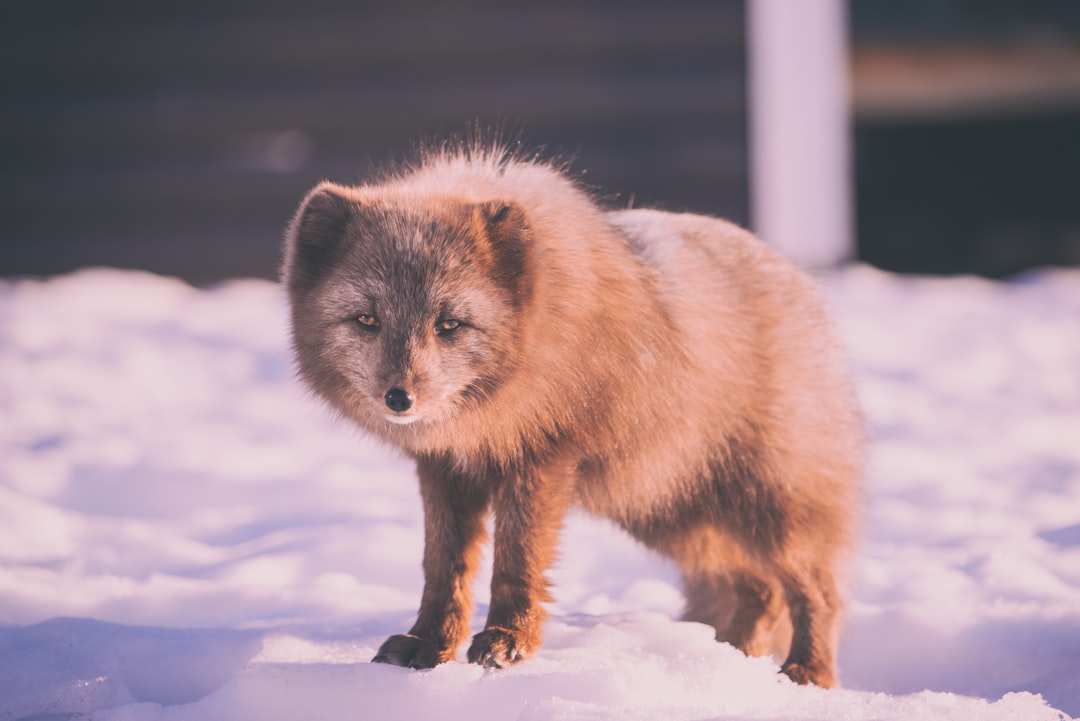
Red foxes in Gates of the Arctic represent adaptability at its finest. While their southern relatives enjoy relatively mild climates, these northern populations have developed remarkable survival strategies. Their thick winter coats and bushy tails provide excellent insulation, while their incredible hearing helps them locate prey beneath the snow.
These clever predators are true opportunists, adjusting their diet based on seasonal availability. During summer, they hunt small mammals, birds, and even insects. When winter arrives and food becomes scarce, they become scavengers, following larger predators and cleaning up after wolf kills. Their intelligence and flexibility make them one of the most successful Arctic survivors.
Arctic Birds: Masters of Migration
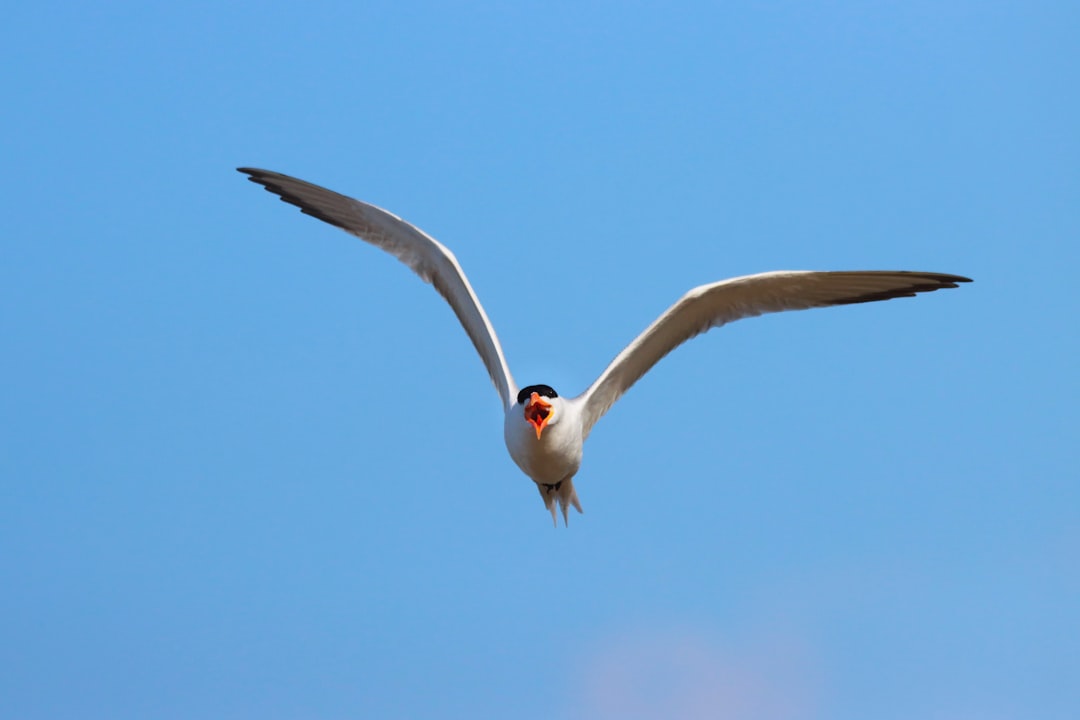
The story of summer in the Central Brooks Range is one of spectacular abundance – millions of insects, lush new plant growth, prey for the predators. Some birds have come unimaginable distances, like the arctic terns that fly all the way from Antarctic waters – the longest migration of any bird in the world.
Light on visitors due to its remote access, this park offers sanctuary for caribou, muskoxen, and more than 145 species of birds. These feathered visitors transform the Arctic summer into a bustling metropolis of activity. From tiny songbirds to massive golden eagles, they arrive just in time to take advantage of the brief but incredibly productive Arctic growing season.
Fish: The Hidden Arctic Community
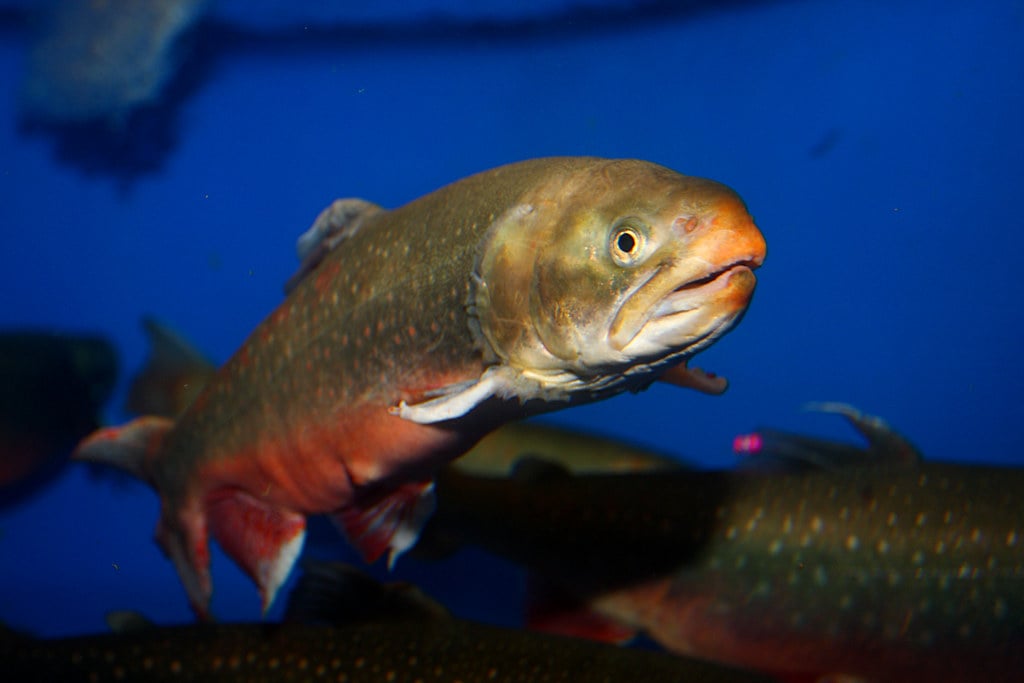
The rivers contain a variety of fish species, including the grayling, Arctic char and chum salmon. While most people think of the Arctic as a frozen wasteland, the park’s rivers and lakes teem with aquatic life during the brief summer months. These fish have developed remarkable adaptations to survive in water that stays near freezing for most of the year.
Fishing is considered superb for grayling and Arctic char in the clear streams and for lake trout in the larger, deeper lakes. The crystal-clear waters provide perfect conditions for these cold-water specialists, creating some of the most pristine fishing opportunities in North America. These fish populations support not just human visitors but also the many bears, birds, and other wildlife that depend on them for survival.
The Remarkable Adaptation Stories
For the wildlife living in or migrating through and Preserve, surviving is feast or famine, depending upon the time of year. Summers provide a rich buffet of vegetation for the grazers and browsers like caribou, beaver, Dall’s sheep, and snowshoe hares, as well as and animal and insect proteins for birds and predators such as brown bears and lynx.
The transformation from winter scarcity to summer abundance is one of the most dramatic seasonal changes on Earth. Animals must pack an entire year’s worth of reproduction, growth, and energy storage into just a few short months. It’s like running a marathon sprint, where every day of summer sunshine represents a precious opportunity that cannot be wasted. This intense seasonal pressure has created some of the most remarkable adaptations in the animal kingdom.
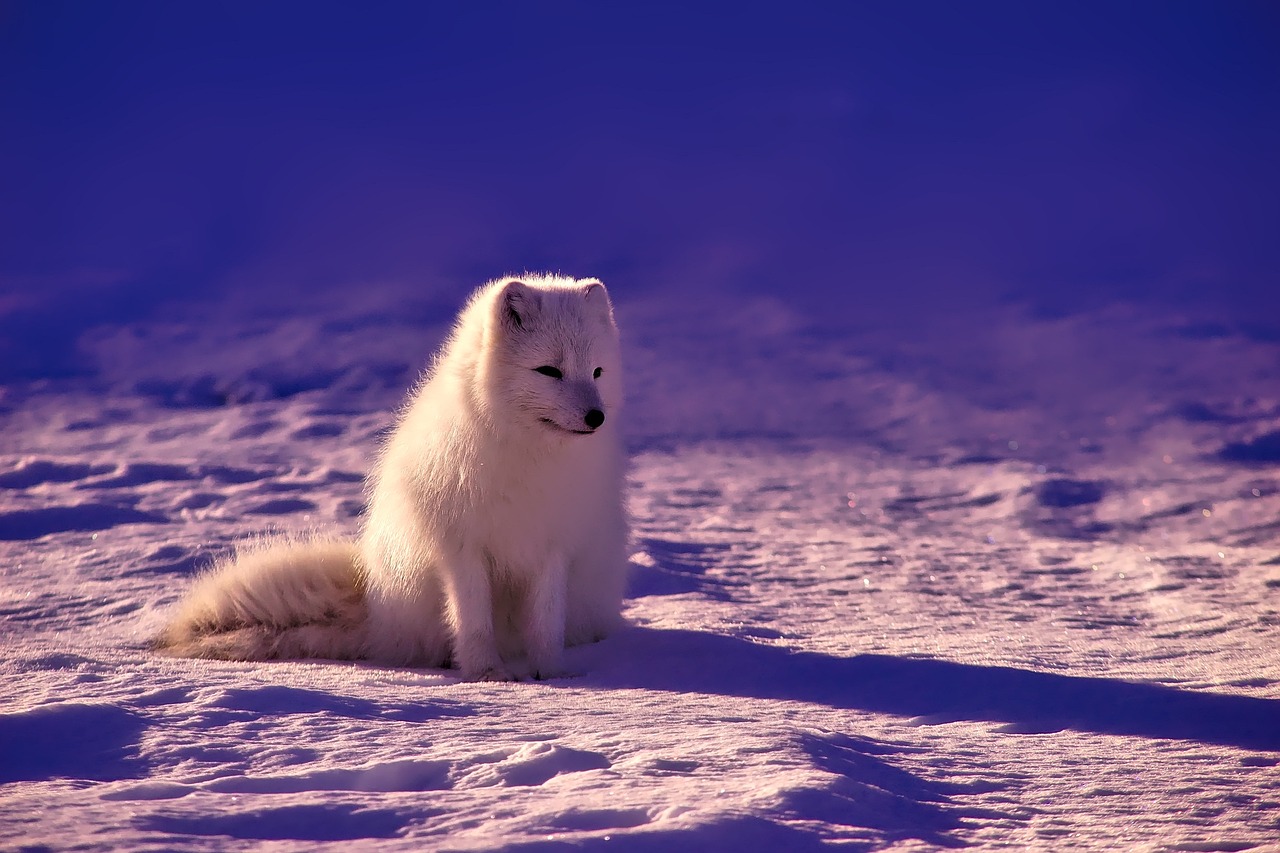
What strikes me most about the wildlife of Gates of the Arctic is their incredible resilience and adaptability. These animals haven’t just survived in one of Earth’s most challenging environments; they’ve thrived here for thousands of years. From the massive caribou migrations that dwarf human cities to the tiny Arctic foxes that can detect prey beneath three feet of snow, each species represents a masterpiece of evolutionary engineering. Their stories remind us that life finds a way, even in the most unlikely places, and that wilderness isn’t empty space but rather a complex community of remarkable creatures all fighting to make their home at the top of the world.
What do you think about these incredible Arctic survivors? Tell us in the comments.
