
In the mesmerizing world of aquatic life, some surprises are simply larger than life. The discovery of the largest stingray ever caught in an American river is a testament to the endless wonders hidden beneath the water’s surface. This awe-inspiring event not only set a new record but also captured the imagination of people worldwide. Join us as we delve into the details of this extraordinary catch, uncovering the fascinating world of stingrays along the way.
The Record-breaking Catch

The colossal stingray was caught in the Mississippi River, one of the most expansive and biodiverse river systems in North America. This particular specimen, measuring an astounding length and weighing in at several hundred pounds, shattered previous records. Such an incredible catch has sparked intrigue and curiosity among experts and enthusiasts alike.
Understanding the Stingray Species
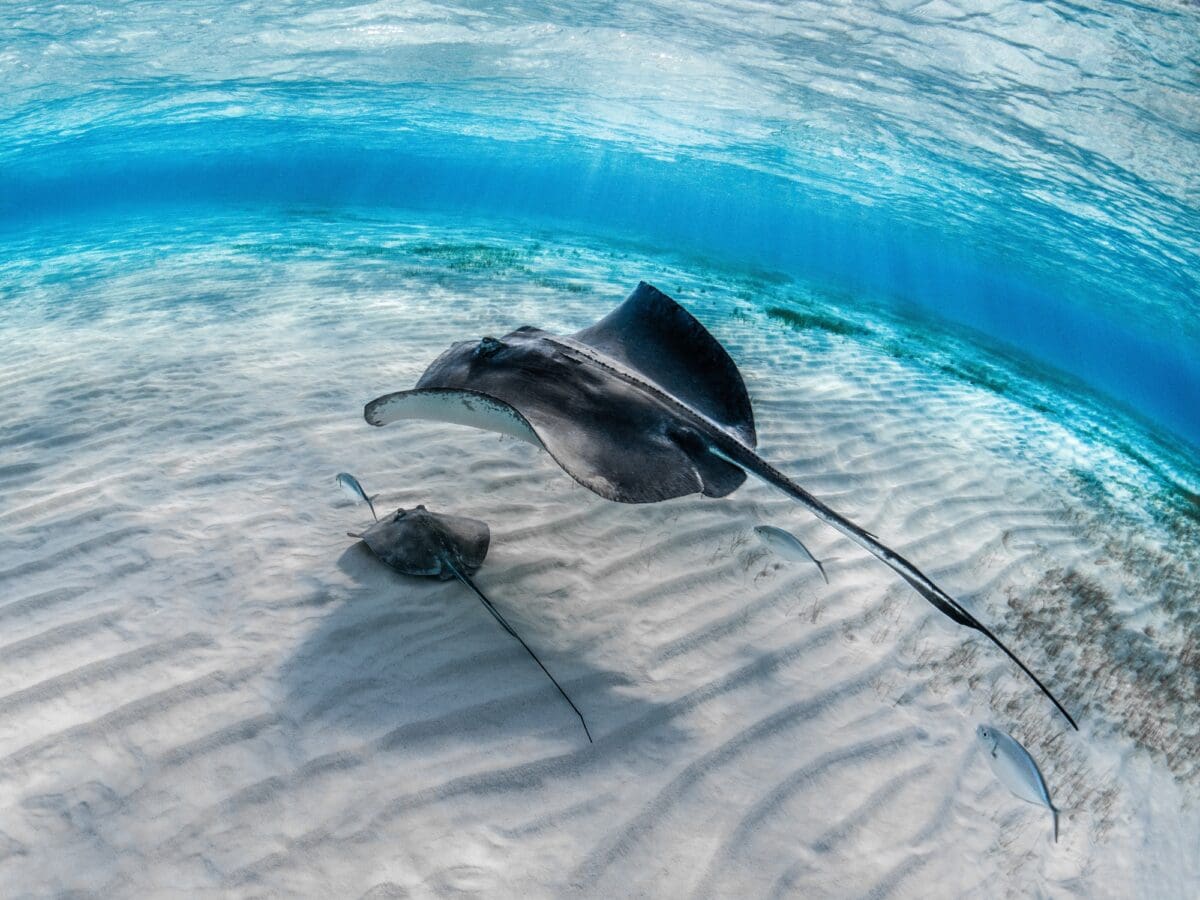
Stingrays belong to a group of rays that are closely related to sharks. They are primarily known for their flat bodies and long tails, some of which are equipped with venomous barbs. There are over 200 species of stingrays, each adapted to various environments, from the shallow coastal waters to the depths of the oceans.
Anatomy of a Giant

The immense size of the stingray caught in the Mississippi River brought attention to the anatomy of these fascinating creatures. Stingrays possess a cartilaginous structure, akin to sharks. This flexibility allows them to glide effortlessly through water. Their unique schooling placements on their dorsal side also provide insights into their sensory capabilities.
The Habitat of Freshwater Stingrays
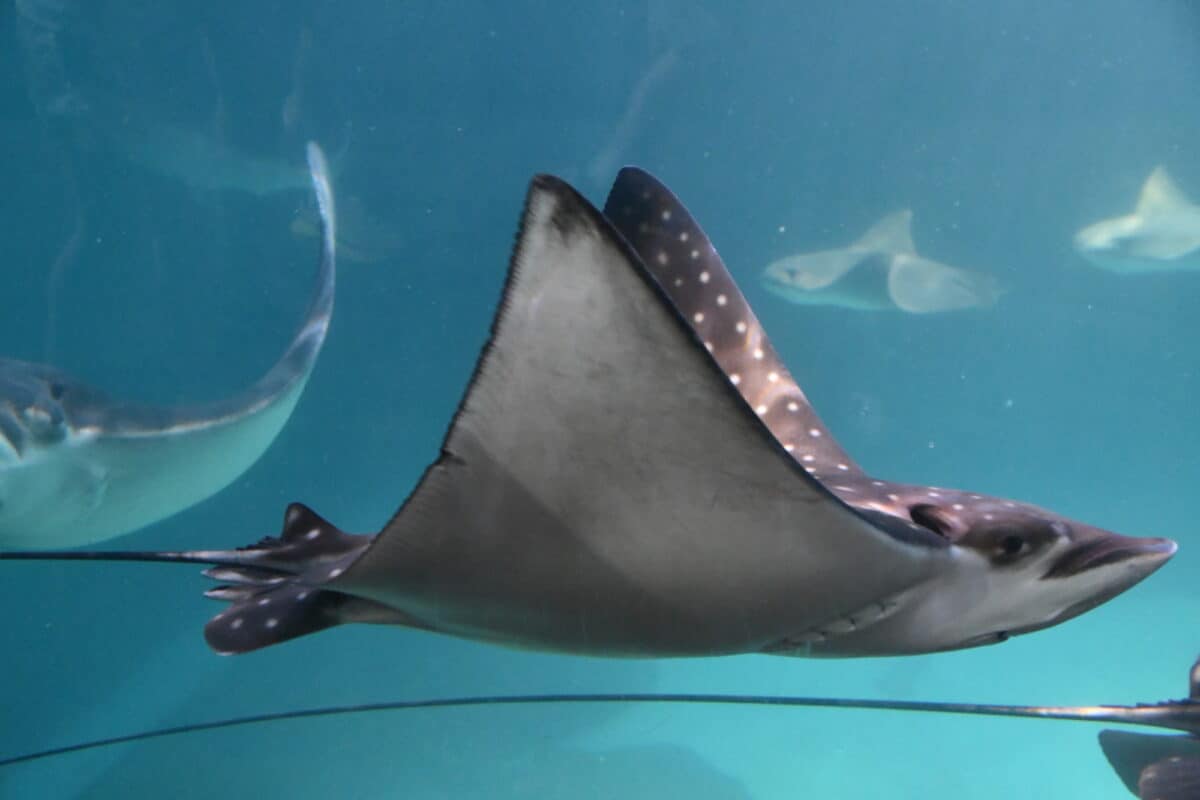
While stingrays are often associated with marine environments, certain species inhabit freshwater systems like rivers and lakes. The Mississippi River, with its extensive tributaries and diverse ecosystems, provides a suitable habitat for these freshwater stingrays. The blend of deep channels and shoreline vegetation supports the stingray’s hunting and breeding activities.
Ecosystem Role and Importance

Stingrays play a crucial role in maintaining the balance of aquatic ecosystems. By preying on mollusks, crustaceans, and small fish, they help regulate their populations, which can prevent overpopulation and the depletion of resources. Their burrowing behavior also aids in the aeration of riverbeds, promoting biodiversity.
Stingray Behavior and Adaptations
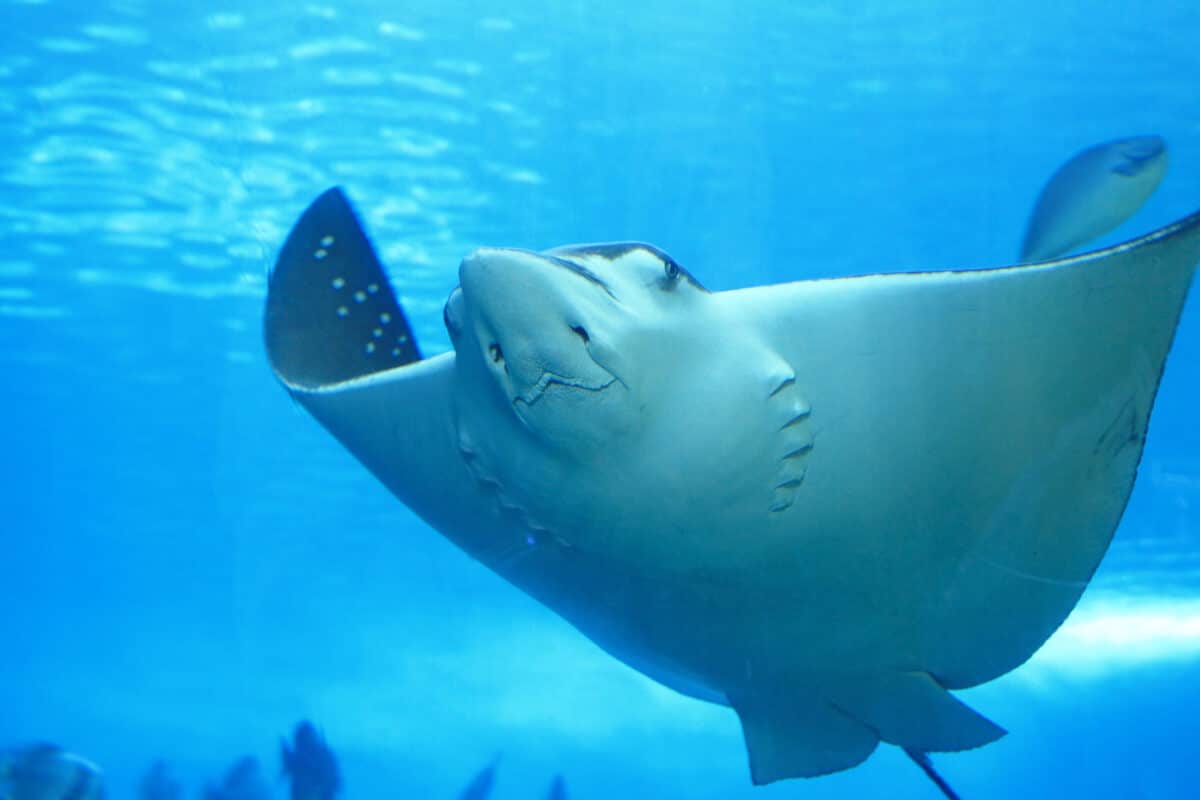
Stingrays exhibit fascinating behaviors, including burying themselves in sand to camouflage from predators and prey. Their ability to detect electrical signals emitted by other organisms gives them a significant advantage when hunting. This adaptation is particularly useful in the murky waters of rivers.
Conservation Status and Challenges
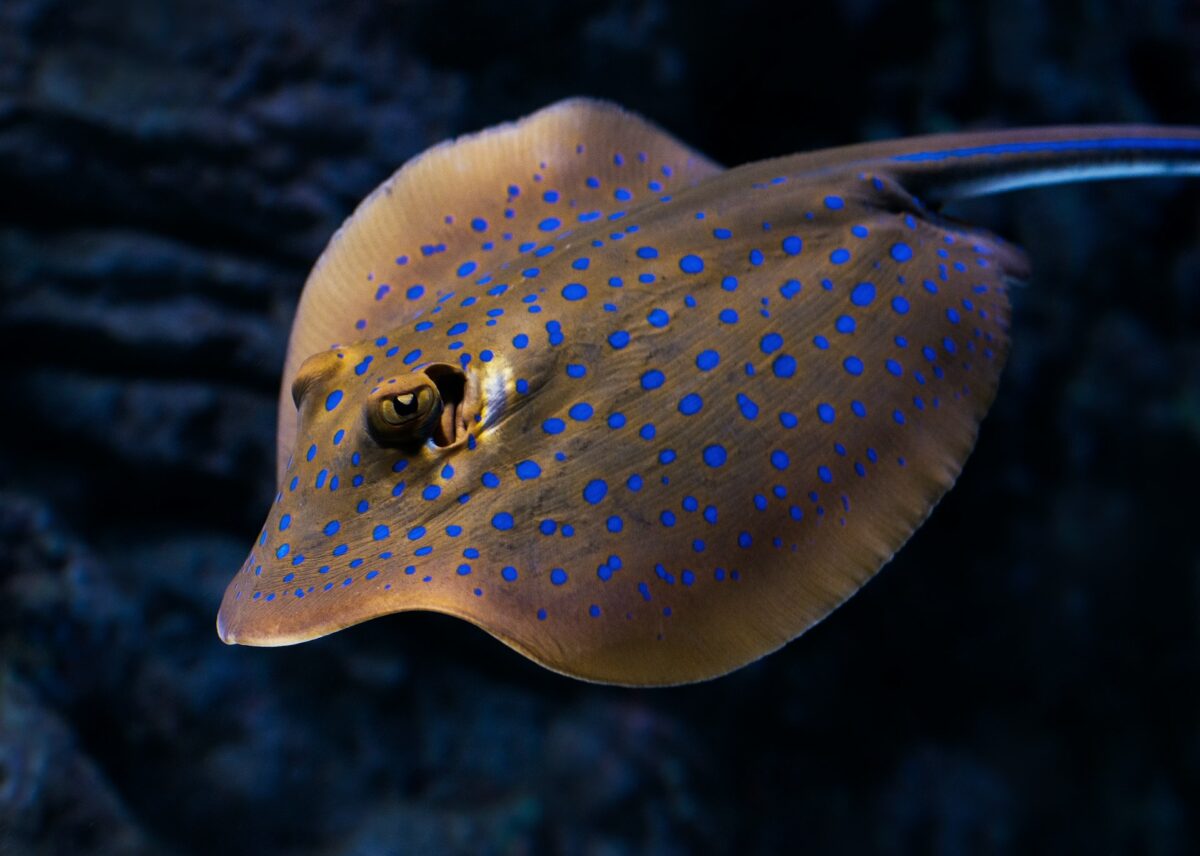
The discovery of such a large stingray brings attention to the conservation status of these remarkable creatures. Many stingray species face threats due to habitat destruction, pollution, and overfishing. Conservation efforts are vital to protect their habitats and ensure the survival of these species for future generations.
The Impact of Human Activities

Human activities, such as dam construction, pollution, and unregulated fishing, have a profound impact on freshwater habitats. These factors can alter the delicate balance of ecosystems and threaten the survival of stingray populations. Sustainable practices and policies are essential to mitigate these effects.
Scientific Interest and Research
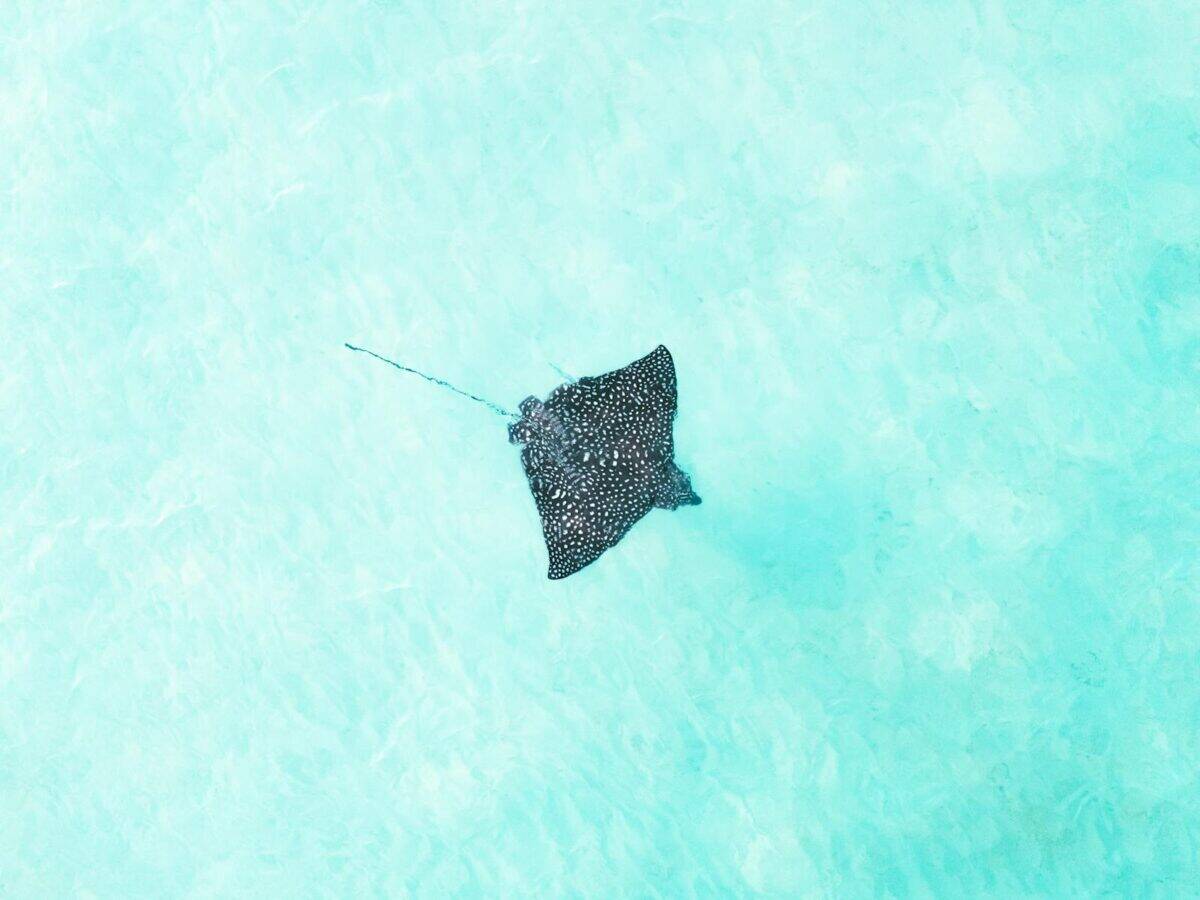
The capture of such a massive stingray has sparked increased scientific interest, prompting research initiatives to study their biology, ecology, and population dynamics. Researchers are keen to learn more about their migratory patterns, reproductive behavior, and genetic diversity to aid conservation efforts.
Public Fascination and the Media

The media coverage of this extraordinary catch captivated audiences globally, bringing stingrays into the public eye. This newfound interest highlights the importance of education in fostering appreciation and understanding of aquatic life. Engaging the public can drive support for conservation initiatives and foster a deeper connection with nature.
Conclusion: The Legacy of a Giant Catch
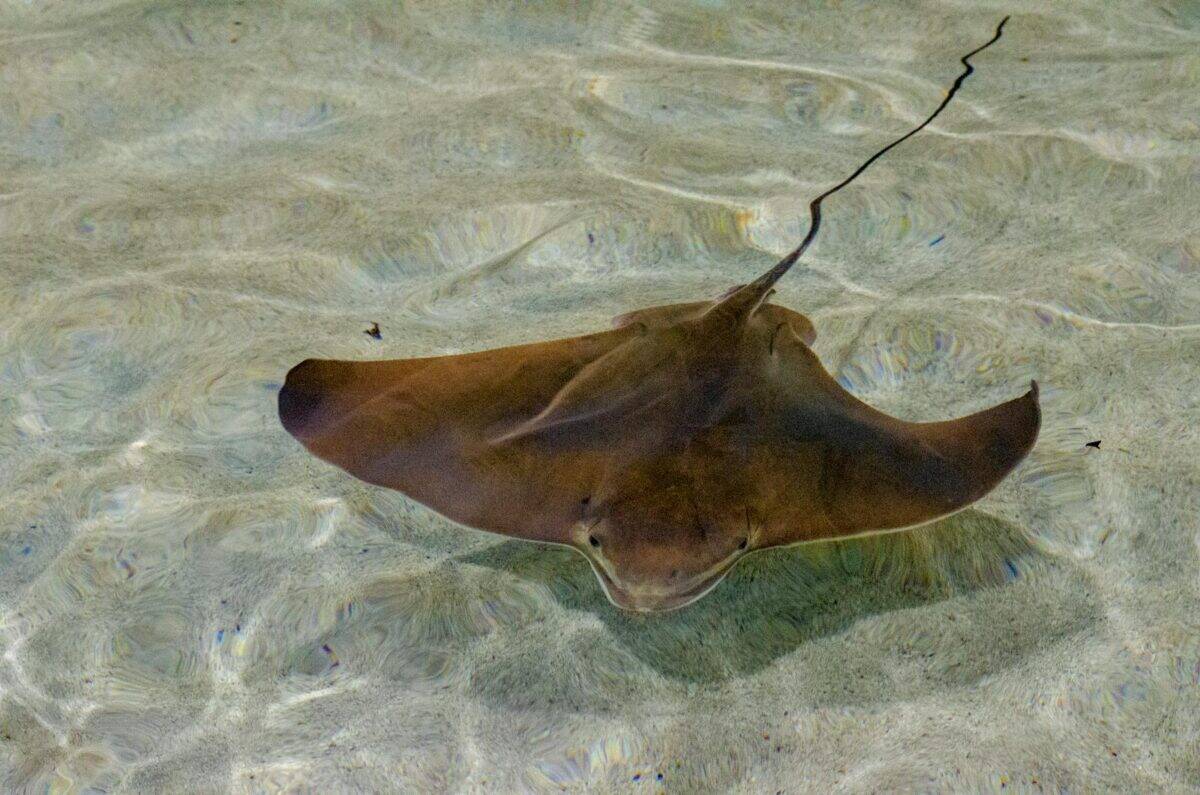
The capture of the biggest stingray in an American river is not only a remarkable achievement for the individuals involved but also a significant moment in the study and appreciation of freshwater ecosystems. This event serves as a reminder of the mystery and marvel of aquatic life, encouraging ongoing conservation efforts and deeper scientific inquiry. As the story of the giant stingray continues to inspire, it also underscores the importance of protecting these pivotal creatures and their habitats for a sustainable future.

- What Happens If You Lock Eyes With a Wild Leopard? - July 19, 2026
- 10 Fastest Racing Dog Breeds You Must Know - July 19, 2026
- The Story of the Arctic Fox’s Incredible Seasonal Transformation - July 18, 2026