

When researchers first began using animal models to study human diseases, it revolutionized medical science. But today, as precision medicine advances, the limitations of traditional animal research are becoming clear. Scientists now face a critical question: How much longer can animal models remain the gold standard in medical research?
Rethinking the Role of Animal Studies

For decades, animal models have played a crucial role in biomedical research. They’ve helped develop treatments for countless diseases, from cancer to neurological disorders. However, with precision medicine focusing on individual genetic and molecular differences, the one-size-fits-all approach of animal testing is being challenged. Scientists are finding that many breakthroughs in animal research fail to translate into effective human treatments.
A Model That Doesn’t Fit All

Despite their historical importance, animal models often struggle to replicate the complexity of human biology. Differences in genetics, immune responses, and disease progression mean that results in animals don’t always predict outcomes in humans. While a drug may cure cancer in a mouse, it might fail in human trials. The medical field is realizing that precision medicine requires a more tailored approach.
A Shift Toward Human-Based Research
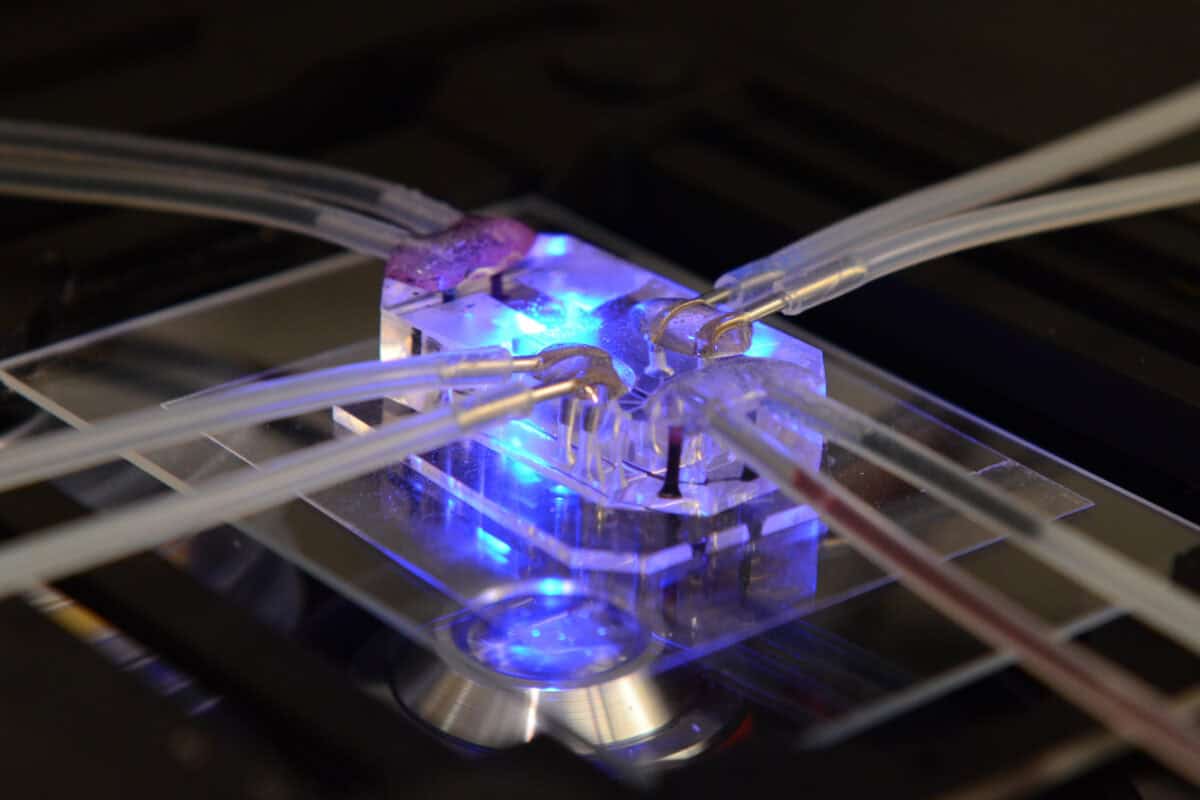
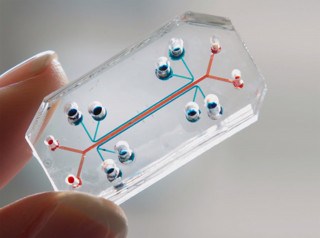
The growing field of organ-on-a-chip technology and advanced computer modeling is offering new alternatives to animal testing. These cutting-edge tools simulate human physiology with remarkable accuracy. By mimicking how organs respond to drugs and diseases, they provide insights that animal models often miss. Scientists believe this shift could improve drug development and reduce reliance on animal research.
Ethical and Scientific Challenges
The debate over animal research is not just scientific—it’s ethical. As technology advances, the necessity of using live animals is being questioned. Yet, completely abandoning animal models isn’t easy. While alternative methods show promise, they’re not yet capable of replacing every aspect of animal-based studies. Researchers must navigate a complex transition, balancing innovation with established methods.
The Future of Medical Research

Precision medicine is reshaping the way scientists approach disease. By integrating genetic data, artificial intelligence, and human-based models, researchers are moving toward a future where treatments are designed for the individual, not just the average patient. While animal research may still have a role, its dominance in biomedical science is fading.
A New Era of Discovery

Scientists often joke that “mice lie, and monkeys exaggerate.” While animals have been indispensable in past discoveries, the future of medicine demands better accuracy. Precision medicine is leading the way, and with it, a growing recognition that medical research must evolve. The next breakthrough may not come from a lab mouse—but from cutting-edge technology designed to understand the human body like never before.

adventuring, photography and videography. I am currently working towards a BSc in Biodiversity and Ecology at Stellenbosch University to go on to specialise in Marine Sciences one day.
Please send any feedback to Feedback@animalsaroundtheglobe.com
- Rescued Bear Cub Raised by Humans in Bear Costumes to Prepare for Life in the Wild - July 29, 2026
- Army Horses Get a New Chapter After Decades of Service - July 29, 2026
- The Science Behind Porcupines and Affection - July 27, 2026