

The discovery of mammoth remains around the Great Lakes region has revolutionized our understanding of these ancient proboscideans and their remarkable capabilities. Paleontological evidence suggests that woolly mammoths and their American relatives were not just terrestrial giants but accomplished swimmers who navigated the frigid waters of what would become North America’s Great Lakes. These findings challenge previous assumptions about mammoth behavior and adaptation, painting a picture of highly versatile creatures who conquered diverse environments during the Pleistocene epoch. Through careful examination of fossilized remains, isotope analysis, and geological context, scientists have pieced together a fascinating story of mammoth migration and survival strategies that included impressive aquatic journeys across vast bodies of water.
The Great Lakes Discovery Timeline
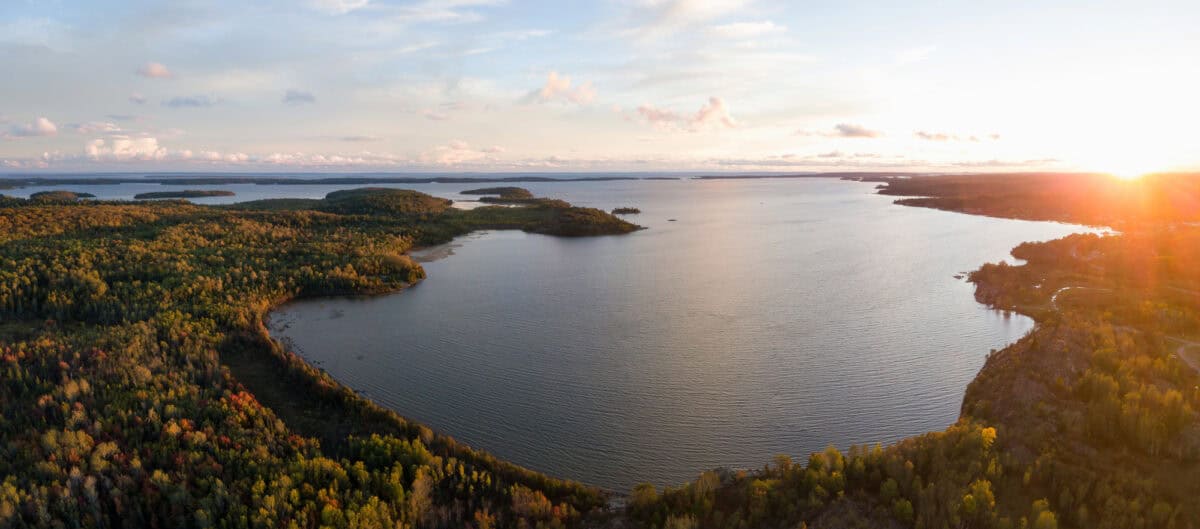
The first significant mammoth discoveries in the Great Lakes region occurred in the late 19th century, with notable finds in Michigan, Wisconsin, and Ontario. However, it wasn’t until the 1950s that scientists began seriously considering evidence of mammoth swimming abilities. A watershed moment came in 1999 when a remarkably preserved partial skeleton was recovered from the bottom of Lake Huron by commercial fishermen. This specimen, dated to approximately 12,000 years ago, showed distinctive signs of having died while crossing the water rather than having been washed in after death. More recently, between 2010 and 2018, underwater archaeological expeditions have documented several sites containing mammoth remains with contextual evidence suggesting deliberate water crossings. These discoveries create a chronological timeline spanning over a century of increasing evidence supporting mammoths’ aquatic capabilities.
Anatomical Adaptations for Swimming

Contrary to popular imagination, mammoths possessed several physical characteristics that made them capable swimmers. Their massive body mass provided excellent buoyancy, while their long trunks functioned effectively as natural snorkels, allowing them to breathe while keeping most of their body submerged. This adaptation parallels modern elephants, which are known to be powerful swimmers. Researchers have also identified specialized fat deposits in mammoth remains that would have provided additional buoyancy and insulation in cold water. Perhaps most telling are the shoulder and leg muscle attachment points visible in well-preserved specimens, which indicate powerful swimming strokes similar to those used by today’s elephants. These anatomical features, combined with their height advantage in shallower waters, made mammoths surprisingly well-equipped for aquatic travel despite their enormous size and weight.
Modern Elephant Swimming: A Living Analogy

Contemporary elephants provide a crucial reference point for understanding mammoth swimming capabilities. Asian and African elephants regularly swim across rivers and lakes, sometimes traversing distances of several miles. They use their trunks as snorkels and employ a powerful dog-paddle motion with their legs. Observations by wildlife biologists have documented elephants swimming at speeds of up to 2.5 miles per hour and maintaining this pace for several hours. Perhaps most remarkably, elephants have been observed swimming between islands up to 30 miles apart in the Indian Ocean. Given the close evolutionary relationship between elephants and mammoths, these modern behaviors offer compelling support for the interpretation of mammoth fossils as evidence of swimming. The primary difference would have been mammoths’ additional adaptations for cold water, including their specialized fat layer and dense woolly coat, which would have enhanced their swimming capabilities in the glacial Great Lakes environment.
Geological Context: The Pleistocene Great Lakes
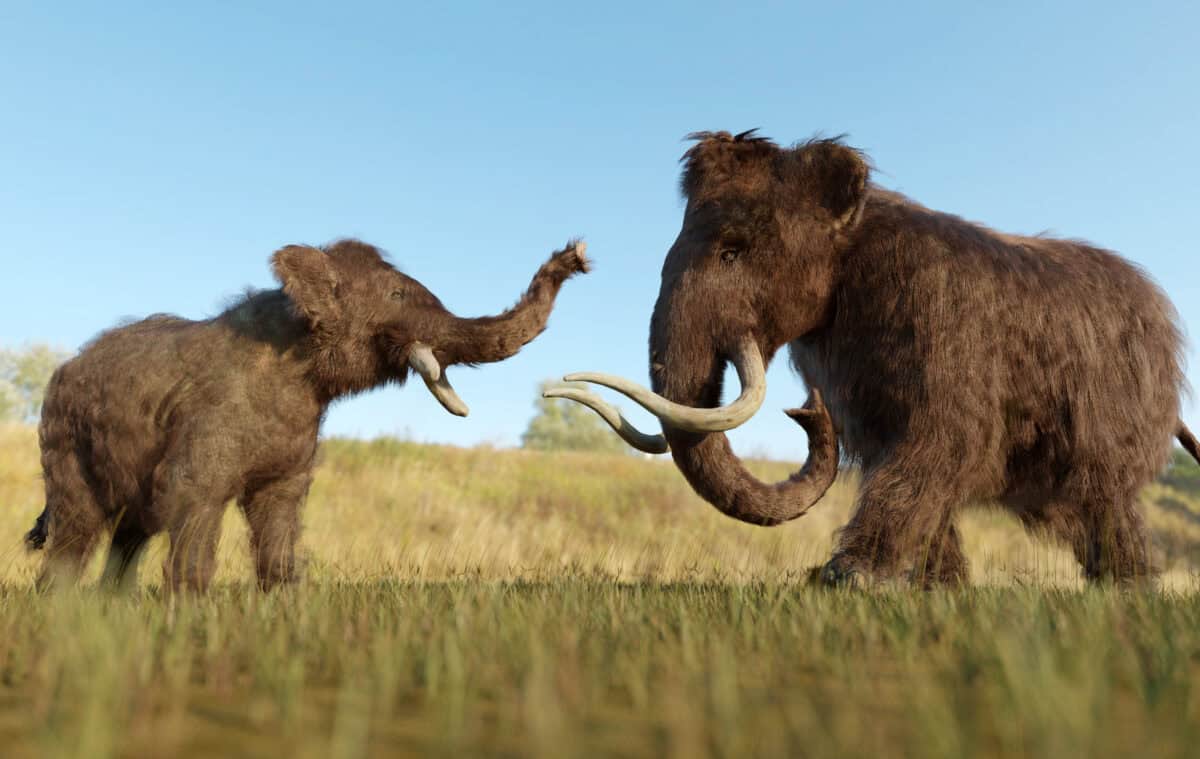
During the late Pleistocene epoch (approximately 126,000 to 11,700 years ago), the Great Lakes region underwent dramatic transformations. What we recognize today as five distinct lakes existed in significantly different forms, shaped by advancing and retreating glaciers. Geological evidence indicates that water levels fluctuated dramatically, sometimes hundreds of feet higher or lower than present day. Lake boundaries shifted considerably, with some basins temporarily connecting or separating as ice sheets advanced and retreated. These changing conditions created both obstacles and opportunities for mammoth populations. As glaciers melted and reformed, land bridges would appear and disappear, sometimes stranding herds on newly formed islands or peninsulas. Swimming across channels or narrower portions of the lakes would have been a necessary adaptation for mammoths to access new feeding grounds or escape predators, making aquatic travel not just possible but essential for survival in this dynamic landscape.
Key Fossil Evidence: The St. Clair River Specimens
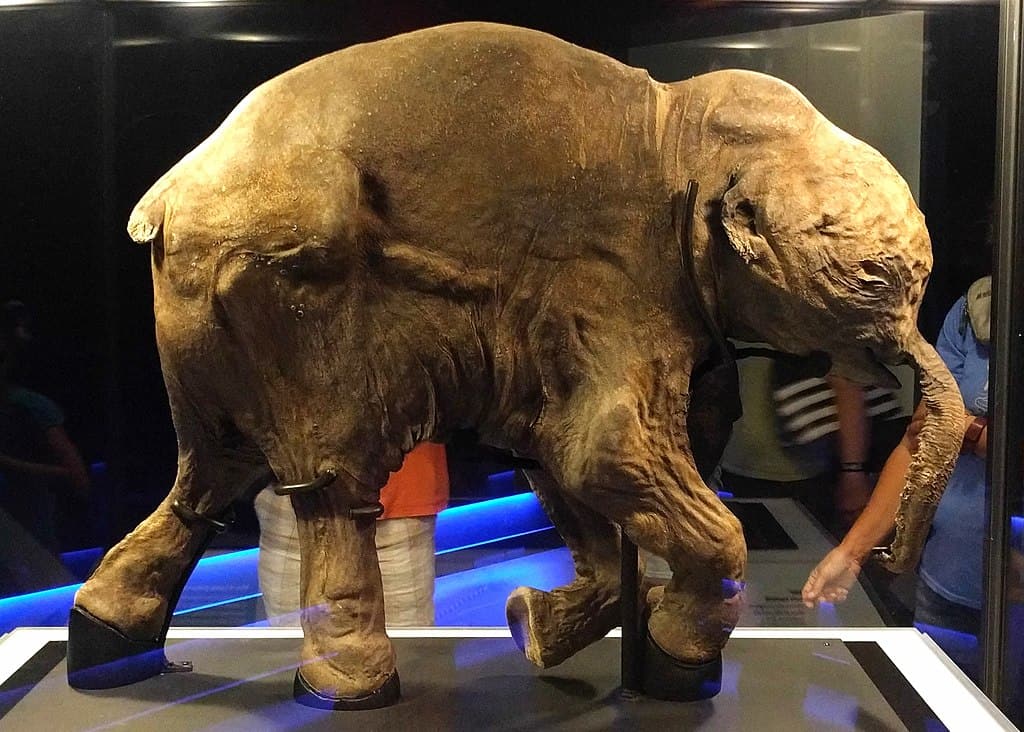
Among the most compelling evidence for mammoth swimming comes from multiple specimens recovered from the St. Clair River, which connects Lake Huron to Lake St. Clair. Between 1958 and 2017, eleven separate mammoth specimens have been recovered from this waterway. Radiocarbon dating places these remains between 12,500 and 10,000 years ago, during a period when water levels were significantly lower than today but still formidable. What makes these finds particularly significant is their distribution pattern, which aligns with what would have been the most direct crossing point during the Pleistocene. Taphonomic analysis (the study of how organisms decompose and fossilize) of these specimens reveals no evidence of transport by currents or ice—suggesting they died while actively crossing. Most tellingly, several specimens show evidence of having died in an upright position, as would occur if a swimming mammoth became exhausted or encountered an underwater obstacle. This pattern of distribution and preservation provides compelling evidence for deliberate water crossings rather than accidental drownings or post-mortem transport.
Mammoth Island Hopping: The Michigan Basin Evidence
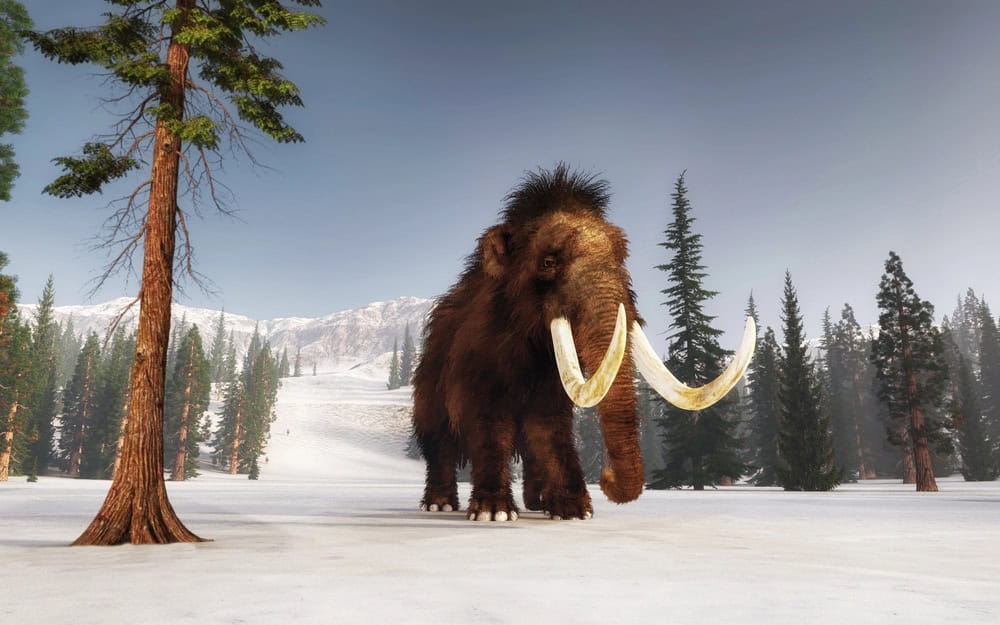
Particularly intriguing are fossils discovered on what would have been islands in the Michigan Basin during the late Pleistocene. Geological reconstructions show that as glaciers retreated, numerous islands formed that would have been isolated by water but contained valuable resources for mammoths. Fossil remains on these former islands, such as Manitoulin Island and the Beaver Island Archipelago, include specimens from various age groups, suggesting established populations rather than individual strays. To reach these islands, mammoths would have needed to swim distances ranging from 2 to 15 miles. Isotope analysis of these island specimens reveals distinct signatures compared to mainland populations, indicating long-term isolation and adaptation to insular environments. This pattern mirrors modern elephant behavior on islands in Southeast Asia, where isolated populations develop unique characteristics over time. The presence of multiple generations of mammoth remains on what were definitively islands during that period constitutes strong evidence that mammoths regularly swam to reach these habitats.
Isotope Analysis Reveals Migration Patterns

Advanced isotopic analysis of mammoth tusks has provided remarkable insights into their movement patterns, including evidence of water crossings. By studying stable isotopes such as strontium, oxygen, and carbon that are incorporated into growing tusks, scientists can create detailed maps of an individual animal’s movements throughout its lifetime. Several tusks recovered from the Great Lakes region show isotopic signatures inconsistent with continuous land travel, instead suggesting periods of crossing between distinct geological regions separated by water. One particularly informative specimen from northwestern Ohio shows a repeating annual pattern of isotopic changes consistent with regular migration between summer and winter ranges separated by what would have been a substantial water crossing. These chemical signatures in the tusks function essentially as prehistoric GPS trackers, revealing migration routes that would have been impossible without swimming significant distances across what were then glacial lakes or meltwater channels.
Seasonal Migration and Resource Pursuit

The fossil record suggests mammoths likely swam across portions of the Great Lakes as part of seasonal migration patterns driven by resource availability. Evidence from pollen samples and plant material found with mammoth remains indicates they followed the emergence of nutritious spring vegetation northward as temperatures warmed. In the fall, they would have moved southward to avoid the harshest winter conditions. These migrations often required water crossings as the landscape was fragmented by glacial lakes and rivers. Analysis of stomach contents from exceptionally preserved specimens reveals seasonal diets that would have necessitated movement between different habitat types, some separated by water. Additionally, mammoth remains are frequently found alongside seasonal resource indicators—spring flowering plants in northern locations and fall seed-bearing plants in southern locations—further supporting the seasonal migration hypothesis. The swimming ability of mammoths would have been crucial to maintaining these life-sustaining migration routes as the landscape repeatedly transformed during the climatic fluctuations of the late Pleistocene.
Predator Avoidance and Social Behavior

Beyond resource pursuit, evidence suggests mammoths may have swam to avoid predators or maintain social connections. Paleontologists have identified several fossil sites where mammoth remains are found in association with those of dire wolves, American lions, and early human hunters—all formidable predators. Water crossings would have provided mammoths with a tactical advantage, as most Pleistocene predators were less adapted for swimming than proboscideans. Additionally, fossil groupings indicate mammoths maintained strong social structures similar to modern elephants, traveling in matriarchal family groups. When these groups became separated by changing landscapes, swimming would have been necessary to reunite. Particularly compelling is evidence from the Thunder Bay region of Lake Huron, where remains of juvenile mammoths have been found alongside adults in what appears to be a family group that died while crossing together. These findings suggest swimming was not just an individual survival strategy but an important component of mammoth social dynamics and predator avoidance behaviors.
Human Interaction: Did Early Hunters Capitalize on Swimming Mammoths?
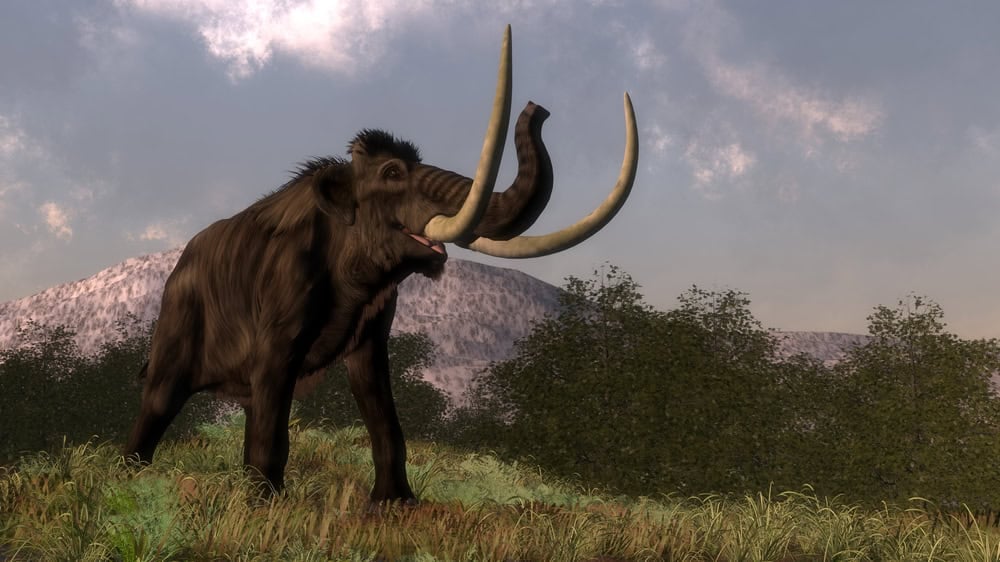
Archaeological evidence provides intriguing hints that Paleolithic humans may have exploited mammoth swimming behavior as a hunting strategy. Several sites around the Great Lakes contain associations between mammoth remains and human artifacts in contexts suggesting deliberate hunting at water crossings. Human tools, including distinctive Clovis points, have been recovered alongside mammoth bones at locations that would have been narrow water channels during the Pleistocene. These sites often show evidence of strategic positioning, where hunters could intercept swimming mammoths at their most vulnerable. Particularly notable is a site near present-day Detroit, where mammoth remains bear distinctive cut marks and are associated with stone tools in what would have been a narrow crossing point between Lake Erie and Lake St. Clair. Similar evidence exists from Eurasian contexts, where Neanderthals and early modern humans employed comparable strategies. This archaeological pattern suggests humans recognized and exploited mammoth swimming behavior, perhaps contributing to the eventual extinction of these magnificent creatures through targeted hunting at predictable crossing points.
Comparing Evidence Across Northern Hemisphere Sites

The Great Lakes findings are not isolated; similar evidence of mammoth swimming has been documented across the northern hemisphere. In Siberia, mammoth remains have been recovered from river sediments and lake beds with evidence suggesting active swimming rather than post-mortem transport. The Channel Islands off California have yielded pygmy mammoth fossils on islands that were never connected to the mainland during the Pleistocene, requiring an ancestral swimming event followed by insular dwarfism. In the North Sea, which was partially dry land during glacial periods, dredging operations have recovered numerous mammoth remains from what would have been water channels even during lower sea levels. Perhaps most compelling are findings from the Mediterranean, where dwarf mammoth species evolved on islands including Sicily, Malta, and Crete—all of which required sea crossings of at least 3-5 miles even during glacial lowstands when sea levels were significantly lower. This global pattern of evidence strengthens the case that mammoth swimming was not an anomalous behavior in the Great Lakes region but a widespread adaptation employed by these proboscideans across their vast range.
Technological Advances Revealing New Evidence
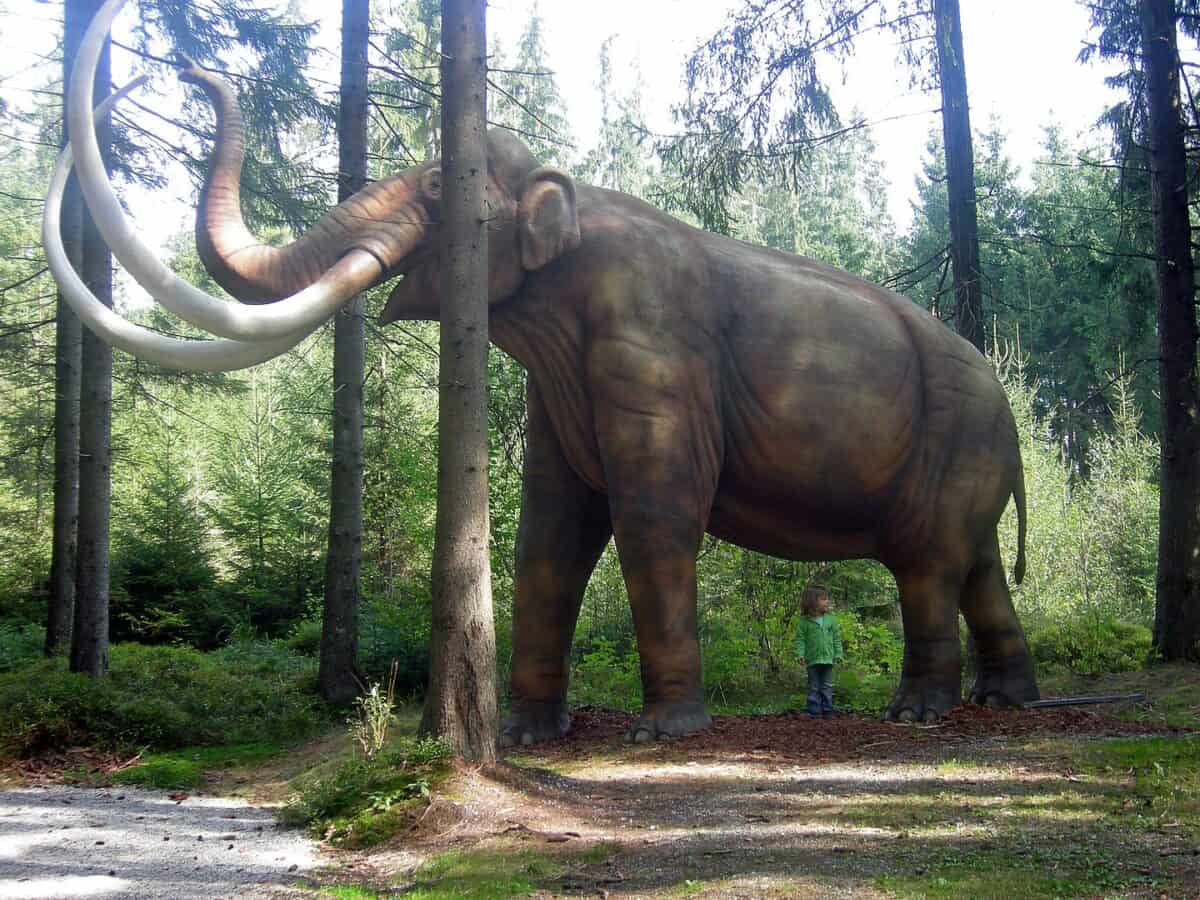
Modern technological advances have dramatically enhanced our ability to detect and interpret evidence of mammoth swimming. Side-scan sonar surveys of lake bottoms have identified previously unknown concentrations of Pleistocene remains in patterns consistent with crossing routes. Underwater ROVs (Remotely Operated Vehicles) have documented and retrieved specimens from depths that would be inaccessible to human divers. Advanced imaging techniques like CT scanning have revealed internal bone structures indicating swim-related muscle attachments in mammoth fossils. Perhaps most revolutionary has been the application of ancient DNA analysis, which has identified genetic markers associated with adaptations for cold-water swimming in mammoth samples from the Great Lakes region. These genetic adaptations include specialized hemoglobin variants that improve oxygen transport in cold conditions—similar to those found in marine mammals. Improvements in radiocarbon dating precision have also allowed researchers to correlate mammoth movements with specific lake level stages, creating more accurate reconstructions of the environments these animals navigated. These technological advances continue to strengthen the case for mammoth swimming as new evidence emerges from previously inaccessible contexts.
Conclusion: Rewriting Mammoth Behavior and Capabilities
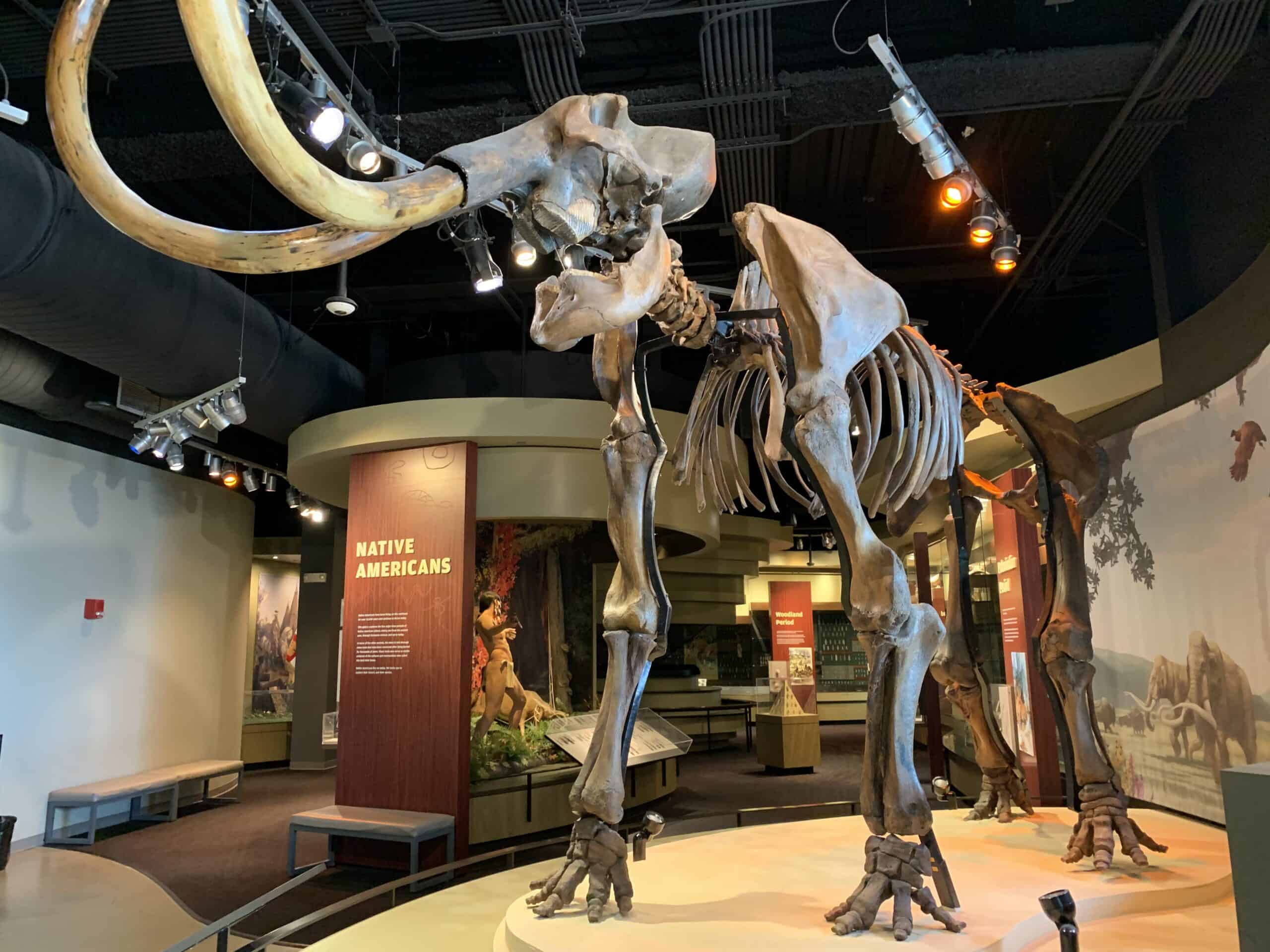
The accumulating evidence that mammoths regularly swam across the Great Lakes fundamentally transforms our understanding of these iconic Ice Age mammals. Far from being strictly terrestrial giants, mammoths appear to have been versatile creatures capable of adapting to changing landscapes through impressive aquatic abilities. This revelation has profound implications for interpreting mammoth evolution, migration patterns, and ultimately their extinction. As climate changed and human hunting pressure increased, the very water crossings that once offered survival advantages may have become deadly bottlenecks. The swimming mammoth discovery reminds us that paleontological evidence continues to surprise us, challenging long-held assumptions about prehistoric life. Perhaps most importantly, this research highlights the remarkable adaptability of mammoths—a quality that allowed them to thrive across enormous geographic ranges and diverse environments for hundreds of thousands of years before their relatively recent disappearance from Earth’s megafauna.

- The Bird That Can Recognize More Faces Than a Human - July 29, 2026
- How Army Ants Coordinate Massive Raids Without a Leader - July 29, 2026
- 13 Largest Horses in the World - July 29, 2026