


The modern world often feels safe and predictable, but nature occasionally reminds us of its inherent dangers. One such reminder came in the form of the deadliest animal attack in United States history—a horrific event that left an indelible mark on all who learned about it. This article delves into the unforeseen circumstances that led to it, and the lessons it etched into our collective memory.
The Calm Before the Storm

It began like any ordinary day, unremarkable and routine, as residents completed their daily tasks in the rural areas of New Jersey. However, unbeknownst to them, their lives were about to take a tragic turn. This was a place where nature intertwined seamlessly with human habitation, a serene community nestled alongside rivers, forests, and lakes.
The Setting: Early 1900s America

In the early 1900s, the United States was undergoing rapid changes. Industrialization was in full swing, and the era marked significant progress in technology and transportation. Yet, many regions remained deeply in touch with nature, providing habitation to diverse wildlife, including the apex predators of the time.
A Predatory Menace

The tranquility of the realm was disrupted by a predator seldom seen: the great white shark. Breaking the illusion of the ocean being a safe and predictable playground, the events unfolded over a harrowing few days, chronicling a tale of horror as these powerful predators ventured into freshwater territories.
The Series of Tragic Attacks

The shocking series of events unfolded over twelve days in July 1916. These incidents occurred along the Jersey Shore, a popular resort destination, and later in the Matawan Creek. The aggressive behavior of the shark resulted in multiple fatal encounters, leaving the townspeople and authorities bewildered by the sudden danger.
Understanding Shark Behavior

Shark behavior can often seem erratic to the untrained eye, though specific factors can drive them to act aggressively or curiously toward humans. While these creatures play a crucial role in marine ecosystems as apex predators, the 1916 attacks serve as a stark reminder of the unpredictable nature inherent to wildlife.
Human Error in Comprehension and Response

Despite early warnings from local fishermen and possible sightings, the complacency in addressing the threat was apparent. Misinformation and disbelief among officials and residents alike contributed to inadequate precautions being taken, leaving swimmers vulnerable to coming face-to-face with the predator.
Media Frenzy and Public Panic

The media rapidly latched onto the incidents, sending shockwaves through the nation. Sensational headlines painted a picture of terror, and with limited communication channels at the time, fearmongering became rampant. The panic-stricken public demanded action, putting immense pressure on local authorities who scrambled to find solutions.
The Aftermath: A Nation in Grief
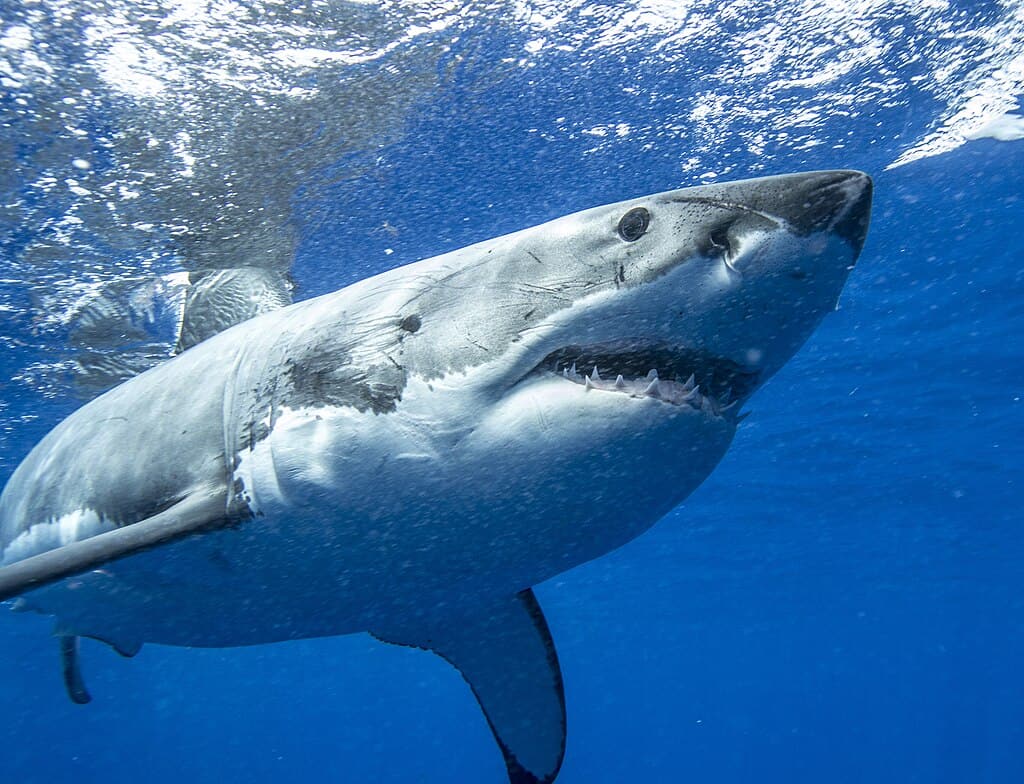
Following the tragic fatalities, communities were left grappling with their collective loss. The attack had claimed the lives of four individuals and severely injured another. Memorials and grieving gatherings became common as the nation replayed the events, trying to comprehend nature’s unwelcome reminder of its potency.
Changes in Safety and Awareness

The attacks prompted a review and reform in coastal safety measures and awareness. Municipalities invested in improved surveillance, and educational initiatives about marine life were introduced to prevent future tragedies. These efforts paid tribute to the lost lives and aimed at preventing reoccurrences.
Examining Nature’s Unpredictability

While humans strive to coexist peacefully with nature, the inherent unpredictability of wildlife is a factor that can never be fully controlled. The tragedies of 1916 remind us of the delicate balance that exists and the respect we must maintain toward the natural world and its inhabitants.
Turning Fear into Curiosity

Despite the fear generated by the attacks, they fueled a fascination with marine biology and shark behavior. Research into shark migratory patterns, behavior, and interactions with humans gained momentum, leading to significant advancements in marine science and a richer understanding of these misunderstood creatures.
The Legacy of the 1916 Shark Attacks

More than a century later, the shark attacks of 1916 remain ingrained in the annals of U.S. history. A tragic tale that reflects on overconfidence and underestimation of nature’s power serves as a learning experience. These events remind us of the need for vigilance and respect, continuously guiding how we interact with and safeguard the natural world.
Conclusion
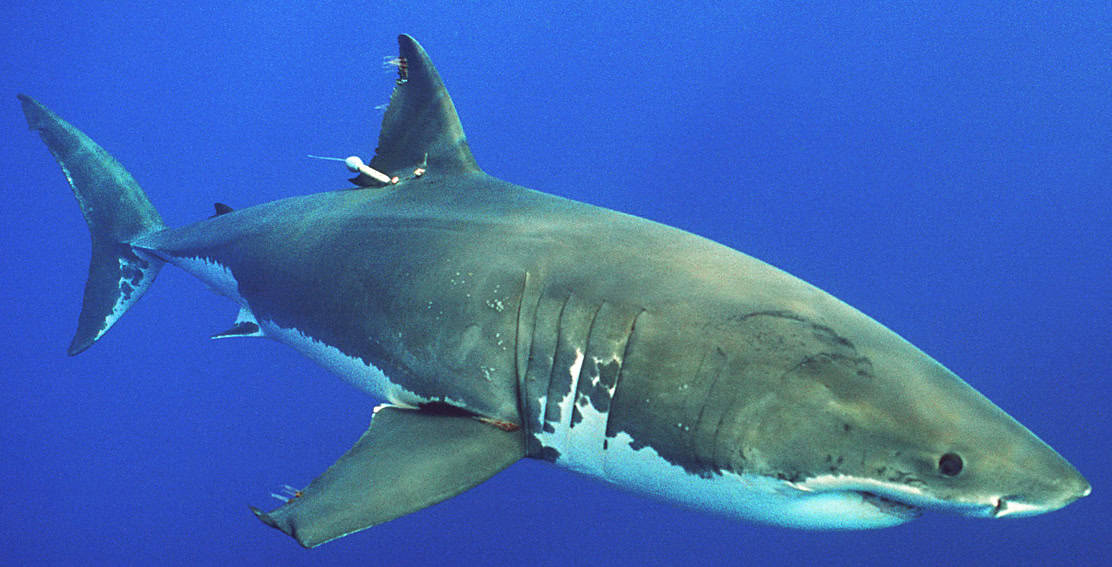
The deadliest animal attack in U.S. history is more than a recounting of tragedy—it’s a narrative woven with threads of humanity’s confrontation with nature’s enigmatic forces. It compels us to respect wildlife, adapt responsibly, and never forget that in our cohabitation with the natural world, we are but contributors to a greater ecosystem that demands understanding and reverence.

From exploring the marine wonders in the Azores and witnessing the vast savannas of Kenya, to delving deep into the rich biodiversity of South Africa and traversing iconic landscapes in Australia and the US like Yellowstone, Chris's experiences are vast.
With a penchant for diving alongside sharks, the ocean holds a special place in his heart.
Through his academic insights, he champions wildlife conservation, striving with 'Animals Around The Globe' to cultivate a profound connection between humans and animals, enhancing our mutual appreciation.
Connect with him at Feedback@animalsaroundtheglobe.com.
- How Tigers Mark Their Territory Using Scent and Scratches - July 29, 2026
- The Deadly Volcano That Erased a Town Is Now Active Again - July 29, 2026
- 12 Deep Sea Animals With Terrifying Adaptations - July 29, 2026