
Crocodiles have fascinated humans for centuries with their prehistoric appearance and formidable presence in the wild. Among these impressive reptiles, one stands out as particularly awe-inspiring due to its size and weight. This article delves into the life and discovery of the heaviest crocodile ever weighed, offering insights into the biology and behavior of these incredible creatures.
Meet Lolong: The Record-Breaker
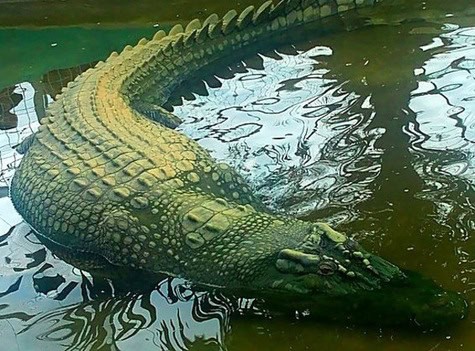
Lolong, officially recognized by the Guinness World Records, is the heaviest crocodile ever measured. Captured in September 2011 in the Philippines, Lolong measured a staggering 6.17 meters (20 feet 3 inches) and weighed an incredible 1,075 kg (2,370 lbs). His size and weight left researchers and locals alike in awe, solidifying his place in the record books.
The Capture of Lolong

Lolong was captured in Bunawan, a municipality in the province of Agusan del Sur in the Philippines. The hunt lasted three weeks, involving local hunters and crocodile experts after reports emerged of the crocodile attacking humans and livestock. His capture marked a significant event for both the local community and wildlife researchers.
Understanding the Saltwater Crocodile

Lolong belonged to the species Crocodylus porosus, commonly known as the saltwater crocodile. These reptiles are known for being the largest living reptiles, often found in saltwater habitats ranging from Eastern India to Northern Australia’s coastal regions. They are apex predators, feared and respected in equal measure.
A Hunters’ Challenge

Capturing a crocodile of Lolong’s size was no small feat. Local hunters, working alongside wildlife experts, used traps baited with meat to lure the gigantic reptile. The hunters displayed remarkable bravery and resourcefulness, setting large nets and using ropes to securely capture the massive creature.
Lolong’s Life in Captivity
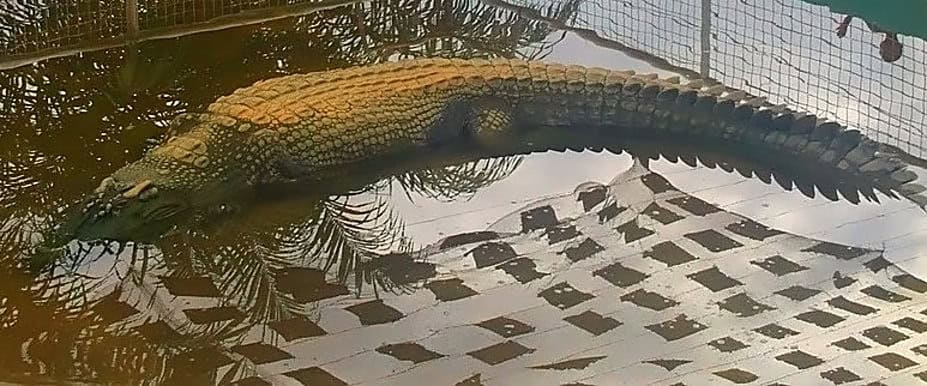
After his capture, Lolong was transferred to a specially constructed enclosure at the Bunawan Eco-Park and Research Center. Here, he became an educational attraction, with thousands of tourists visiting to see the remarkable giant. His presence at the park raised awareness about wildlife conservation and the ecological importance of crocodiles.
The Impact of Lolong’s Discovery

Lolong’s capture and subsequent fame highlighted the need for conservation efforts. While his size captivated many, it also drew attention to the challenges posed by human-crocodile interactions, especially as human development encroaches on natural habitats.
The Significance of Crocodile Conservation
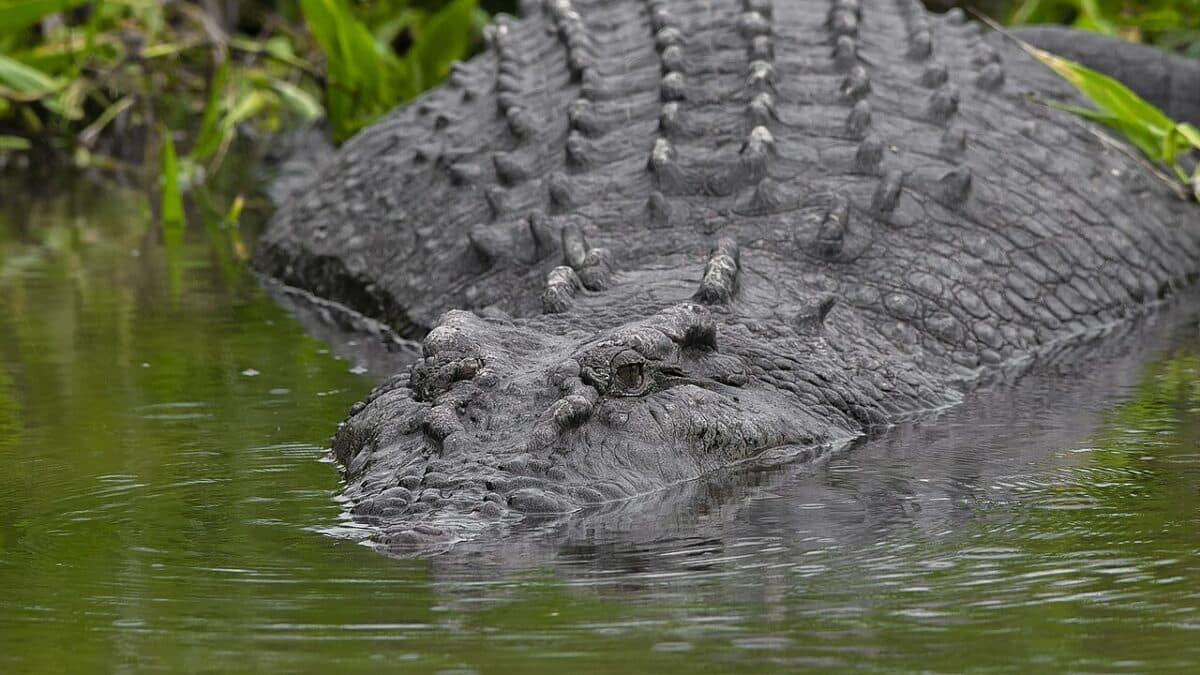
Crocodiles play a critical role in maintaining healthy aquatic ecosystems. As apex predators, they help control the populations of their prey, affecting the overall balance of their ecosystems. Protecting these creatures, therefore, is essential for biodiversity and environmental health.
The Debate Over His Captivity
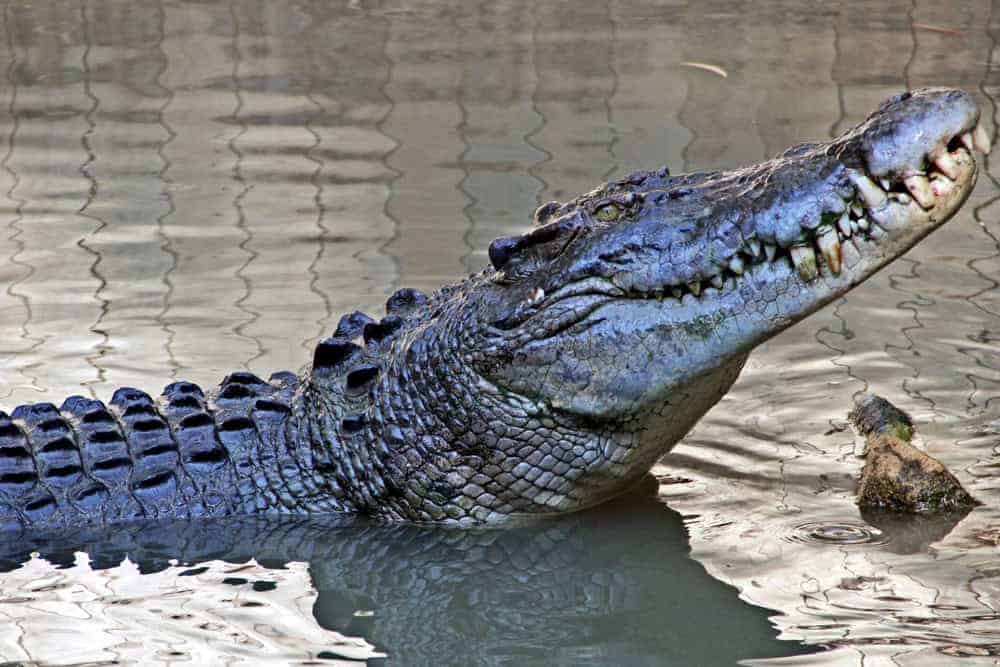
While many celebrated Lolong’s capture, it also sparked debate about the ethics of keeping such a large wild animal in captivity. Some conservationists argued that he should have been left in the wild, while others believed that his presence would advocate for education and conservation efforts.
Lessons from the Experts

Wildlife experts learned valuable lessons from Lolong, enhancing their understanding of crocodile behavior and biology. His size provided insights into the growth potential of the species, informing future research and conservation strategies aimed at understanding these powerful reptiles better.
Lolong’s Legacy

Lolong passed away in February 2013, leaving behind a legacy of fascination and education. His unexpected death was mourned by many, but his impact on wildlife conservation continues to resonate. His story serves as a powerful reminder of the complex relationships between humans and wildlife.
Other Giant Crocodiles

While Lolong holds the record, other giant crocodiles have also been documented. For instance, Gustave, a Nile crocodile in Burundi, is infamous for his rumored size and the fear he instills in local populations. These giants continue to capture human imagination and respect.
Preserving the Crocodile’s Future
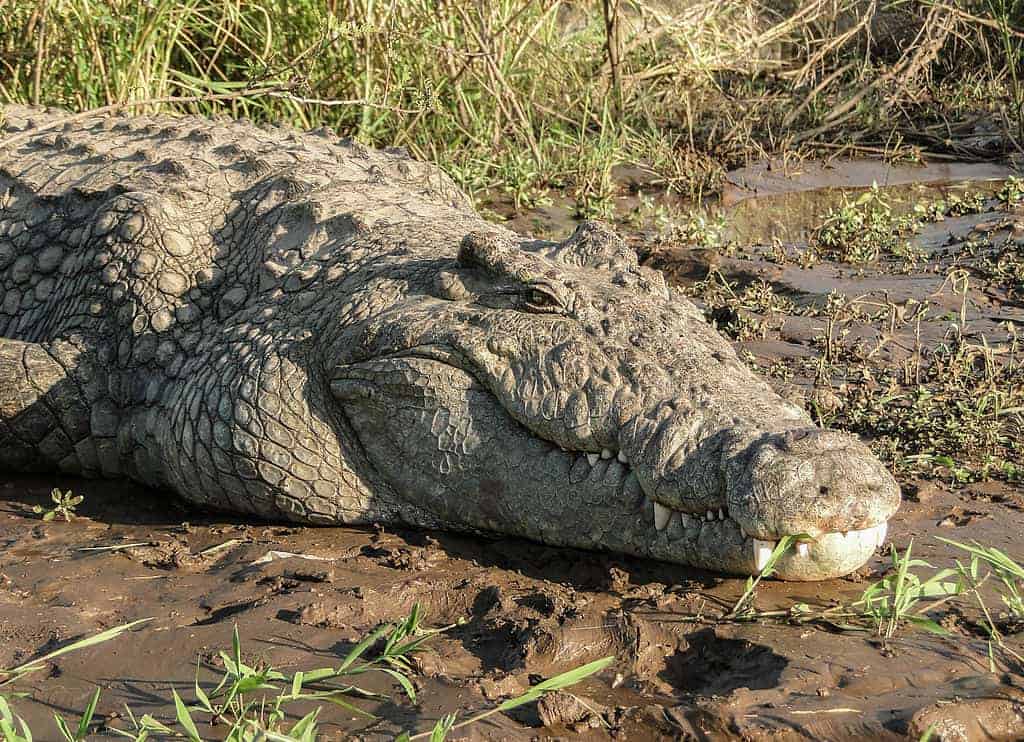
Efforts to protect and preserve crocodiles have been gaining momentum worldwide, with organizations advocating for responsible wildlife management and habitat conservation. As human expansion continues, promoting coexistence with these incredible creatures becomes increasingly important.
Conclusion: A Legacy to Remember

Lolong’s capture and record-breaking size have left an indelible mark on the study and conservation of crocodiles. Through understanding and appreciation of these extraordinary creatures, we can work towards a future where humans and crocodiles coexist in harmony, protecting the ecosystems both depend on. Lolong’s life story, while extraordinary, is also a call for action in conservation and responsible wildlife management.

- How Squirrel Monkeys Use Teamwork to Avoid Predators - June 22, 2026
- Why Sandbar Sharks Thrive Along the U.S. Atlantic Coast - June 22, 2026
- What Kind of Lemur Is King Julien from Madagascar? - June 22, 2026