


The oceans are full of mysteries and surprising spectacles, and the recent discovery of the deepest crab migration off the U.S. coast adds to the wonders of the underwater world. This astonishing event offers new insights into marine life, showcasing the miraculous journeys these creatures undertake in their hidden underwater realm. Let’s dive into the depths to explore the astonishing voyage of these remarkable crabs.
Understanding Crab Migrations

Crab migrations are fascinating phenomena that play an essential role in the lifecycle of these crustaceans. Typically triggered by environmental cues such as changes in temperature or food availability, these migrations are crucial for breeding, feeding, and habitat selection. The recent deep-sea migration has captured the attention of scientists and enthusiasts alike, as it provides a rare glimpse into the behavior of crabs in the ocean’s depths.
The Discovery and Its Significance

The landmark discovery of the deepest crab migration was made possible through advancements in deep-sea exploration technology. Remotely Operated Vehicles (ROVs) and submersibles have enabled researchers to reach previously inaccessible parts of the ocean. This finding is significant not only for the study of marine biology but also for understanding how marine ecosystems function at great depths.
Species Involved in the Migration

The major players in this remarkable migration are deep-sea species of crabs, including those from the genera Lithodes and Neolithodes. These robust crustaceans are well-adapted to the harsh conditions of the deep sea, featuring sturdy exoskeletons and specialized physiologies that allow them to thrive in high-pressure environments.
Triggers of Deep-Sea Crab Migrations

Deep-sea crab migrations are primarily influenced by environmental factors such as changes in ocean currents, nutrient availability, and seasonal shifts in habitat suitability. These migrations are essential for patch dynamics, where crabs move to exploit new resources, avoid predators, or find optimal breeding grounds.
Navigational Skills: How Crabs Find Their Way
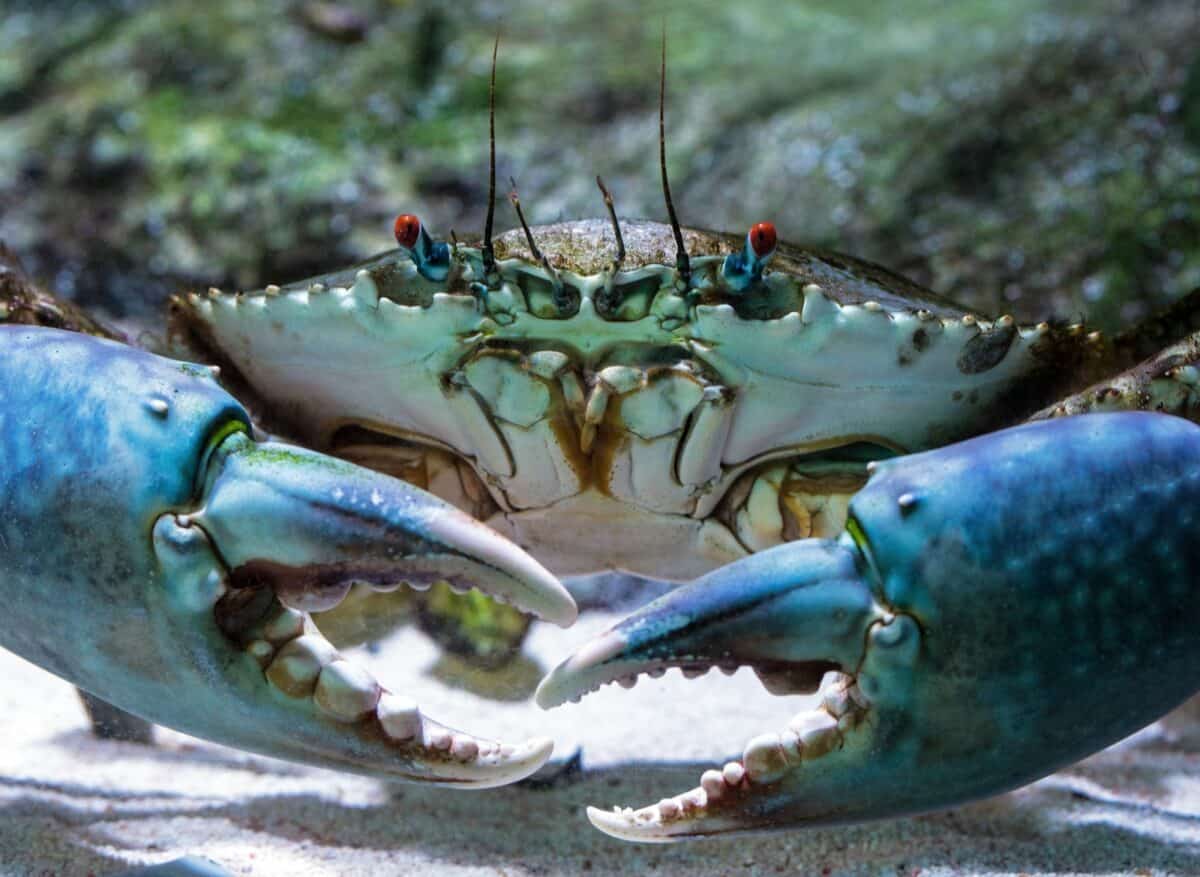
One of the most intriguing aspects of crab migrations is their navigational skill. These creatures are believed to rely on various sensory inputs, including chemoreception and possibly geomagnetic cues, to navigate across vast distances in the pitch-dark depths of the ocean.
Challenges of Monitoring Deep-Sea Migrations
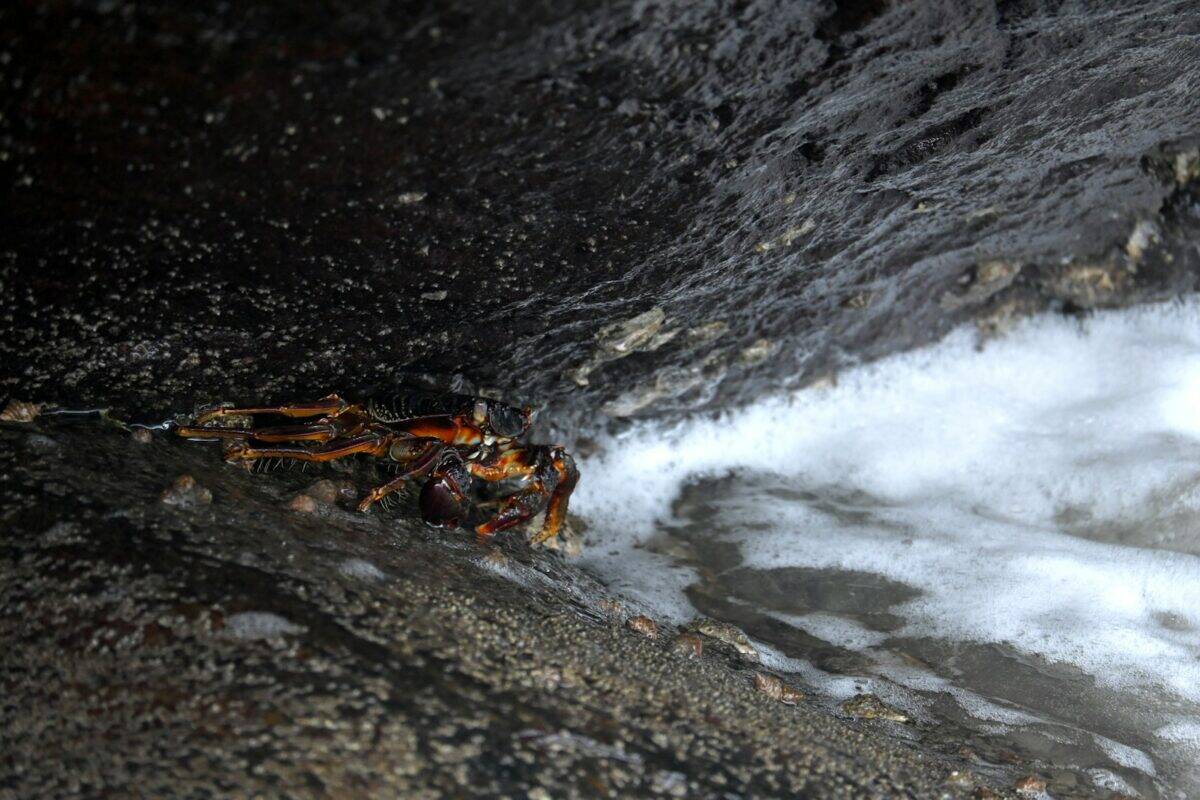
Tracking migrations in the deep sea presents numerous challenges, including the vastness and inaccessibility of these environments. Innovations in underwater robotics and imaging technologies are proving crucial in overcoming these challenges, allowing scientists to capture detailed data and visuals of these elusive movements.
Implications for Marine Ecosystem Health
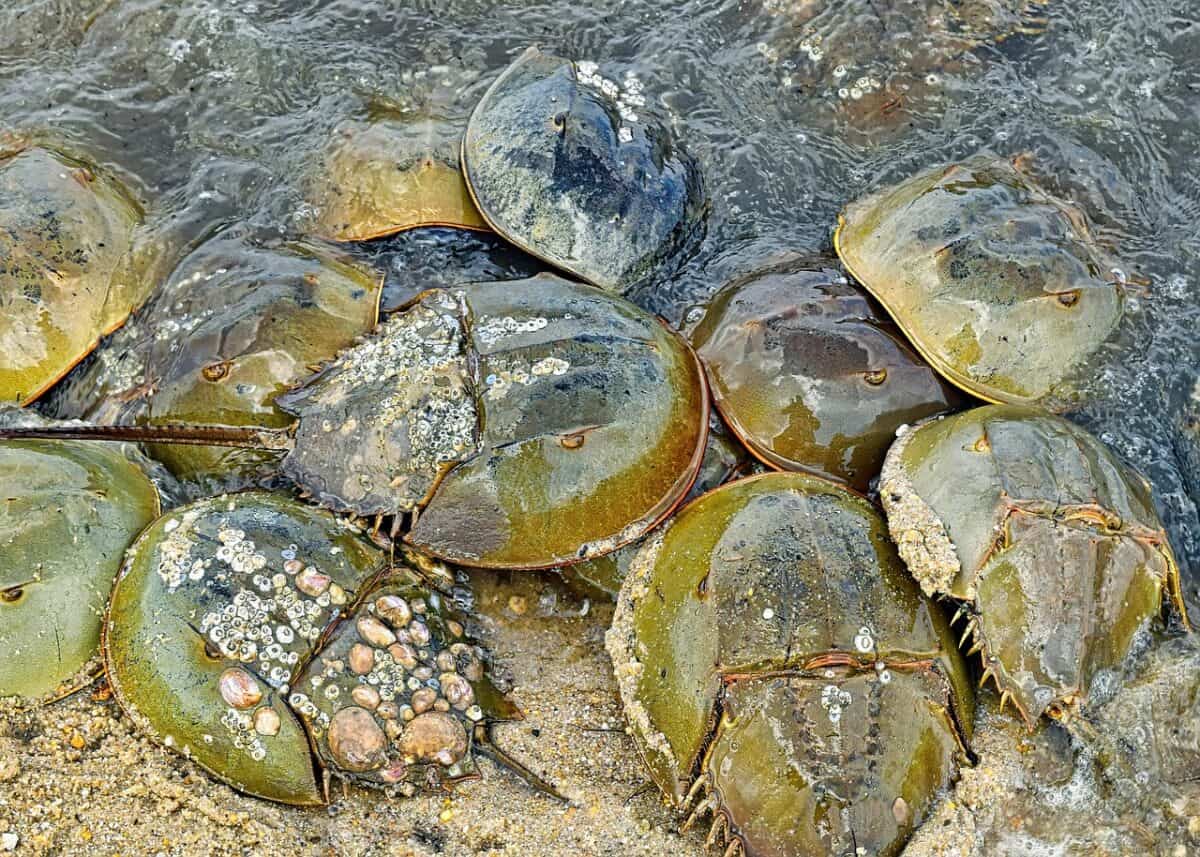
This newly observed migration offers potential insights into the health of marine ecosystems. By monitoring these migrations, scientists can assess the impacts of environmental changes and human activities on deep-sea habitats, providing vital information for conservation efforts.
Contributions to Biodiversity and Conservation
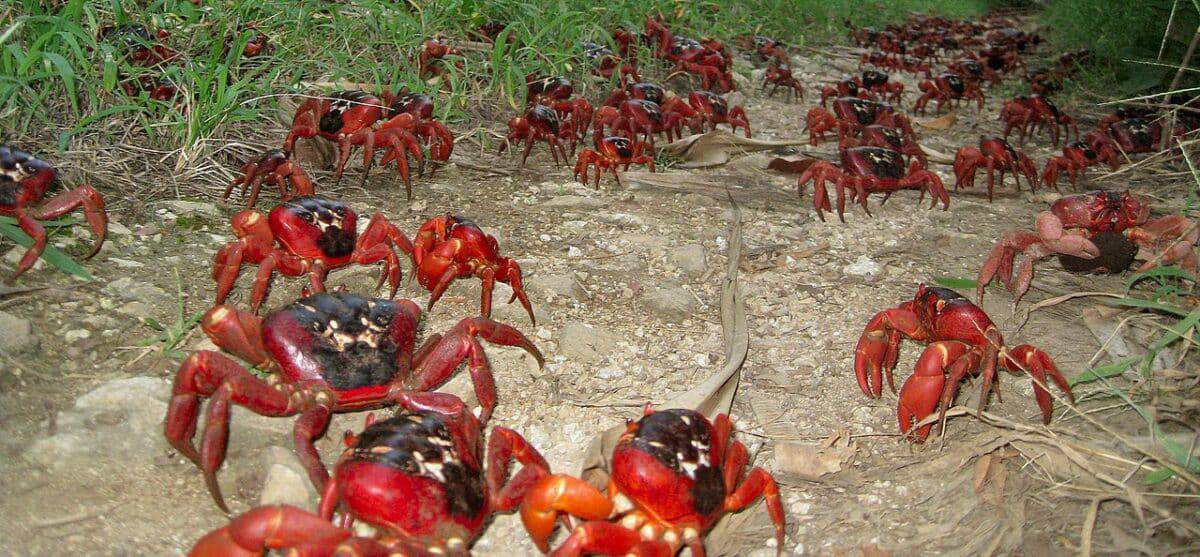
The insights garnered from studying such migrations contribute to our understanding of marine biodiversity. Recognizing the dynamic nature of crab populations can inform strategies for biodiversity conservation, ensuring that these species continue to fulfill their ecological roles in ocean habitats.
Technological Tools in Deep-Sea Research

In recent years, technological advancements such as ROVs and satellite tagging have revolutionized deep-sea research. These tools provide detailed insights into the behavior and patterns of deep-sea species, unveiling mysteries that were previously thought beyond reach.
The Role of Citizen Science
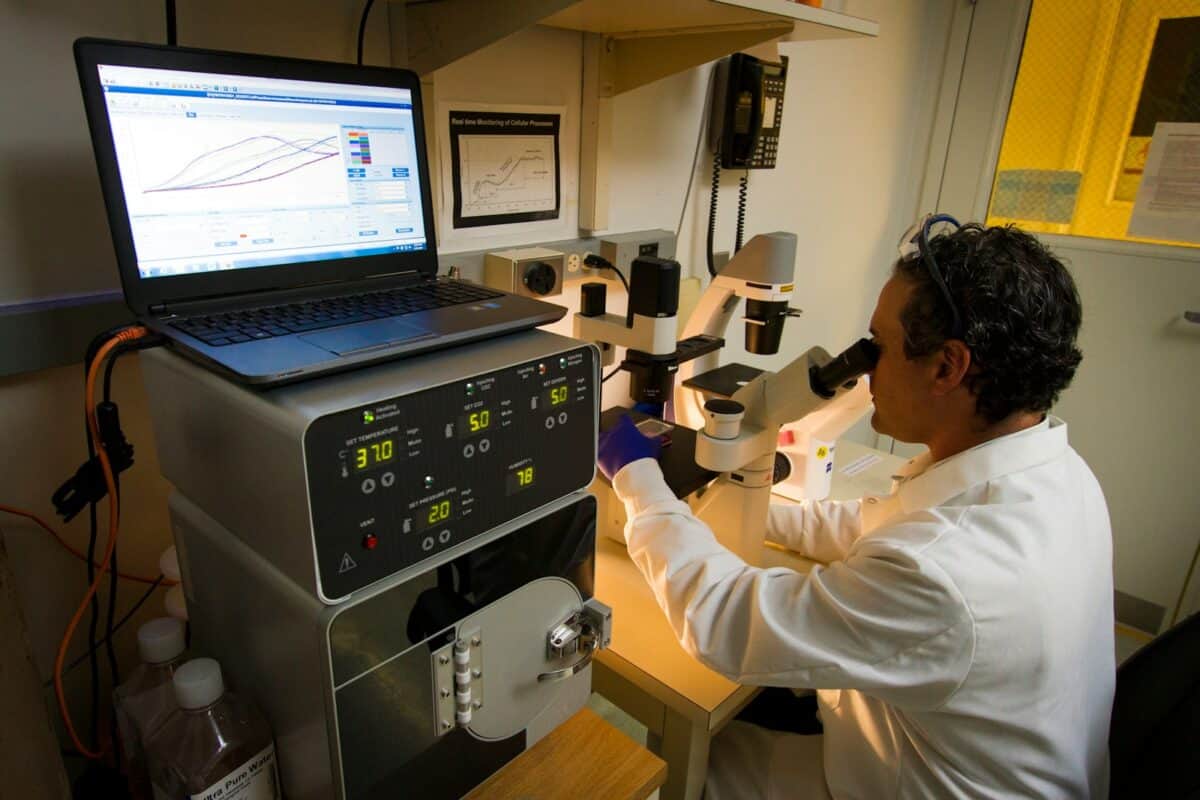
Citizen science initiatives have played a growing role in deep-sea research, with enthusiasts contributing observations and data. These collaborative efforts enhance scientific understanding and foster public interest in marine conservation.
Future Directions in Crab Migration Research
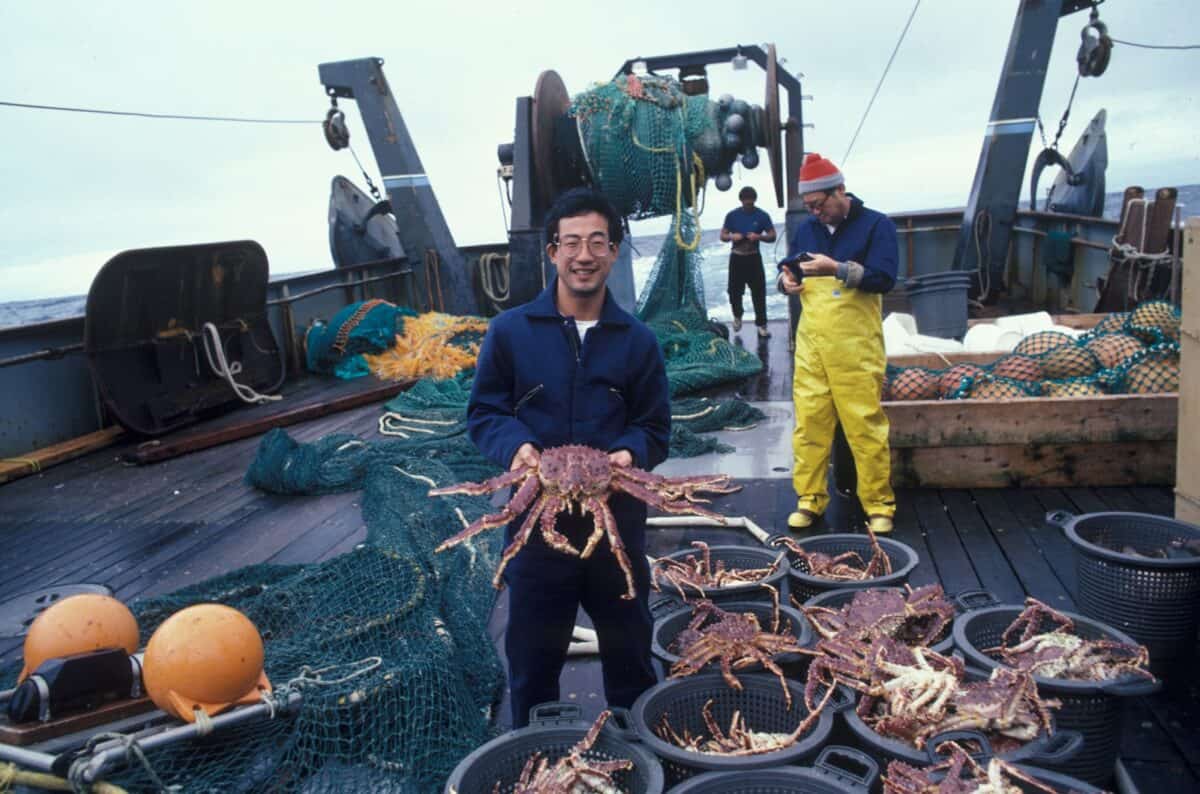
Future research into crab migrations will likely focus on leveraging AI and machine learning to analyze large datasets collected from deep-sea explorations. These technologies can help unravel complex patterns and interactions that drive these incredible movements.
A Glimpse Into Earth’s Least Explored Frontier
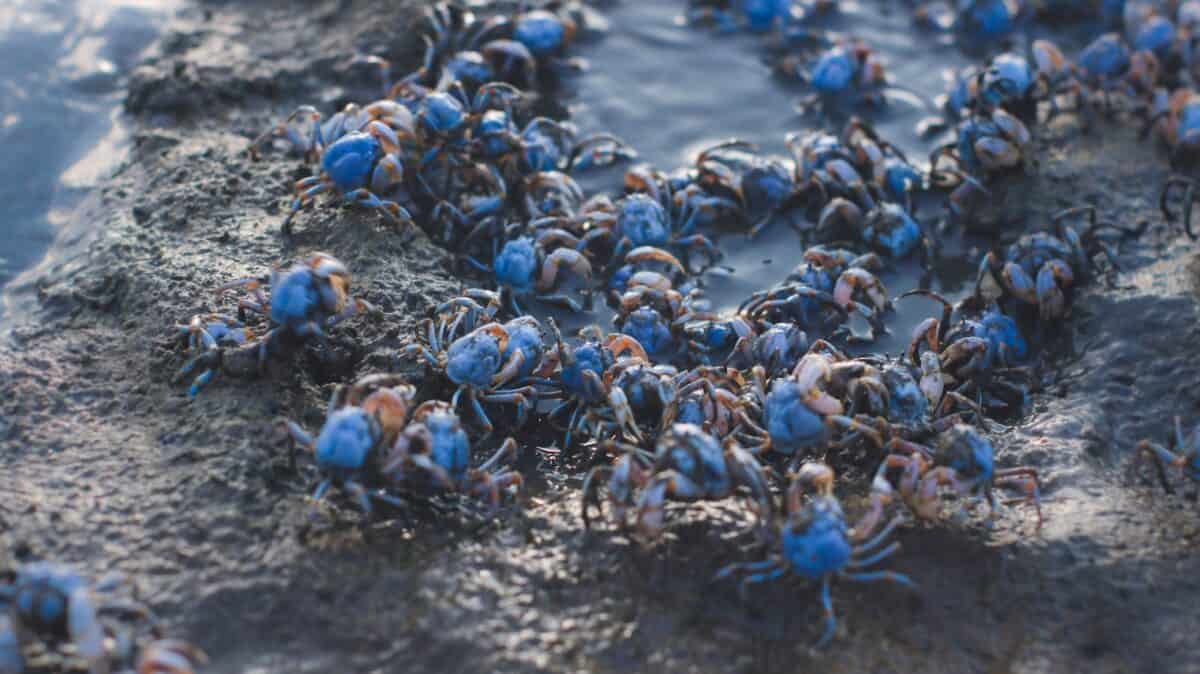
The discovery of the deepest crab migration serves as a powerful reminder of how much there is yet to uncover about the deep ocean. This seemingly otherworldly environment remains Earth’s least explored frontier, brimming with secrets and wonders waiting to be discovered.
In conclusion, the deepest crab migration off the U.S. coast reveals the intricate and resilient nature of marine life. As we continue to explore and understand these incredible journeys, we unlock new dimensions of life beneath the ocean surface, highlighting the essential balance maintained in these dark, hidden realms. As exploration advances, who knows what other wonders lurk in the uncharted depths, waiting for us to uncover?

- The Story Behind the Red Panda’s Endangered Status - July 18, 2026
- Are You Really Swallowing Spiders in Your Sleep? - July 18, 2026
- Why Japanese Macaques Love Hot Springs - July 17, 2026