


Alaska, a land known for its majestic landscapes and severe climates, has recently revealed a new secret beneath its icy surface: the deepest ice cave uncovered to date. This fascinating discovery has taken both the scientific community and adventure enthusiasts by storm, providing an unprecedented glimpse into the mysterious underworld of ice. In this article, we’ll delve into the details of this groundbreaking find, exploring the formation, characteristics, and implications of such a frozen wonder.
The Unexpected Find

The discovery of Alaska’s deepest ice cave was made by a team of intrepid explorers and scientists who were mapping the region’s glacial formations. Their curiosity and determination led them to an uncharted area, where they unearthed the entrance to a colossal ice cave extending much deeper than any previously explored. This unexpected find has sparked a flurry of interest in the potential for further exploration and study.
Formation of Ice Caves
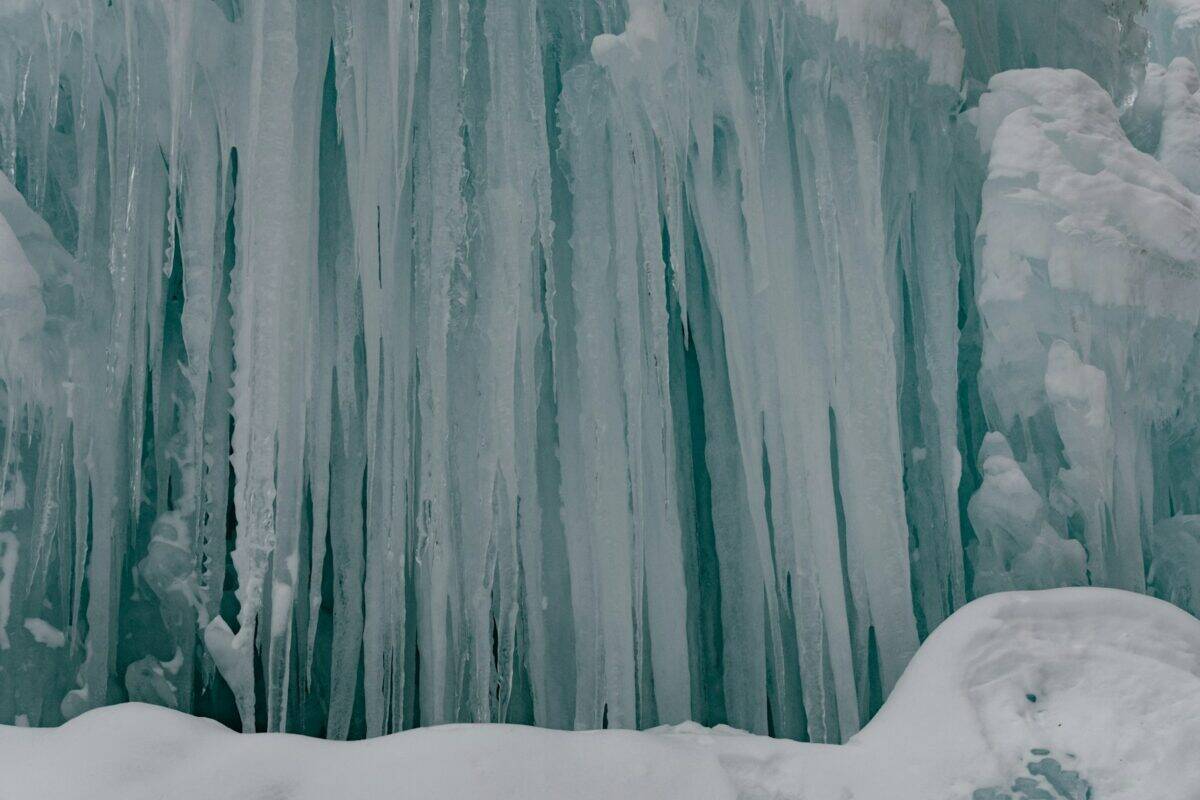
Ice caves are natural structures that form within or under glaciers and icefields, created by the movement of water through the ice. Over time, meltwater can carve out vast networks of caverns and tunnels. In Alaska, where glaciers are abundant, the formation of ice caves is influenced by the region’s unique climate and geological conditions, creating breathtakingly beautiful icy landscapes.
Measurements and Depth

The newly discovered cave has been measured at depths surpassing any other ice cave found in Alaska, reaching almost 500 feet below the surface. Such depth offers an incredible opportunity to study ice formations and understand the dynamics of glacial movement in a way that hasn’t been possible before.
The Importance of Ice Caves
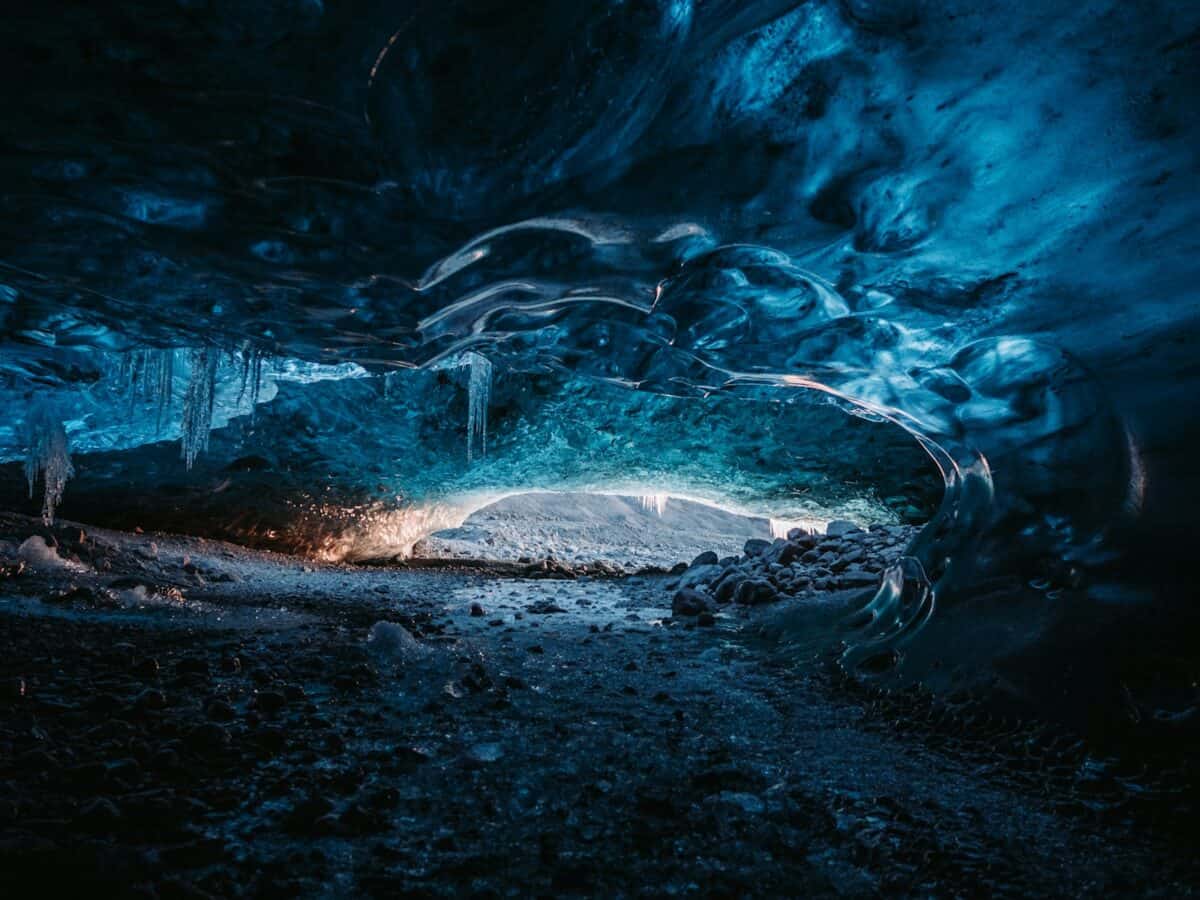
Ice caves are more than just natural wonders; they hold a wealth of scientific information. These formations provide insight into past climatic conditions, as trapped air bubbles and sediment within the ice layers can reveal historical data about Earth’s climate. Studying these conditions helps scientists predict future climatic changes and understand their potential impact on our planet.
Unique Geological Features
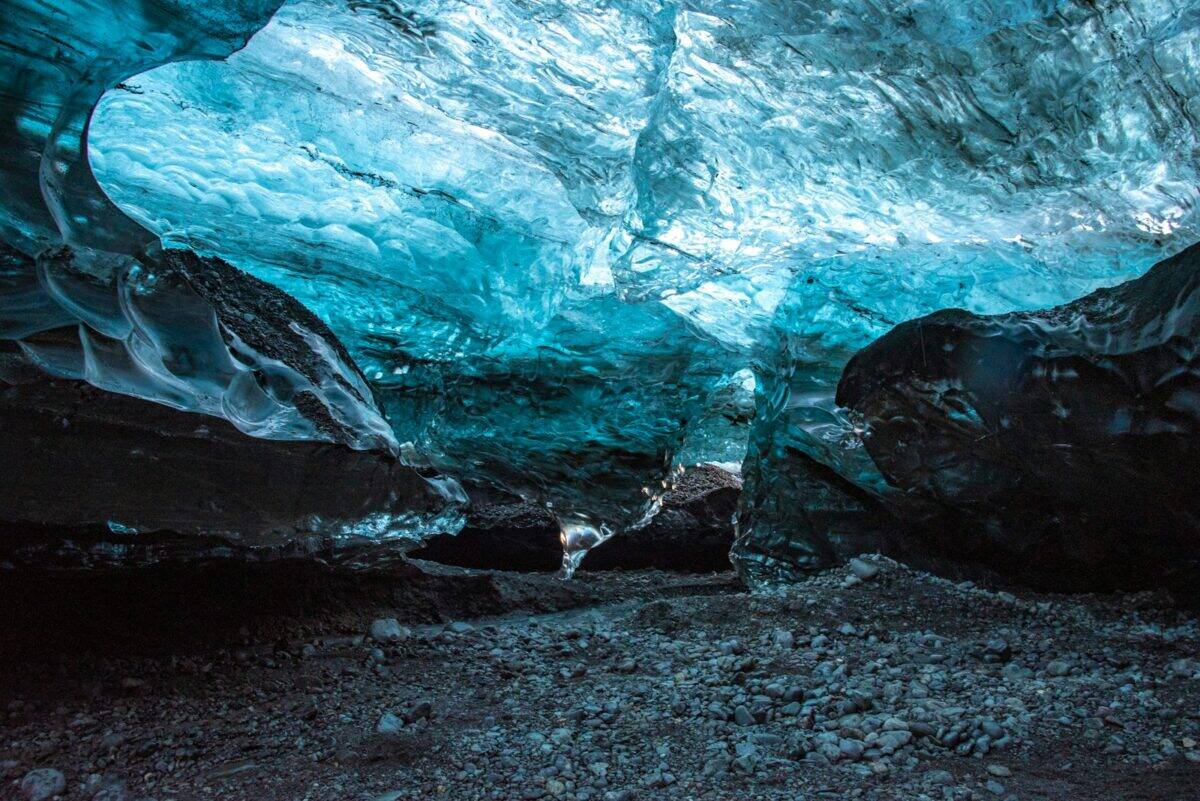
The cavern’s walls reveal unique geological features, such as mesmerizing ice formations, stalactites, and stalagmites, all sculpted by years of natural processes. The structure of the cave provides a glimpse into the internal dynamics of glaciers, showcasing how variations in temperature and pressure influence their configuration and stability.
Challenges of Exploration
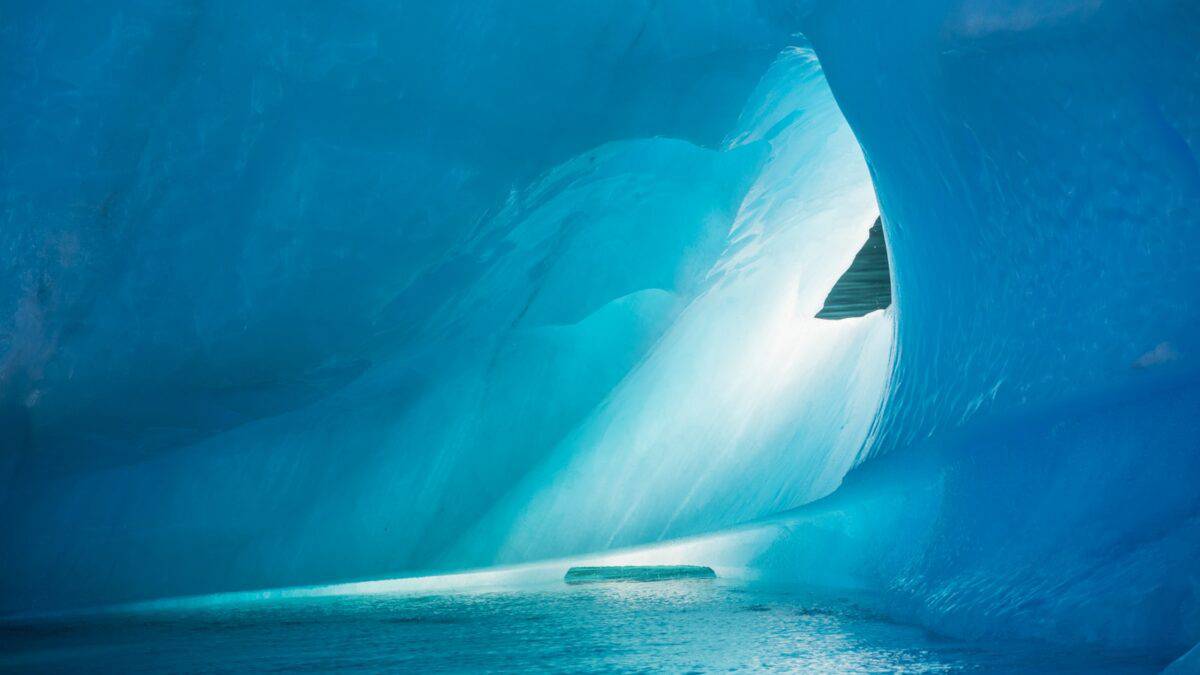
Exploring such icy depths comes with significant challenges. The extreme cold, risk of falling ice, and potential for cave-ins make the exploration of these caves a hazardous endeavor. Advanced equipment and experienced spelunkers are essential for ensuring the safety of those who dare to venture into these frigid environments.
Scientific Research Opportunities

The discovery of this profound ice cave opens the door to numerous research opportunities. Scientists can study the cave’s ice layers to gather data on the Earth’s atmospheric history. The study of microbes and other biological organisms adapted to life in extreme cold provides clues about survival in harsh environments, contributing to astrobiology and other scientific fields.
Environmental Implications

While this ice cave represents a scientific boon, its discovery also underscores the fragility of glacial environments amidst climate change. As global temperatures rise, glaciers and their ice caves are shrinking, highlighting the urgent need to understand and mitigate the impacts of climate change on these crucial ecosystems.
Celebrate and Preserve
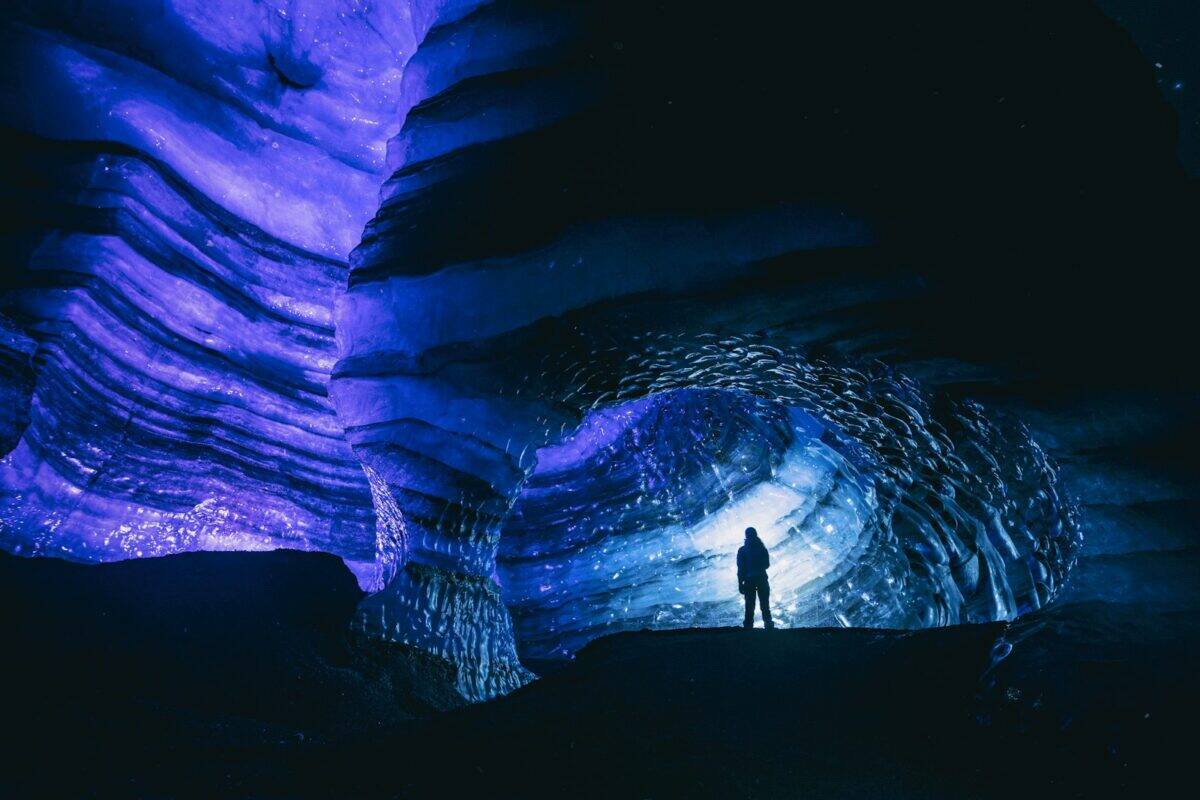
Recognizing the importance of discoveries like Alaska’s deepest ice cave calls us to celebrate our natural world while simultaneously striving to preserve it. Exploring caves like this one raises awareness about the importance of protecting our planet’s glacial environments and encourages support for conservation efforts.
The Future of Glacial Exploration
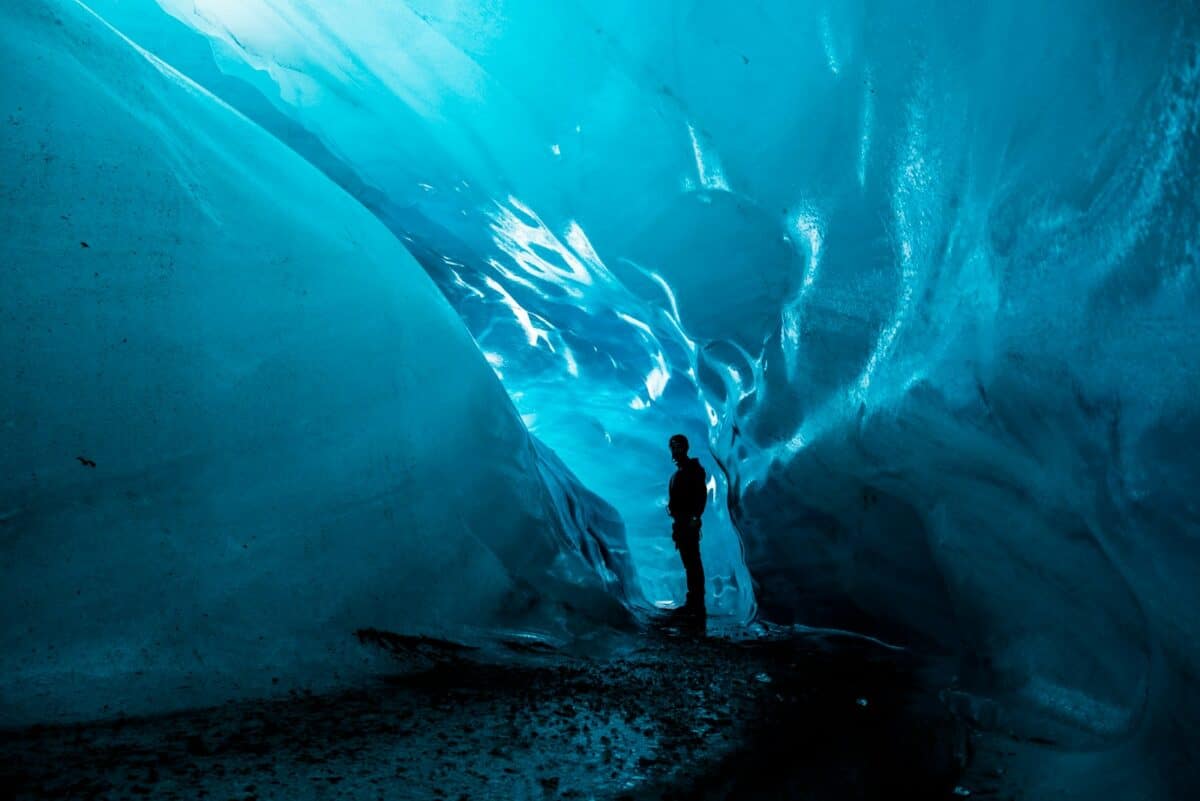
The future of glacial exploration seems as vast as the ice fields themselves, with technology providing safer and more efficient ways to explore these frozen landscapes. The discovery has already inspired a new generation of explorers and scientists eager to uncover and understand the hidden wonders of the Earth’s icy realms.
Conclusion: Embracing the Ice

Alaska’s newly discovered deep ice cave is not just a spectacular geological find; it represents a keystone in our understanding of glacial science and climate history. As scientists continue to explore and study this natural marvel, it serves as a reminder of the beauty and complexity of our planet’s polar places. The lessons learned and data gathered from such expeditions hold the potential to inform many realms of science, ensuring that this frozen wonder serves not only as a testament to nature’s majesty but also as a beacon guiding our exploration of Earth’s landscapes.

From exploring the marine wonders in the Azores and witnessing the vast savannas of Kenya, to delving deep into the rich biodiversity of South Africa and traversing iconic landscapes in Australia and the US like Yellowstone, Chris's experiences are vast.
With a penchant for diving alongside sharks, the ocean holds a special place in his heart.
Through his academic insights, he champions wildlife conservation, striving with 'Animals Around The Globe' to cultivate a profound connection between humans and animals, enhancing our mutual appreciation.
Connect with him at Feedback@animalsaroundtheglobe.com.
- The Most Powerful Hurricane to Threaten U.S. Shores This Century - July 21, 2026
- From Leopards to Peacocks: The Animals That Influence Fashion - July 21, 2026
- This Animal Can Change Color Faster Than a Chameleon - July 21, 2026