

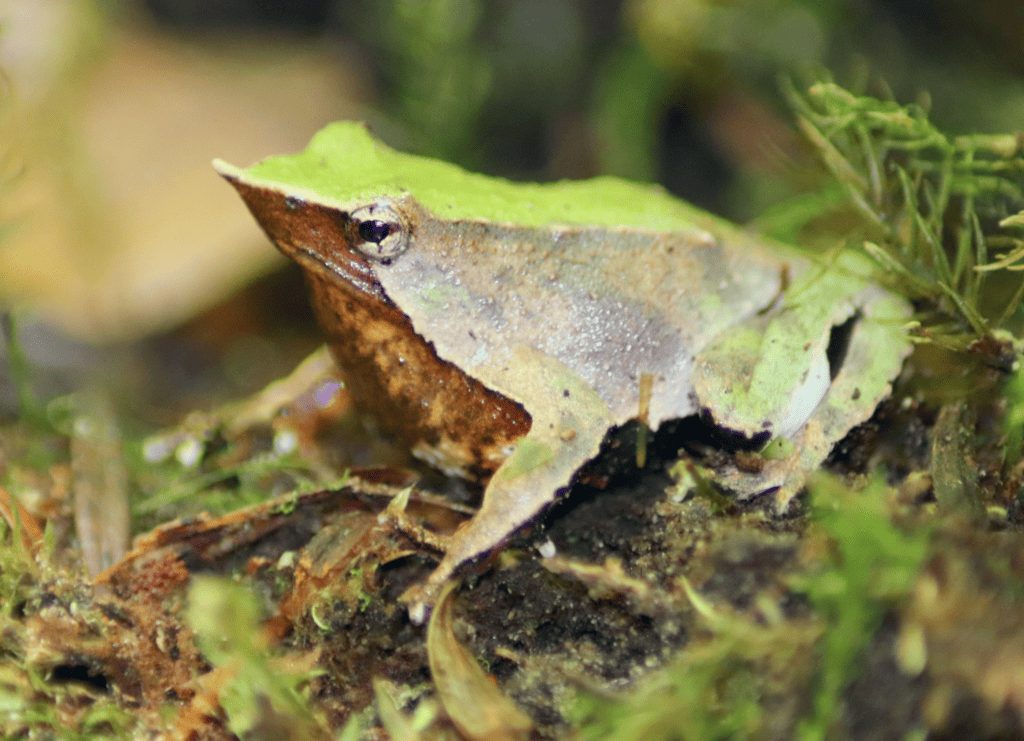
Darwin’s frog, an intriguing and unique amphibian found in the temperate forests of South America, captivates scientists and nature enthusiasts with its remarkable reproductive strategy. Unlike most other species, male Darwin’s frogs carry their developing offspring in their vocal sacs, offering a fascinating example of nature’s wonders. This article delves into the reasons behind this unusual behavior and explores the fascinating life of Darwin’s frog.
The Natural Habitat of Darwin’s Frog

Darwin’s frogs, belonging to the family Rhinodermatidae, inhabit the moist and temperate forests of Chile and Argentina. They thrive in the leaf litter of forest floors, where their unique greenish-brown coloration camouflages them from predators. These amphibians prefer habitats close to streams and water bodies, which are crucial for their life cycle and reproductive processes.
Unique Physical Characteristics

Recognizable by their triangular heads and pointed snouts, Darwin’s frogs are small, with adults reaching around 2.5 to 3.5 centimeters in length. Their mottled brown and green appearance resembles a fallen leaf, allowing them to blend seamlessly into their environment. This natural camouflage protects them from predators such as birds and larger reptiles.
Diet and Feeding Habits

Darwin’s frogs are insectivores, feeding on a diet primarily consisting of ants, beetles, and other small invertebrates. They use their long, sticky tongues to catch prey quickly and efficiently. Their diet supports their active lifestyle on the forest floor, where they are constantly on the lookout for both food and potential threats.
Reproductive Strategy: A Unique Adaptation
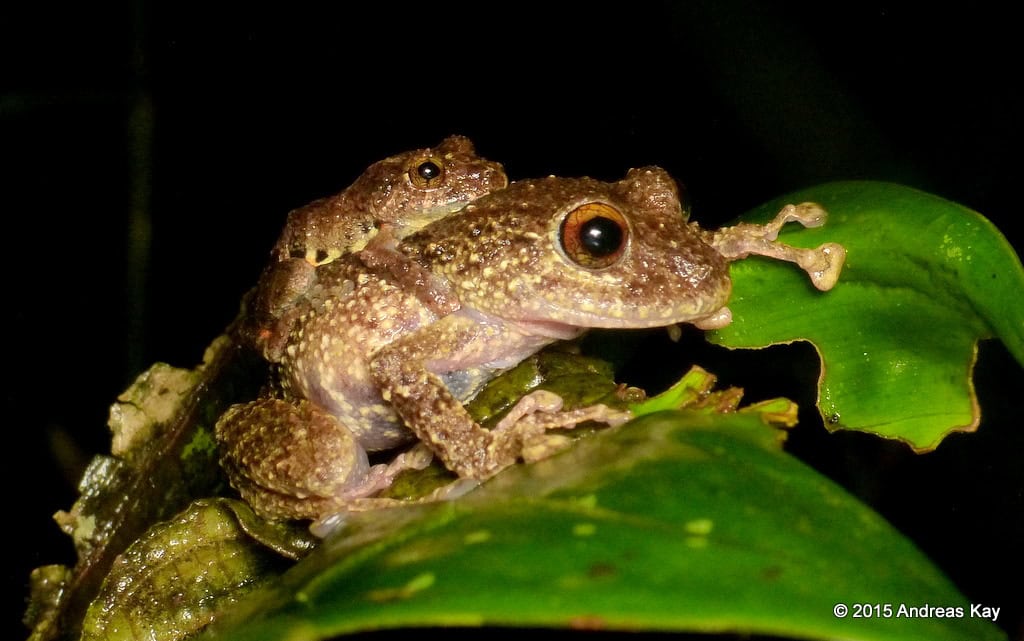
The most extraordinary feature of Darwin’s frogs is their unique reproductive strategy, where the males carry their offspring in their mouths. This adaptation has intrigued scientists for years, offering a compelling glimpse into evolutionary processes and survival strategies in the animal kingdom.
The Role of the Male in Parental Care

In Darwin’s frogs, it is the male who takes on the crucial role of nurturing and safeguarding the young. After the female lays eggs and fertilization occurs, the male scoops them up into his vocal sac, providing a safe haven for development. This role reversal in parental care highlights an unusual approach to ensuring progeny survival.
Development Inside the Vocal Sac

Once inside the male’s vocal sac, the developing embryos undergo metamorphosis, transitioning from tadpoles to fully formed froglets. This internal brooding period lasts several weeks, during which the male refrains from calling to potential mates, focusing entirely on the care and protection of his young.
Protection from Predators and Harsh Environments

The primary reason for this mouth-brooding strategy is protection from predators and environmental hazards. The vocal sac acts as a shield against external threats such as predation and environmental fluctuations, providing a controlled and secure environment for the developing young.
Evolutionary Advantages of Mouth Brooding
This reproductive adaptation offers several evolutionary advantages. By safeguarding the young within his vocal sac, the male increases their survival rate, ensuring they reach a stage where they can sustain themselves independently. This strategy is particularly advantageous in environments where predation pressures are high.
Critical Challenges Facing Darwin’s Frog
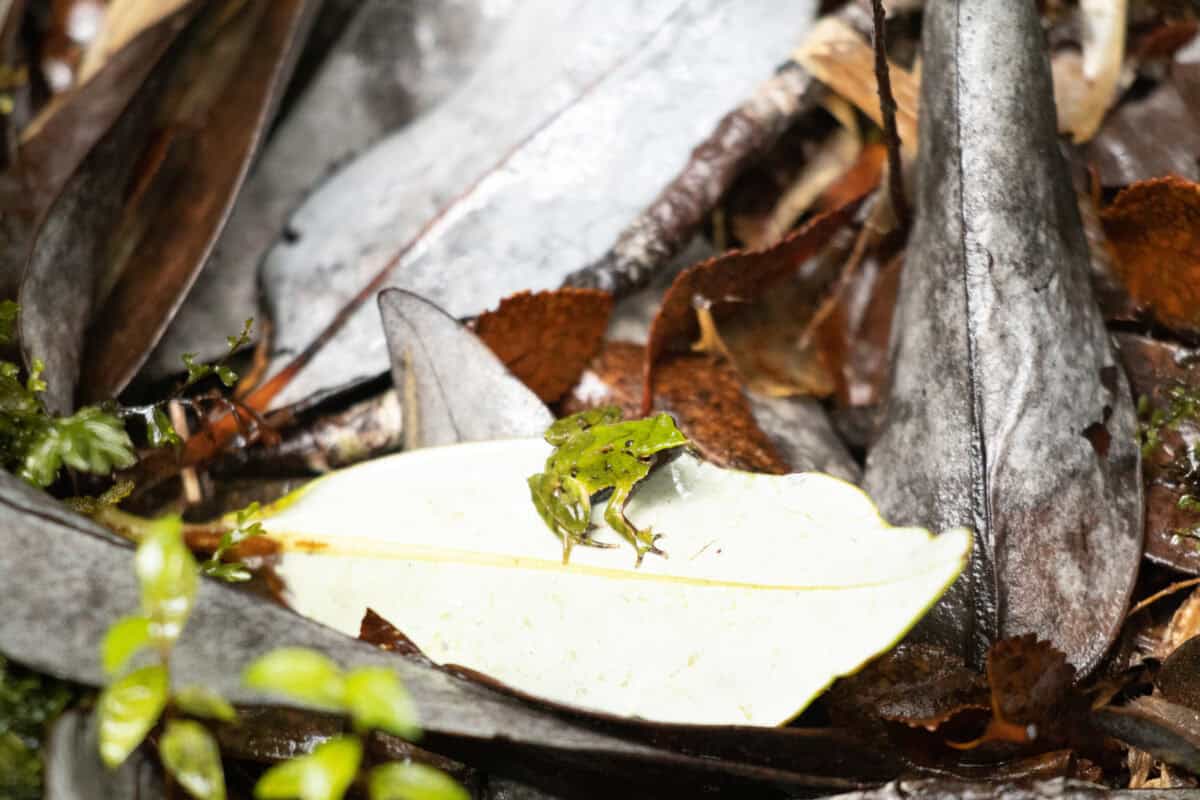
Despite their remarkable adaptations, Darwin’s frogs face significant threats due to habitat destruction, climate change, and pollution. Their populations are declining, making conservation efforts critical to ensure their survival. Protecting their natural habitats and addressing environmental challenges are essential steps in preserving these unique amphibians.
Conservation Efforts and Initiatives
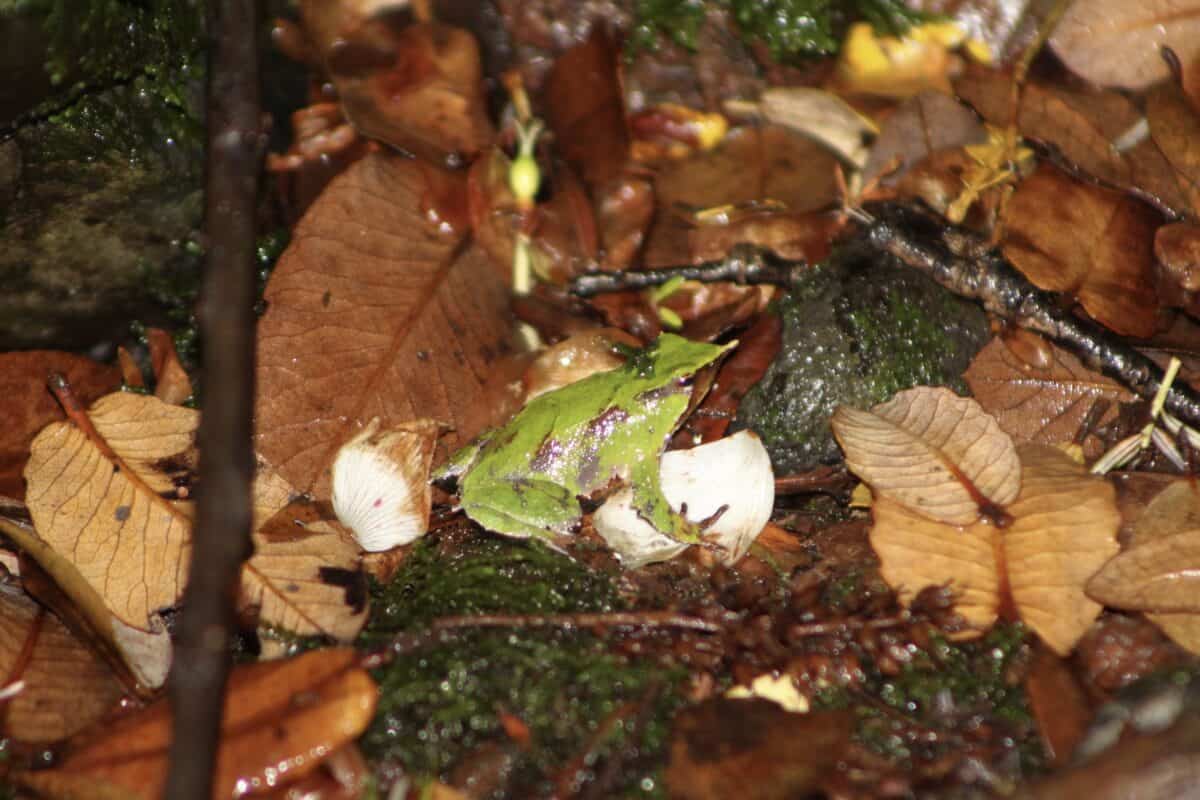
Conservation organizations are actively working to protect Darwin’s frogs by preserving their natural habitats and mitigating the impact of human activities. Efforts involve habitat restoration, legal protection, and raising awareness about the species’ critical status. These initiatives are pivotal in safeguarding the future of Darwin’s frogs.
The Role of Research and Science

Ongoing research and scientific studies play a vital role in understanding the life cycle, behavior, and ecological needs of Darwin’s frogs. By studying these fascinating creatures, scientists can develop effective conservation strategies and contribute to protecting the biodiversity of the regions they inhabit.
Summary: A Testament to Nature’s Ingenuity

Darwin’s frog exemplifies nature’s ingenuity and the diverse strategies life employs to adapt and survive. Its unique mouth-brooding behavior highlights the complex and extraordinary adaptations that can arise in response to environmental pressures. As we continue to learn about and protect these remarkable amphibians, we gain valuable insights into the intricacies of evolution and the importance of conservation in maintaining ecological balance.

From exploring the marine wonders in the Azores and witnessing the vast savannas of Kenya, to delving deep into the rich biodiversity of South Africa and traversing iconic landscapes in Australia and the US like Yellowstone, Chris's experiences are vast.
With a penchant for diving alongside sharks, the ocean holds a special place in his heart.
Through his academic insights, he champions wildlife conservation, striving with 'Animals Around The Globe' to cultivate a profound connection between humans and animals, enhancing our mutual appreciation.
Connect with him at Feedback@animalsaroundtheglobe.com.
- The Lizard That Shoots Blood From Its Eyes - July 21, 2026
- What Happens If Fireflies Stop Glowing? - July 21, 2026
- Coyotes Are Thriving in Every U.S. State — Even New York City - July 21, 2026