

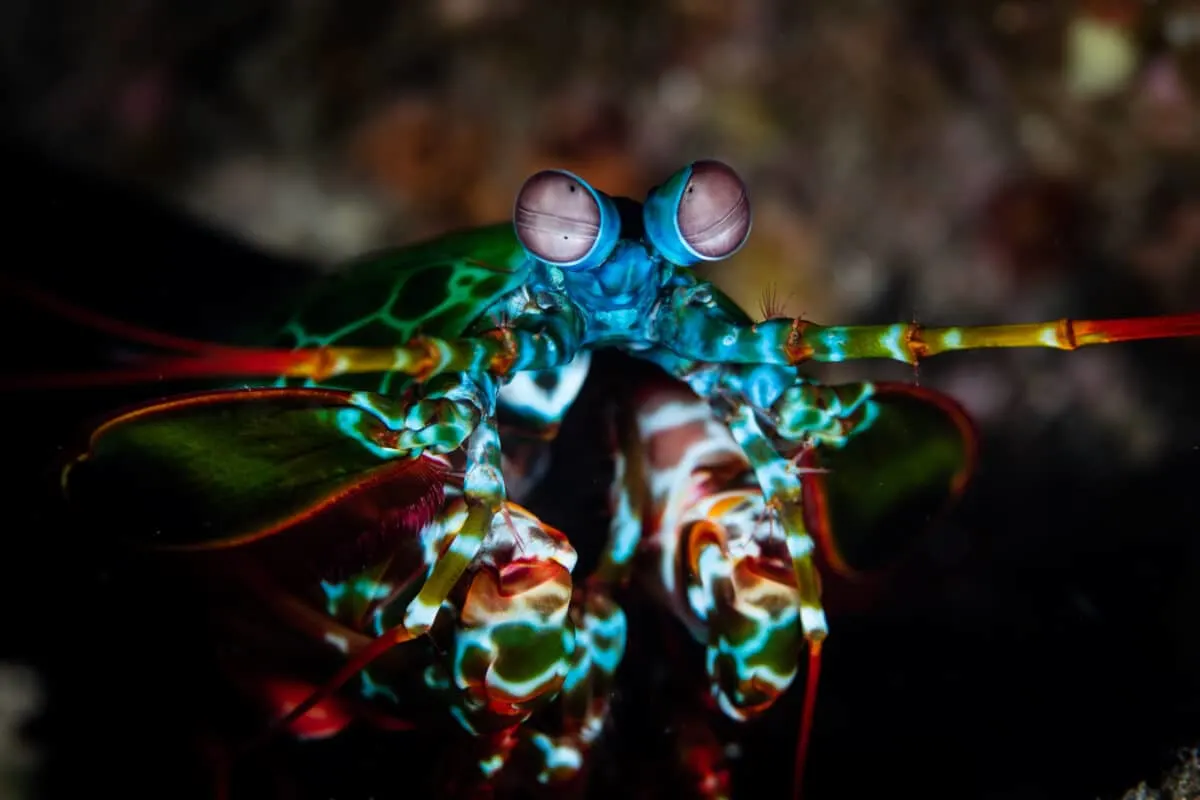
The ocean is home to countless fascinating creatures, but none quite match the lightning-fast reflexes of the mantis shrimp. These colorful crustaceans possess what many scientists consider the fastest animal movement on Earth – a striking ability that allows them to capture prey in mere milliseconds. Unlike most predators that rely on overall body speed, mantis shrimp have specialized limbs called dactyl clubs or raptorial appendages that can accelerate from standstill to over 50 mph (80 km/h) in just a fraction of a second.
What makes this speed truly remarkable is the timescale: mantis shrimp strikes occur in under 3 milliseconds – that’s three-thousandths of a second. To put this in perspective, a human blink takes about 150 milliseconds, making the mantis shrimp’s strike about 50 times faster than our ability to blink. This incredible speed is not just for show; it serves a vital purpose in the mantis shrimp’s hunting strategy, allowing them to strike before prey can even register the attack is coming.
The Biological Mechanics Behind the Speed
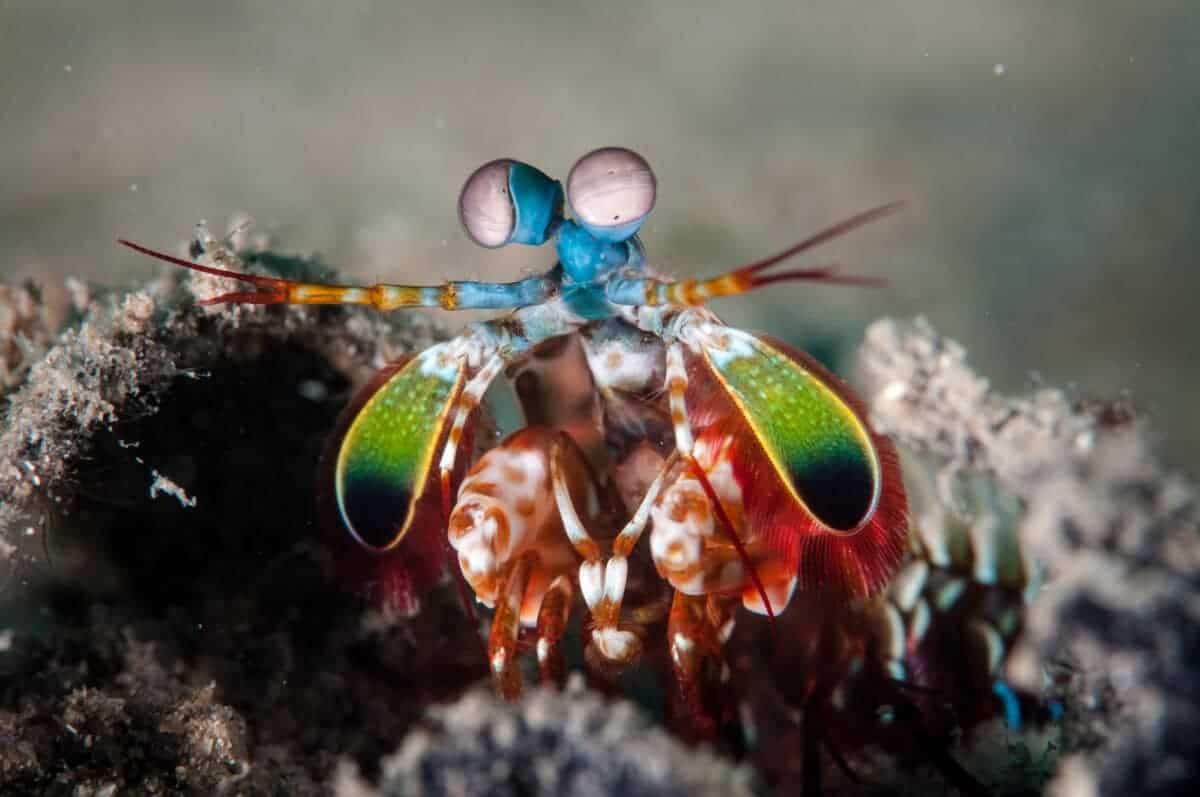
The secret behind the mantis shrimp’s extraordinary speed lies in its unique biological mechanism. Unlike most animals that rely solely on muscle contractions to generate movement, mantis shrimp employ a specialized power-amplification system. Their strike works like a compressed spring – the shrimp’s muscles slowly contract, building up energy in a saddle-shaped structure composed of chitin (the same material found in insect exoskeletons). This structure acts as a biological energy storage device, similar to a bow being drawn back.
When the mantis shrimp is ready to strike, specialized latches release this stored energy instantaneously, causing the appendage to accelerate forward with remarkable force. This biomechanical mechanism, known as a “power-amplified system,” allows the mantis shrimp to achieve accelerations exceeding 10,000 g-forces – more than a bullet fired from a gun. Scientists studying this mechanism have noted that it represents one of the most efficient energy transfer systems in the natural world, converting nearly 70% of the stored energy into the strike.
The Cavitation Bubble Phenomenon
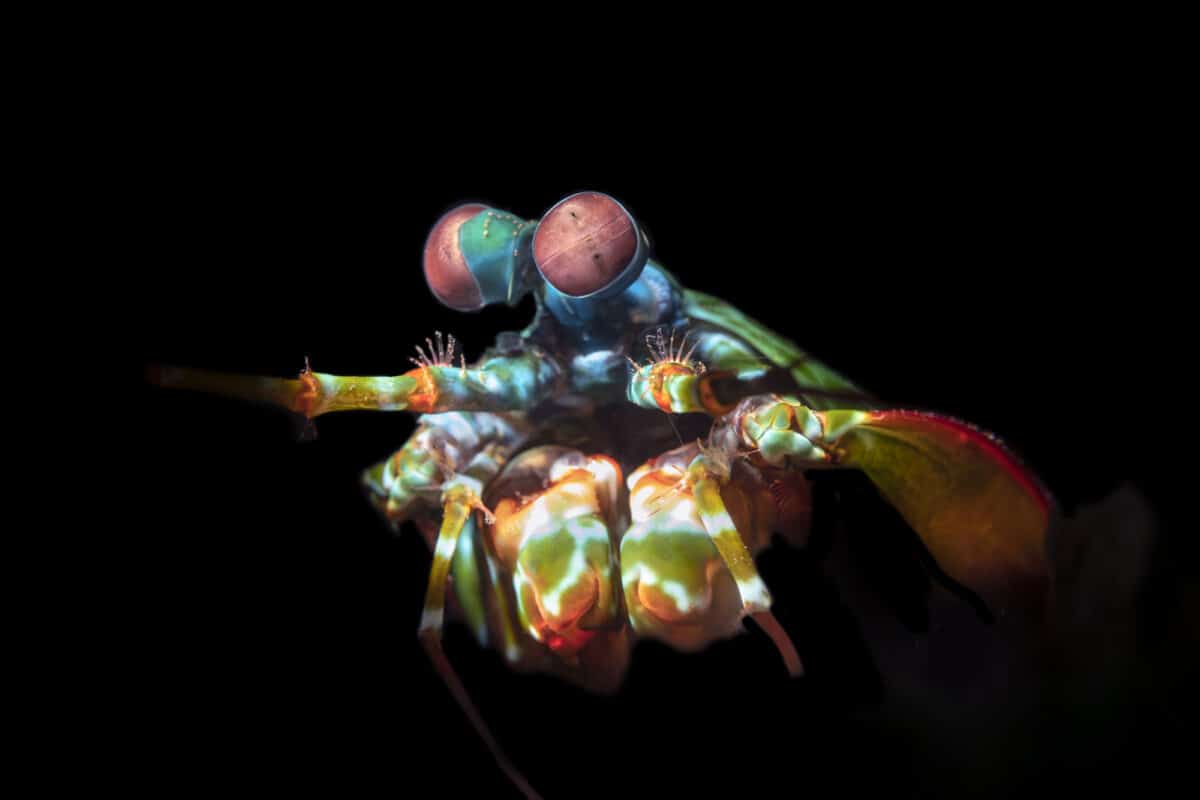
Perhaps the most fascinating aspect of the mantis shrimp’s strike is what happens in its wake. The raptorial appendages move so quickly through water that they create cavitation bubbles – pockets of low pressure where water vaporizes. These bubbles collapse almost instantly, producing a secondary impact accompanied by an audible “snap” and a flash of light called sonoluminescence. This phenomenon occurs because the collapsing bubbles generate temperatures approaching those found on the sun’s surface – around 4,400°C (8,000°F).
This secondary impact from cavitation bubbles serves as a double-strike mechanism. Even if the initial strike misses its target, the collapsing cavitation bubble can stun or kill nearby prey. The extreme conditions generated during this process also produce a small burst of ultraviolet light and a shockwave that can break apart mollusk shells or stun fish. This makes the mantis shrimp not only the fastest striker in the animal kingdom but also one of the few creatures that can weaponize physics itself.
Specialized Hunting Techniques
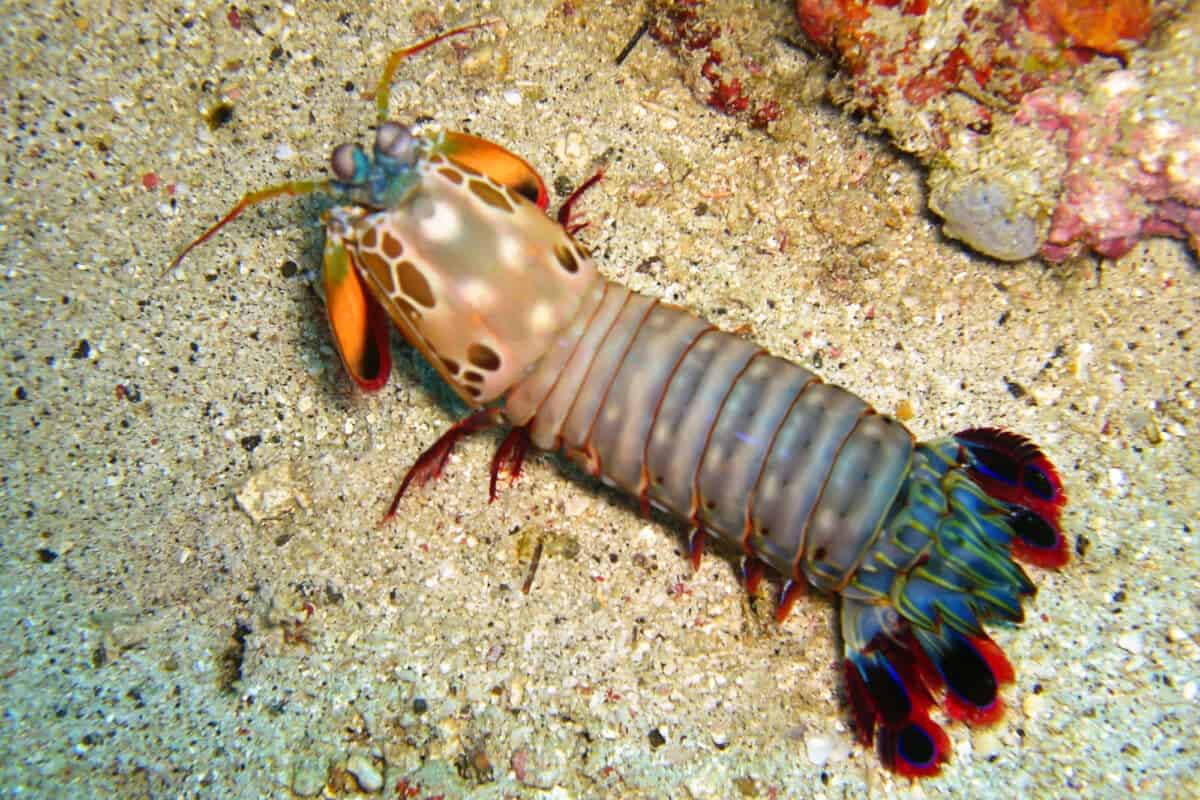
Mantis shrimp have evolved into two distinct categories based on their hunting techniques, each utilizing their lightning-fast reflexes differently. “Smashers” have club-like appendages designed to deliver powerful blows that can shatter the shells of crabs, mollusks, and other hard-shelled prey. These specialized hunters can strike with force equivalent to a .22 caliber bullet, easily cracking open well-protected creatures that would be inaccessible to other predators.
“Spearers,” on the other hand, have developed sharp, barbed appendages designed to impale soft-bodied prey like fish. They ambush their targets with precision strikes that can penetrate fish scales and tissue before the prey can react. Both hunting styles rely on the same fundamental speed mechanism, but their specialized appendages have evolved to exploit different food sources. This specialized adaptation demonstrates how the extraordinary reflex speed has been refined through evolution to create highly efficient predators adapted to specific ecological niches.
Remarkable Visual System
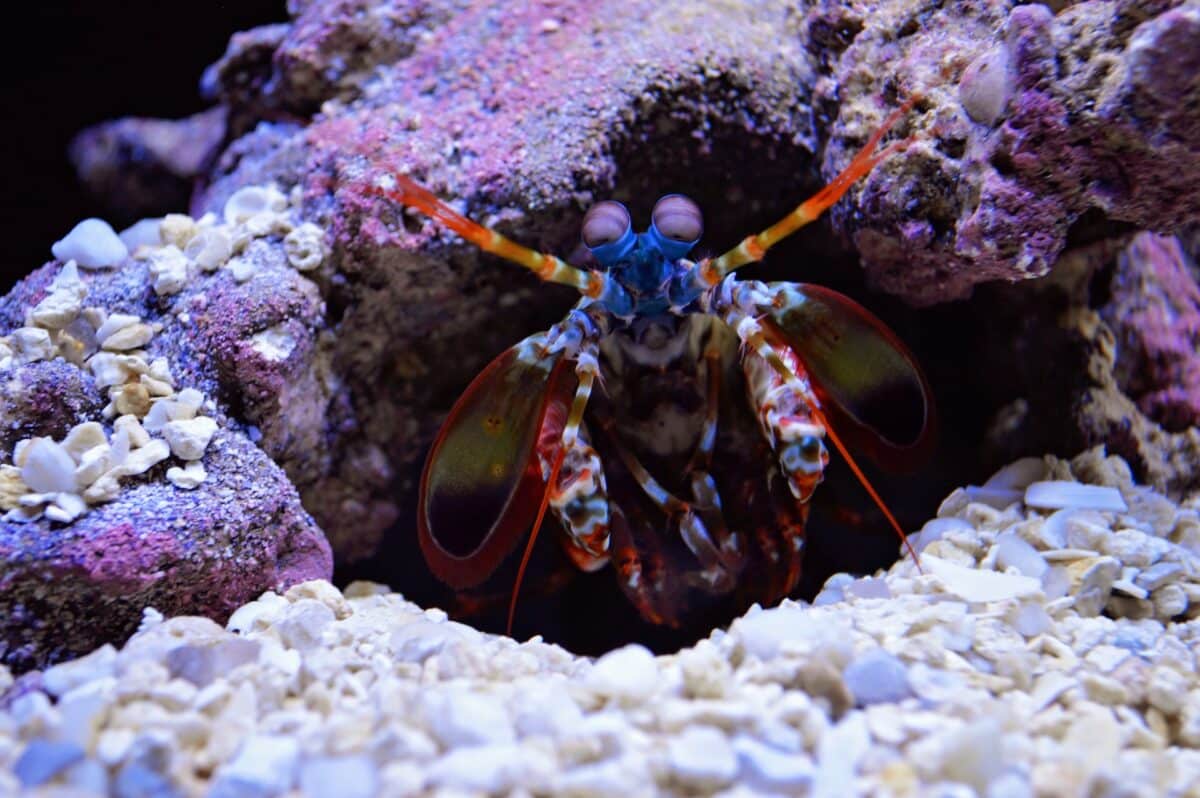
Complementing their lightning-fast striking ability, mantis shrimp possess one of the most complex visual systems in the animal kingdom. With up to 16 types of photoreceptor cells (compared to humans’ three), they can see an expanded spectrum of light, including ultraviolet and polarized light invisible to most other creatures. This extraordinary vision plays a crucial role in their hunting success, allowing them to detect prey with unprecedented precision and clarity.
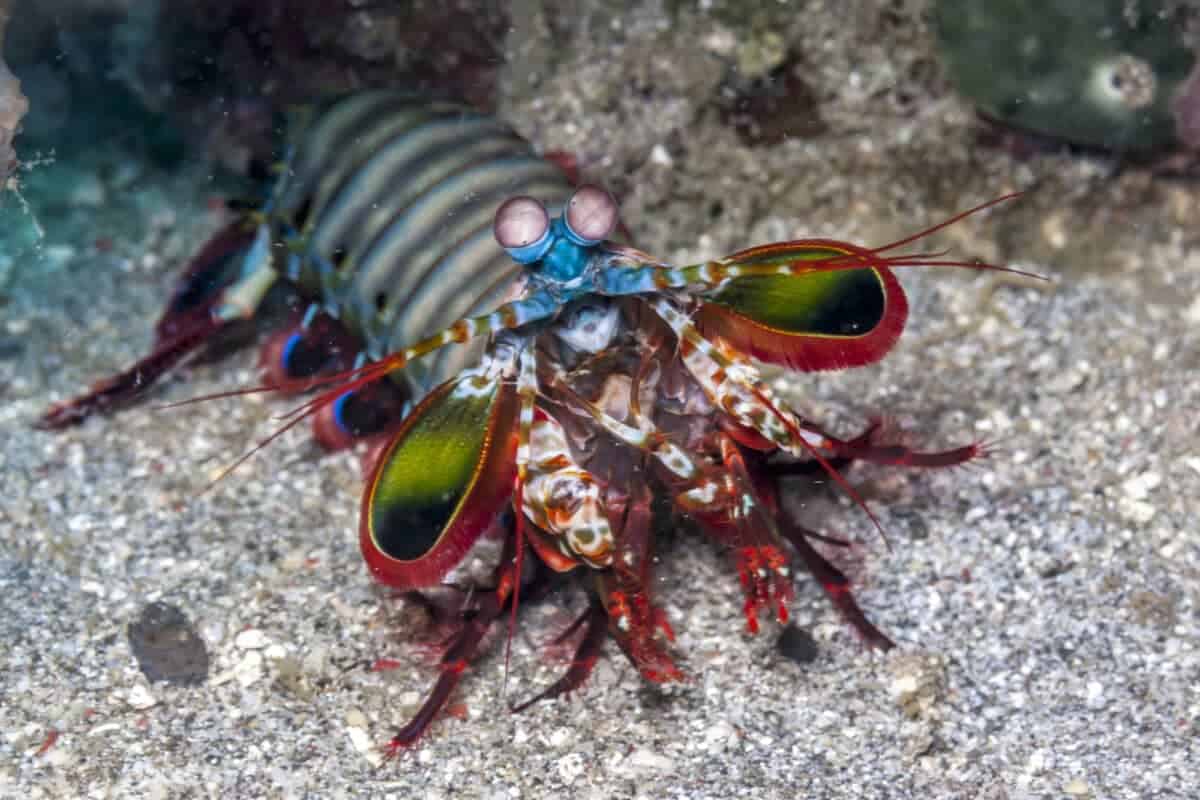
The mantis shrimp’s eyes sit on mobile stalks and can move independently of each other, giving them stereoscopic vision and excellent depth perception – critical factors when hunting with millisecond-quick strikes. Each eye is divided into three regions, allowing the shrimp to see with trinocular vision from each eye. This sophisticated visual system provides the split-second information needed to calculate distance, direction, and timing for their ultra-fast strikes. Their visual processing must occur with extraordinary speed to match their striking ability, making their neural pathways some of the most efficient in nature.
Comparison to Other Fast-Reflex Predators

While the mantis shrimp holds the record for the fastest striking movement, several other animals have evolved remarkable reflex speeds for hunting. The trap-jaw ant can close its mandibles at speeds of up to 143 mph (230 km/h), with the movement occurring in just 0.13 milliseconds – making it one of the fastest movements in the animal kingdom. Similarly, the star-nosed mole can identify and consume prey in under 120 milliseconds, making it the fastest-eating mammal.
Another impressive contender is the dragonfly, which can react to prey movements and change flight direction in under 30 milliseconds, giving it a success rate of over 95% when hunting. Chameleons, though often thought of as slow-moving reptiles, can project their sticky tongues at prey in under 20 milliseconds. However, when comparing the raw speed, force, and complexity of the hunting mechanism, the mantis shrimp stands apart with its combination of visual processing, energy storage, and strike execution happening in a timeframe faster than most neural signals can travel.
Scientific Research and Biomimicry Applications
The extraordinary mechanics behind the mantis shrimp’s strike have captured the attention of engineers and materials scientists seeking to develop bio-inspired technologies. Researchers are studying the structure of the mantis shrimp’s dactyl club to create new impact-resistant materials. The club’s composition – featuring a complex arrangement of mineralized chitin fibers arranged in a helicoidal structure – provides exceptional strength and crack resistance despite the tremendous forces it regularly endures.
This research has already led to advancements in body armor design, sports equipment, and aircraft components. Additionally, the power-amplification mechanism has inspired designs for new types of robotic actuators and mechanical systems that can deliver high-speed, high-force movements with minimal energy input. The mantis shrimp’s ability to generate cavitation bubbles has even influenced medical technologies, where controlled cavitation could be used for targeted drug delivery or non-invasive surgery. These applications demonstrate how studying nature’s fastest reflexes can lead to technological innovations across multiple fields.
Habitat and Distribution
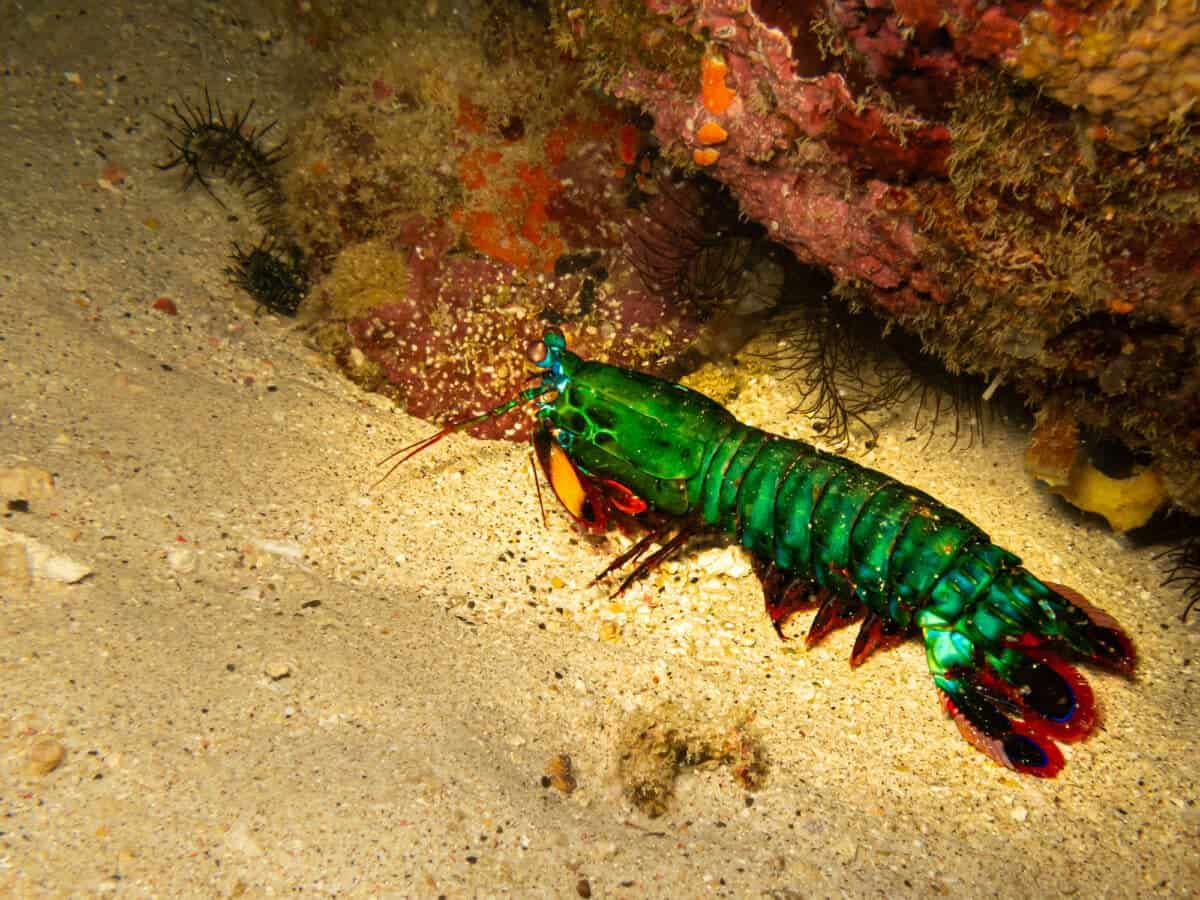
Mantis shrimp are found in tropical and subtropical waters worldwide, primarily inhabiting the shallow waters of coral reefs, sea grass beds, and sandy bottom environments. With over 450 known species, they have successfully adapted to diverse marine ecosystems, from the Indo-Pacific region to the Mediterranean Sea and the waters off the Americas. Most species prefer to live in burrows or crevices they create in coral or rock, establishing territorial domains they fiercely defend.
Despite their widespread distribution, mantis shrimp remain relatively elusive to casual observers due to their secretive nature and preference for concealed habitats. They typically emerge from their burrows only to hunt or find mates, spending much of their time hidden from view. This reclusive behavior, combined with their lightning-fast movements, made them challenging subjects for scientific study until high-speed photography and specialized research techniques were developed. Today, marine biologists continue to discover new species and behaviors of these remarkable predators across various ocean environments.
Evolutionary Development of Fast Reflexes

The evolutionary path that led to the mantis shrimp’s extraordinary striking ability began over 400 million years ago, with the earliest stomatopods (the order to which mantis shrimp belong) appearing in the fossil record during the Carboniferous period. The development of their specialized striking appendages represents one of the most successful predatory adaptations in marine evolutionary history. Fossil evidence suggests that the power-amplification mechanism evolved gradually, with early stomatopods showing increasingly specialized forelimbs adapted for striking.
Evolutionary biologists believe that intense predator-prey competition in ancient coral reef ecosystems drove the development of these ultra-fast reflexes. As prey species evolved stronger shells and faster escape responses, mantis shrimp countered with increasingly powerful and rapid strikes. This evolutionary arms race resulted in the refinement of both the biomechanical structures and the neurological systems required to coordinate such precise, high-speed movements. The modern mantis shrimp represents the culmination of this long-term evolutionary process, with different species specializing in various striking techniques while retaining the fundamental speed mechanism.
Social Behavior and Communication
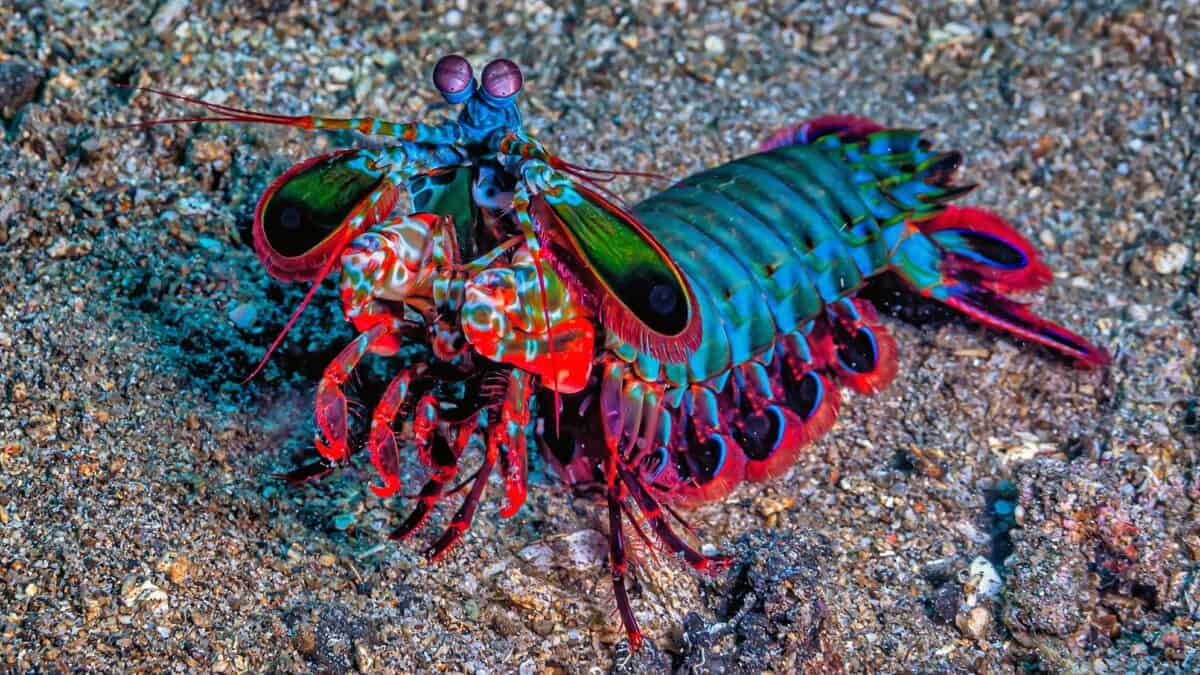
Despite their fearsome hunting abilities, mantis shrimp display complex social behaviors, particularly during mating and territorial disputes. Many species are monogamous, forming long-term pair bonds and sharing burrows for years. Their communication system involves elaborate visual displays utilizing their colorful bodies, which can appear iridescent or change patterns under different light conditions. These visual signals are particularly significant given their exceptional vision capabilities and play a crucial role in mate selection and territorial boundaries.
Interestingly, mantis shrimp also communicate through physical gestures and ritualized combat, often using their powerful striking appendages in modified ways that demonstrate strength without causing serious injury to conspecifics. During these encounters, they may perform a series of movements that showcase their striking ability without making contact, essentially “flexing” their biological weapons as a deterrent. This sophisticated communication system, combining visual, physical, and possibly chemical signals, demonstrates that these animals possess cognitive and social complexity beyond what might be expected from a seemingly primitive crustacean.
Conservation Status and Human Interaction

While mantis shrimp as a group are not considered endangered, specific populations face pressures from habitat destruction, particularly coral reef degradation due to climate change, pollution, and destructive fishing practices. Additionally, some species are collected for the aquarium trade, where their colorful appearance makes them desirable specimens despite their challenging care requirements and notorious habit of breaking aquarium glass with their powerful strikes.
In certain cultures, particularly in parts of Asia, mantis shrimp are harvested as food, known variously as “prawn killers” or “sea locusts.” Their meat is considered a delicacy in regions including Japan, China, and Mediterranean countries. Scientists emphasize the importance of sustainable harvesting practices and habitat protection to ensure these remarkable creatures continue to thrive. Conservation efforts focused on protecting coral reef ecosystems indirectly benefit mantis shrimp populations by preserving their natural habitat and the ecological networks they depend upon.
Conclusion: Nature’s Millisecond Marvels

The mantis shrimp stands as a testament to the extraordinary adaptations that can evolve through natural selection, possessing not only the fastest strike in the animal kingdom but also one of the most complex visual systems and specialized hunting mechanisms. Their ability to capture prey in milliseconds represents the pinnacle of predatory efficiency, combining speed, precision, and power in a way that continues to astonish scientists and inspire technological innovations. The biological mechanics behind their lightning-fast reflexes – from energy storage to instantaneous release – demonstrate nature’s engineering prowess at its finest.
As we continue to study these remarkable creatures, we gain not only a deeper appreciation for the diversity of life on our planet but also valuable insights that can be applied to human technology and design. The mantis shrimp reminds us that sometimes the most extraordinary capabilities can be found in unexpected places, and that the natural world still holds countless lessons and inspirations for those willing to look closely. In the ongoing quest to understand the limits of biological speed and power, the mantis shrimp with its millisecond strike remains nature’s undisputed reflex champion.

From exploring the marine wonders in the Azores and witnessing the vast savannas of Kenya, to delving deep into the rich biodiversity of South Africa and traversing iconic landscapes in Australia and the US like Yellowstone, Chris's experiences are vast.
With a penchant for diving alongside sharks, the ocean holds a special place in his heart.
Through his academic insights, he champions wildlife conservation, striving with 'Animals Around The Globe' to cultivate a profound connection between humans and animals, enhancing our mutual appreciation.
Connect with him at Feedback@animalsaroundtheglobe.com.
- The Lizard That Shoots Blood From Its Eyes - July 21, 2026
- What Happens If Fireflies Stop Glowing? - July 21, 2026
- Coyotes Are Thriving in Every U.S. State — Even New York City - July 21, 2026