


The Appalachian Mountains, a sweeping range that stretches from Canada to Alabama, are shrouded in legends and natural phenomena. Among these is a peculiar event that has baffled locals and intrigued scientists: the fog that triggers radio silence. This atmospheric curiosity not only adds to the mystique of the region but raises questions about the Earth’s atmospheric behavior. In this article, we explore the origins, implications, and scientific explanations behind the fog-induced radio silence that occurs in the Appalachian Mountains.
The Mysterious Fog of the Appalachians

The Appalachian region is renowned for its dense, mysterious fogs, which envelop the mountains in a veil of white. These fogs are a common occurrence due to the unique geography and climate, where moist air masses meet cooler air currents. The resulting condensation creates thick fog patches that can blanket entire valleys. However, there’s one type of fog that stands apart—a fog capable of disrupting radio communication.
Understanding the Phenomenon of Radio Silence

Radio silence, in essence, refers to the complete inability to receive or transmit radio signals. In the context of the fog in the Appalachian Mountains, this phenomenon has been observed and reported sporadically over the years. Amateur radio operators, hikers, and even rescue teams have experienced sudden communication blackouts when venturing into foggy areas. This has spurred interest and investigations into the underlying causes.
Historical Accounts and Local Legends

Stories of the radio-silencing fog date back to the early settlers of the Appalachians. These tales, passed down through generations, described how the fog would cloak entire villages, cutting them off from the outside world. Though embellished over time, they hint at a longstanding awareness of the fog’s peculiar effects. Such legends have merged with scientific curiosity to inspire detailed examinations of this atmospheric anomaly.
Scientific Investigations and Theories

Research into the radio-interfering fog is limited but growing. Scientists who have probed the phenomenon suggest that the fog may contain high concentrations of water droplets with specific refractive properties. These tiny droplets can scatter and absorb radio waves, leading to communication interruptions. Some studies also suggest that unique mineral particles and electromagnetic properties in the fog may contribute to signal loss.
Atmospheric Conditions and Their Impact

The Appalachian Mountains create an environment conducive to the formation of dense fogs. The interplay of high humidity, sudden cooling, and terrain-induced air circulation leads to frequent fog formation. These conditions can amplify the fog’s ability to disrupt radio waves, particularly in higher altitudes where signals often travel faster and more directly.
Electromagnetic Theories and the Role of Terrain
Electromagnetic interference caused by the fog might be linked to geological features in the Appalachian Mountains. Some researchers propose that metal deposits or specific rock formations could enhance the fog’s capacity to block radio signals. The complex terrain might also reflect and refract signals in unpredictable patterns, further complicating communication when fog is present.
Comparisons to Other Radio Blackout Phenomena
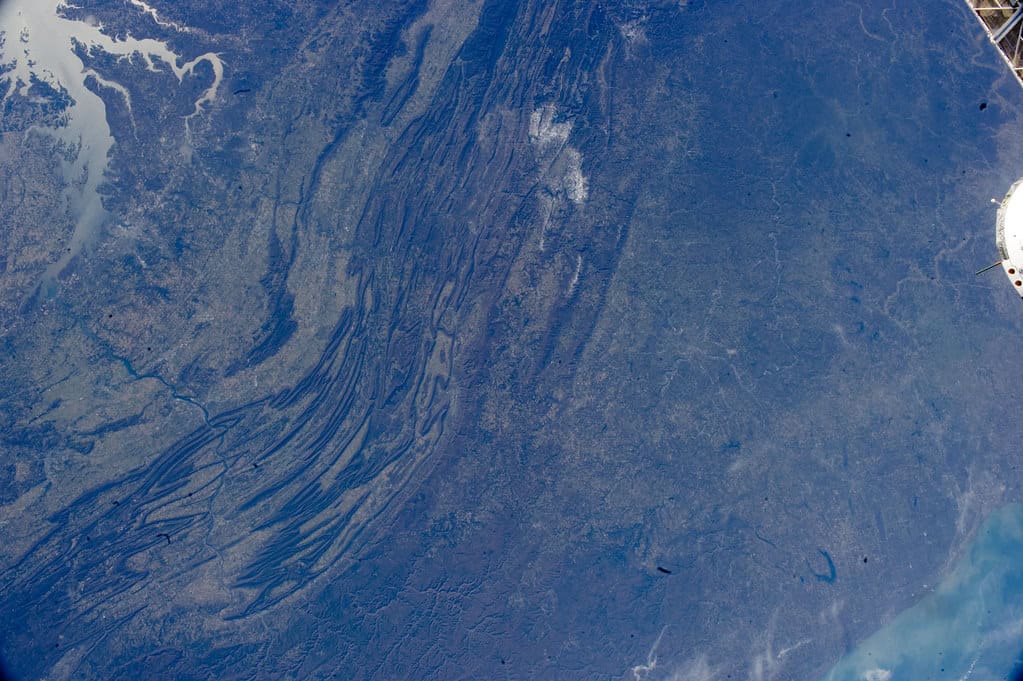
While the Appalachian fog is unique, similar phenomena are observed elsewhere, often linked to solar activity or severe weather. However, the distinctiveness of the Appalachian conditions—dense fogs and their extensive coverage—makes it an isolated case study. By comparing with these other events, scientists hope to understand the nuances of fog-induced radio silence better.
The Human Factor: Impact on Local Communities

For Appalachian communities, the fog’s interference with radio signals poses practical challenges. Local emergency services, wildlife researchers, and communication infrastructure providers must consider the risk of radio silence when planning operations. It highlights the importance of alternative communication technologies and robust emergency plans in fog-prone areas.
Technology and Mitigation Strategies
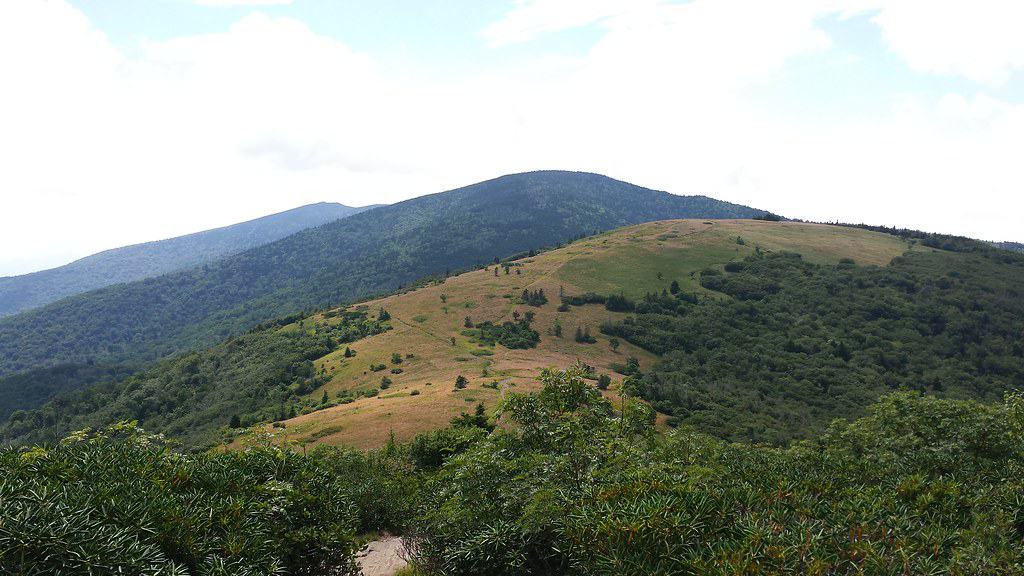
Advancements in technology offer potential solutions to mitigate radio silence impacts. Researchers are developing adaptive communication technologies that can withstand or bypass such environmental anomalies, focusing on low-frequency bands and laser-based communication systems less affected by fog. These innovations promise to improve reliability for both everyday users and emergency responders.
The Future of Research in the Appalachians
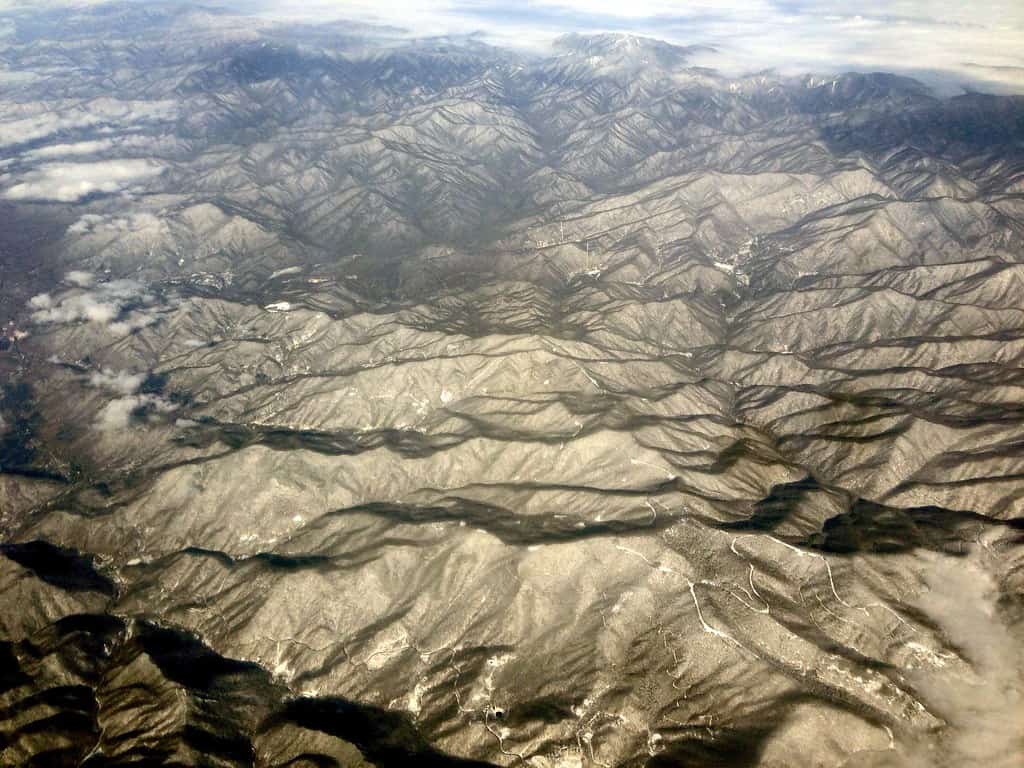
Ongoing research aims to unravel the intricacies of the fog that induces radio silence and its broader implications. Collaborative studies involving meteorologists, geologists, and technologists are exploring advanced modeling techniques to predict when and where the fog might occur and how best to adapt communication systems accordingly.
Appalachian Fog in Popular Culture

The mysterious fog has also entered popular culture, inspiring books, films, and art. It symbolizes nature’s unpredictability and the unseen forces that connect, and sometimes disconnect, humanity. Such cultural representations help raise awareness of this intriguing natural phenomenon beyond scientific circles.
Conclusion: Embracing the Mystique

The fog that triggers radio silence in the Appalachian Mountains remains a captivating subject for scientists, locals, and storytellers alike. It encapsulates the enchanting and often unpredictable relationship between nature and technology. As research progresses, we may learn more about the conditions that lead to these sudden silences—and how human innovation can continue to adapt to nature’s complexities. Until then, the fog holds its place as a guardian of the mystical and unexplained secrets of the Appalachian Mountains.

From exploring the marine wonders in the Azores and witnessing the vast savannas of Kenya, to delving deep into the rich biodiversity of South Africa and traversing iconic landscapes in Australia and the US like Yellowstone, Chris's experiences are vast.
With a penchant for diving alongside sharks, the ocean holds a special place in his heart.
Through his academic insights, he champions wildlife conservation, striving with 'Animals Around The Globe' to cultivate a profound connection between humans and animals, enhancing our mutual appreciation.
Connect with him at Feedback@animalsaroundtheglobe.com.
- Top 10 Dinosaur Relatives Still Roaming Earth Today - July 19, 2026
- Why Reintroducing Lions Might Save the Savannah - July 19, 2026
- 11 Creatures That Ambush Their Prey - July 19, 2026