


In the vast theater of the natural world, some performers stand out not just for their survival skills but for their extraordinary ability to move with rhythm, precision, and flair. Just as Ginger Rogers captivated audiences with her elegant footwork and seamless partnership with Fred Astaire, certain animals display remarkable dancing abilities that serve purposes from courtship to communication. These natural choreographers demonstrate that dance isn’t exclusively human – it’s a biological phenomenon deeply woven into the fabric of life across species. From birds executing elaborate aerial ballets to insects with intricate rhythmic movements, nature’s dancers remind us that grace and expression through movement is a universal language. This exploration of the animal kingdom’s most talented dancers reveals the surprising complexity, beauty, and purpose behind their performances, offering insight into how these behaviors evolved and what they communicate in the silent language of movement.
The Evolutionary Purpose of Animal Dance
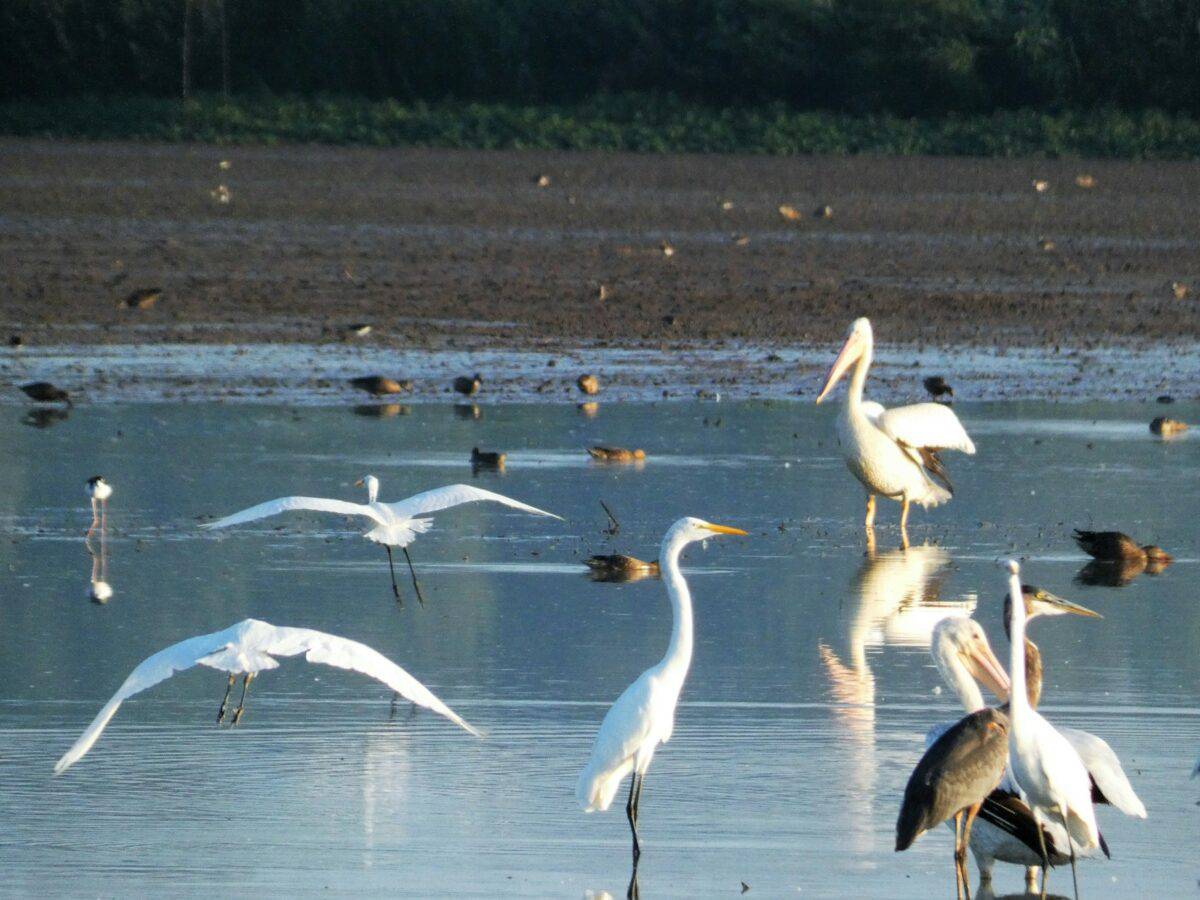
Dance in the animal kingdom isn’t merely a form of expression; it’s a vital evolutionary adaptation serving multiple biological purposes. The most common reason animals engage in dance-like behaviors is for courtship. Through rhythmic, coordinated movements, males often demonstrate their genetic fitness, showing potential mates they possess the strength, coordination, and health necessary for producing viable offspring. These displays can reveal important information about an individual’s quality as a potential mate – poor dancers may signal poor genes or health issues.
Beyond courtship, dancing serves other evolutionary functions. Some species use rhythmic movements for territorial displays, warning competitors to stay away. Others employ dance for social bonding, strengthening group cohesion through shared movement patterns. In certain cases, particularly among insects, synchronized movements can serve as protection against predators, creating visual confusion. The evolution of these behaviors demonstrates nature’s remarkable ability to develop complex communication systems that transcend verbal language, allowing animals to convey essential information through the universal medium of movement.
Birds of Paradise: Nature’s Prima Ballerinas
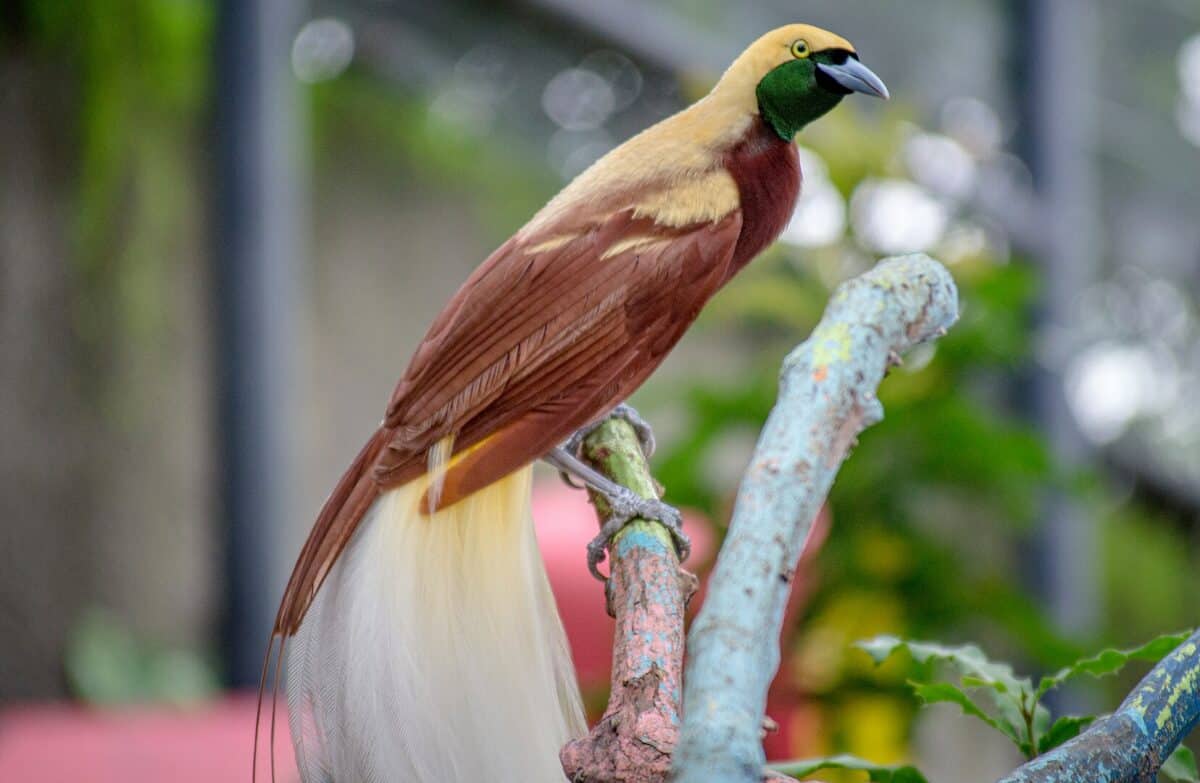
The birds of paradise of New Guinea and surrounding regions represent perhaps the most spectacular dancers in the avian world. The male Superb Bird of Paradise transforms his entire body into a striking oval shape with a brilliant blue “smile,” creating an otherworldly appearance as he hops and slides around a carefully cleared dance floor on the forest floor. The Parotia species performs what scientists have called the “ballerina dance,” involving precise pivots, bobs, and reveals of iridescent breast shields. These elaborate performances include not just movement but costume changes as they manipulate their feathers to create different visual effects.
What makes these avian performances particularly remarkable is their precision and repeatability. Males practice these dances throughout their lives, perfecting every movement to impress notoriously selective females. Research has shown that female birds of paradise can distinguish between slight variations in dance quality, preferring males who execute their routines with greater precision. This intense sexual selection has driven the evolution of increasingly complex dances over millions of years, resulting in what are arguably the most sophisticated choreographed routines in the animal kingdom. David Attenborough’s landmark documentaries have brought these extraordinary performances to worldwide attention, revealing how these feathered dancers truly rival any human performer in their dedication to perfect execution.
Manakins: The Moonwalkers of the Rainforest
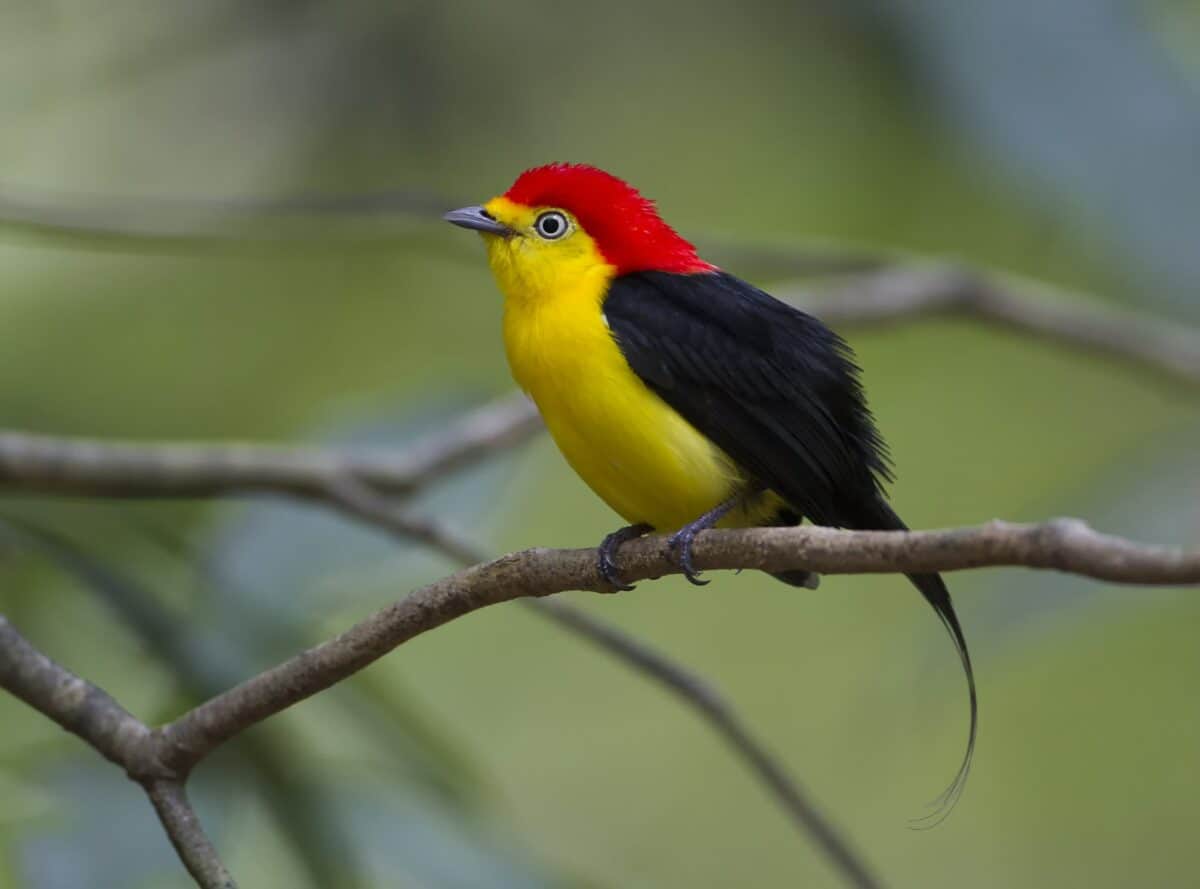
Among the most technically impressive dancers in nature are the manakins, a family of small birds inhabiting Central and South American rainforests. The Red-capped Manakin has achieved internet fame for its remarkable “moonwalk” along branches, sliding backward with a precision that would impress Michael Jackson himself. Males perform rapid-fire wing movements that produce mechanical snapping sounds, complementing their visual display with an auditory component. These birds don’t just dance – they create multimedia performances combining movement, sound, and visual displays of their vibrant plumage.
The Golden-collared Manakin performs what scientists call the “jump-snap” display, launching itself from perches with such speed that their wing feathers create audible popping sounds. What’s particularly fascinating about manakin dances is that they often occur in leks – designated performance areas where multiple males gather to compete for female attention. This competitive environment has driven the evolution of increasingly technical and distinctive dance moves, with different manakin species developing their own signature styles. Research using high-speed cameras has revealed that these birds can execute movements too fast for the human eye to detect, demonstrating neuromuscular coordination capabilities that surpass many other vertebrates, including humans.
The Honeybee’s Waggle Dance: Communication Through Movement

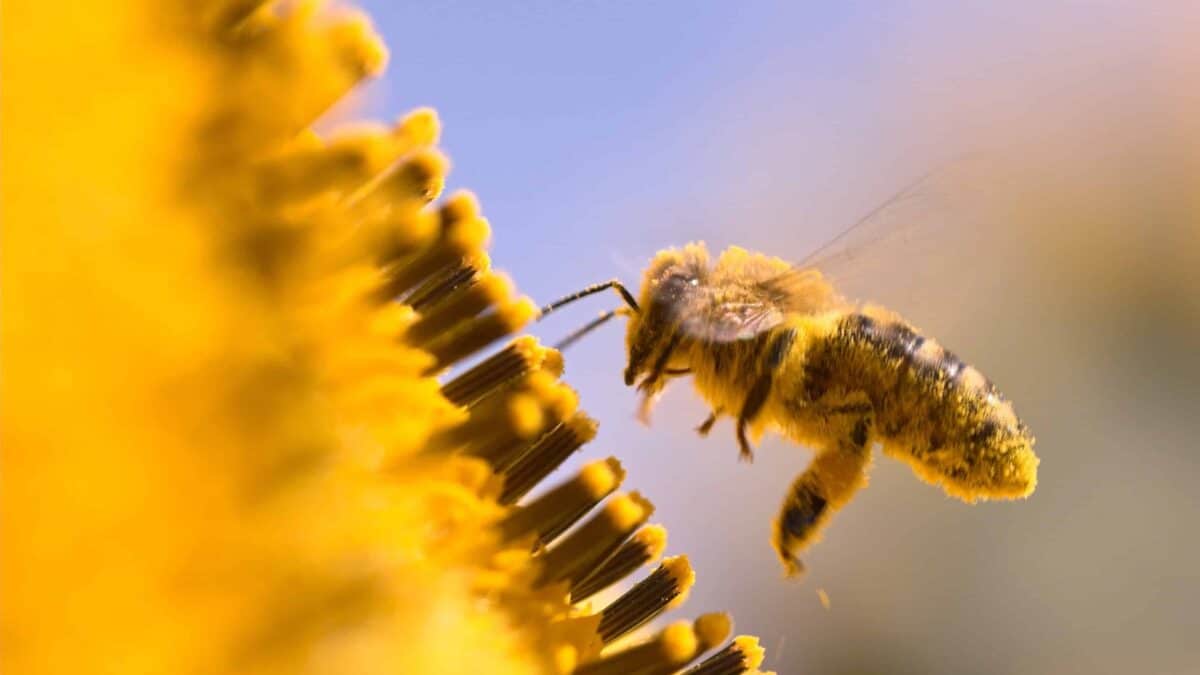
Perhaps the most scientifically significant dance in the animal kingdom belongs to the honeybee. The waggle dance, first decoded by Nobel Prize-winning ethologist Karl von Frisch, represents one of the most sophisticated communication systems in nature. When a foraging bee discovers a rich food source, it returns to the hive and performs a dance on the vertical surface of the honeycomb. This isn’t merely an expression of excitement but a precise communication tool conveying specific information about the location of resources to nestmates.
The dance consists of a figure-eight pattern with a straight “waggle run” in the middle, during which the bee vibrates its abdomen. The angle of this waggle run relative to gravity indicates the direction of the food source in relation to the sun, while the duration of the waggle correlates precisely with distance. Longer waggle runs indicate greater distances to the food source. The intensity and repetition of the dance correlate with the quality of the food source. What makes this dance particularly remarkable is its abstract symbolic nature – the bees are effectively creating a map through movement, translating three-dimensional spatial information into a two-dimensional dance code that other bees can interpret and use to navigate to resources they’ve never personally visited.
Peacock Spiders: Tiny Dancers with Elaborate Costumes

Australia’s peacock spiders have emerged as unexpected stars in the world of animal choreography. Despite measuring only a few millimeters in length, male peacock spiders perform some of the most visually striking courtship dances in nature. These tiny arachnids possess brilliantly colored abdominal flaps that they raise and display during courtship, creating a peacock-like fan effect. What makes their performances particularly captivating is the coordination between their vibrant “costumes” and precisely executed dance moves. The male raises his third pair of legs while vibrating his abdomen in rhythmic patterns, sometimes adding drumming sounds by tapping his appendages on the ground.
Each of the 80+ species of peacock spider has evolved its own unique dance routine and visual display. Maratus volans performs an elaborate side-to-side motion while displaying electric blue and red patterns. Maratus speciosus, nicknamed the “coastal peacock spider,” performs a dance involving leg-waving sequences coordinated with abdominal displays showing off its yellow, white, and black patterns. The extremely small size of these spiders makes their precise movements all the more impressive, as they must coordinate multiple body parts with exceptional neuromuscular control. Female peacock spiders are discerning audiences, watching the performances intently before deciding whether to accept or reject the dancing male – with rejection sometimes resulting in the female attempting to eat her would-be suitor, adding high stakes to these miniature performances.
Grebes: The Water Ballet Specialists

Western and Clark’s grebes perform one of the most spectacular partner dances in nature – the “rushing” display. This aquatic ballet begins with a synchronized swimming phase where paired birds match each other’s movements with military precision. The climax comes when both birds suddenly rear up simultaneously, rising out of the water and literally running across the surface side by side for up to 20 meters. Their feet slap against the water’s surface at an astonishing rate of 15-20 steps per second, creating a distinctive pattering sound as they seemingly defy gravity.
Unlike many animal dances performed solely by males to attract females, the grebe’s rushing display is performed by established pairs and serves to strengthen their bond. This makes it more analogous to human partner dancing like the iconic routines of Fred Astaire and Ginger Rogers, where coordination between dancers creates something greater than either could achieve alone. The performance requires extraordinary synchronization – both birds must decide to initiate the display at precisely the same moment and maintain perfect alignment throughout the water-running sequence. Scientists believe this cooperative display helps evaluate and reinforce the compatibility of the pair, as successful breeding requires similar levels of coordination when building floating nests and caring for young. The grebes’ rushing display represents one of nature’s most beautiful examples of dance as a relationship-building tool.
Flamingos: Synchronized Group Choreography
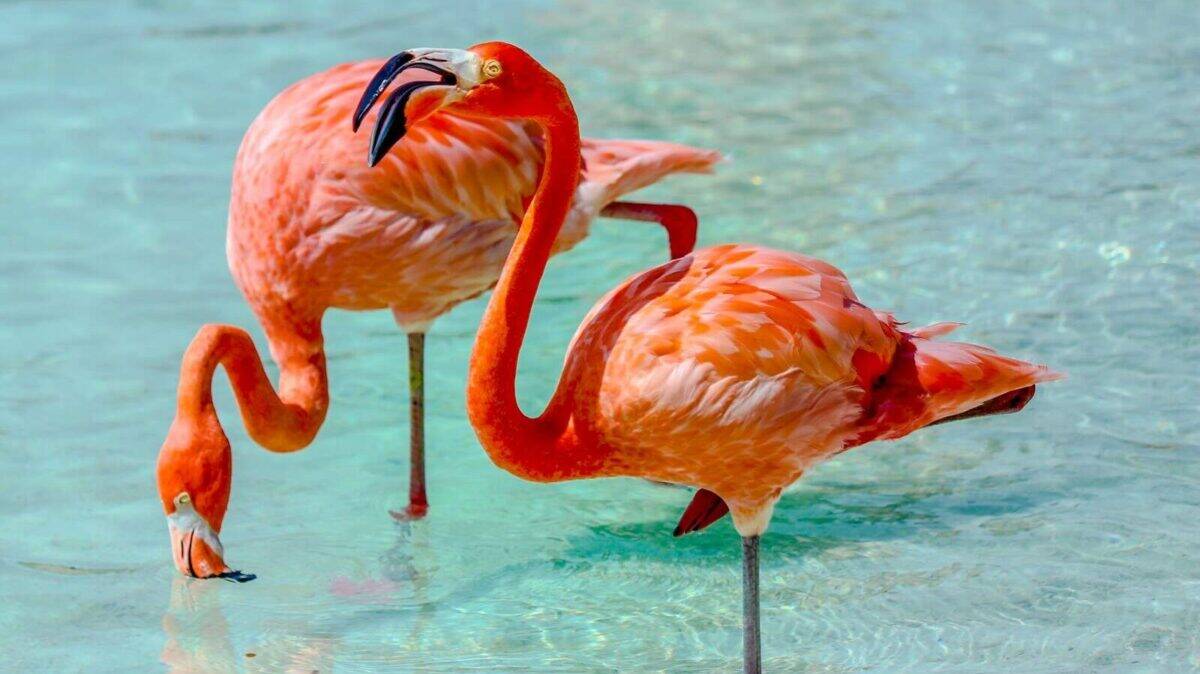
Flamingos engage in some of the most impressive group choreography in the animal kingdom. These distinctive birds perform elaborate group dances involving dozens or even hundreds of individuals moving in coordinated patterns. The displays typically begin with a small group of birds making head-flagging movements – rapid head turns from side to side – which spreads through the flock like a wave. This escalates into more complex behaviors including synchronized wing displays where birds simultaneously stretch and flash their wings, showing off their striking pink and black coloration.
What makes flamingo dances particularly fascinating is their contagious nature. Studies have shown that once a few birds begin displaying, others join in through a form of social facilitation, creating a ripple effect throughout the colony. The resulting spectacle serves multiple purposes: it helps synchronize breeding cycles within the colony, strengthens social bonds, and likely plays a role in mate selection. Research indicates that more coordinated dancers tend to be more successful in forming pairs. The flamingos’ group performances represent a remarkable example of emergent behavior – complex patterns arising from relatively simple interactions between individuals. Their pink ballets remind us that dance in nature isn’t always a solo affair but can be a community expression that strengthens group cohesion and coordinates important biological activities.
Sandhill Cranes: The Elegant Waltzers
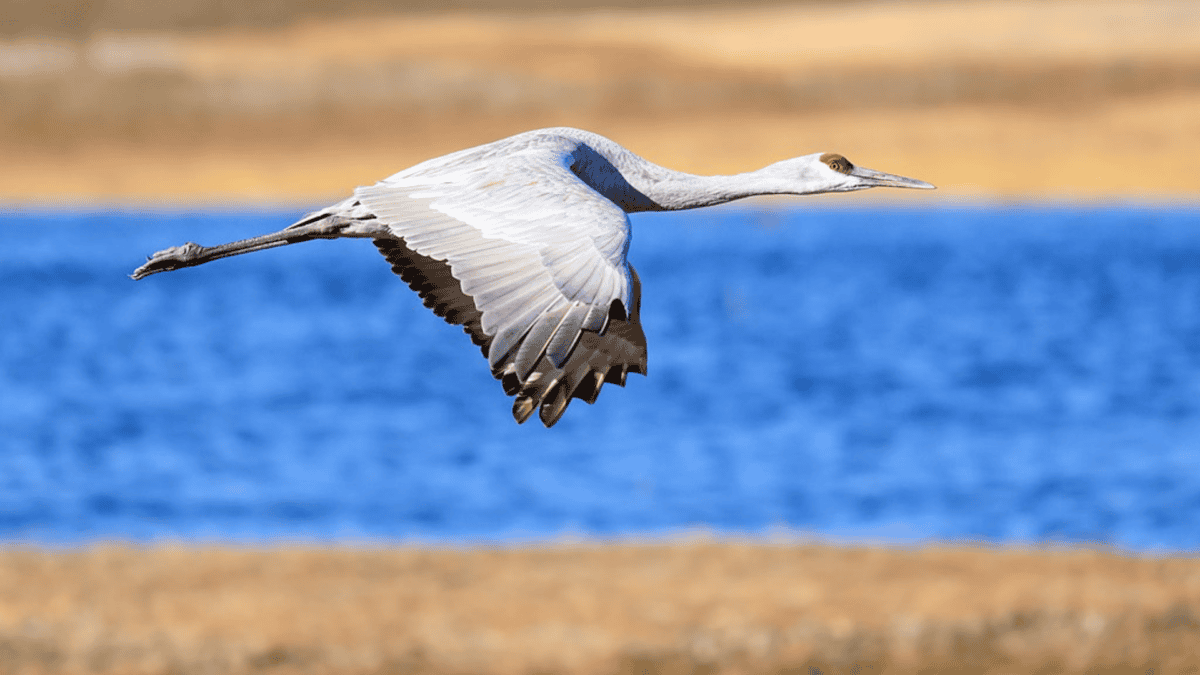
Sandhill cranes perform one of the most elegant partner dances in the animal kingdom, often compared to a formal waltz for its grace and coordination. Their courtship dance is an elaborate sequence that includes bowing, jumping, wing-flapping, and tossing sticks and grass into the air. What makes their performance particularly special is how the paired birds mirror each other’s movements, creating a synchronized display that strengthens their monogamous bond. These dances aren’t just for courtship – established pairs continue to dance throughout their lives, often during migration stopovers, reinforcing their relationship that can last for decades.
Young cranes begin practicing dance movements from an early age, initially performing awkward, playful hops and spins that gradually develop into the refined movements of adults. This suggests a learning component to their choreography, with juveniles observing and imitating the performances of experienced adults. The dancing behavior peaks during spring courtship but occurs year-round, particularly during social gatherings. When multiple pairs dance simultaneously at staging areas during migration, it creates spectacular scenes with dozens of elegant gray birds leaping and bowing in unison across open fields and shallow wetlands. This continuation of dancing beyond the immediate courtship period demonstrates how deeply ingrained these behaviors are in crane social life, serving as a form of communication that maintains pair and family bonds throughout their lives.
Jumping Spiders: The Tap Dancers of the Arachnid World

Beyond the flashy peacock spiders, the larger jumping spider family (Salticidae) contains numerous species with remarkable dancing abilities. The Saitis barbipes jumping spider of Europe performs what researchers have called “tap dancing” – a performance where males move their legs in precise rhythmic patterns while approaching females. What makes these displays particularly impressive is that jumping spiders possess exceptional vision for arthropods, with eyes that can detect fine movements. This has created evolutionary pressure for increasingly complex visual displays that female spiders can evaluate with their advanced visual systems.
Some jumping spider species incorporate substrate-borne vibrations into their performances, effectively adding a musical component that females detect through sensitive hairs on their legs. The male Habronattus jumping spiders of North America have evolved species-specific dance routines involving different combinations of leg waves, body bobbing, and vibrational signals – essentially creating multi-sensory performances combining visual displays with rhythm. High-speed video analysis has revealed that these tiny dancers can move specific appendages with millisecond-level precision, demonstrating remarkable neuromuscular control. The diversity of dancing styles among jumping spiders has made them important subjects for studying how sexual selection drives the evolution of complex behaviors, with different species developing their own distinctive choreography in response to female preferences.
Bower Birds: Dancers with Decorated Stages

Bowerbirds of Australia and New Guinea take the concept of performance to another level by combining dance with elaborate stage design. Males construct intricate structures called bowers – avenue-like formations of carefully arranged sticks – which they decorate with collected objects organized by color. Against this meticulously prepared backdrop, male bowerbirds perform complex dances involving rhythmic movements, vocalizations, and manipulation of their prized decorations. Some species hop from side to side with wings spread, while others perform with collected objects in their beaks, demonstrating both their physical coordination and their aesthetic sensibilities.
What makes bowerbird performances particularly remarkable is how they integrate environmental elements into their displays. The Vogelkop bowerbird creates a circular stage adorned with carefully arranged colorful fruits, flowers, and even human-made objects like bottle caps, which it rearranges during its performance. The Satin Bowerbird shows a strong preference for blue objects, collecting blue feathers, flowers, and berries (and in modern times, blue plastic and bottle caps) to create a color-coordinated display area. Female bowerbirds judge males on multiple criteria: the quality of their bower construction, the impressiveness of their collected decorations, and the skill of their dance performance. This multi-faceted evaluation has driven the evolution of what scientists consider to be among the most aesthetically sophisticated behaviors in the animal kingdom, suggesting cognitive abilities related to artistic expression that were once thought unique to humans.
Fiddler Crabs: The One-Armed Maestros
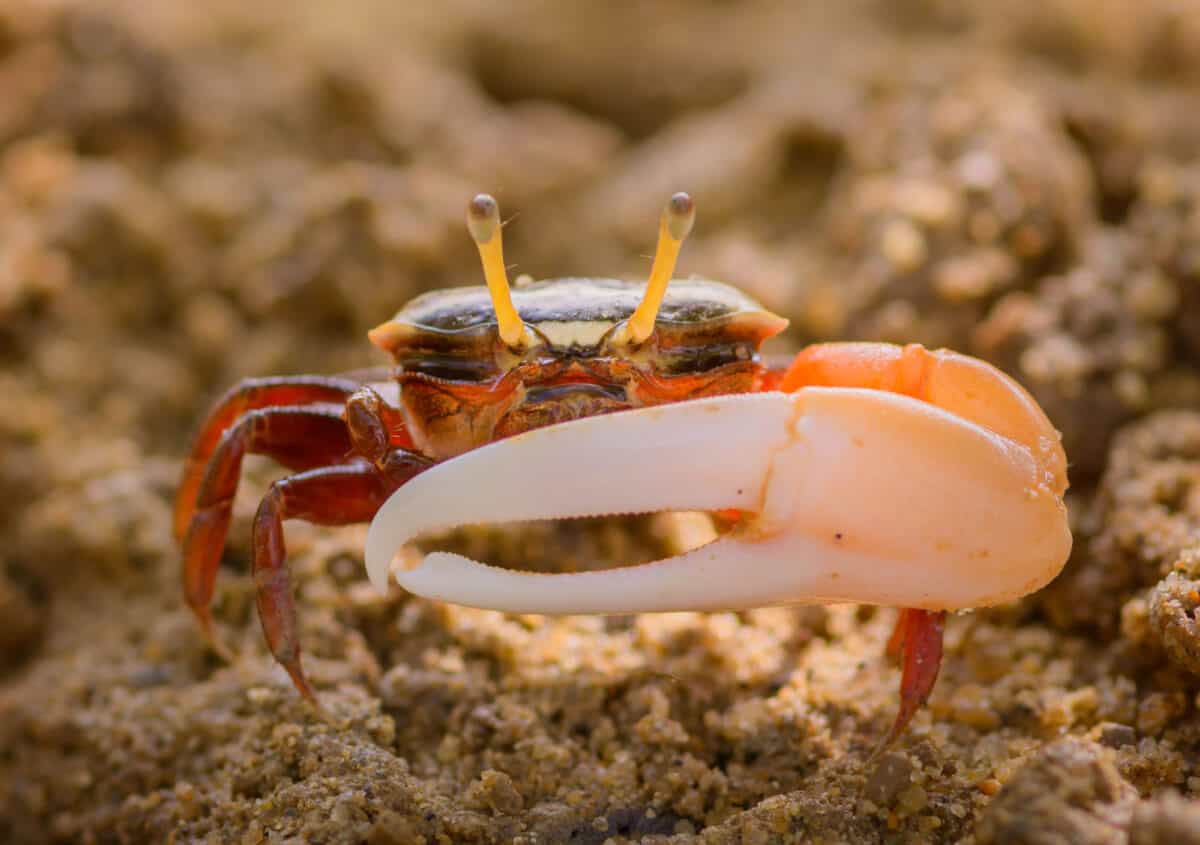
Male fiddler crabs perform one of the most distinctive dances in the animal kingdom, made particularly remarkable by their asymmetrical anatomy. These crustaceans possess one regular-sized claw and one greatly enlarged claw – which can constitute up to 40% of the male’s total body weight. During courtship displays, males stand on the tips of their walking legs and rhythmically wave this oversized claw in species-specific patterns. Some species perform simple up-and-down movements, while others execute complex figure-eight patterns or rapid vibrations that create visual signals visible to females from considerable distances across the mudflats where they live.
Research has revealed that female fiddler crabs evaluate multiple aspects of the male’s performance, including the height of the claw wave, its speed, and the consistency of the rhythm. Males with more energetic and precisely timed displays are generally preferred, as these performances honestly signal the male’s strength and stamina – important indicators of genetic quality. What makes these displays particularly challenging is that the male must maintain balance while waving a disproportionately heavy appendage, demonstrating his physical capabilities. Some species complement their visual displays with acoustic elements, tapping or stridulating their claws to create percussive sounds that accompany their movements. The diverse choreography of different fiddler crab species, with each having evolved its own signature dance style, makes them excellent subjects for studying how sexual selection drives the evolution of elaborate behavioral displays.
The Graceful Lessons of Nature’s Dancers
The remarkable dancing behaviors observed across the animal kingdom offer profound insights into the evolution of communication, aesthetics, and social behavior. These performances reveal that rhythm, coordination, and expression through movement are not uniquely human traits but fundamental aspects of biological communication that have evolved independently in multiple lineages. From the precise waggle dance of honeybees to the spectacular leaps of birds of paradise, these displays demonstrate how movement can convey complex information, strengthen social bonds, and signal genetic quality to potential mates.
Nature’s dancers remind us of the extraordinary diversity of solutions that evolution has produced for the universal challenges of finding mates and navigating social relationships. The precision, beauty, and complexity of these animal choreographies challenge our understanding of animal cognition and suggest that appreciation for rhythm and coordinated movement may be more widespread in biology than previously recognized. As we continue to study these natural performers, we gain not only scientific knowledge but also a deeper appreciation for the grace that emerges from the evolutionary process.
Perhaps most significantly, these animal dancers offer us a humbling perspective on our own artistic expressions. Long before humans performed their first dance, countless species were already perfecting their choreography across diverse environments. In this light, human dance appears not as a cultural invention but as an elaboration on a biological theme that connects us to a vast evolutionary heritage. By appreciating the dances of birds,insects, fish, and mammals, we recognize a shared impulse toward movement as communication—an impulse shaped by natural selection and refined over millennia. These displays blur the line between instinct and artistry, revealing that the roots of performance and expression run deep in the animal kingdom.
Ultimately, the graceful lessons of nature’s dancers remind us that beauty and meaning are not solely human constructs but are woven into the fabric of life itself. Whether performed to attract a mate, defend a territory, or build community, these dances reflect a fundamental drive to connect with others. In studying them, we not only uncover evolutionary strategies but also reconnect with a sense of wonder—a reminder that the world’s wild rhythms have been pulsing long before our own began.

From exploring the marine wonders in the Azores and witnessing the vast savannas of Kenya, to delving deep into the rich biodiversity of South Africa and traversing iconic landscapes in Australia and the US like Yellowstone, Chris's experiences are vast.
With a penchant for diving alongside sharks, the ocean holds a special place in his heart.
Through his academic insights, he champions wildlife conservation, striving with 'Animals Around The Globe' to cultivate a profound connection between humans and animals, enhancing our mutual appreciation.
Connect with him at Feedback@animalsaroundtheglobe.com.
- The Animal With the Heaviest Horns Uses Them Like Sledgehammers - July 30, 2026
- Why Some Animals Are Getting Smaller—and Others Bigger - July 30, 2026
- The Longest-Tailed Bird Uses It to Win Mates in Dazzling Displays - July 30, 2026