
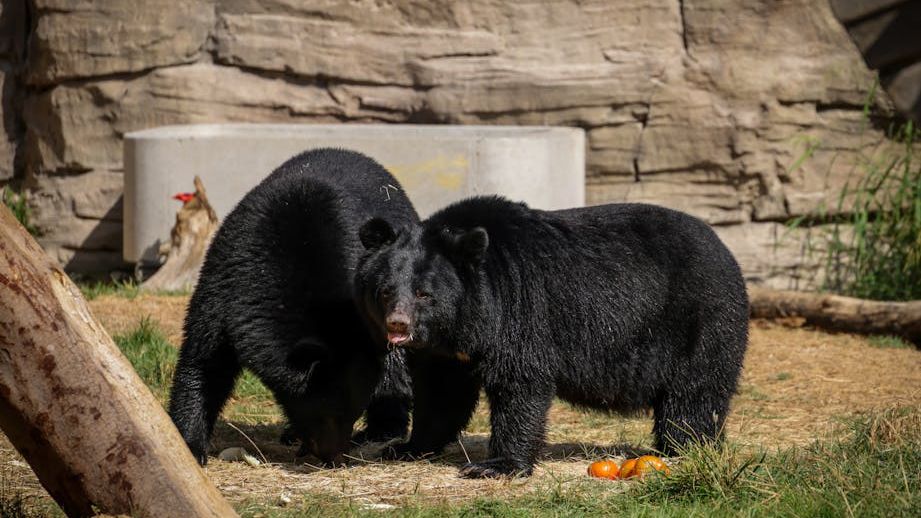
There was a time, not so long ago, when the idea of bears reclaiming vast stretches of the American landscape would have seemed almost laughable. Hunted to the brink, squeezed out by sprawl, and poisoned off farmlands, America’s bears were disappearing fast. Then something remarkable happened. Humans decided to fight back, not against the bears, but for them.
Today, the story unfolding across American forests, mountains, and even suburban edges is one of genuine, hard-won recovery. It involves scientists, landowners, tribal communities, hunters, and ordinary citizens doing something extraordinary together. The comeback isn’t perfect. It isn’t finished. Yet the numbers, the ranges, and the sheer presence of bears in places where they haven’t roamed in generations tells a story that deserves to be told.
So let’s dive in.
From the Brink: How Low Did Bear Populations Actually Fall?
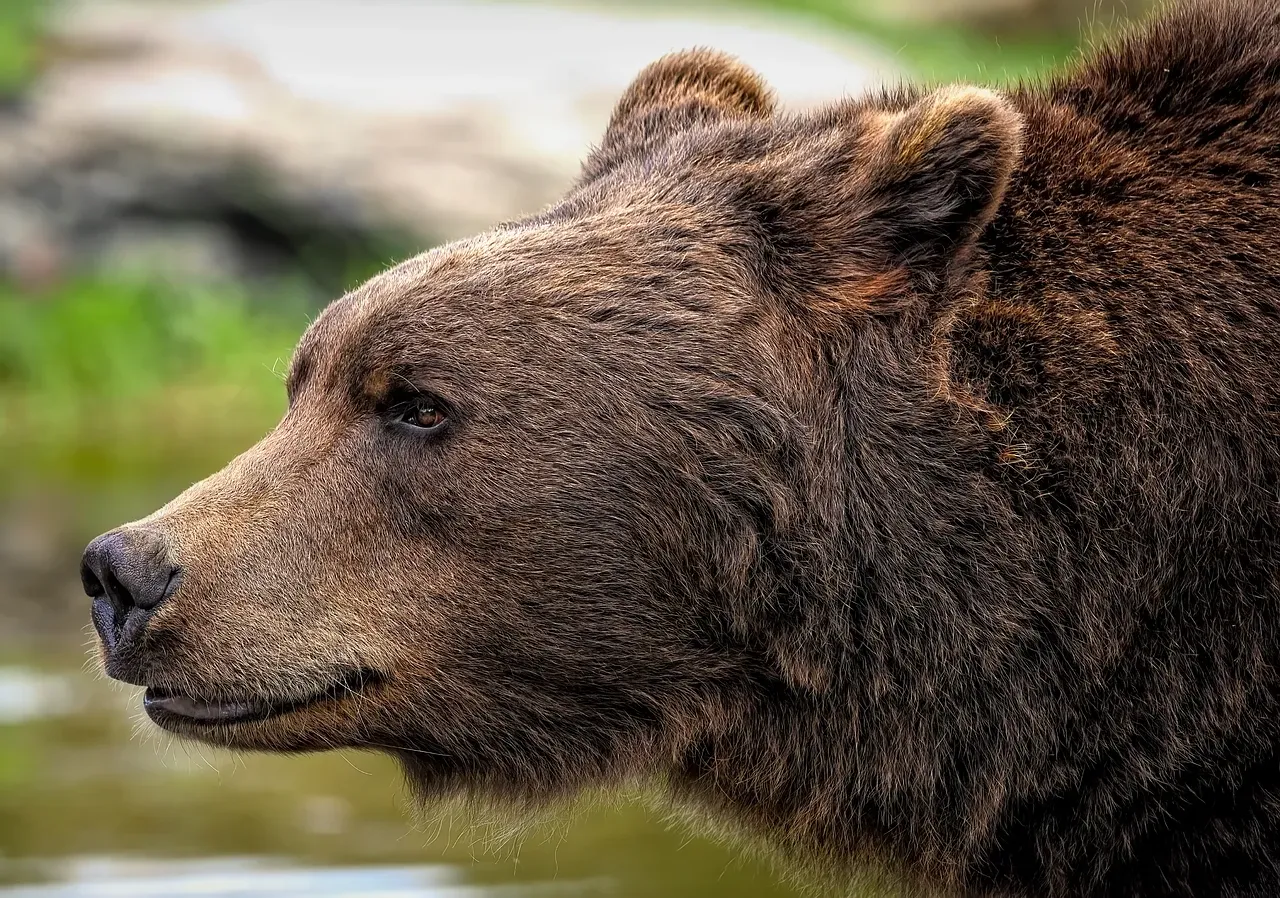
Let’s be real about where things started. The numbers were grim. Grizzly bears were reduced to close to two percent of their former range in the 48 contiguous states by the 1930s, approximately 125 years after first contact with European settlers. Think about that for a moment. Two percent. That’s not a dip in population. That’s near-erasure.
Grizzly bears are an icon of the American West. Historically, their numbers were close to 50,000, and their range stretched from Canada to Mexico and California to Kansas. As European settlers arrived in the 19th century and made way for industry and agriculture, these bears were negatively impacted by overhunting, poison, and habitat destruction.
Grizzly bears living in the lower 48 states were listed as a Threatened Species under the Endangered Species Act in 1975, when only 130 bears were living in and around Yellowstone. That figure is genuinely shocking. A species that once numbered in the tens of thousands had been compressed into a population barely large enough to fill a school gymnasium. For black bears, the picture was similarly bleak in many regions. Due to population declines resulting from habitat loss and over-hunting, the Louisiana black bear was added to the List of Endangered and Threatened Species under the Endangered Species Act in 1992.
It honestly took courage to believe recovery was even possible at that point. Yet believe it people did, and the results have been nothing short of stunning.
The Grizzly’s Remarkable Return: Numbers That Demand Attention
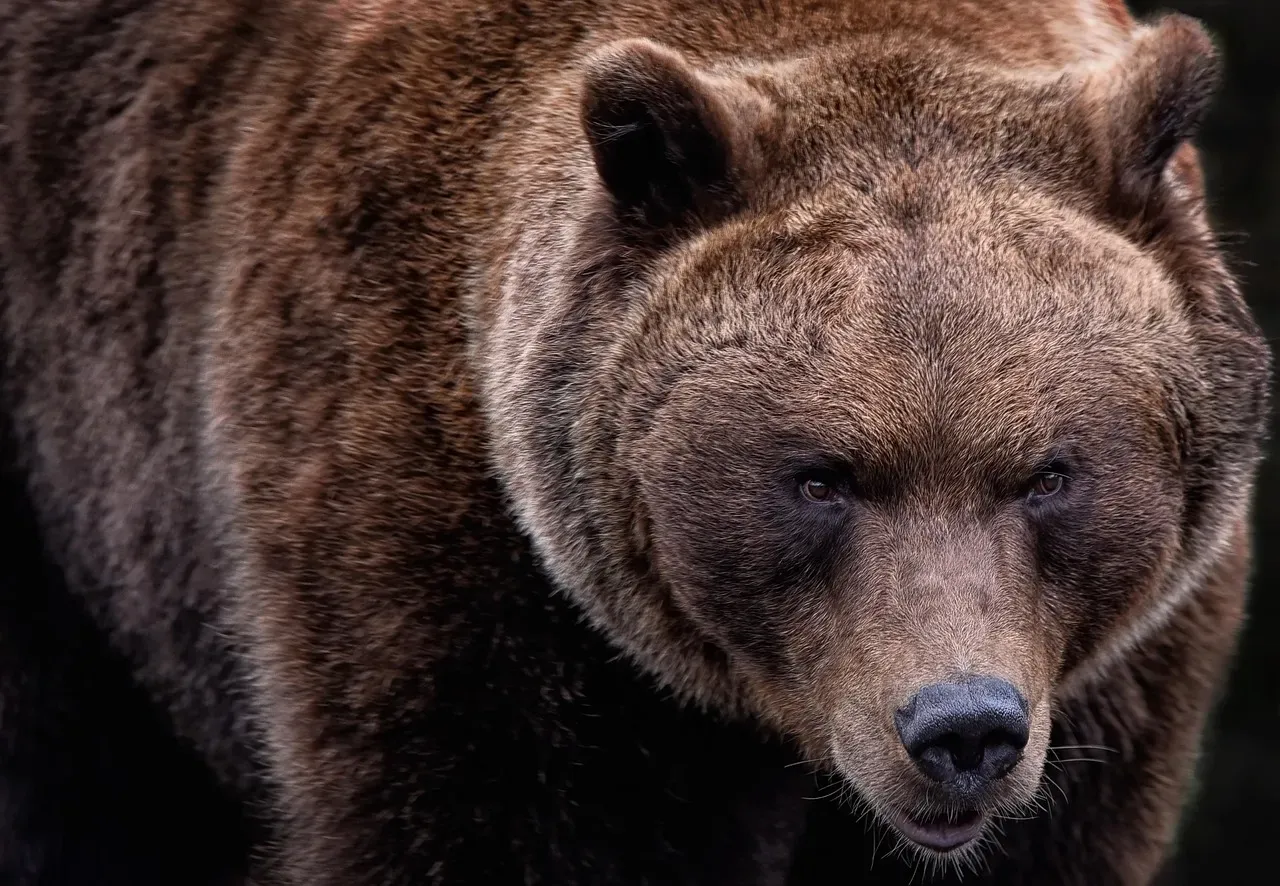
If the low point was heartbreaking, the comeback has been genuinely awe-inspiring. Today, between 950 and 1,000 grizzly bears roam Greater Yellowstone. From 130 bears to nearly a thousand, in the same landscape, in just a few decades. That’s not just conservation. That’s something closer to a miracle of collective will.
Currently, there are at least 1,923 individuals in the 48 contiguous states, with 727 in the Greater Yellowstone Ecosystem demographic monitoring area, 1,092 in the Northern Continental Divide Ecosystem, about 60 in the Cabinet-Yaak, and a minimum of 44 in the United States portion of the Selkirk Ecosystem. These aren’t small numbers anymore. These are recovering populations, real and measurable.
Grizzly bear populations are now geographically closer to each other than ever, and the U.S. Fish and Wildlife Service has documented grizzly bear movement between some populations, indicating recovery zones are no longer discrete. This increased movement of grizzly bears illustrates the success of conservation and management efforts to date. Think of it like a broken bridge slowly being rebuilt, plank by plank, until bears can actually cross from one population island to another.
Grizzly bear distribution has significantly expanded, largely due to the commitments of state, federal, and Tribal agencies. The work has been genuinely collaborative, spread across political lines and jurisdictions in a way that rarely happens in modern America.
Black Bears Across the Nation: A State-by-State Surge
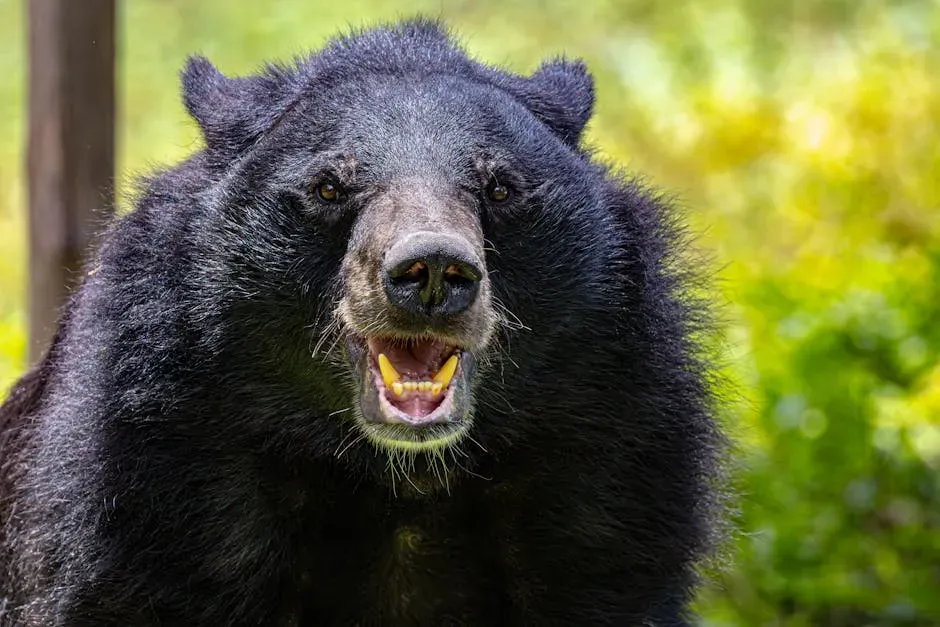
Populations of all three of North America’s bear species have increased during the past 50 years, attributable to reduced persecution and improved management. That’s the big picture. Zoom in, though, and the state-level stories are where it gets truly exciting.
The black bear population in the United States is estimated to be between 339,000 and 465,000 and is considered stable or increasing. Some individual state stories are almost hard to believe. In western North Carolina, the black bear population dramatically increased from about 3,000 in the early 2000s to over 8,000 in the 2020s. That’s not a modest uptick. That’s a tripling of a population within living memory.
North Carolina’s black bear ranges expanded from 5,000 square miles in 1971 to over 30,000 square miles by 2010. Today they occupy roughly three-fifths of North Carolina’s total land area. Missouri tells a similarly jaw-dropping story. The Missouri Department of Conservation’s 2024 annual report said the state’s bear population grew from an estimated 300 bears in 2012 to about 998 in 2024, with an eight percent annual growth rate.
New Hampshire’s 2024 Big Game Management Plan put the black bear population at 6,100, a 13 percent increase over 2014. Meanwhile, the story of the Louisiana black bear is among the greatest conservation success stories in the southern United States and is a testament to the North American Model of Wildlife Conservation. Delisted from the Endangered Species Act in 2016, the Louisiana subspecies went from endangered to hunted in a managed, science-led season by late 2024. That is a genuinely full-circle moment.
The Tools That Actually Work: Habitat, Science, and Coexistence
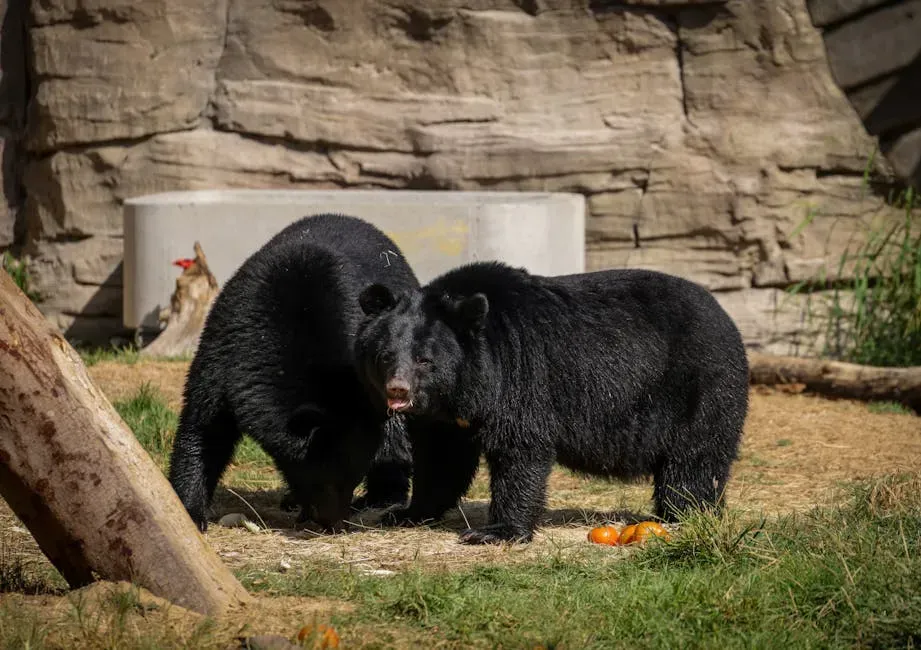
Here’s the thing about conservation success: it never happens by accident. The bear comeback is the product of a precise, layered toolkit that took decades to develop and refine. Black bear recovery from coast to coast is the product of decades of habitat work, science-based wildlife management, regulated hunting, public education, and the funding stream that hunters and firearm and ammunition manufacturers provide. I know that last part makes some people uncomfortable, but the data doesn’t lie.
Vital Ground, a leading conservation organization, protected more acres in 2025 than any year before and partnered to support more conflict prevention projects than ever before. Their landmark 2025 achievement was extraordinary. Just before New Year’s, Vital Ground, the Fellows family, and the U.S. Department of Agriculture’s Natural Resources Conservation Service completed a landmark project years in the making, conserving the Fellows Ranch in Montana’s Rocky Mountain Front region. At nearly 4,500 acres, it’s Vital Ground’s largest conservation easement ever, protecting more than seven miles of frontage and rich habitat along the Teton River.
California’s Department of Fish and Wildlife published an updated Black Bear Conservation and Management Plan in 2025, replacing the 1998 version with a modern framework to manage the state’s estimated 60,000 black bears. The comprehensive document outlines strategies to conserve bear populations that are ecologically functional, disease-resilient, and genetically diverse. California managing 60,000 black bears. That’s an entire ecosystem rebuilt from the ground up.
Re-establishing bear seasons also incentivizes private landowners to conserve and manage critical wildlife habitat. The “user pays, public benefits” structure of the American System of Conservation Funding generated over $44 million for conservation in 2023 alone. That’s real money flowing directly back into wild places.
Bears and People: The Coexistence Challenge That Defines the Next Chapter
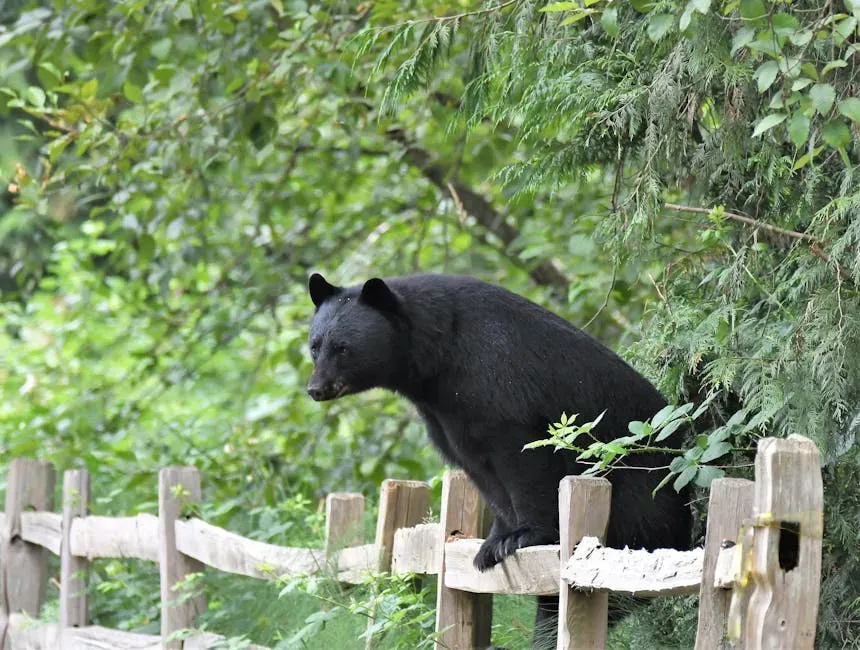
Recovery brings its own complications. More bears means more encounters, more nuisance complaints, and more pressure on communities that weren’t built with bears in mind. Conservation success breeds new challenges. As populations expand, so does natural range. More communities have bears. It’s the ecological version of a good problem to have, but a problem nonetheless.
West Virginia showed strong outcomes in recent management data: nuisance complaints have fallen 55 percent, damage claims dropped 26 percent, and non-hunting bear mortalities declined 19 percent from 2023 to 2024. Those numbers tell a compelling story about what science-guided management actually looks like in practice. It isn’t just about counting bears. It’s about reducing the friction between bears and the people living near them.
From Wyoming to Washington, from electric fencing to bear-proof garbage to bear safety education, 18 conservation partner projects in 2025 laid the groundwork for coexistence in vital locations across the region. Think of these projects as tiny but crucial stitches holding together the social fabric between human communities and wildlife. In the Flathead Valley west of Glacier, Vital Ground partners are improving coexistence through bear-resistant dumpster programs and electric fencing efforts to help businesses secure their garbage areas.
With their typical habitat fragmented, bears have to pass through human-settled areas more often, which creates opportunities for them to learn that humans are a source of food. Conservation organizations are working to protect corridors of land that connect large areas of forest, helping reduce such conflicts. It’s a race, honestly. Can we build the corridors and install the bear-proof bins fast enough to keep pace with the expanding bear population? So far, the evidence says yes, barely, and with tremendous effort.
Conclusion: A Success Story Still Being Written
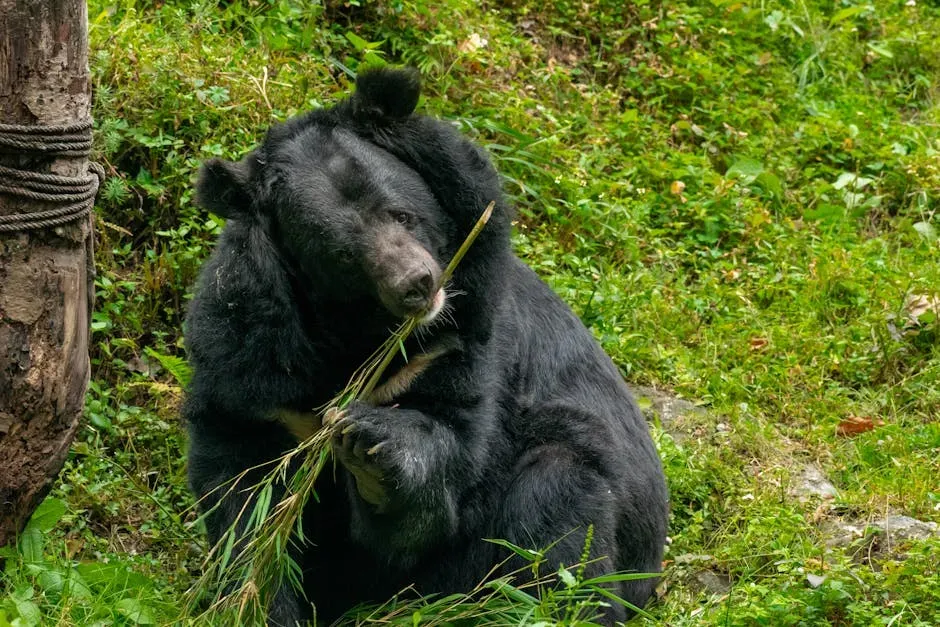
The great bear comeback is one of the most inspiring conservation narratives in American history. From fewer than 130 grizzlies in Yellowstone to nearly 2,000 across the lower 48 states. From a Louisiana black bear on the endangered list to a managed, thriving population strong enough to support a hunting season. From black bears vanished from much of their range to populations spreading across states where they haven’t been seen in a century. The trajectory is unmistakably positive.
Yet it would be a mistake to declare victory and walk away. Experts note that recovery is not yet complete, and populations remain unconnected, meaning distinct grizzly habitat sections still need to be linked for the long-term health of the species. Grizzlies still occupy less than two percent of their historic range. Some ecosystems remain empty of bears entirely. The work is real, the progress is real, and the remaining distance is real too.
What the bear comeback proves, more than anything, is that when science leads, when communities commit, and when funding flows to the right places, wild creatures can come back from the edge. Bears are tough, adaptable, and resilient. Turns out, so are the humans who fight for them.
The question now is whether that commitment holds. What do you think, will we keep protecting the landscapes bears need to truly thrive? Let us know in the comments.
