
Something strange happens when you drive through what used to be a forest and now looks like an endless ribbon of strip malls and subdivision cul-de-sacs. You might not think twice about it. Most people don’t. Yet beneath every new parking lot, every freshly paved road, and every sprawling housing development, a silent accounting is taking place – one that wildlife across America is paying for with territory, survival, and in some cases, existence itself.
The United States is pushing outward at a pace that few of us fully grasp. Cities stretch further. Roads multiply. Wetlands vanish. Forests are cleared for cropland or condos. The price tag for human convenience and growth is rarely listed on any invoice, but it is being collected, species by species, ecosystem by ecosystem. What follows is a closer look at what that cost actually is, and honestly, it’s more alarming than most people would guess.
When “Growth” Becomes Someone Else’s Loss
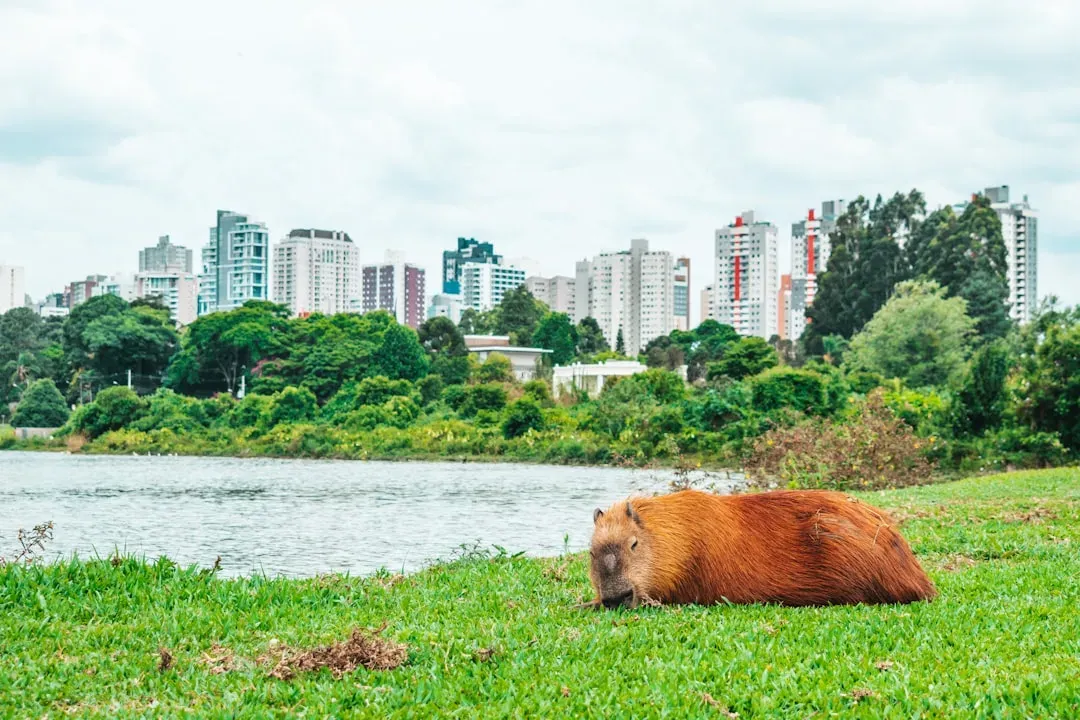
Let’s be real – the word “growth” sounds like a good thing. Economies grow. Children grow. Communities grow. But as the growing human population reaches further and further into remote areas in search of room to build cities, housing developments, golf courses, and new farms, it is squeezing wildlife into ever smaller habitat refuges.
Think of it like a slowly deflating balloon. The animals don’t disappear all at once. Their space simply gets smaller and smaller until there’s nowhere left to go. For endangered species like the green sea turtle, Mississippi gopher frog, cactus ferruginous pygmy owl, Alabama beach mouse, and California condor, there is often nowhere else to go when the developments march in. These species and many others are in danger of following the Lake Sammamish kokanee salmon into extinction.
That salmon story is worth pausing on. The kokanee steadily declined as Seattle sprawled eastward, polluting its water and destroying its spawning habitat. It went extinct in 2001. A whole species, gone. Not because of a meteor or a plague – because of suburbs.
Habitat loss and fragmentation, much of it due to urban sprawl, remains the biggest immediate threat to imperiled species in the United States. It’s not dramatic or visible in the way a wildfire is. It’s slow, cumulative, and almost entirely driven by decisions made in city planning offices and real estate boardrooms.
The Fragmentation Problem Nobody Talks About at the Dinner Table
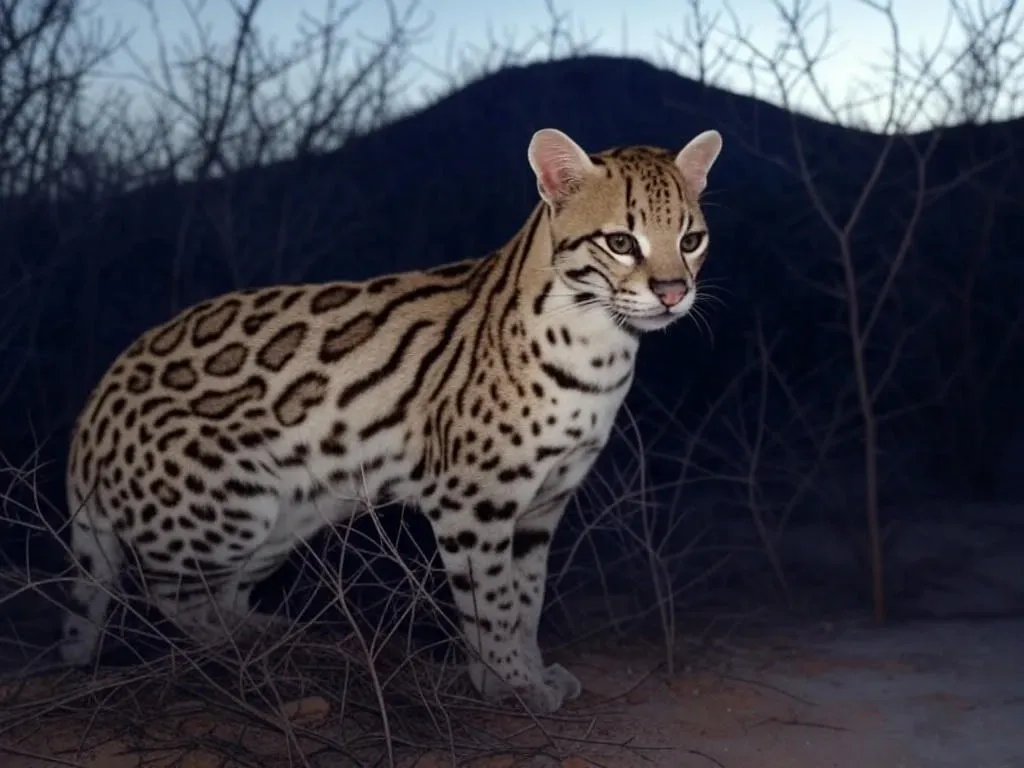
Here’s the thing about habitat fragmentation – it sounds technical, almost boring. But the consequences are anything but. Urbanization does not only destroy habitats but also fragments them. Habitat fragmentation occurs when large, continuous areas of habitat are broken up into smaller, isolated patches due to roads, buildings, or other urban infrastructure. These fragmented habitats are often too small or disconnected to support wildlife populations, leading to reduced species diversity and survival rates.
Imagine if every road out of your neighborhood was suddenly blocked. You’d run out of food eventually. You’d stop meeting new people. Your community would slowly deteriorate. Species that rely on large, contiguous areas of habitat may be unable to move between these patches, leading to inbreeding, a lack of genetic diversity, and a higher risk of local extinctions.
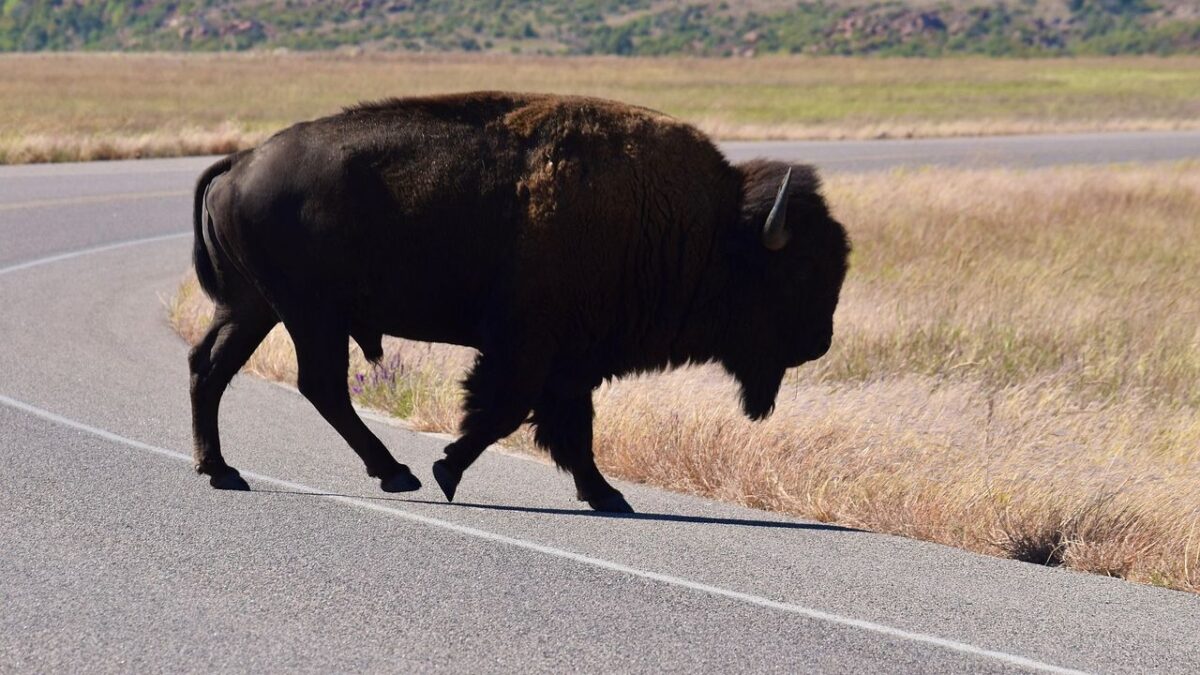
The mountain lion situation in Southern California is one of the most striking examples of this. In the United States, vehicle collisions are now a leading cause of death for mountain lions. Expanding road networks divide their habitats, isolating them and limiting their ability to roam. In Southern California, some groups of mountain lions are so cut off that they are suffering from inbreeding and a lack of genetic diversity, which further compounds the pressures they face.
Roads, fences, and development break up landscapes and block wildlife migration, limiting animals’ access to food, water, and mates, which can cause population declines and reduce biodiversity by up to 75%. That’s a staggering number. Yet the roads keep getting built. The fences keep going up. And the animals keep losing ground.
Wetlands, Forests, and the Land We Don’t Think Twice About Paving Over
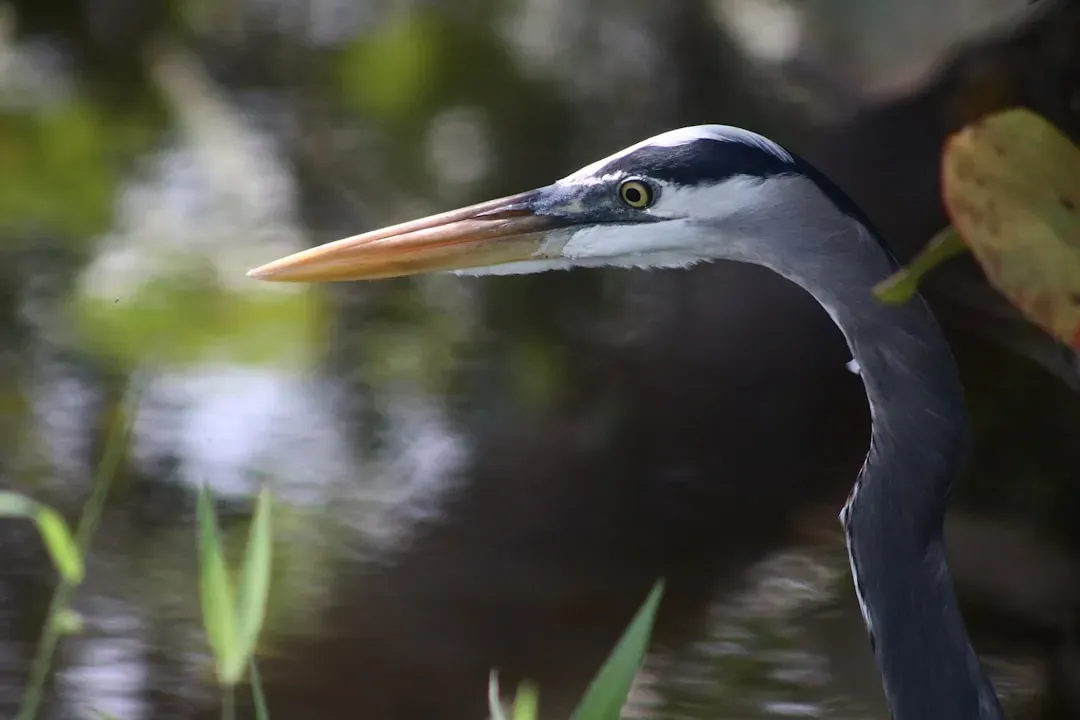
There’s a special kind of grief reserved for wetlands. Most people wouldn’t recognize one if they walked through it. Yet in addition to deforestation, the draining of wetlands is another significant issue caused by urban expansion. Wetlands serve as critical habitats for a variety of species, including amphibians and birds.
The numbers here are genuinely shocking. Between the 1780s and the 1980s, more than half of the wetlands in the continental United States were lost to dredging, filling, channelization, dams, and other aspects of rural and urban development. About half of Florida’s wetlands have been destroyed. Some states, such as California and Ohio, have lost over 90 percent of their wetlands.
Ninety percent. Let that sink in. That’s not modest trimming around the edges of a natural system. That’s near-total erasure.
Scientists at the U.S. Forest Service and partners at universities, nonprofits, and other agencies predict that urban and developed land areas in the US will increase 41 percent by 2060. Forested areas will be most impacted by this expansion, with losses ranging from 16 to 34 million acres in the lower 48 states. Wild forests, meadows, and wetlands are also disappearing, replaced by pavement, buildings, and sterile urban landscaping.
The remaining habitat is smaller, degraded, and more fragmented, making survival of certain wildlife species very difficult as they try to reach breeding ponds, hibernation sites, feeding locations, or to establish territory. It’s the ecological equivalent of trying to run a marathon in a shrinking room.
The Roads We Built and the Lives They Cost
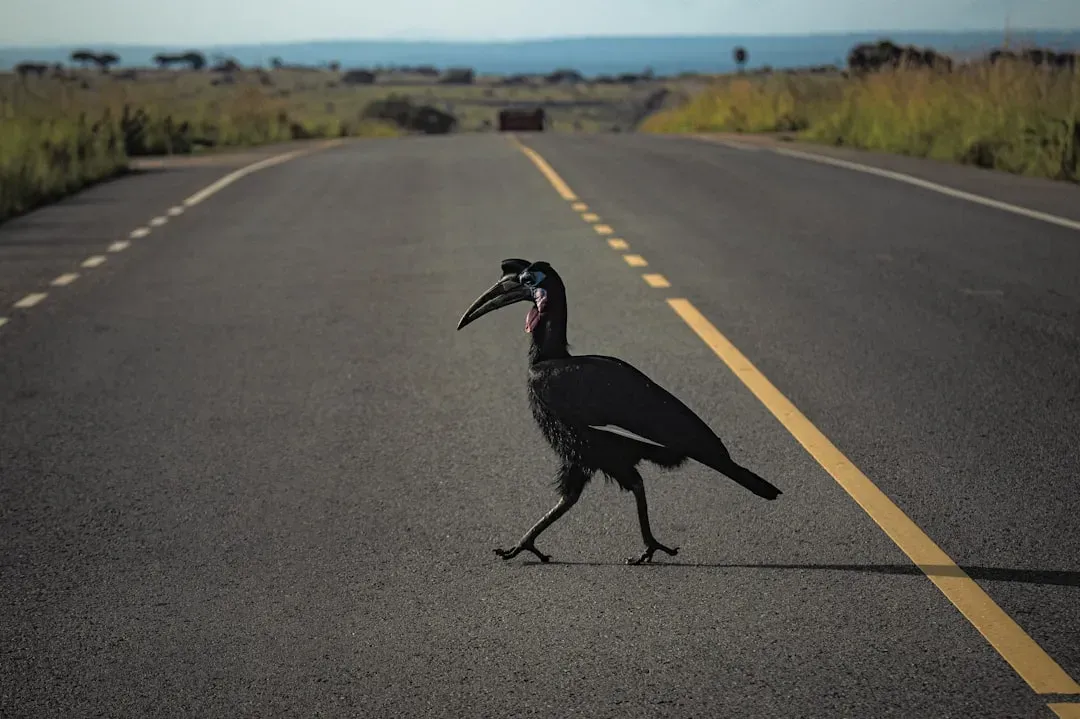
It’s easy to forget that roads don’t just connect us – they cut through something else entirely. According to the United States Forest Service, 2 million individual animals are killed in vehicle collisions annually across the US. The fragmentation caused by these roads also separates entire populations from each other, further accelerating biodiversity loss.
Two million animals. Every single year. That’s not a statistic – that’s a tragedy playing out in slow motion across every interstate and county highway in the country.
Dangerous, expensive collisions with large mammals like elk, deer, and bears kill or injure 26,000 people and cost $10 billion annually in the US alone. So the roads don’t just harm wildlife – they harm us too. It’s a two-way street, quite literally, and we’ve been building them without thinking about the full picture.
Beyond the immediate danger of collisions, road systems and urban sprawl disrupt animal movement patterns, separating populations and affecting access to food, water, and mating opportunities. Over time, these disruptions can have profound impacts on local wildlife populations, decreasing genetic diversity and reducing species resilience. A species that can’t move freely can’t adapt. And a species that can’t adapt doesn’t last.
Signs of Hope: Can We Build Smarter Than We’ve Destroyed?
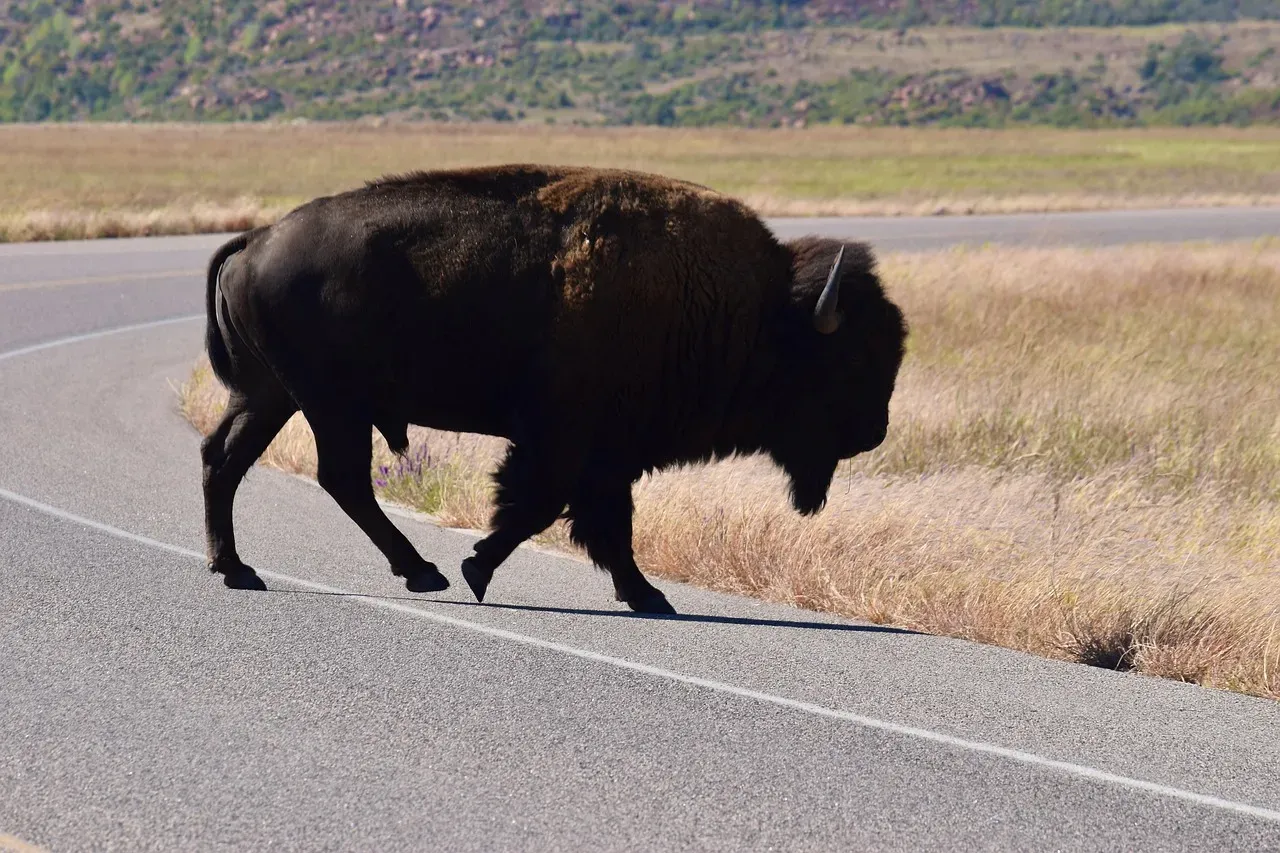
I think this is where the story gets genuinely interesting, because it doesn’t have to end in despair. There are people fighting back – and some of the solutions are almost elegant in their simplicity. Science increasingly underscores the benefits to people and nature of habitat connectivity – networks of lands and waters protected from development, where wildlife can follow their ancestral migration routes. For people, these connected natural areas protect clean drinking water supplies, create greenways that link neighborhoods, boost community well-being, and increase property values.
When complete, the Wallis Annenberg Wildlife Crossing will turn a deadly stretch of freeway into a life-saving passage for mountain lions, deer, and countless other animals. It is a truly hopeful reminder that even in one of the most developed parts of California, we can still choose to build a future where wildlife has a place to roam freely.
The economics of wildlife crossings are also surprisingly compelling. Wildlife crossing structures – such as overpasses, underpasses, and fencing – that provide safe passage for migrating animals across busy roads can reduce wildlife-vehicle crashes by more than 90%. Research has found that one wildlife crossing can prevent about 1,400 accidents over a 70-year lifespan, which translates into billions of dollars in savings.
Changes caused by human activity, including urbanization, climate change, and the conversion of forests to cropland, mean there are fewer habitats to support plants and animals. Creating and supporting native habitats in urban areas – in public spaces and your own yard – is essential to combating biodiversity loss. It’s hard to say for sure how quickly individual actions add up, but the science suggests they matter more than most of us realize.
Conclusion: The Bill Is Coming Due
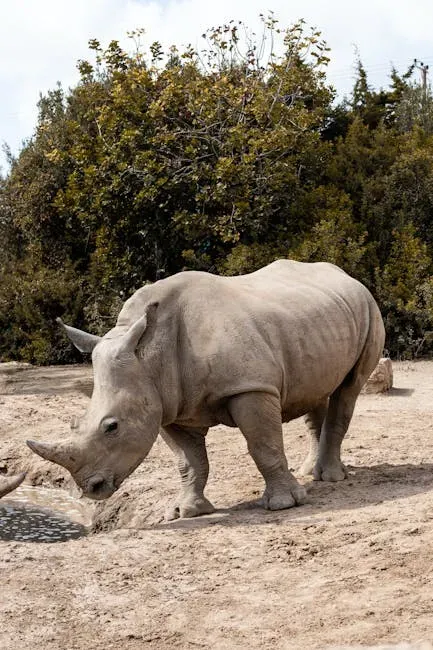
The hidden costs of human expansion across the US are not really hidden at all. They’re visible in every species pushed to the brink, every wetland drained for a parking lot, every mountain lion trapped by a highway with nowhere to run. We’ve been writing checks that nature can’t cash for centuries. More than one-third of US fish and wildlife species are at risk of extinction in the coming decades.
That is the true cost of unchecked expansion. Not the price of the land, not the cost of development permits – but the irreversible loss of creatures and ecosystems that took millions of years to evolve.
The encouraging news is that awareness is growing, legislation is advancing, and solutions like wildlife crossings and habitat corridors are proving their value both ecologically and economically. The question isn’t whether we can grow more responsibly. The question is whether we will choose to.
What would it mean to you if the wild spaces near your home disappeared entirely? Tell us your thoughts in the comments below.

- 22 Horse Breeds Vets Refuse to Let Their Own Children Ride - July 30, 2026
- 22 Horse Breeds Vets Refuse to Let Their Own Children Ride - July 30, 2026
- The Clingy-Looking Dog Breed That Is Secretly the Most Independent of All - July 30, 2026