
Worried about unexpected vet bills?
Pet insurance can cover thousands in unexpected vet costs. Get a free quote from Lemonade in under 2 minutes.
Get My Free Quote →Sponsored · Opens Lemonade.com
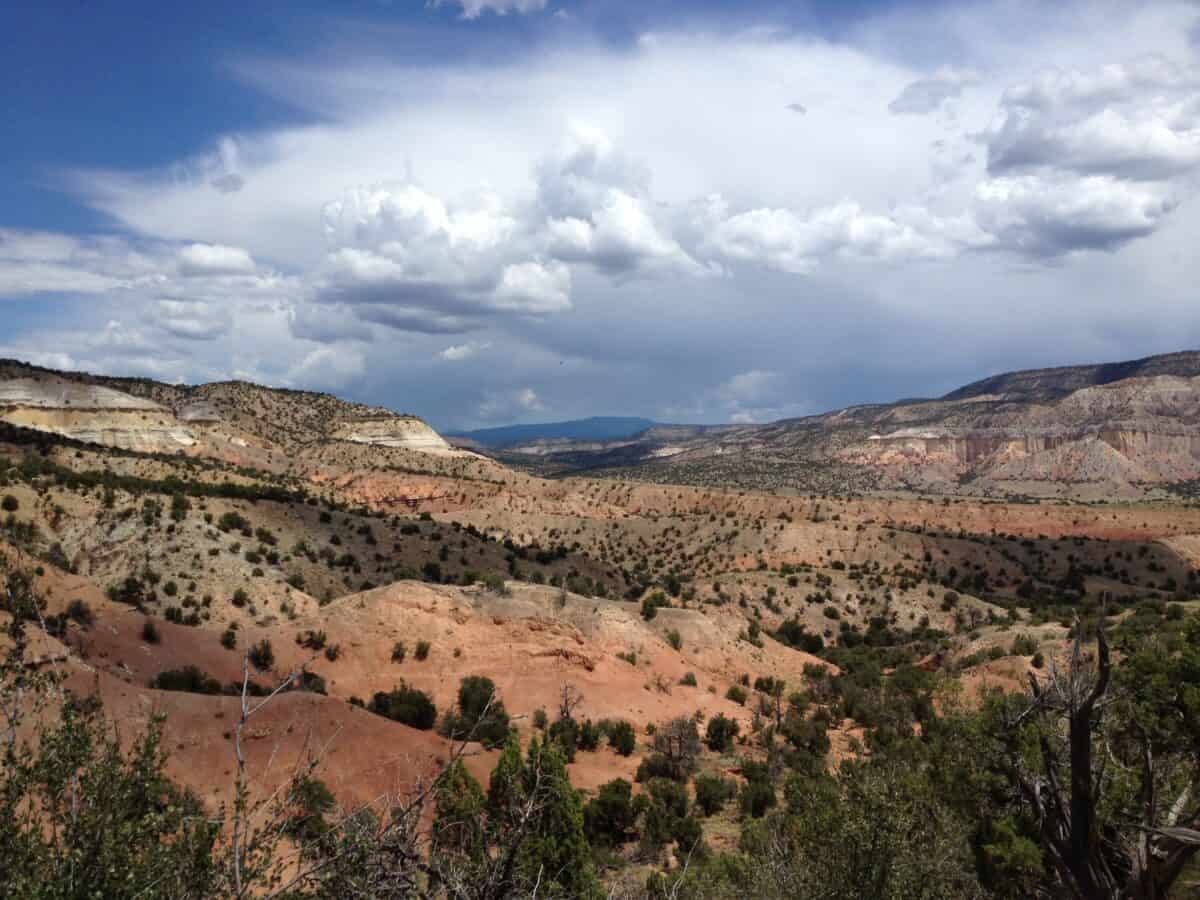
Nestled within the lush greenery of southern Oregon’s Fremont-Winema National Forest lies one of America’s most peculiar geological wonders—a desert concealed beneath a thriving forest canopy. The Oregon Outback, as locals call it, represents a remarkable environmental paradox where two seemingly incompatible ecosystems exist in perfect harmony. This hidden desert beneath a forest canopy creates an ecological marvel that challenges our conventional understanding of natural habitats. With towering ponderosa pines and juniper trees growing from sandy, arid soil more typical of desert landscapes, this region exemplifies nature’s remarkable adaptability. Let’s explore this fascinating geographical anomaly, where forest meets desert in a stunning display of environmental contrast.
The Geological Contradiction
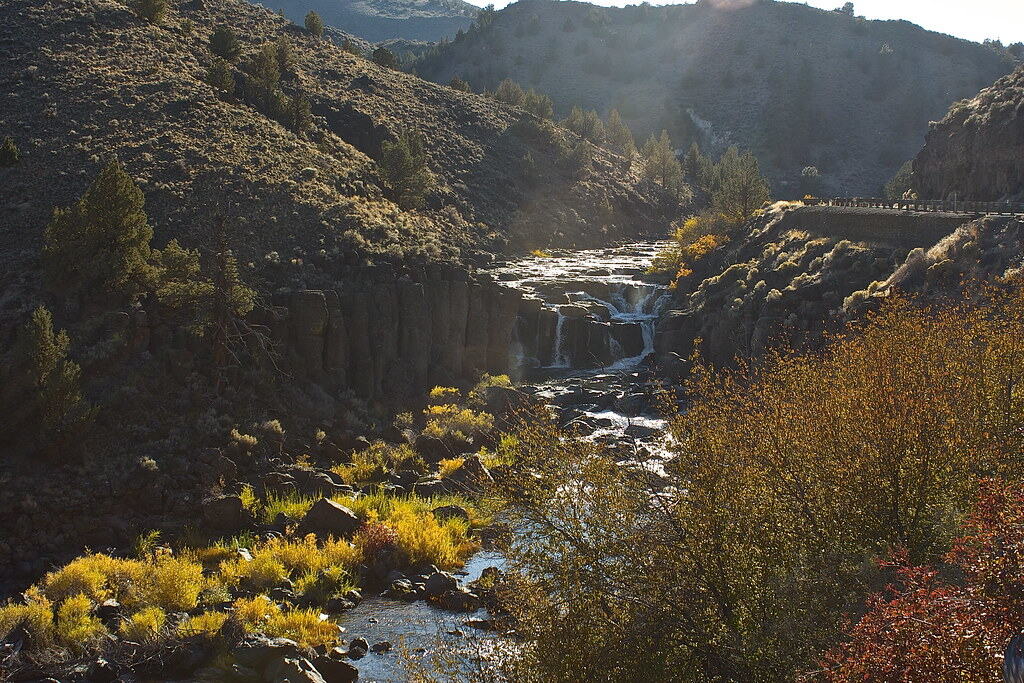
The Oregon Outback presents a captivating geological contradiction that puzzles first-time visitors. Unlike traditional forests that grow in rich, moist soil with abundant rainfall, this unique ecosystem features full-grown coniferous trees thriving in what is essentially desert conditions. The forest floor consists predominantly of volcanic pumice and ash deposits rather than the organic matter typically associated with woodlands. These volcanic materials, remnants of the catastrophic eruption of Mount Mazama (now Crater Lake) approximately 7,700 years ago, create a porous substrate that allows water to drain rapidly, establishing desert-like conditions at ground level despite the forest canopy above. This distinctive soil composition supports both desert-adapted plants and forest species, creating a rare ecological convergence found in few other places on Earth.
Historical Formation Process
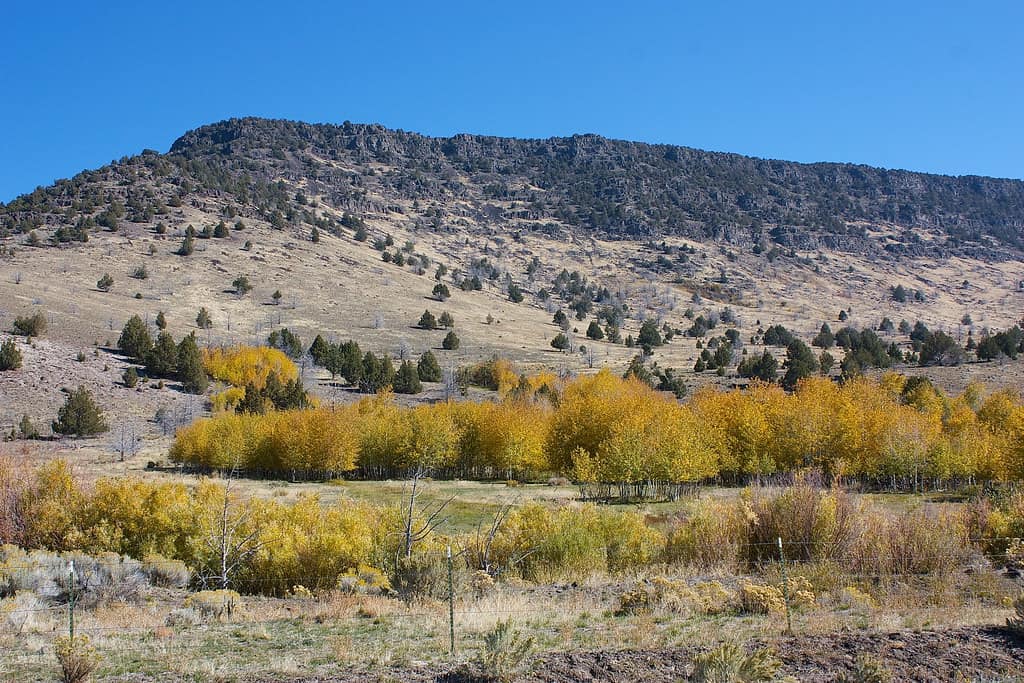
The formation of this forest-desert hybrid began with the cataclysmic eruption of Mount Mazama around 5700 BCE. This volcanic event, one of the most powerful in North American history, ejected an estimated 12 cubic miles of material into the atmosphere and across the surrounding landscape. The eruption blanketed the region with a thick layer of ash and pumice, fundamentally altering the soil composition. Over millennia, hardy pioneer species of vegetation gradually colonized this challenging terrain, eventually giving way to more complex plant communities. Unlike other volcanic zones that eventually developed typical forest soils, the unique climate conditions of this region—with its rain shadow effect from the Cascade Mountains—preserved the desert-like qualities of the soil while still allowing sufficient precipitation for trees to establish themselves. This delicate balance of conditions created the paradoxical ecosystem we observe today.
Climate Dynamics at Play
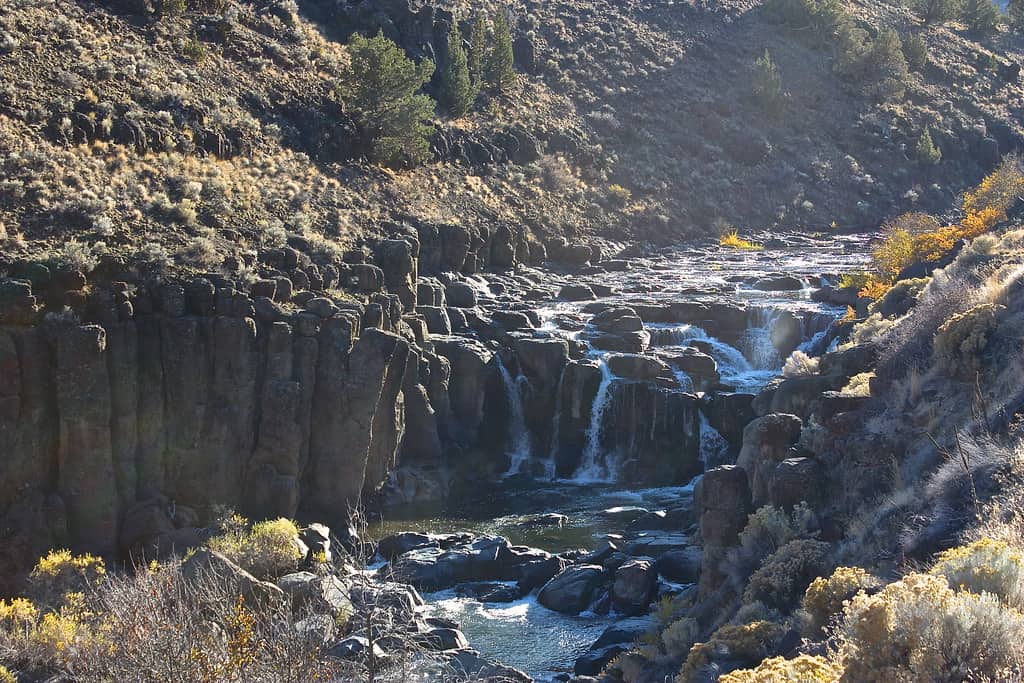
The climate dynamics that maintain this forest-desert ecosystem operate within narrow parameters. The region experiences approximately 20-25 inches of annual precipitation—enough to support coniferous forests but significantly less than typical forest environments that might receive 40+ inches yearly. What makes this ecosystem possible is the timing of precipitation, with much of it falling as snow during winter months, allowing for slow release of moisture during spring thaws. Summer conditions resemble true desert environments, with temperatures frequently exceeding 90°F (32°C) and humidity levels dropping below 20%. The dramatic temperature fluctuations between seasons and even between day and night (sometimes exceeding 40°F/22°C difference) create conditions where both desert-adapted and forest-adapted species must develop remarkable resilience. This climate pattern, while challenging, creates the precise conditions needed to maintain the forest-desert balance.
Remarkable Plant Adaptations
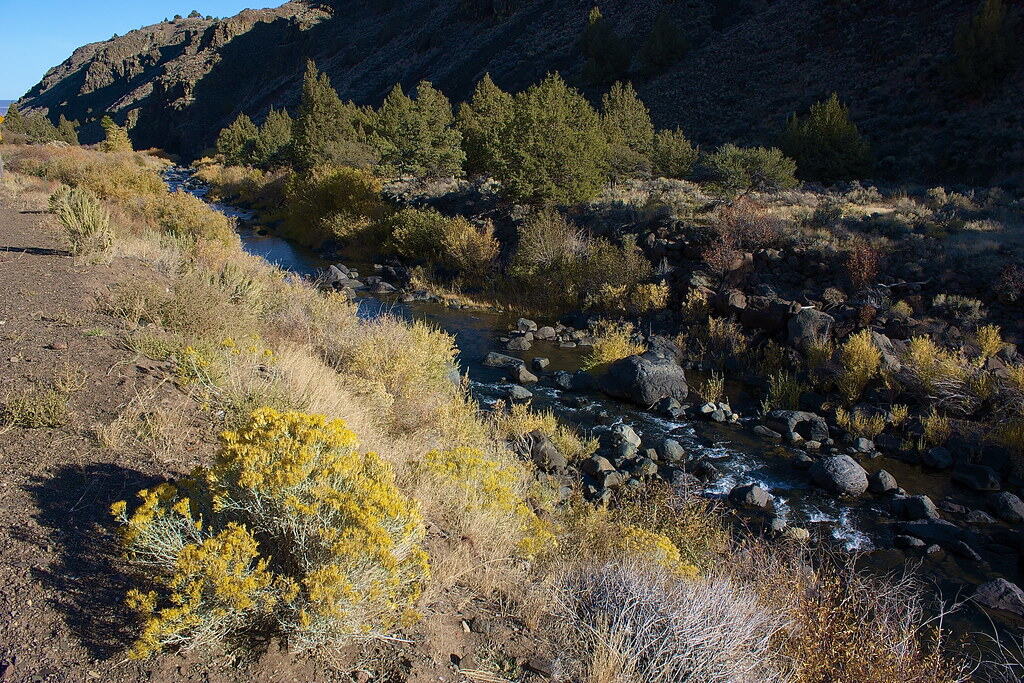
The plant species in this hidden desert-forest have evolved extraordinary adaptations to thrive in this contradictory environment. Ponderosa pines, the dominant tree species, have developed exceptionally deep taproots that can extend over 30 feet into the ground to access water tables far below the arid surface soil. Their thick, puzzle-piece bark both insulates against extreme temperature changes and provides protection from the periodic wildfires that are essential to this ecosystem’s health. Understory plants display classic desert adaptations despite growing beneath a forest canopy: waxy cuticles to prevent water loss, small leaf surface areas, and specialized metabolic processes that maximize photosynthesis during brief periods of water availability. Many plants here, such as antelope bitterbrush and rabbitbrush, exhibit both desert and forest traits—capable of surviving drought conditions while also tolerating the partial shade created by the tree canopy. This remarkable adaptability represents one of the most sophisticated examples of ecological resilience in North America.
Wildlife Diversity in Dual Habitats

The wildlife that inhabits this unusual ecosystem has adapted to capitalize on both forest and desert resources. Mule deer move seamlessly between the forest canopy for shelter and the desert understory for specialized forage plants. Golden-mantled ground squirrels have developed behaviors that allow them to manage temperature extremes, retreating to the shade of trees during peak heat while taking advantage of warmer microclimates in open areas during cooler periods. Bird species diversity here is particularly noteworthy, with over 160 species recorded. White-headed woodpeckers, which typically require mature forest habitats, nest in the same areas where desert-dwelling sage thrashers forage for insects. Reptiles like the western fence lizard exhibit population differences from their counterparts in pure desert or pure forest environments, with unique temperature regulation behaviors adapted to this hybrid landscape. This biodiversity represents an ecological study in adaptation, with species developing specialized traits to exploit the advantages of both ecosystem types while mitigating their challenges.
Soil Composition Analysis
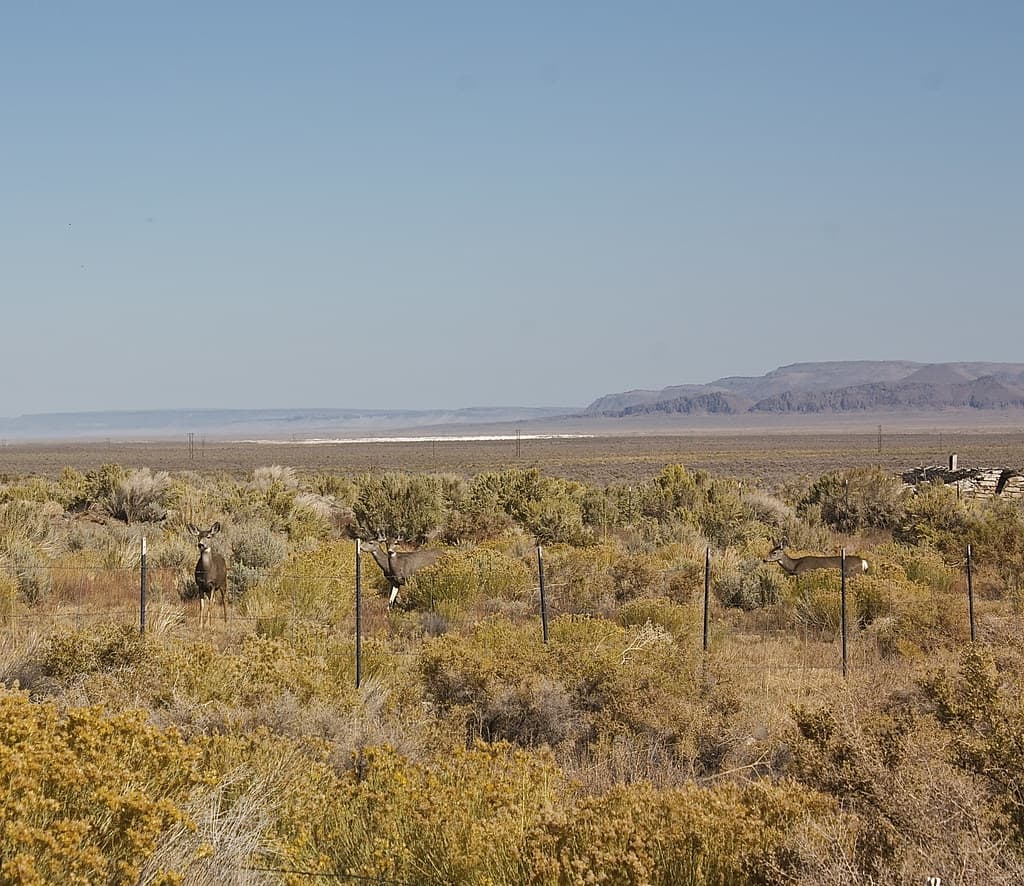
Scientific analysis of the soil in this forest-desert ecosystem reveals a composition unlike either typical forest or desert soils. Core samples show a distinctive layering pattern: a thin top layer of organic material from pine needles and forest litter, followed by a much thicker layer of fine volcanic ash and pumice that extends several feet deep. This volcanic substrate contains unusually high concentrations of certain minerals, particularly silica, aluminum, and potassium, but has relatively low levels of nitrogen and phosphorus compared to typical forest soils. The pH tends toward slightly alkaline (7.2-8.0), more characteristic of desert environments than acidic forest floors. Perhaps most significantly, the soil demonstrates extremely low water retention capacity—studies show it holds approximately 70% less moisture than comparable forest soils in nearby regions without volcanic deposits. This unique composition creates the fundamental conditions that support the desert-forest hybrid ecosystem, allowing for rapid drainage that establishes desert conditions at the root zone despite the forest canopy overhead.
The Role of Fire Ecology
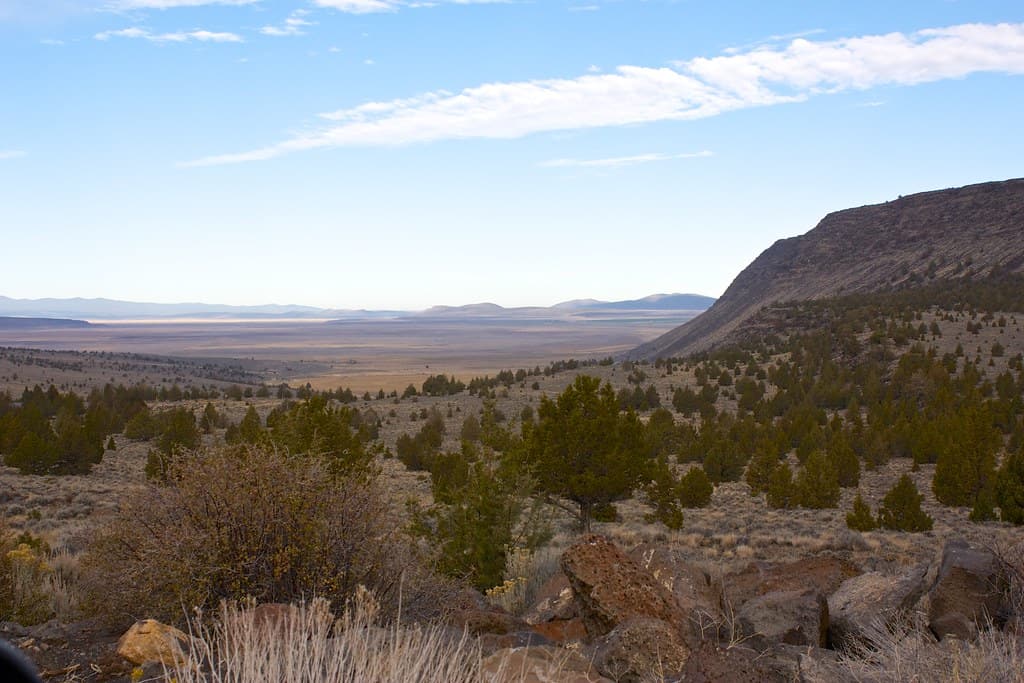
Fire plays a crucial ecological role in maintaining the delicate balance of this forest-desert ecosystem. Historically, natural fires occurred every 10-25 years, creating a mosaic pattern of forest density. These periodic low-intensity burns cleared understory vegetation and prevented the forest from becoming too dense, which would have fundamentally altered the desert characteristics of the environment. Ponderosa pines have evolved specifically to thrive with regular fire cycles—their thick bark protects the cambium layer from heat damage, while the flames eliminate competing vegetation and release nutrients back into the soil. The sandy, pumice-rich soil actually facilitates this fire ecology by creating natural fire breaks and preventing high-intensity crown fires that would destroy the forest entirely. Since European settlement, fire suppression policies have disrupted this natural cycle, leading to concerning changes in forest density and composition. Recent forest management has increasingly incorporated prescribed burns to mimic natural fire patterns, recognizing fire’s essential role in preserving this unique ecological balance between forest and desert.
Water Management Strategies
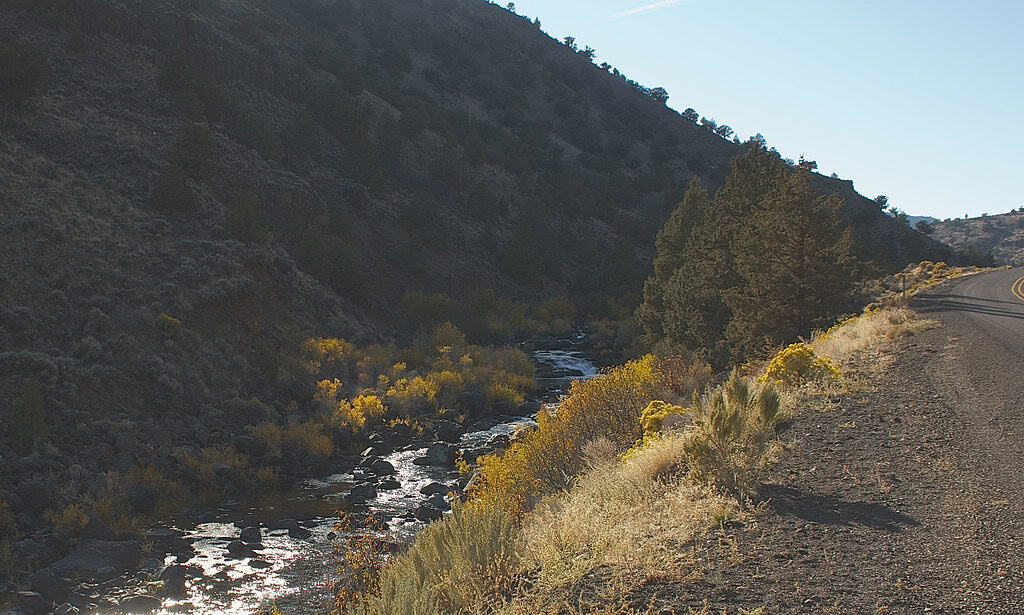
The plants and animals in this contradictory ecosystem have developed sophisticated water management strategies that allow them to thrive despite the desert conditions. Juniper trees, abundant in this region, employ hydraulic redistribution—a process where their roots absorb water from deeper, moister soil layers during the night and release some of that water into drier upper soil layers, effectively creating their own irrigation system. Ponderosa pines regulate water loss through stomatal control far more efficiently than their counterparts in wetter forests, closing leaf pores earlier in the day to conserve moisture. Wildlife species have adapted behaviorally as well: many mammals obtain the majority of their water from vegetation rather than free-standing sources, while birds have developed specialized metabolic adaptations that reduce water loss through respiration and waste elimination. Remarkably, some insect species here have evolved to extract atmospheric moisture directly through specialized structures on their exoskeletons, allowing them to harvest water from morning dew even in the driest conditions. These diverse water management strategies represent evolutionary innovations specific to this unique ecological intersection of forest and desert.
Human History and Relationship
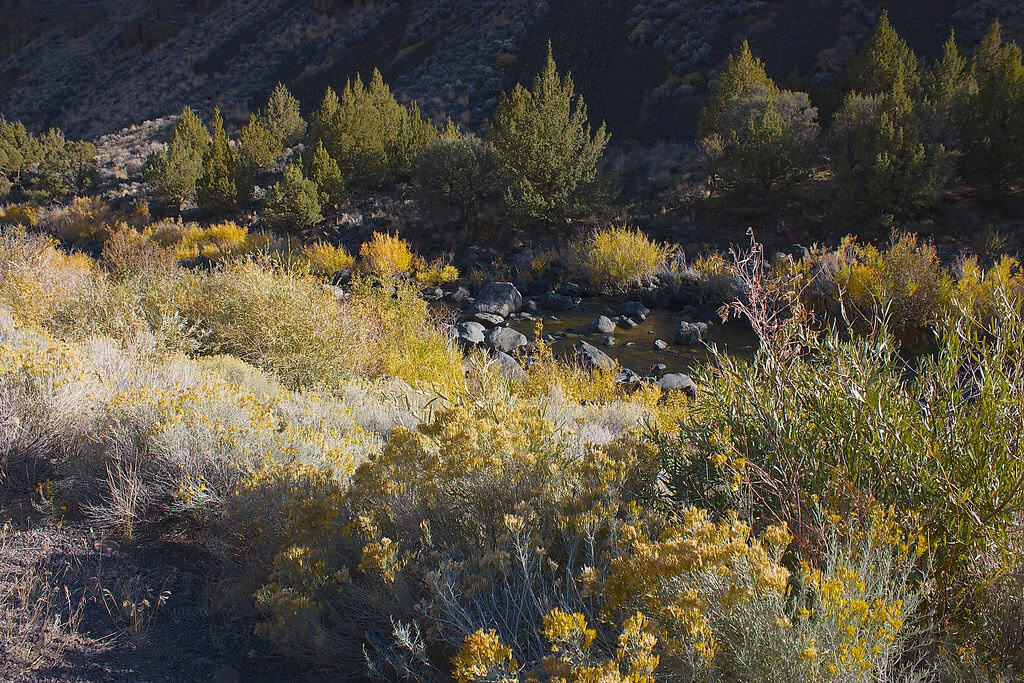
The human relationship with this hidden desert beneath a forest has evolved over thousands of years. Archaeological evidence indicates that indigenous Klamath and Modoc peoples recognized the unique properties of this landscape, developing seasonal usage patterns that took advantage of its diverse resources. They harvested roots and plants that thrived in the sandy soil while hunting the abundant wildlife drawn to the forest cover. When European settlers arrived in the mid-19th century, they initially struggled to categorize this landscape—it defied their established understanding of both forest and desert environments. Early logging operations discovered that trees grown in this unique ecosystem developed exceptionally dense wood with tight growth rings due to the stress of the desert conditions, making the timber particularly valuable for certain applications. Today, forest managers face the complex challenge of balancing timber harvests with conservation efforts in an ecosystem where traditional forest management principles don’t always apply. Modern conservation approaches now recognize the irreplaceable value of this ecological transition zone and have established special management areas to preserve its distinctive characteristics for future generations.
Climate Change Vulnerability
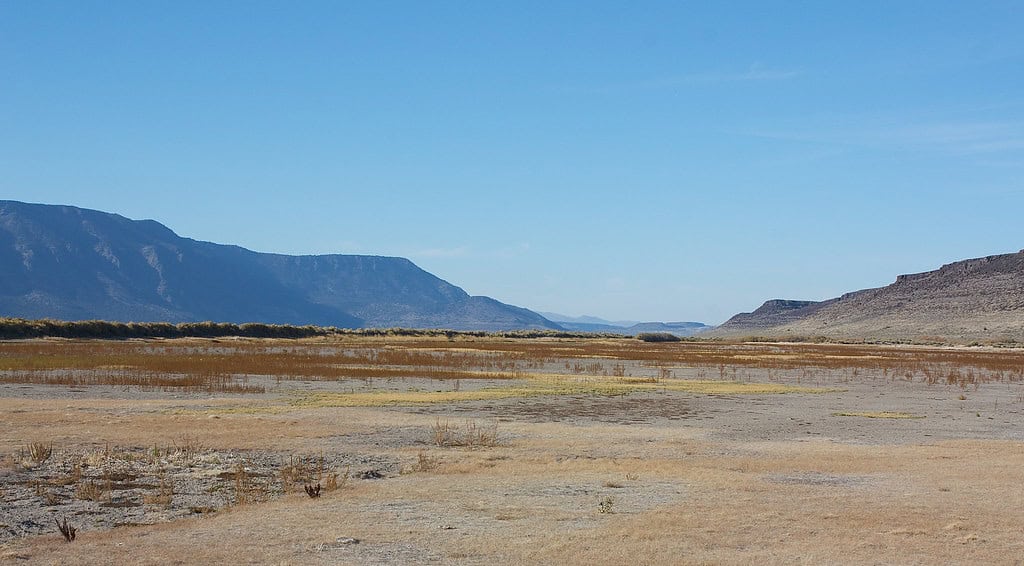
This delicate forest-desert ecosystem faces particular vulnerability to climate change impacts due to the narrow parameters that maintain its balance. Research from Oregon State University indicates that the region has already experienced a 1.5°F average temperature increase over the past century, with more significant warming occurring in winter months. This seasonal shift threatens the critical snow accumulation patterns that provide slow-release moisture to trees during spring months. Models predict that by 2050, the region may experience a 15-25% reduction in effective moisture availability, potentially pushing the ecosystem past a tipping point where forest species can no longer survive in the increasingly arid conditions. Simultaneously, changing precipitation patterns are likely to intensify summer drought conditions and increase wildfire frequency and intensity beyond the beneficial range that has historically maintained forest health. The unique adaptations that allow this forest-desert ecosystem to exist also make it particularly sensitive to rapid environmental changes, as species have already evolved to exist at the very limits of their tolerance ranges. This vulnerability makes the region an important early indicator of broader climate change impacts on transitional ecosystems worldwide.
Conservation Efforts and Challenges
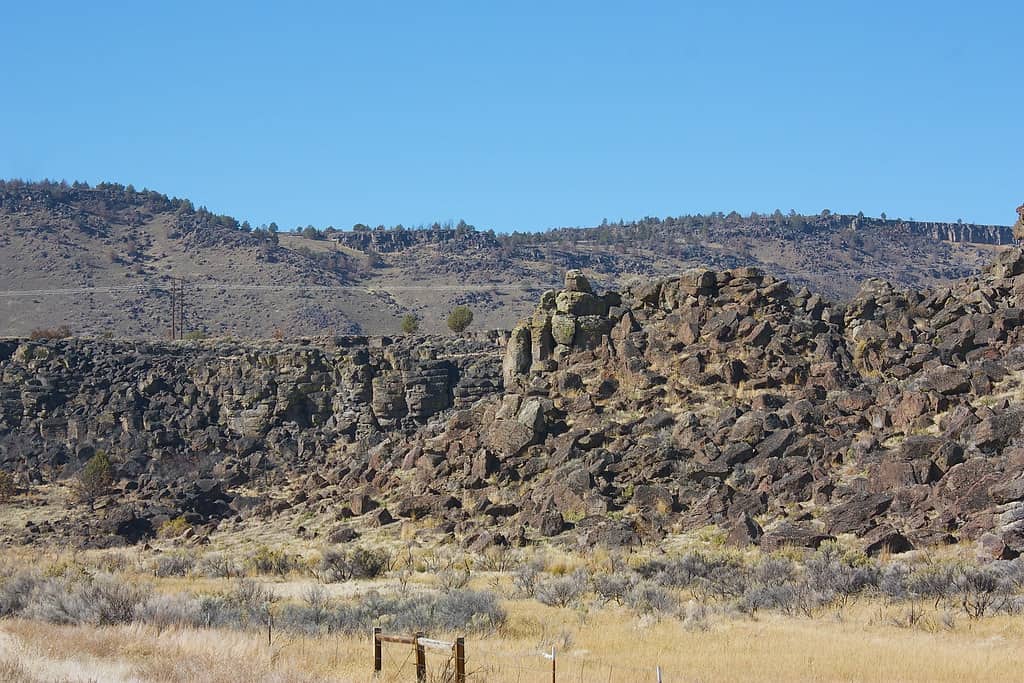
Conservation efforts for this unique forest-desert ecosystem face distinctive challenges that require innovative approaches. Traditional conservation models designed for either forest or desert environments often prove inadequate when applied to this hybrid ecosystem. Current management strategies focus on maintaining the precise forest density that preserves the desert understory conditions—too much thinning would alter the microclimate that allows certain species to survive, while too little would prevent sufficient light from reaching the desert plants below. Water conservation presents another critical challenge, with managers working to protect groundwater resources from depletion through monitoring wells and restricted usage policies. Invasive species present a particular threat to this balanced ecosystem; non-native cheatgrass, for instance, can rapidly colonize disturbed areas and fundamentally alter the fire ecology by creating continuous fuel loads that promote more frequent, intense burns. Conservation organizations have established specialized monitoring programs to track soil moisture levels, forest density, and understory composition, using this data to develop adaptive management protocols specific to this unusual ecological transition zone. Public education forms another crucial component of conservation efforts, helping visitors understand the fragility and significance of this remarkable natural phenomenon.
Scientific Research Value
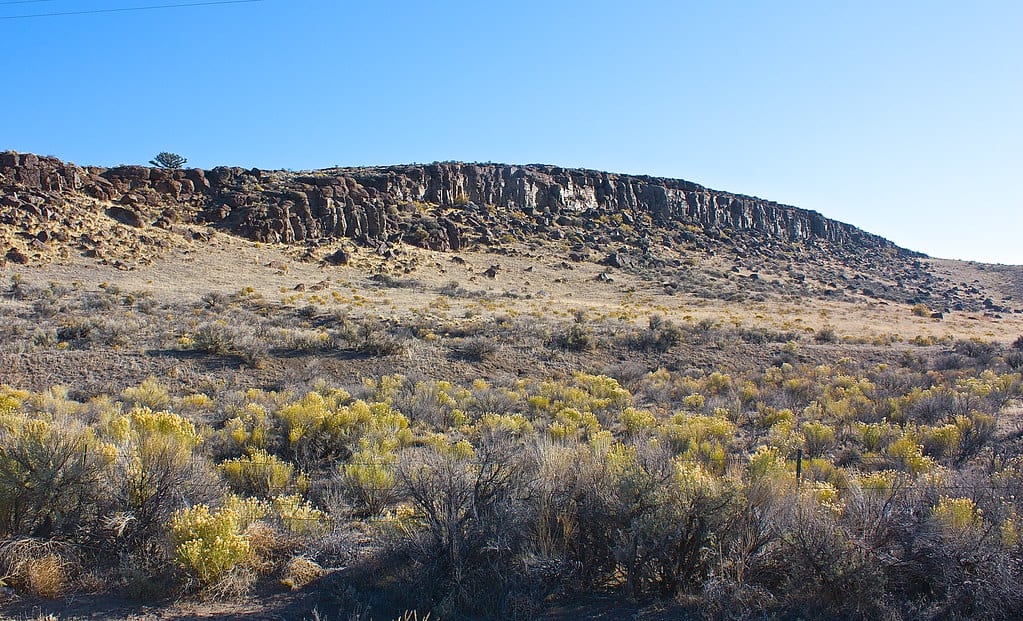
The hidden desert beneath a forest represents an invaluable natural laboratory for scientific research across multiple disciplines. Ecologists study this environment to better understand ecological boundaries and transition zones, gaining insights into how species adapt to contradictory conditions. Botanists have identified several plant compounds unique to species in this region that show promising pharmaceutical applications, including anti-inflammatory and antimicrobial properties that may have developed as stress responses to the challenging environment. Climate scientists monitor this ecosystem as an early warning system for climate change impacts, as its delicate balance makes it particularly responsive to environmental shifts. Soil scientists analyze the unusual properties of the volcanic substrate to better understand plant-soil interactions and nutrient cycling in challenging conditions. Perhaps most importantly, this forest-desert hybrid serves as a case study in ecological resilience—demonstrating how natural systems can adapt to seemingly incompatible conditions through specialized adaptations. Research here has contributed significantly to developing new models of ecosystem classification that move beyond simple binary categories and better represent the complex gradient of environmental conditions found in natural systems.
Understanding Our Dynamic Earth

The hidden desert beneath a U.S. forest stands as a profound testament to Earth’s ecological complexity and the remarkable adaptability of living systems. This natural phenomenon challenges our tendency to categorize environments into distinct types, reminding us that nature often exists along continuous gradients rather than in discrete categories. The forest-desert hybrid demonstrates how geological history, climate patterns, and evolutionary processes interact over millennia to create unexpected environmental arrangements that defy conventional classification. As we face increasing environmental challenges globally, such unique ecosystems provide valuable lessons in resilience and adaptation that may inform conservation and restoration efforts in other regions. By preserving and studying these ecological paradoxes, we gain deeper insight into the dynamic processes that shape our planet and the incredible capacity of life to thrive even in the most contradictory circumstances.
Worried about unexpected vet bills?
Pet insurance can cover thousands in unexpected vet costs. Get a free quote from Lemonade in under 2 minutes.
Get My Free Quote →Sponsored · Opens Lemonade.com

- The Impact of Boat Noise on Dolphin Communication - June 11, 2026
- 20 Baby Animals Too Cute to Handle - June 11, 2026
- Meet 10 Cat Breeds That Make Great Home Guardians - June 11, 2026