

There’s something almost mythological about big cats roaming through American wilderness. They move like shadows, barely leaving a trace. Most people will never see one in their lifetime, even though these magnificent predators live surprisingly close to human civilization. The stories we’re about to uncover might change everything you thought you knew about these secretive felines. These aren’t exotic animals from distant continents. They’re here, right now, navigating a landscape dominated by humans while maintaining their wild essence. What researchers have recently discovered about their behavior, their struggles, and their remarkable resilience is nothing short of extraordinary.
The Phantom Hunters: Mountain Lions Moving Through Your Backyard
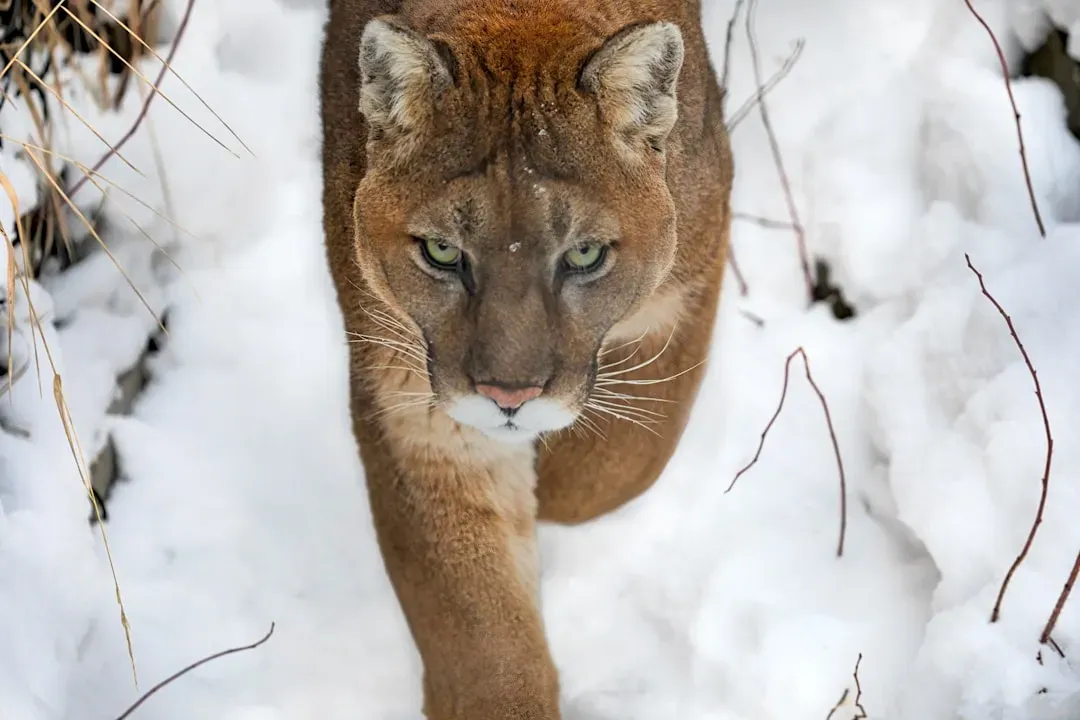
These majestic big cats primarily inhabit western states, making them mysterious neighbors to millions of Americans who may never realize these powerful predators share their state, with the largest numbers found in places like Colorado, California, and Arizona where estimates range from thousands of cats. Here’s the thing: these cats are solitary, elusive hunters that are most active during the twilight hours of dawn and dusk.
They’re masters of remaining unseen. Exact numbers are difficult to determine due to the cats’ elusive nature. Think about that for a moment. In our world of satellites and GPS technology, these animals still manage to elude comprehensive tracking. Mountain lions are ambush predators, relying on stealth and surprise to catch their prey, typically stalking their prey quietly, getting as close as possible before pouncing with a powerful leap.
What makes them truly remarkable is their adaptability. You can find cougars in diverse habitats across North and South America, including forests, mountains, deserts and even wetlands, with mountain lions in southern California navigating the urban-wildland interface, crossing highways and entering suburban areas in search of food and mates.
The Social Lives We Never Knew Existed
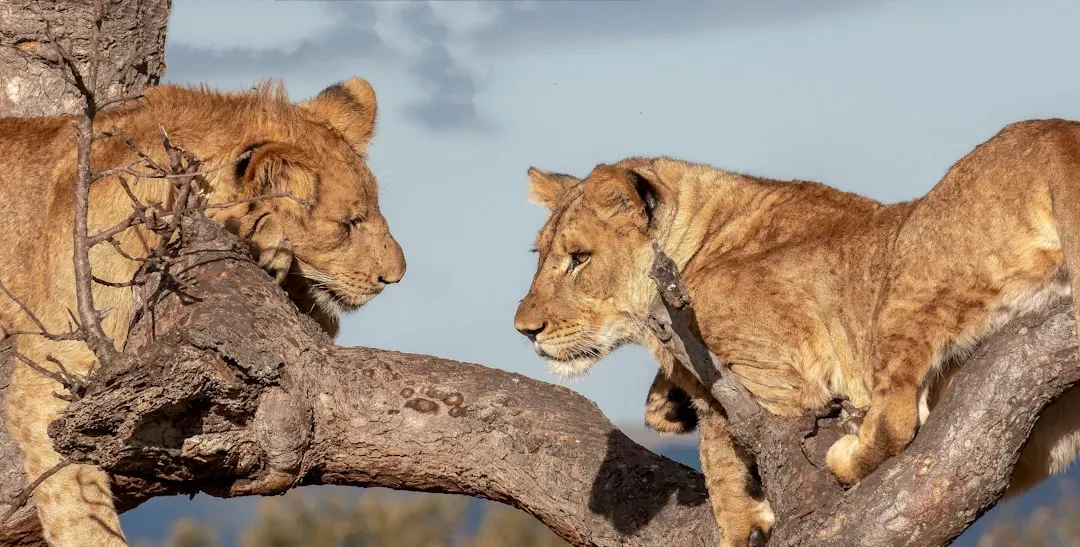
Scientists believed for decades that mountain lions were complete loners, only meeting to mate. That assumption just got shattered. An adult female cougar approached the carcass of an elk another female cougar had killed, and after hissing and posturing, the kill site’s cougar let the new arrival share her meal, with the pair of cougars staying in each other’s company for a full day and a half.
This isn’t some isolated incident either. Between 2012 and 2015, cameras recorded 118 interactions between two cougars, with a full 60 percent of them at kill sites and many being meal-sharing. Even more fascinating? In later encounters, the second cougar would be 7.7 times more likely, on average, to return the favor.
Let’s be real, this changes everything about how we understand these animals. They’re not the ruthless solitary killers popular culture portrays. They have reciprocal relationships, something closer to friendships than we ever imagined. The implications for conservation and understanding their territorial needs are massive.
The Bobcat Comeback Nobody Saw Coming
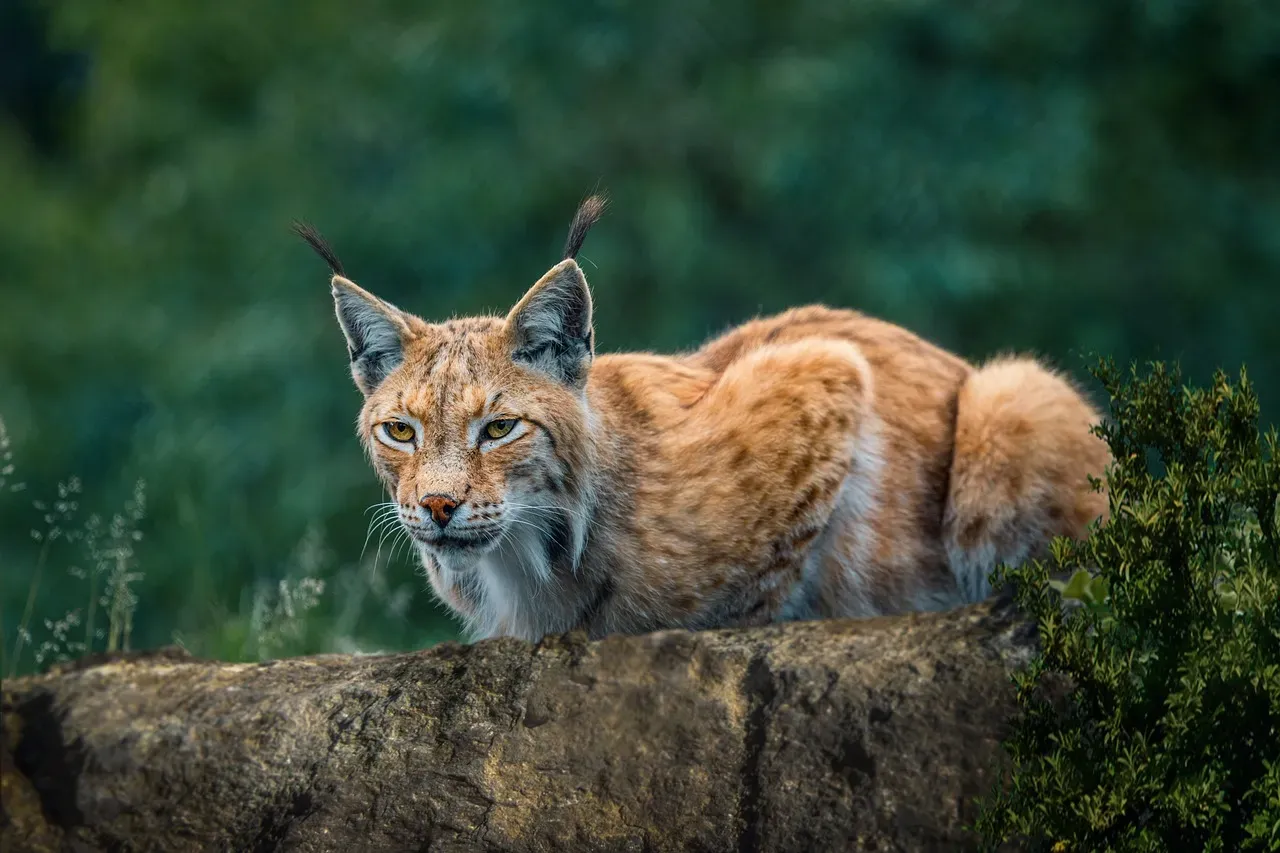
Bobcat populations were extirpated from much of Midwestern US in the mid-1800s, and are currently expanding and recolonizing their former range. This is one of conservation’s quiet success stories that deserves way more attention.
Populations were reported to be stable or increasing in 40 states, with only one state reporting decreases in bobcat populations, indicating that bobcat populations have increased throughout the majority of their range in North America since the late 1990s. We’re talking about a massive population rebound. Population estimates range between 1,419,333 and 2,638,738 individuals for a significant portion of their range and an estimated 2,352,276 to 3,571,681 individuals for the entire United States.
Despite their smaller size weighing between 15 and 30 pounds, bobcats are fierce predators that prey on rabbits, squirrels, and birds. Trail cameras frequently capture them wandering around near cities. They’ve adapted to human presence in ways that are honestly pretty impressive. It shows that coexistence is possible when we give wildlife even a fighting chance.
Florida Panthers: Racing Against the Clock
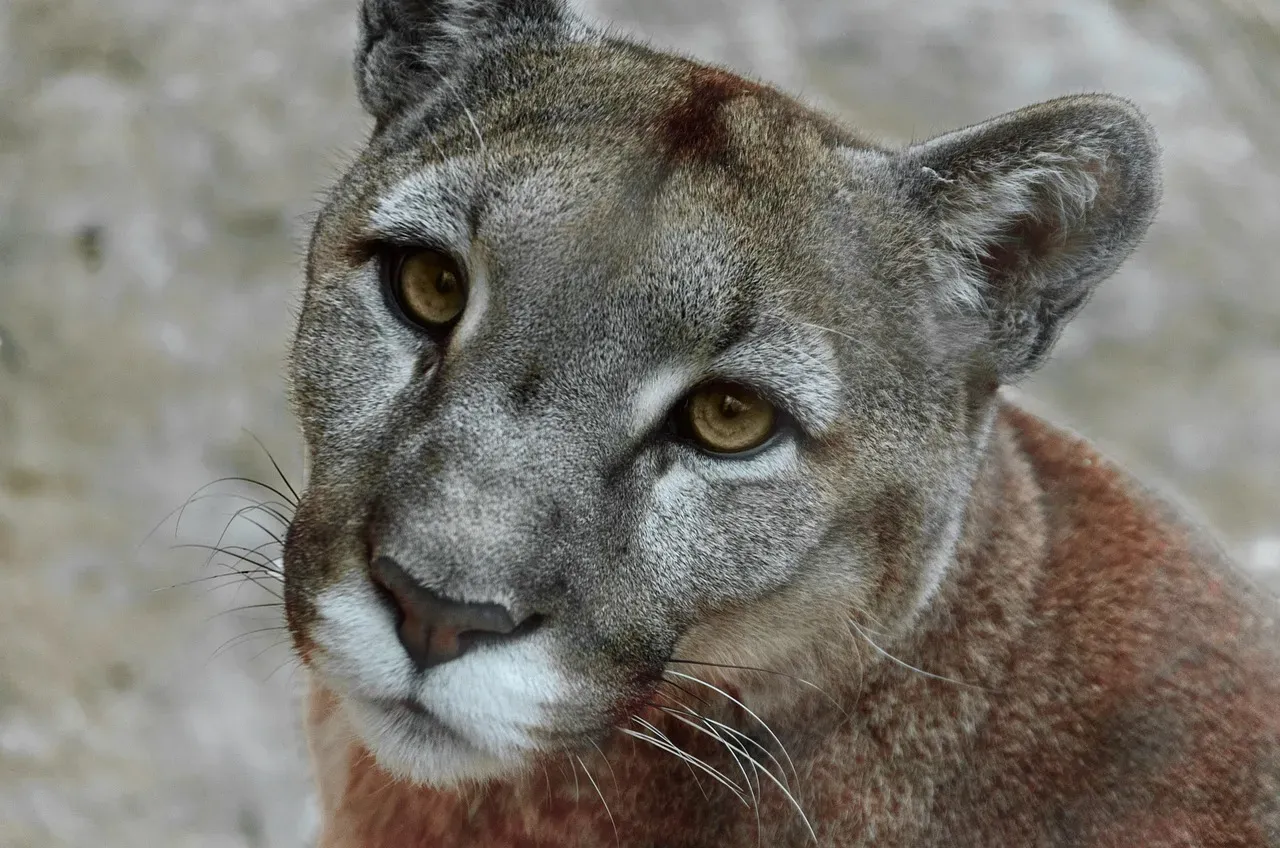
The situation with Florida panthers is heartbreaking and urgent. The endangered Florida panther has made a long journey back from the brink of extinction, with the population rebounding from an estimated low of 10 animals to over 200 animals since it was put on the first Endangered species list in 1967.
Yet the recovery remains precarious. More than 30 Florida panthers were lost in 2024, including a cub in Glades County tragically struck by a vehicle, with vehicle strikes being the deadliest threat to these animals. In 2025, 18 critically endangered Florida panther deaths were reported, with 17 fatalities attributed to vehicle strikes.
Males claim 200-square-mile territories and will sometimes fight other males to death if their territories overlap, while urban sprawl hems them in, with development associated with an estimated 1,000 people moving to Florida every day consuming and fragmenting panther habitat. Honestly, it’s hard to see how panthers can survive long-term without dramatic changes to how Florida manages growth and habitat protection.
The Lynx: Ghosts of the Northern Forests
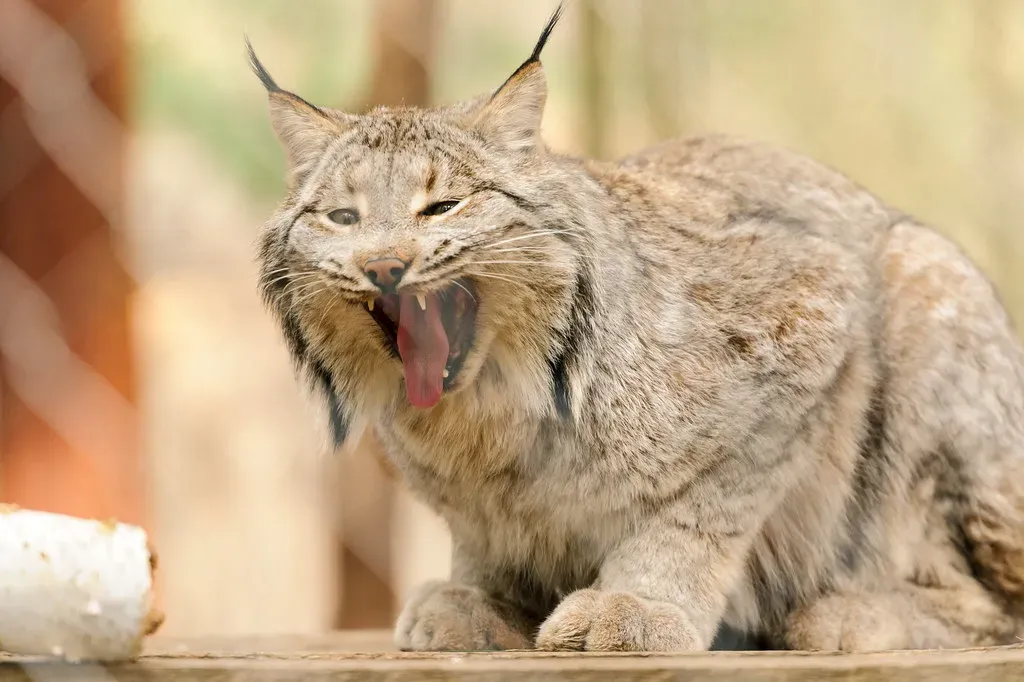
The Canada lynx is a medium-sized wild cat found in the colder regions of North America, including Canada, Alaska, and parts of the northern United States, closely related to the bobcat but larger and adapted to life in colder climates.
Their survival is intimately tied to one species. The Canada lynx’s life is closely tied to the snowshoe hare, its primary prey, with lynx populations rising when hare numbers increase and declining when hare populations decline. This creates a fascinating population cycle that ecologists have studied for decades.
There’s good news on the conservation front. At the beginning of 2025, the US Fish and Wildlife Service finalized a Canada lynx recovery plan to increase protections for this threatened species, including a new habitat proposal of around 19,000 square miles across Colorado, Idaho, Montana, New Mexico, Washington, and Wyoming. Protection doesn’t guarantee recovery, but it’s an essential first step.
The Long Road East: Will Mountain Lions Reclaim Lost Territory?
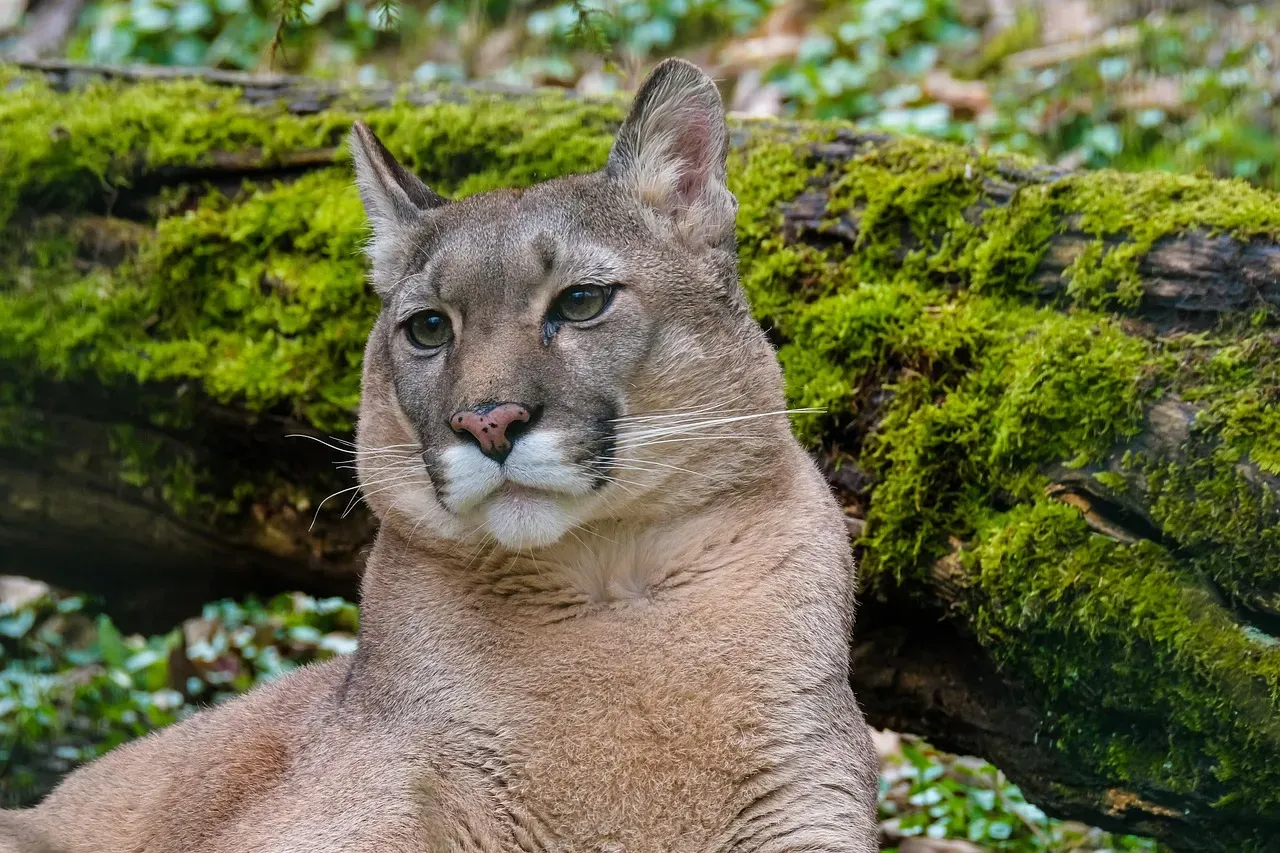
Something remarkable is happening that most Americans don’t realize. Cougars are spreading back East after being confined to Western states for almost a century, once ranging all the way to the East Coast but exterminated by hunting and habitat loss, with cougars now moving back and likely to re-establish populations in Midwestern states within decades.
The recolonization won’t be quick or easy. Natural recolonization will happen, but very, very slowly, and if we want thriving populations of mountain lions in eastern states anytime soon, some sort of proactive reintroduction of lions will likely be necessary.
I know it sounds crazy, but mountain lions roaming parts of the Midwest and eventually the East again isn’t some far-fetched dream. The habitat exists. The prey populations are there. What’s missing is often just human acceptance and willingness to share the landscape with apex predators. States are starting to prepare. States like Kansas have been giving some thought and attention to education programs that might be helpful for creating a welcoming environment for any new cougars that happen to show up.
Conclusion: Shadows Worth Protecting
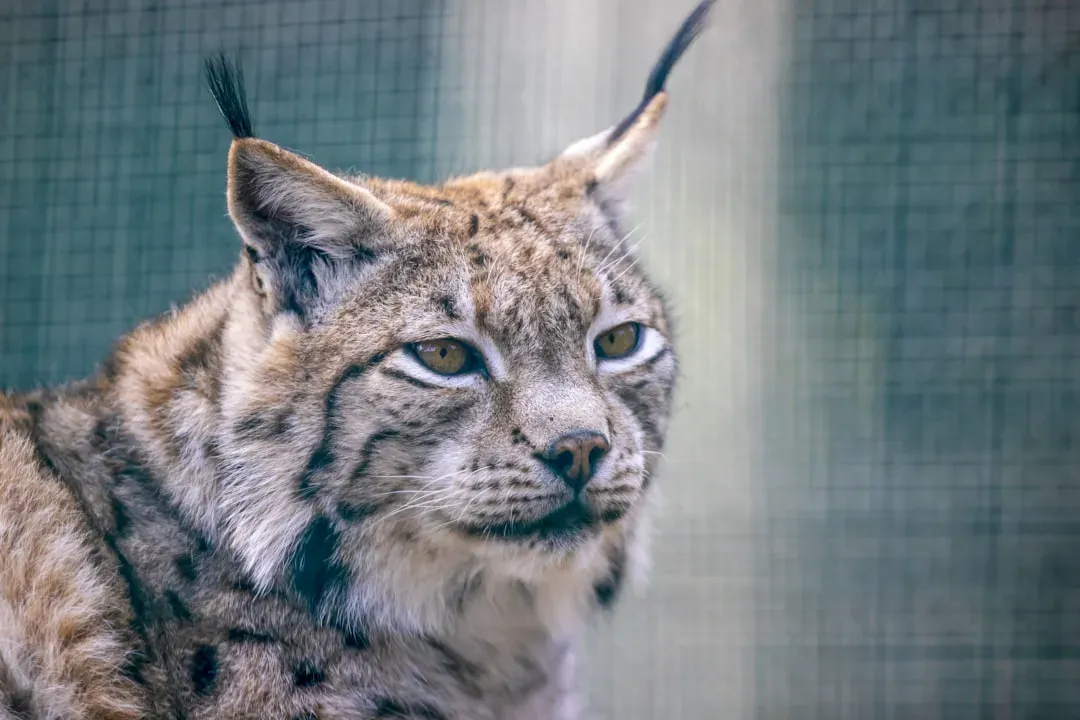
America’s big cats are rewriting their own stories right now, expanding into old territories, forming complex social bonds we’re only beginning to understand, and fighting for survival in landscapes increasingly dominated by human development. The bobcat’s remarkable comeback shows recovery is possible. The Florida panther’s precarious situation reminds us how fragile that recovery can be.
These animals need space, corridors to move through, and most importantly, our willingness to accept their presence. They’ve been here far longer than our cities and highways. The question isn’t whether they have a right to exist alongside us. The question is whether we’ll make room for them before it’s too late.
Did you expect that these elusive hunters were living such complex, hidden lives right under our noses? What surprises you most about America’s most mysterious big cats?

- What a Hummingbird Decides About Your Garden Before Returning 16 Signals Most People Miss - August 14, 2026
- 18 Dog Breeds That Suit a Quiet Retired Household and 18 That Would Never Cope at All - August 14, 2026
- What Happens to Your Brain in the Final 60 Seconds Before Death – Neuroscientists Just Mapped It - August 13, 2026