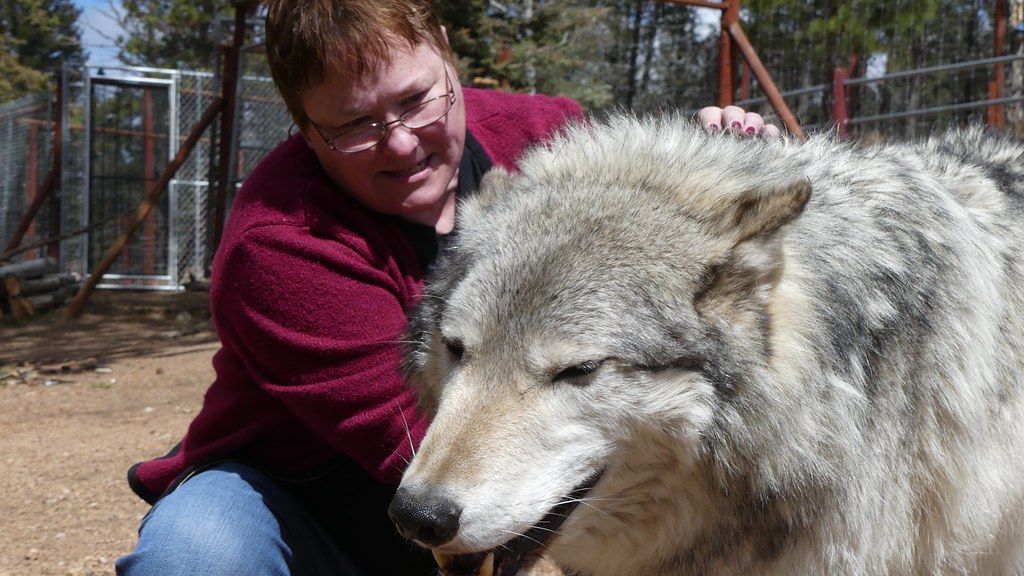
What to Do If You Encounter a Wolf While Hiking in Minnesota-feature image/Flickr
Imagine you’re trekking through Minnesota’s lush forests, the sun filtering through the canopy, when suddenly, you lock eyes with a gray wolf. Your heart races, and a flood of questions fills your mind. While such encounters are rare, knowing how to respond can make all the difference.
Understanding Wolf Behavior
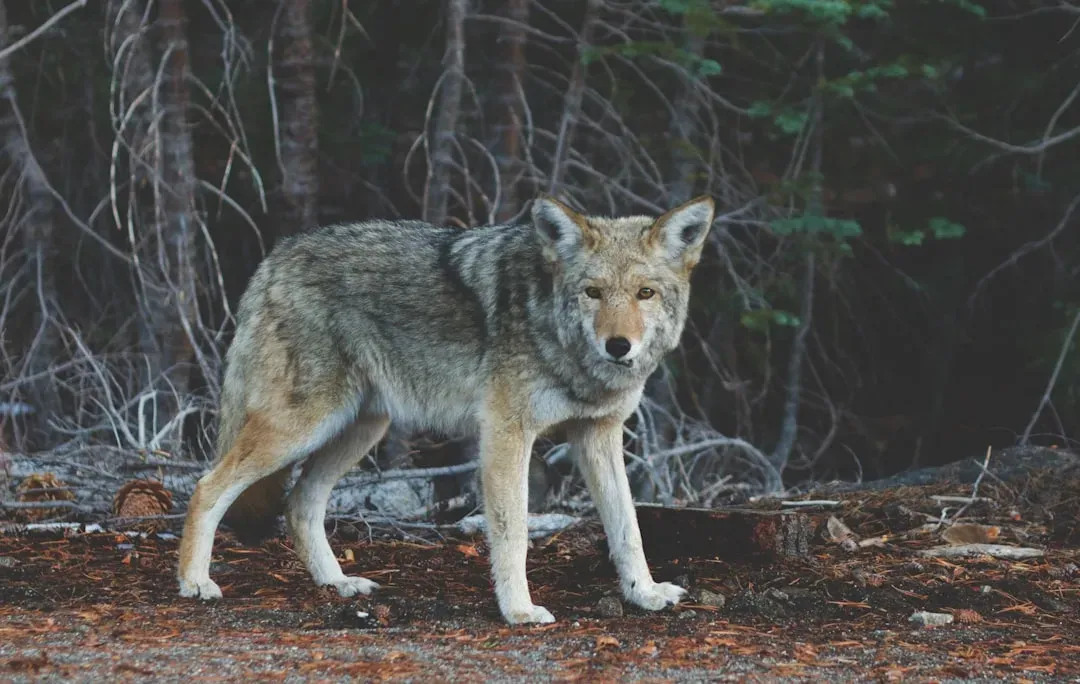
Understanding Wolf Behavior (Image Credits: Unsplash)
Wolves are naturally wary of humans and typically avoid contact. They are intelligent, social animals that play a vital role in the ecosystem. However, if a wolf feels threatened or is habituated to human presence, it may not retreat immediately. Recognizing this behavior is crucial for your safety.
In Minnesota, wolves primarily prey on deer, moose, and beaver. They rarely pose a threat to humans, but understanding their behavior helps in preventing negative encounters. By respecting their space and recognizing signs of discomfort, you can coexist peacefully with these magnificent creatures.
Stay Calm and Assess the Situation
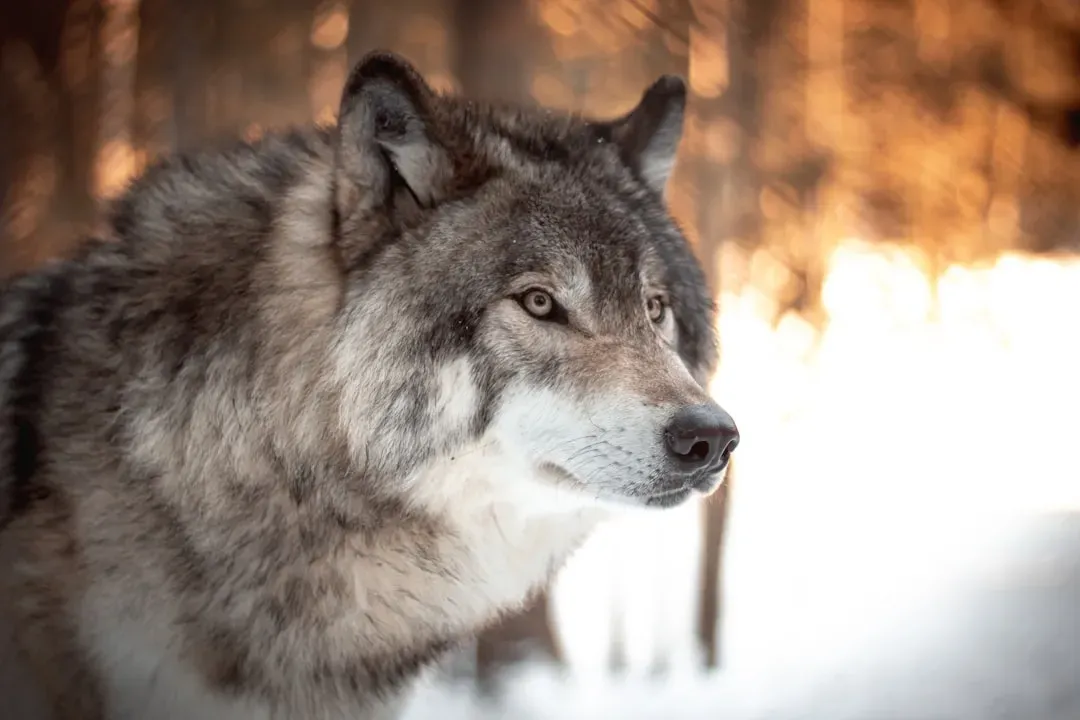
Stay Calm and Assess the Situation (Image Credits: Unsplash)
Encountering a wolf can be startling, but it’s essential to remain calm. Panic can lead to poor decisions, increasing the risk of escalation. Take a deep breath, stand your ground, and avoid sudden movements.
Assess the wolf’s behavior. Is it observing you from a distance, or is it approaching? Understanding its actions will guide your response. Remember, most wolves will choose to avoid human interaction if given the opportunity.
Make Yourself Appear Larger
Make Yourself Appear Larger (Image Credits: Pexels)
To deter the wolf, make yourself appear larger. Stand tall, raise your arms, and open your jacket if you’re wearing one. This posture signals that you’re not easy prey and can discourage the wolf from approaching.
Avoid crouching or appearing small, as this can make you seem vulnerable. By asserting your presence confidently, you communicate that you’re not a threat but also not to be trifled with.
Maintain Eye Contact and Back Away Slowly
Maintain Eye Contact and Back Away Slowly (Image Credits: Pexels)
Maintain eye contact with the wolf without staring aggressively. Slowly back away while facing the animal, ensuring you don’t turn your back. This approach shows that you’re aware of its presence and are not a threat.
Avoid running, as this can trigger the wolf’s chase instinct. By retreating calmly and steadily, you reduce the likelihood of provoking an aggressive response.
Use Noise and Deterrents
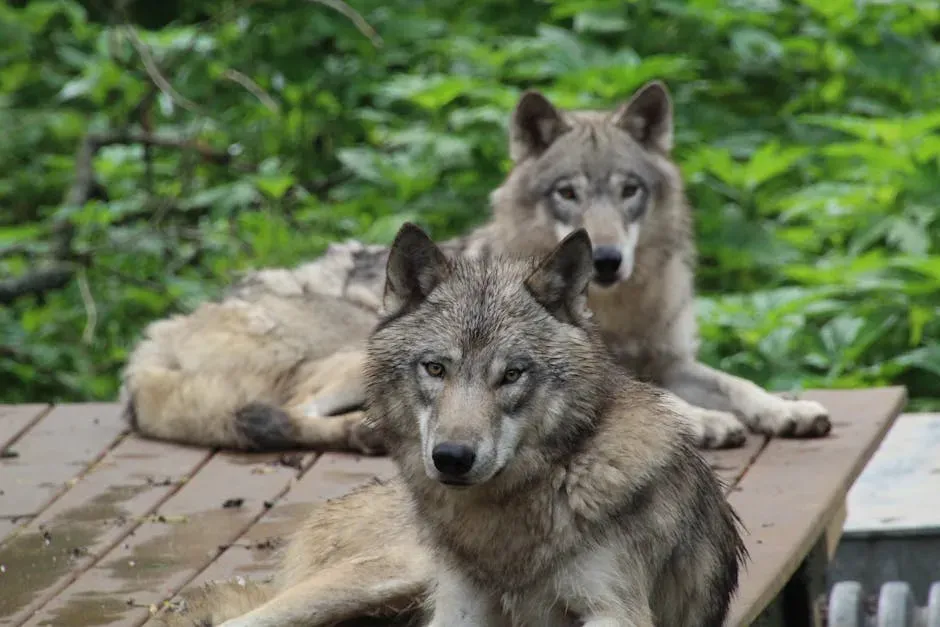
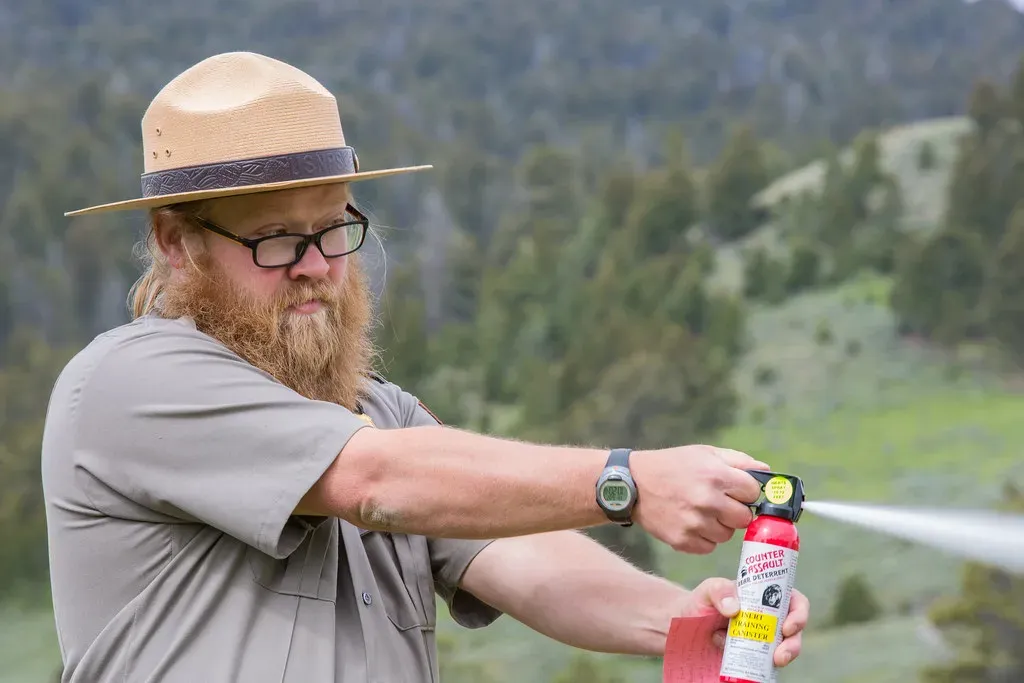
Use Noise and Deterrents (Image Credits: Flickr)
If the wolf continues to approach, make loud noises to assert your dominance. Clap your hands, shout firmly, or use a whistle. These sounds can startle the wolf and encourage it to retreat.
Carrying bear spray is also advisable. In the rare event of an aggressive wolf, deploying bear spray can deter an attack, giving you time to move to safety.
Protect Your Pets
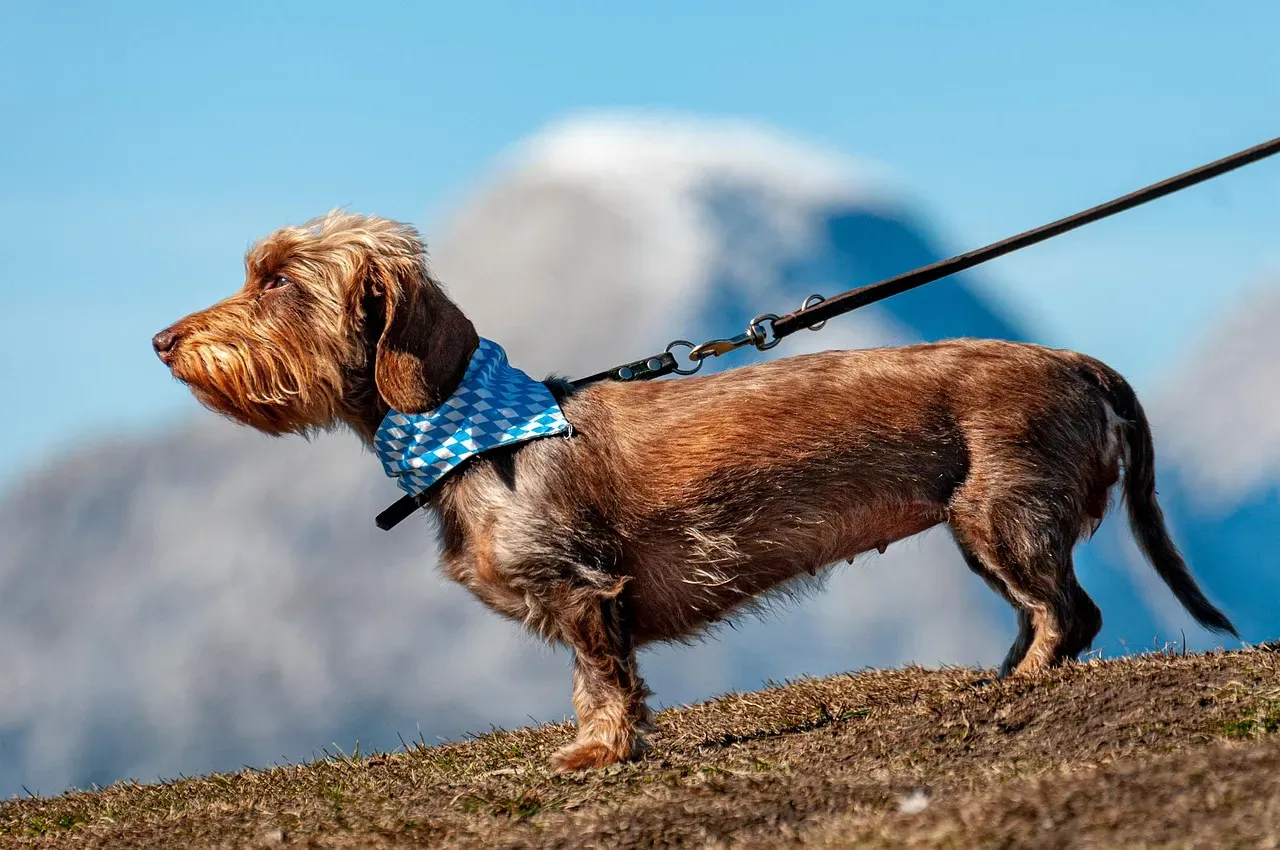
Protect Your Pets (Image Credits: Pixabay)
If you’re hiking with a dog, keep it on a leash and close to you. Wolves may perceive dogs as threats or competitors, which can lead to aggressive interactions. By controlling your pet, you minimize the risk of attracting unwanted attention.
Avoid letting your dog roam freely in areas known for wolf activity. This precaution protects both your pet and the local wildlife, ensuring a safer environment for all.
Report the Encounter
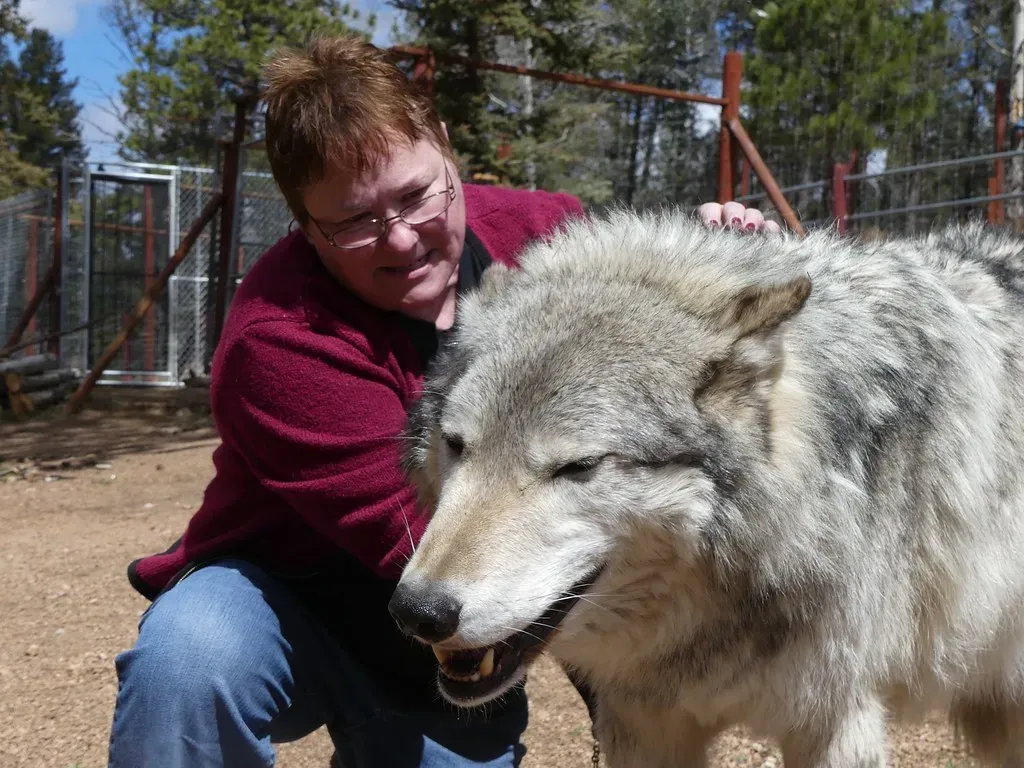
Report the Encounter (Jazzyroses, Flickr, CC BY 2.0)
After safely leaving the area, report the encounter to local wildlife authorities. Providing details about the location and behavior of the wolf helps in monitoring and managing wildlife interactions.
Your report contributes to the conservation efforts and ensures that both humans and wolves can coexist harmoniously in Minnesota’s wilderness.
Conclusion
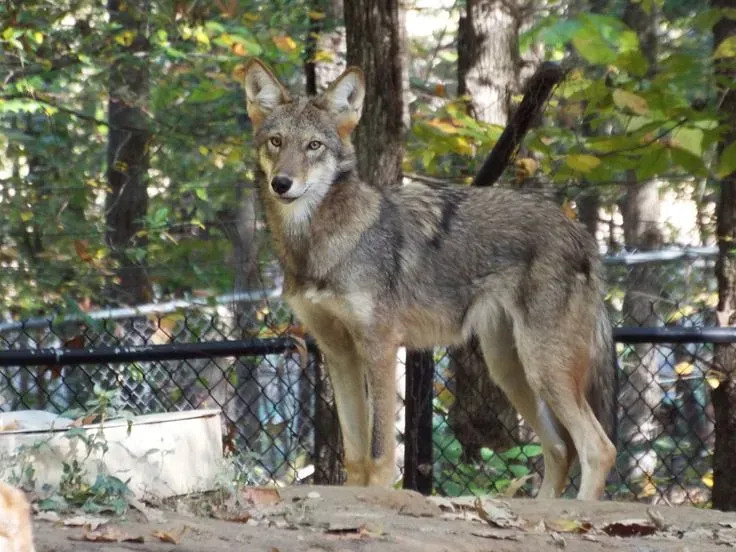
Conclusion (Image Credits: Flickr)
Encountering a wolf while hiking in Minnesota is an extraordinary event that underscores the wild beauty of the region. By staying calm, making yourself appear larger, and retreating slowly, you can navigate such encounters safely. Remember, these majestic animals are an integral part of the ecosystem, and respecting their space ensures that both humans and wolves can continue to thrive. So, next time you venture into the woods, are you prepared to share the trail with nature’s wonders?
Did you find this helpful? Share it with a friend who’d love it too!
Gargi is an MA in History and a B.Ed graduate from India, with a deep passion for animals and wildlife awareness. As an article writer and editor at Animals Around The Globe, she combines her love for storytelling with her dedication to educating readers about animals, conservation, and responsible pet care. A devoted dog lover, Gargi enjoys creating engaging and informative content that inspires compassion and awareness toward the natural world.