

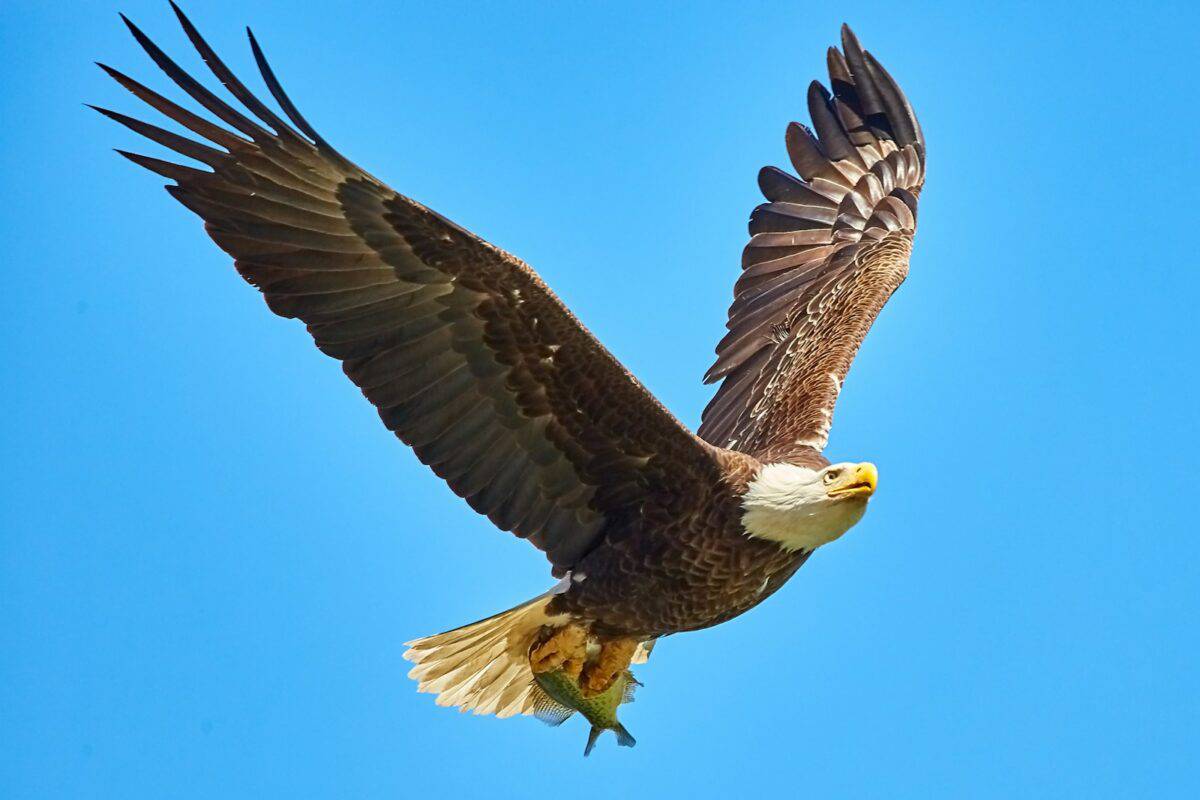
The bald eagle, a symbol of strength and freedom in the United States, is a remarkable creature known for its majestic appearance and impressive nesting habits. One of the most fascinating aspects of this bird of prey is its ability to build enormous nests, with the largest ever recorded in Maine. This extraordinary nest has captured the attention of wildlife enthusiasts and bird watchers alike. Dive into the captivating world of the bald eagle and discover the story behind Maine’s record-breaking nest.
The Bald Eagle: A National Symbol
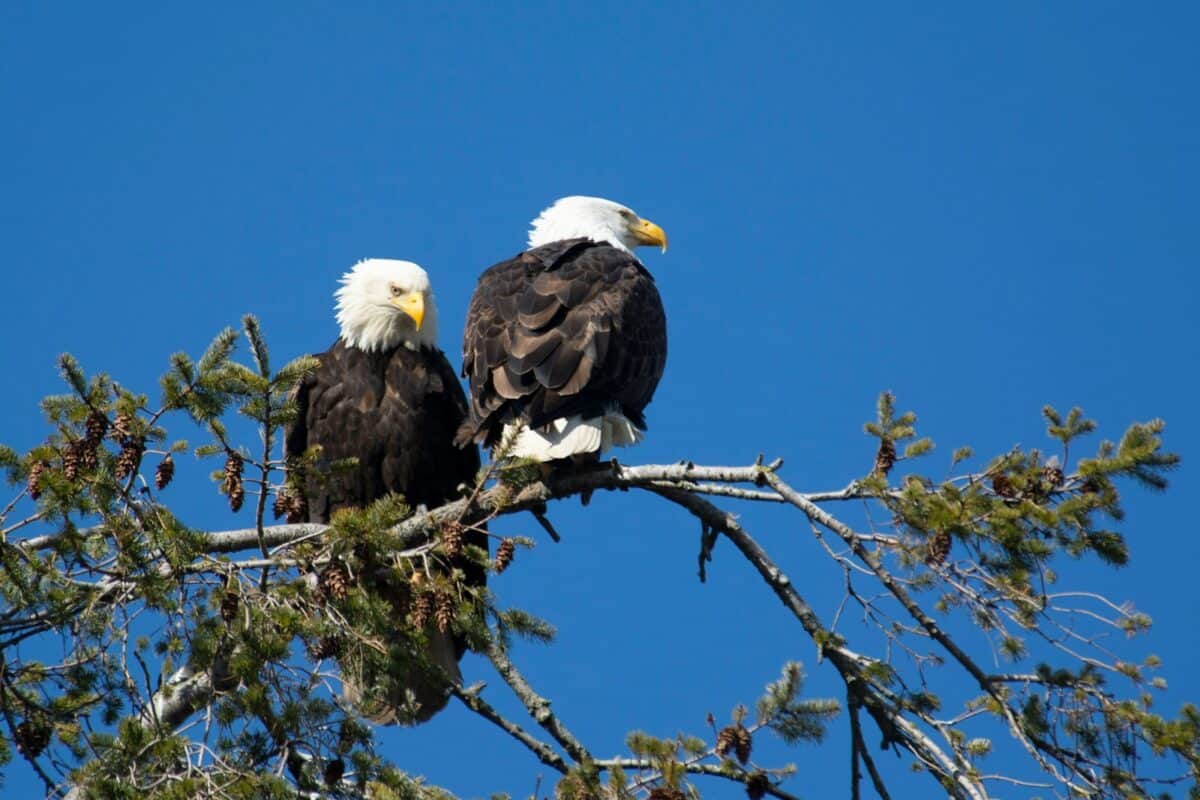
The bald eagle holds a special place in American culture and history as the national bird and symbol of the United States. Known for its powerful flight and sharp talons, the bald eagle has become an emblem of freedom and strength. These birds are found predominantly throughout North America, with significant populations in Alaska and along the coasts and interior water bodies of the lower 48 states.
Nesting Habits of Bald Eagles

Bald eagles are known for their astonishing nests, referred to as aeries. These nests are typically built in tall trees near expansive bodies of water. The selection of a site is a strategic decision that offers visibility, security, and proximity to food sources. Male and female eagles collaboratively build their nests over time, using sturdy branches and other natural materials, such as grass and moss.
An Architectural Marvel: The Largest Nest

The largest bald eagle nest ever recorded in Maine stands as a testament to the ingenuity and perseverance of these avian architects. Found in Sagadahoc County, this nest measured over 20 feet deep and nearly 9.5 feet in diameter. Weighing an estimated two metric tons, it exemplifies the dedication and skill bald eagles devote to ensuring safe and resilient nesting environments for their offspring.
Anatomy of an Eagle’s Nest
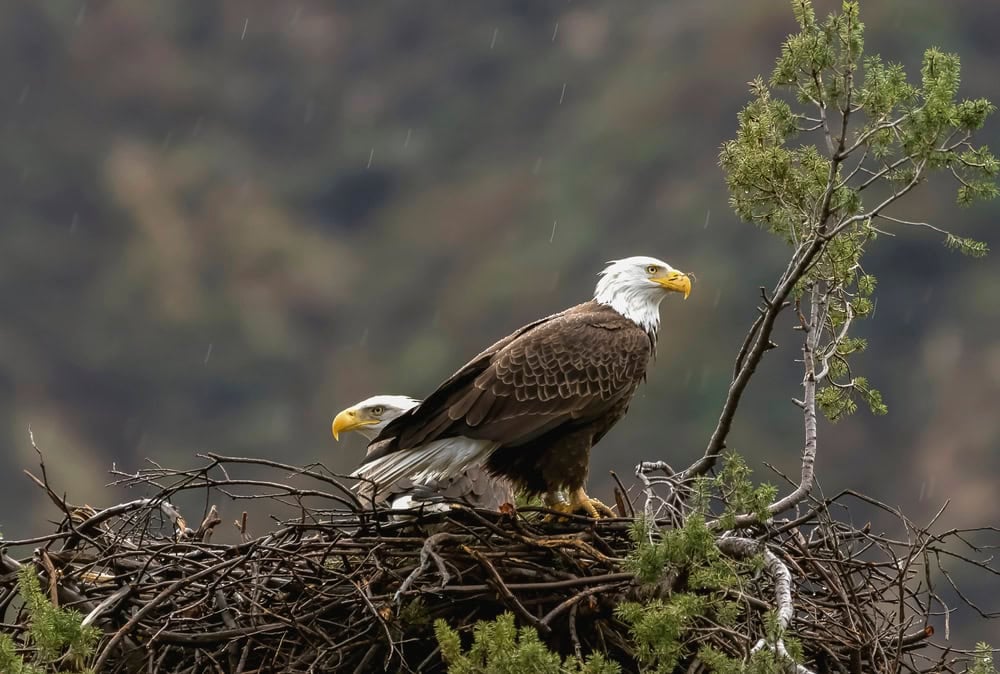
Bald eagle nests are marvels of natural engineering. The base is composed of substantial branches and sticks, providing a robust foundation. Inside the nest, eagles add softer elements like grasses, feathers, and even the downy flakes from their own bodies to create a comfortable interior for their young. This meticulous layering offers insulation and cushioning against the elements.
Why Such Large Nests?

The grandeur of a bald eagle’s nest is not merely for show. Its size and structure serve practical purposes. A large nest supports multiple broods over successive years, reinforcing it with new materials each breeding season. Moreover, the nest’s size accommodates the growing eaglets, providing space for movement and learning essential skills before they fledge.
Breeding and Raising Young

Within these impressive nests, bald eagles carry out their intimate breeding rituals. The breeding season varies by region, but generally occurs in late winter. Females typically lay one to three eggs per year. Both parents play active roles in incubating the eggs and caring for their young, ensuring a high rate of survival in the wild.
Challenges Faced by Bald Eagles

Despite their prowess and adaptability, bald eagles face numerous threats, including habitat destruction, pollution, and climate change. The use of pesticides, such as DDT in the past, had devastating effects on eagle populations, leading to thinner eggshells and reduced hatching success. Conservation efforts have since helped to restore their populations, but ongoing vigilance is needed to protect these magnificent birds.
The Role of Conservation Efforts

Conservation efforts have played a crucial role in the resurgence of the bald eagle population. Legal protections, such as the Bald and Golden Eagle Protection Act, along with habitat restoration projects, have been instrumental in preserving these birds. By educating the public and encouraging safe environmental practices, these efforts aim to maintain healthy ecosystems where bald eagles can thrive.
What We Can Learn from Eagles

Bald eagles teach us about resilience, adaptation, and the importance of safeguarding our natural world. Observing their nesting behaviors and family dynamics offers insights into the complexities of wildlife ecosystems and underscores the interconnectedness of all living beings on our planet.
Bird Watching: A Cultural Phenomenon

For many wildlife enthusiasts, the chance to witness bald eagles in their natural habitat is a thrilling experience. Bird watching has grown in popularity as people seek to connect with nature and appreciate the wonders of the animal kingdom. With its diverse populations, Maine is a prime destination for eagle-watching adventures, offering opportunities to observe these majestic birds and their awe-inspiring nests.
Protecting Eagle Habitats
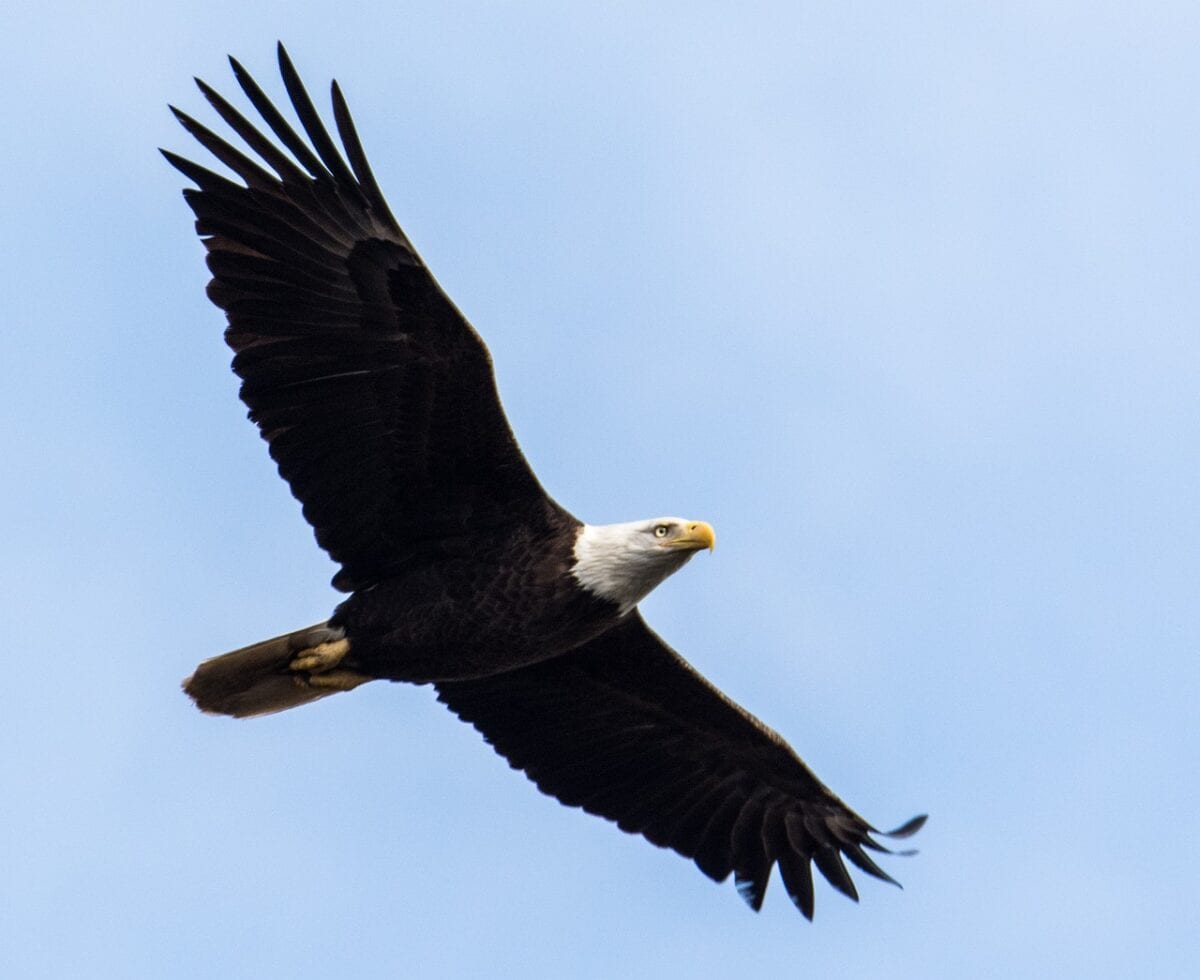
Efforts to protect bald eagle habitats continue to be critical. Protecting and preserving tall trees along waterways not only serves the needs of eagles but also benefits a wide array of species reliant on aquatic ecosystems. By supporting reforestation efforts and minimizing disturbances near nesting sites, we contribute to the well-being of these iconic birds.
Reflecting on the Majesty of the Bald Eagle

The largest bald eagle nest in Maine is more than just an impressive structure—it’s a symbol of nature’s splendor and the resilience of a species that has rebounded from the brink of endangerment to inspire awe and admiration. As we reflect on these majestic birds, we are reminded of our responsibility to protect and cherish the natural world, ensuring that future generations will have the privilege of witnessing the enduring legacy of the bald eagle.
Maine’s record-breaking bald eagle nest offers a glimpse into the fascinating world of these incredible birds. Through understanding their behaviors and the challenges they face, we can foster a deeper appreciation for wildlife and the importance of conservation efforts. Let this extraordinary nest be a reminder of the power and persistence of nature and an inspiration to preserve the beauty around us.

From exploring the marine wonders in the Azores and witnessing the vast savannas of Kenya, to delving deep into the rich biodiversity of South Africa and traversing iconic landscapes in Australia and the US like Yellowstone, Chris's experiences are vast.
With a penchant for diving alongside sharks, the ocean holds a special place in his heart.
Through his academic insights, he champions wildlife conservation, striving with 'Animals Around The Globe' to cultivate a profound connection between humans and animals, enhancing our mutual appreciation.
Connect with him at Feedback@animalsaroundtheglobe.com.
- This Monkey Has a Mustache - July 21, 2026
- How Steve Irwin Changed the World’s View of Wildlife - July 21, 2026
- The Catfish That Caused Earthquakes in Japanese Folklore - July 21, 2026