
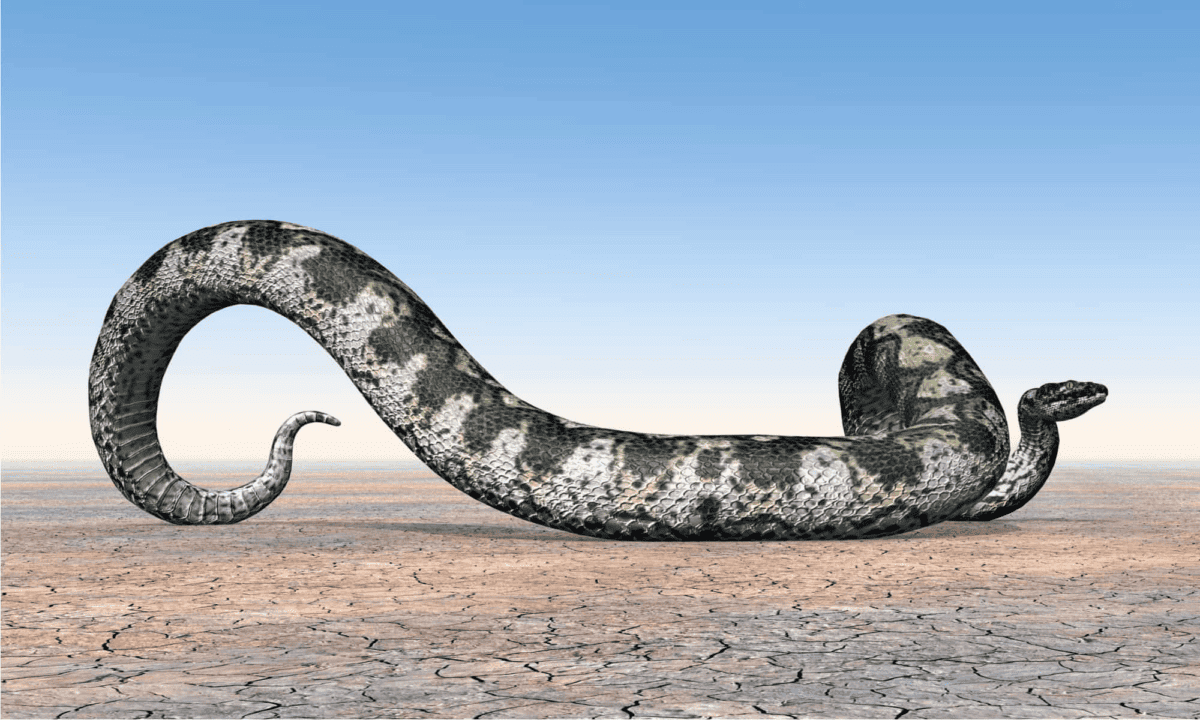
In the lush, humid environment of Florida’s swamplands, an unparalleled discovery was made, sending shockwaves through the global scientific community. A snake of record-breaking proportions was uncovered, capturing the attention of everyone from herpetologists to the general public. This article delves into the details of this monumental finding, examining the significance of the discovery, the characteristics of this colossal snake, and what it means for both science and the ecology of the region.
The Scene of the Discovery

The swamplands of Florida, known for their dense foliage, murky waters, and abundant wildlife, provided the backdrop for this extraordinary find. Home to diverse species, these wetlands offer a perfect habitat for reptiles, and it’s here that the largest snake in recorded history was found.
Uncovering a Giant: The Discovery Process
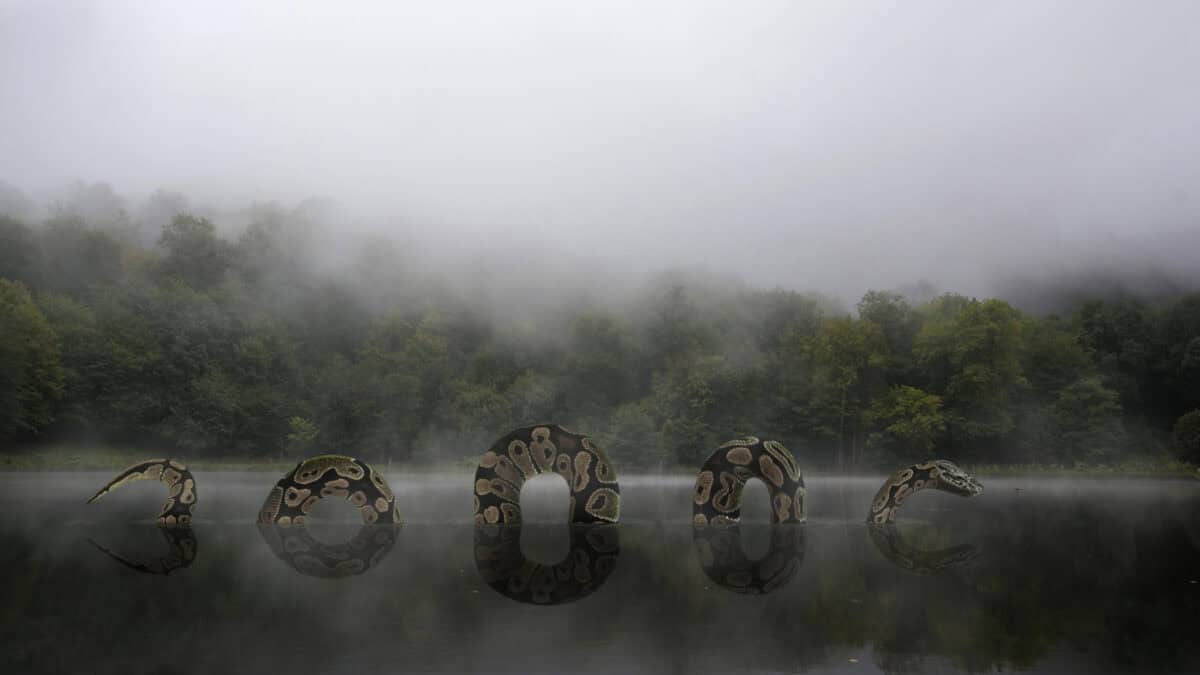
The discovery of the snake was the result of a routine wildlife survey aimed at monitoring the region’s ecological health. Field biologists, experienced in navigating the challenging terrain, were carrying out their work when they stumbled across the extraordinary creature. The find was quickly reported, attracting experts from all over to study this giant reptile.
Introducing the Titanoboa of Florida
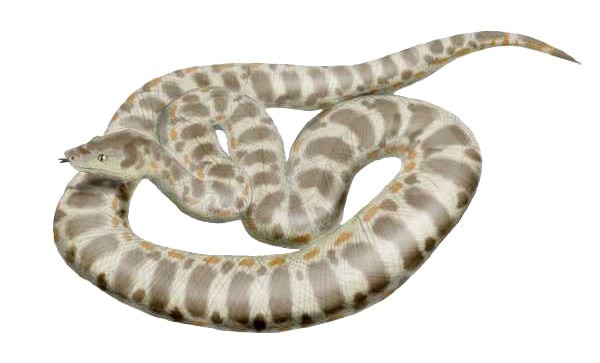
Dubbed the ‘Titanoboa of Florida,’ this newly recorded snake species had an unprecedented size, rivaling the prehistoric Titanoboa, which lived approximately 60 million years ago. The modern discovery marked a significant moment in herpetology, as it suggested the possibility of gigantic sizes still achievable by snakes today under favorable conditions.
Physical Characteristics: A Closer Look

The snake’s physical attributes were nothing short of extraordinary. Measuring over 33 feet in length and weighing in excess of 200 pounds, it smashed previous records for living snakes. Its girth was also substantial, allowing it to prey on a wider array of animals in the swampland ecosystem.
The Impact on Florida’s Ecosystem
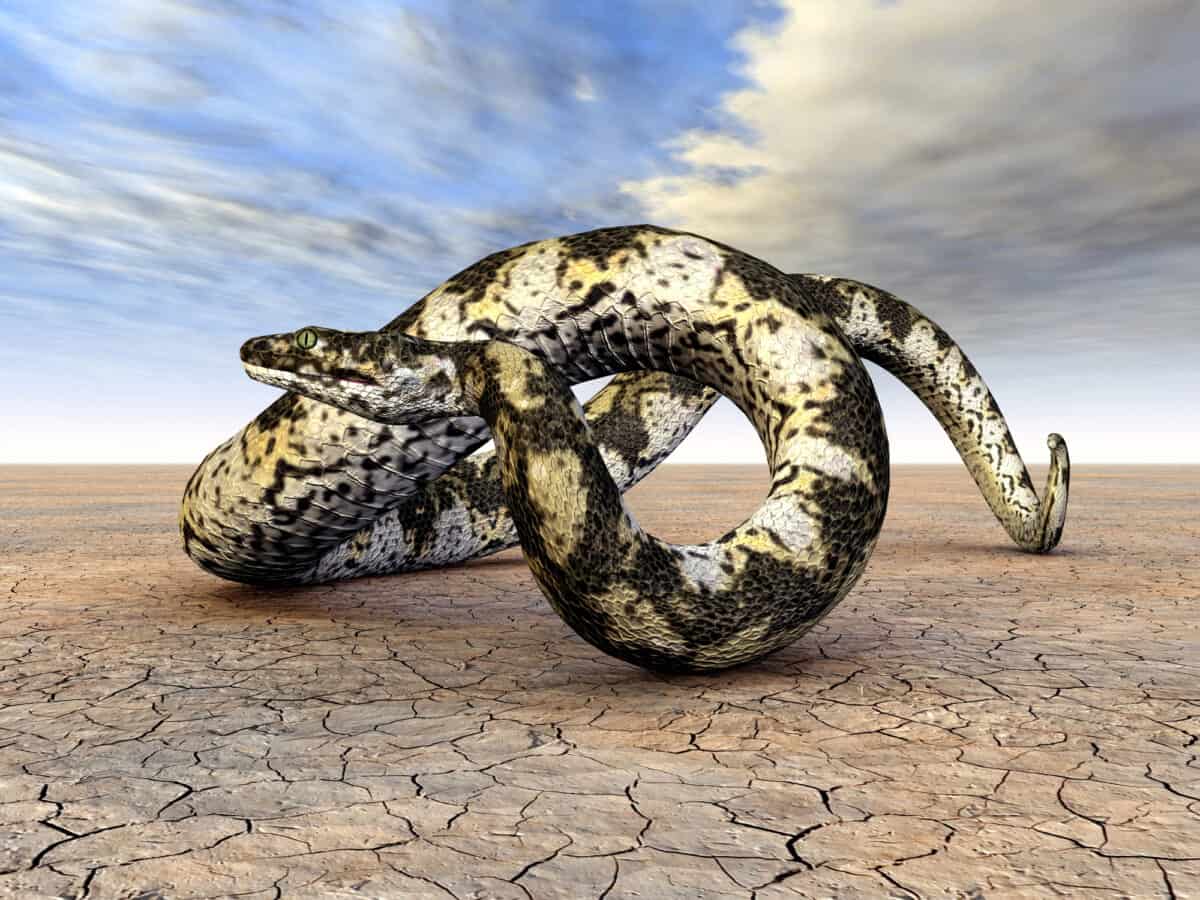
Such a massive predator inevitably influences the ecological balance within its environment. The presence of this snake indicated a complex food web and required a reevaluation of predator-prey dynamics in the swamplands. The implications on native species, as well as invasive populations, were profound and demanded further study.
A Comparison with Known Giants
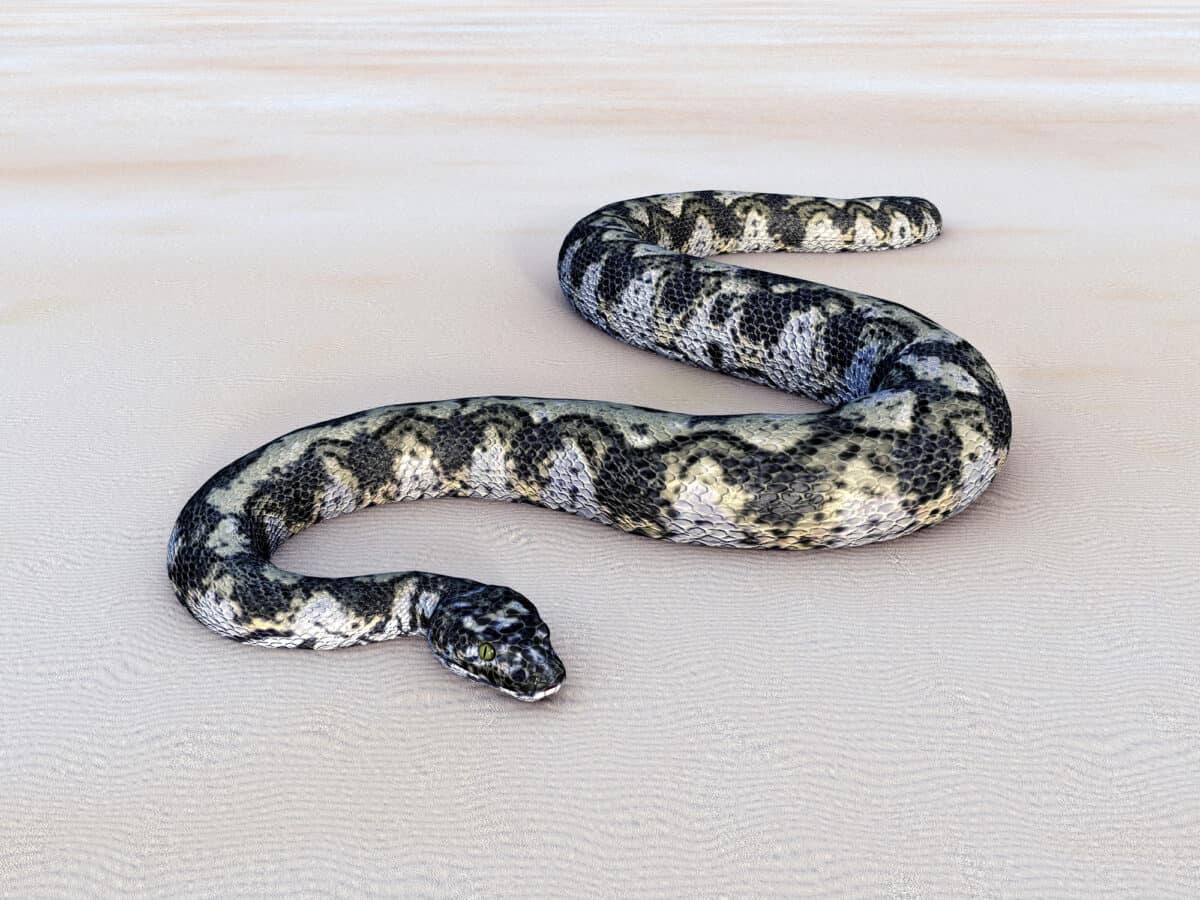
Prior to this discovery, the reticulated python held the title for the longest snake, with recorded individuals measuring over 28 feet. The newly found snake in Florida not only challenged this record but also raised questions about the genetic and environmental factors that contribute to such extraordinary growth.
Scientific Significance: What We Learned

Beyond its size, the snake’s discovery provided insight into evolutionary biology, adaptability, and the effects of climate on growth. Additionally, it contributed valuable data for researchers studying reptilian ecology and the potential impacts of climate change on such apex predators.
The Role of Invasive Species
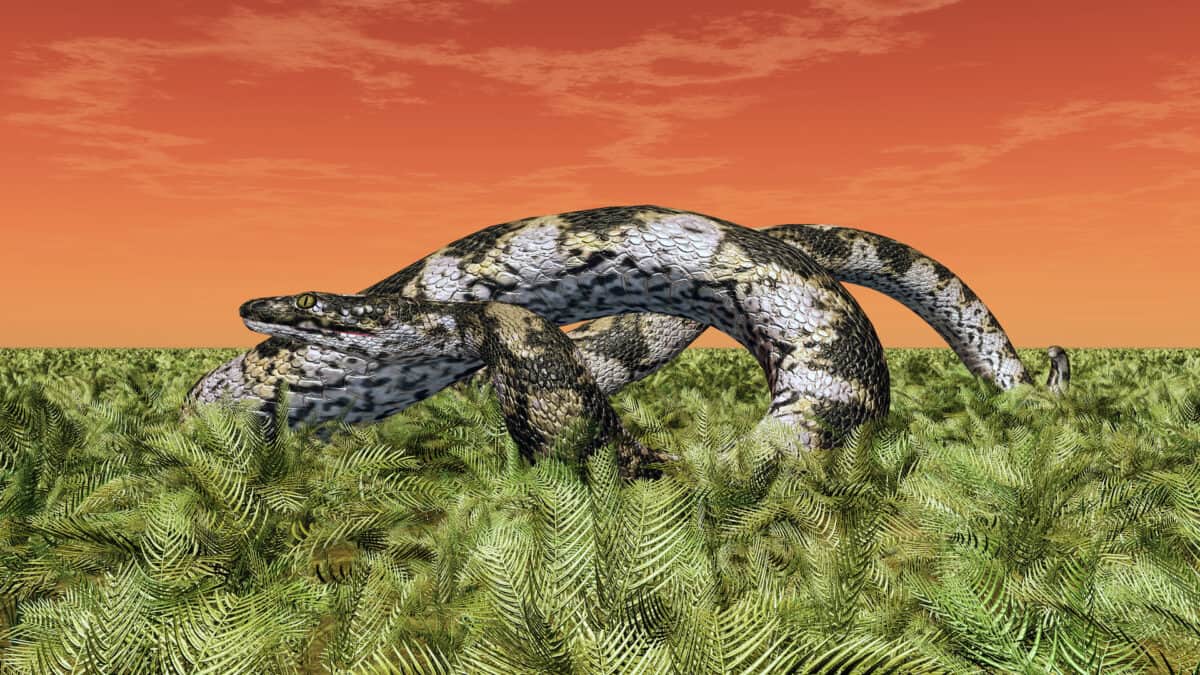
The snake’s size led some experts to theorize about its lineage possibly being influenced by invasive species such as the Burmese python, known to thrive in Florida’s swamps. Understanding the genetic makeup of this snake was crucial in determining if hybridization played a role in its colossal size.
Potential Risks and Human Interaction

With the size and power of such a snake, human interaction posed a considerable risk. While such large snakes generally avoid human contact, the proximity of human settlements to swamplands necessitates awareness and educational efforts to prevent potential incidents.
Conservation Efforts and Management

The find spurred conversations regarding conservation and management of natural habitats. Protecting the nearly delicate ecosystem while managing the burgeoning populations and preventing habitat encroachment is critical in supporting the biodiversity for which Florida is famous.
Global Interest and Media Sensation
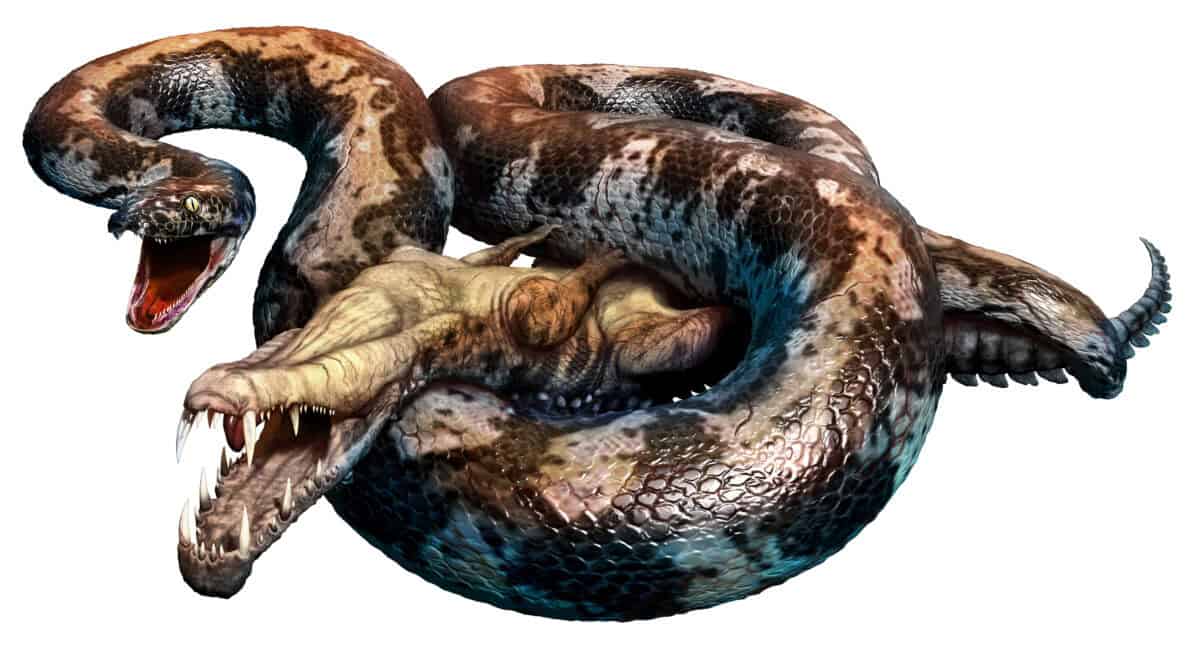
The story of this snake quickly captured the imagination of people around the world. Media coverage amplified curiosity and excitement about giant reptiles while also fueling scientific interest and public discourse about natural wonders.
The Future of Reptilian Research
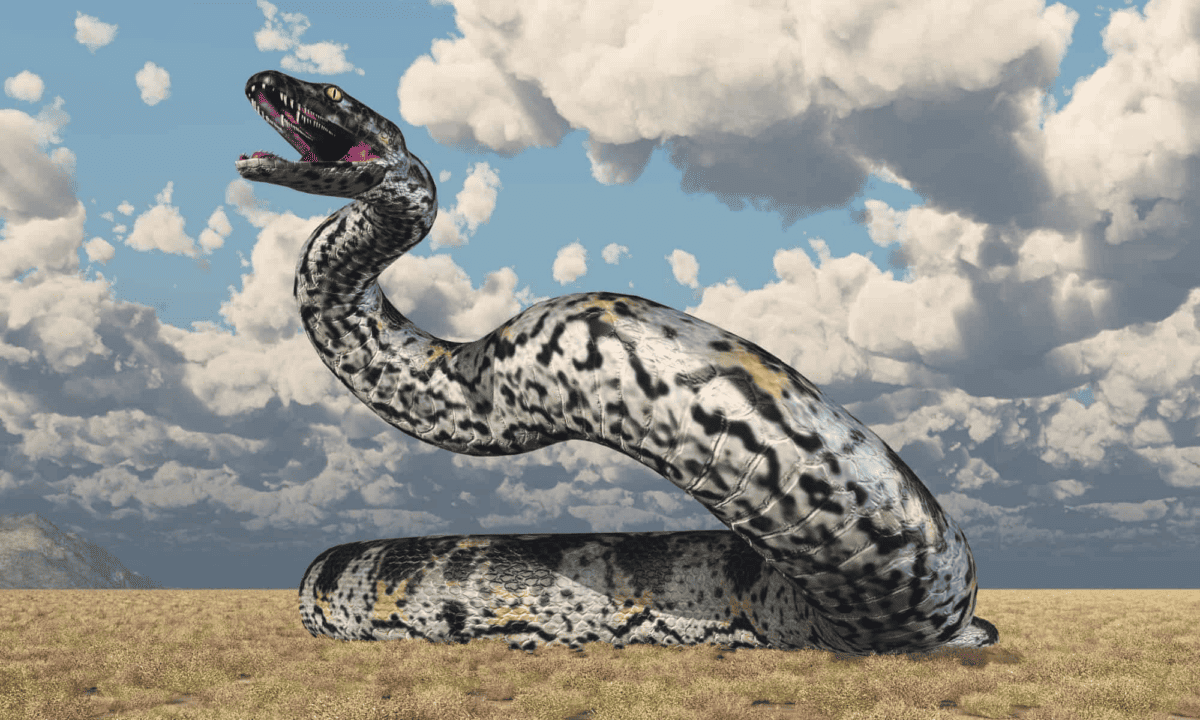
The discovery spurred further investigation into large reptiles and their habitats. It highlighted the need for continued funding and focus on wildlife research, not only in Florida but in similar ecosystems worldwide. Such efforts will ensure these magnificent creatures, and their habitats are preserved for future generations.
Conclusion: A Remarkable Phenomenon

The uncovering of the largest snake ever recorded in Florida’s swampland was more than just a statistic. It was a scientific milestone, expanding our understanding of ecological dynamics, evolutionary biology, and the mysteries of the natural world. As we continue to probe the depths of our planet’s ecosystems, such discoveries remind us of the continuous wonder and complexity of life on Earth.

- The Secret Language of Dolphins Decoded by Researchers - July 20, 2026
- 7 Animals That Can Survive Extreme Environments You Couldn’t - July 20, 2026
- The Longest Snake Ever Found in the U.S. - July 20, 2026