


Wildlife researchers in Central Texas recently got a surprise from one of nature’s most elusive mammals: an eastern spotted skunk, captured on a remote trail camera near the Balcones Canyonlands. The animal, no bigger than a housecat, hadn’t been officially documented in the region in over three decades.
“It did a little handstand and scampered off,” said Megan Ortiz, a graduate student studying nocturnal carnivores. “I had to rewind the footage just to be sure I wasn’t imagining it.”
These shy, nimble skunks are known for their unique defense behavior — raising their hind legs in the air while doing a handstand before spraying. They’re rarely seen and even more rarely recorded.
What Makes the Spotted Skunk So Rare?
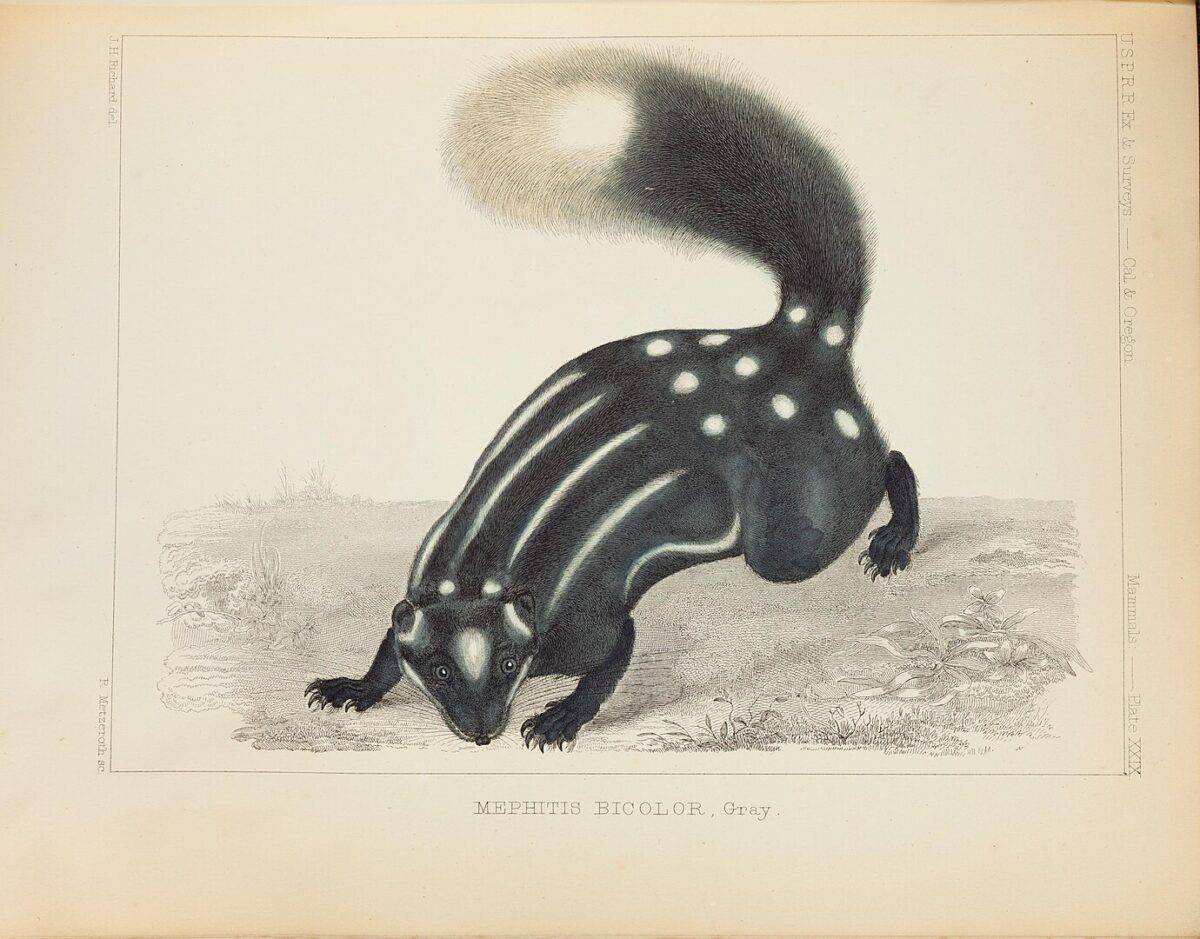
Unlike the more common striped skunk, eastern spotted skunks (Spilogale putorius) have four distinct white stripes broken into spots and dashes. Their populations have plummeted across much of the U.S. due to habitat loss, pesticide use, and changes in land management.
Texas was once a stronghold, but sightings have declined sharply. In fact, the eastern spotted skunk is now considered a species of greatest conservation need by the Texas Parks and Wildlife Department.
“These animals are indicators of healthy ecosystems,” said a state biologist. “Their return might mean the land is bouncing back.”
A Second Chance for a Forgotten Species
The discovery has sparked a wave of interest among biologists and conservationists. More trail cameras are being deployed, and researchers hope to gain a deeper understanding of the skunk’s diet, denning habits, and territory range.
- Spotted skunks prefer rocky outcrops, dense brush, and tallgrass prairie
- They’re mostly nocturnal, making sightings rare even where they exist
- Unlike their smelly cousins, they climb trees and move with surprising speed
If enough individuals are confirmed, it could open the door for new protective measures and land restoration efforts.
Keep an Eye Out, But Keep Your Distance

Texans are being asked to report sightings, but not to interfere:
- Do not attempt to trap or feed the skunks
- Avoid using rodent poison or broad-spectrum pesticides near wild areas
- Use motion-activated trail cameras if you suspect wildlife nearby
“This isn’t just a cute animal story,” said Ortiz. “It’s a reminder that even the smallest species have a role — and sometimes, they come back when we least expect it.”

- Iguana Fell and Hit Florida Man in the Face During Cold Snap - August 11, 2026
- Stray Cat Escapes Shelter, Walks Home in Florida - July 29, 2026
- Crowned Crane Escapes Zoo in Washington - July 27, 2026