

Picture this: you’re standing on a pristine beach in Bali, watching colorful tropical birds flutter through lush rainforest canopy. Just thirty-five kilometers away, on the neighboring island of Lombok, a completely different world unfolds. The birds here look nothing like what you just saw. It’s as if nature drew an invisible line through the ocean, creating two separate realms that rarely mix.
This isn’t science fiction. It’s one of the most fascinating mysteries in the natural world. Scientists call it the Wallace Line, and it represents the animal kingdoms of Asia and Australia are worlds apart, thanks to an invisible line that runs right between the two neighboring continents. Most wildlife never cross this imaginary boundary, not even birds. So let’s dive in to explore this incredible natural phenomenon that has puzzled researchers for over a century.
The Discovery That Changed Everything
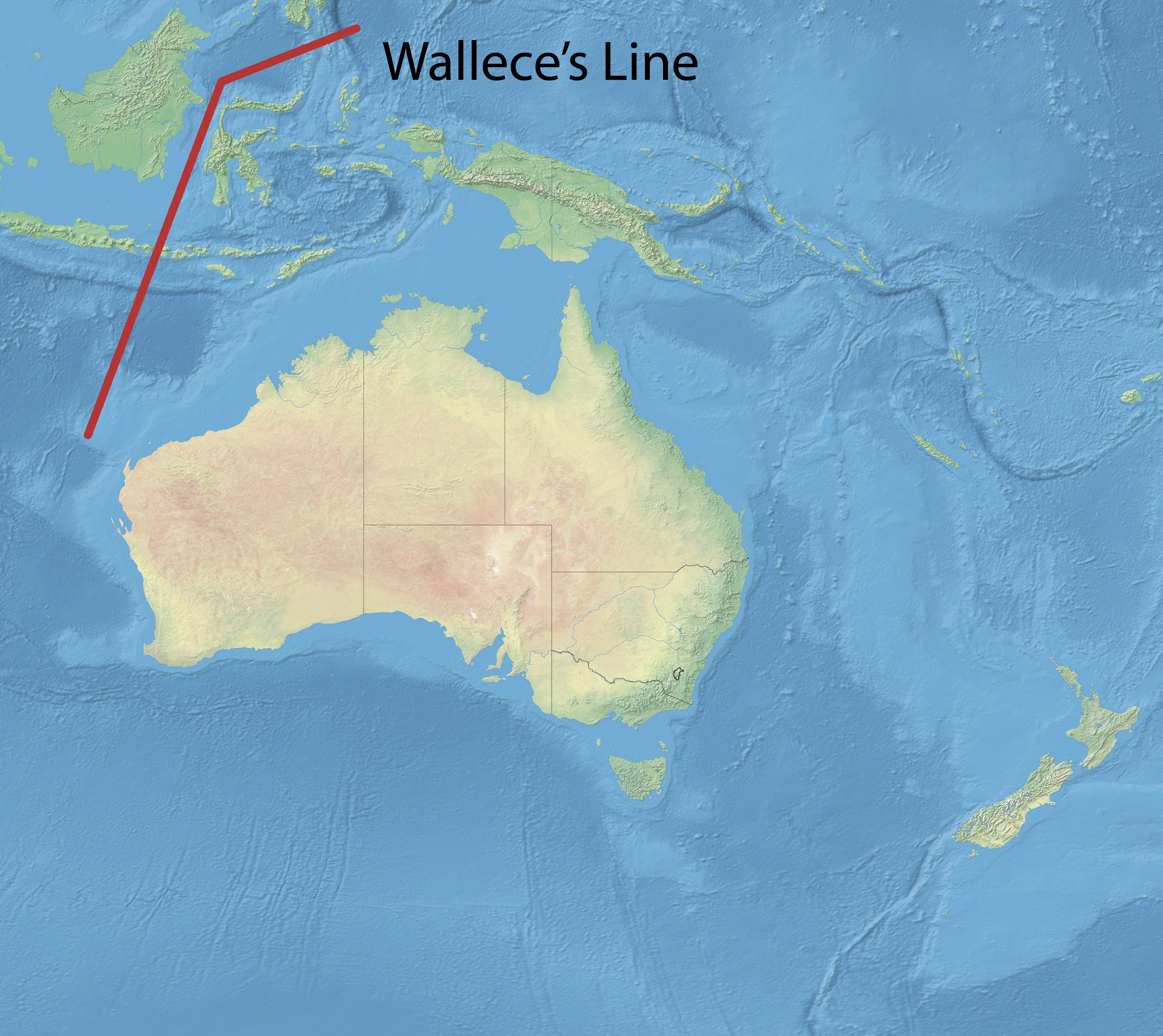
When British naturalist Alfred Russel Wallace sailed through the Indonesian archipelago in the 1850s, he expected gradual changes in wildlife from island to island. Instead, he encountered something extraordinary. In the 19th century, while on an expedition, Wallace noted a surprising contrast in animal species on either side of an invisible boundary running between the Indonesian islands of Borneo and Sulawesi. To the west, the islands – including Borneo, Java, and Sumatra – are home to animals commonly found in Southeast Asia. However, when you move east past the line to islands like Sulawesi, New Guinea, and the Moluccas, the animals are more akin to species found in Australia.
The contrast was mind-blowing. The line runs through Indonesia, such as Makassar Strait between Borneo and Sulawesi (Celebes), and through the Lombok Strait between Bali and Lombok, where the distance is strikingly small, only about 35 kilometers (22 mi), but enough for a contrast in species present on each island. Wallace realized he had discovered something that would revolutionize our understanding of how animals spread across the planet.
Asian Giants Meet Australian Oddballs
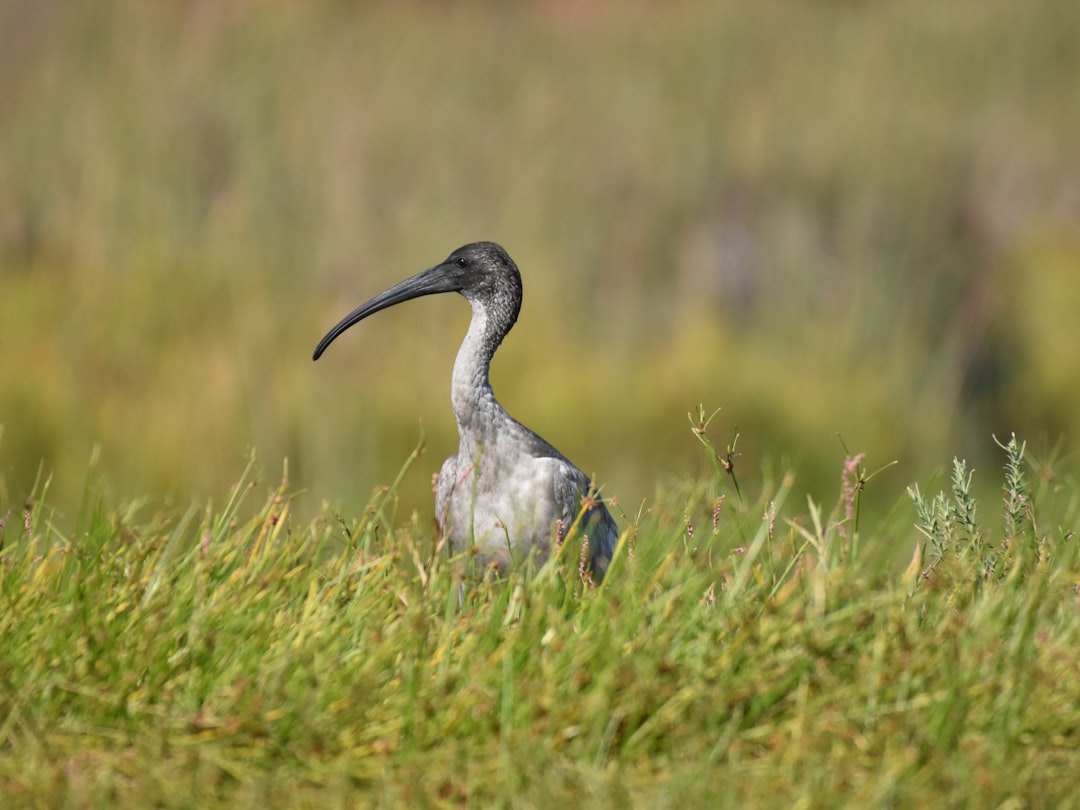
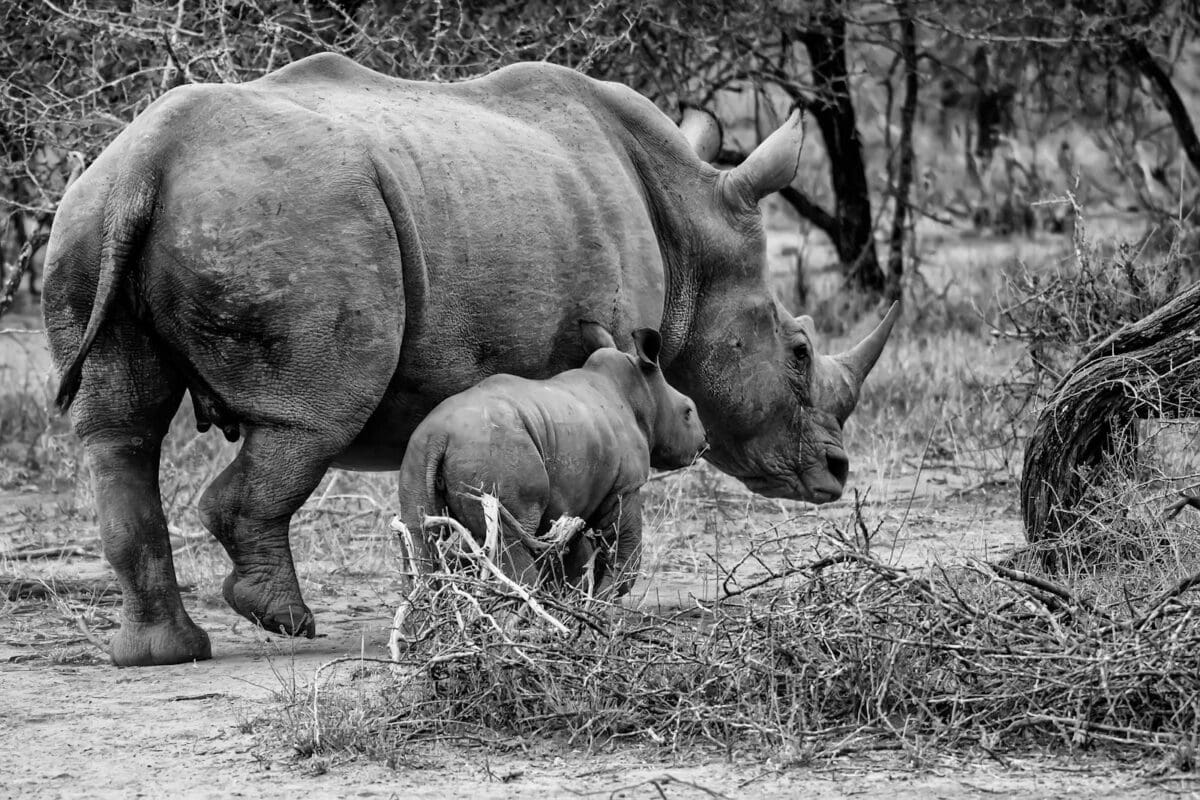
The wildlife differences across this invisible line are absolutely stunning. On one side of the map, in Indonesia and Malaysia, monkeys, apes, elephants, tigers, and rhinos evolved; while on the other side, in New Guinea and Australia, marsupials, monotremes, rodents, and cockatoos flourish. Think of it as nature’s ultimate divide between two completely different evolutionary experiments.
The Australian side of the Wallace Line is characterized by the prevalence of marsupial species like kangaroos, along with the presence of some monotremes and native rodents. The Asian side is populated by placental mammals such as apes, cats, elephants, monkeys, and rhinoceroses, among others. It’s like stepping between two different planets, each following its own biological rules.
The Deep Ocean Mystery
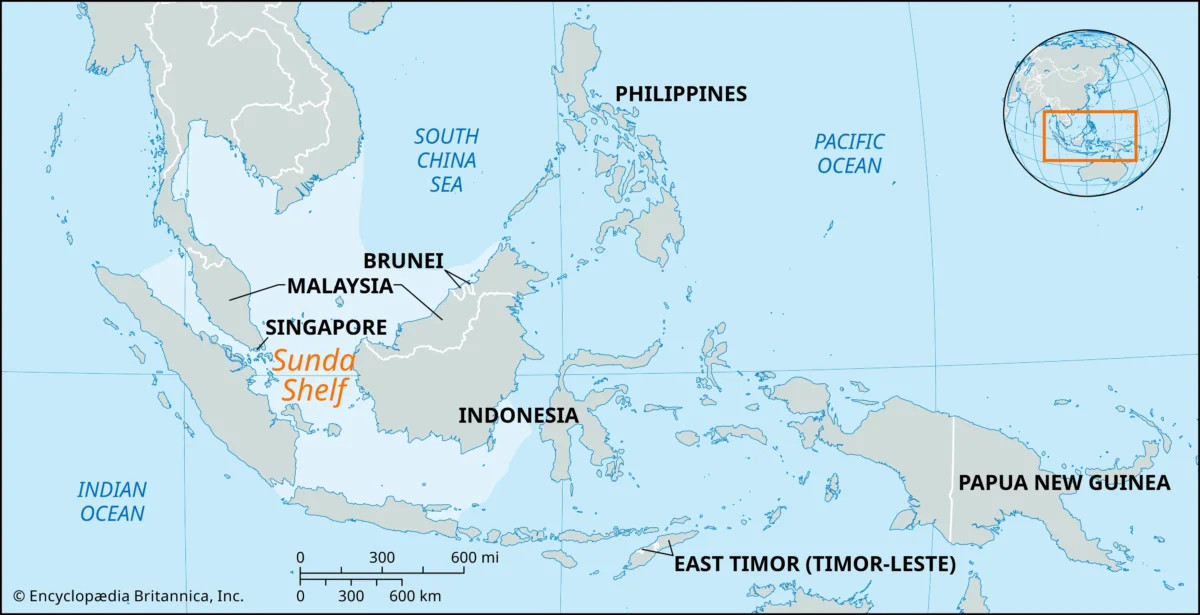
What makes this boundary so effective? The answer lies beneath the waves. A deep ocean trench, known as the Makassar Strait, is key to this puzzle. It figures as a deep-water channel that separates the southeastern edge of the Sunda Shelf from the Sahul Shelf. The Sunda Shelf links Borneo, Bali, Java, and Sumatra underwater to the mainland of southeastern Asia, while the Sahul Shelf connects Australia to New Guinea and their adjacent islands.
Even during ice ages when sea levels dropped dramatically, this underwater chasm remained. During the Pleistocene, when the ocean levels were up to 120 metres (390 ft) lower, islands became connected, but never uniting Asia with Australia. Consequently, for over 50 million years, deep water between those two large continental shelf areas created a barrier that kept the flora and fauna of Australia separated from those of Asia.
Birds That Won’t Fly Across
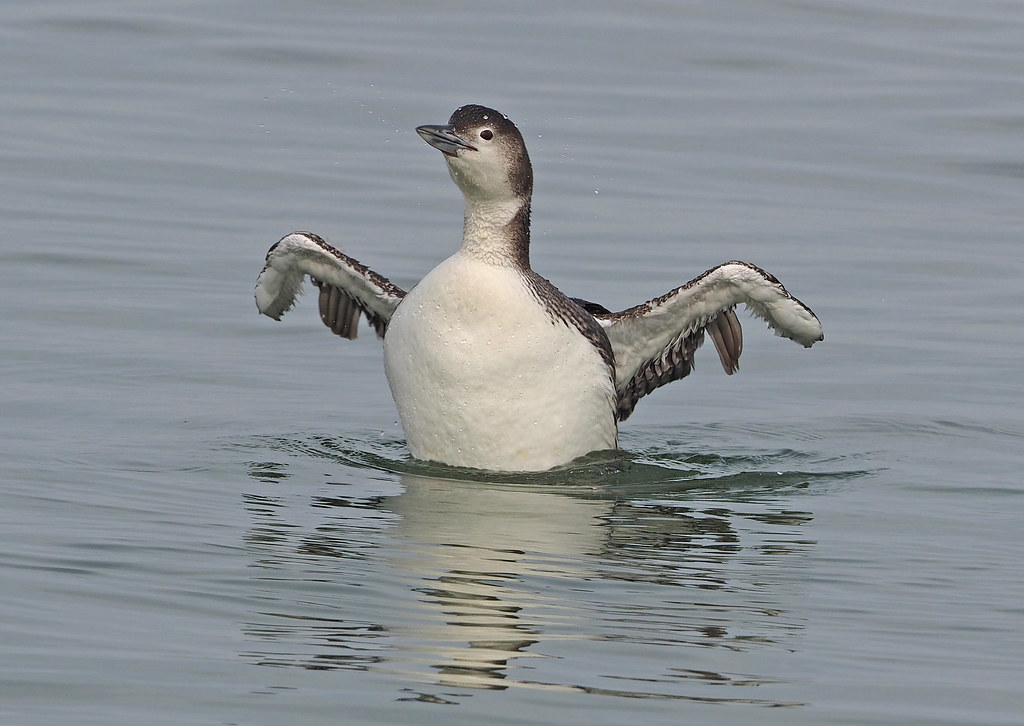
Perhaps the most surprising aspect of the Wallace Line is how it affects even flying animals. While Wallace’s invisible line is most obvious when comparing mammals in Asia and Australia, it also exists for birds, reptiles, and other animals. Even creatures with wings don’t typically make the trip across Wallace’s line, and in the ocean, some types of fish and microbes show genetic differences on one side of the border compared to the other, indicating very little mixing between populations.
There are lots of behavioral traits common in animals that prevent them from crossing open water. For example, many birds like to stay protected by dense vegetation to avoid being predated. This makes them unlikely to fly out into the open space. Nature has programmed these creatures with an instinctive fear that keeps them safely within their ancestral territories.
The Climate Change Connection
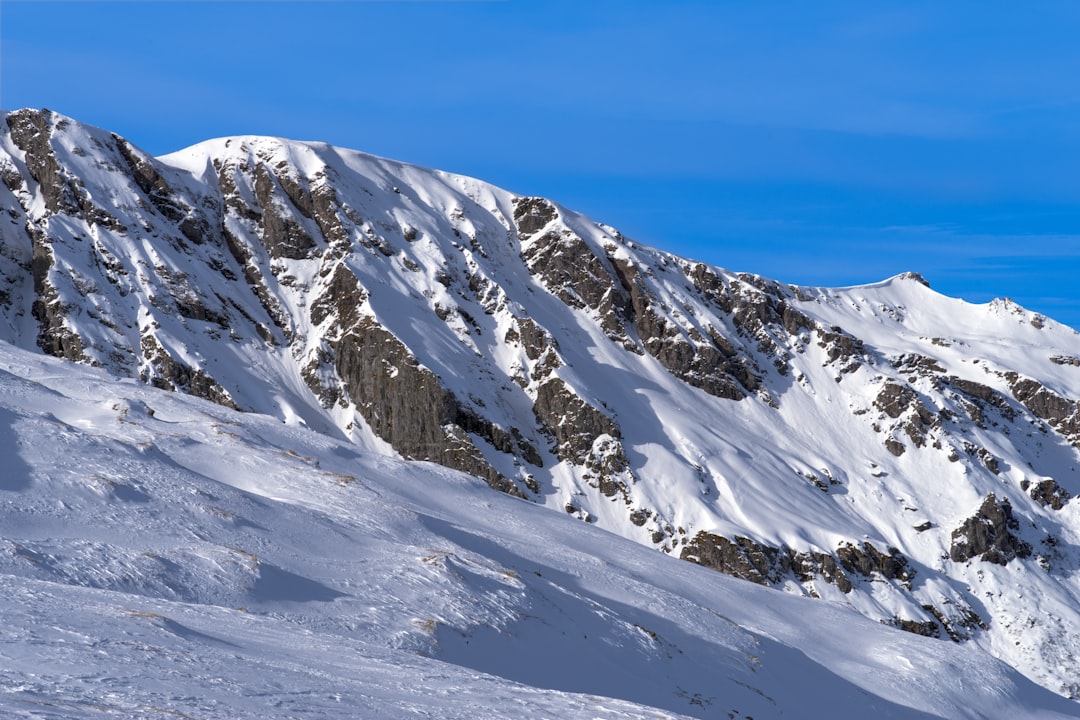
Recent scientific breakthroughs have finally solved the puzzle of why this invisible fence exists. A new study may have finally explained the conundrum: extreme climate change triggered by tectonic activity around 35 million years ago played a crucial role in creating the Wallace Line. Around that time, Australia drifted away from Antarctica and collided with Asia, causing significant changes in geography and also Earth’s climate. The continental collision birthed the volcanic islands of Indonesia while also opening up a deep ocean surrounding Antarctica. In turn, this led to the formation of the Antarctic Circumpolar Current, which dramatically cooled the climate.
Recent analysis of vertebrate species suggests that Southeast Asian lineages evolved in a relatively tropical ancient environment that allowed them to spread out toward New Guinea on humid island “stepping stones”. Wildlife on the Australian continental shelf, meanwhile, evolved in distinctly drier conditions, which dictated a different evolutionary path. This meant that Australian wildlife was at a disadvantage in the tropical islands nearer the equator.
Modern Mysteries and Debates

Today’s scientists continue refining our understanding of this remarkable boundary. The more researchers study the Wallace line, however, the less clear it becomes about where the line should be drawn and how ‘porous’ the barrier might be – at least to some animals that can swim, float, or fly, like bats, beetles, monitor lizards, or macaques. Wallace’s divide isn’t an absolute border, but more of a gradient, scientists say.
We suggest that Wallace’s Line be redrawn such that the landmass is placed on the Australasian side of this fundamental biogeographical boundary. Shifting a line on a map may seem simple, but it shows how active science can be. As more research appears, definitions can move, and old ideas can adapt. The debate continues as researchers discover new species and better understand ancient migration patterns.
What This Means for Our Planet’s Future
The Wallace Line remains incredibly relevant in our rapidly changing world. As the planet warms at an unprecedented rate, understanding these boundaries has never been more urgent. Although their boundaries may be invisible, their impact is very much real. Climate change could potentially blur these ancient divisions, forcing wildlife to adapt to conditions their ancestors never experienced.
Shallow seas no longer block human travel, yet animals remain bound by their own quirks. Scientists ask whether climate changes or habitat loss might shift wildlife distributions in the future. Updates on these studies add another layer of intrigue to a line first drawn in the 19th century. The invisible fence that has separated two biological worlds for millions of years might finally be tested by our planet’s changing conditions.
The Wallace Line stands as one of nature’s most remarkable achievements, a testament to the power of geography and evolution to shape life on Earth. This invisible boundary continues to fascinate scientists and nature lovers alike, reminding us that some of the most profound forces in our world remain completely hidden from view. What do you think about this incredible natural phenomenon? Did you expect that such a simple invisible line could hold such extraordinary power over millions of species?

- Which Animals Inspired the Design of Real Robots - June 3, 2026
- 12 Calm, Low-Maintenance Dogs Ideal for Retirement Years - June 3, 2026
- The Wild Cat That Best Represents Each Zodiac Sign - June 3, 2026