
Arizona is one of those places that manages to be breathtakingly beautiful and genuinely threatening at the same time. It’s a state where you can hike through pine forests in the morning and stand in four different deserts by afternoon. That kind of ecological richness doesn’t come without a cast of characters that commands serious respect. Scorpions in your boots, rattlesnakes on the trail, and bees that will chase you for a quarter mile, these aren’t campfire exaggerations. They’re Tuesday .
Arizona is the only state that has all four North American deserts: the Sonoran, Mohave, Chihuahuan, and Great Basin. That’s four distinct ecosystems packed into one state, each harboring its own menu of venomous, aggressive, or simply enormous creatures. Whether you’re a hiker, a homeowner, or just visiting for a long weekend, knowing what’s out there isn’t paranoia. It’s common sense.
#1. Western Diamondback Rattlesnake
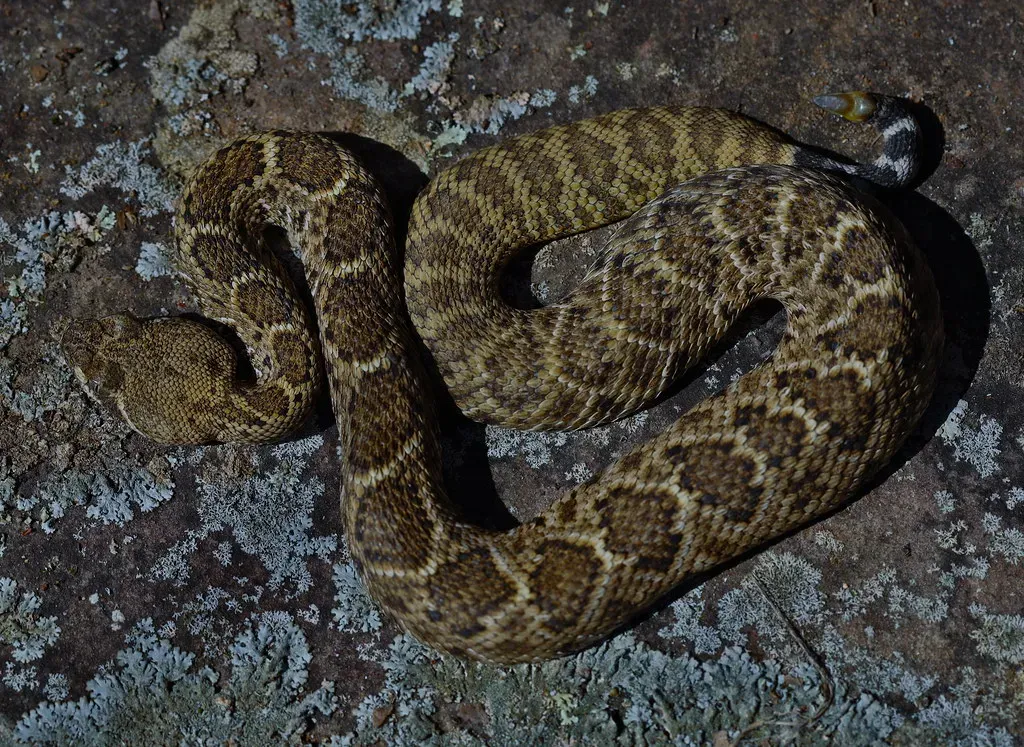
The Western Diamondback Rattlesnake is the largest and most common rattlesnake and is also one of the most venomous snakes in all of North America. It’s the snake that earned Arizona its reputation, and for good reason. When hiking the diverse landscapes of Arizona, you’re likely to encounter this species, as it inhabits everything from desert scrub to pine-oak forests, from sea level to 7,000 feet elevation.
The Western Diamondback stands as Arizona’s most dangerous serpent, responsible for more venomous bites than any other species in the state. Their hemotoxic venom destroys tissue and prevents blood from clotting, leading to severe internal bleeding, tissue damage, and potentially death if left untreated. The rattling tail is its famous warning, but due to their camouflage and tendency to remain motionless, they can be extremely challenging to spot. Sturdy boots, awareness, and a healthy distance are your best defense.
#2. Arizona Bark Scorpion
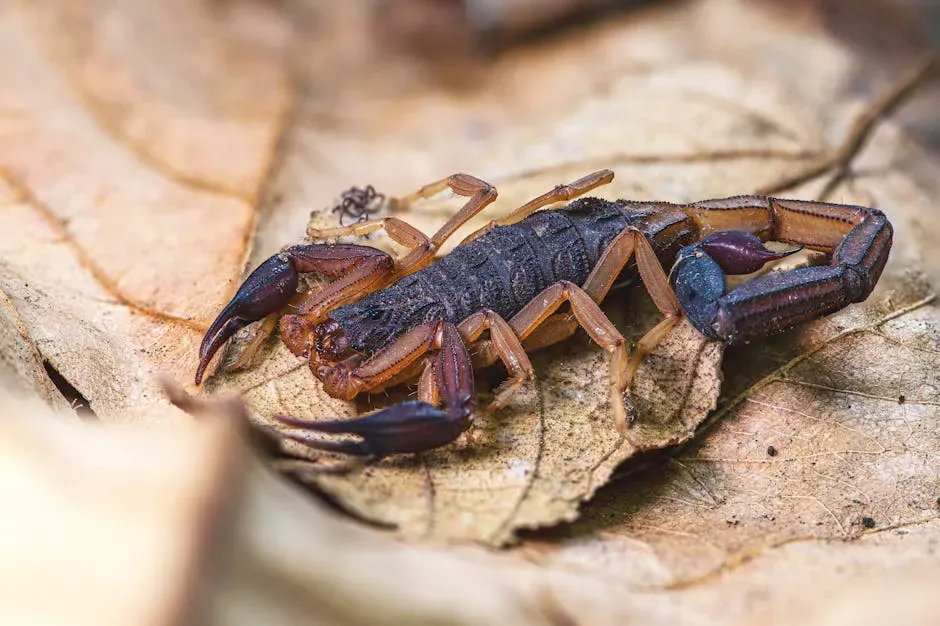
The Arizona Bark Scorpion is the most venomous scorpion in North America, and its sting can be painful and potentially dangerous. The venom can cause intense pain, numbness, and respiratory distress, particularly in sensitive individuals or children. What makes this creature especially unsettling isn’t just its venom. It can sneak into your home through a crack as small as a credit card, and once inside, it can scurry across your floor or climb your walls and hang from the ceiling.
Arizona has the highest number of reported scorpion bites in the US, with an annual average of around 11,500 per year. That’s not a misprint. Bark scorpions are the only US species that can climb vertical surfaces, meaning they might drop from a ceiling or wall if disturbed. Shaking out your shoes and clothing, especially in the evening, remains one of the most important habits you can develop in this state.
#3. Africanized Honey Bees
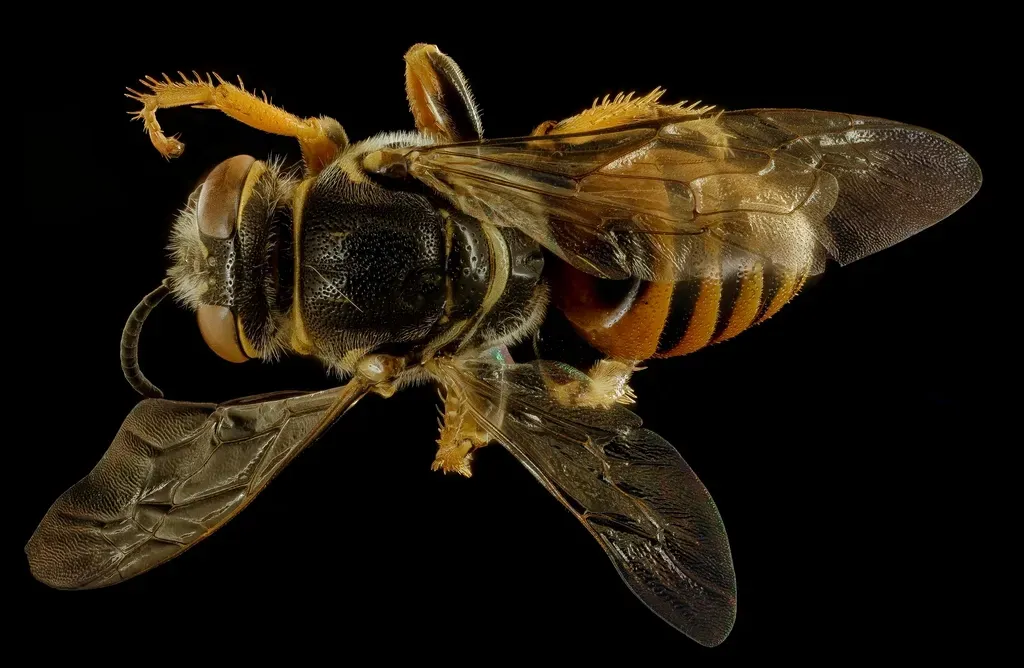
Arizona is home to Africanized honey bees, a hybrid species known for their aggressive behavior. They are a cross between African honey bees, which were brought to the Americas in the mid-20th century, and European honey bees. Sometimes called “killer bees,” they can swarm and attack in large numbers, posing a significant threat to those who disturb their nests. Their venom isn’t stronger than a regular bee’s. The terrifying part is the sheer volume of stings.
Today, experts estimate over 90% of wild bee colonies are Africanized hybrids. That means nearly every hive you stumble upon outdoors is the aggressive variety. Unlike European bees, which may give up after a few yards, Africanized bees will chase people or animals for up to a quarter mile if they feel threatened. Jumping into a swimming pool or other body of water won’t protect you either. Africanized bees will simply wait until you emerge to attack.
#4. Black Widow Spider
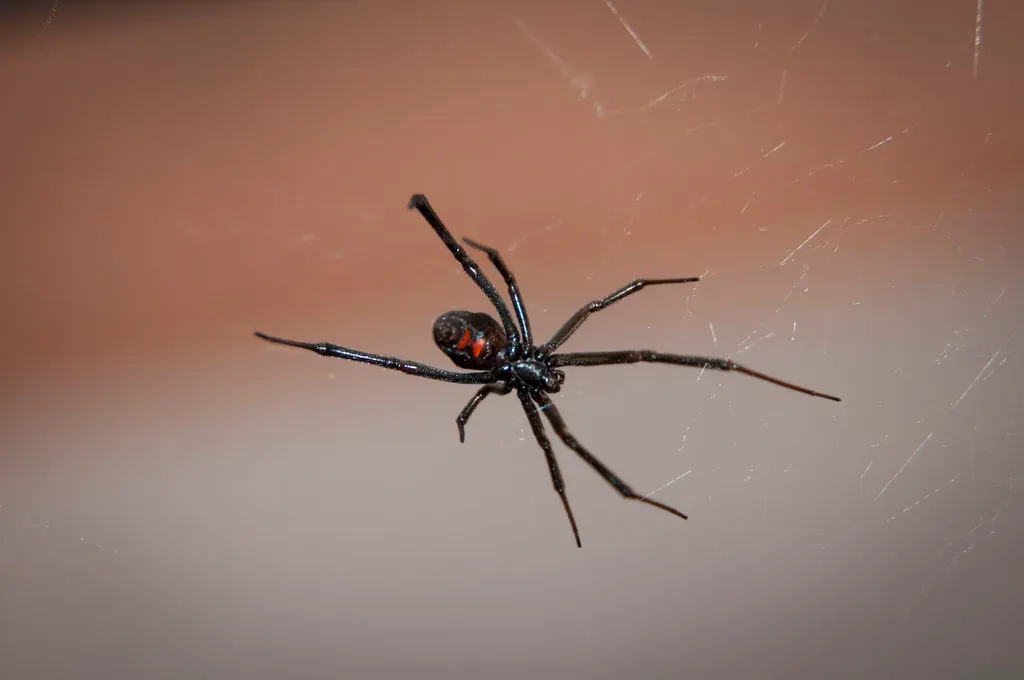
The black widow is the most venomous spider in North America. The female, marked by the distinctive red hourglass shape on its underside, is aggressive and has a powerful bite. Black widow venom is 15 times stronger than a rattlesnake’s. That statistic tends to stop people in their tracks. Black widows can be found all across Arizona, but are especially prevalent in metropolitan areas like Phoenix and Tucson, thanks to the availability of prey.
Typically, Black Widows do not bite unless attacked or threatened, but when they do bite, their venom can cause breathing problems, muscle cramps, hypertension, nausea, and sweating. The unsettling reality is that they don’t prefer the wilderness. They make homes in dark, quiet spaces, so keeping your home free of clutter is one of the most practical steps you can take. Garages, storage boxes, and wood piles are prime real estate for this spider.
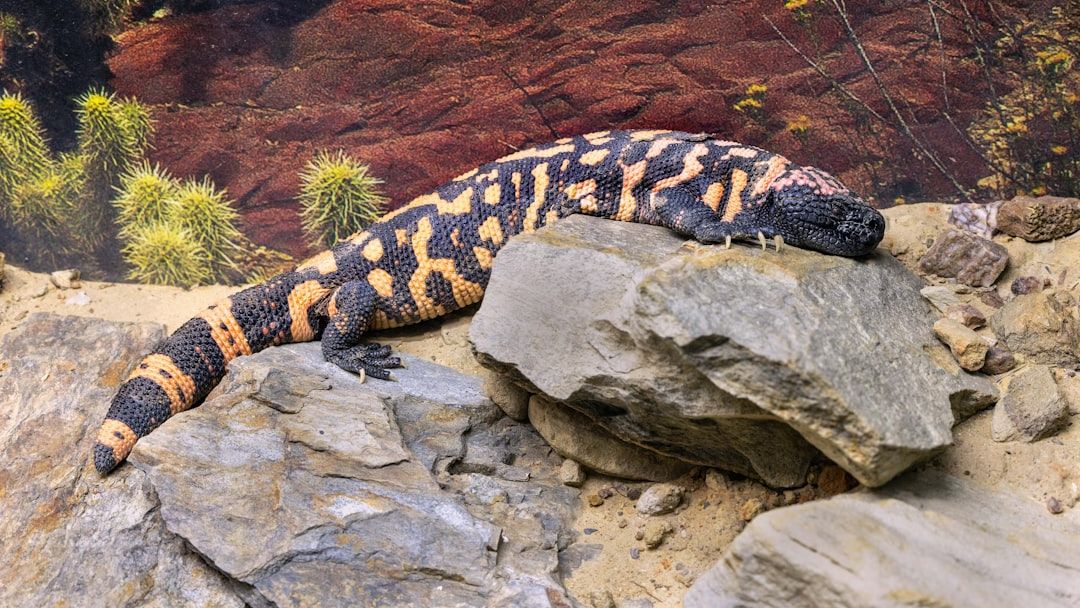
#5. Gila Monster
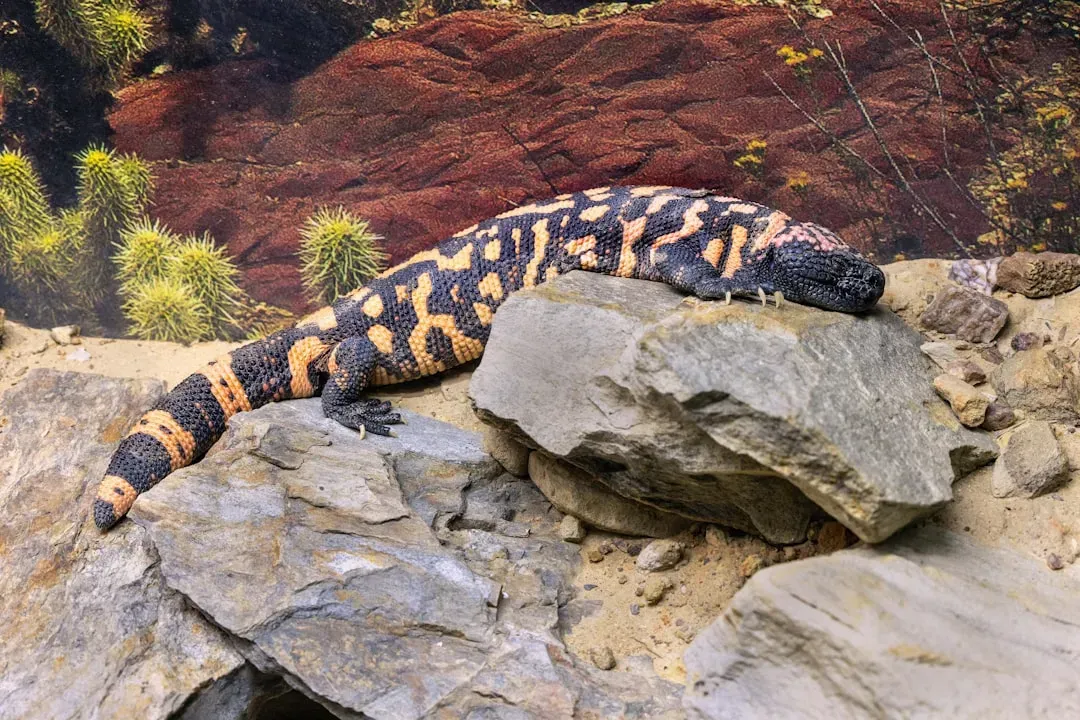
The Gila Monster is the only venomous lizard native to the United States, and its habitat stretches across the Sonoran Desert of the Southwest and northern Mexico. It’s a remarkable-looking animal, covered in beadlike, orange-and-black scales, and it moves at a pace that makes you think it has nowhere urgent to be. Don’t let that fool you. Gila monsters are nocturnal, measuring up to 21.5 inches in length, and their bite is very painful. They bite hard and latch onto their victims, gnawing to get the venom into the wound.
Gila monsters produce venom in their lower jaw, delivering it through chewing on their victim. The more they bite, the more venom they excrete. When they bite, it is often hard to get them to release without a hard object, and while bites are very rare and often not cause for serious concern in healthy adults, a bite on a child can be a medical emergency. Interestingly, their venom contains valuable peptides that have led to the development of diabetes medications like exenatide. Dangerous and scientifically fascinating, all at once.
#6. Mojave Rattlesnake
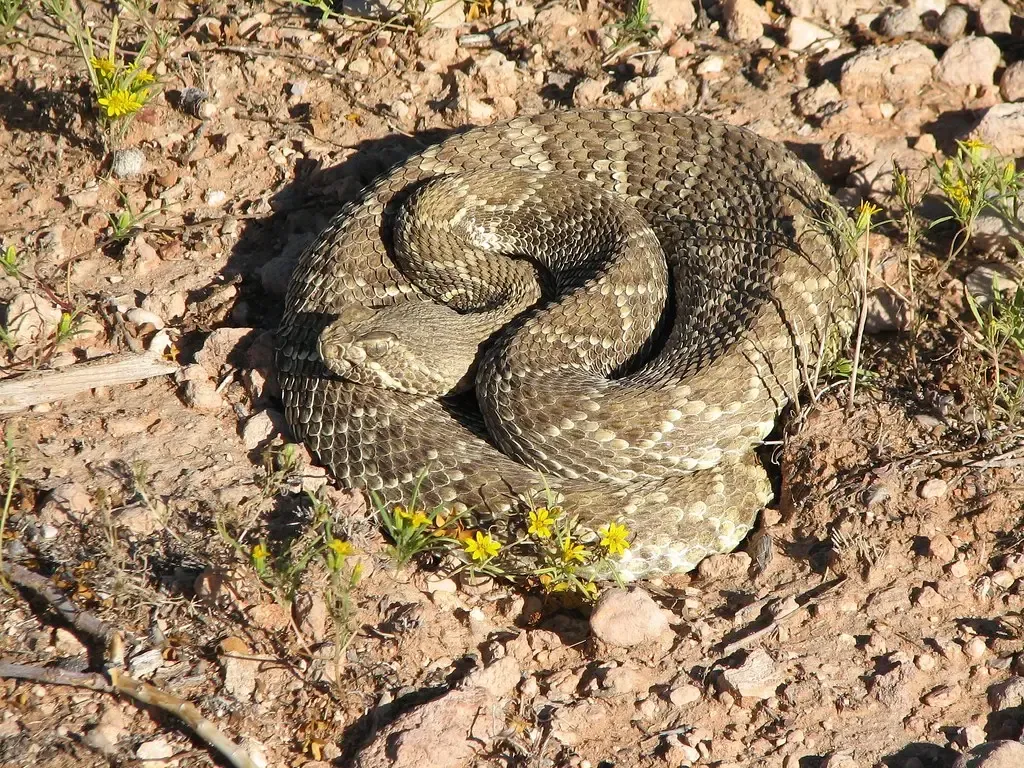
The Mojave Rattlesnake delivers the most potent venom of any North American rattlesnake. Often considered the most dangerous rattlesnake on the continent, it possesses both hemotoxic and neurotoxic venom components. This deadly combination attacks the nervous system while simultaneously destroying tissue and blood cells. Most rattlesnakes hit you with one type of venom. The Mojave hits you with two.
This species prefers higher elevation desert areas, particularly around creosote bush flats and Joshua tree forests in northwestern Arizona, and is most active at dawn and dusk, seeking shelter during extreme temperatures. The Mojave rattlesnake is considered to be the most toxic species of rattlesnake in the United States. If you’re hiking in northwestern Arizona and you hear a rattle, don’t assume it’s a Western Diamondback. The Mojave demands the same level of immediate, urgent respect.
#7. Arizona Brown (Recluse) Spider
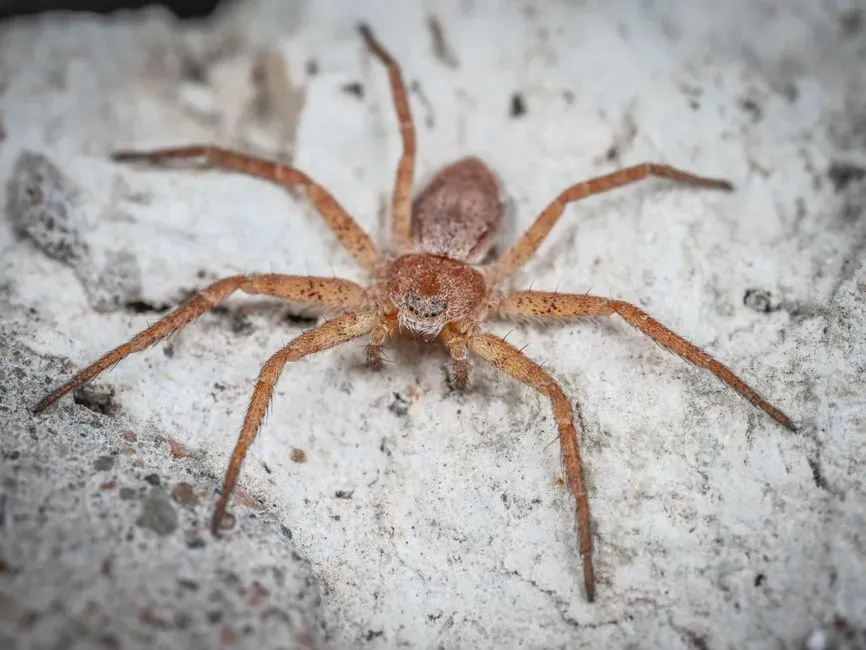
Sometimes confused with the Brown Recluse spider, the Arizona Recluse is characterized by its brown coloring and a violin-shaped marking on its thorax. What makes this spider particularly dangerous isn’t aggression but the slow, silent damage its bite delivers. Their cytotoxic venom causes tissue death around bite sites if left untreated. These spiders seek dark, quiet spaces like closets, attics, and stored boxes, and are most active at night, rarely biting unless directly pressed against skin.
There are five species of brown spider in the state and their bites can sometimes go unnoticed for up to eight hours before discomfort begins. Their bites are often distinguishable by a small sore that begins to spread from the bite site. If left untreated, these sores can grow, leading to permanent tissue damage or local necrosis. It’s the kind of danger that doesn’t announce itself dramatically, which arguably makes it worse. Check stored clothing, avoid reaching blindly into dark spaces, and if a sore starts spreading, see a doctor immediately.
#8. Mountain Lion
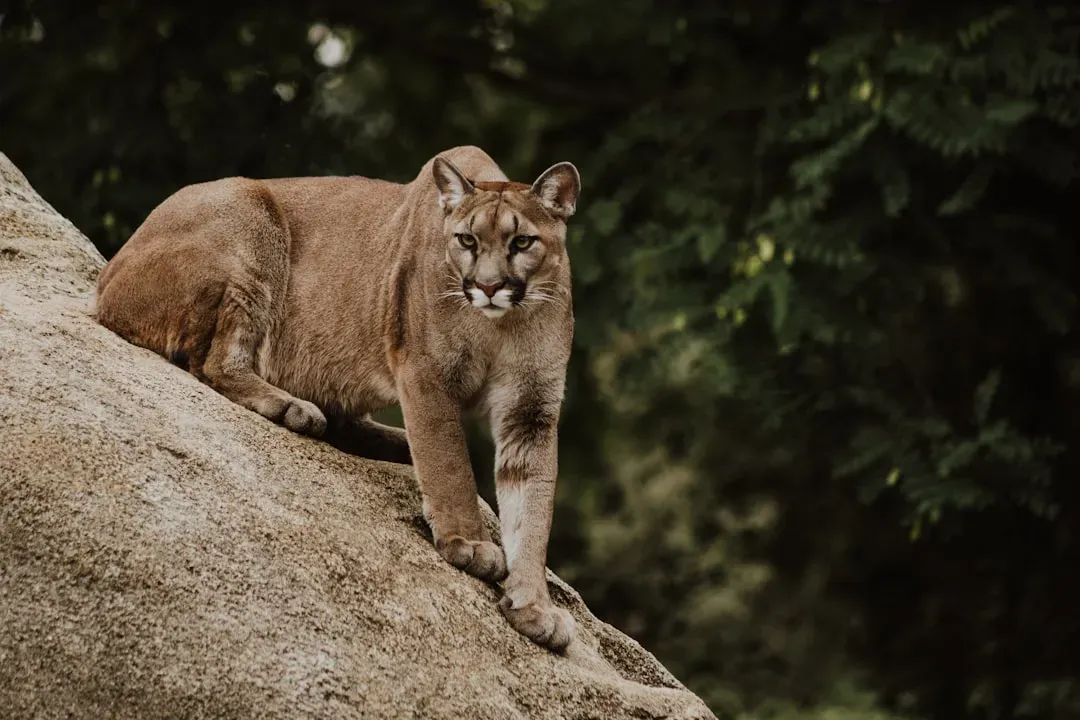
Mountain lions prowl Arizona’s desert regions, preferring rocky areas with brush or tree cover. Sometimes called cougars or pumas, these big cats are solitary nighttime hunters that prey on rodents, rabbits, and even snakes. They’re genuinely awe-inspiring animals, and most people who hike will never see one. That invisibility is actually part of the danger. Mountain lions typically avoid developed areas but are likely present in or near the wildland-urban interface because of their proximity to large wildland habitats.
Pumas reach 3 to 4 feet tall at their shoulder and measure up to eight feet long, including their tails. They can leap 20 feet up trees or 45 feet across chasms. Mountain lions are shy, but if you ever see one, you should back away and make lots of noise. Don’t run, because this might trigger their chase instinct. Slow, deliberate movement is everything in a mountain lion encounter, and knowing that rule in advance could genuinely save your life.
#9. Arizona Coral Snake
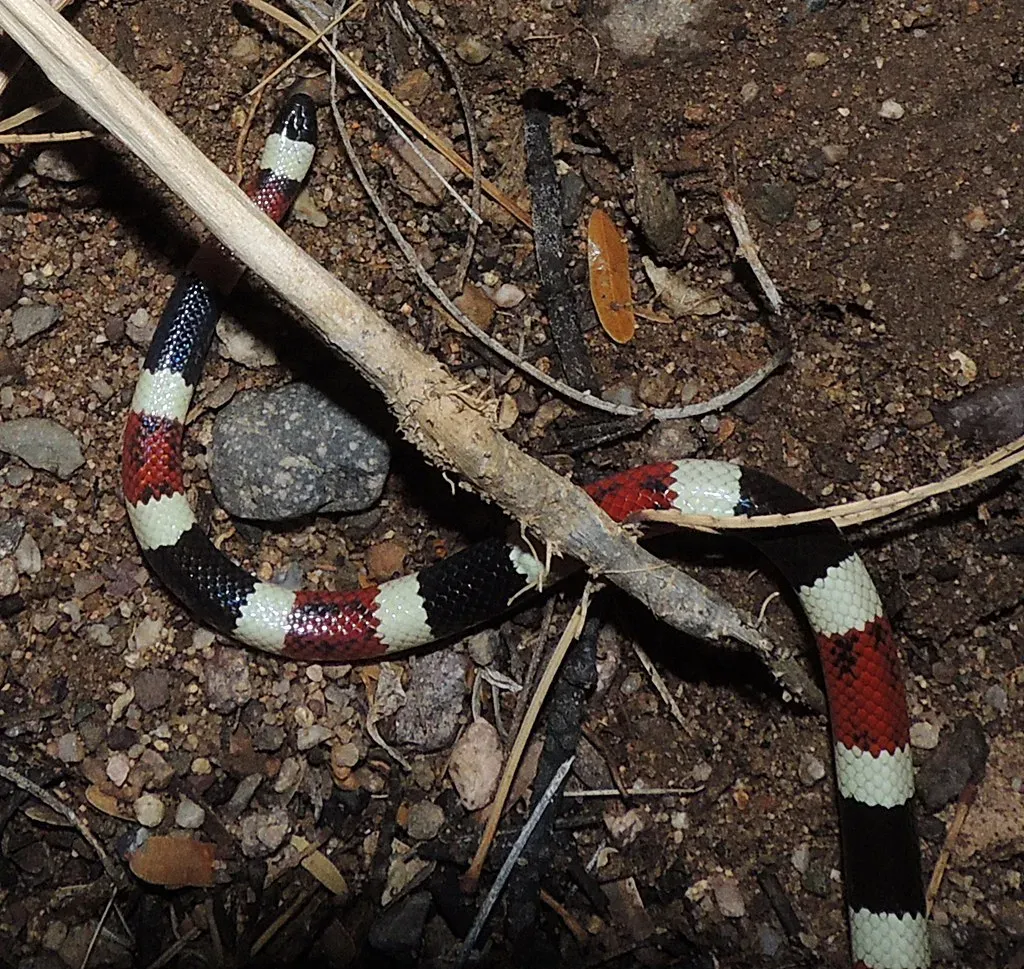
The Arizona coral snake is a small snake, around 13 to 21 inches in length, identifiable through its brightly colored alternating red and black thick strips buffered with thin yellow strips. These snakes have venom comparable to that of a cobra’s, though their delivery is less effective due to the small size of their head and fangs. It’s a case where looks genuinely do tell you something. Those vivid colors are a warning worth heeding.
Rarely seen by humans, these nocturnal venomous snakes spend most of their time underground. Because of this, and because they’re not very aggressive, coral snakes rarely bite humans. When they do bite, the venom is seldom deadly when medical treatment is immediately sought. Still, coral snakes are the most potently venomous snakes in the country, though because they have smaller fangs and smaller venom glands, they are incapable of delivering their bite in as life-threatening a way as rattlesnakes. The rule with coral snakes is simple: admire from a distance and move on.
#10. Giant Desert Centipede
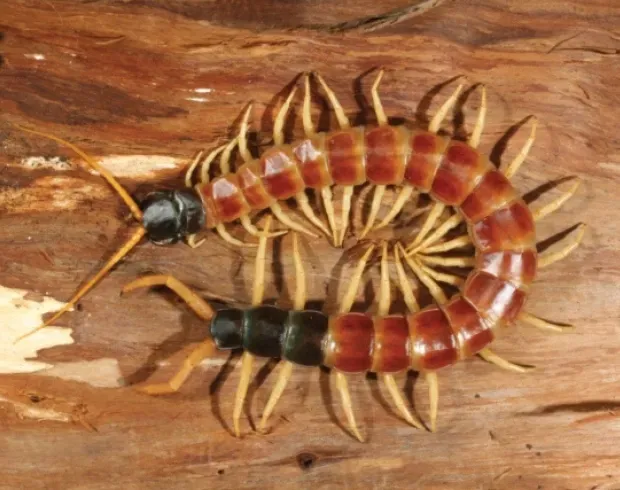
Giant desert centipedes can reach 8 inches in length and are found deserts. They are the largest centipede found in the state, and while 8 inches may not immediately sound intimidating, seeing one next to a human arm gives you a different perspective. They are long, around a half-inch wide, and are orange and black with 42 legs. They’re not the first creature most people think of when they think Arizona danger. They probably should be.
They have antenna on one end and pinchers on the other, which are appendages containing venom, so they don’t actually bite their victims but pinch them. Unless someone has an allergic reaction, they may be able to treat the wound at home, but medical attention is sometimes needed. Giant desert centipede stings have been described as one of the most painful stings in the world. These centipedes hide under rocks during the day and emerge to hunt at night, which means lifting rocks or digging around in dark desert spots is always a gamble. Always look before you reach.
Final Thoughts: Respect the Wild, Don’t Fear It
Arizona’s wildlife isn’t out to get you. That point genuinely matters. As terrifying as an encounter with any of these animals can be, people are far more likely to die of hypothermia or dehydration than from any of its most dangerous animals. Generally, these dangerous creatures don’t want anything to do with you, and if they can, they will move away at your approach.
The real takeaway here isn’t fear. It’s literacy. Knowing which animals share your space, where they hide, what triggers them, and how their venom behaves gives you something far more useful than panic. Most of these animals are more afraid of you than you are of them, and their biting or stinging is typically a response to feeling threatened. That shifts the responsibility onto us, where it probably belongs.
Arizona rewards curiosity and punishes carelessness. The desert is extraordinary precisely because it’s uncompromising. You don’t get to ignore the rules of a landscape that evolved without you in mind. Shake out your boots, stay on the trail, watch where you put your hands, and give every living thing the space it deserves. Arizona’s most dangerous animals aren’t monsters. They’re just residents who’ve been here a lot longer than we have.

- 17 Things First-Time Dog Owners Wish Somebody Had Warned Them About Before They Brought One Home - July 31, 2026
- What Your Old Cat Is Telling You in Its Last Weeks: 14 Signs Most Families Only Understand Later - July 31, 2026
- 16 Things Longtime Owners Say They Learned Far Too Late to Help Their First Dog - July 31, 2026