
Nature loves to break rules, doesn’t it? We humans tend to think in binaries, but the natural world operates on an entirely different playbook. Deep beneath the waves and hidden within ecosystems we barely understand, countless creatures flip between male and female as easily as flipping a light switch.
It’s honestly one of the most extraordinary survival strategies evolution has cooked up. These animals don’t just adapt to their environment through behavior or diet. They literally transform their biological sex, sometimes within days, to ensure their species survives. Let’s dive into this underwater universe where flexibility isn’t just an advantage; it’s everything.
1. Clownfish: The Disney Star With a Dark Secret
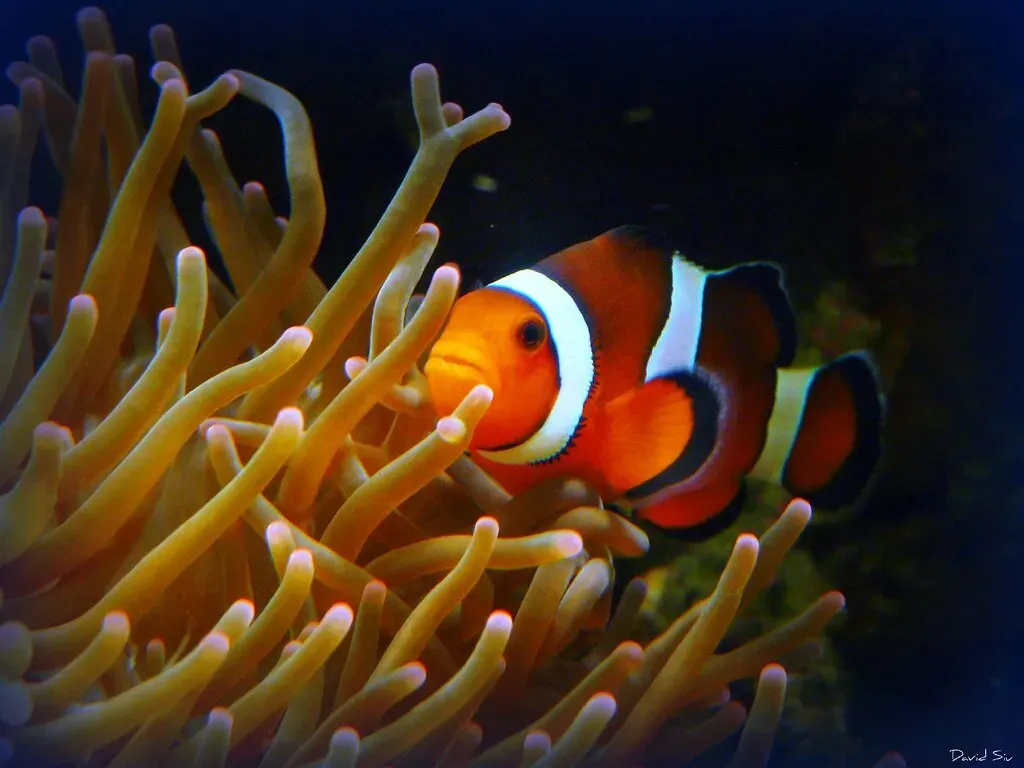
You know Nemo, right? That adorable clownfish from the Pixar movie? Well, here’s the thing: the film isn’t biologically accurate because clownfish start life as males and later change sex to become female. In reality, if Nemo’s mother had died, his father Marlin would have undergone a complete transformation into a female.
These fish live in hierarchical groups within an anemone, headed by a large dominant female, and if the female is removed from the group then the largest male becomes female and takes her place. Think about that for a second. The entire social structure hinges on who’s the biggest fish in the room.
The dominant male has functioning testes and some latent cells that can become ovaries under the right conditions, and once the female dies, the testes degenerate and ovaries form. This process isn’t gradual either. Hormonal changes, including a decrease in testosterone and an increase in estrogen, drive this transformation, which can occur within a few weeks.
What’s truly wild is that anemonefish can exist with a female brain but male-like gonads and circulating sex steroids, questioning the way we define sex based on the gonads only. Nature’s gender politics are way more complicated than ours.
The entire survival of the group depends on this flexible reproductive system, ensuring there’s always a breeding pair ready to produce the next generation.
2. Parrotfish: Reef Architects With a Colorful Secret
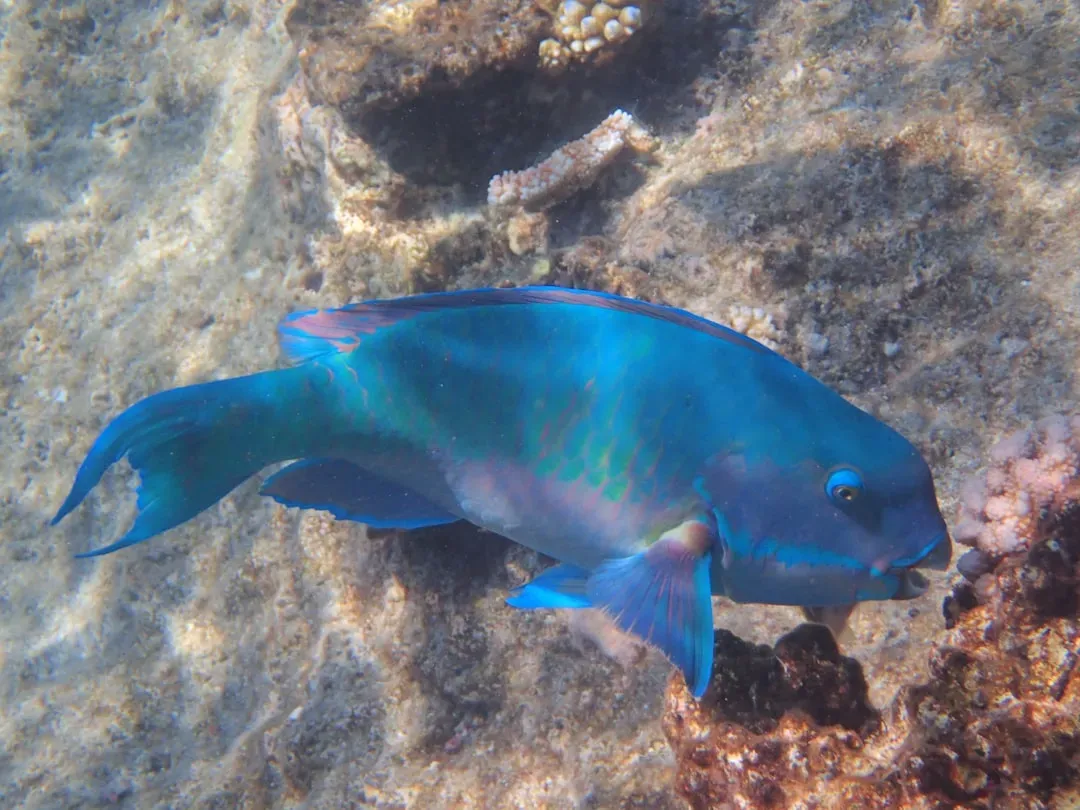
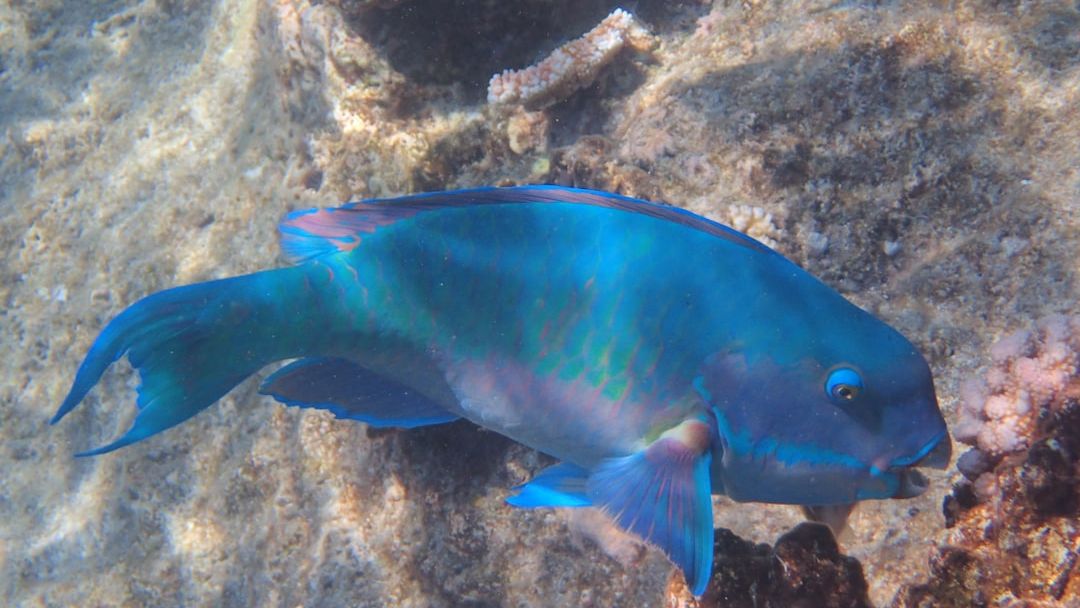
Parrotfish living on coral reefs change their biological sex as they age, beginning life as females and later becoming functionally male. These fish are absolutely essential to reef health, munching on algae and grinding up coral with their beak-like teeth.
These algae-eating reef dwellers often begin life as drab, brownish females before undergoing a stunning metamorphosis into brilliantly colored males, and the change isn’t just cosmetic; it’s a complete biological overhaul. The transformation affects body size, behavior patterns, and even feeding strategies.
As they grow, some females convert into males and change from their drab reddish brown colors to bright blue green adult males, and this sex change is controlled by the females. The largest males, called super males, usually hang out with about four or five drab reddish females.
Here’s where it gets interesting. When a super male is removed from the reef, one of the adult females will have to convert into a male, a process that may take several years, and in the meantime, the other females may completely miss a year or two of breeding.
Parrotfish also create something we all love: sand. Every time they feed and poop, they’re literally making the white sand beaches we vacation on.
3. Bluehead Wrasse: The Speed Champion of Sex Change
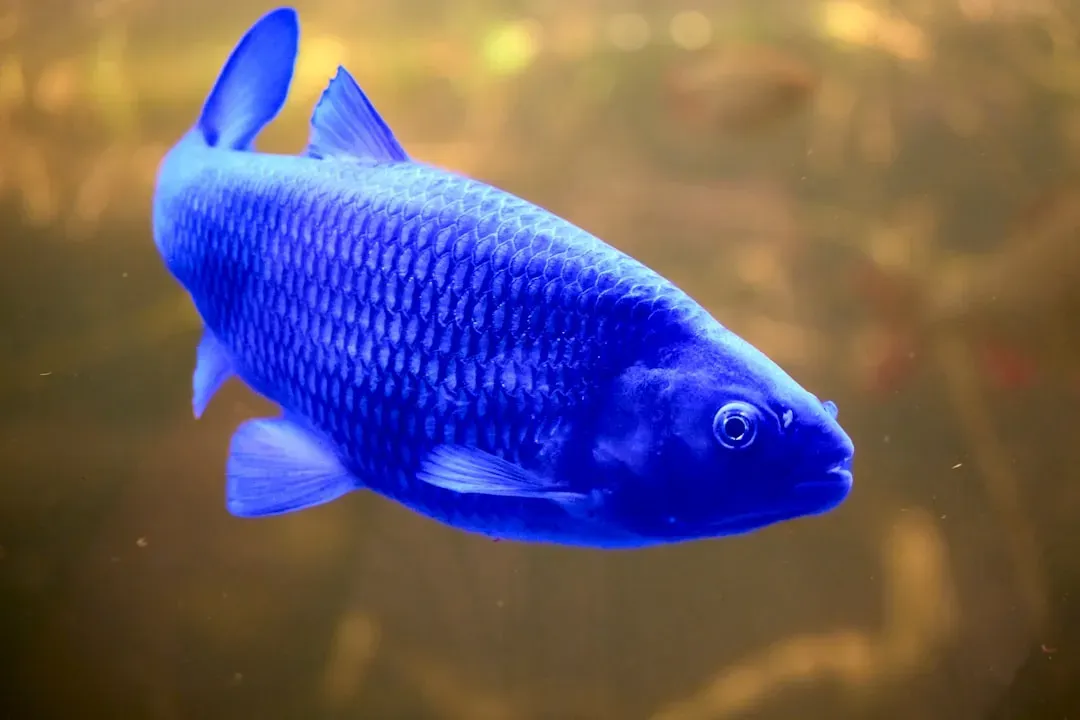
These Caribbean reef fish exist in a complex social structure where large, territorial males defend harems of smaller females and subordinate males. It’s a tight system that works beautifully until the dominant male disappears.
Within hours, the largest female in the group begins an irreversible transformation that will make her the new male leader, her body chemistry changes, her behavior becomes more aggressive, and she develops the distinctive blue head coloration that signals her new status.
Let’s be real, this is evolution at peak efficiency. The transformation is so efficient that researchers have observed complete sex changes occurring in less than 10 days under the right conditions. That’s faster than most people can remodel a bathroom.
The ovaries of the female that contain no detectable testicular tissue are transformed into perfect testes, and within a week of changing, the former female is already producing sperm and fertilizing eggs. It’s hard to say for sure, but that has to be one of nature’s most remarkable biological feats.
Large individuals that had been seen spawning as females on the day prior to manipulation initiated male behaviors within minutes of the removal of the dominant males and spawned in the male role the same day.
4. Black Sea Bass: The Ocean’s Gender Benders
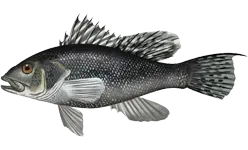
Some species of sea bass, especially the black sea bass, exhibit protogynous hermaphroditism, being born female but changing to male, particularly when the number of males in a group declines. This strategy ensures reproductive balance in their populations.
These fish don’t mess around when it comes to maintaining optimal breeding conditions. When the male-to-female ratio gets skewed, females step up and fill the gap. The social cues that trigger this change are fascinating.
What makes sea bass particularly interesting is how widespread this trait is within the species. It’s not an anomaly; it’s standard operating procedure. The fish seem to have an innate ability to sense when their group needs more males.
Unlike some other sex-changing fish, sea bass make the switch at a fairly predictable stage in their lives, usually correlated with size and social status within their group.
The transformation involves extensive physiological restructuring, but the fish handle it with remarkable efficiency, continuing to thrive and reproduce throughout the process.
5. Gobies: The Only Fish That Change Back and Forth
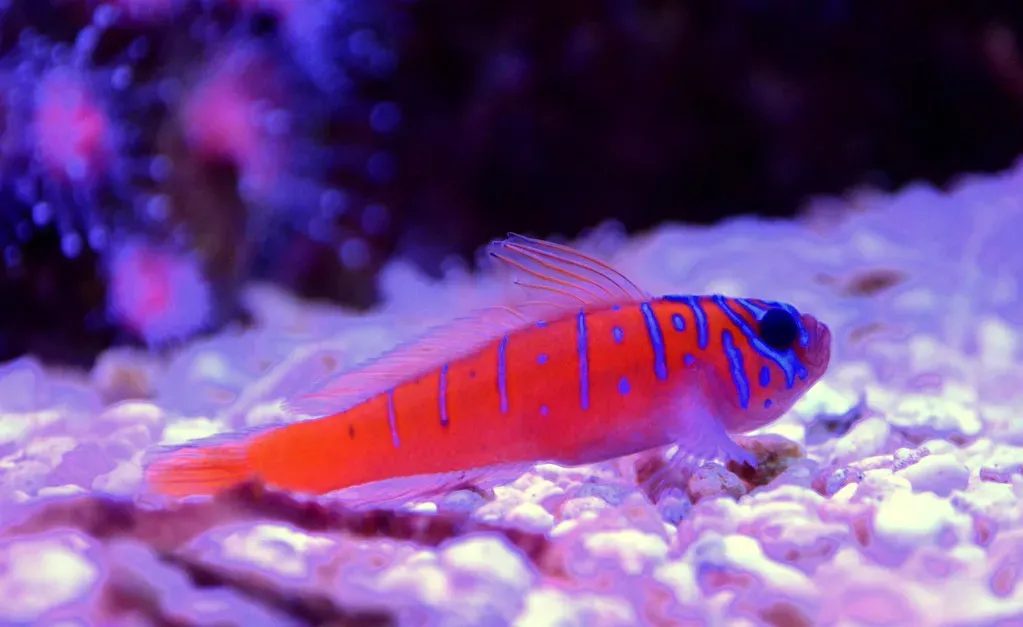
While most animals discussed can only change their sex once in their lifetime, gobies can switch from male to female and vice versa several times in what scientists describe as bidirectional sex change, and they mostly do this in response to social cues or the presence of other males.
Think about the evolutionary advantage here. Most sex-changing animals commit to one direction, but gobies? They’re playing both sides. If the situation changes again, they can flip back.
These small fish prove that sexual plasticity doesn’t have to be a one-time event. Their bodies maintain the capacity for transformation throughout their lives, allowing them unprecedented flexibility in reproductive strategies.
The bluebanded goby is particularly remarkable in this regard, able to read social situations and adjust accordingly. When you’re a small fish in a big ocean, adaptability is everything.
I think what makes gobies so special is their refusal to be pinned down. They’ve mastered biological flexibility in a way that seems almost impossible.
6. Wrasses: The Colorful Masters of Transformation
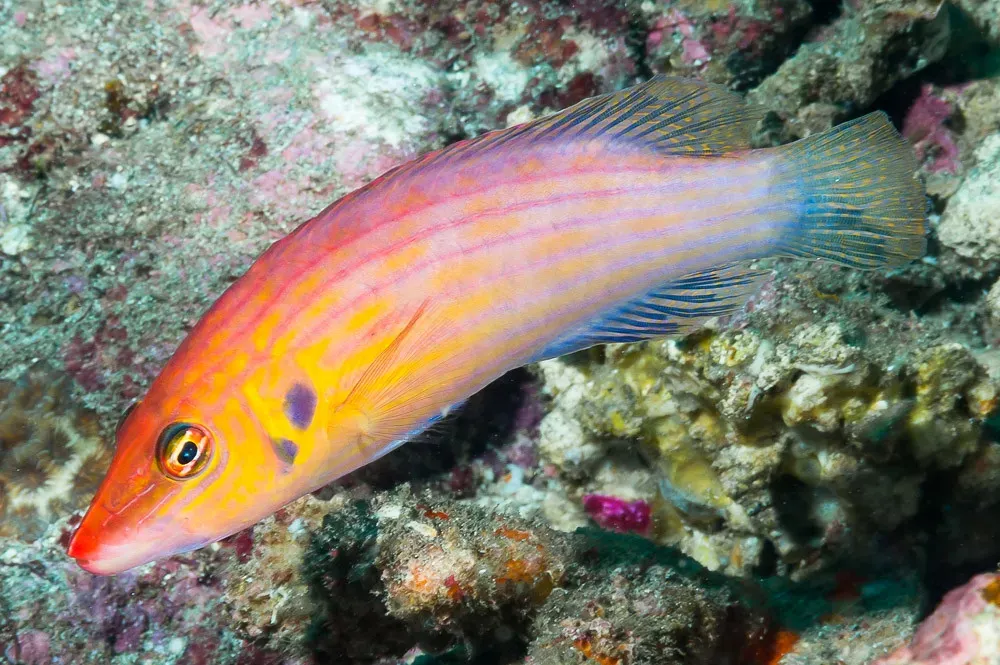
Characterized by their colored bodies, wrasses belong to a large family, Labridae, with over 600 species, and many wrasse species are protogynous hermaphrodites, born female but changing their sex to male later in life.
Many wrasses change sex from female to a more colorful male, and the color change is often dramatic. These fish go from dull and camouflaged to vibrant and eye-catching, advertising their new status as breeding males.
Sex reversal is controlled by the ratio of larger to smaller fish in the population, and using visual, tactile, and chemical barriers, researchers demonstrated that the cues responsible for initiation of sex reversal are visual and not chemical or tactile.
The presence of smaller females promotes sex reversal while the presence of dominant males inhibits it. It’s a delicate balance maintained through constant social monitoring.
Wrasses showcase just how visually oriented sex change can be. They literally look around, assess the situation, and decide whether it’s time to transform.
7. Green Frogs: Amphibian Gender Surprise
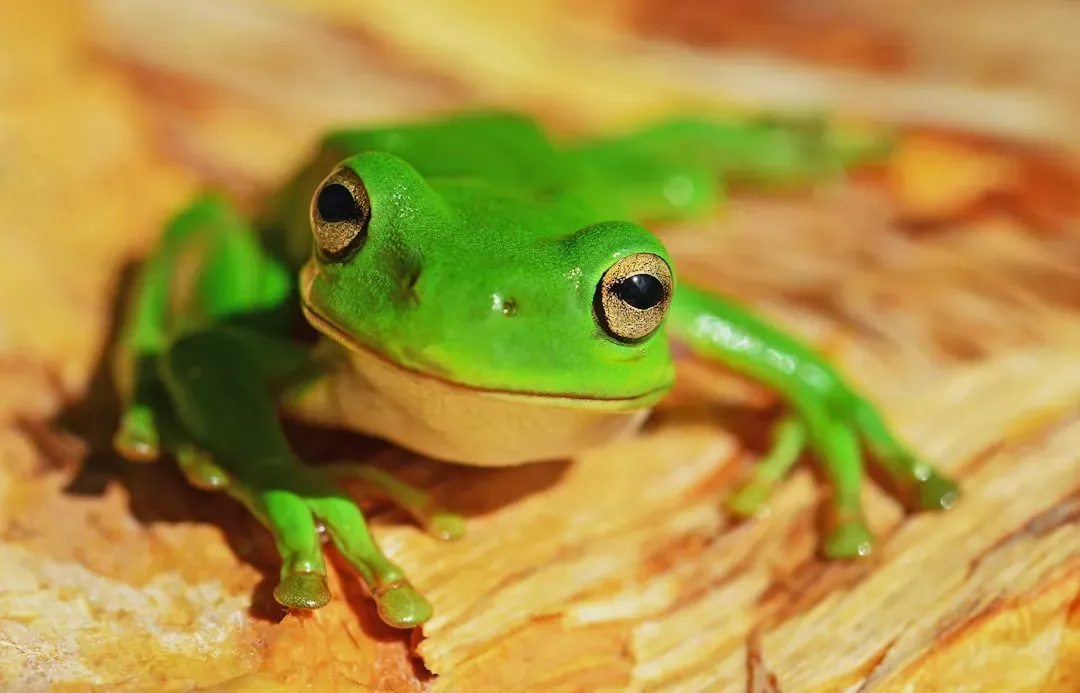
When some frogs are exposed to environmental changes and pollutants like atrazine or certain chemicals, they can experience sequential hermaphroditism, with some male frogs developing female characteristics to the point of laying eggs.
In rare cases, green frogs can change their sex in a natural, unpolluted environment, doing this in response to temperature and other environmental changes widely considered normal. This suggests the capacity was always there, waiting for the right trigger.
Honestly, the fact that pollution can trigger sex change raises serious questions about what we’re doing to our environment. It’s not just affecting frog populations; it’s fundamentally altering their biology.
The green frog’s ability to switch in natural conditions shows this isn’t purely a human-caused phenomenon, though our impact has certainly amplified it.
These amphibians remind us that sex change isn’t limited to marine environments. It’s a strategy that works on land too, under the right circumstances.
8. Bearded Dragons: When Temperature Rewrites Genetics
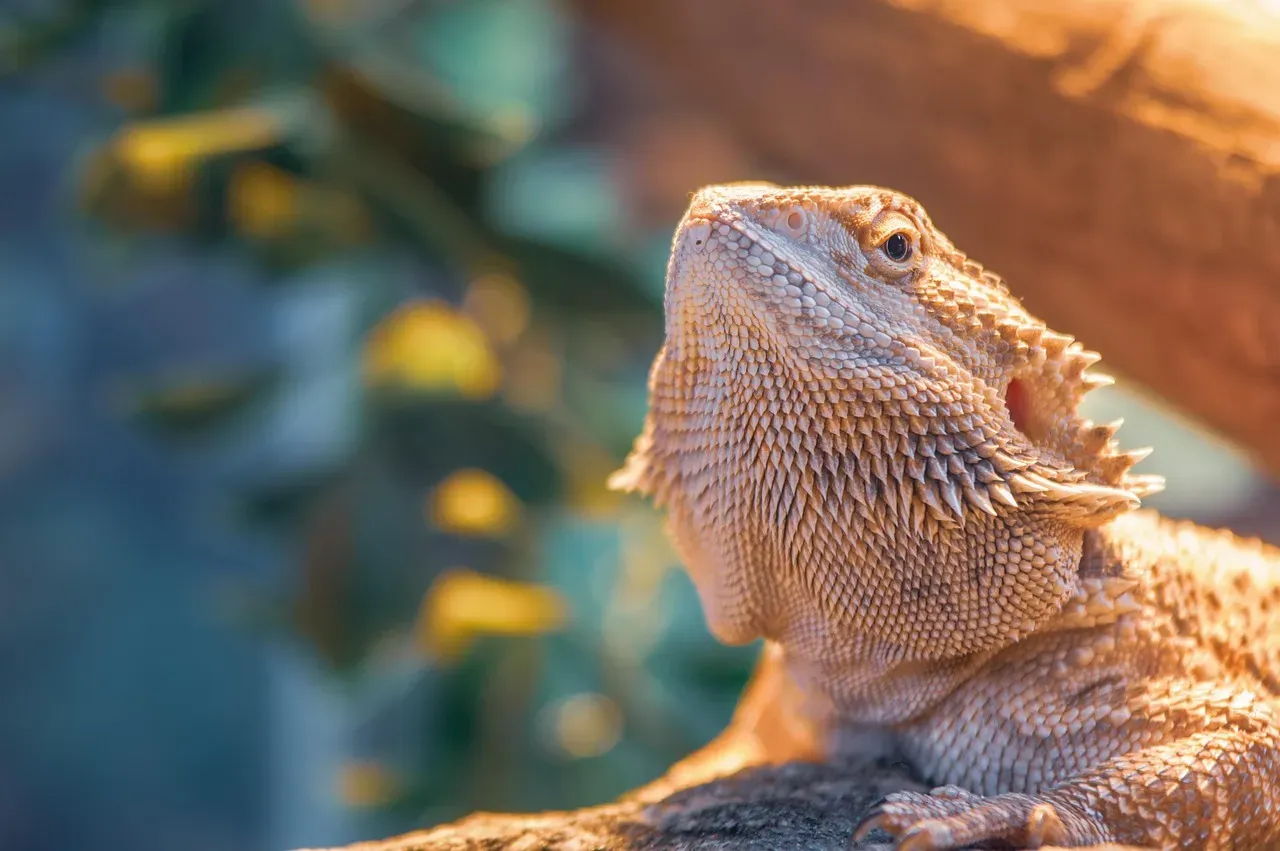
In the case of the Australian central bearded dragon Pogona vitticeps, genetic males (ZZ sex chromosomes) incubated at high temperatures (greater than 32 degrees Celsius) undergo sex reversal so the animal develops as a female despite being genetically male.
Scientists captured 131 wild bearded dragons from eastern Australia, identified 11 ZZ females among them, proving they exist in the wild and can mate with males and themselves be mothers of dragons. This wasn’t just a lab curiosity; it’s happening in nature right now.
These sex-changed females were completely fertile, in fact more so than the genetically-determined females, with sex-reversed females laying nearly twice as many eggs per year. That’s a massive reproductive advantage.
Although they are reproductively female, sex-reversed dragons resemble genetic males rather than females in morphology, general behaviour, boldness and activity level, and indeed sex-reversed females are more male-like in some behavioural traits than genetic males.
Climate change could dramatically alter bearded dragon populations. As temperatures rise, more and more genetic males could become functional females, potentially skewing population ratios to dangerous levels.
9. Slipper Shells: The Stacking Sex Changers
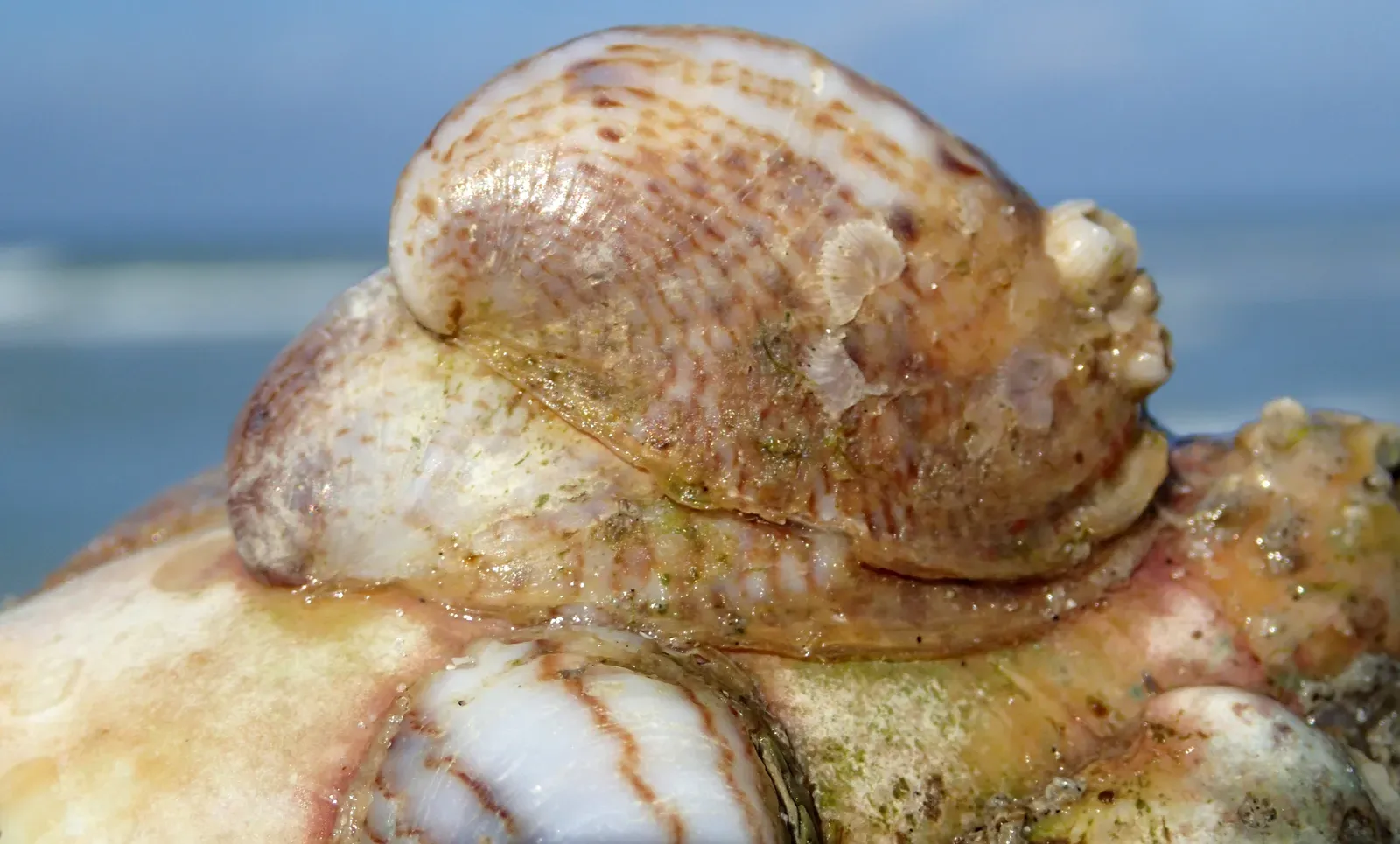
Sequential hermaphroditism is common in many gastropods such as the common slipper shell. These mollusks have one of the strangest mating systems you’ve ever heard of.
The gastropod Crepidula fornicata is known for the formation of large, stable stacks of mating individuals with large females at the bottom and small males at the top, and multiple paternity is common in this species. Imagine living your entire life stacked on top of your neighbors.
The shells literally pile on top of each other, with the oldest and largest at the base being female, while the younger, smaller ones on top remain male. As they grow, they gradually transition.
It’s a remarkably efficient system for sessile creatures that can’t exactly go out looking for mates. The dating pool is quite literally whoever you’re stuck with.
This strategy ensures that sperm always has easy access to eggs, maximizing reproductive success for the entire stack.
10. Yesso Scallops: The Social Sex Strategists
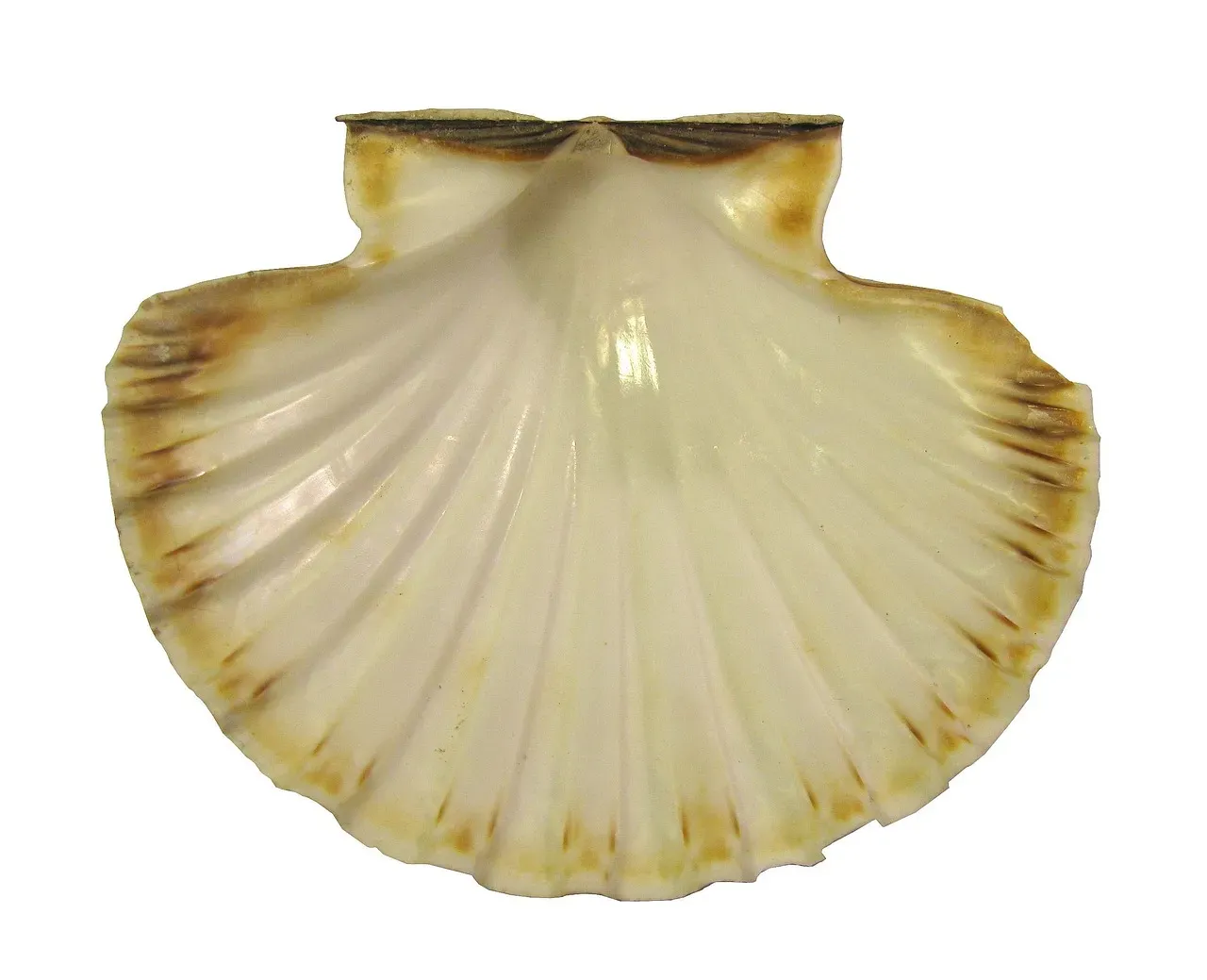
The Yesso scallop can change its sex in response to their local social environment, and like many sequential hermaphrodites they are male when younger and smaller, then become female to gain a size advantage.
However, the timing of this is not uniform and depends on the makeup of the scallop population they are in; for example, they change their sex earlier when there are more small males around for them to reproduce with when they are female, and in this way they can really get the very best advantages out of changing sex.
This level of social awareness in a scallop is frankly astonishing. These aren’t exactly creatures we think of as having sophisticated behavioral strategies.
The scallops are essentially optimizing their reproductive timing based on population demographics. That requires processing environmental information and responding appropriately.
It shows that sex change isn’t just a simple biological switch but a strategic decision influenced by complex environmental and social factors.
Conclusion
The animal kingdom’s approach to sex and reproduction shatters every assumption we have about gender being fixed and immutable. These ten creatures represent just a fraction of the species that blur the lines we’ve drawn so firmly in our own minds.
From clownfish altering their hormones within weeks to bearded dragons having their sex overridden by temperature, nature demonstrates that flexibility often beats rigid systems. These animals have survived millions of years precisely because they refuse to be locked into one role.
What does this mean for our understanding of biology and evolution? It tells us that adaptability is the ultimate survival trait. These sex-changing animals thrive in unpredictable environments because they can adjust on the fly.
The mechanisms behind these transformations are still being unraveled by scientists, revealing complex interactions between genes, hormones, environment, and social cues. Each discovery opens new questions about the plasticity of biological systems.
Did you expect nature to be so wonderfully weird? What other secrets do you think the ocean is hiding from us?

- 16 Things Longtime Owners Say They Learned Far Too Late to Help Their First Dog - July 31, 2026
- 17 Things Hummingbirds Do at First Light That Most People Sleep Straight Through and Never See - July 31, 2026
- 14 Dog Breeds Breeders Say Are Slipping Away So Quietly That Most Owners Never Notice - July 31, 2026