


When most people think of seismic activity in the United States, the mighty San Andreas Fault in California usually springs to mind. While California is undoubtedly susceptible to earthquakes, the most dangerous earthquake zone in America lurks thousands of miles away, hidden beneath the heartland. This article unveils the less-known, yet perilous New Madrid Seismic Zone, dissecting its history, characteristics, and potential impact.
Understanding Earthquake Zones
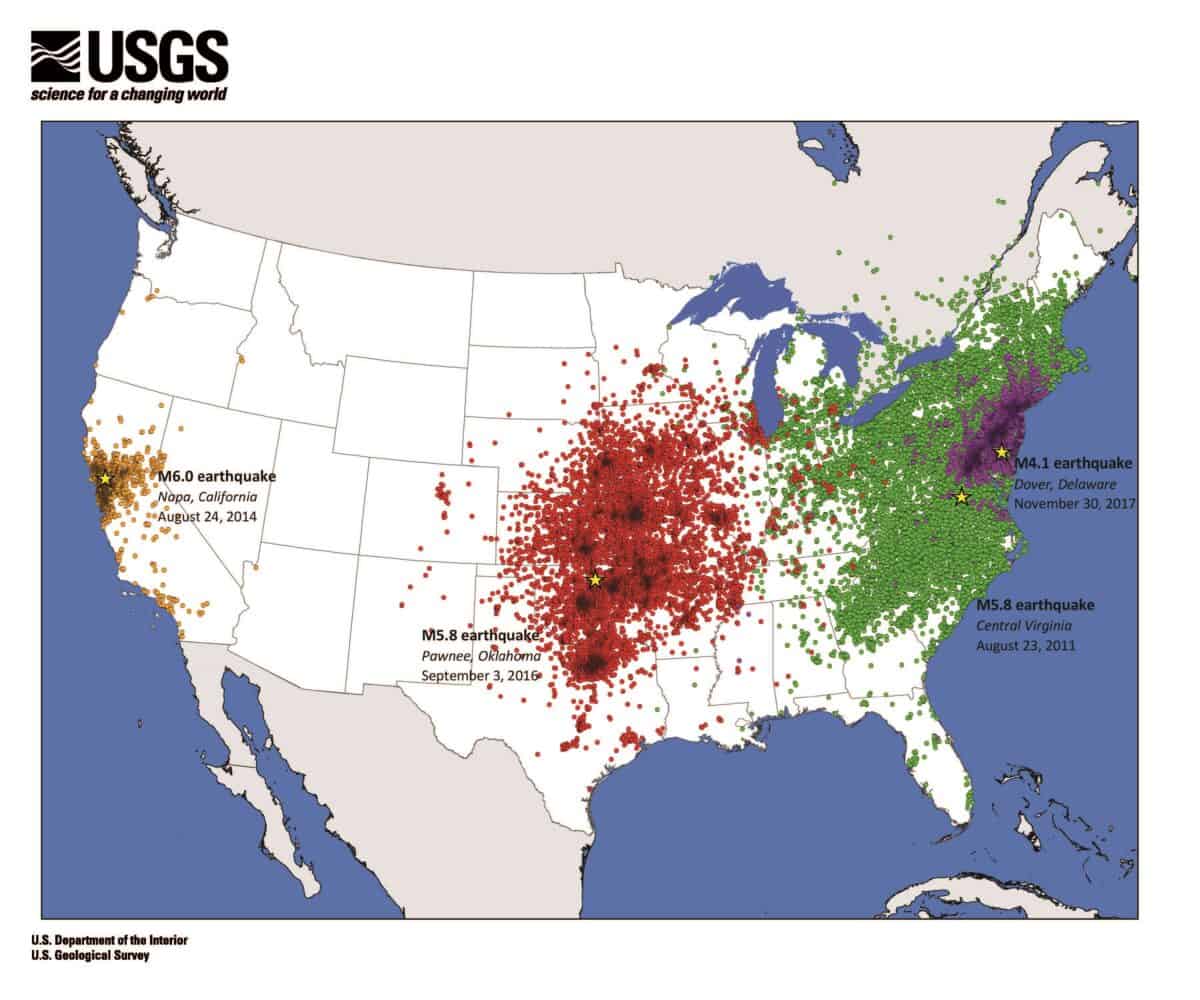
Earthquake zones are regions where earthquakes are more likely due to the movement of tectonic plates beneath the Earth’s surface. The boundaries of these plates are often where seismic activity is concentrated. While some areas are more well-known due to frequent media coverage, others remain quietly active, posing significant risks unbeknownst to most.
The New Madrid Seismic Zone Explained
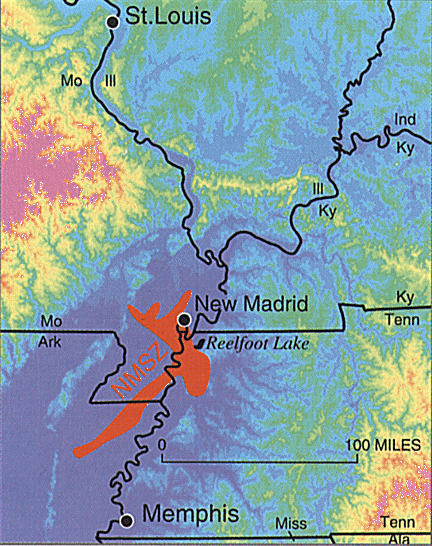
The New Madrid Seismic Zone (NMSZ) stretches across parts of southeastern Missouri, northeastern Arkansas, western Tennessee, western Kentucky, and southern Illinois. Unlike the linear faults in California, the NMSZ is a network of faults buried beneath the sediments of the Mississippi River Valley, making it less visible and often underestimated.
A Storied Past: The 1811-1812 Earthquakes
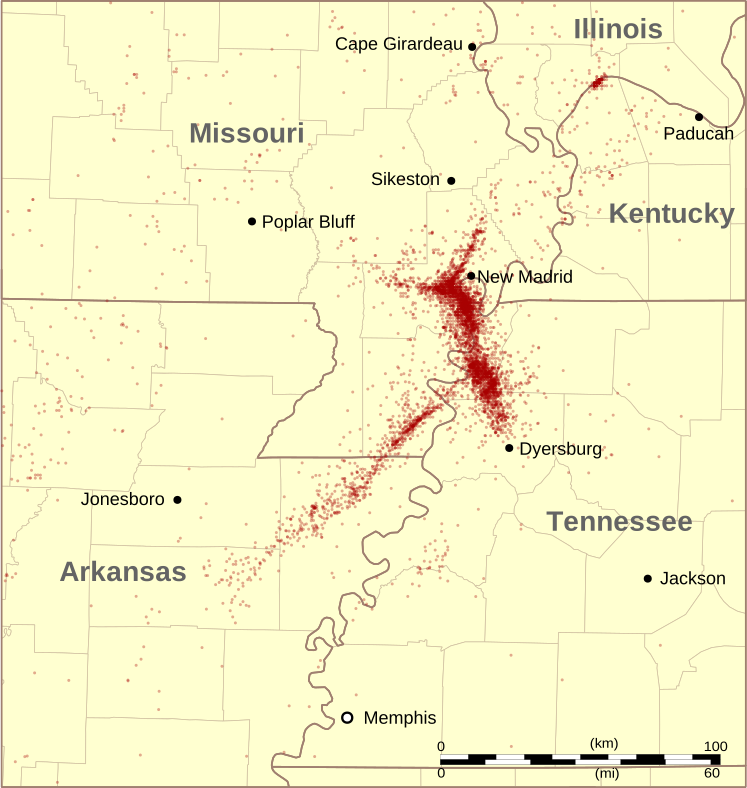
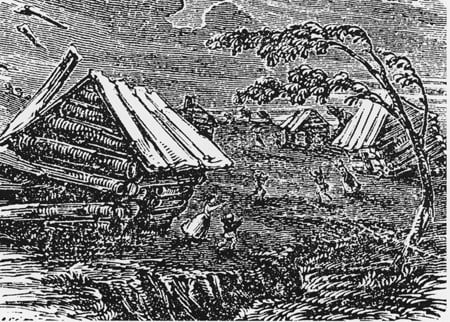
This seismic zone gained notoriety during the early 19th century when a series of massive earthquakes struck between December 1811 and February 1812. These tremors were so powerful they caused the Mississippi River to temporarily flow backwards, created Reelfoot Lake, and were reportedly felt as far away as New York City and Boston.
Seismic Activity Today
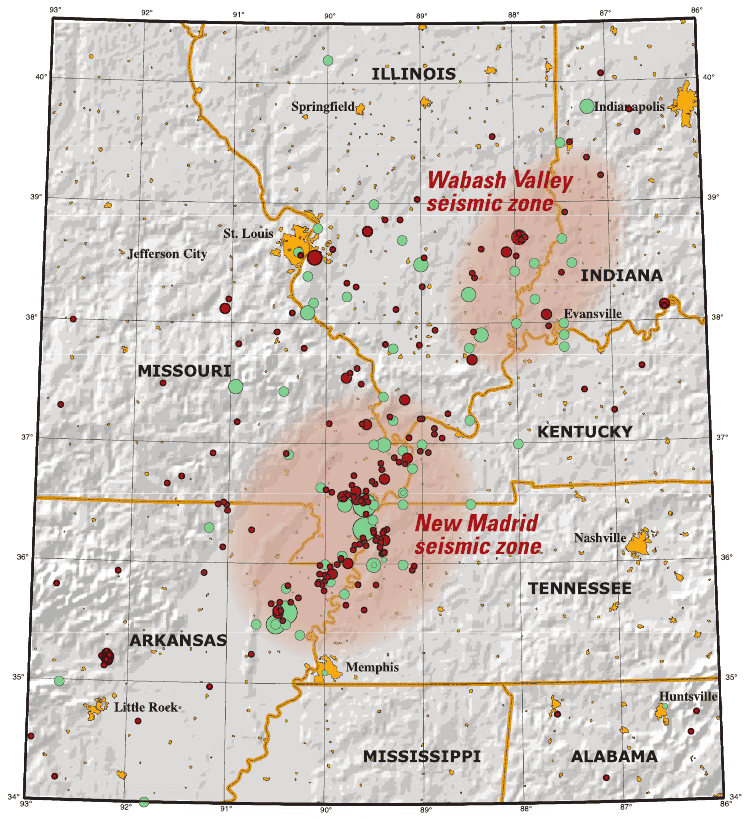
Though over two centuries have passed since the legendary tremors of 1811-1812, the NMSZ remains active. Seismologists regularly record small to moderate earthquakes in this region, indicating ongoing movement along these fault lines. This suggests the potential for another major earthquake.
The Threat Beneath the Surface
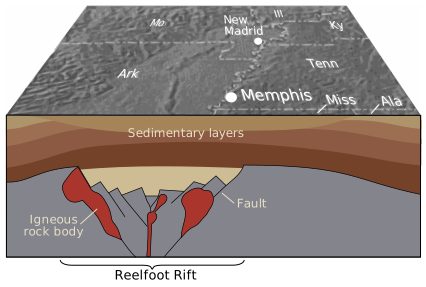
The danger of the NMSZ lies in its hidden nature. The faults are buried deep and covered by sediment, making it challenging to study and predict seismic activity. Moreover, the compacted sediments amplify seismic waves, potentially leading to more severe surface shaking.
Population Density and Preparedness

One significant factor contributing to the risks associated with the NMSZ is the dense population in nearby areas. Cities like Memphis, Tennessee are in close proximity, and a major earthquake could devastate infrastructure and disrupt lives. Preparedness is crucial, yet many remain unaware of the risks.
Potential Economic Impact
An earthquake in the NMSZ could lead to substantial economic losses. The destruction of infrastructure, homes, and businesses would require a massive financial response. Additionally, this zone is close to critical commercial transport routes, amplifying economic disruption.
Building Resilience and Awareness

Efforts to build earthquake resilience in the region involve updating building codes, promoting earthquake insurance, and public education on emergency preparedness. Raising awareness about the NMSZ is essential for encouraging preventive measures among residents and local governments.
Scientific Monitoring and Research

To improve readiness, scientists continuously study the NMSZ using modern tools to monitor seismic activity. The use of GPS, seismic sensors, and other technologies help researchers understand the dynamics of this zone and predict potential future events more accurately.
Lessons from the Past

History has taught us the destructive power of unchecked seismic activity. The events of the early 19th century serve as a reminder of the latent threat posed by the NMSZ. Revisiting these lessons can galvanize both local authorities and individuals to act responsibly.
A National Issue
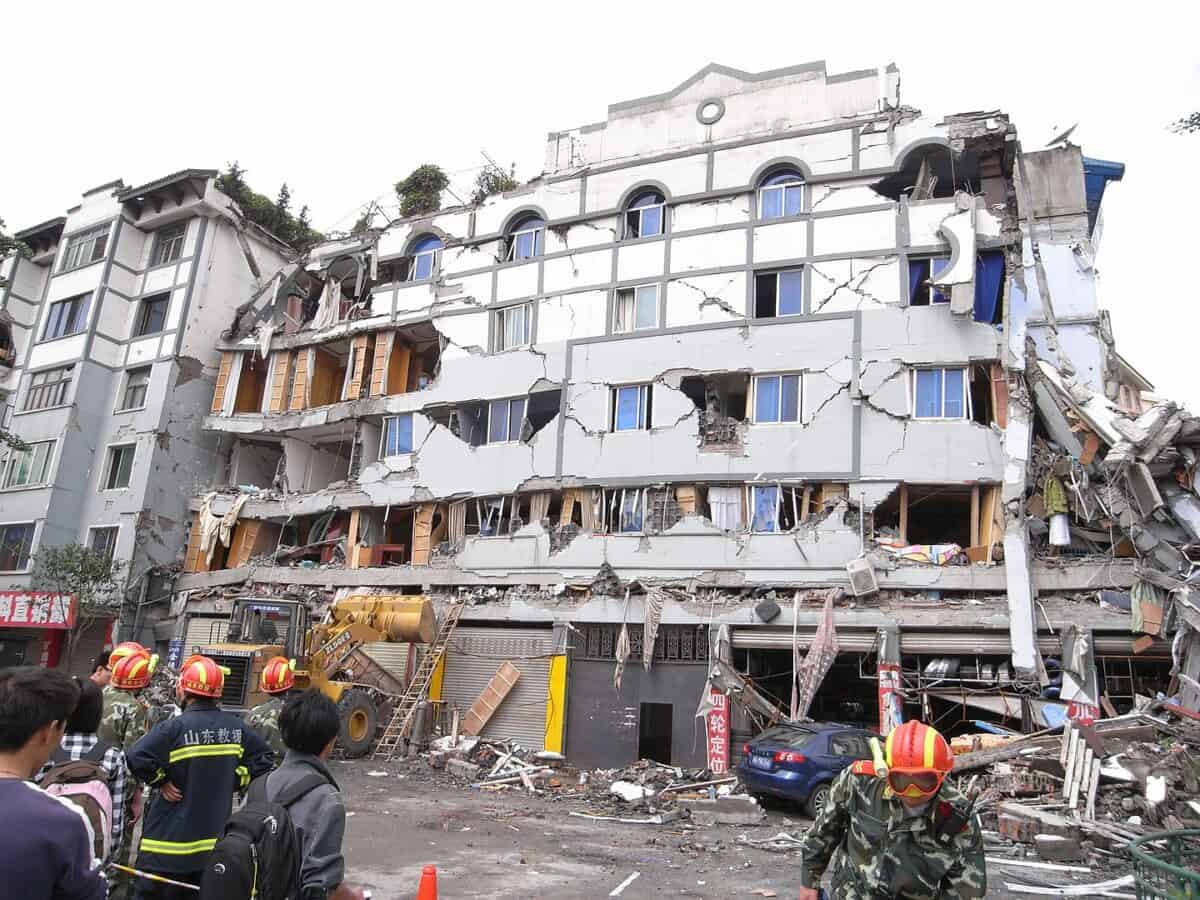
While localized, the potential impact of a major earthquake in the NMSZ transcends the region. The consequences could ripple across the nation, affecting supply chains, the economy, and possibly leading to significant federal assistance and financial relief efforts.
The New Madrid Seismic Zone represents a significant, yet often underestimated, earthquake threat in the United States. Understanding its power, potential effects, and the need for preparedness can help mitigate future disasters. Through increased awareness and scientific research, Americans can better equip themselves to face the possibilities hidden beneath the heartland.

- How Crickets Chirp Using Their Wings - July 20, 2026
- The Largest Sea Turtle Ever Rescued Off North Carolina - July 20, 2026
- The Ocean’s Escape Artist: Why Octopuses Outsmart Us All - July 20, 2026