
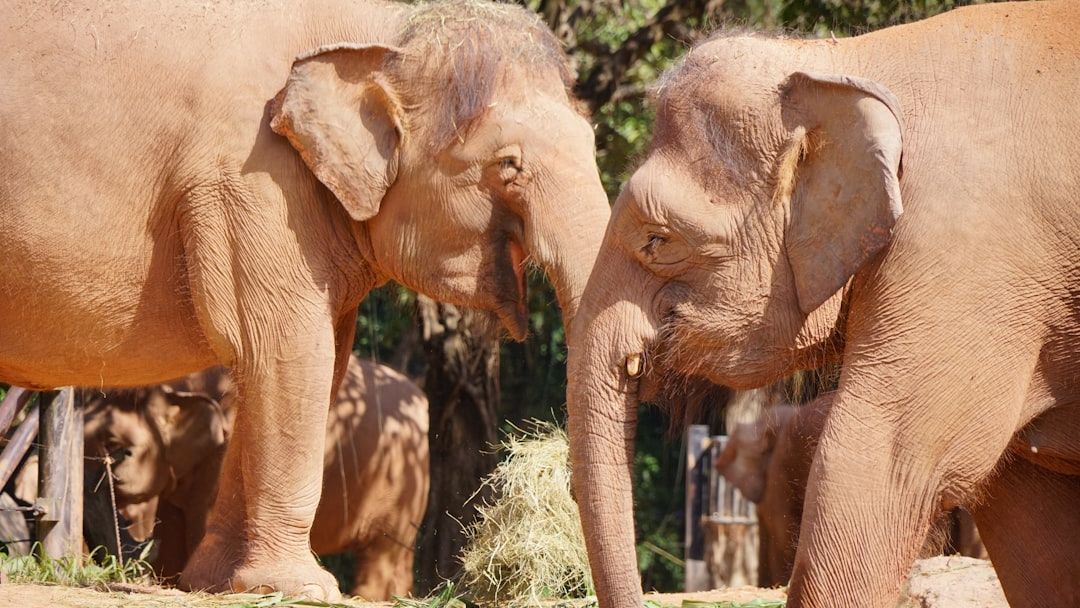
There is something profoundly humbling about standing near a herd of elephants and realizing, quite suddenly, that an entire conversation is happening all around you. One you cannot hear. One you cannot see. Yet it is real, rich, and deeply emotional. Elephants are among the most communicative creatures on Earth, and the more researchers pull back the curtain, the more astonishing the picture becomes.
What science has uncovered in recent years goes far beyond anything most of us ever imagined. These giants are not just making noise or bumping into each other randomly. They are sending names, grieving loved ones, passing down inherited knowledge, and literally feeling messages through the soles of their feet. Let’s dive in.
A Vocabulary Written in Vibration
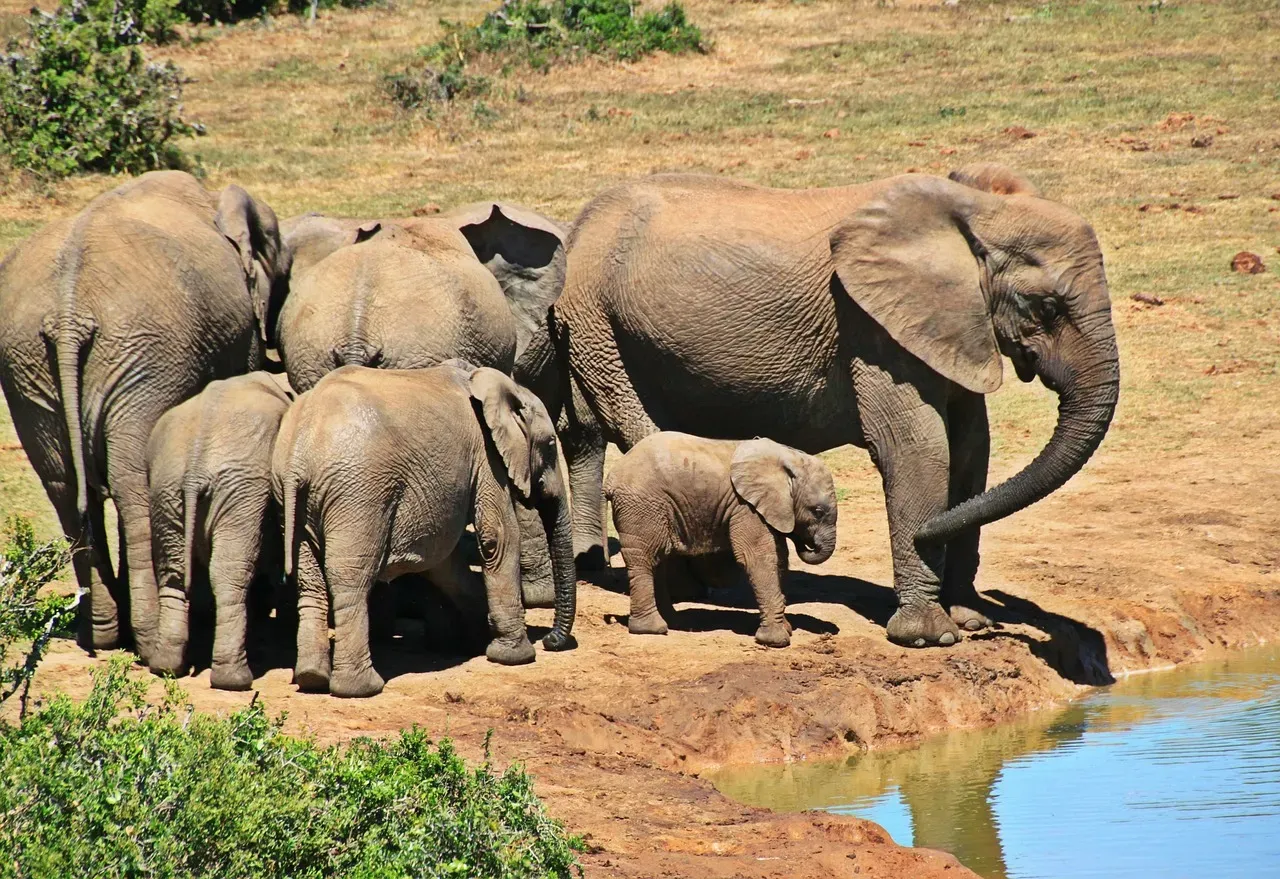
Here’s the thing most people don’t know: a huge portion of elephant communication is completely invisible to us. While their trumpeting captures our attention, much of elephant communication occurs below the threshold of human hearing. Infrasound, low-frequency rumbles that travel through the ground, plays a crucial role in the elephant’s communication repertoire and can cover vast distances across expansive terrain.
Dr. Katy Payne, who pioneered research in this field in the 1980s, discovered this “silent” language after feeling vibrations while standing near elephant enclosures, leading to the realization that elephants were communicating in frequencies too low for human ears. Think about that for a moment. A whole language, discovered because a researcher felt something in her chest that she couldn’t explain.
Elephants not only hear these infrasonic sounds but also feel them. They are capable of perceiving vibrations through their feet, a phenomenon known as seismic communication. Ground-borne vibrations created by infrasonic calls can travel through the earth, and elephants have sensitive cells in their feet that can detect these signals.
Infrasound in the range of one to twenty Hz may be generated or detected by elephants over distances in excess of ten kilometers. Complex sounds generated by members of their own species can be interpreted over ranges of kilometers to aid in social cohesion, territory definition, reproduction, and predator avoidance. It’s almost like Wi-Fi built into the earth itself. Honestly, it makes our own communication technology look rather clumsy by comparison.
They Call Each Other by Name
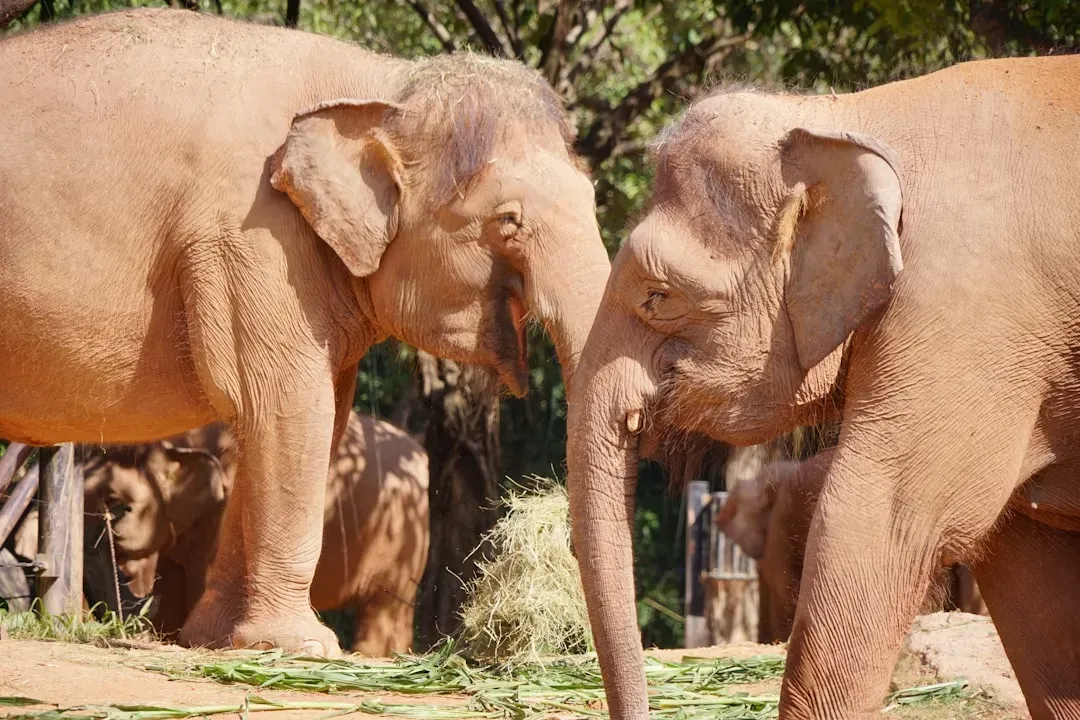
If there was ever a discovery that stopped people mid-sentence, this is it. A groundbreaking study on African elephant communication has revealed that elephants, like humans, use “names” to address each other. Not imitative names borrowed from the sounds other elephants make, but something far more remarkable.
Research published in Nature Ecology and Evolution demonstrated that elephants call each other by distinct vocalized names and respond when they hear others call their name. Researchers analyzed hundreds of elephant calls recorded over more than a year in Kenya, applying machine learning to distinguish specific sounds by which elephants call each other. When recorded calls were played back, elephants responded to the sound of their friends or family members calling their name by either calling back or moving toward the speaker.
Elephants, like humans, maintain strong bonds with family members and associates, and it now seems that they have independently evolved a sophisticated mechanism for individually addressing them. Common features in the social environments of both human and elephant ancestors may have led them to develop this rare ability.
This behavior suggests that elephants may be capable of abstract thought and possess a vocabulary that extends beyond names. I know it sounds crazy, but we are essentially talking about an animal that developed personalized names without ever sharing a classroom, a written language, or a social contract with us. They arrived there entirely on their own.
The Matriarch: Living Library of the Herd
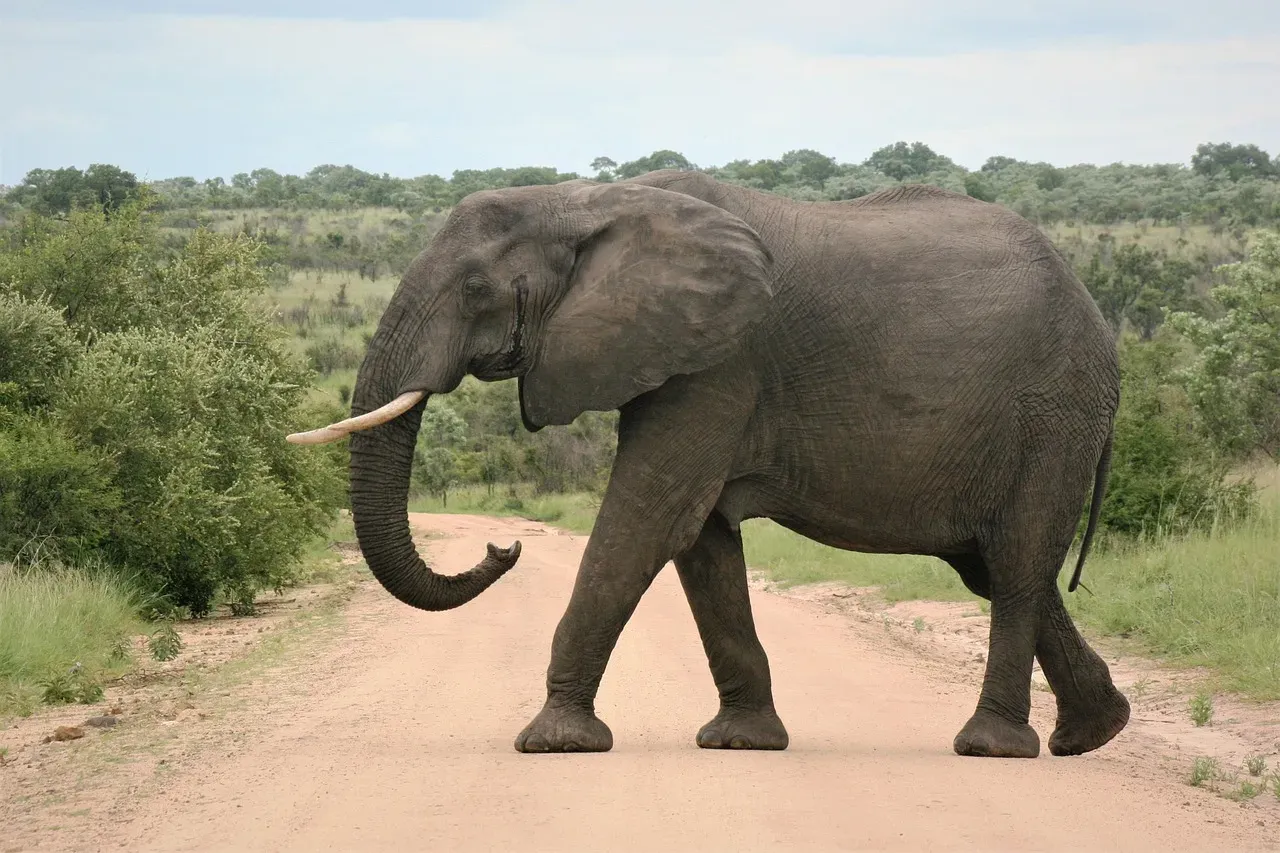
Every elephant family has one. She is older, wiser, and carries within her memory something irreplaceable: the accumulated knowledge of decades. In the world of the African elephant, the matriarch is the core of the family unit, holding a role defined by more than size or strength. It is her cognitive ability and memory that sustain the herd. Researchers often highlight the extensive neural networks within the elephant’s temporal lobes, responsible for their astonishing memory, allowing the matriarch to recall distant locations of water and forage even across years and shifts in the landscape.
Successful matriarchs are not self-appointed leaders of their family. They are leaders because members of their family respect them, and they are respected because they have proven over the years that they can be trusted to make wise decisions in a time of crisis. Through the years, older females become “repositories” of social and ecological knowledge, with natural leadership qualities and long experience combined being the makings of a wise matriarch.
Studies in Amboseli National Park have revealed that family groups with older, larger matriarchs roam across larger areas in times of drought, due to the older female’s knowledge of alternative areas with food and water. It’s a bit like having your grandmother know every farm road in the county before GPS existed. That knowledge kept people alive. For elephants, it still does.
Research shows that those family groups led by older matriarchs show a greater sensitivity to serious threats. The superior ability to detect the presence of male lions at an early stage, evident in the greater probability of older matriarchs engaging in prolonged periods of listening and defensively bunching with their groups, is likely to have significant survival benefits, affording better protection for vulnerable calves. The matriarch is not just a figurehead. She is a living emergency response system.
Touch, Greetings, and the Grammar of Emotion
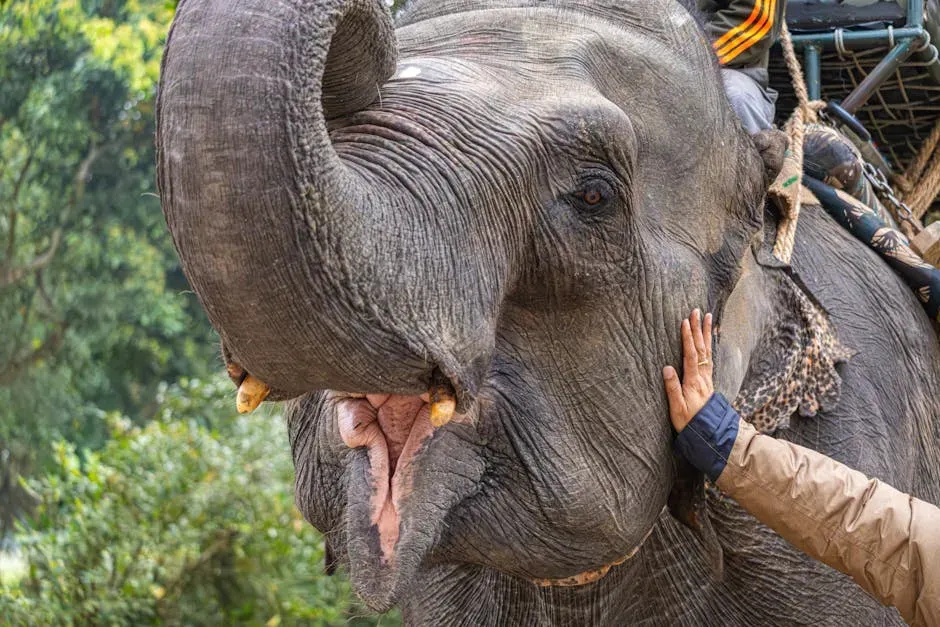
Scientists have identified over seventy distinct elephant vocalizations, each with specific meanings and contexts, ranging from deep rumbles and trumpets to chirps, roars, and even imitations of other sounds. That is a staggeringly rich palette of expression for any species.
Yet the voice is only part of the story. As they rumble, flap their ears, rub their trunks, release sex pheromones and engage in other silent visual and tactile gestures, the massive animals are putting together sophisticated “sentences” to express detailed thoughts. Sentences. Complete, intentional, audience-targeted sentences.
Research suggests that social relationships flexibly impact the use of signals by elephants during greeting, and supports the hypothesis that elaborate greeting behavior functions to strengthen social bonds upon reunion. In other words, how warmly they greet you depends entirely on how close you are to them. Sound familiar?
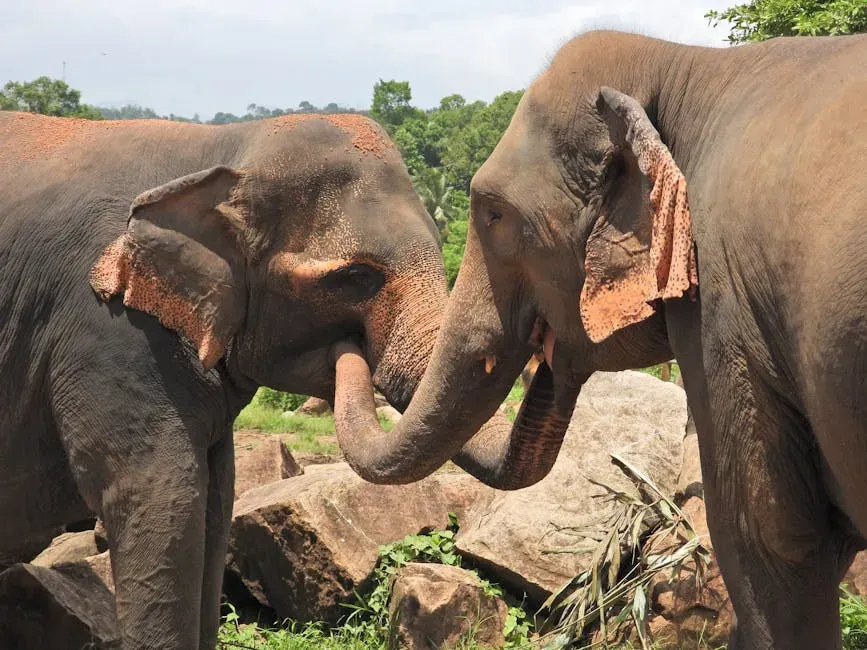
Elephants are tactile creatures. Their trunks, an extension of their upper lip and nose, are not just for feeding and drinking but are also pivotal in their interactions. Elephants use their trunks to greet each other, in mother-calf interactions, and even to console or comfort one another, indicating a high level of empathy and social bonding.
Physical communication is equally important, with mothers using their trunks to guide, comfort, and discipline their young. Research by Dr. Cynthia Moss has documented how these early communication patterns establish lifelong bonds and teach calves the essential social and survival skills they need. The extensive communication between mothers and calves continues for years, reflecting the prolonged dependency period in elephant development. Every trunk touch is essentially a lesson in how to be an elephant.
When Elephants Grieve: The Language of Loss
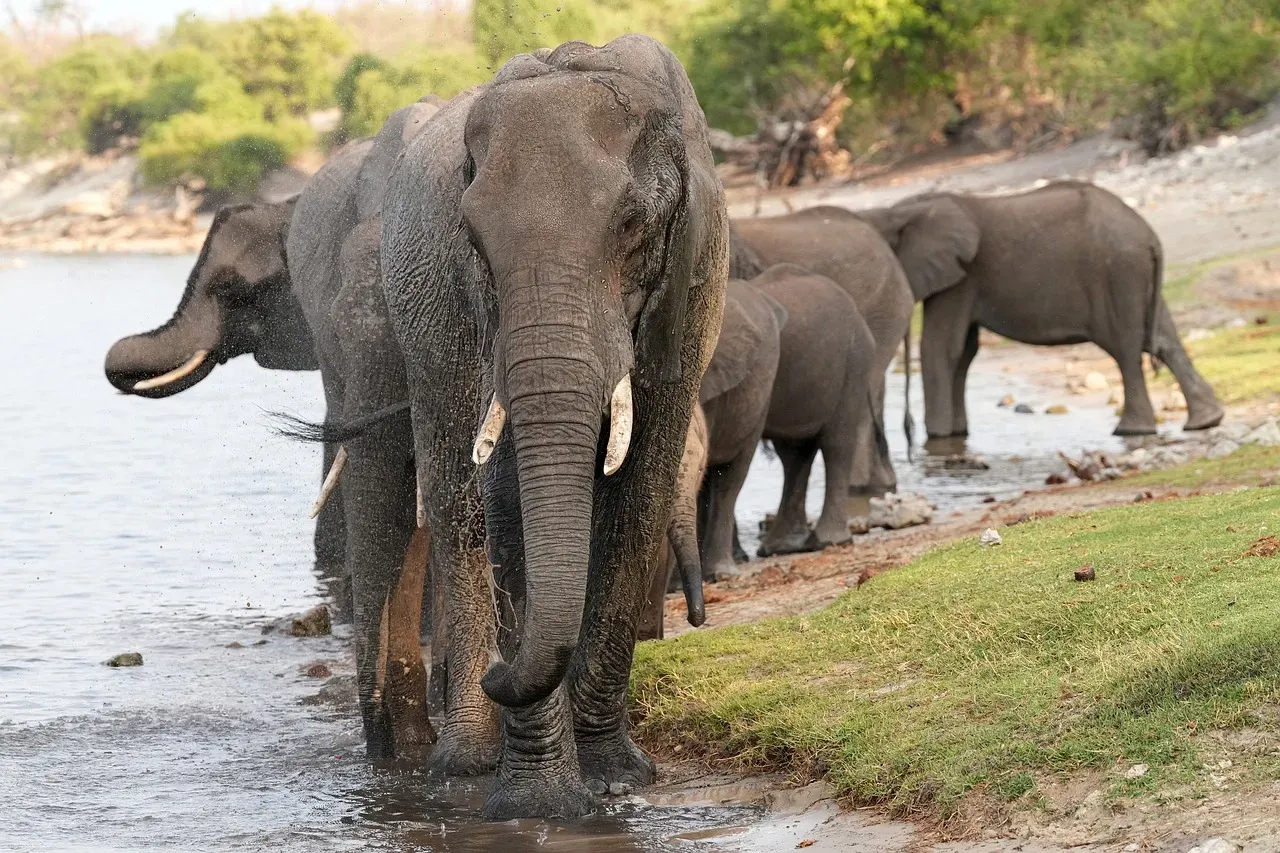
Perhaps the most emotionally striking aspect of elephant family bonds is what happens when a member dies. Elephants have been documented stroking the bones of the deceased, guarding carcasses, burying dead calves, and even crying. Though ignoring the remains or bones of other species, elephants almost always react to those of their own.
In one documented case, a herd returned to the exact spot where their matriarch died three years earlier, stood silently for over an hour, then moved on. Calves have been observed mimicking adult behaviors, gently touching bones with their trunks under the watchful eyes of older females, suggesting that mourning is not just instinctual but culturally transmitted. Let that settle in. They travel back. They remember. They teach their young how to grieve.
In highly social species like elephants, mourning behaviors likely reinforce group cohesion and survival. By collectively acknowledging death, herds strengthen social bonds and transmit critical knowledge. Young elephants learn about danger, mortality, and empathy through observation.
Neurochemically, elephants share key bonding mechanisms with humans: oxytocin, the “love hormone,” surges during social contact and is linked to attachment and grief responses. Their limbic system, especially the hippocampus and amygdala, is proportionally larger than in most mammals, supporting deep emotional memory. This is not sentiment. This is neuroscience. The architecture of their grief is built into their brains the same way ours is.
Studies show that orphaned elephants exhibit post-traumatic stress symptoms, including heightened aggression, abnormal social behavior, and difficulty bonding with calves later in life. When you remove an elephant from its family, you are not just relocating an animal. You are severing a neurological and emotional network that took years to build.
Conclusion: A Language Worth Listening To
The more we learn about how elephants communicate, the harder it becomes to see them as anything other than profoundly feeling, deeply bonded beings. They name each other. They feel their family members calling to them through the ground. Their grandmothers keep them alive through memories that span decades. They grieve, and they teach their young to grieve too.
The more we uncover about elephant communication, the more we realize how much we have in common with these gentle giants. Their complex language reflects deep social bonds, intelligence, and a rich emotional world.
In 2026, with habitat loss and poaching still devastating elephant populations, the stakes of this knowledge are enormous. When older elephants are killed, especially matriarchs, a wealth of knowledge is lost, often resulting in poor decisions, increased conflict with humans, and trauma within the herd. Protecting elephants, it turns out, means protecting a culture. A living, breathing, feeling culture.
The next time you see footage of a herd moving silently across the savanna, know this: they are almost certainly talking. Beneath your feet, through the air, with their trunks and their eyes and their memories. A whole world of connection, expressed in a language we are only just beginning to understand. What do you think it says about us that it took this long to start listening?
