

When you think of loyalty in the canine world, one image probably springs to mind: a noble, intelligent dog following its owner everywhere, eyes filled with devotion. That same unwavering bond, though, can become a double-edged sword. Some dogs love so deeply that being apart from their humans feels like the world is ending.
These dogs earn nicknames like “velcro dogs” because they’re constantly underfoot, shadowing your every move. It’s adorable until you realize that same attachment might unravel into destructive chaos the moment you step out the door. Let’s explore why this happens and what it truly means for one of the world’s most devoted breeds.
The Breed Behind the Unbreakable Bond
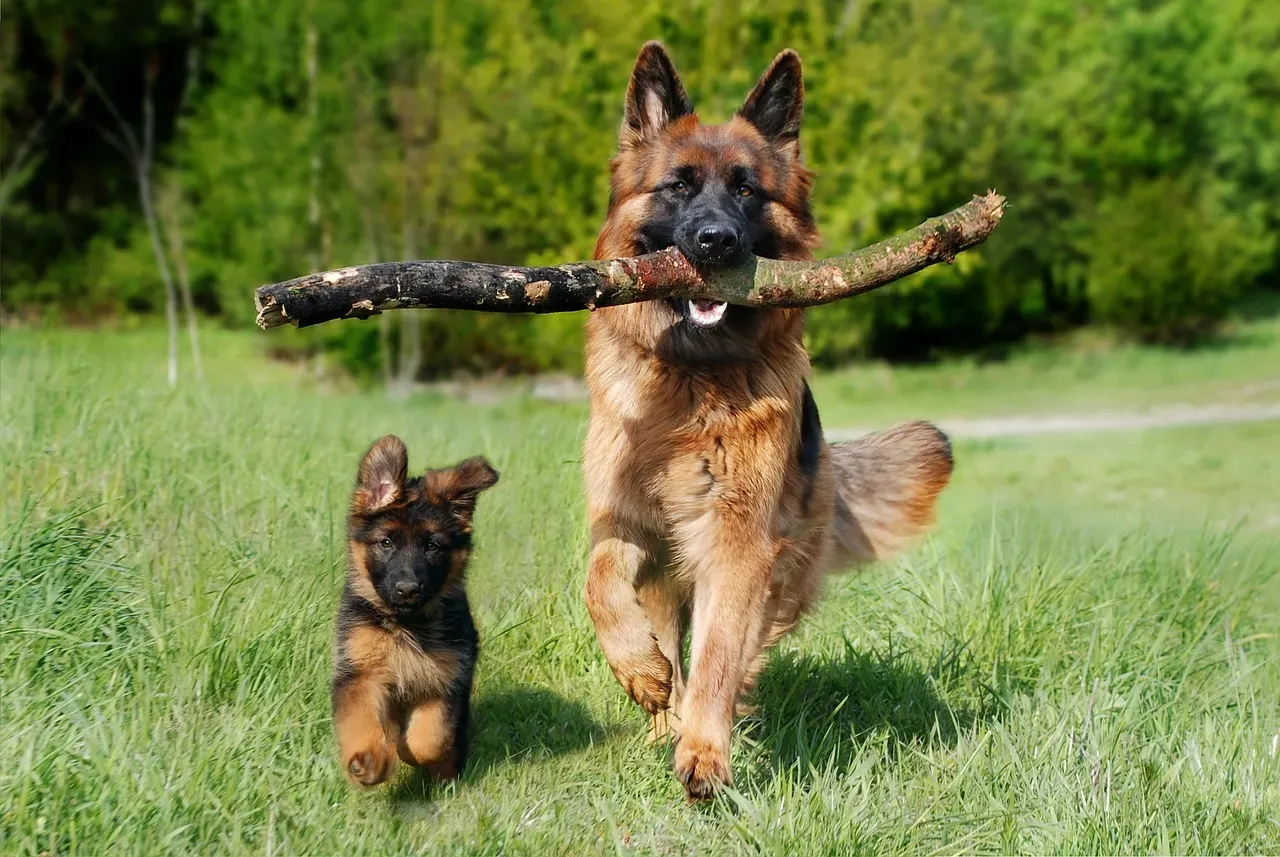
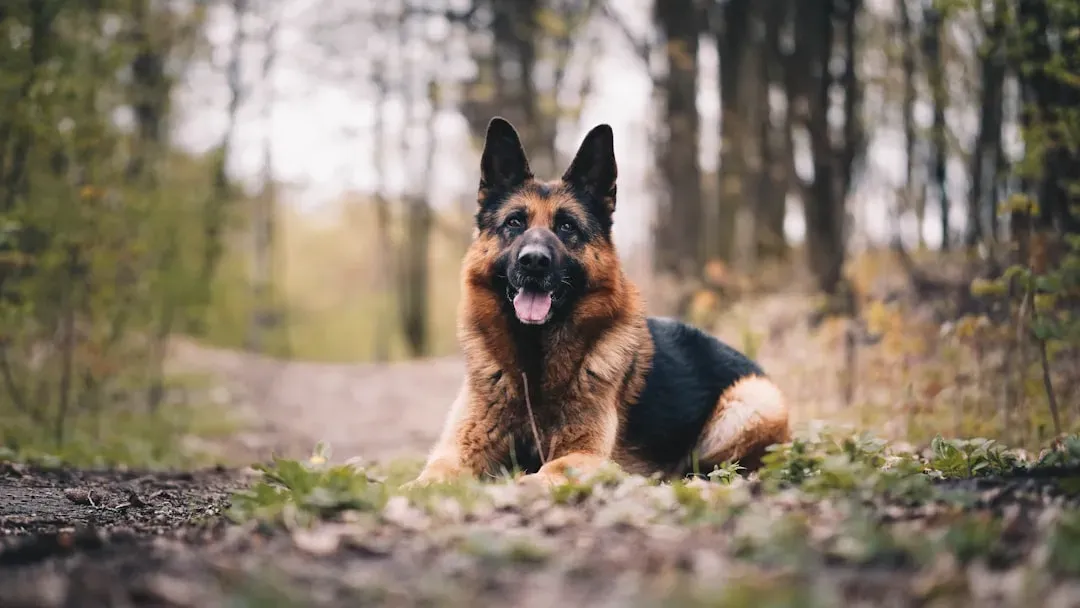
German Shepherds are extremely loyal and protective of their owners, which makes them vulnerable to separation anxiety. Their reputation as guardians, military heroes, and police partners speaks volumes about their devotion. Originally bred in Germany around 1899 as herding dogs, these dogs worked closely with their owners to manage farm animals. That history of constant companionship runs deep in their DNA.
When you bring a German Shepherd into your life, you’re not just getting a pet. You’re getting a shadow that follows you from room to room, a companion that thrives on being by your side. It’s in their nature to watch over their family, and that’s impossible when their humans are not home.
This intense loyalty makes them incredible partners. Yet it also sets them up for heartbreak every time you grab your keys to leave. Their devotion doesn’t come with an off switch, and that’s where the trouble begins.
Why This Breed Forms Such Intense Attachments
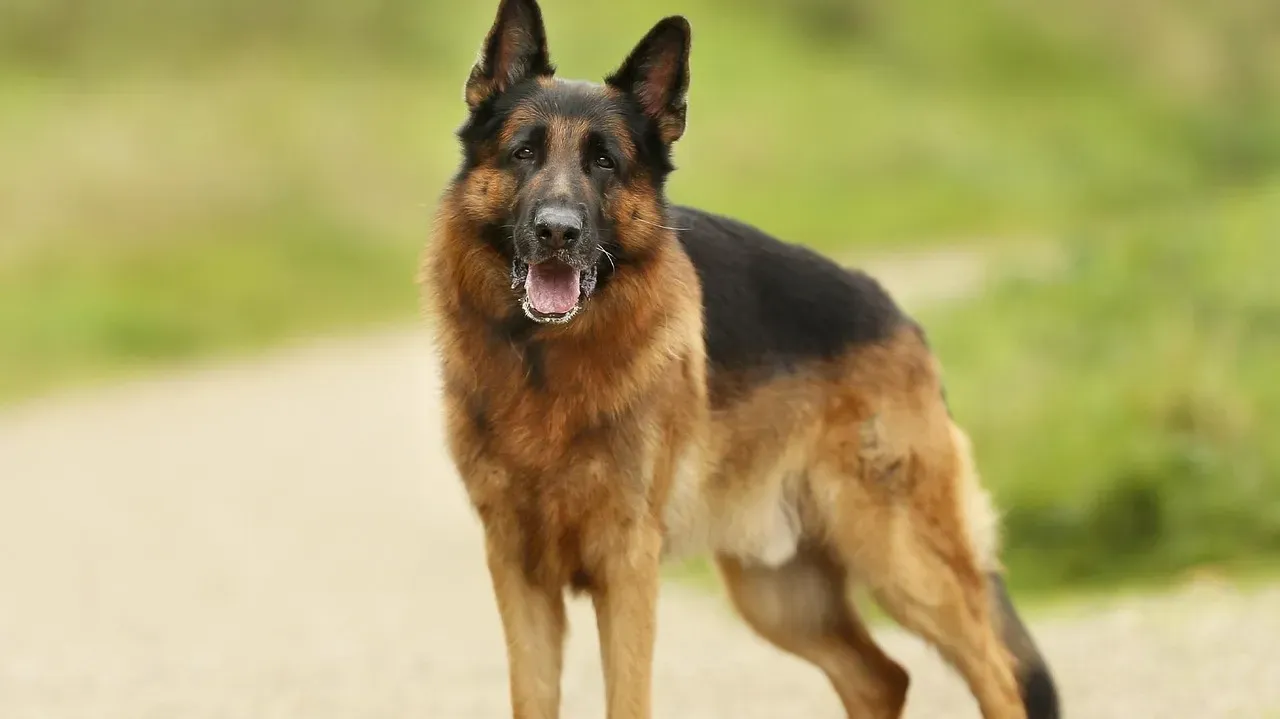
German Shepherds are known for their strong loyalty and attachment to their owners, making them highly devoted and loving companions, though it also means they can become deeply bonded, sometimes to the point of separation anxiety when left alone. The work they were bred to do required constant collaboration with humans. During World War II, they were used as war dogs, often going into battle side by side with their soldier owners.
These historical roles weren’t just jobs. They were partnerships built on trust, communication, and an unshakeable bond. That legacy didn’t disappear when the breed transitioned into family homes. Their intelligence makes them highly trainable and capable of learning commands quickly, but it also means they are more perceptive and can pick up on cues indicating your departure.
They notice the little things: you putting on your shoes, grabbing your coat, the jingle of car keys. Each small ritual becomes a warning sign that abandonment is coming. Their sharp minds work against them here, turning everyday routines into triggers for panic.
When Devotion Turns Into Distress

Separation anxiety is behavior that only happens when a dog is separated from its owner, becomes distressed, and exhibits behavior problems, as the dog cannot cope with loneliness and worries that when you’re gone, you’ll never return. Imagine feeling absolute terror every time someone you love walks out the door. That’s the reality for many German Shepherds.
German Shepherds are particularly greatly affected by this condition compared to other breeds. They are more prone than many breeds because they are a loyal, protective, and affectionate breed that forms an intense bond with their owner from early puppyhood. The same traits that make them wonderful companions become their biggest vulnerability.
This isn’t just a minor inconvenience. It’s genuine psychological distress that affects their wellbeing. Left untreated, the anxiety can spiral, affecting not just their behavior but their overall health and happiness.
Recognizing the Signs of Separation Chaos
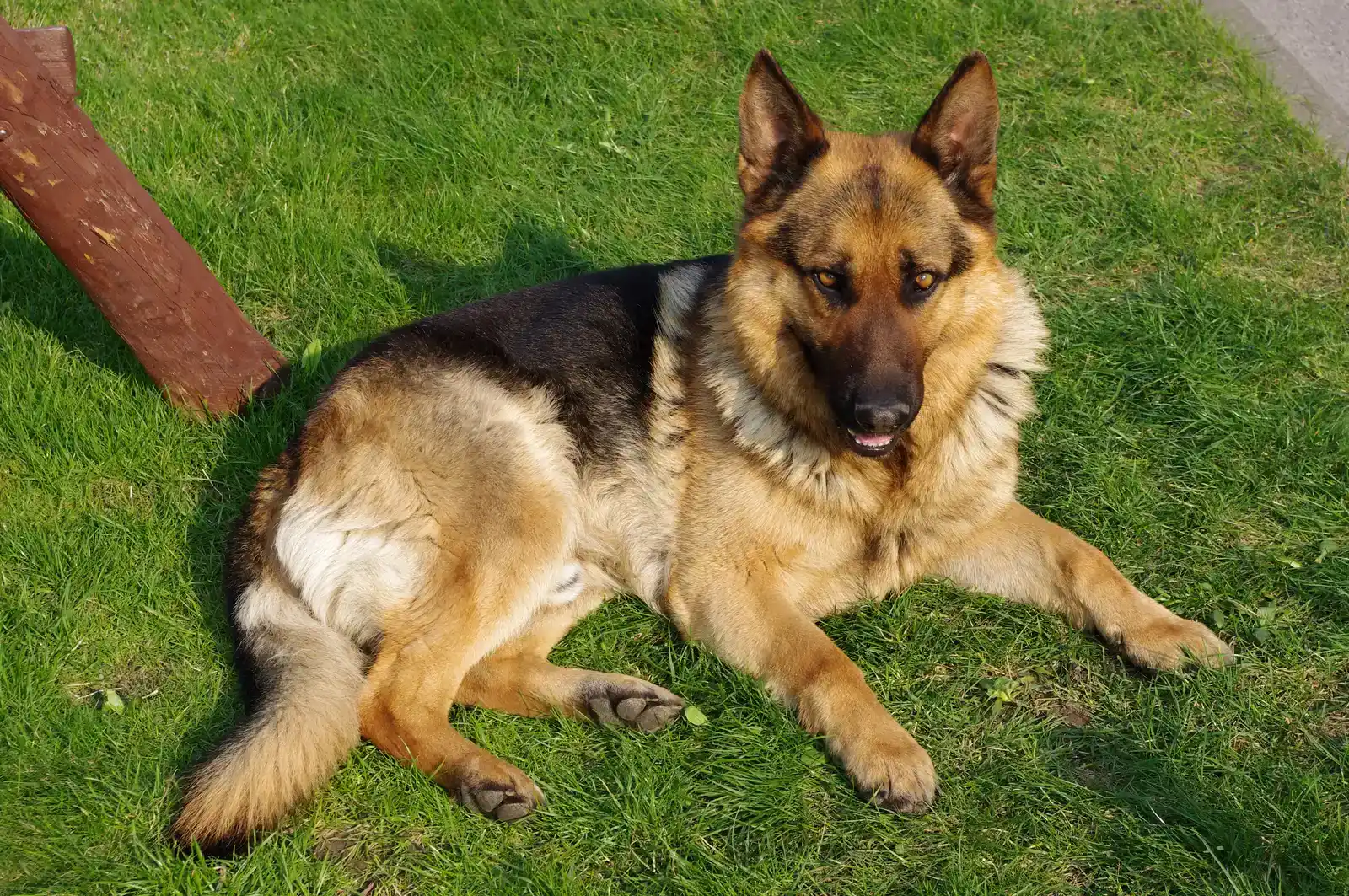
Symptoms of separation anxiety include panting, drooling, howling, barking, sweating from the paws, and dilated pupils, and once alone, they may continue with excessive vocalizations and engage in destructive behaviors such as chewing, digging, attempting to escape, or increased potty accidents. These aren’t acts of defiance or poor training. They’re panic responses.
Symptoms will often manifest as you prepare to leave, and your German Shepherd will start to stress – this is known as departure cue anxiety. You might see them pacing nervously, following you even more closely than usual, or whining before you’ve even touched the doorknob. Howling is arguably the most common sign of separation anxiety in German Shepherds.
When you return home, the greeting goes beyond normal excitement. The welcoming behavior displayed by your dog is greatly exaggerated, and he’ll be difficult to calm down. It’s heartbreaking to realize that what looks like joyful reunion is actually relief from hours of panic.
The Root Causes Behind the Anxiety

Causes of separation anxiety in German Shepherds are insufficient early socialization and training, hyper attachment to their owner, and trauma such as abuse, abandonment, or neglect. Sometimes it stems from how they were raised. Puppies that never learned to be comfortable alone struggle as adults.
If your German Shepherd spends a lot of time with you, the possibility of developing separation anxiety will be much higher. Ironically, the more time you invest in bonding with your dog, the harder separation becomes. It’s a paradox that catches many devoted owners off guard. They shower their pets with love and attention, not realizing they might be creating dependency.
Past trauma plays a role too. Many shepherds are dumped in shelters or rehomed because they suffer from separation anxiety, which only leads to more behavior problems as these dogs often find themselves lost in a cycle of abandonment, the situation they fear the most. Once a dog has experienced being left behind, that fear becomes deeply embedded.
The Intelligence Factor That Complicates Everything
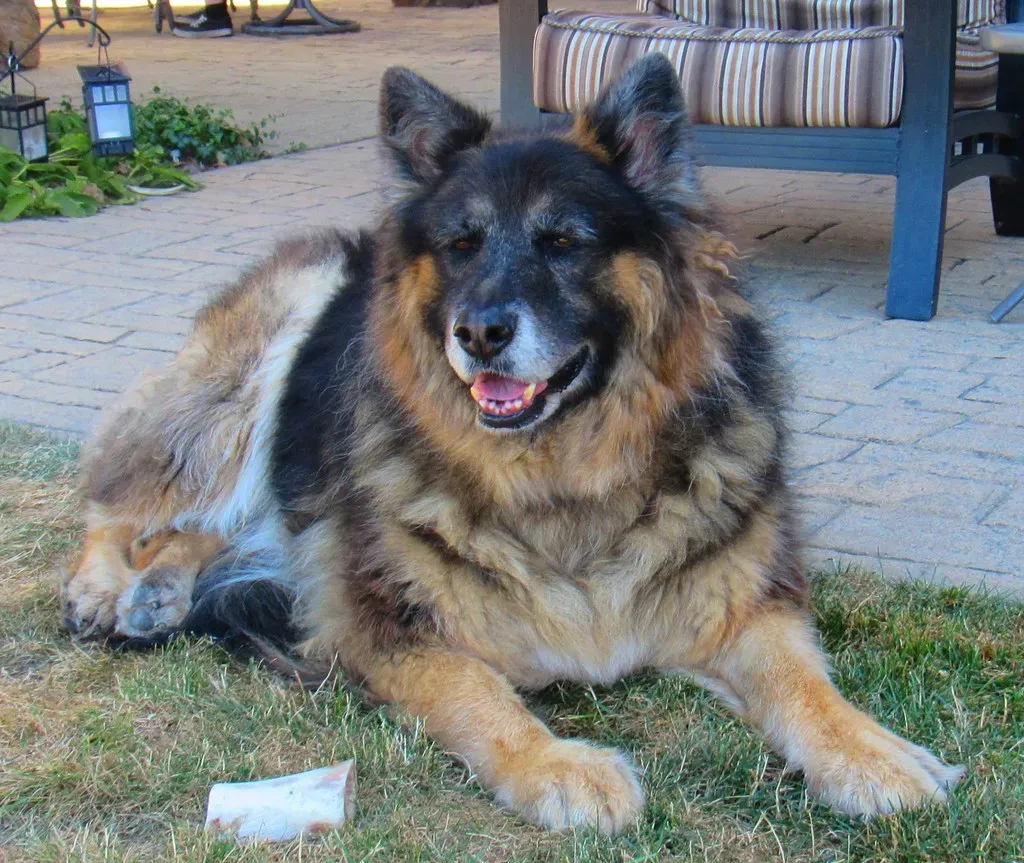
German Shepherds are mostly affected by separation anxiety due to their affectionate nature, and this intelligent breed can get anxious when alone for long periods. Their brains are both a blessing and a curse. They learn quickly, remember everything, and analyze patterns with remarkable accuracy.
That intelligence means they’re always thinking, always aware. They know your schedule better than you do sometimes. They recognize the difference between you getting dressed for a quick errand versus leaving for work. This awareness intensifies their anxiety because they can predict exactly how long they’ll be alone.
Some breeds might forget you left five minutes after you’re gone. German Shepherds don’t have that luxury. Their sharp minds keep them locked in a state of anticipation and worry, counting the minutes until you return. It’s exhausting for them, mentally and emotionally.
The Physical Toll of Emotional Turmoil

Symptoms can include panting, whining, barking, salivating, destruction of property, soiling indoors, and even escape attempts. These aren’t just behavioral quirks. They’re physical manifestations of genuine distress. German Shepherds do not drool that often, so if you notice your dog is drooling a little more often than usual, it’s probably going through separation anxiety.
The stress hormones flooding their system during these episodes take a real toll. Chronic anxiety can weaken their immune system, disrupt their digestion, and contribute to long-term health issues. If not dealt with at an early stage, separation anxiety can be crippling to your dog.
Beyond the physical symptoms, there’s the emotional weight. Dogs experiencing this level of distress aren’t living their best lives. They’re trapped in a cycle of fear and relief, never truly relaxed unless you’re right there beside them. It’s no way for such an intelligent, capable breed to exist.
Why Traditional Solutions Often Fall Short
In extreme separation anxiety, your German Shepherd may not be interested in playing with his favorite toys; even the interactive ones stuffed with tempting peanut butter are no interest! Many people try the standard tricks: leaving toys, playing calming music, or providing treats. Sometimes these help with mild cases, but severe anxiety requires more.
It can be hard to ease severe separation anxiety in German Shepherds, and while you might get a sense of affection by knowing that your dog is anxious for your return, it might be dangerous for your dog to be upset every time you leave, so it is therefore best to tackle the problem head-on. The reality is that quick fixes don’t address the underlying emotional distress.
Some owners make the mistake of increasing affection when they see their dog stressed. Remember not to show them too much affection at these moments as it only makes matters worse. It reinforces the idea that their anxiety is justified, that there really is something to fear about being left alone.
Building Independence Without Breaking the Bond

Your German Shepherd has to become used to being alone, which doesn’t mean that you should leave your dog the whole day alone; instead, try to set some boundaries and create a daily routine for you and your dog. Teaching independence is a gradual process that requires patience and consistency.
Socializing and training your dog from an early age will help to prevent separation anxiety; additionally, taking your pup out for some exercise before leaving for work helps as well, and leave him where he feels relaxed and comfy, keeping departures low-key. Exercise is crucial because a tired dog has less energy to channel into anxiety.
The goal isn’t to make your German Shepherd care less about you. It’s to teach them that your departures are temporary, predictable, and nothing to fear. German Shepherds thrive on a consistent routine, which will help to minimize their anxiety and stress levels. When they know what to expect, the uncertainty that fuels anxiety begins to fade.
Hope for Healing and Moving Forward

There are things you can do to prevent separation anxiety and most dogs that suffer from it can be helped. This isn’t a life sentence for your dog. With the right approach, progress is absolutely possible. Treatment options available for German Shepherds with separation anxiety include behavior modification techniques, such as gradual separation from the owner, desensitization to various stimuli, medical treatment, and training using positive reinforcement.
Professional help can make a significant difference. Trainers who specialize in anxiety and behavioral issues understand the nuances of this condition. They can create customized plans that address your specific dog’s triggers and responses. Sometimes medication might be recommended for severe cases, but that’s always a conversation to have with your veterinarian.
Recovery takes time, and there will be setbacks along the way. The important thing is consistency and patience. Your German Shepherd’s devotion to you is unwavering. Showing that same commitment to helping them through their anxiety is how you honor that bond.
Living with a Devoted Heart

The German Shepherd is famous for being one of the most loyal dog breeds, though this comes at a price since the dogs could get sensitive and emotional about being left behind. That devotion is both their greatest strength and their most significant vulnerability. Understanding this duality is essential for anyone who shares their life with this remarkable breed.
The love a German Shepherd gives is absolute. They don’t love halfway or hold back their affection. They commit entirely, which means their emotional wellbeing is deeply intertwined with yours. Recognizing the responsibility that comes with that level of devotion changes how you approach their care.
Separation anxiety doesn’t mean your German Shepherd is broken or that you’ve failed as an owner. It means you have a dog whose capacity for love is so vast that being apart feels unbearable. With understanding, training, and compassion, you can help them navigate those feelings and find peace even when you’re not in the room. That’s the true measure of devotion returned.
What’s your experience been with managing a deeply attached dog? Share your thoughts in the comments.

- 14 Signs a Dog Near the Rainbow Bridge Is at Peace With Its Person - July 21, 2026
- 15 Ways a Shelter Animal Tells You It Was Always Meant to Be Yours - July 21, 2026
- 14 Ways a Dog Shows You Are the Center of Its Whole World - July 21, 2026